Some wildflowers can be found blooming in any month and a few others are late to flower so can be seen in October.
The key ID features to look for are underlined. If you think you've found the plants below, take a photo and submit a record - we will then check it for you.

Procumbent Yellow-sorrel
Found in dry, open places, often around habitation. This low growing plant probably originated as a garden escape but is now naturalised and common.
ID: Bronze-coloured 'clover-like' leaves, each leaflet heart-shaped. Yellow flowers.

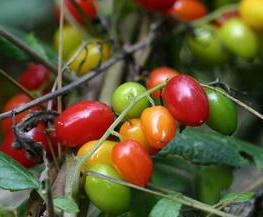
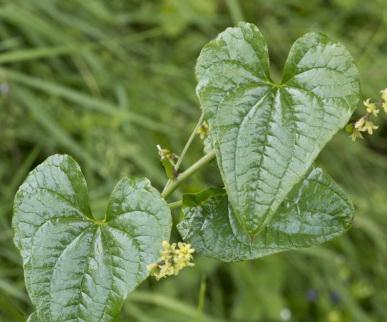
Black Bryony
A common climber in hedges. If you get the timing right you can see green, amber and red berries all on the same plant. Beware these berries are poisonous, though not to the birds that eat them!
ID: Large, dark green and heart-shaped leaves. Flowers are tiny - greenish yellow. Produces large berries in the Autumn, turning from green to amber to red.

Yarrow
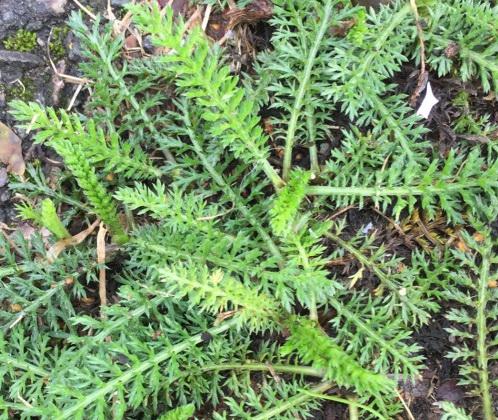
Flowering July to October and common on verges and in meadows. The feathery leaves are distinctive.
ID: Feathery leaves and creamy-white dense flower-heads (can also be pinkish).
Himalayan Balsam
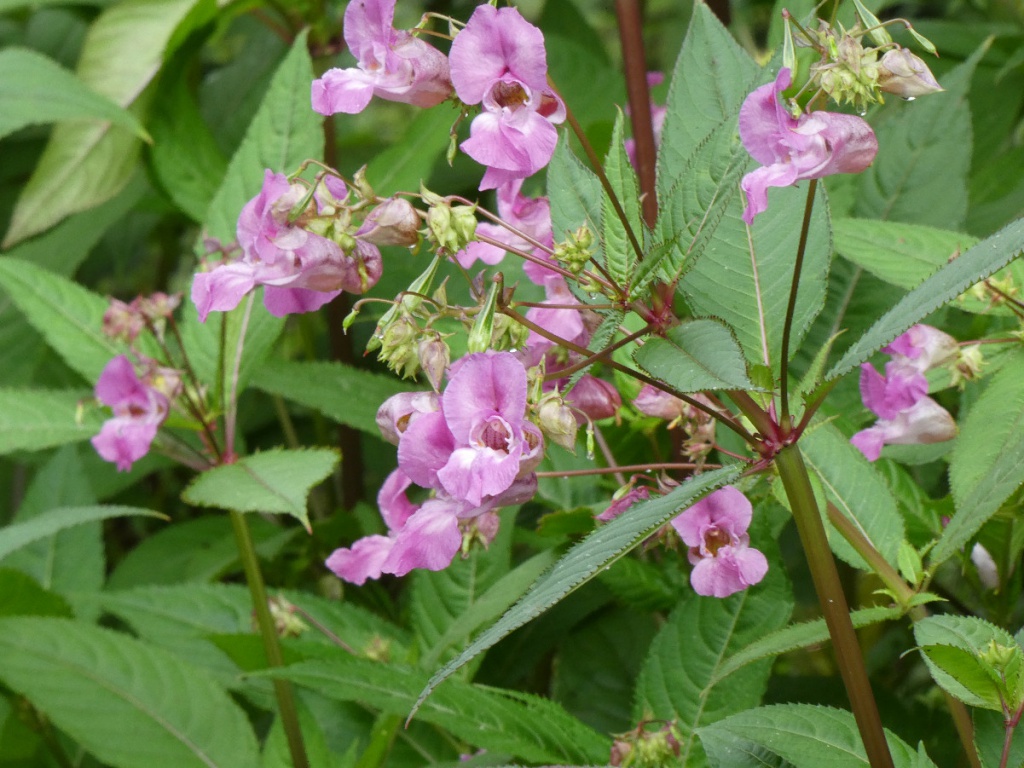
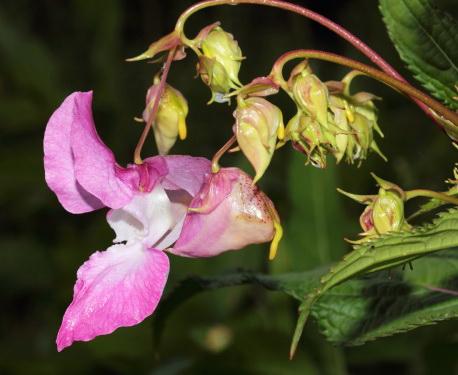
This invasive non-native is now a common sight along waterways. Despite the flowers being very attractive to bees, it forms dense stands that shade out native plants. In winter it dies away leaving bare soil vulnerable to bank erosion.
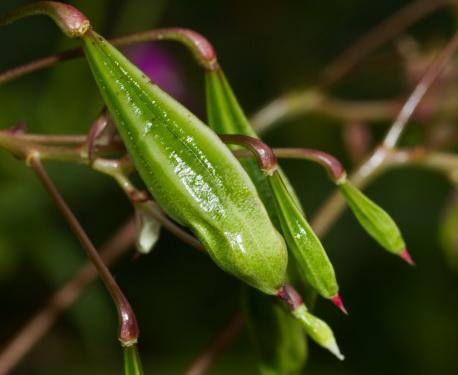
ID: To 2m. Pink-purple helmet-shaped flowers. Dangling club-shaped seed capsules.

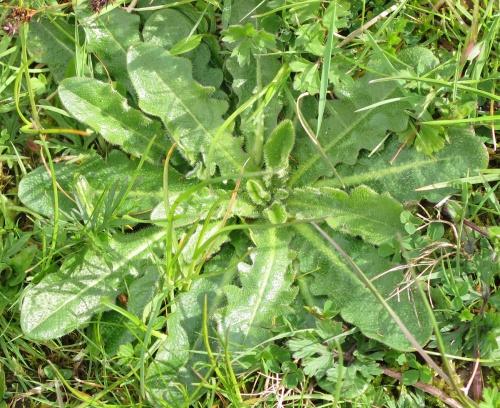
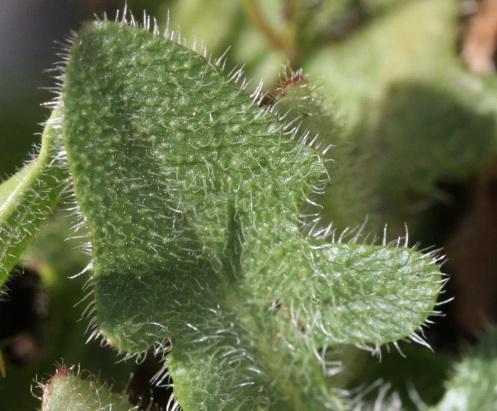
Cat's-ear
Though flowering June-September, the leaves help to identify this plant at any time of year. Common on verges and in short grassland.
ID: Basal rosette of wavy-edged, pimply and hairy leaves. Yellow dandelion-like flowers on branched stalks.