Walnut
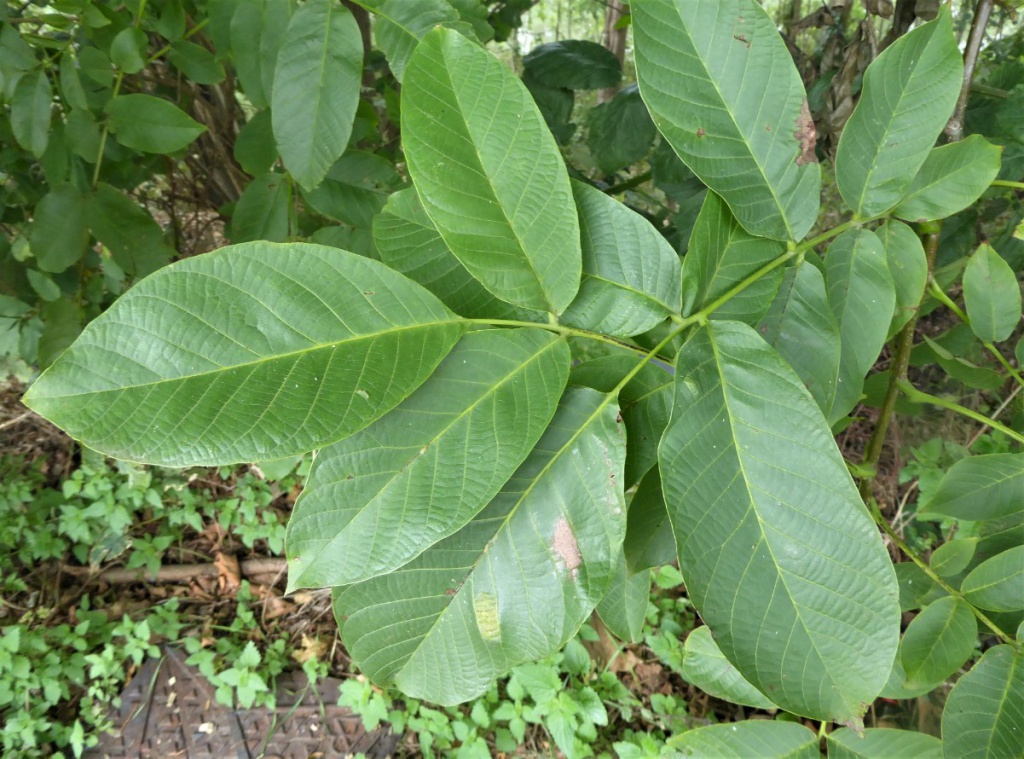
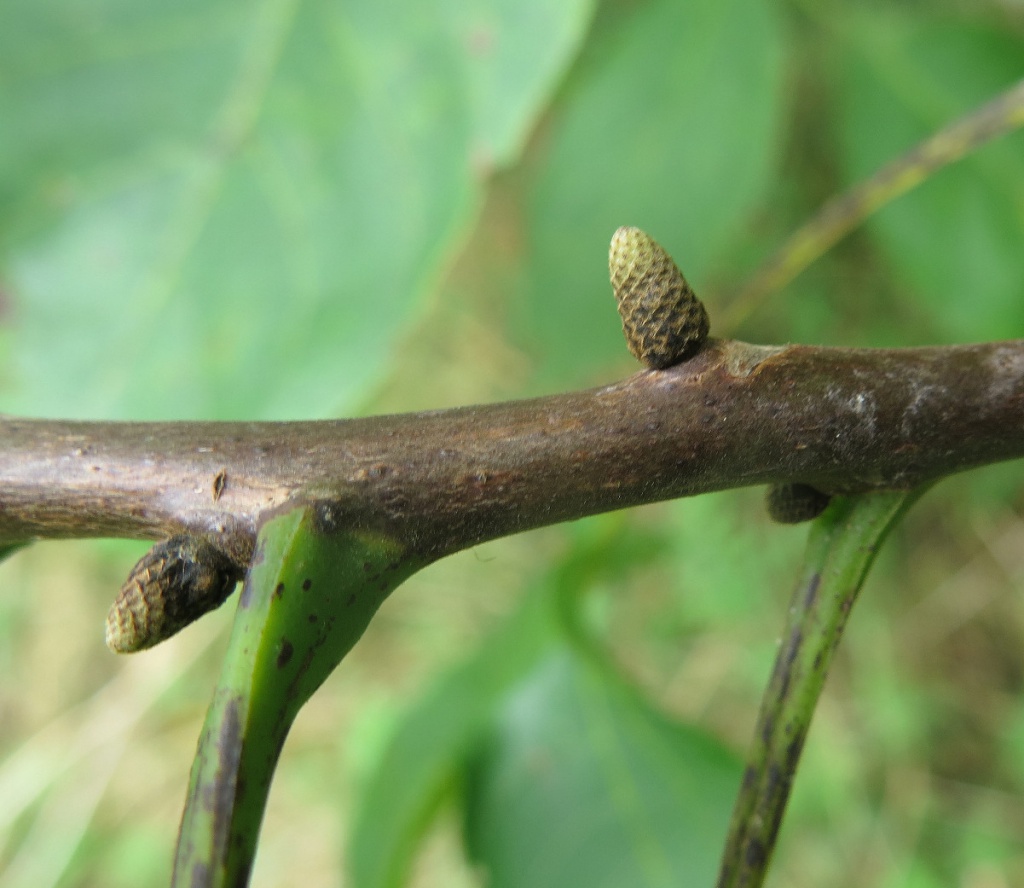
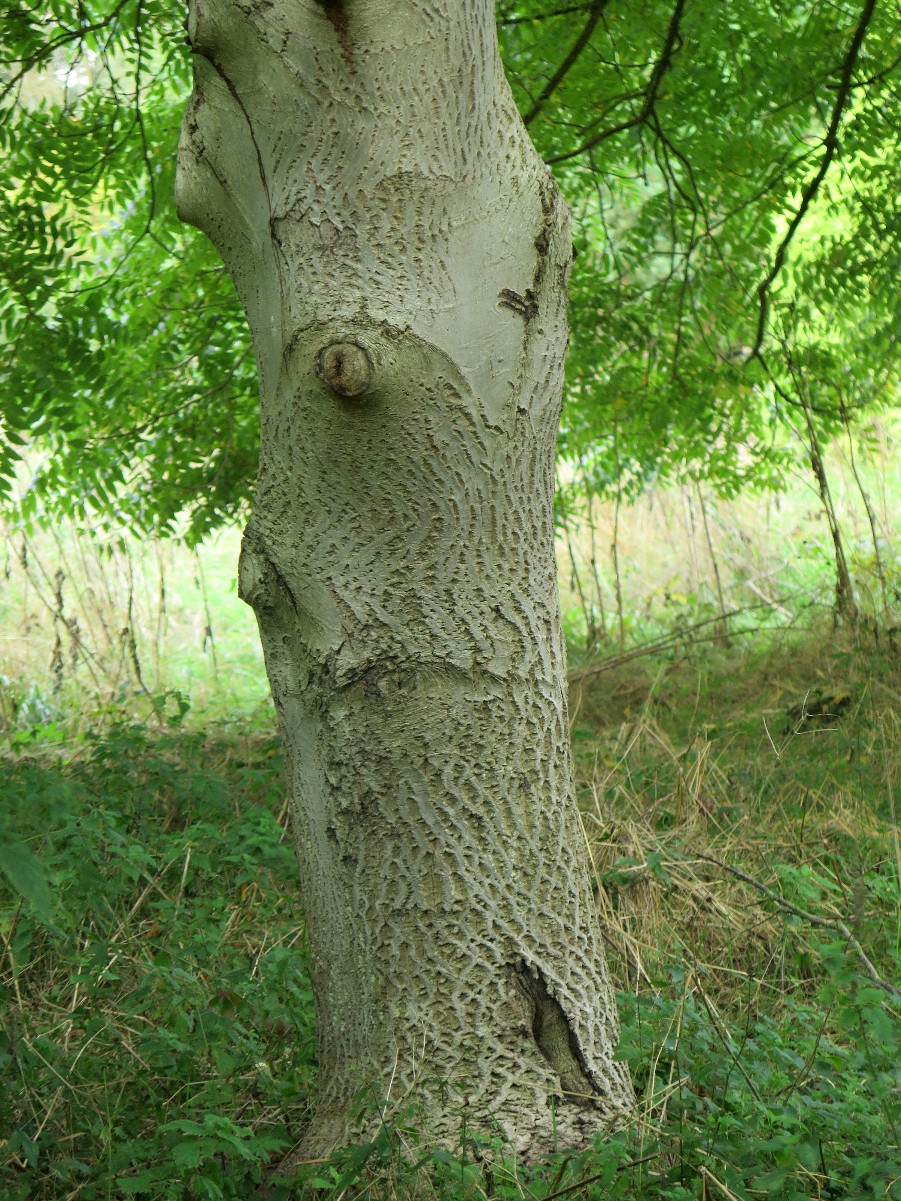
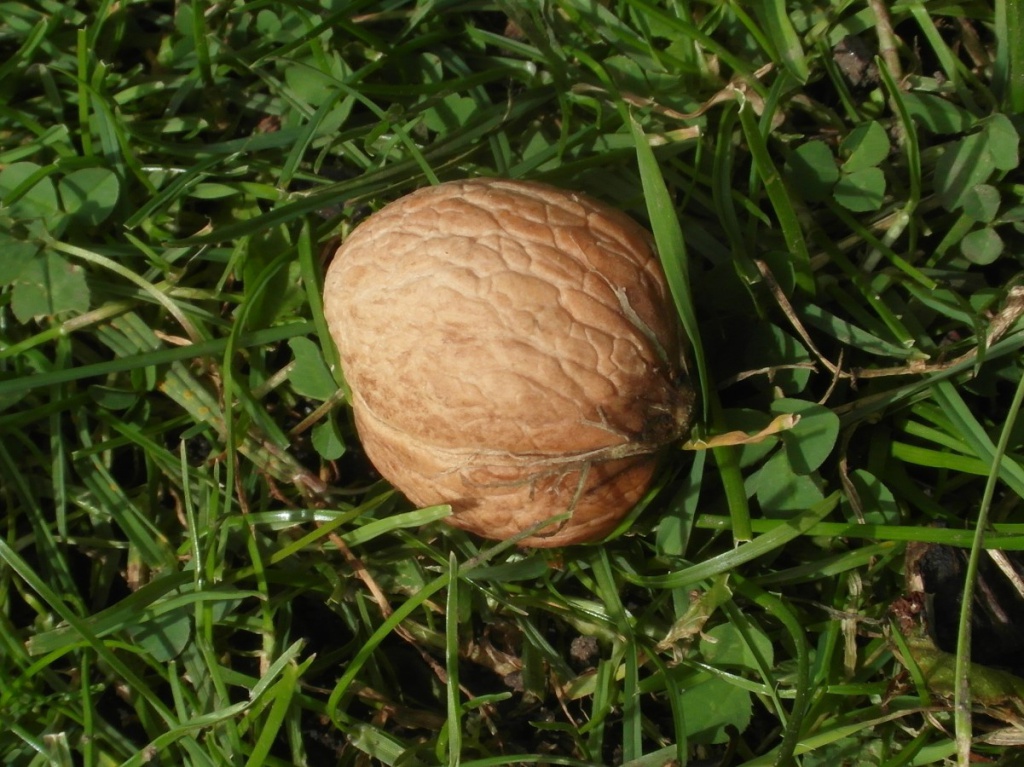
Walnut - Juglans regia

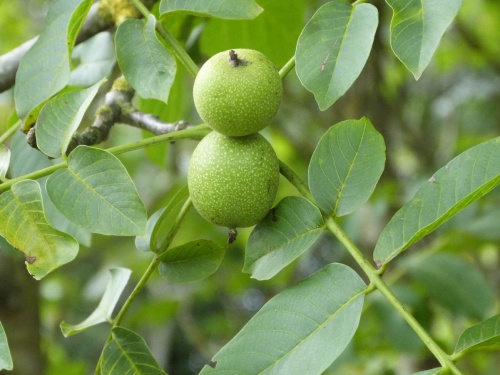 Graham Calow
Sharnford, Fosse Meadows
26 July 2020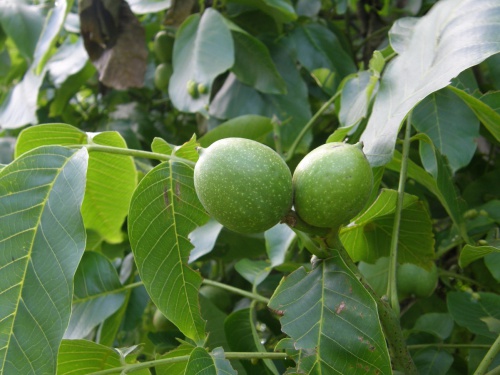 Saharima Roenisch
Abbey Park
07 July 2017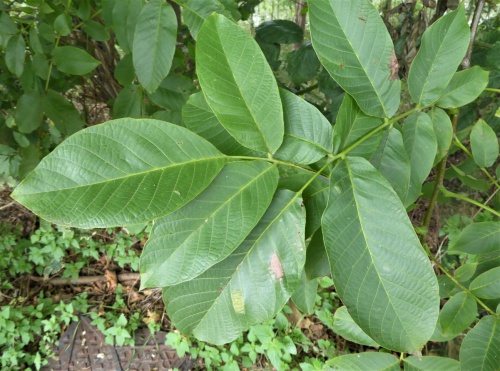 Saharima Roenisch
Soar-GUC, Abbey Park to Belgrave
10 September 2020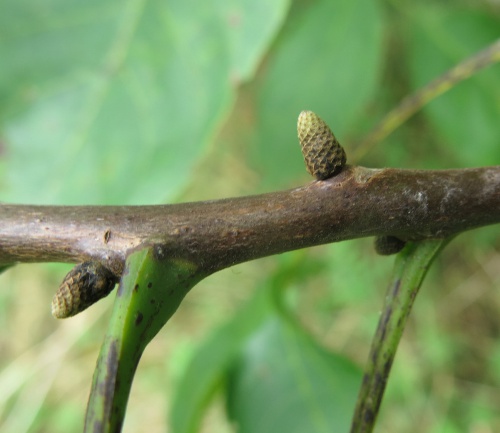 David Nicholls
Shady Lane Arboretum
22 September 2016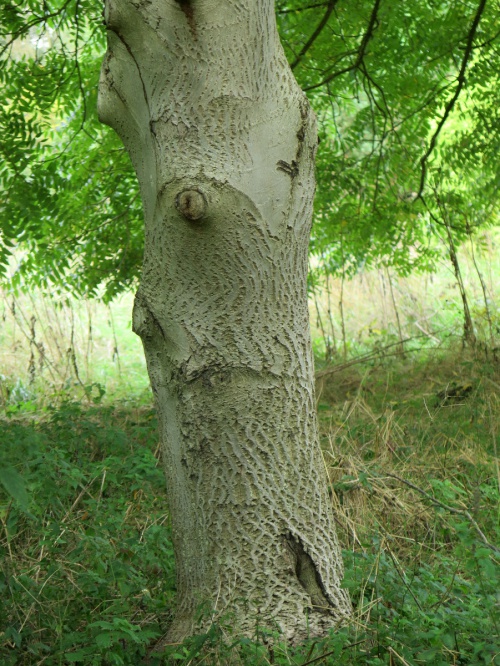 David Nicholls
Shady Lane Arboretum
22 September 2016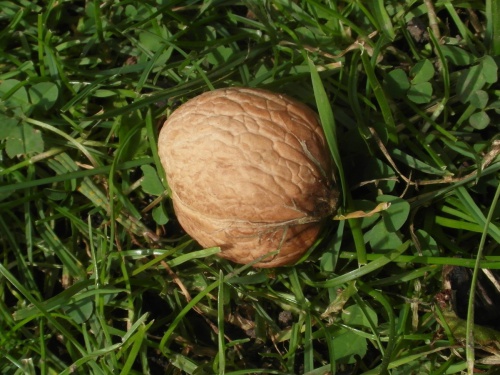 Alan Semper
Bradgate Park
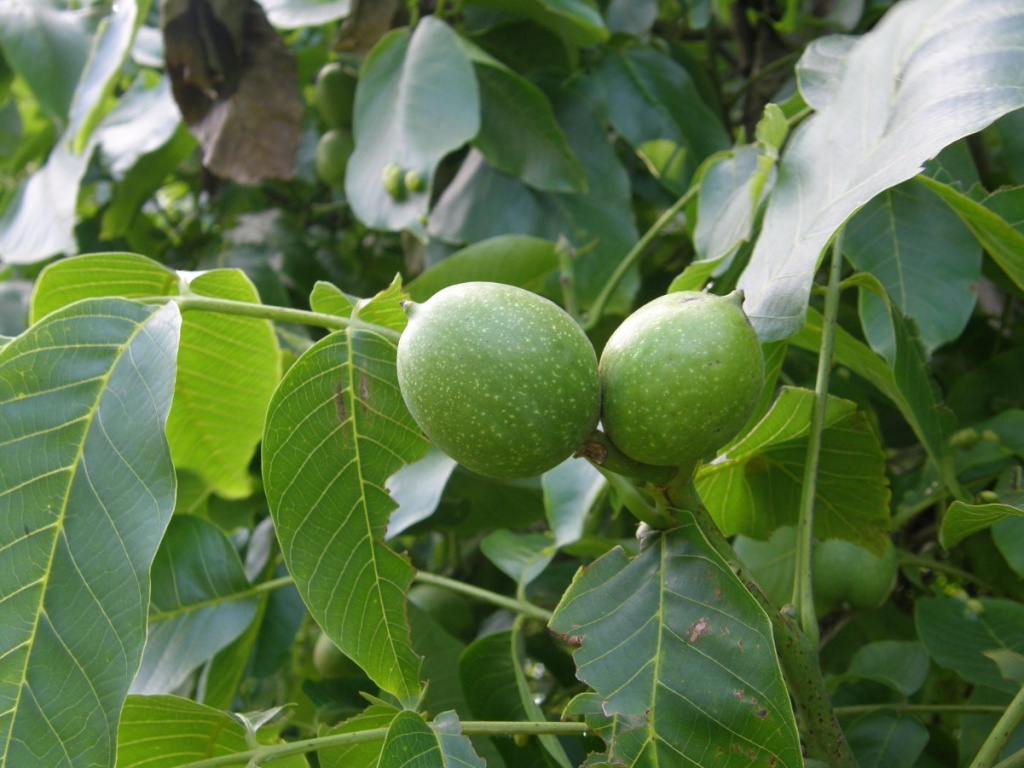
19 September 2017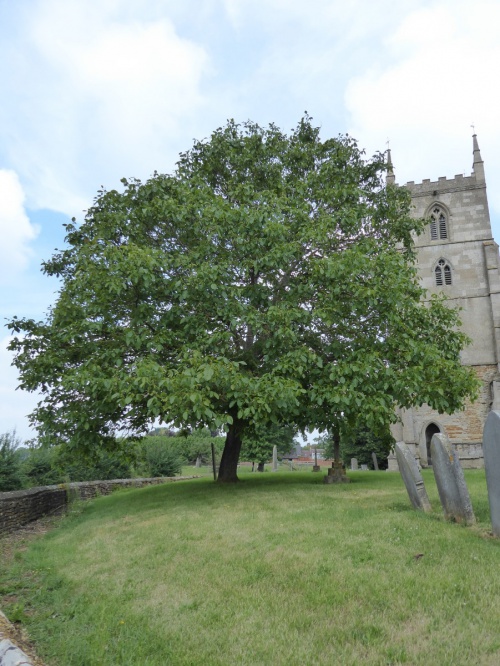 Alan Semper
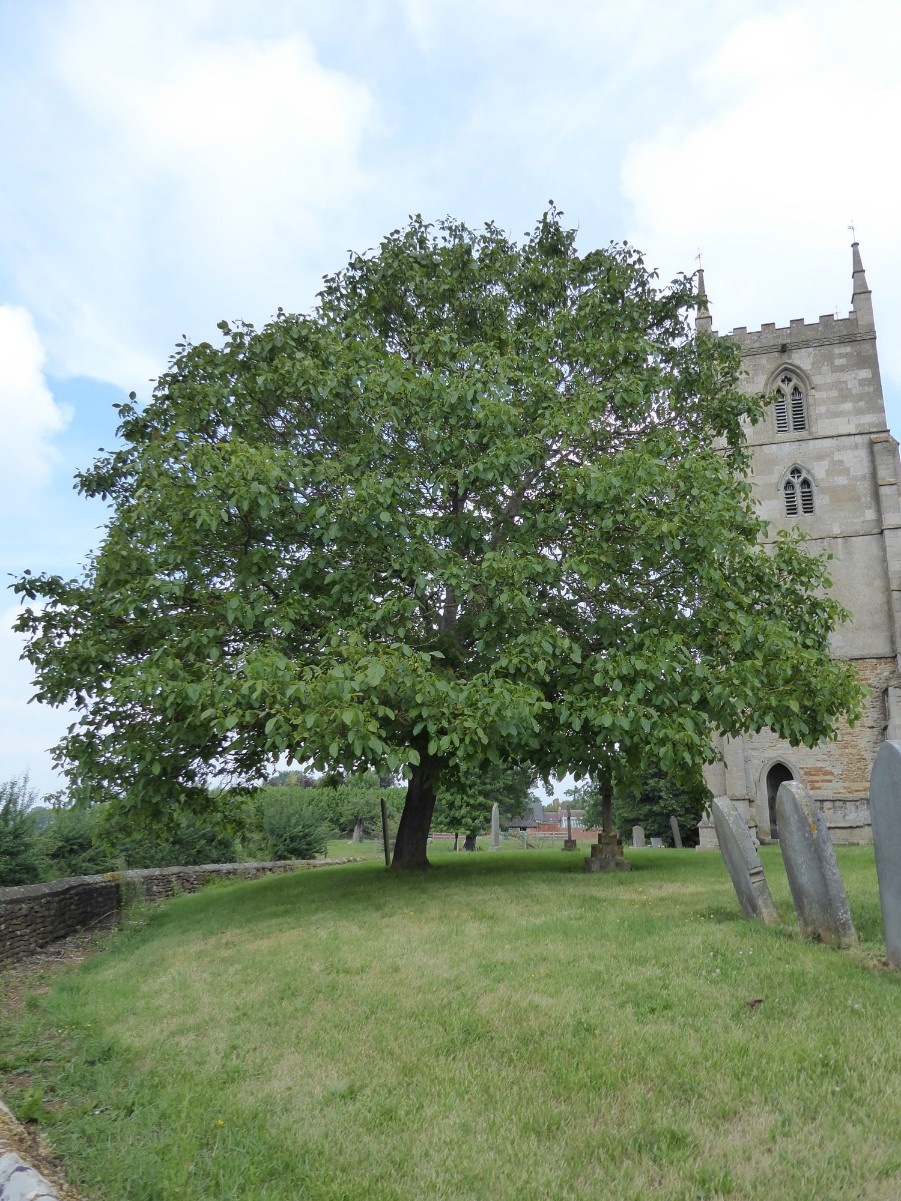
Teigh churchyard
17 June 2020

Leicestershire & Rutland Map
Enter a town or village to see local records
MAP KEY:
Yellow squares = NBN records (all known data)
Coloured squares = NatureSpot records: 2025+ | 2020-2024 | pre-2020
UK Map
Additional images
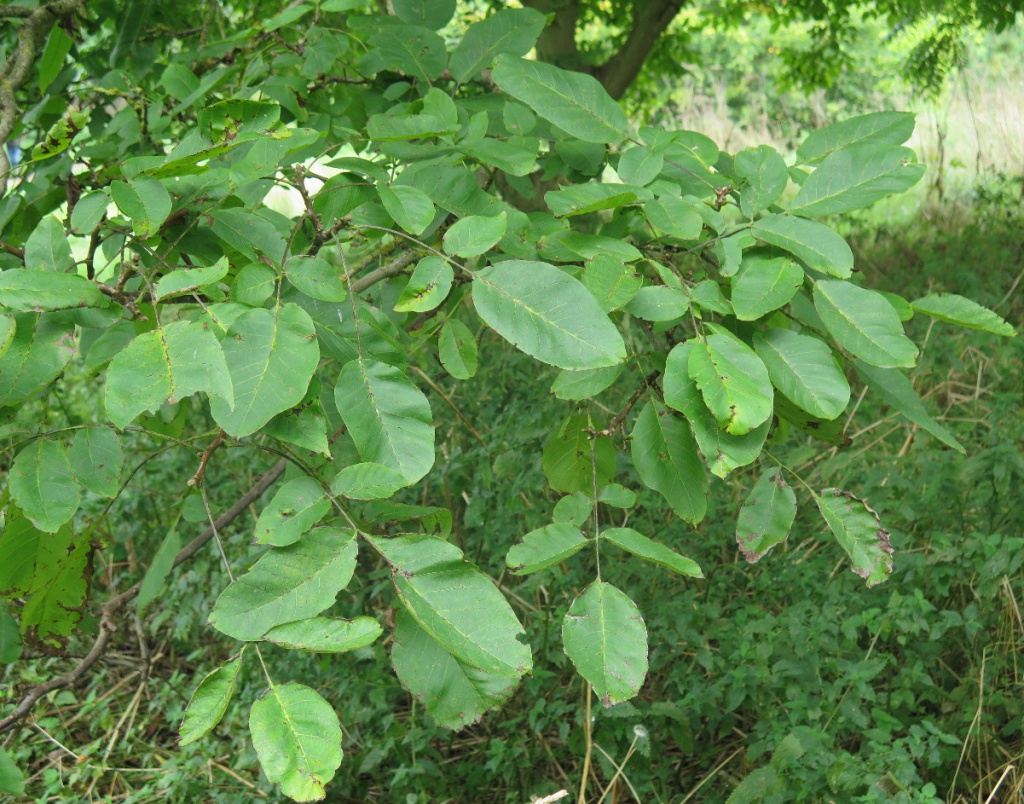
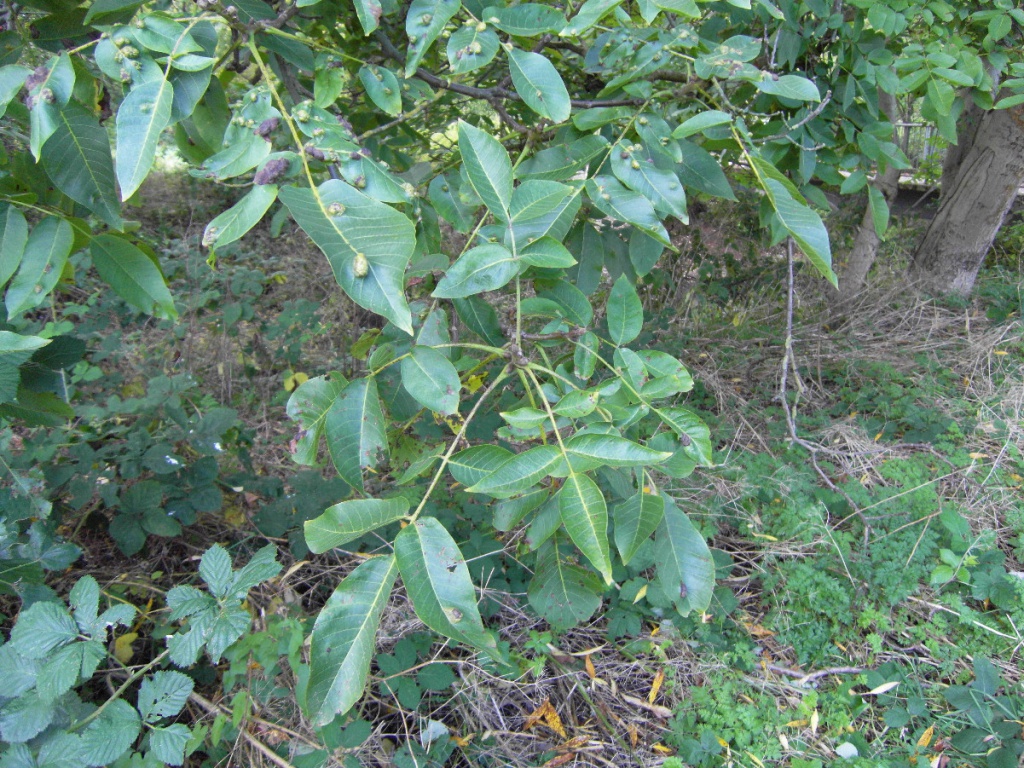
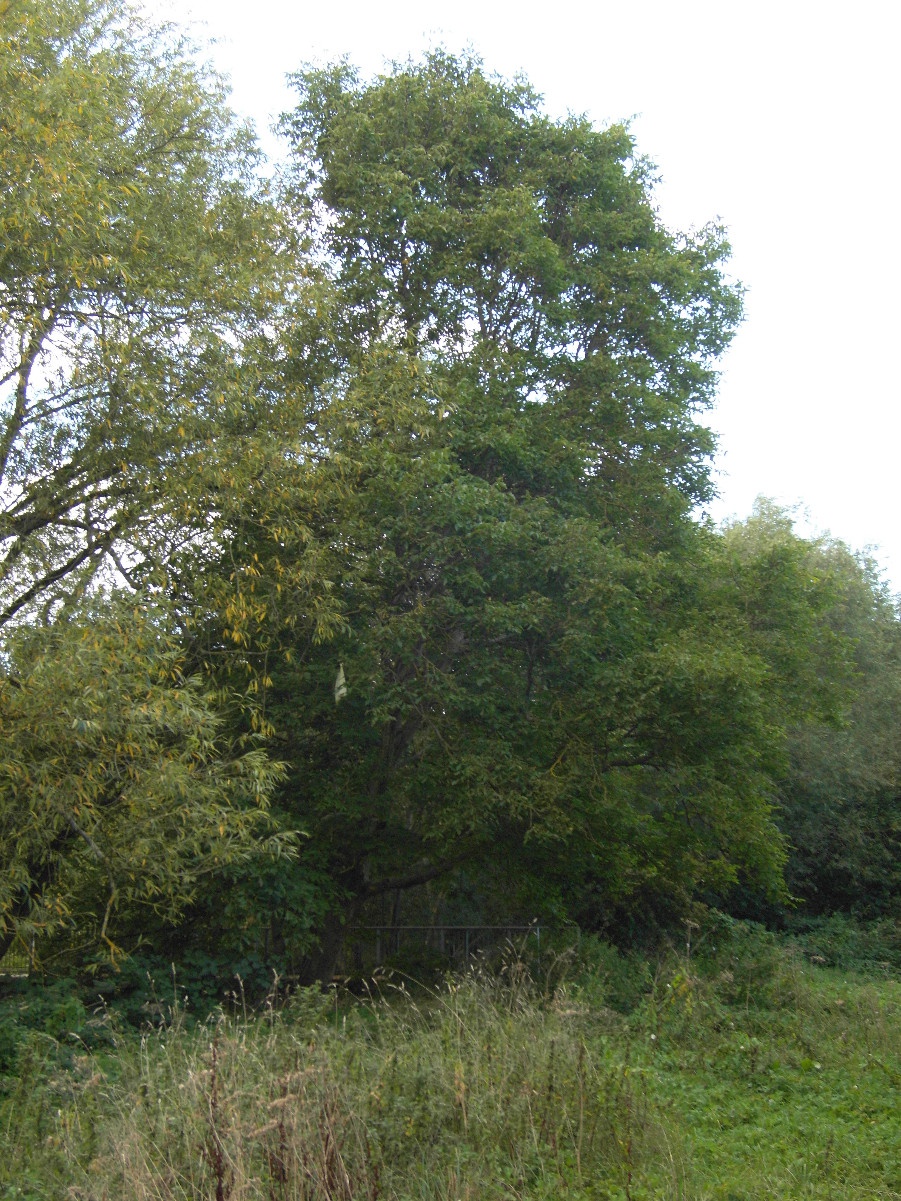
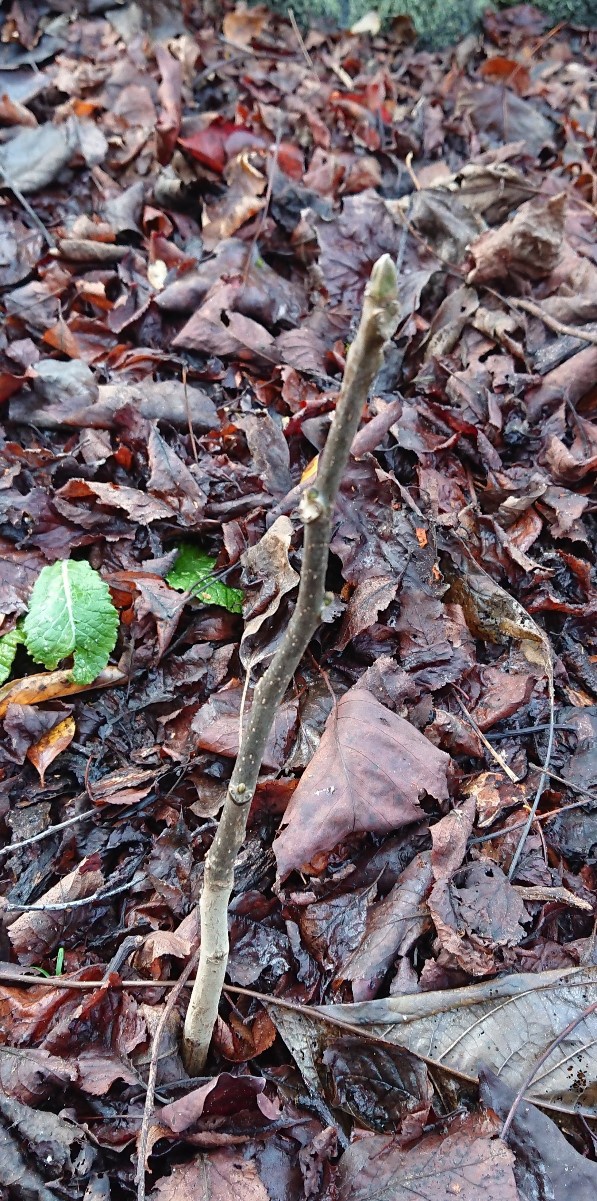
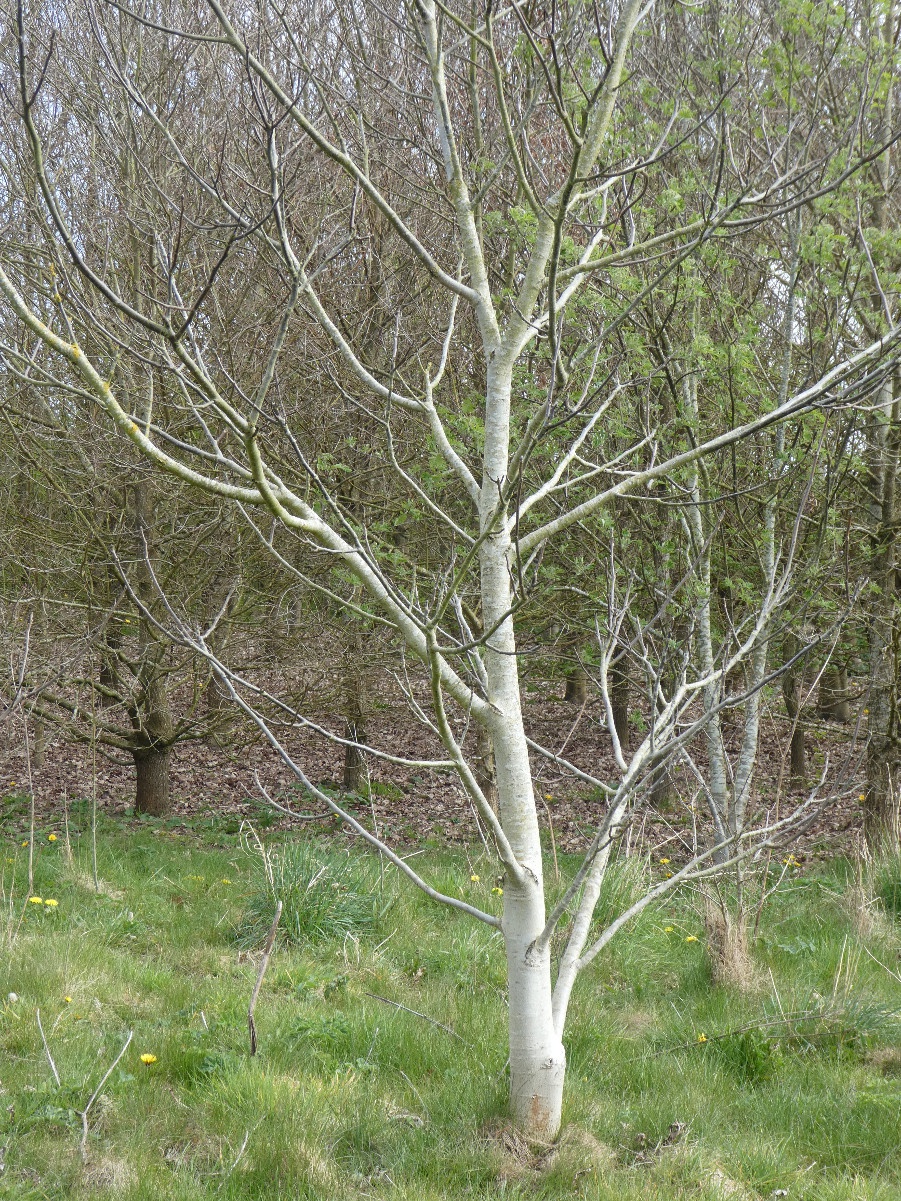
All NatureSpot records

Large Walnut Aphid
The Large Walnut Aphid (Panaphis juglandis) lives on the upper sides of leaves of Walnut. The fourth-instar nymph has transverse rows of brown patches on the dorsal abdomen. The adult alate is large and stout-bodied. It has a darkened head and thorax, and a yellow abdomen with dark brown transverse bands. The forewing veins are fuscous-bordered.
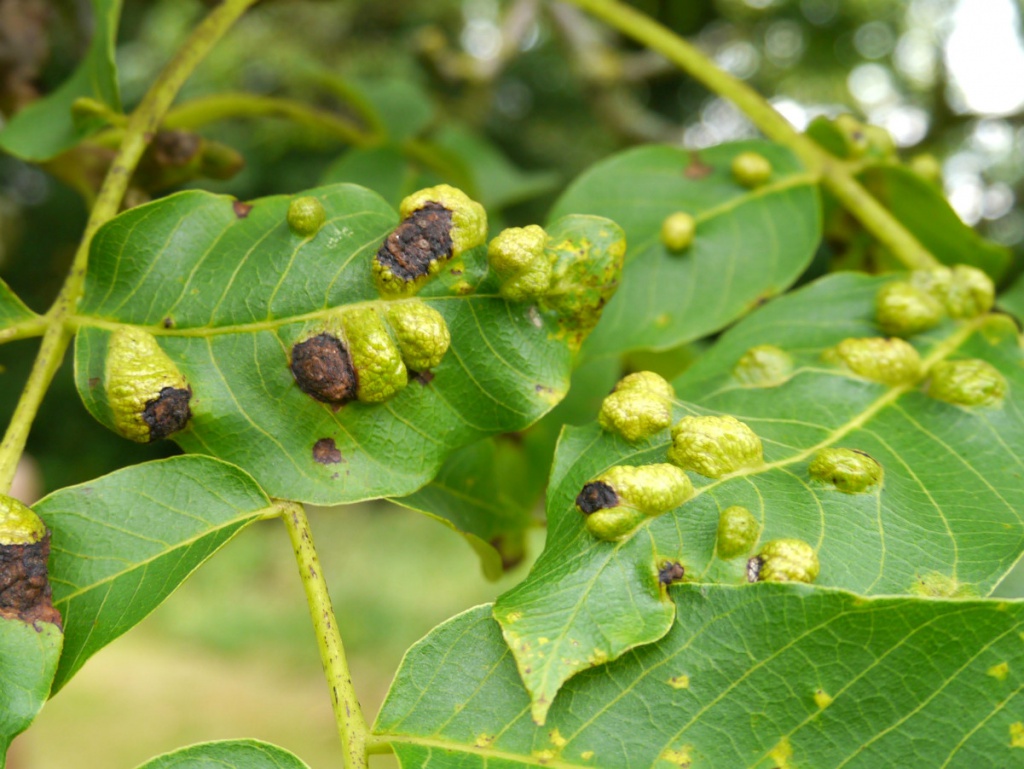
Walnut Leaf Gall Mite
The Walnut Leaf Gall Mite (Aceria erinea) causes galls to form on the leaves and occasionally the fruits of Walnut. Large yellowish blisters appear on the upper surface of the leaves with corresponding hollows on the underside which are lined with whitish or pale brown hairs among which the mites live and feed.
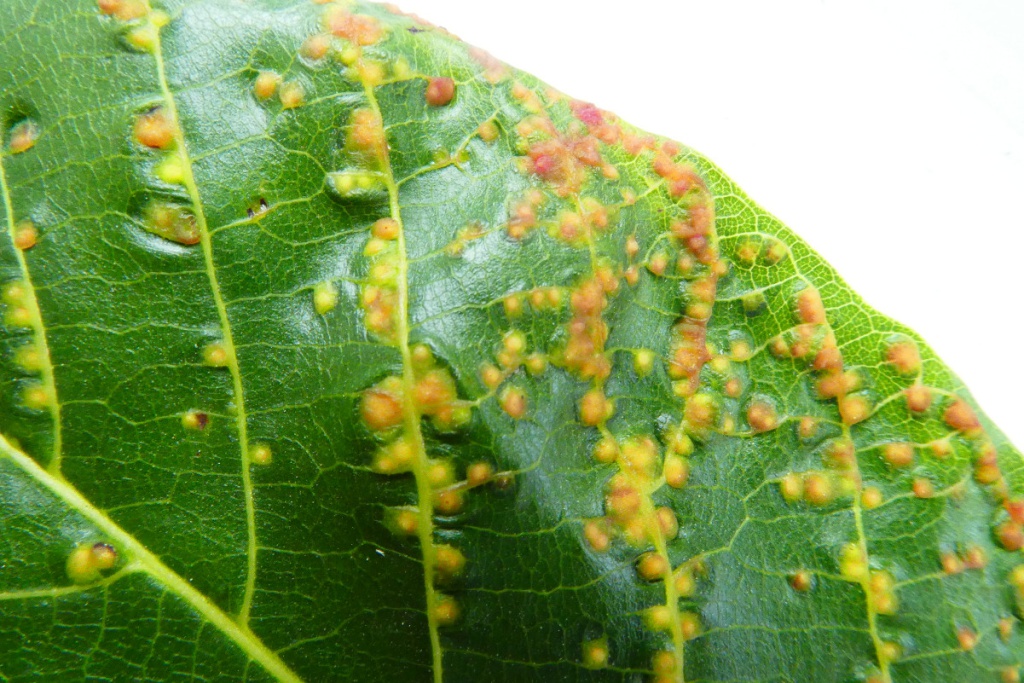
Walnut Blister Mite
The Walnut Blister Mite (Aceria tristriata) produces small blister like galls on the leaves of Walnut which often turn red. When a tree is severely affected the fruits may become galled as well.