Snowberry
Snowberry - Symphoricarpos albus
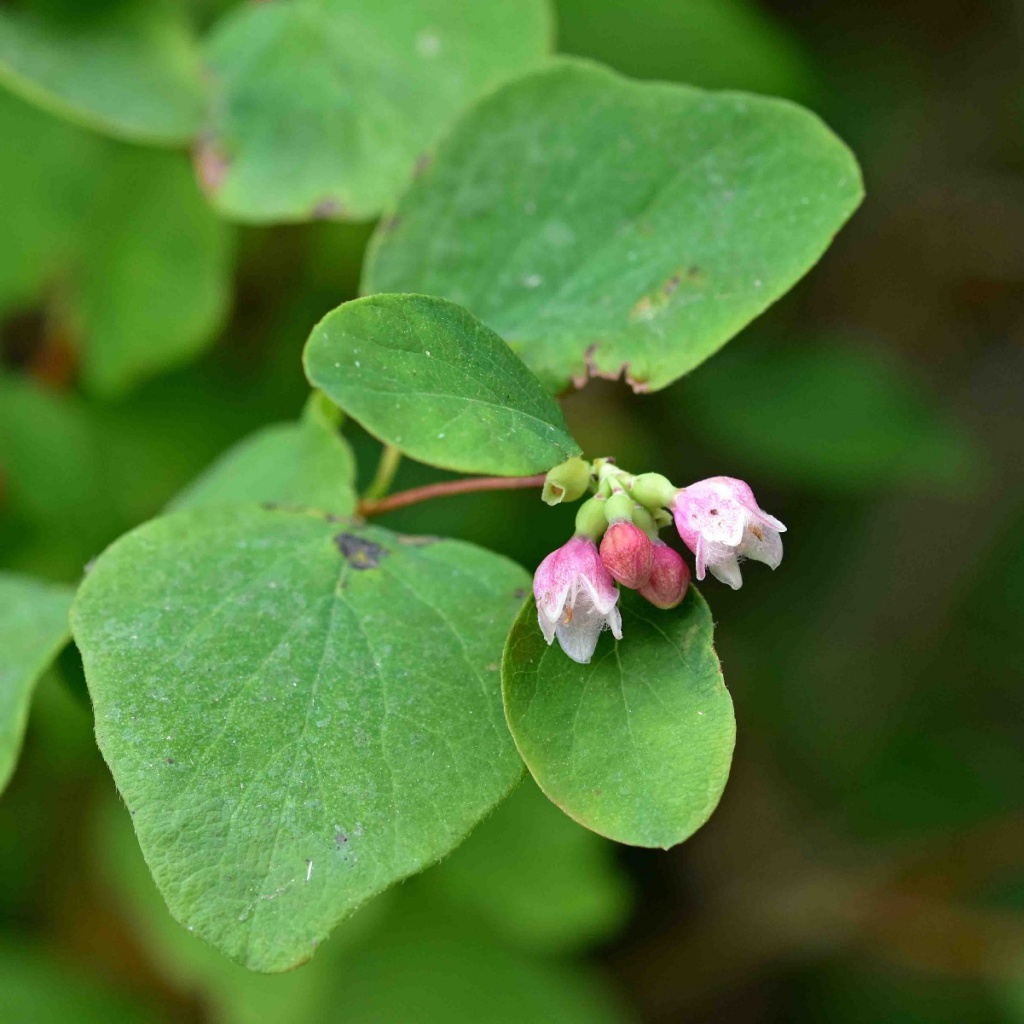
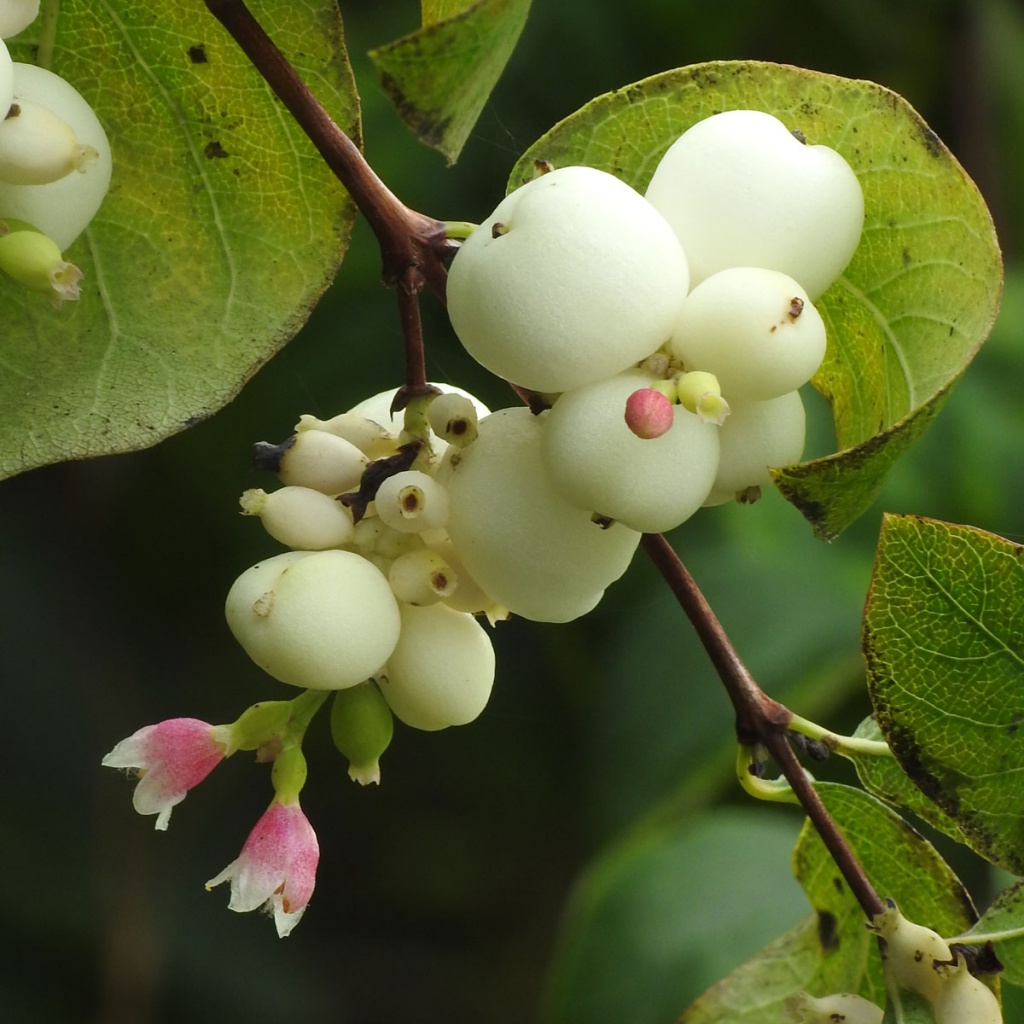
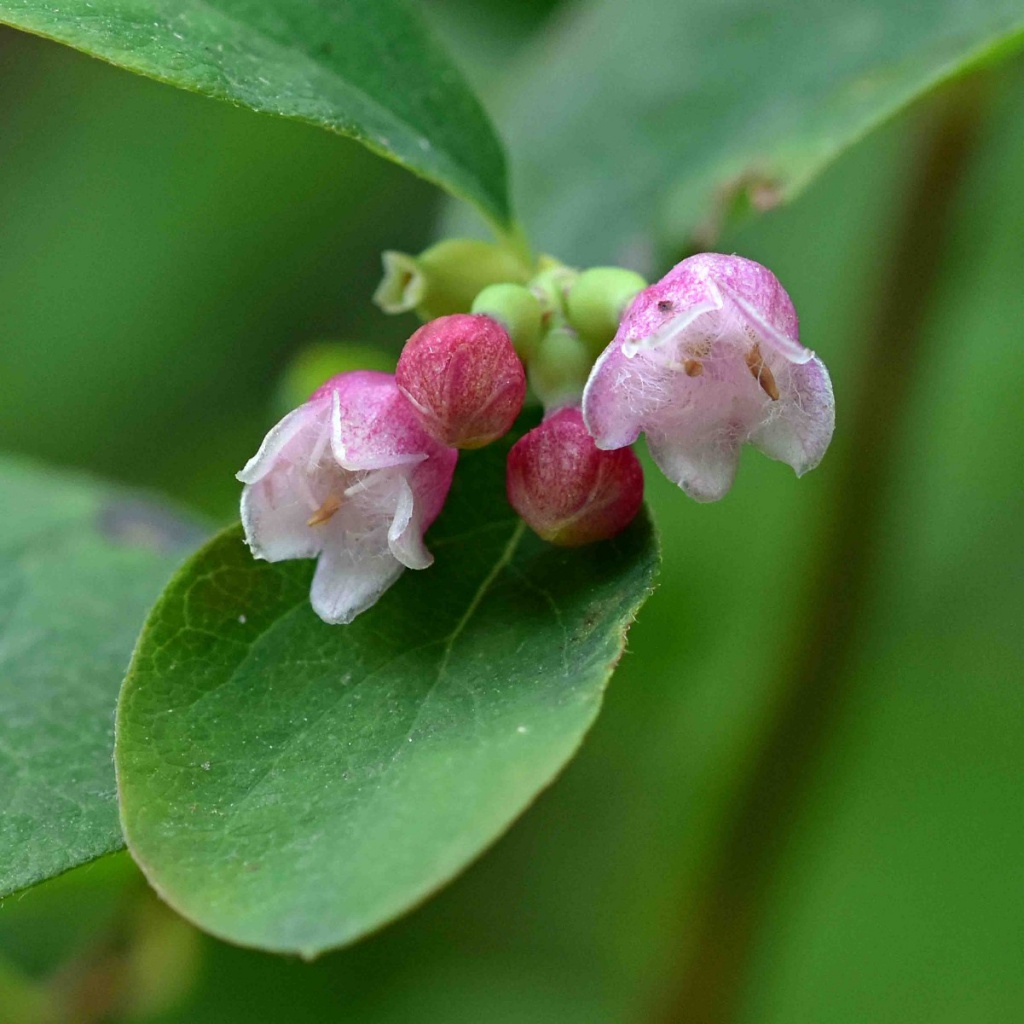
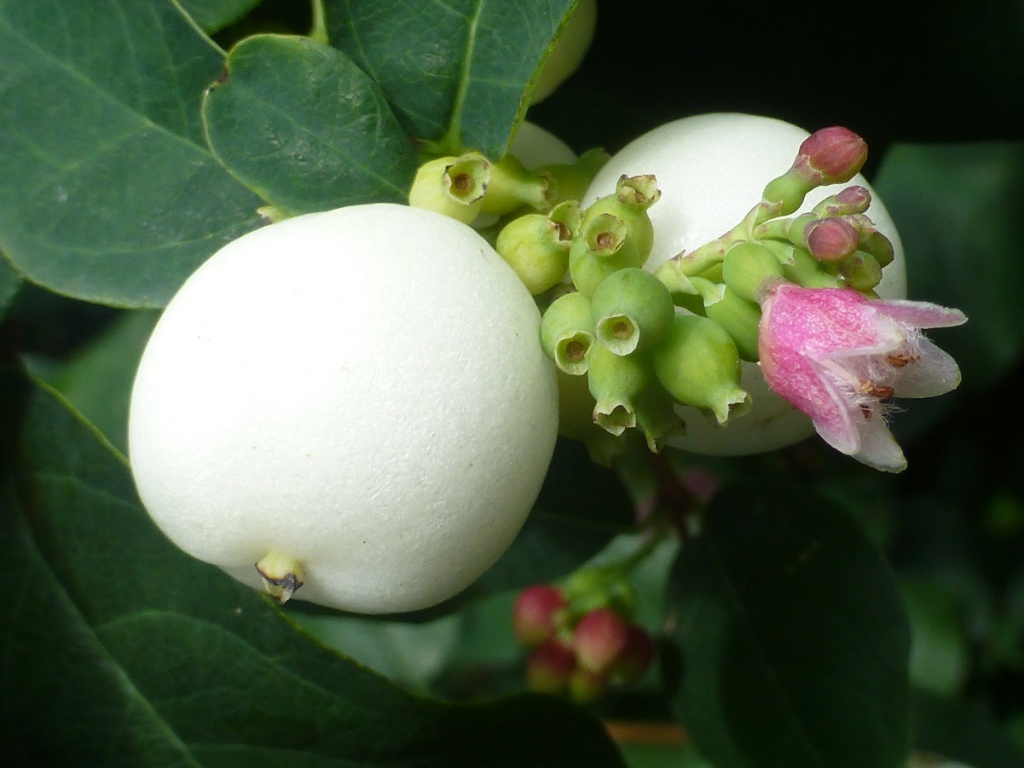
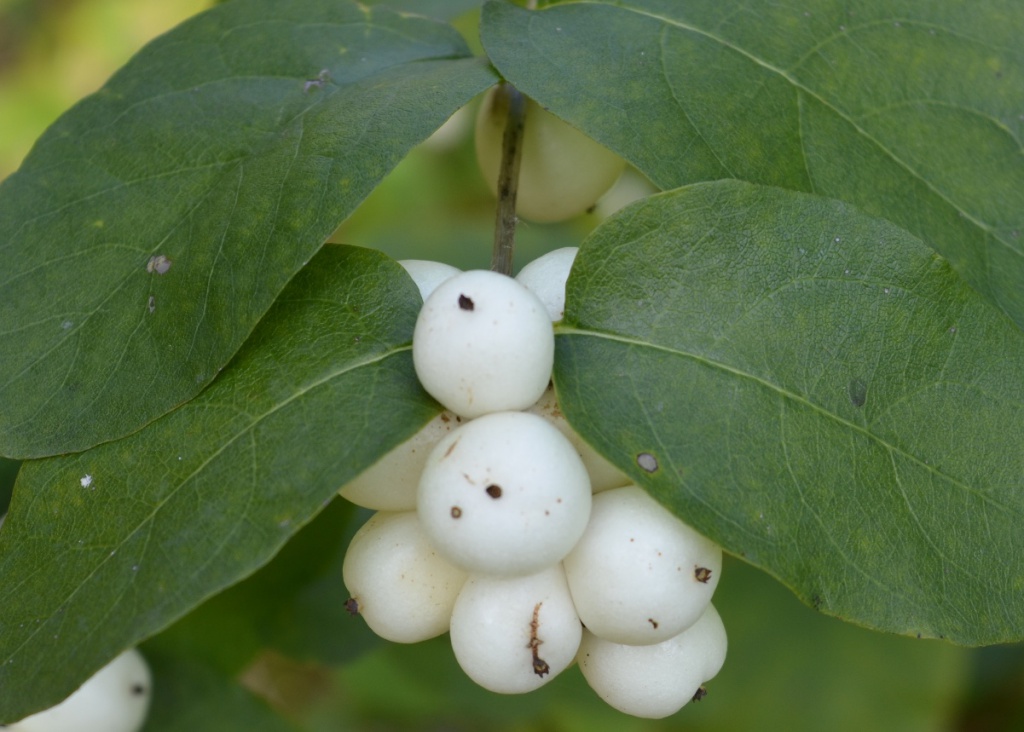
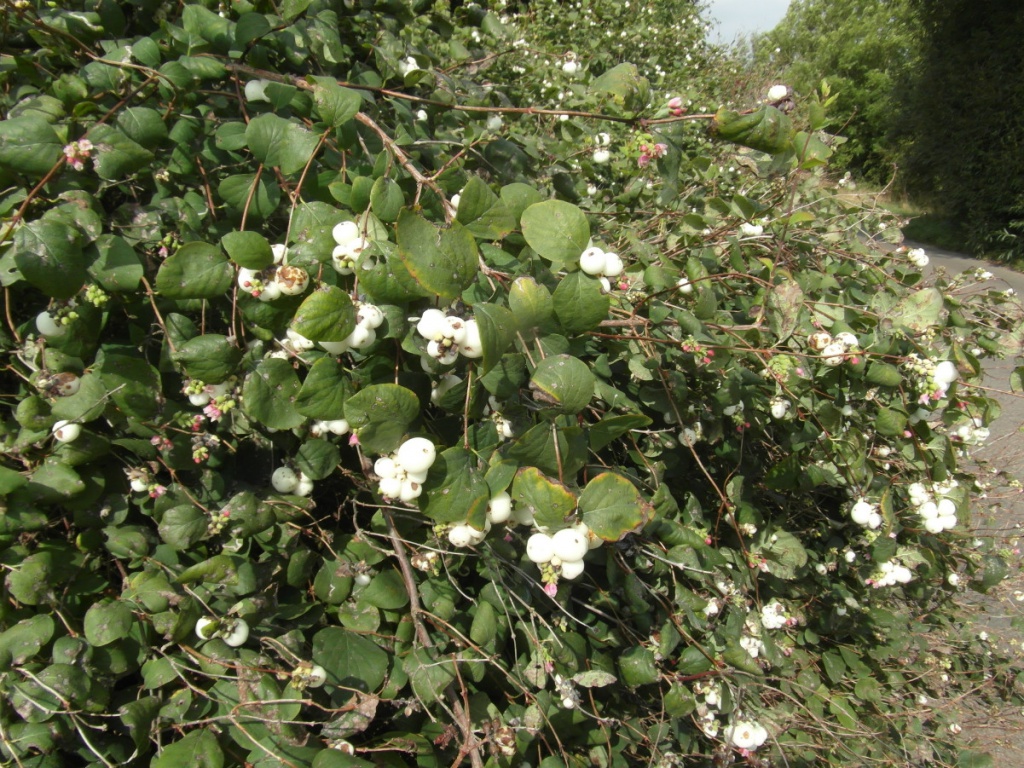
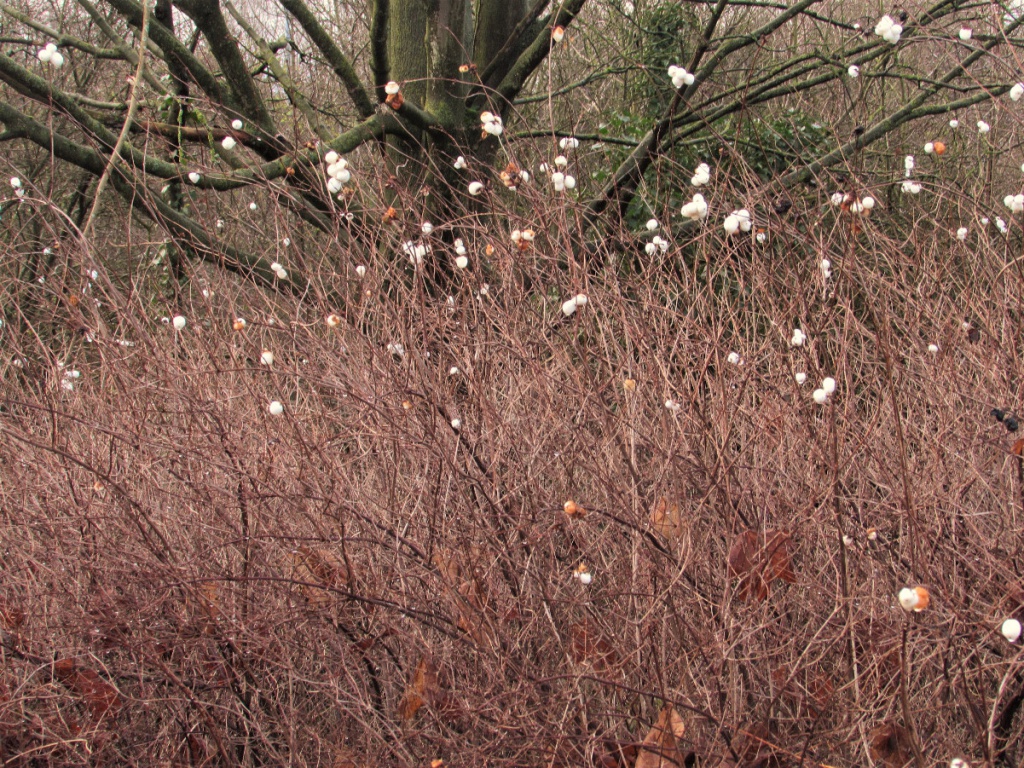
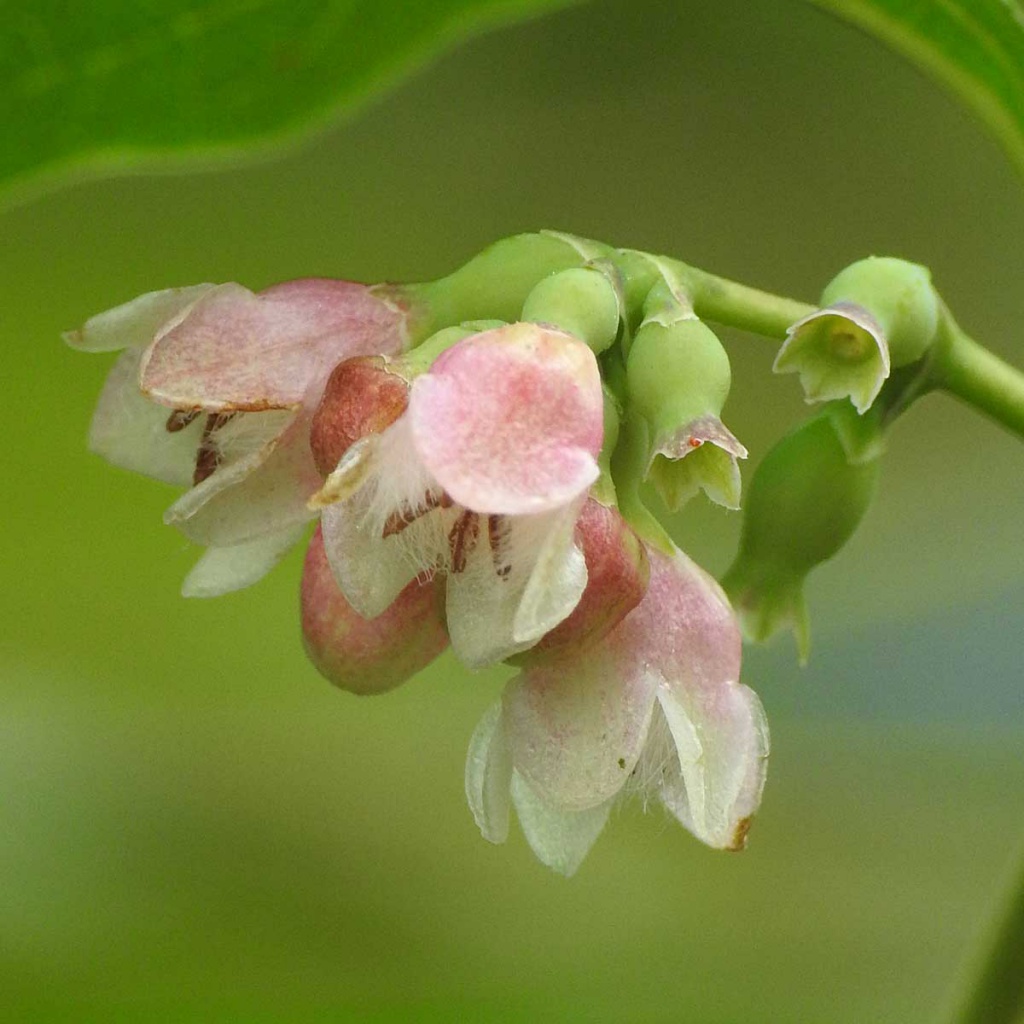
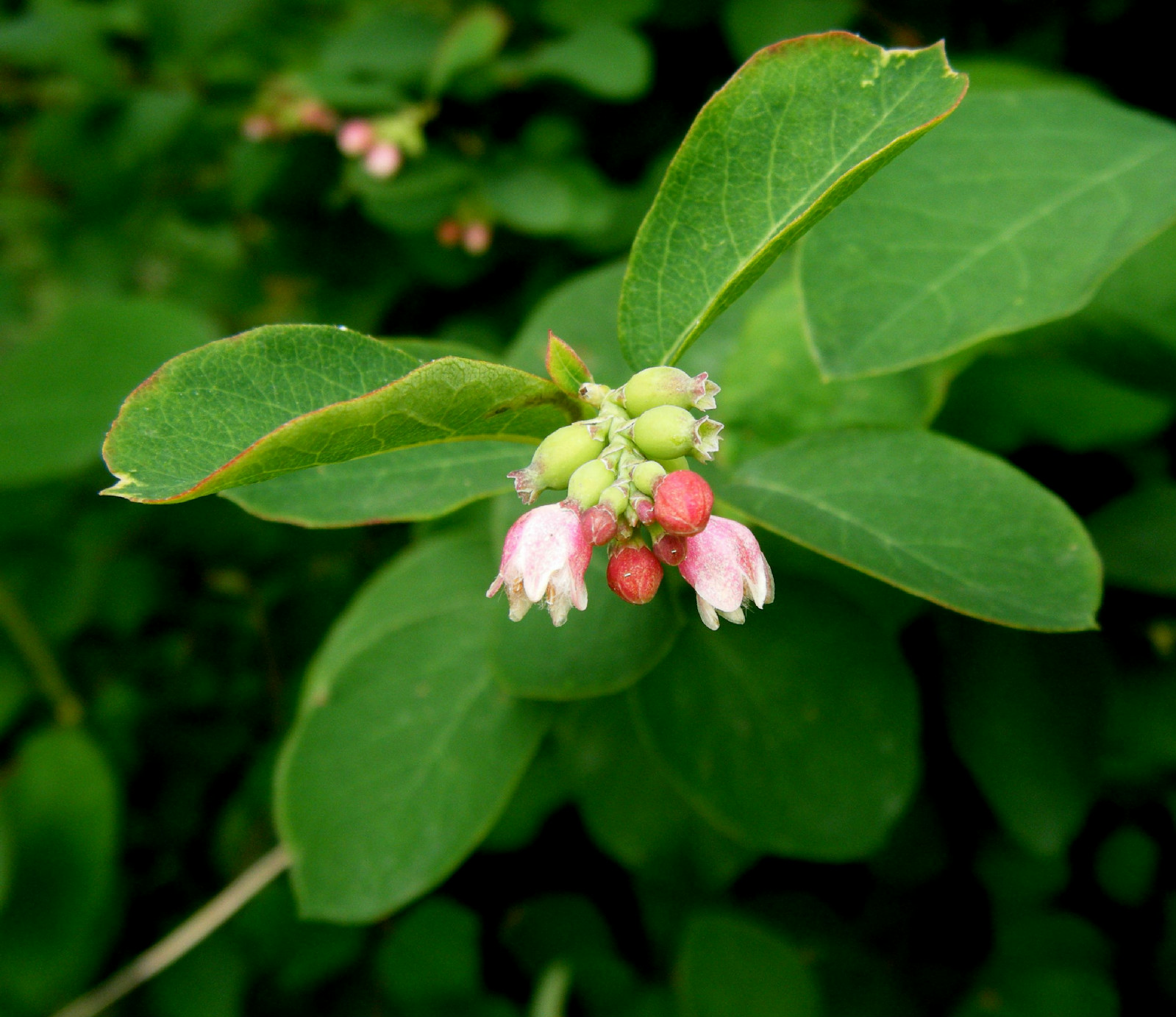
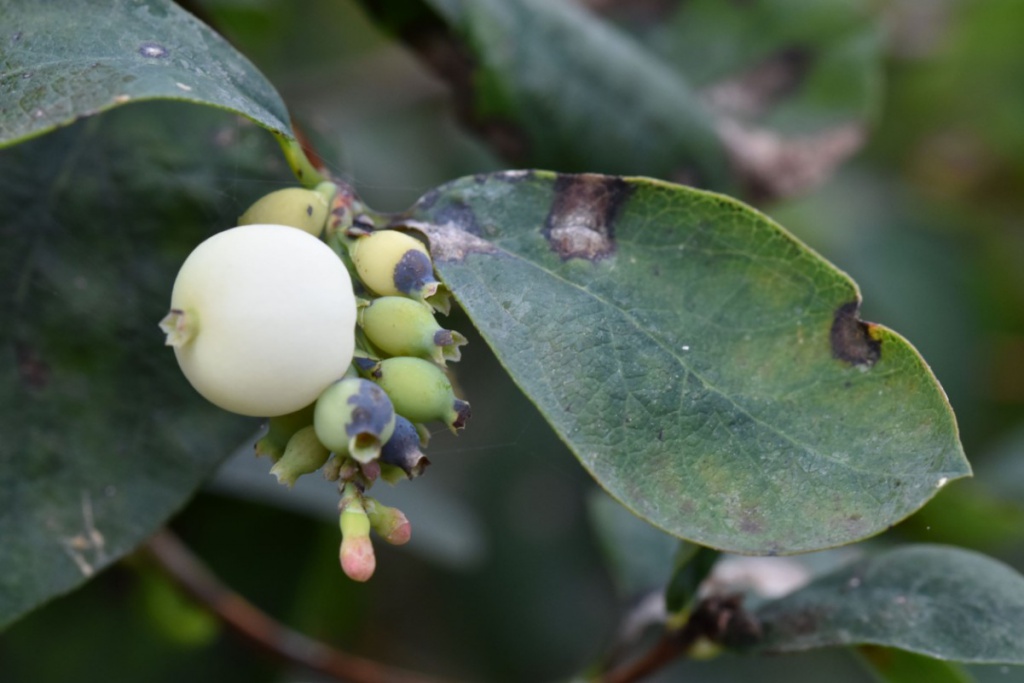
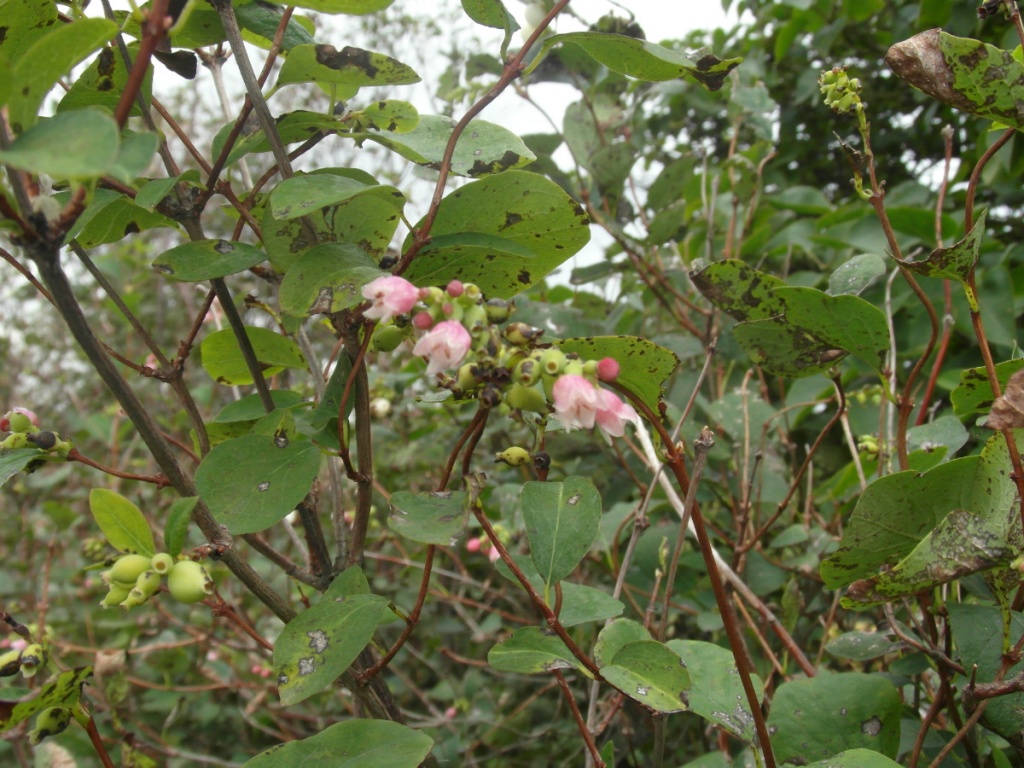
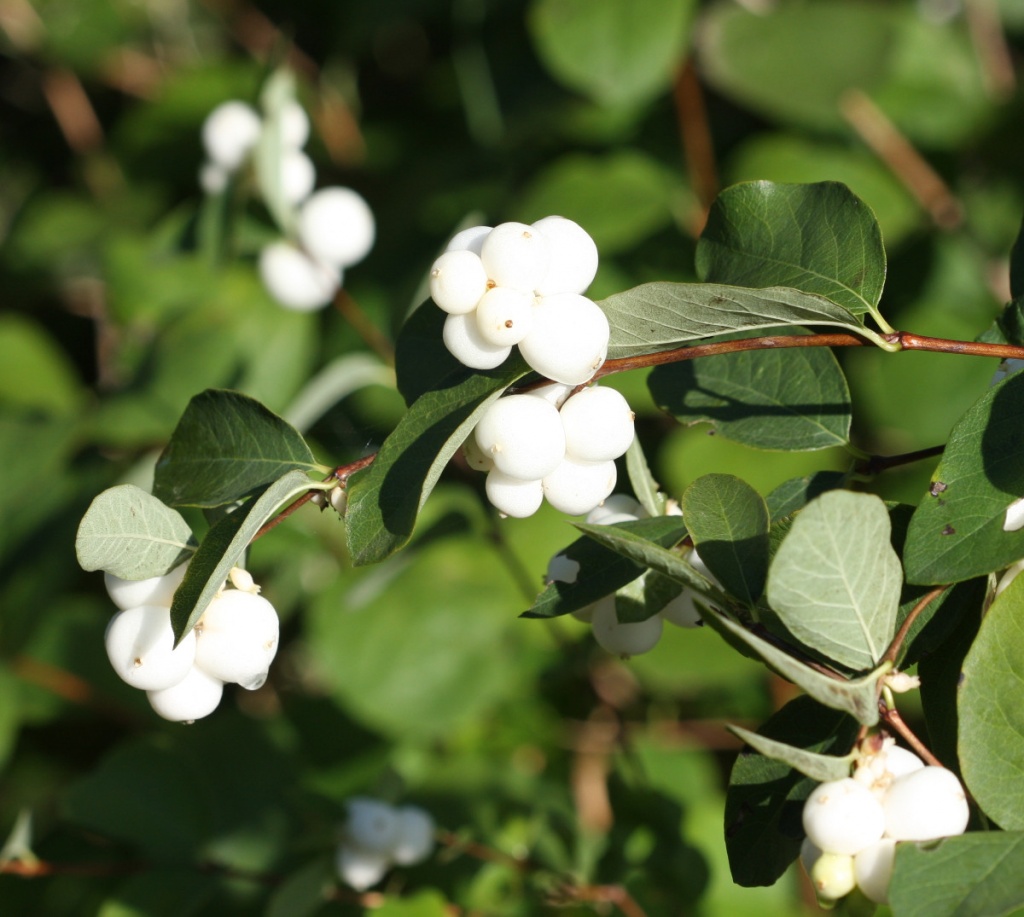
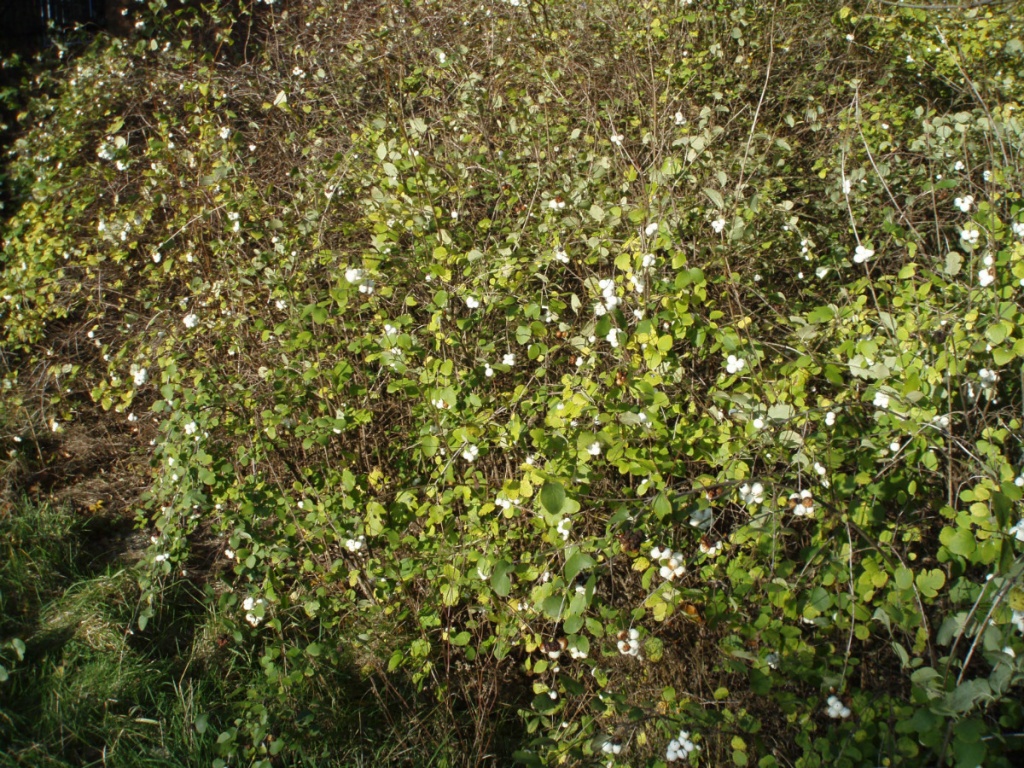
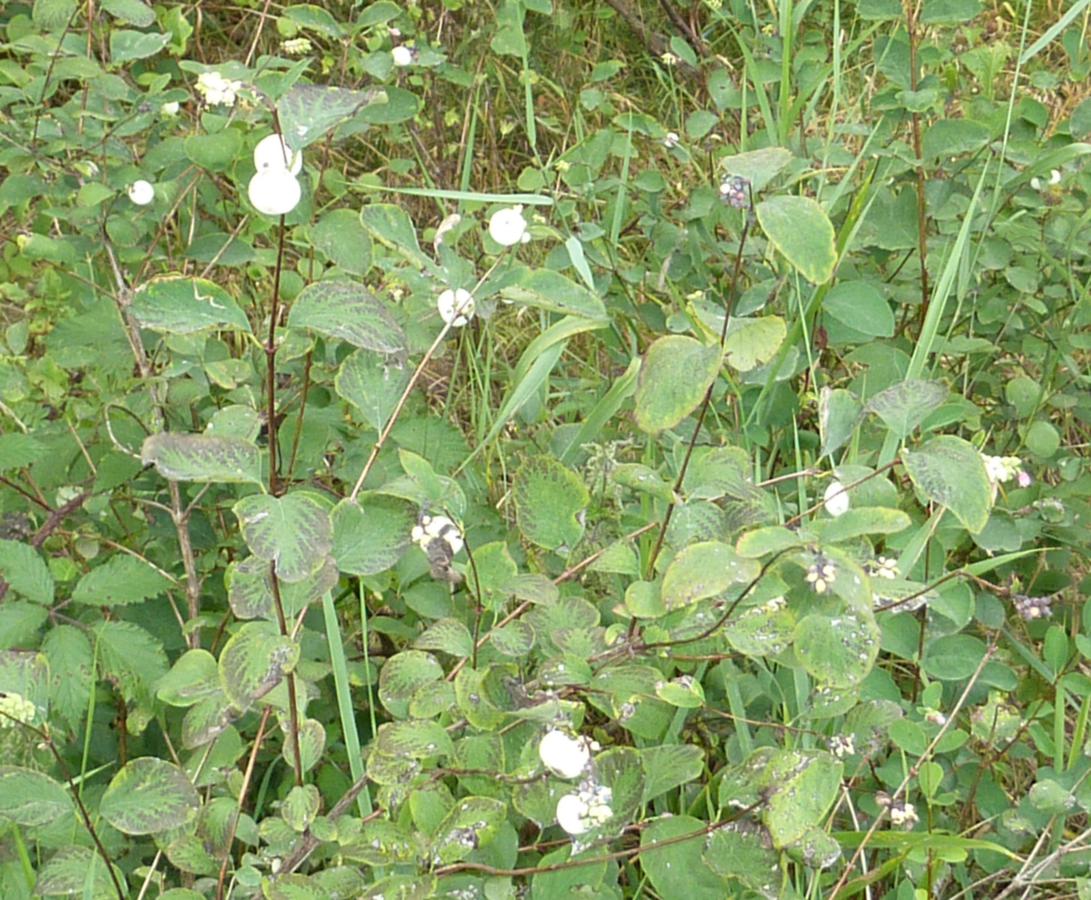
A shrub reaching 1 to 3 metres, branches quite erect and arching, slender. Leaves round-oval. Flowers pink, bell shaped, 5 to 6 mm long in small spike like racemes. Fruit is a white pulpy berry, 10 to 15 mm

Hedgerows and embankments, sometimes forming dense thickets by growth of suckers.
June to September.
Deciduous.
Locally naturalised throughout Britain.
Frequent in Leicestershire and Rutland. In the 1979 Flora survey of Leicestershire it was found in 264 of the 617 tetrads.
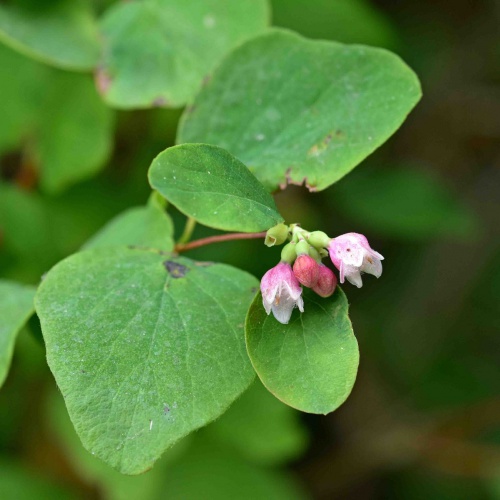 Andy's Rutland
Gunnel Lane Meadow-Empingham
17 July 2018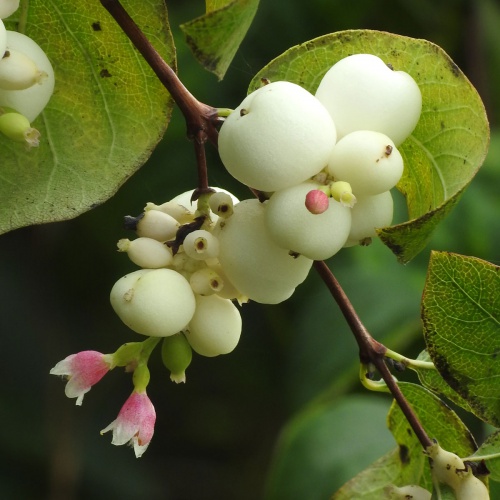 David Gould
G.U. Canal, Glen Parva, Leicester
24 September 2017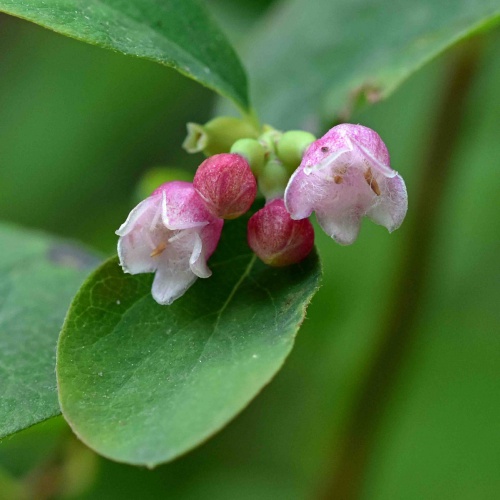 Andy's Rutland
Gunnel Lane Meadow-Empingham
17 July 2018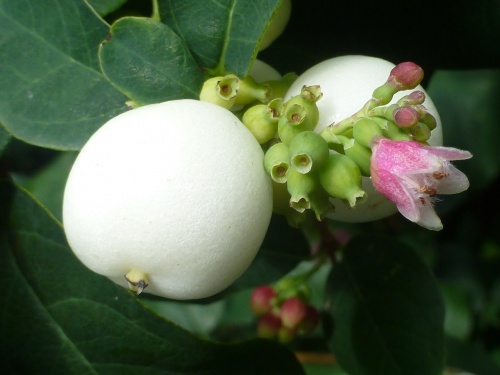 Annie Smith
Jubilee Park Enderby
06 September 2017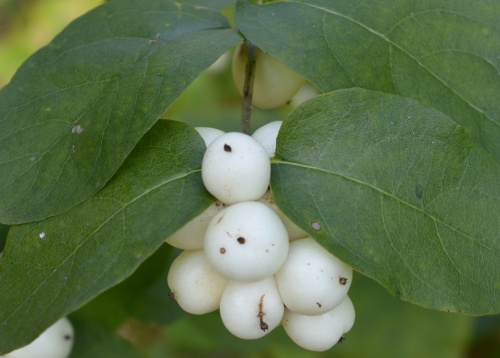 Steve Mathers
Melton Country Park
13 November 2016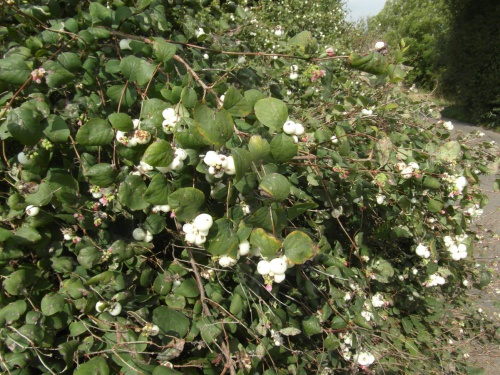 Alan Semper
Harby roadside
04 September 2013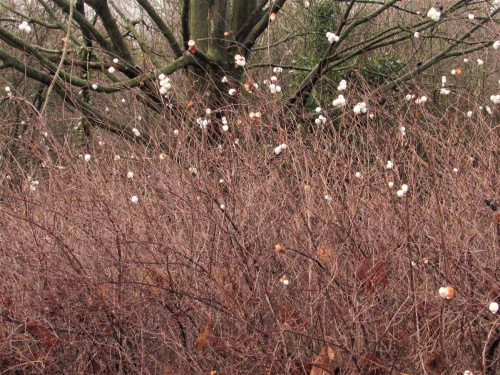 Dave Gamble
Baines Lane Leicester Forest East
12 January 2021
Leicestershire & Rutland Map
Enter a town or village to see local records
MAP KEY:
Yellow squares = NBN records (all known data)
Coloured squares = NatureSpot records: 2025+ | 2020-2024 | pre-2020
UK Map
Additional images
 Cooks Lane Sapcote SP 4890 9316 (taken 9.7.2007).JPG)
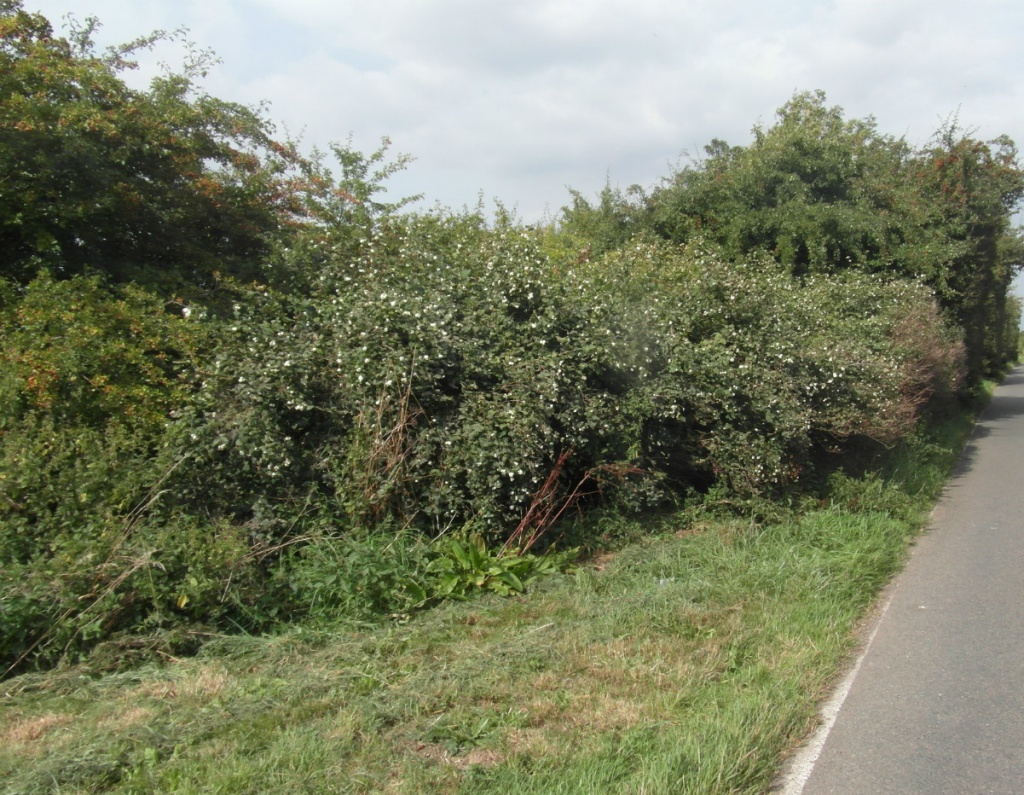
 Cooks Lane Sapcote SP 4890 9316 (taken 9.7.2007),.JPG)
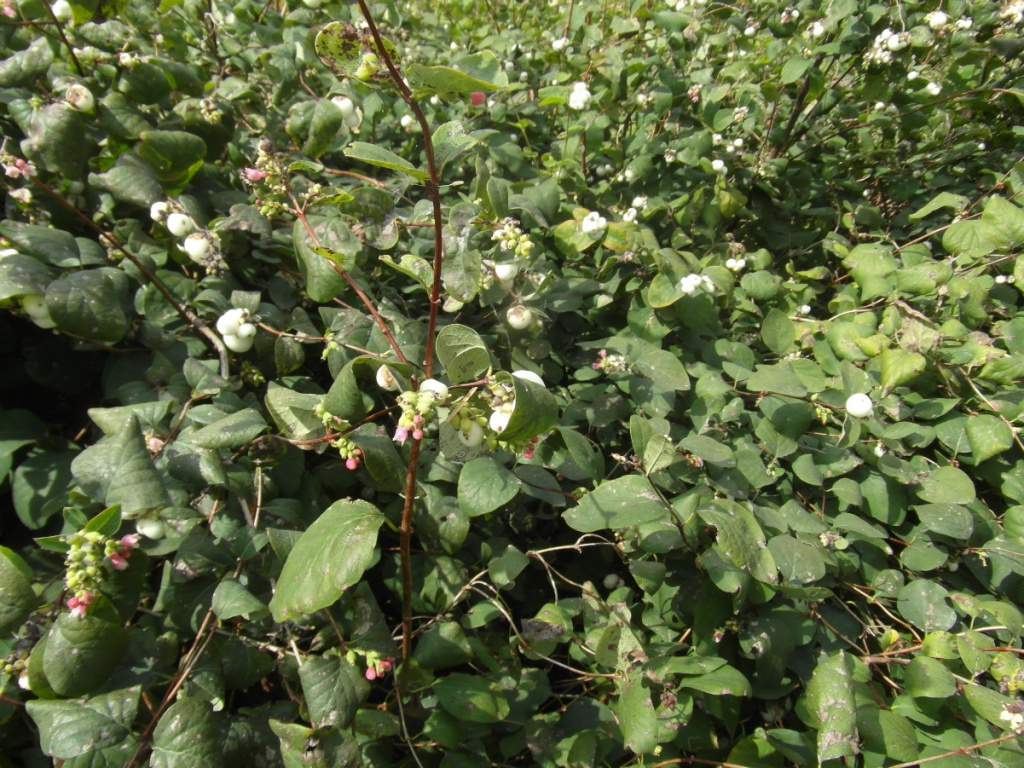
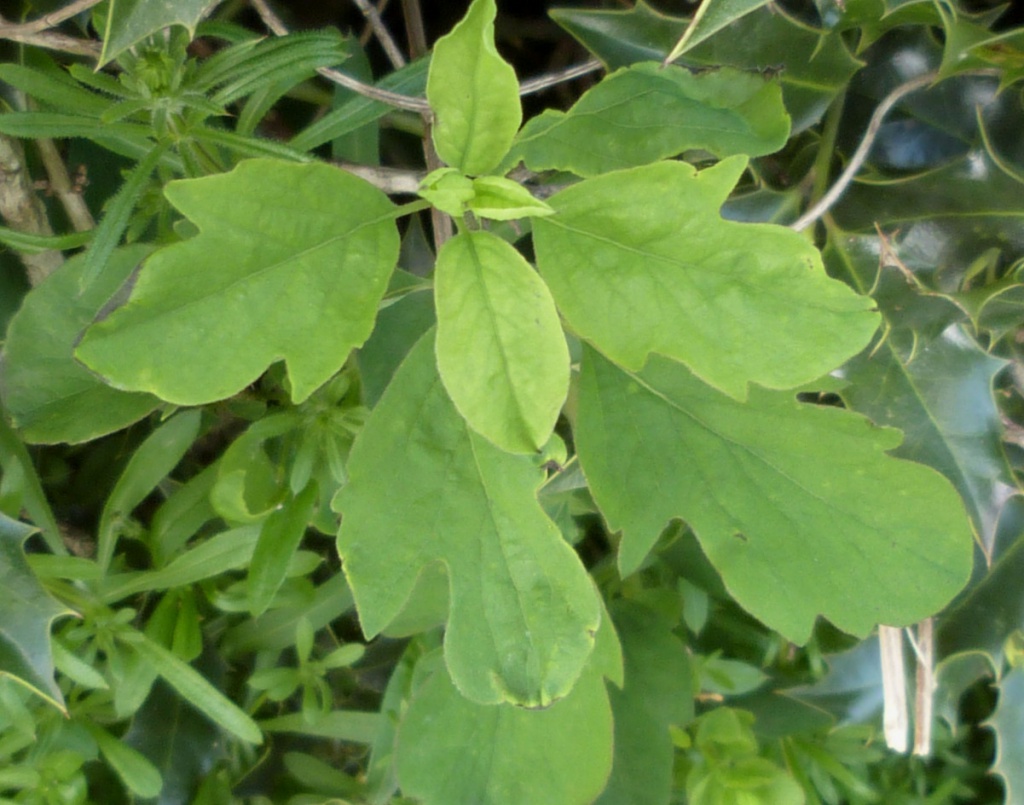
All NatureSpot records
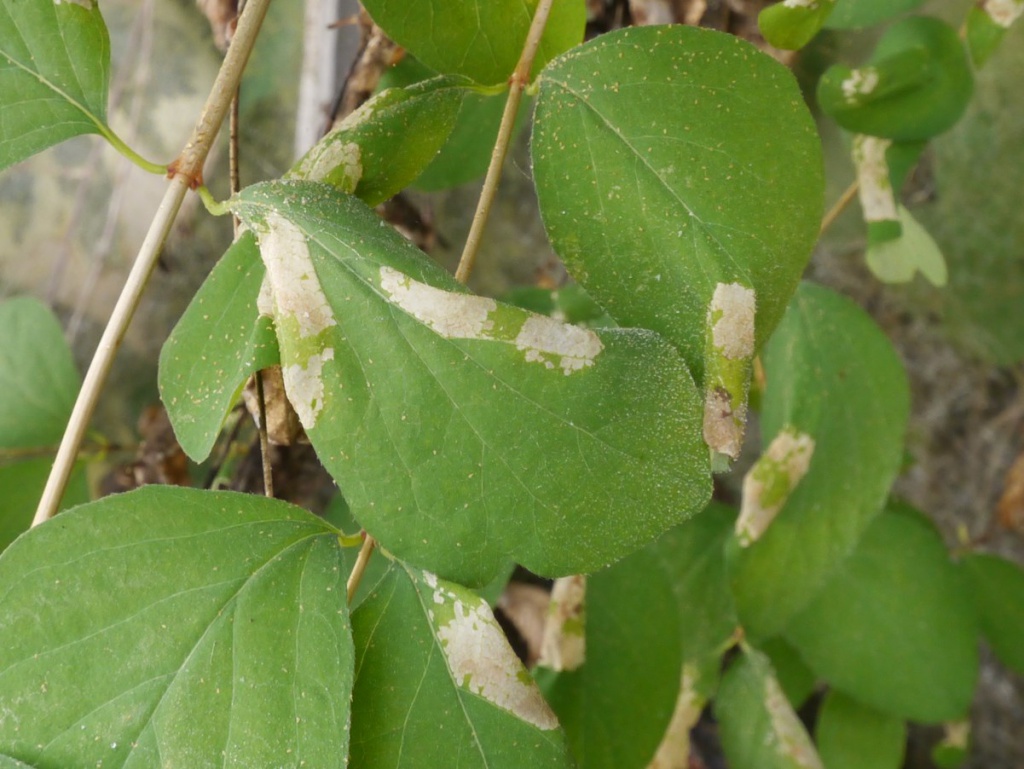
Phyllonorycter emberizaepenella
The larva of the moth Phyllonorycter emberizaepenella mines the leaves of various Honeysuckle species and Snowberry causing a large tentiform mine.
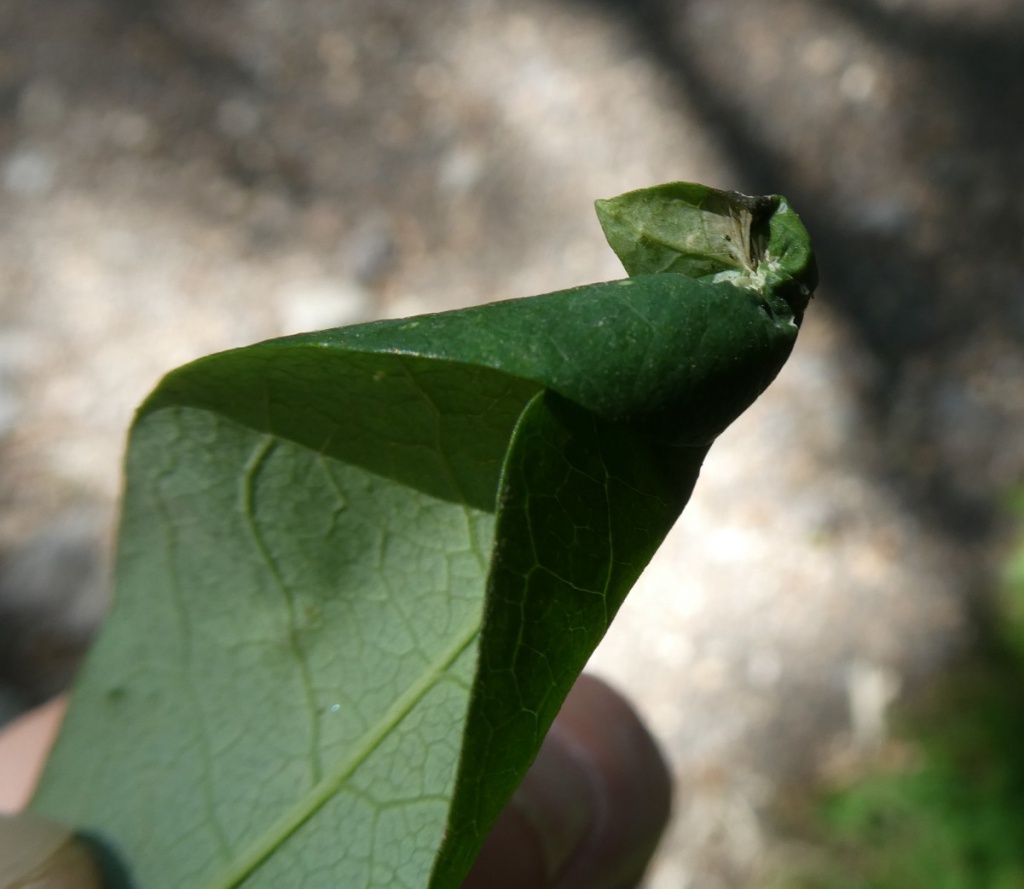
Phyllonorycter trifasciella
The larva of the moth Phyllonorycter trifasciella mines the leaves of various Honeysuckle species and Snowberry producing a small tentiform mine that contracts diagonally causing the leaf to roll up.
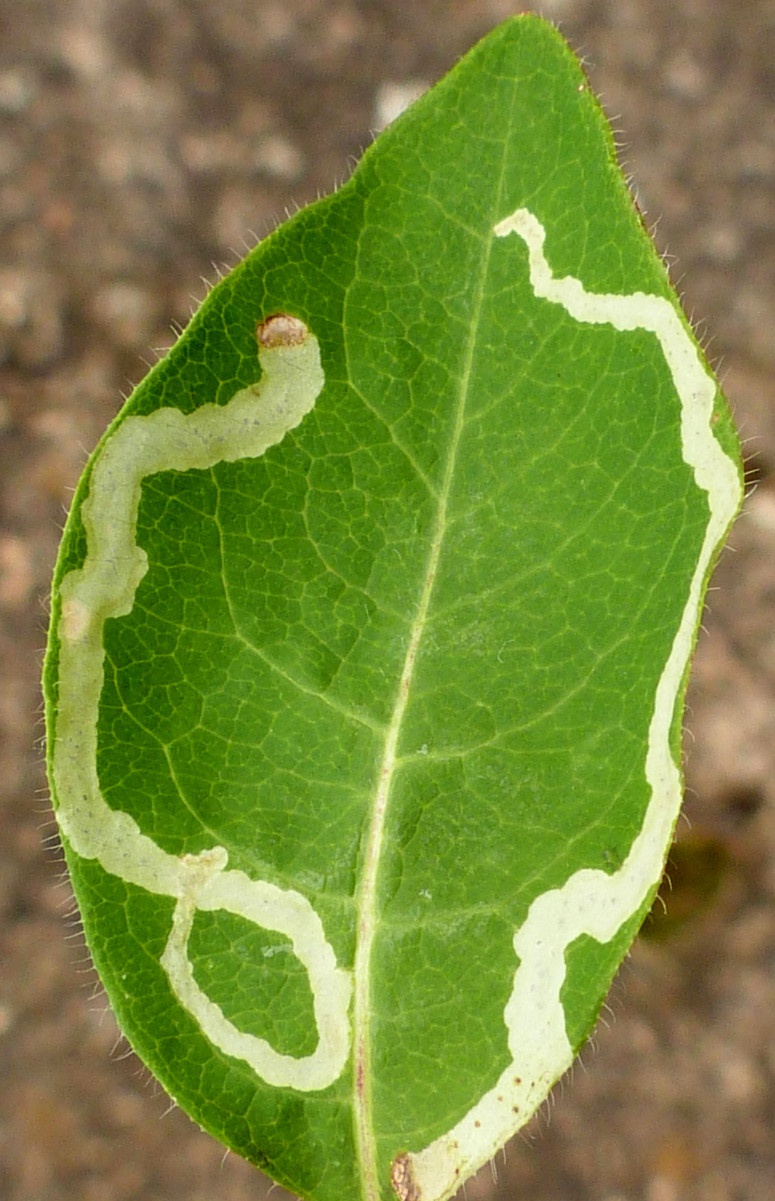
Aulagromyza hendeliana
The larva of the Agromyzid fly Aulagromyza hendeliana mines the leaves of Honeysuckles and Snowberry. The mine is upper surface, long and linear, with frass in a double row of black grains. The puparium should be examined in order to confirm this species.
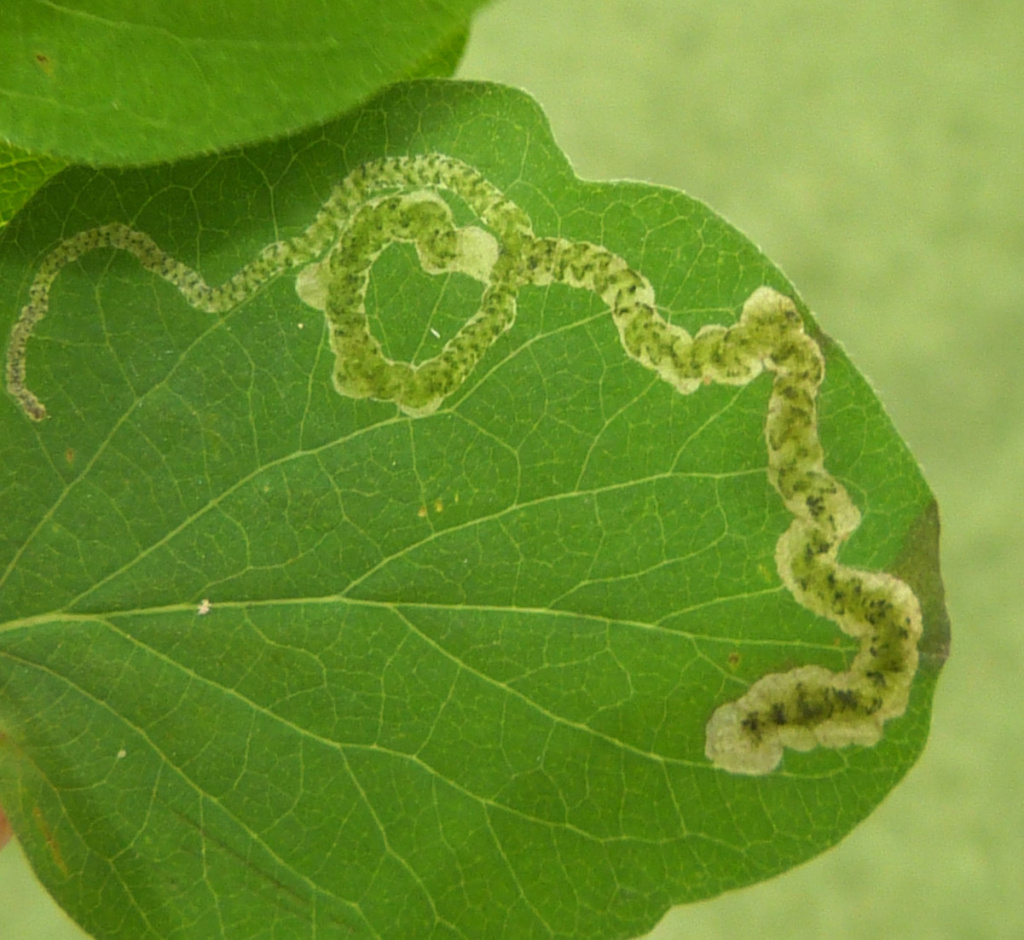
Aulagromyza luteoscutellata
The larva of the Agromyzid fly Aulagromyza luteoscutellata mine the leaves of Honeysuckle, Snowberry and Himalayan Honeysuckle. The mine is linear, with frass in a broad green band with scattered dark granules.
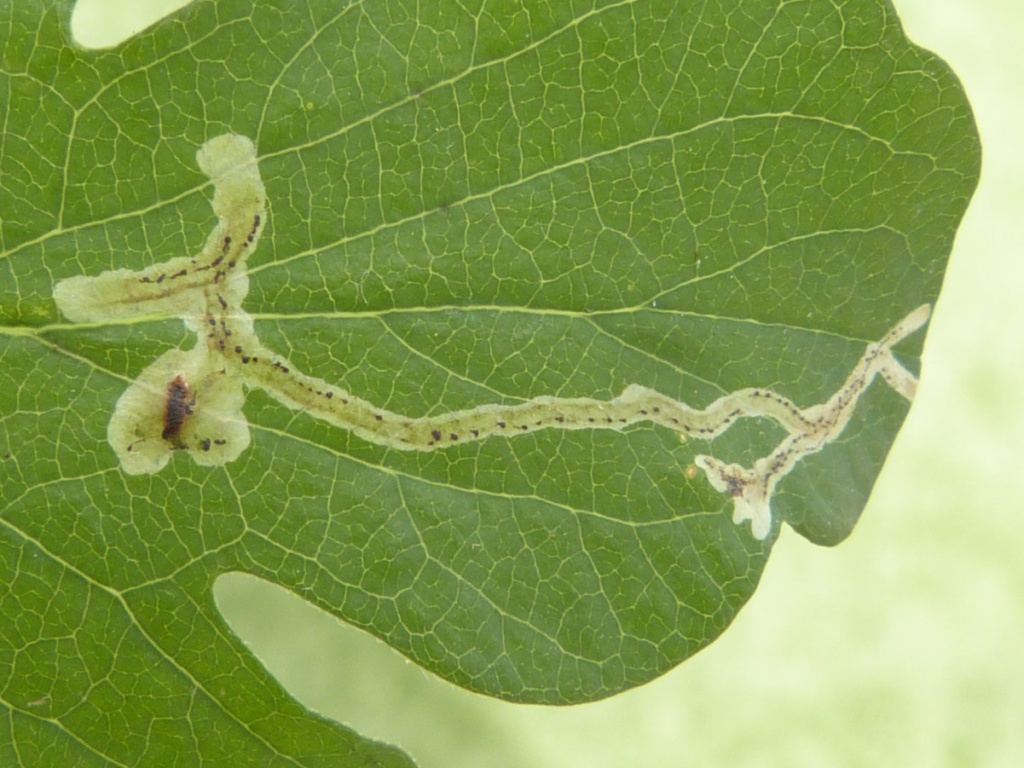
Chromatomyia lonicerae
The larva of the Agromyzid fly Chromatomyia lonicerae mines the leaves of Honeysuckle and Snowberry. The leafmine starts with an irregular star-like blotch with a later linear corridor. Frass is usually visible in pearl-strings. Pupation is internal with the pupa firmly adhered within the mine by frass.
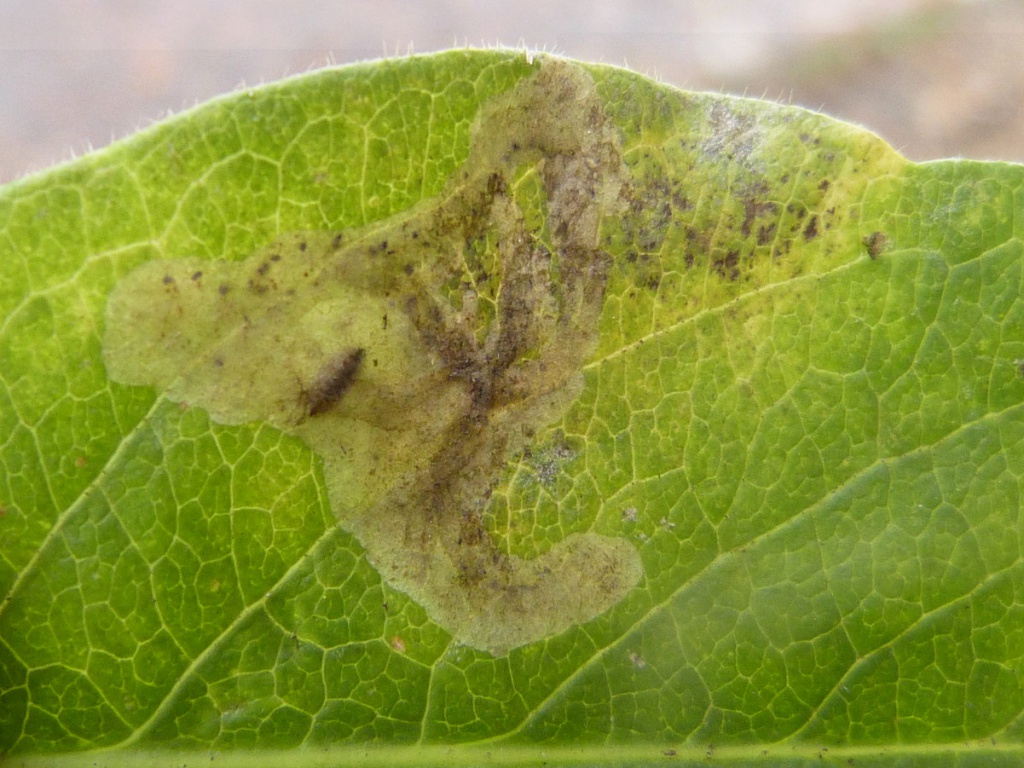
Chromatomyia periclymeni
The larva of the Agromyzid fly Chromatomyia periclymeni mines the leaves of various members of the Honeysuckle family, including Honeysuckle, Himalayan Honeysuckle and Snowberry. It is an upper surface mine and usually blotchy and not associated with the midrib. The young mine is arranged in a radiating pattern like a star and is initially purple in colour but turning brown as it ages.