Daisy
Daisy - Bellis perennis
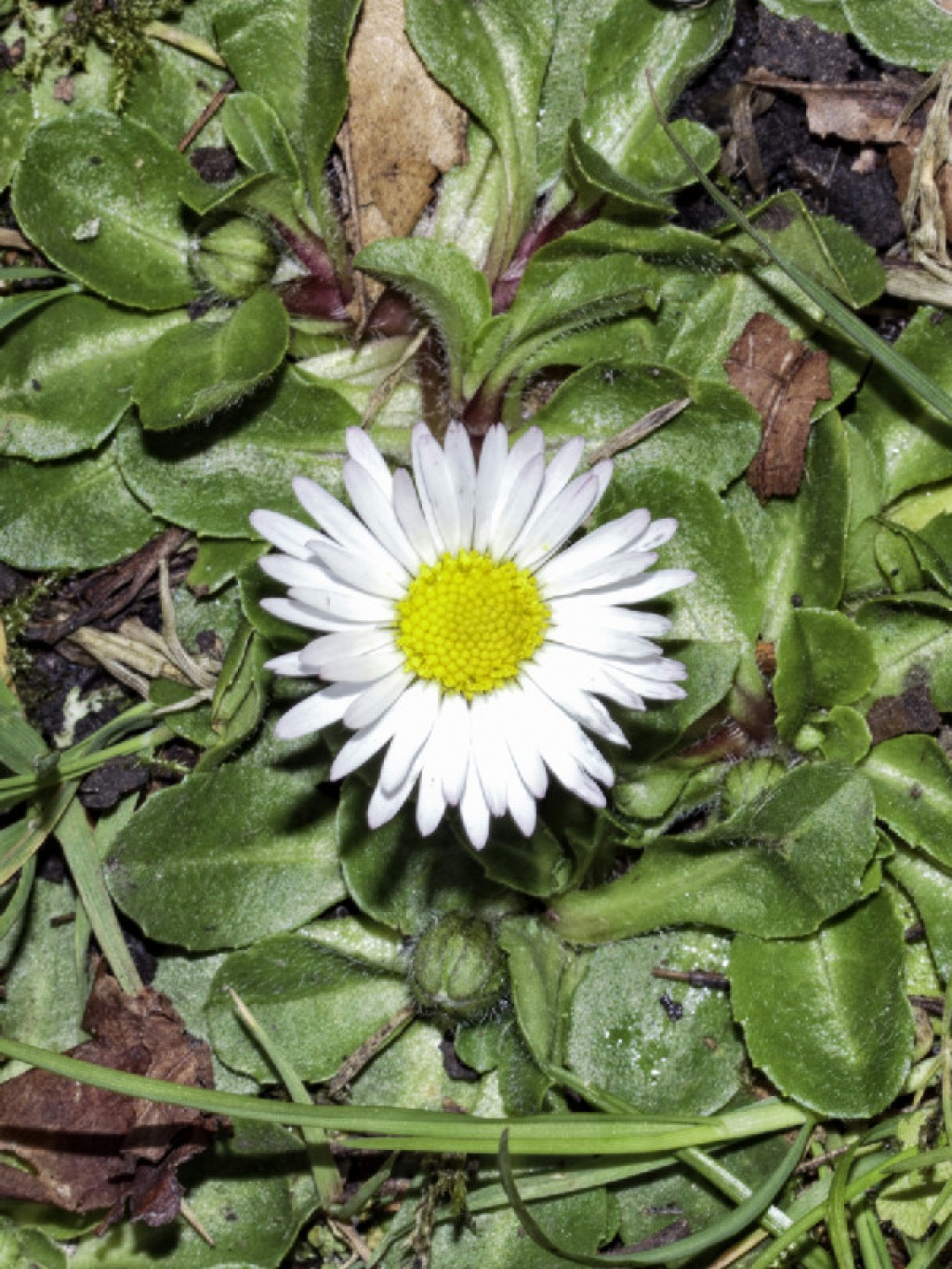
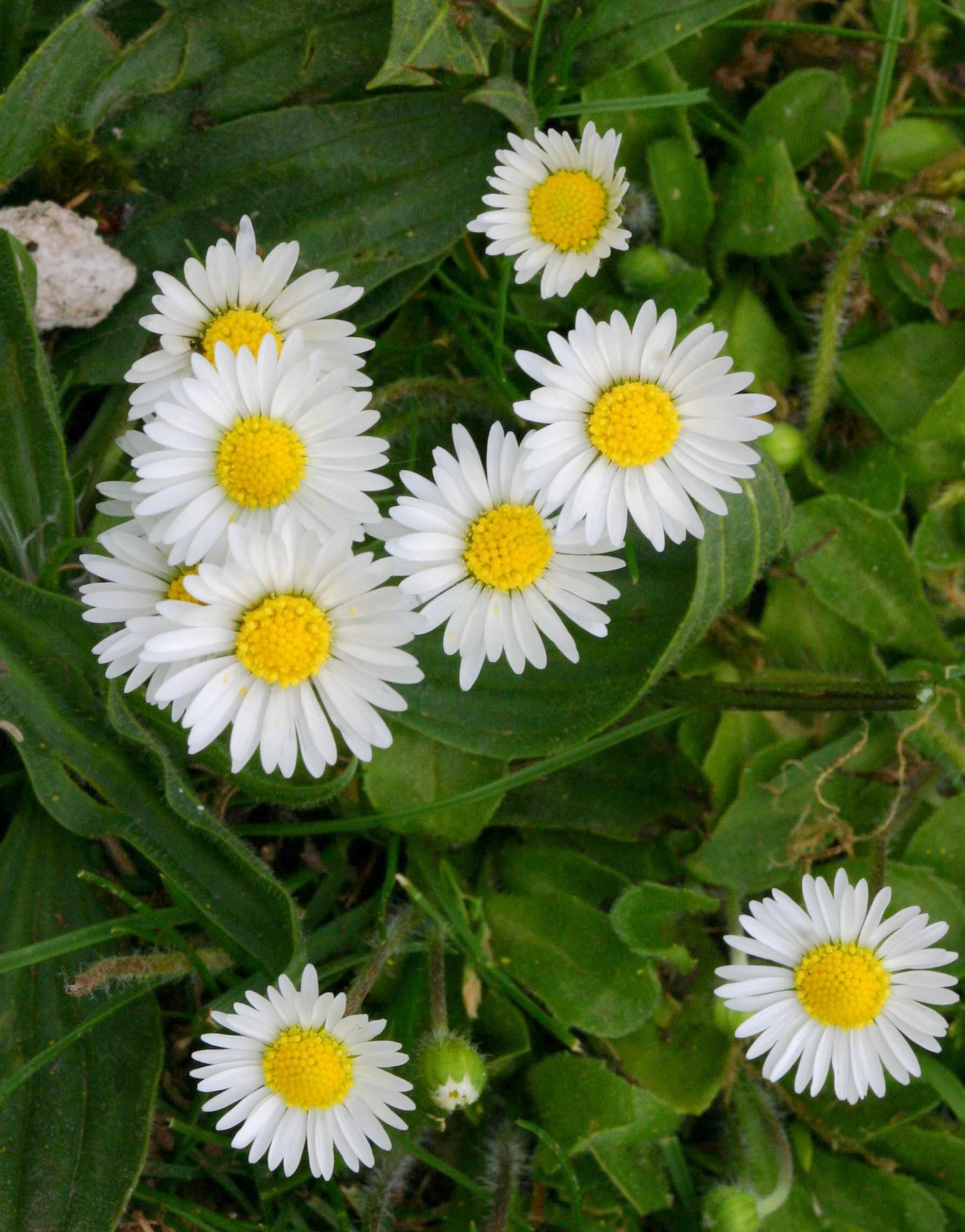
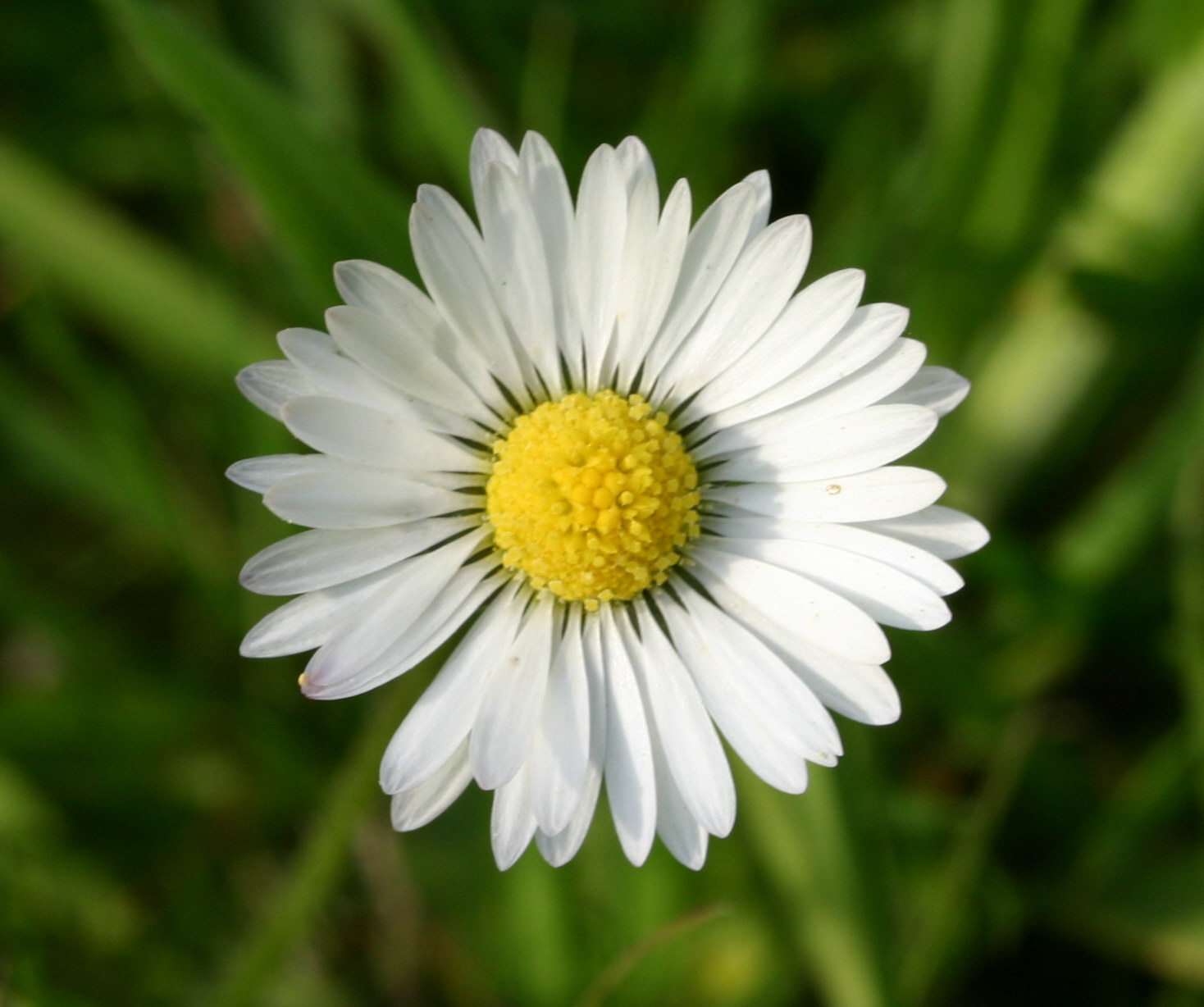
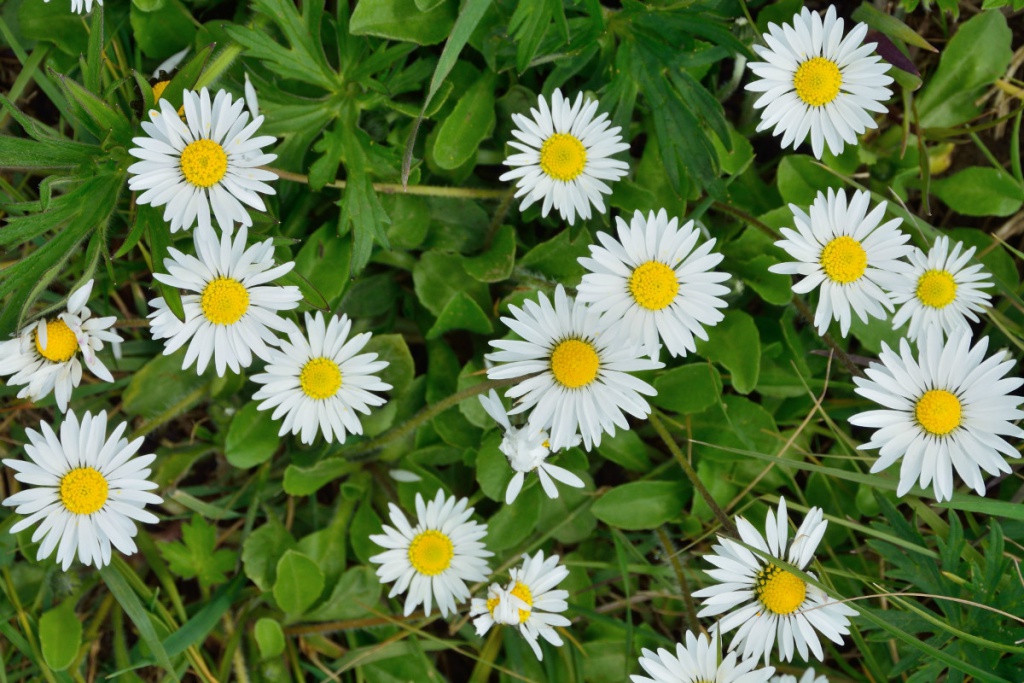
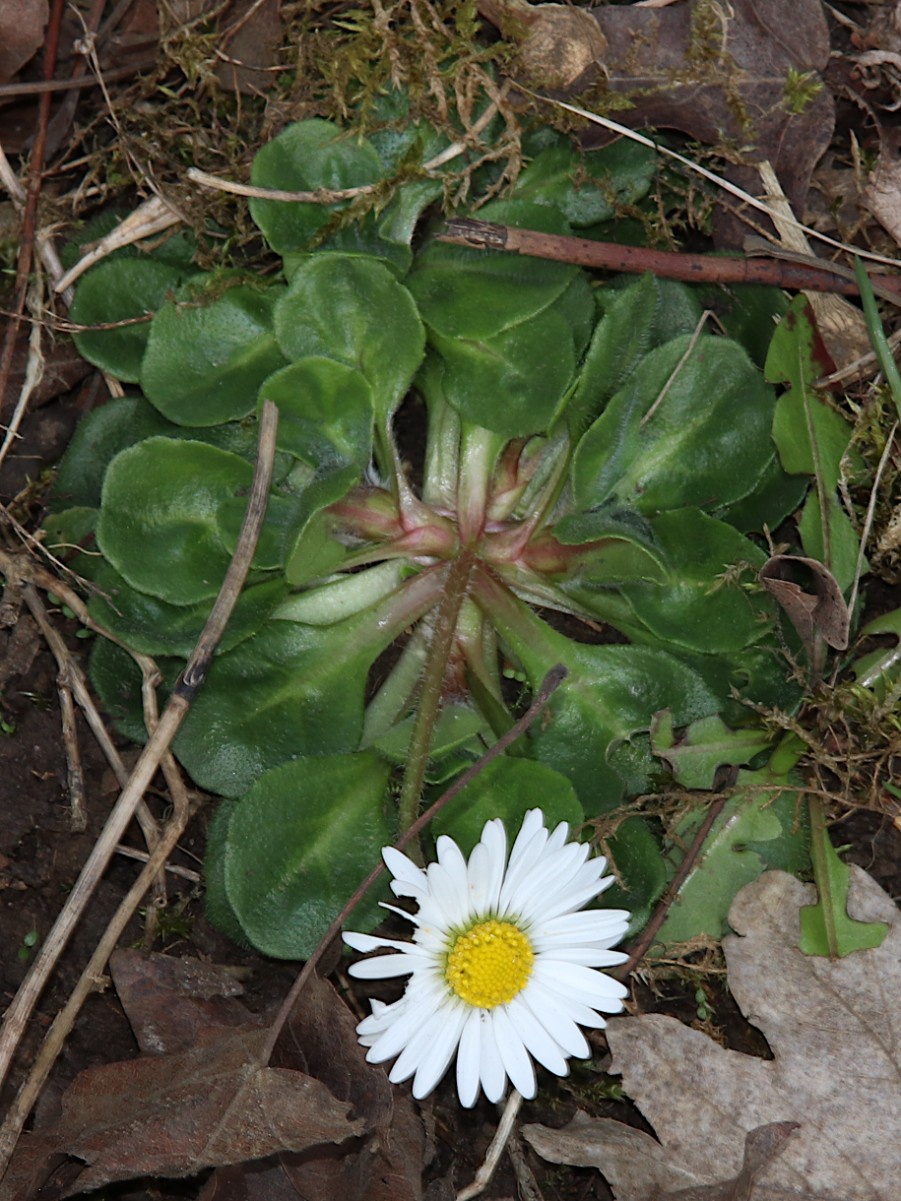
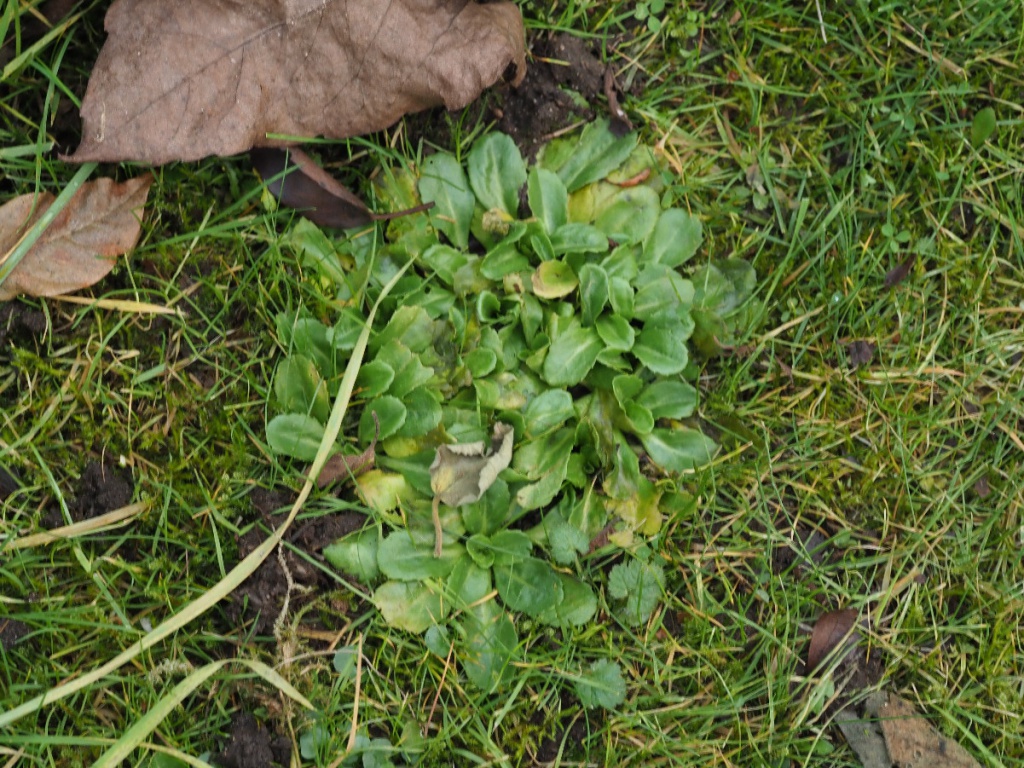
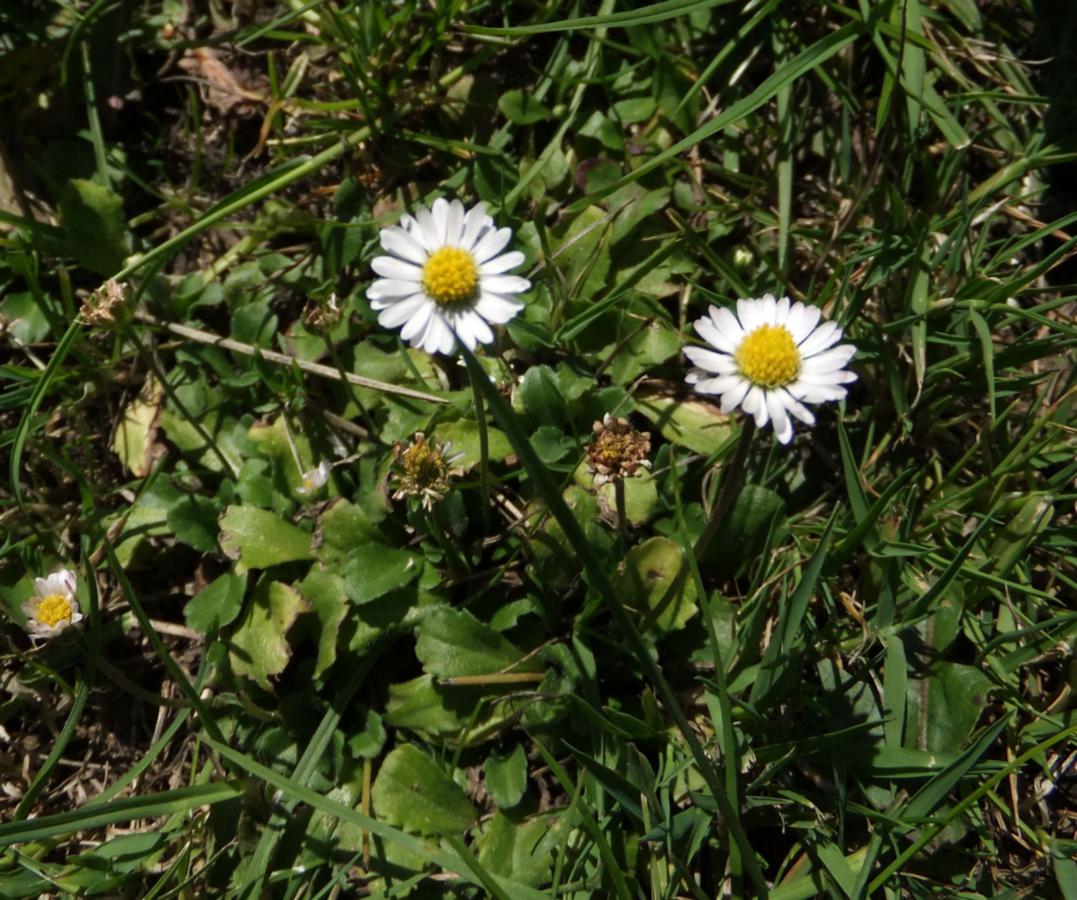
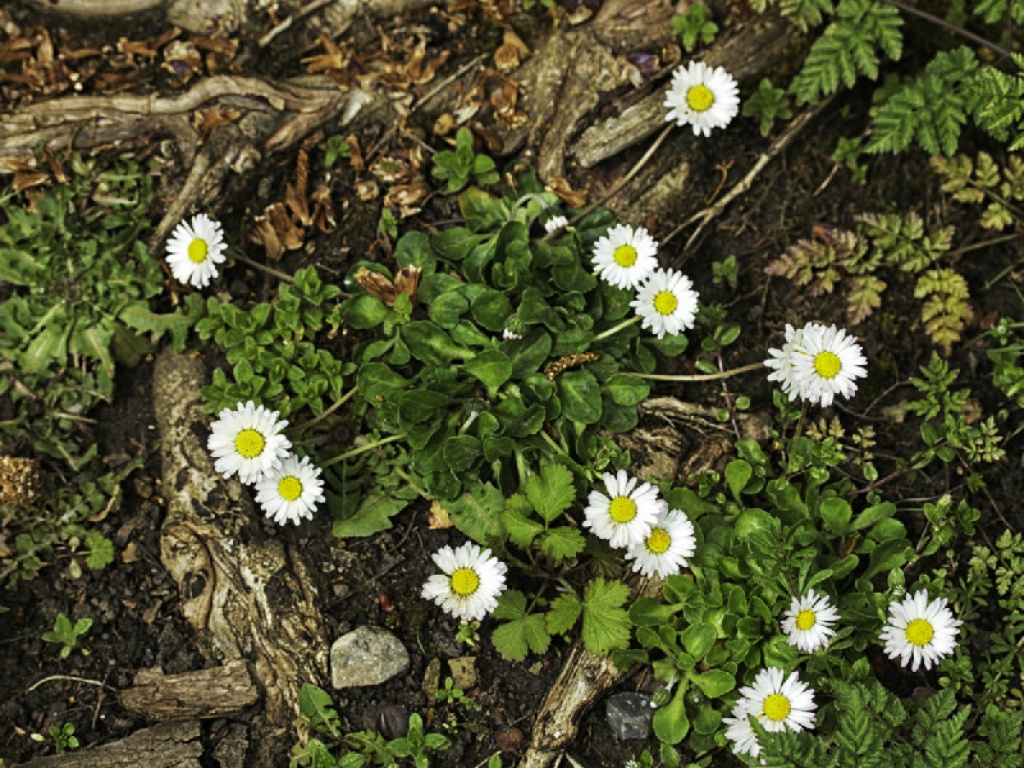
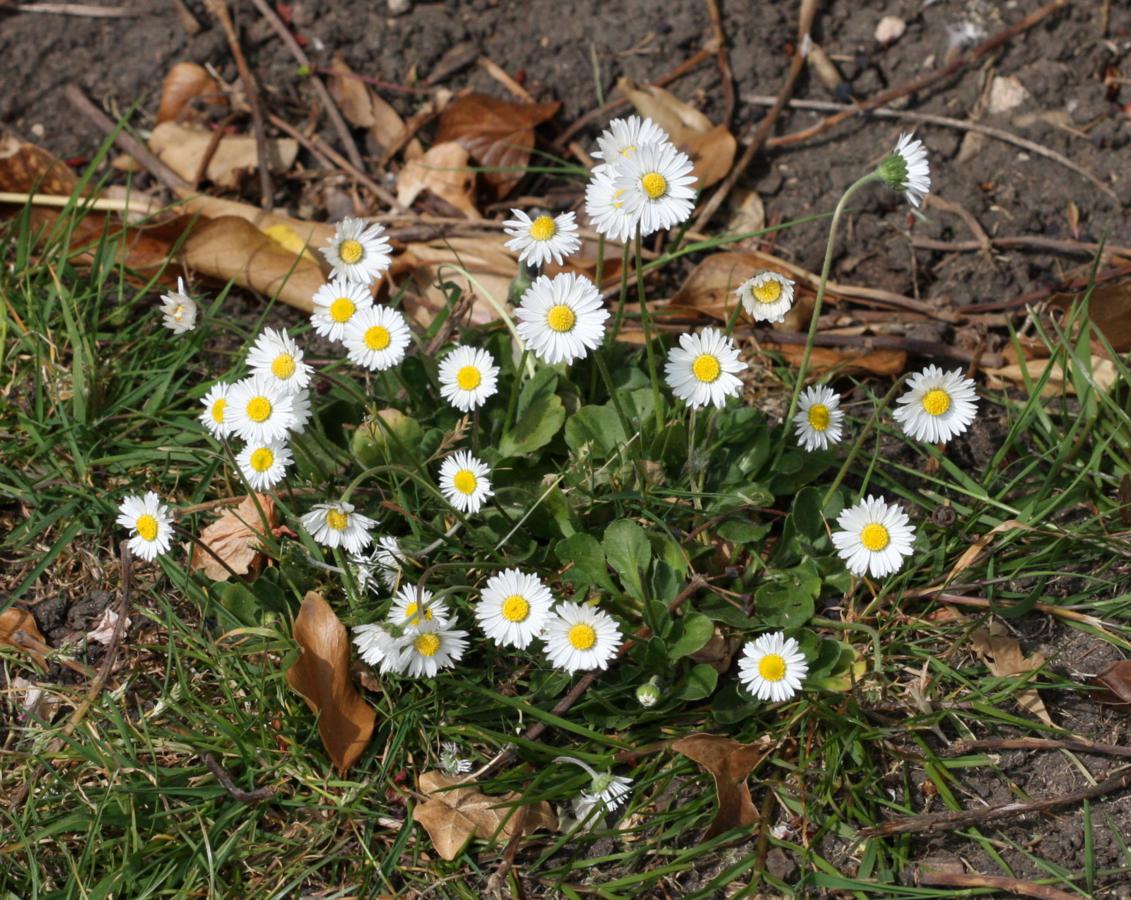
Low hairy plant with leaves in a basal rosette. Flowerheads with a yellow disc and numerous narrow white rays. 15 to 30 mm solitary on long slender stalks, the rays often tipped with red or flushed with purplish red beneath.

Short grassy habitats, lawns etc.
Flowers nearly all year round.
Perennial.
Very common throughout Britain.
Very common in Leicestershire and Rutland. In the 1979 Flora survey of Leicestershire it was found in 596 of the 617 tetrads.
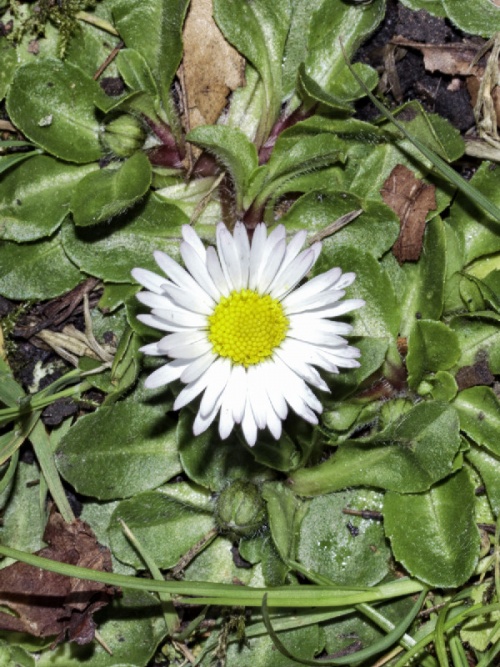 HAPeacock
Gilroes Cemetery
24 April 2012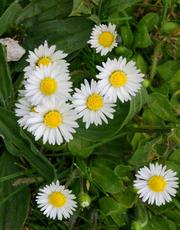 David Nicholls
Groby Pool
10 May 2008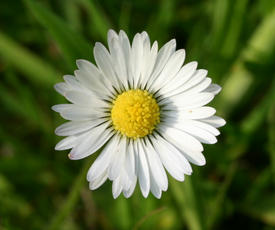 David Nicholls
Groby Pool
10 May 2008 Harecroft Crescent Sapcote SP 4901 9371 (taken 2.3.2009).JPG) Graham Calow
Graham Calow
Sapcote garden1
02 March 2009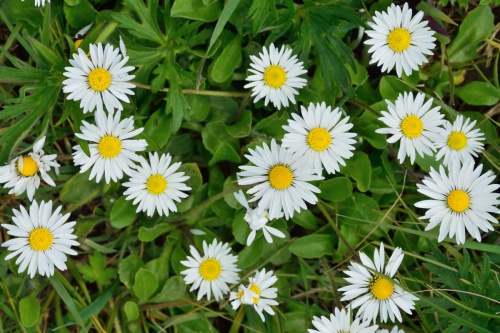 Barbara Cooper
Grantham canal
19 May 2013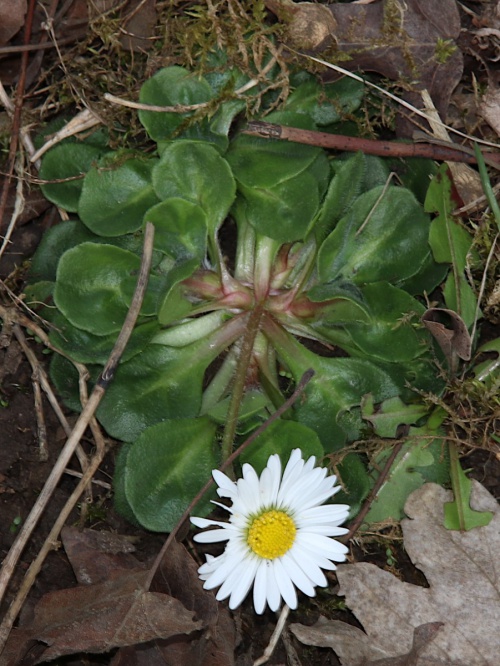 Mike Higgott
Anstey, Link Road Playing Fields
22 March 2023
 Harecroft Crescent Sapcote SP 4901 9371 (taken 2.3.2009).JPG)
Leicestershire & Rutland Map
Enter a town or village to see local records
MAP KEY:
Yellow squares = NBN records (all known data)
Coloured squares = NatureSpot records: 2025+ | 2020-2024 | pre-2020
UK Map
Additional images
 Leicester Road Sapcote SP 4929 9342 (taken 9.4.2007).JPG)
 Leicester Road Sapcote SP 4929 9342 (taken 15.4.2009).JPG)
All NatureSpot records
Liriomyza pusilla
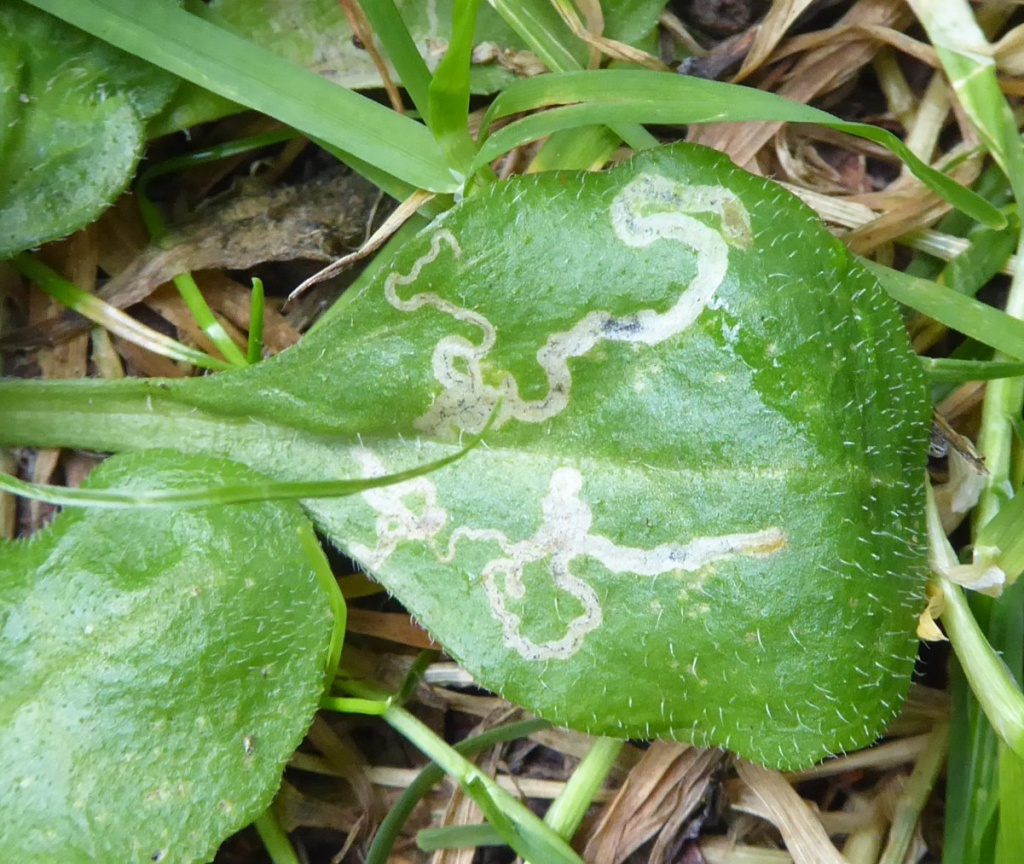
The larvae of the Agromyzid fly Liriomyza pusilla create irregular but linear mines on the upper surface leaves of Daisy (Bellis perennis). The mine winds across the leaf, often crossing over itself. Small leaves may have a secondary blotch at the end of the mine. Frass, when visible, is in short pearl-like strings. Pupation takes place outside the mine.
Daisy Rust
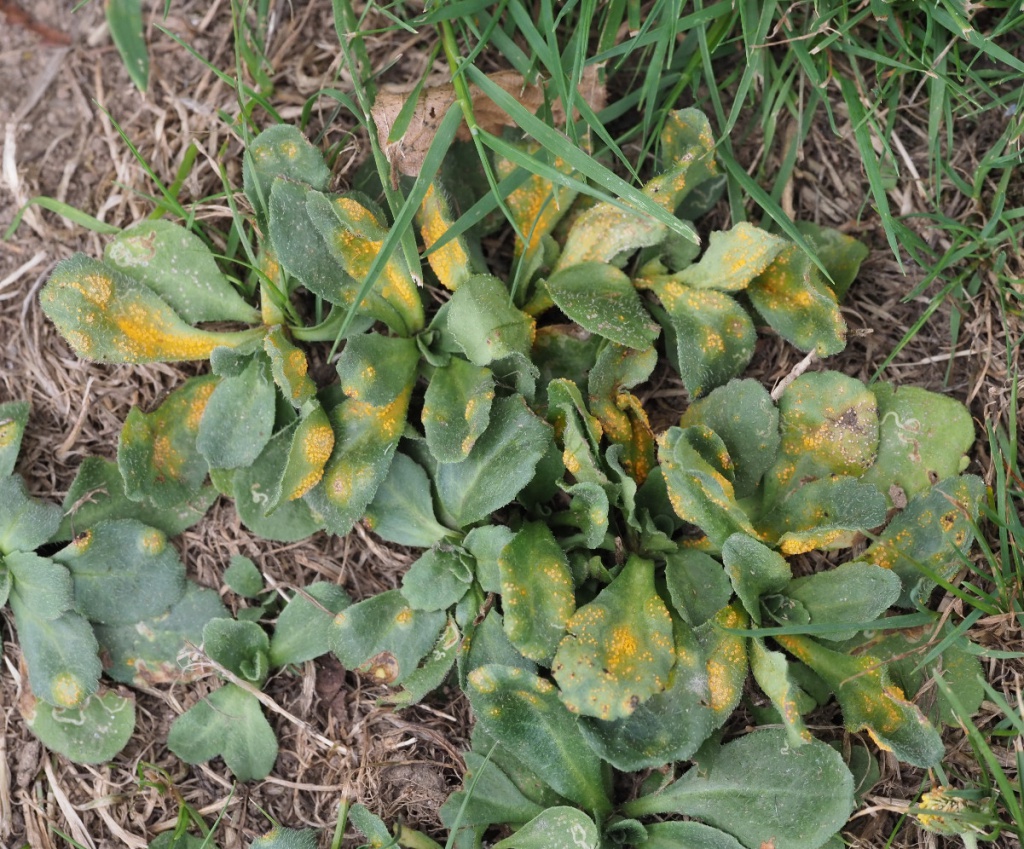
Puccinia distincta is a rust fungus causing galls on Daisies (including cultivated varieties); there is no host alternation. Infected leaves and stems have raised yellowed spots bearing orange aecia; they are often less vigorous compared to normal leaves. Dark brown telia are produced later; there is no spermogonia or uredinia stage.