Oil-seed Rape
Oil-seed Rape - Brassica napus subsp. oleifera
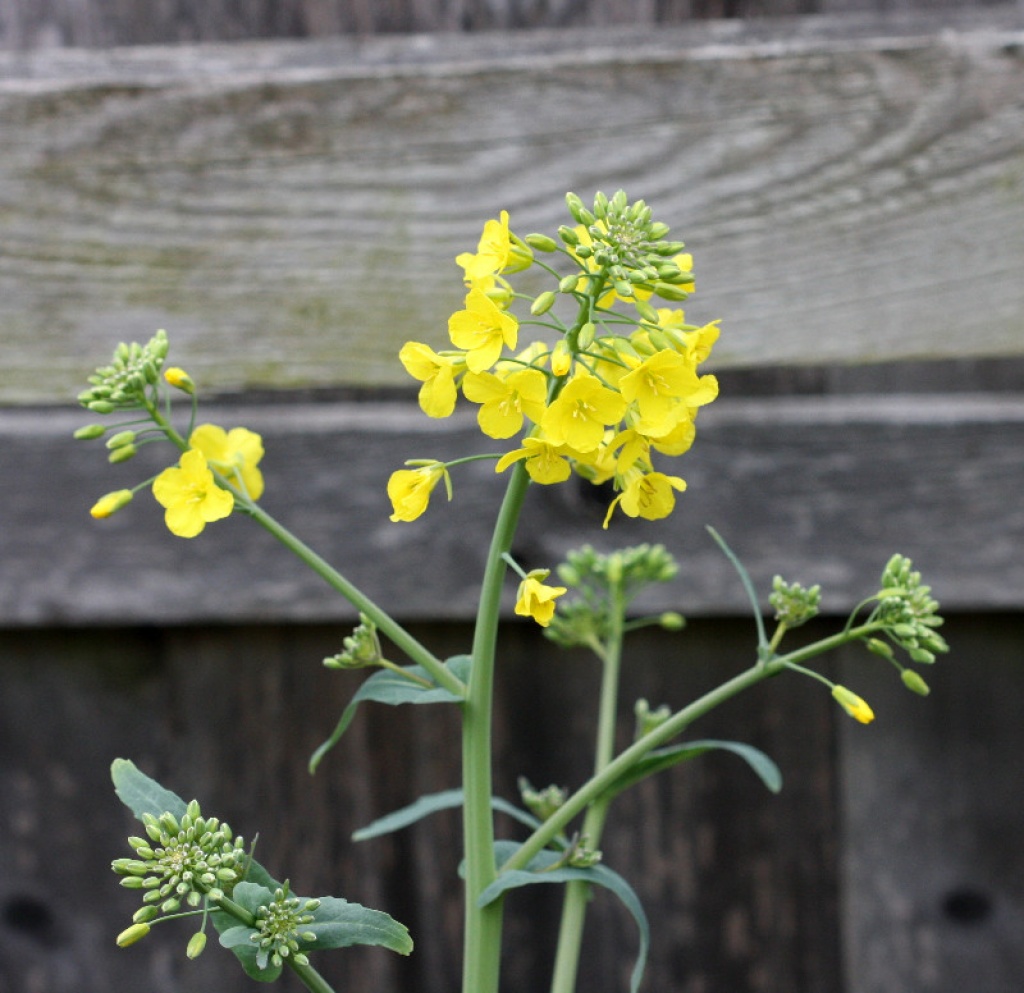
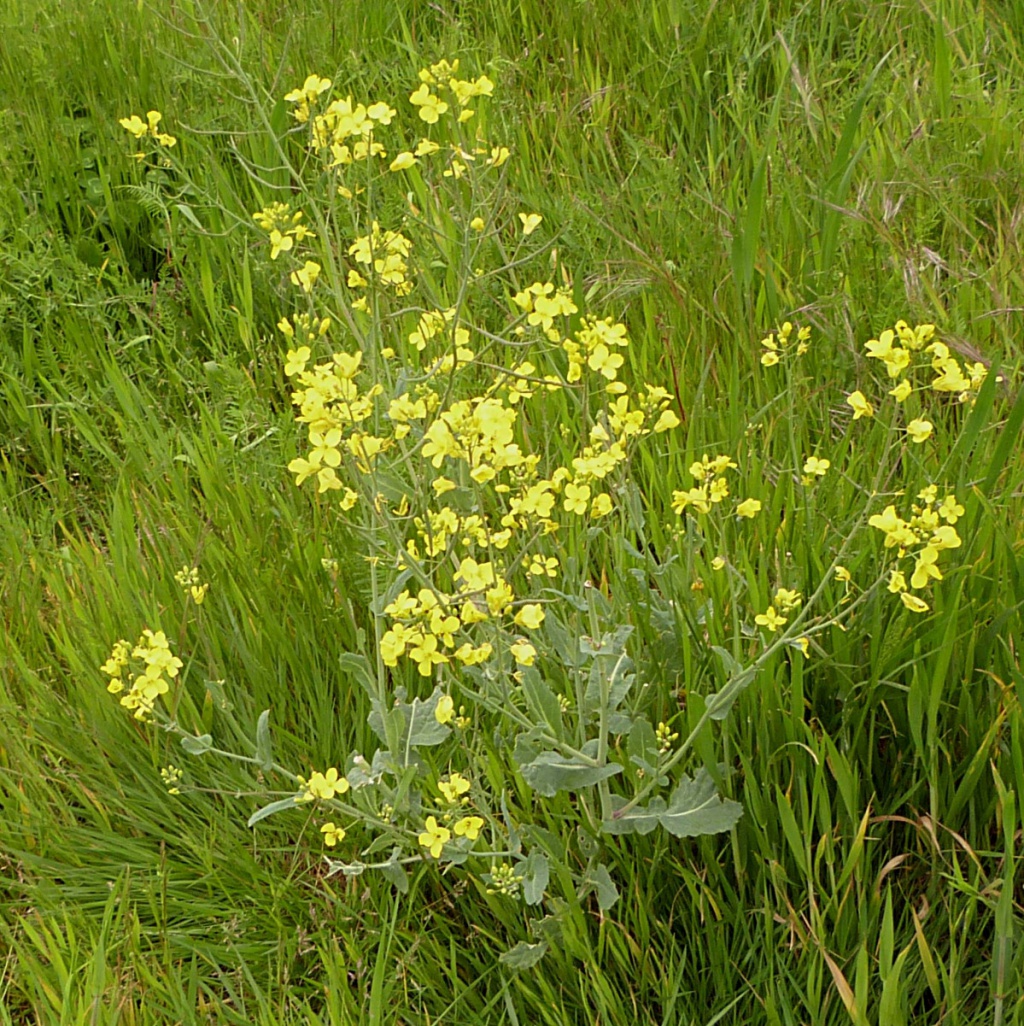
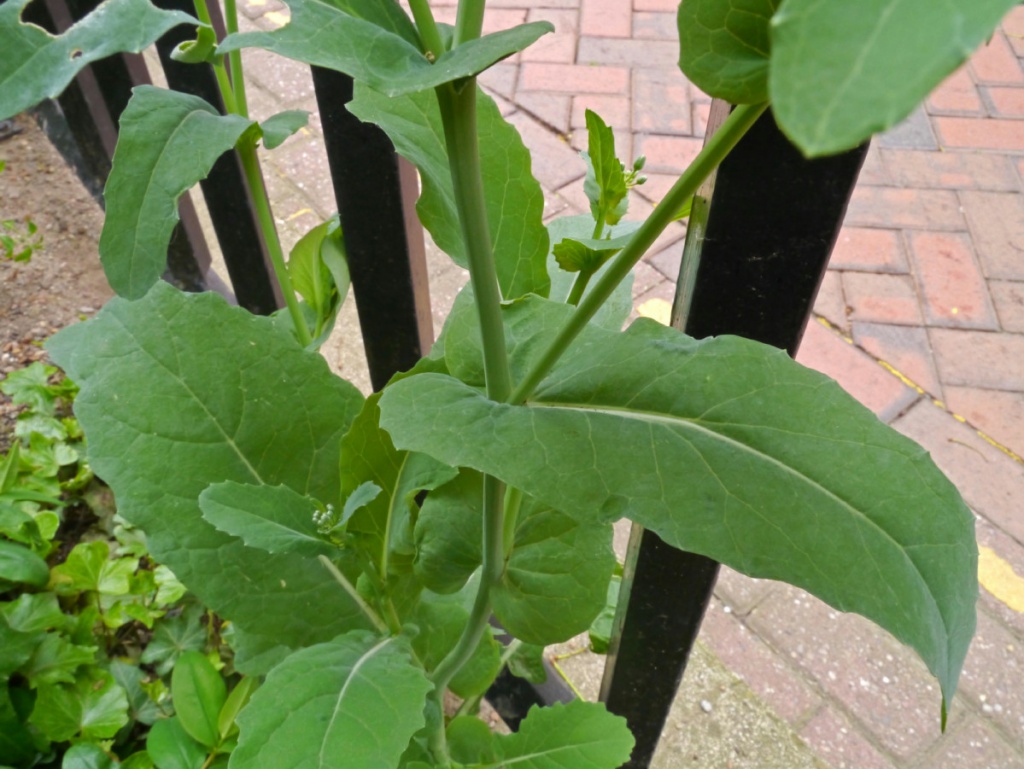
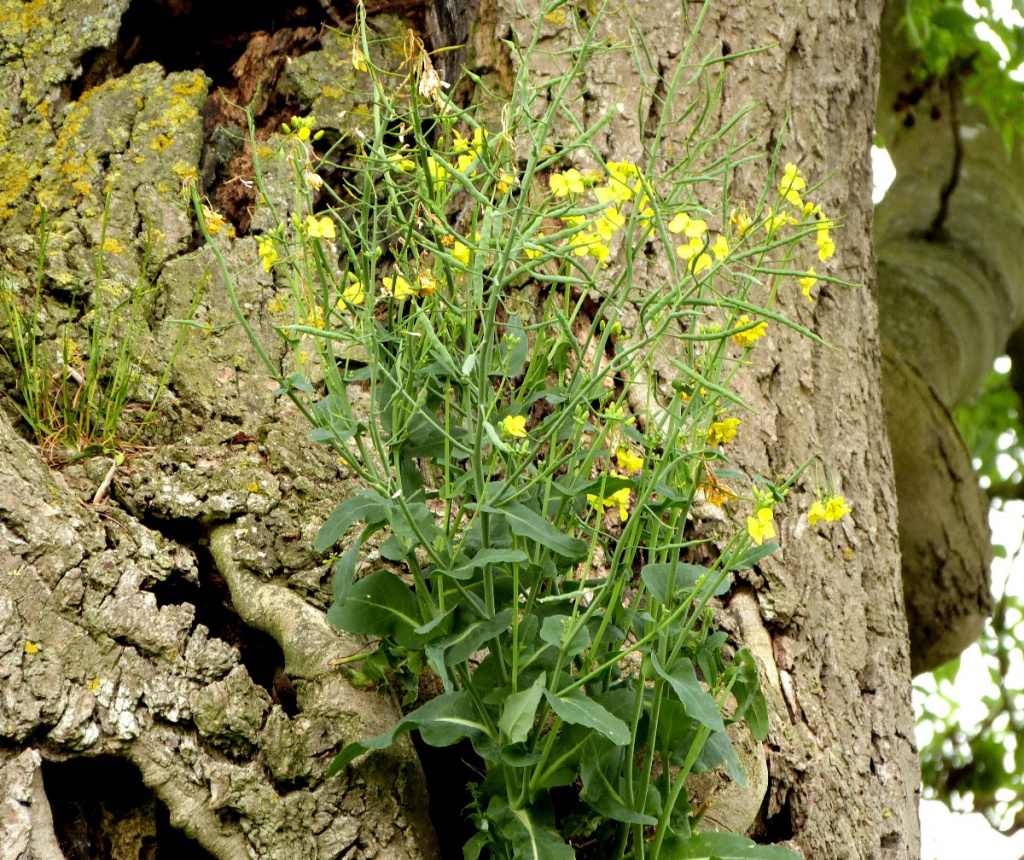
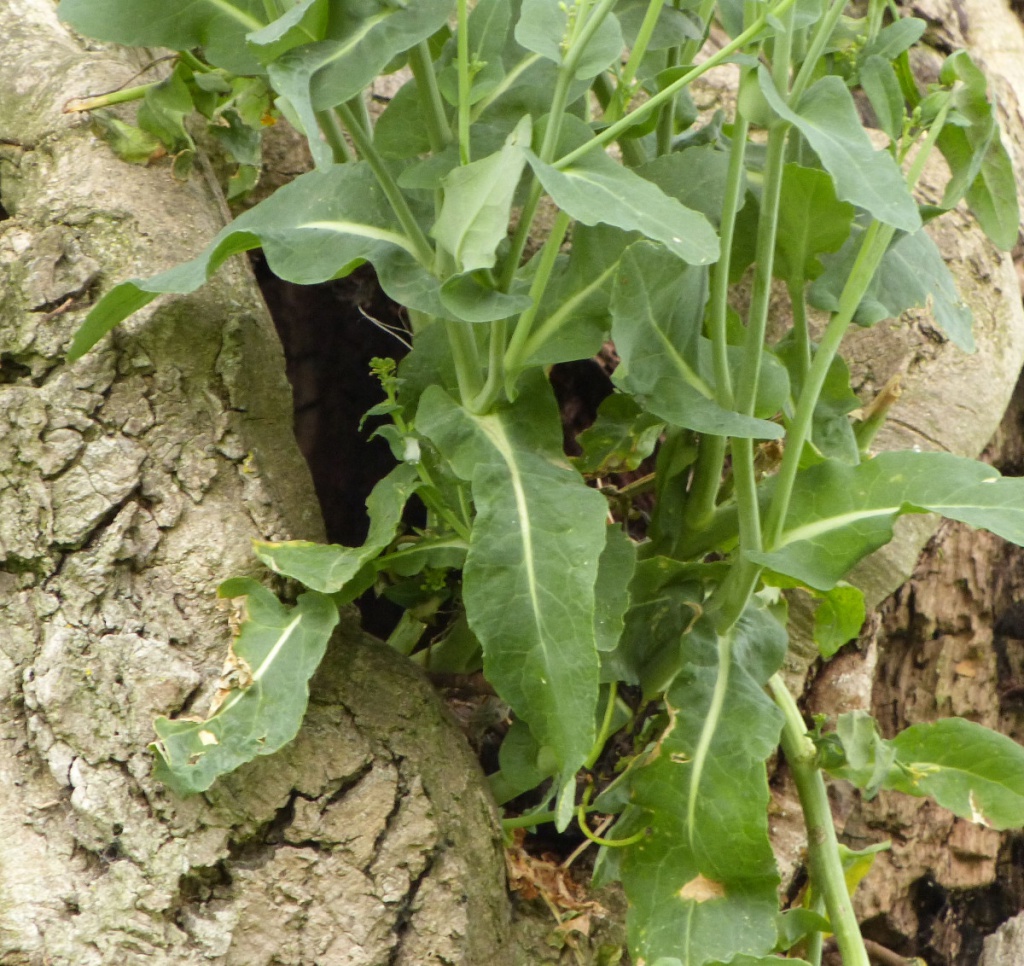
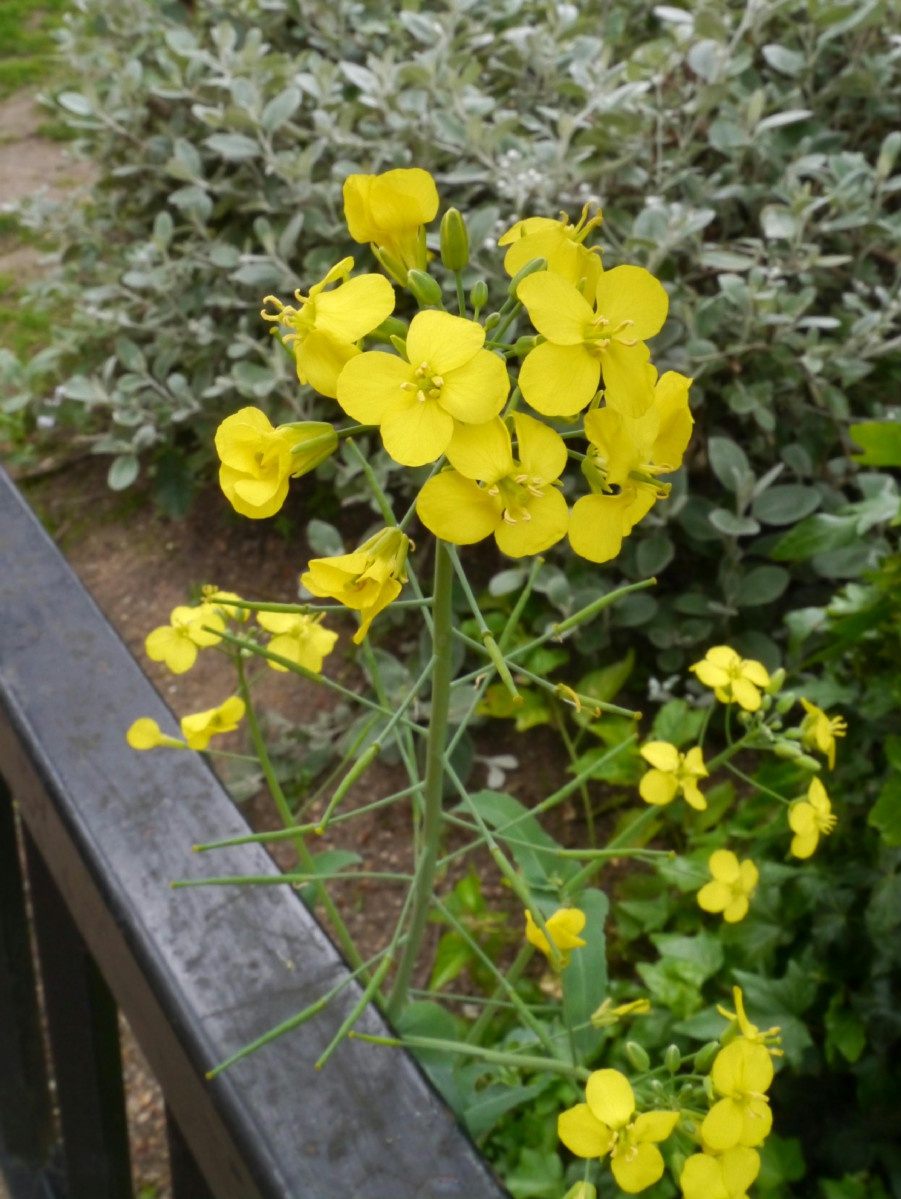
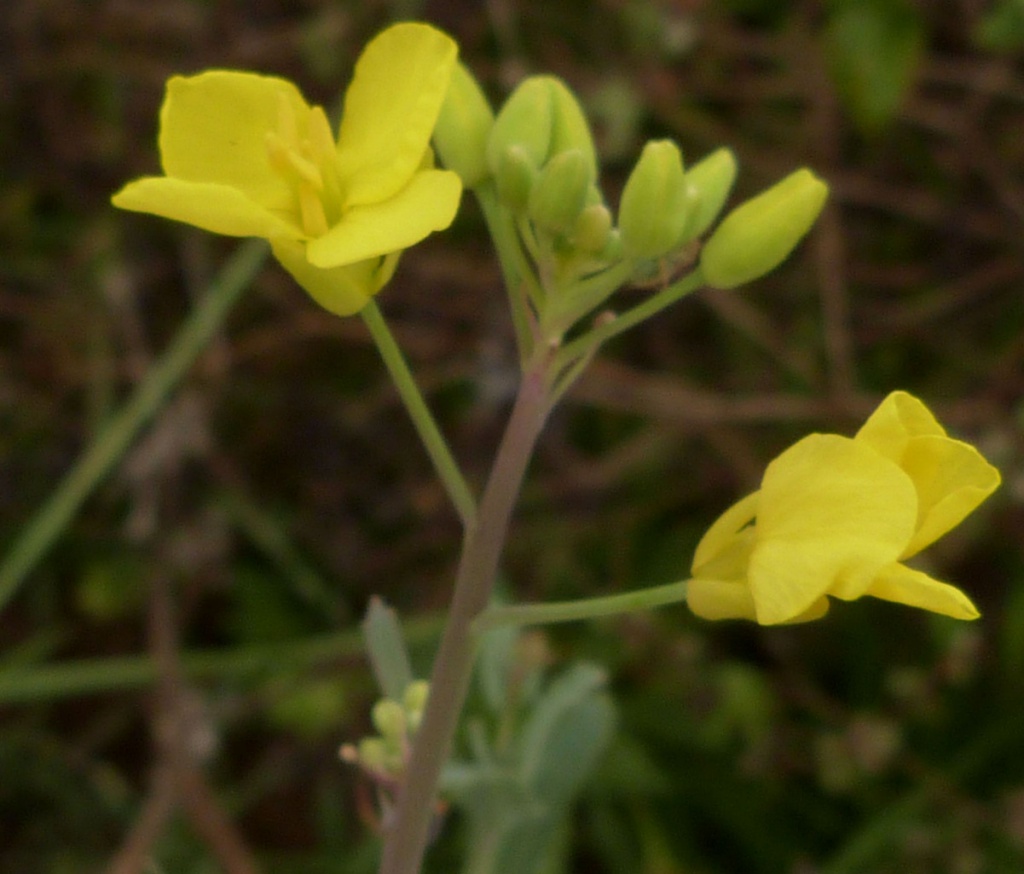
The familiar garish yellow crop that is grown across many fields in Britain but now commonly found growing wild. It grows to 1.5 metres though is frequently smaller. The flowers are slightly over-topped by the buds and the greyish leaves clasp the stem.
Brassica rapa and B. oleraceus (turnip and cabbage)

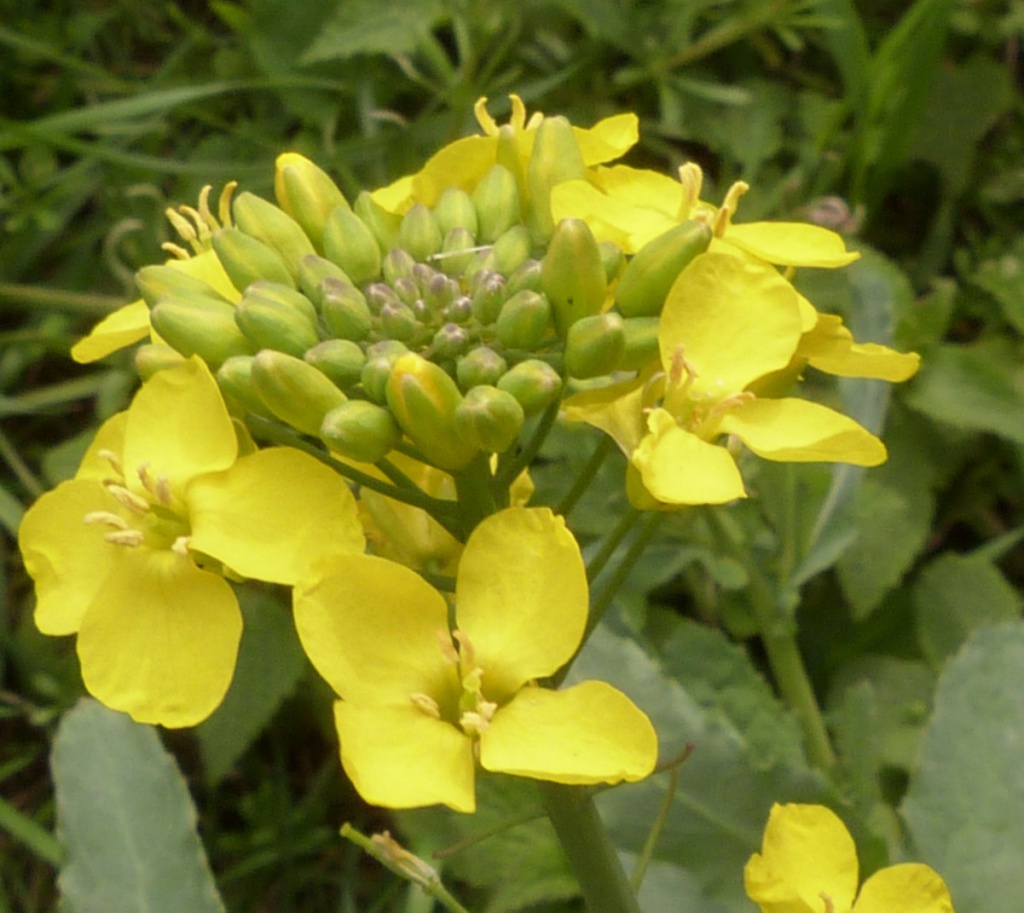
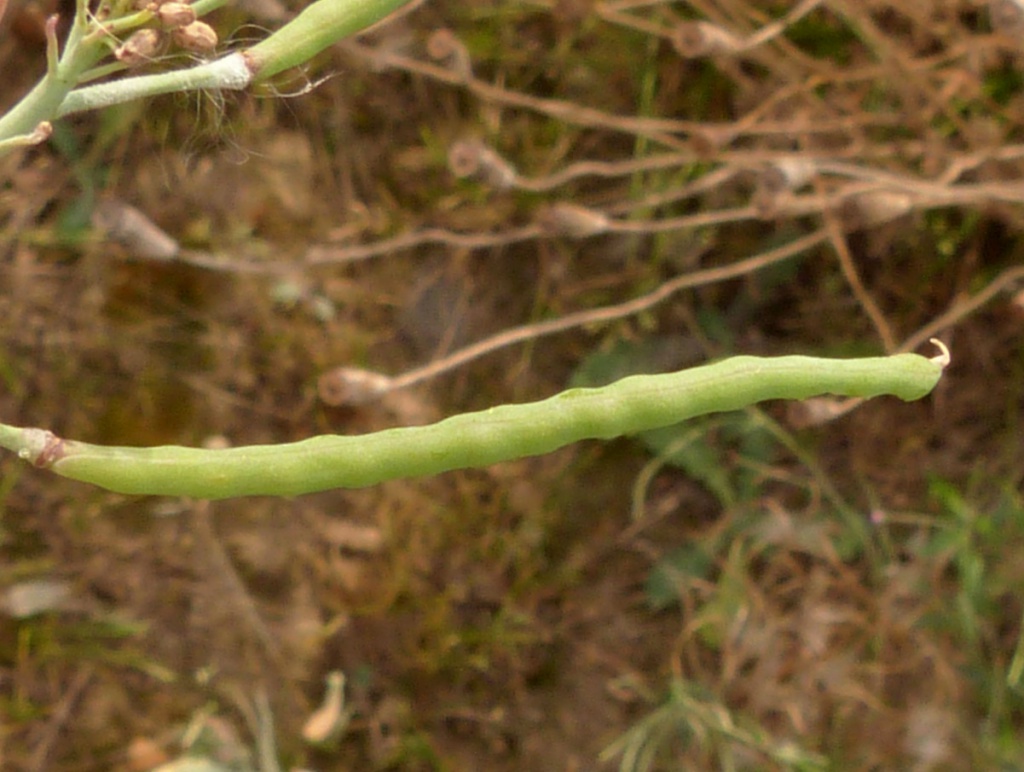
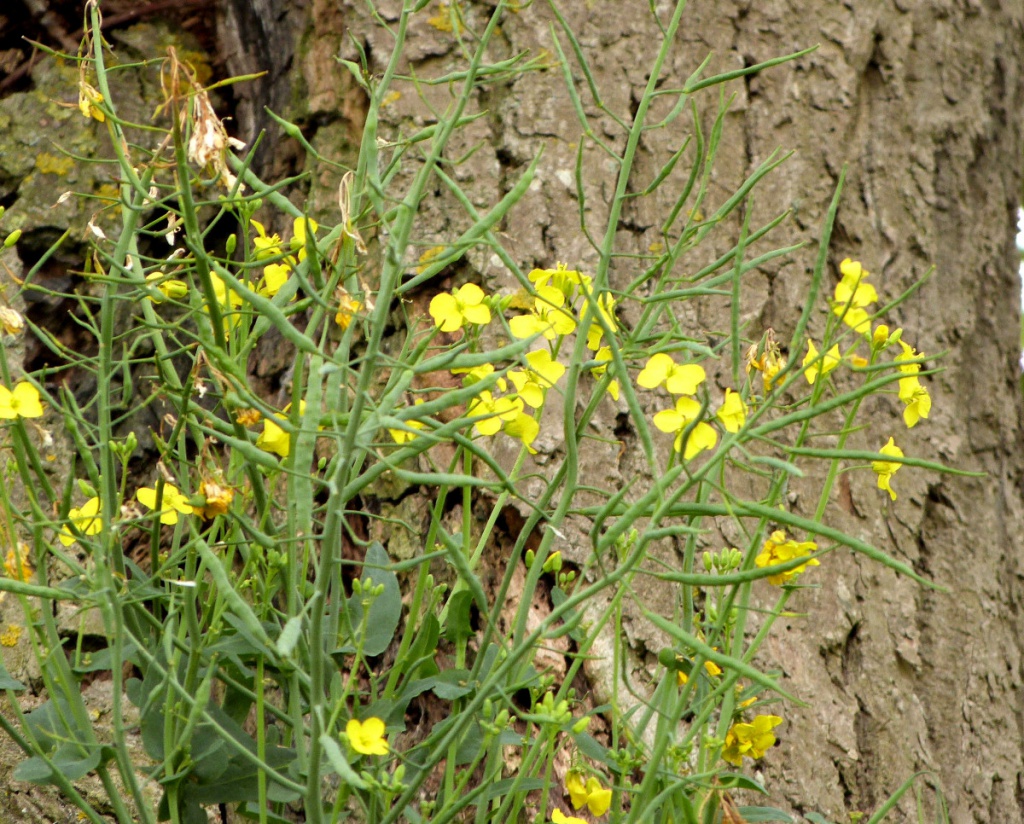
Stem-leaves clasp stem at base, more or less glaucous/hairless; long seed pods, sticking out from stem, with beak; one row in reach valve (= 2 rows); each valve has one vein; buds slightly overtop flowers, forming 'dome'.
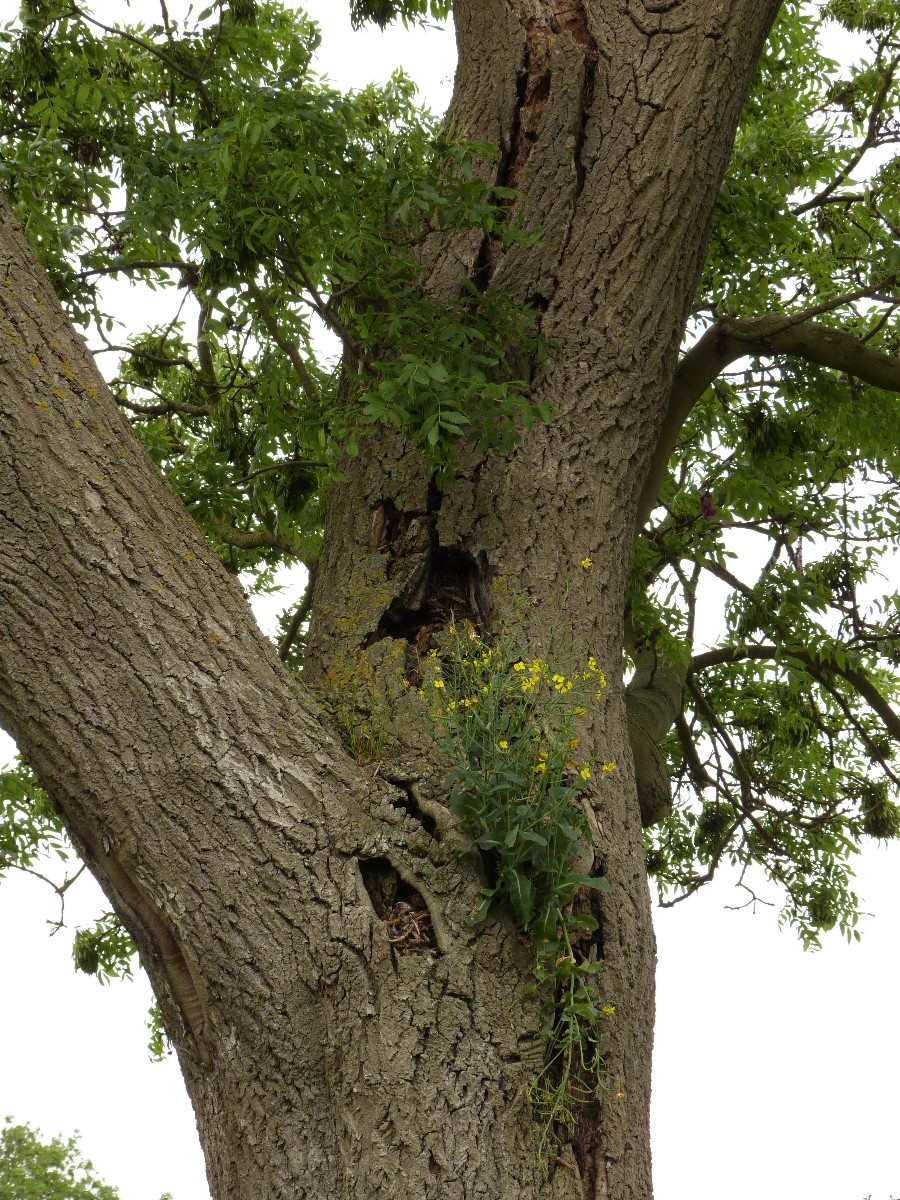
Photos of whole plant in habitat, plus close up of flower head showing seed pods, buds and open flowers
Waysides and field borders in arable countryside.
March - September
Oil-seed Rape is widely grown for the production of animal feed, vegetable oil for human consumption, and biodiesel.
Common as a wildflower growing away from crop fields.
Common
In the current Checklist (Jeeves, 2011) it is listed as Alien, occasional, but frequent as planted crop
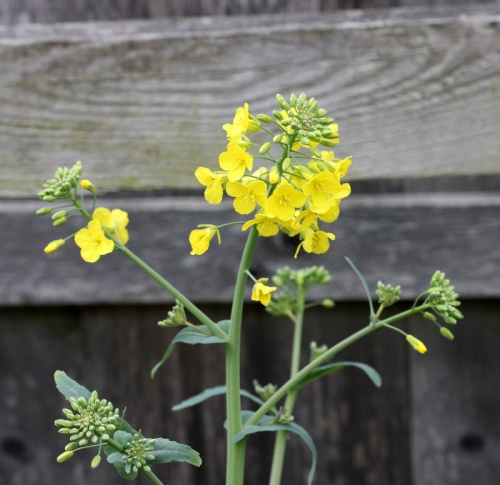 David Nicholls
New Lount
28 April 2012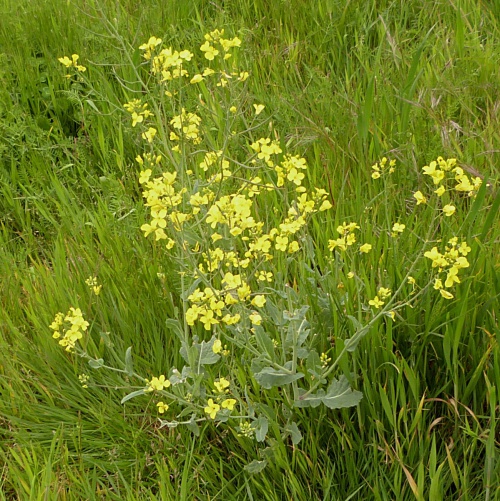 Graham Calow
Sapcote
22 May 2015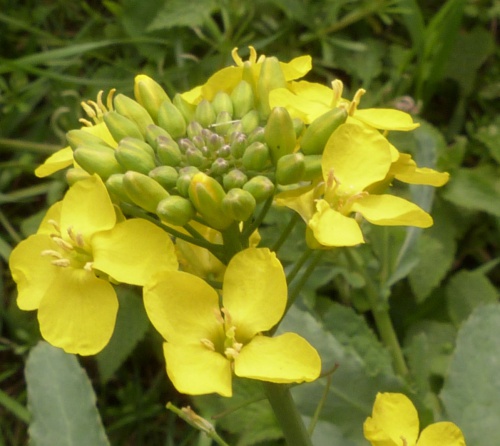 Graham Calow
Countesthorpe Road, Cosby
11 April 2016
flowers over-topped by buds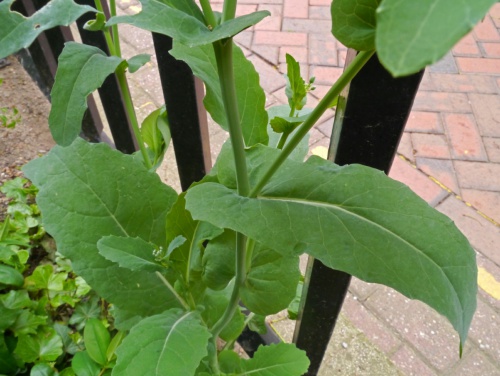 Peter Smith
Town Hall Square, Leicester
11 June 2013
Leaves clasp the stem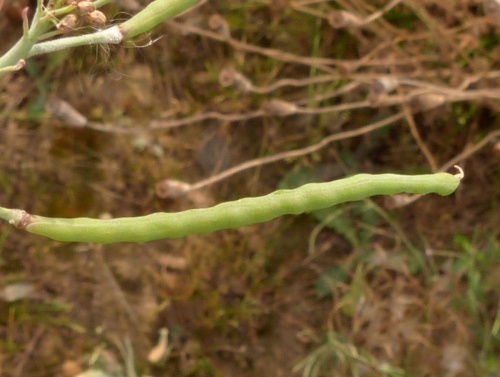 Graham Calow
Sapcote
23 September 2014
seed pod David Nicholls
Ratcliffe Culey
07 June 2018

Leicestershire & Rutland Map
Enter a town or village to see local records
MAP KEY:
Yellow squares = NBN records (all known data)
Coloured squares = NatureSpot records: 2025+ | 2020-2024 | pre-2020
UK Map
Additional images
All NatureSpot records
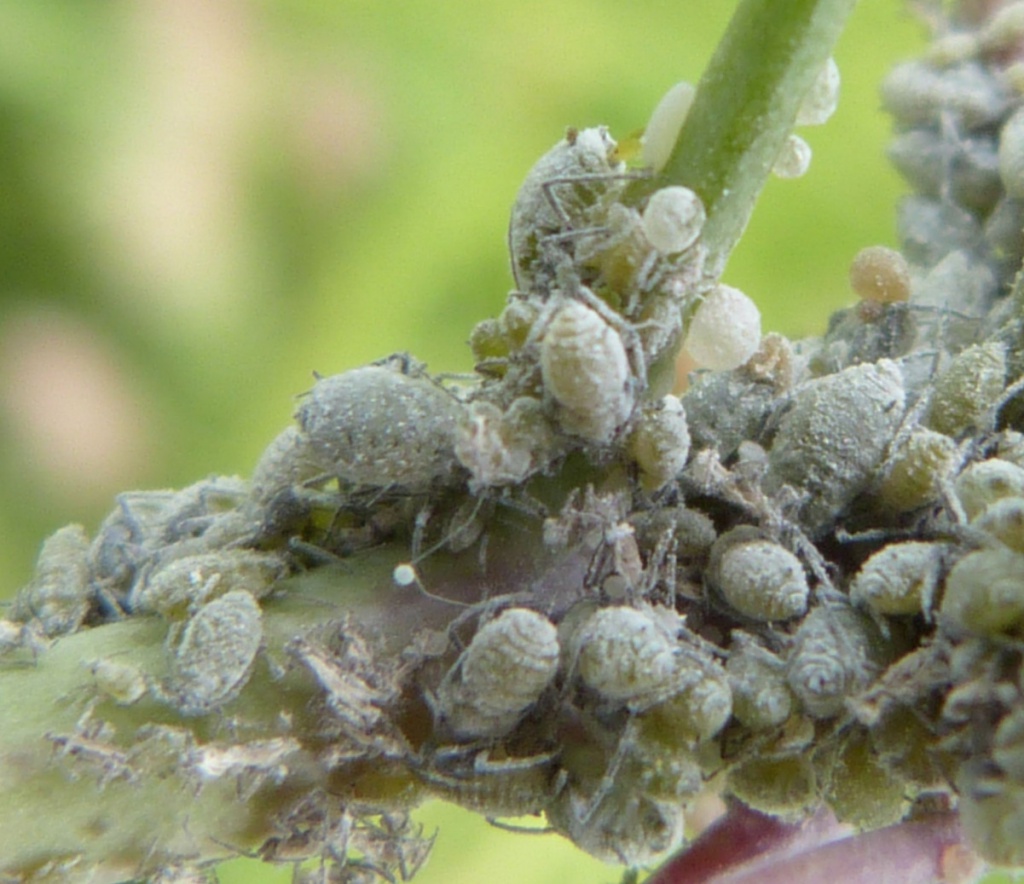
Mealy Cabbage Aphid
The Mealy Cabbage Aphid (Brevicoryne brassicae) spends its entire life cycle on Brassicas such as Cabbage and Oil-seed Rape. The apterae are green and wax-powdered. The head, tips of the antennae and the legs are dark. The body length of apterae is 1.9 to 2.7 mm.