Autumn Hawkbit
Autumn Hawkbit - Scorzoneroides autumnalis
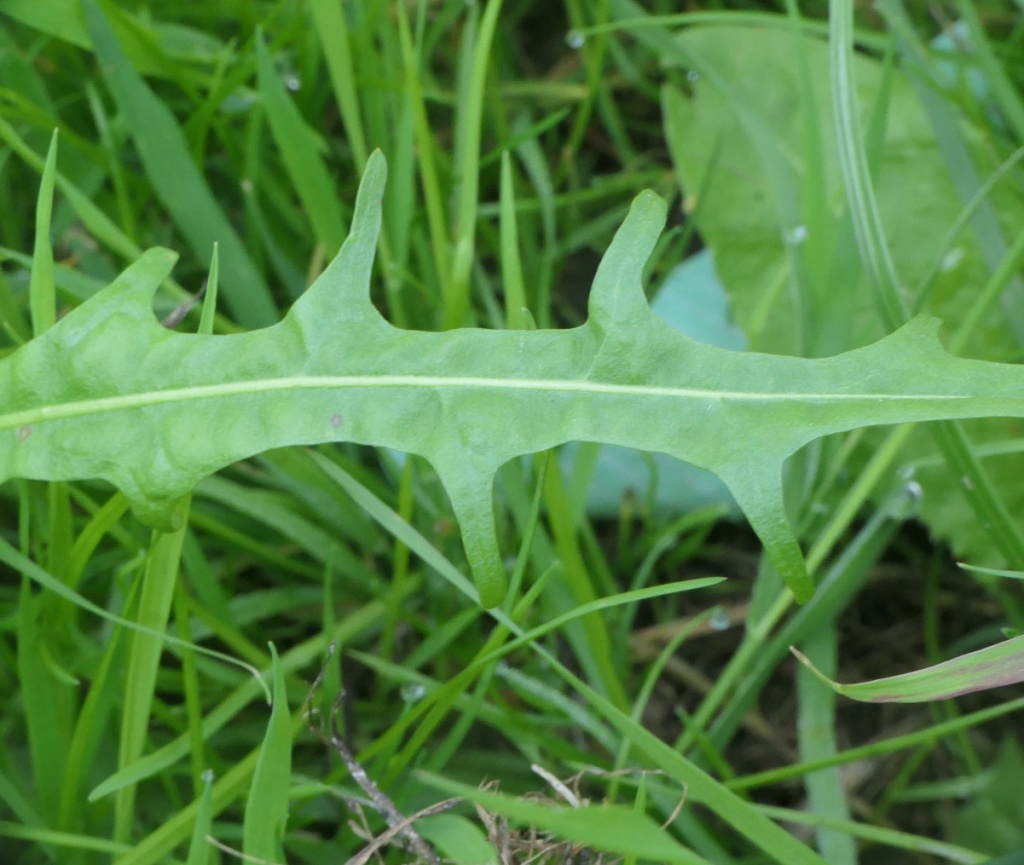
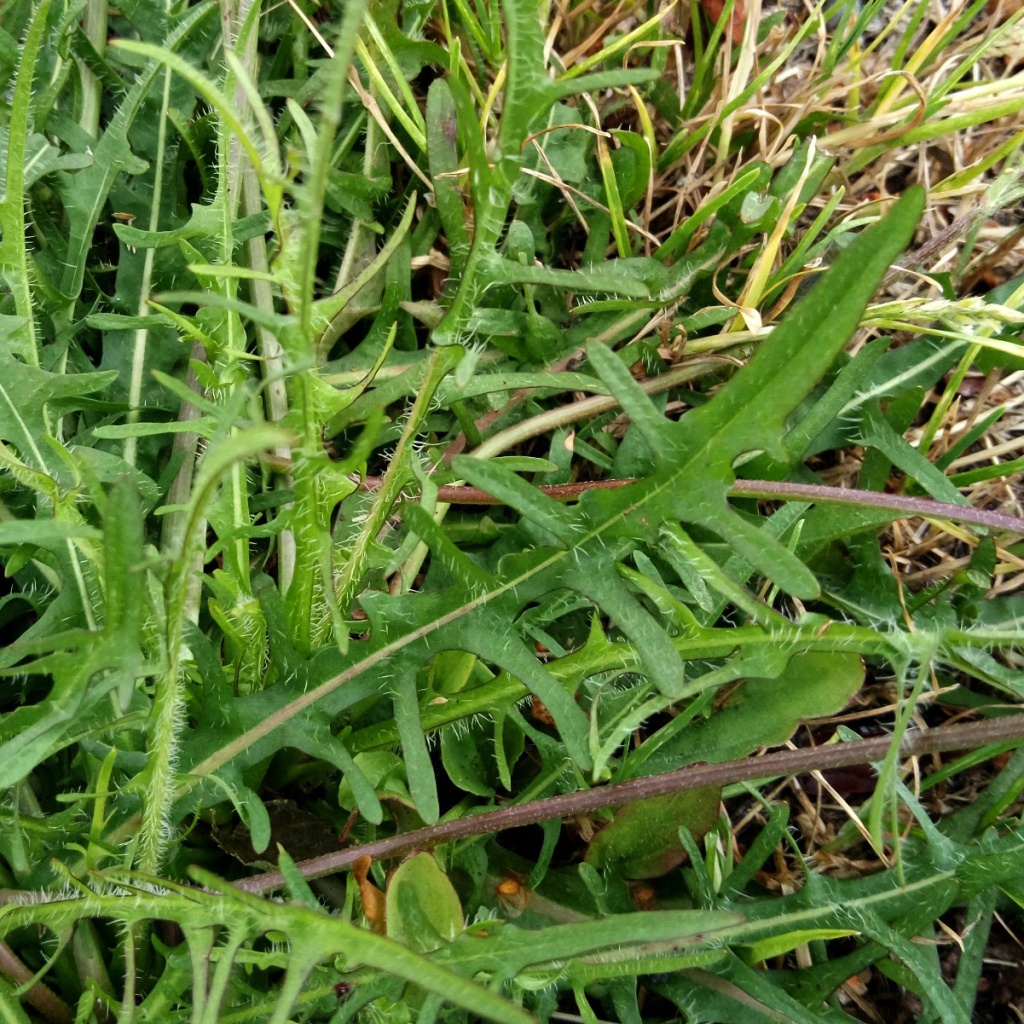
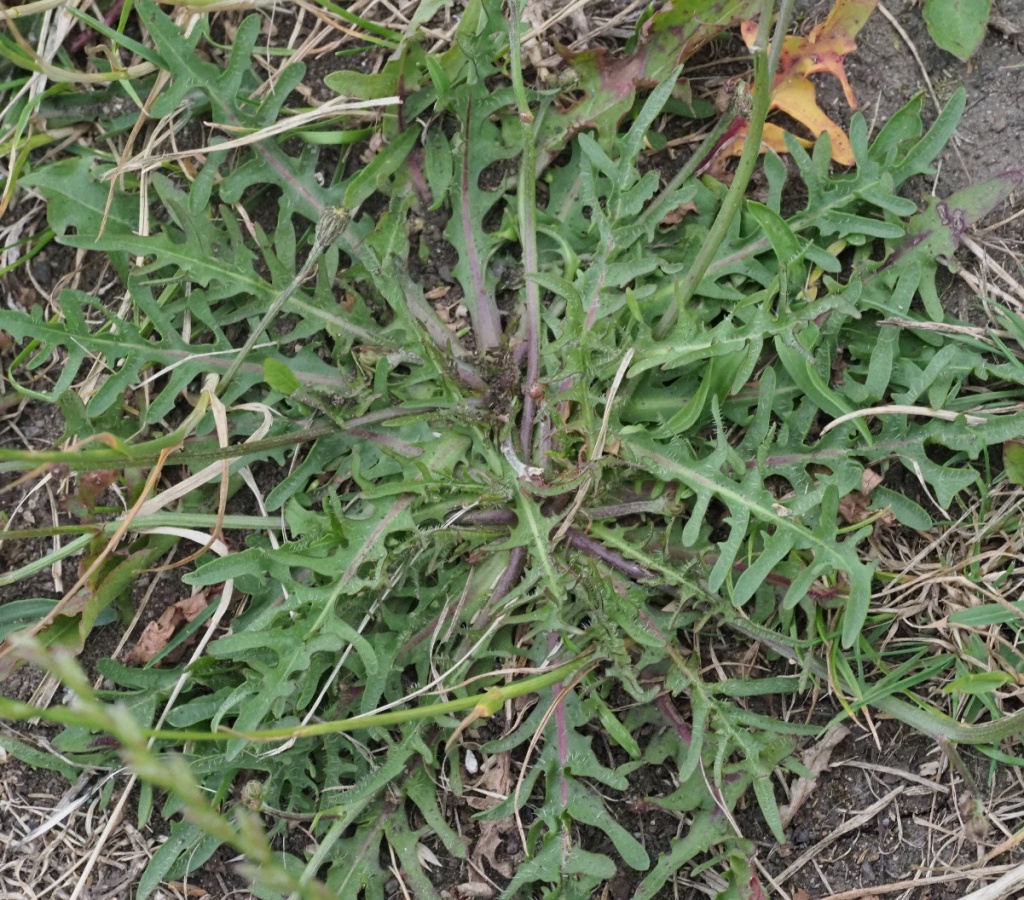
Low to medium plant usually with branched stems. Leaves narrow oblong deeply toothed to pinnately lobed. Flowerheads 20 to 35 mm yellow, the outer rays striped with red outside.
Cat's-ear (Hypochaeris), other Hawkbits (Leontodon), Hawkweeds (Hieracium and Pilosella)

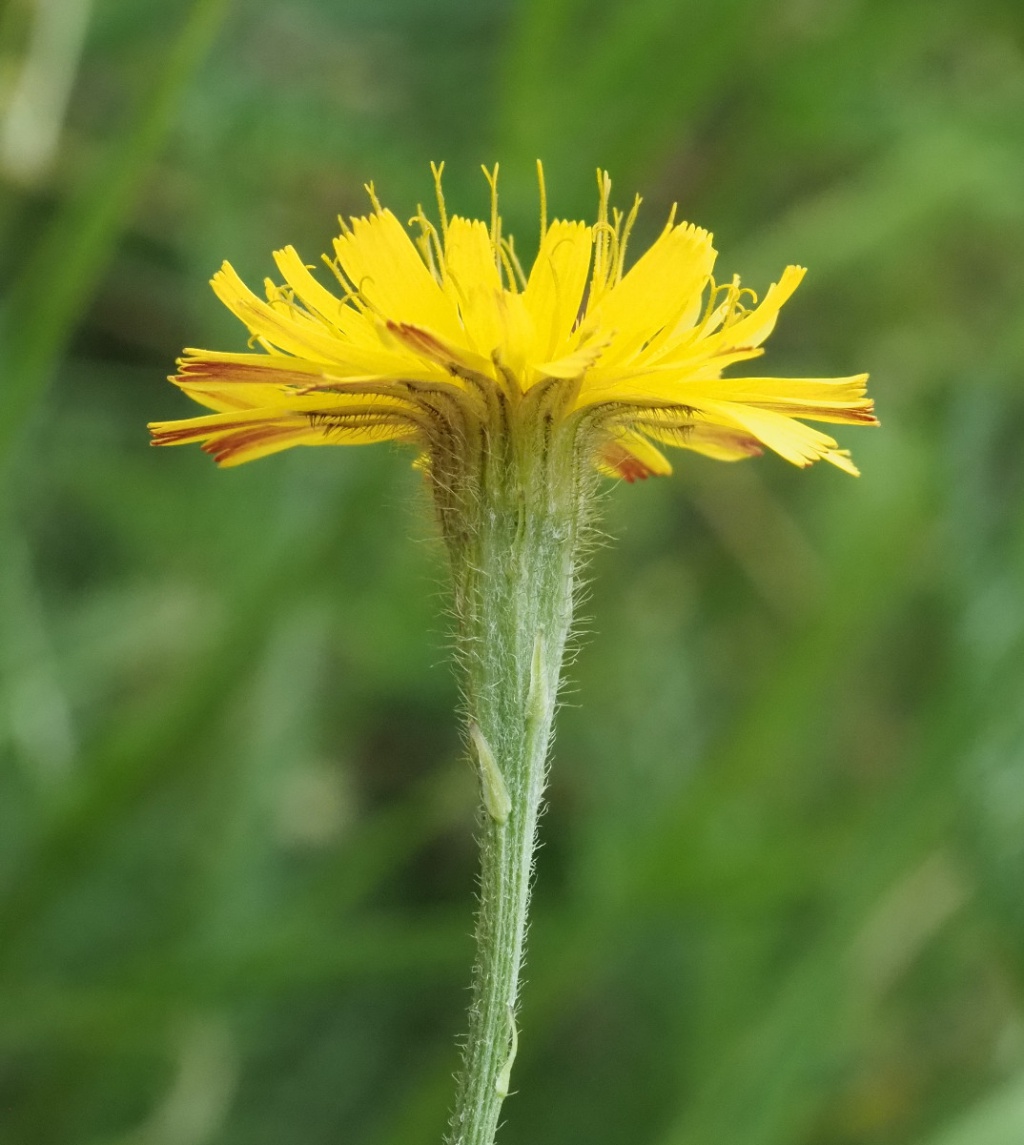
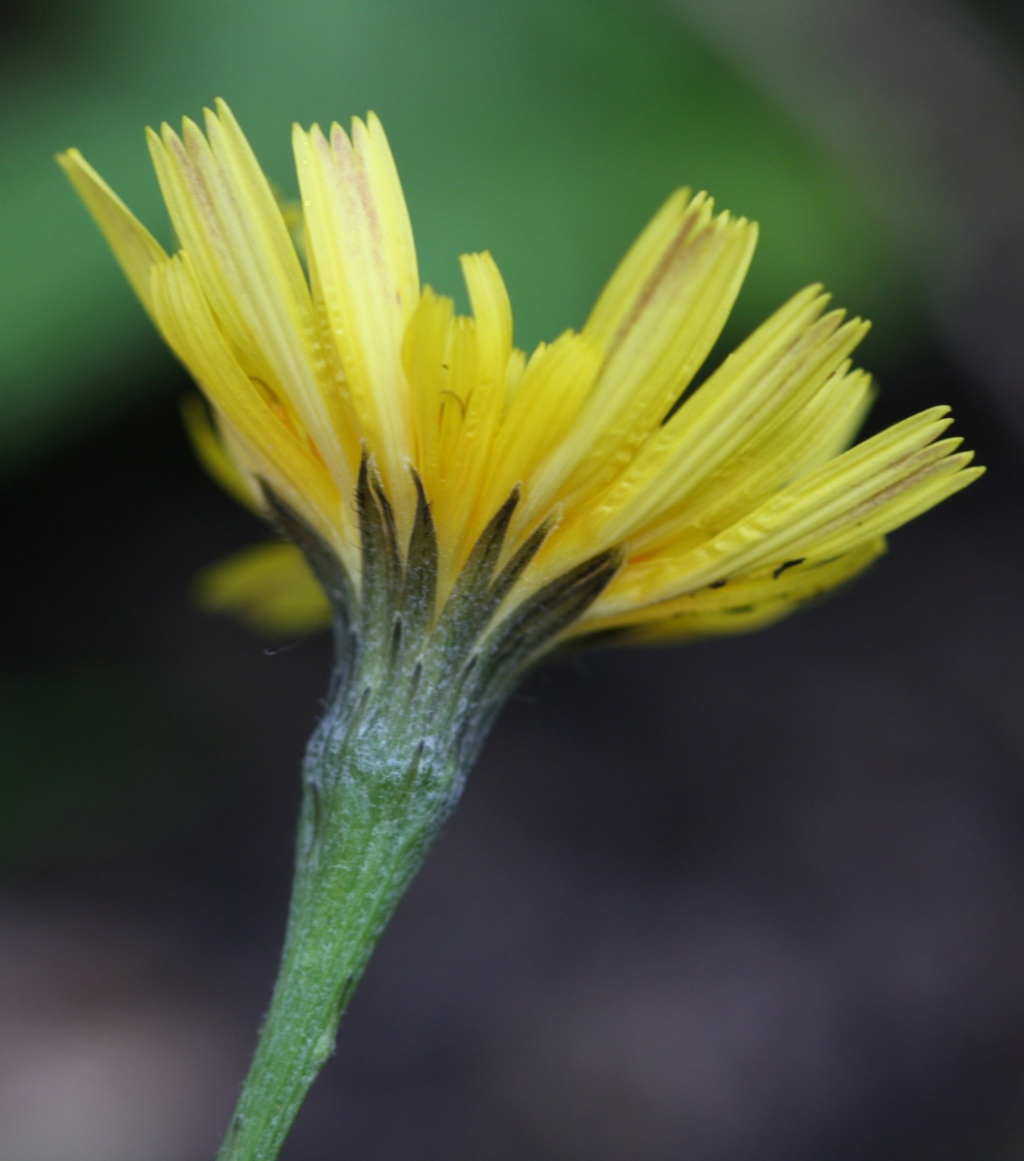
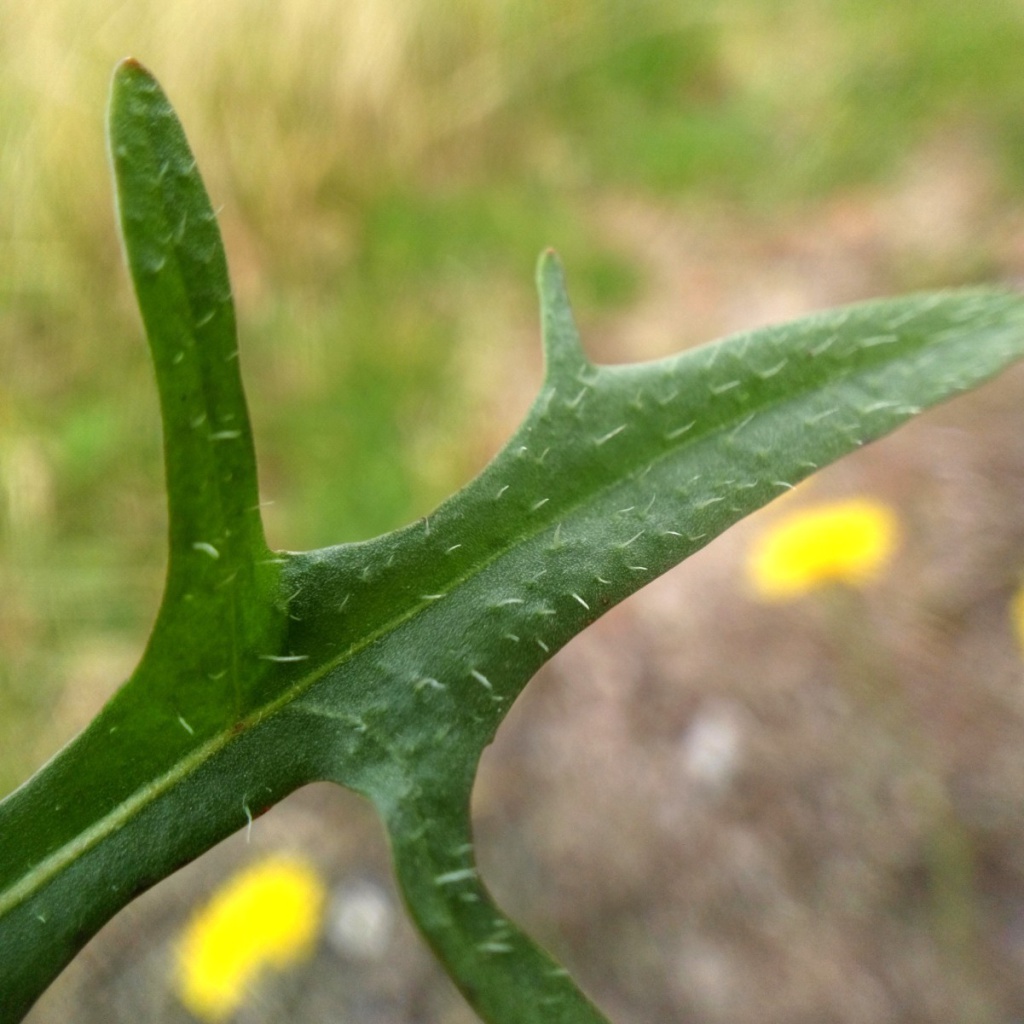
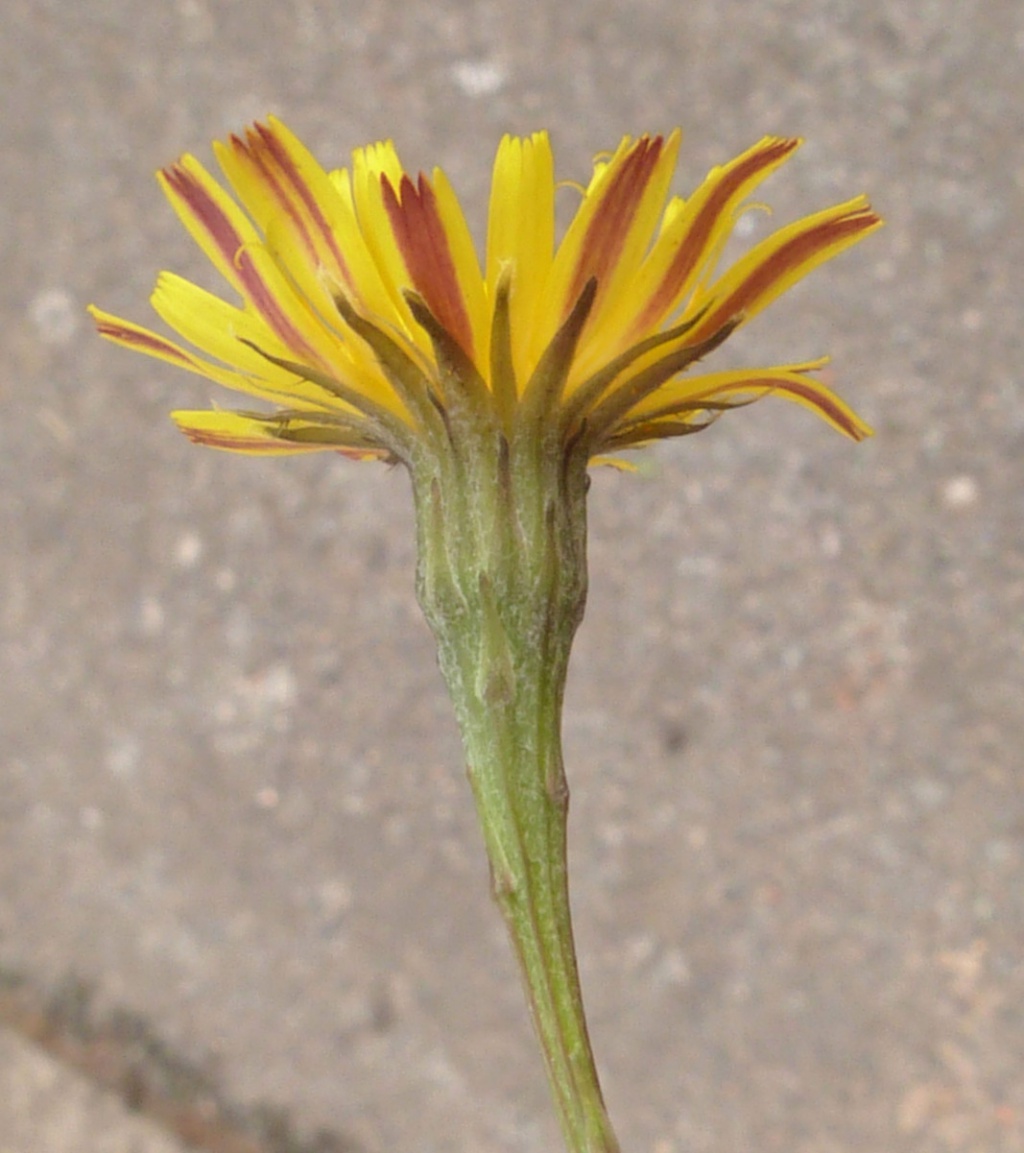
Leaves can be deeply lobed almost to midrib, or less lobed; glabrous or with a few simple (not forked) hairs. Stems usually branched. No receptacular scales among the yellow florets. Stem is swollen just below bracts so it merges into the flowerhead, and bracts usually hairy.
A side-on picture of the flowerhead and stem. This cannot be verified form a 'full-face' picture looking down onto the flowerhead; there are very many similar flowers.
Rocky or grassy places, pathways, waysides.
June to October.
Perennial.
Common throughout Britain.
Very common in Leicestershire and Rutland. In the 1979 Flora survey of Leicestershire it was found in 526 of the 617 tetrads.
 David Nicholls
Quorn, Wood Lane Verge
01 July 2023
involucre tapers into the stalk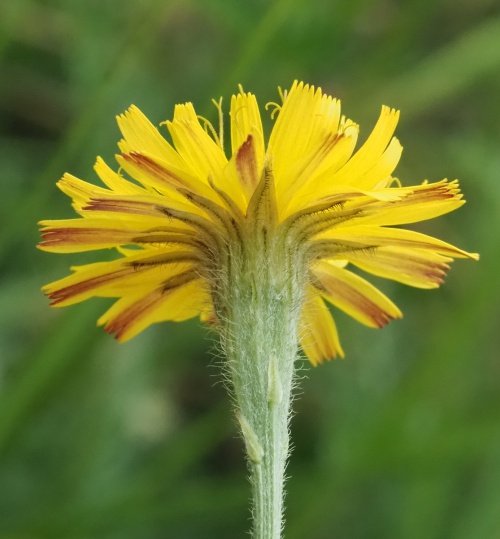 David Nicholls
Quorn, Wood Lane Verge
01 July 2023
petals usually red-streaked below Harecroft Crescent Sapcote SP 4899 9370 (taken 18.8.2007).JPG) Graham Calow
Graham Calow
Sapcote garden1
18 August 2007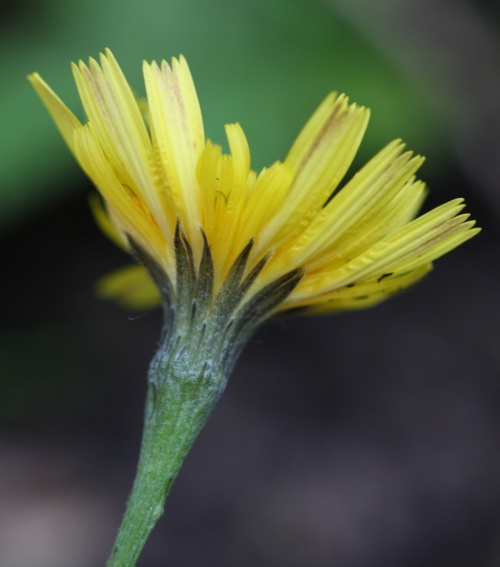 David Nicholls
St. Mary's Allotments, Leicester
06 October 2012 David Nicholls
Barkby, Queniborough Road verge
24 June 2020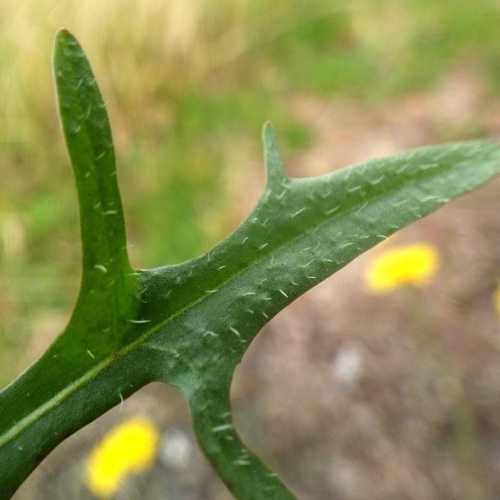 Peter Smith
Cropston, Leicester Road Verge
30 June 2022
may have sparse, unforked hairs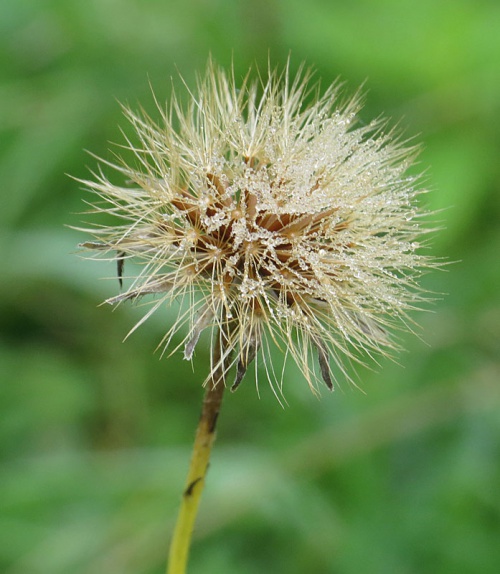 David Gould
Aylestone Playing Fields, Leicester.
04 September 2014

 Harecroft Crescent Sapcote SP 4899 9370 (taken 18.8.2007).JPG)

Leicestershire & Rutland Map
Enter a town or village to see local records
MAP KEY:
Yellow squares = NBN records (all known data)
Coloured squares = NatureSpot records: 2025+ | 2020-2024 | pre-2020
UK Map
Additional images


All NatureSpot records
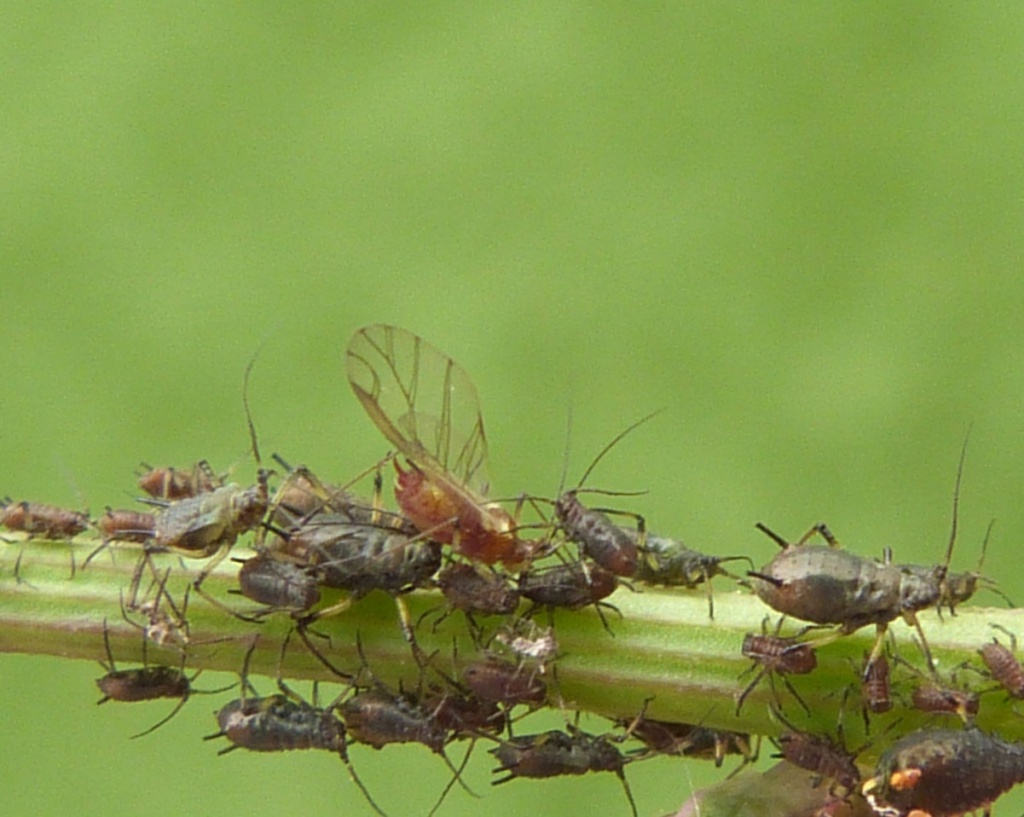
Uroleucon hypochoeridis
The aphid Uroleucon hypochoeridis lives on the stems of Cat's ear, Autumn Hawkbit and related species. It is a large pinkish-grey aphid with pale legs that are darkened towards the apices of the segments. Immatures are grey with a reddish-pink suffusion around the bases of the siphunculi.
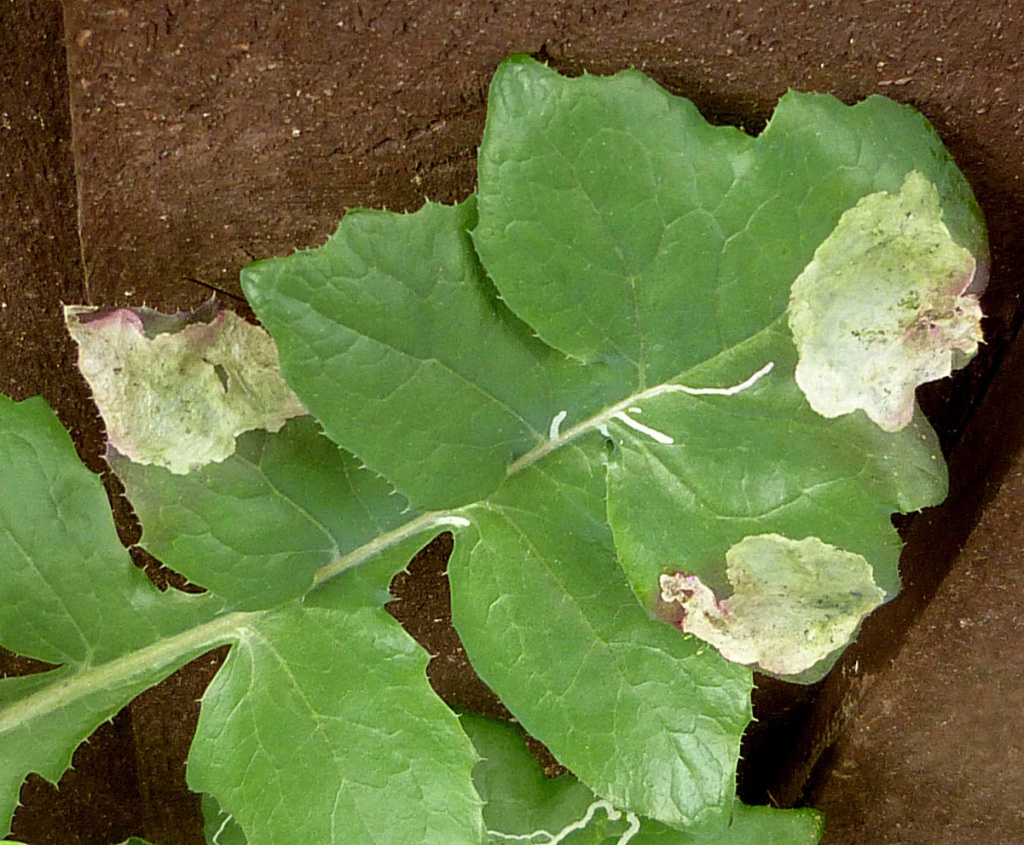
Liriomyza taraxaci
The larva of the Agromyzid fly Liriomyza taraxaci mines the leaves of Dandelion, Sow-thistle species and Autumn Hawkbit. They form small, irregular, elongated blotch mines with little frass inside.