Some wildflowers can be found blooming in any month, but February brings the first true seasonal blooms. Common Whitlow-grass is often the first - a tiny white flower (not a grass!) and Lesser Celandine quickly follows. Leaf shape, stems and seed-pods can also be useful features and help you learn to identify wildflowers at all times of the year.
The key ID features to look for are underlined. If you think you've found the plants below, take a photo and submit a record - we will then check it for you. For more guides see Learn Wildflowers

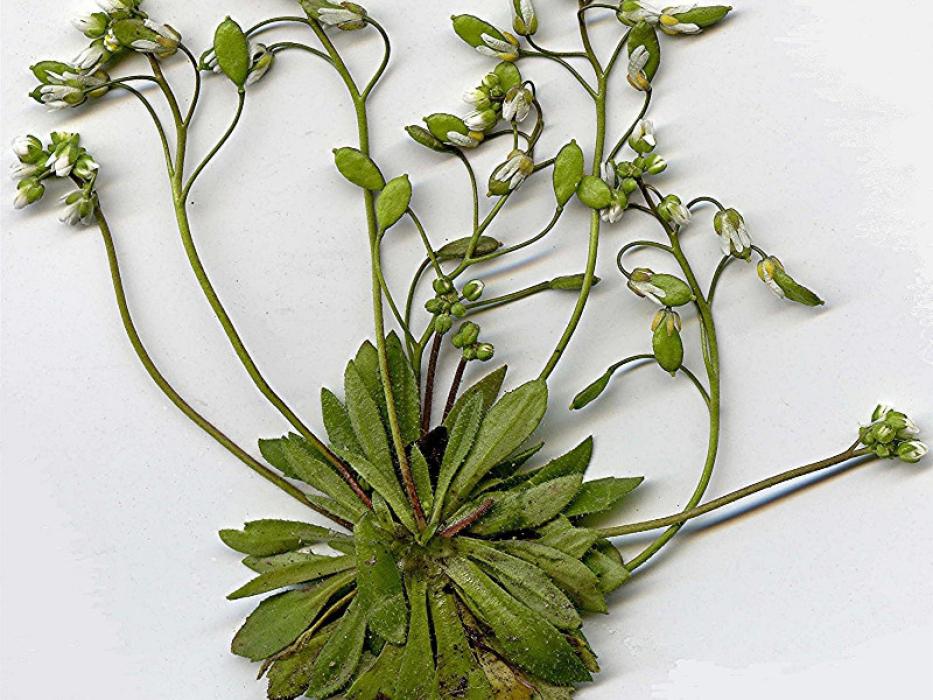
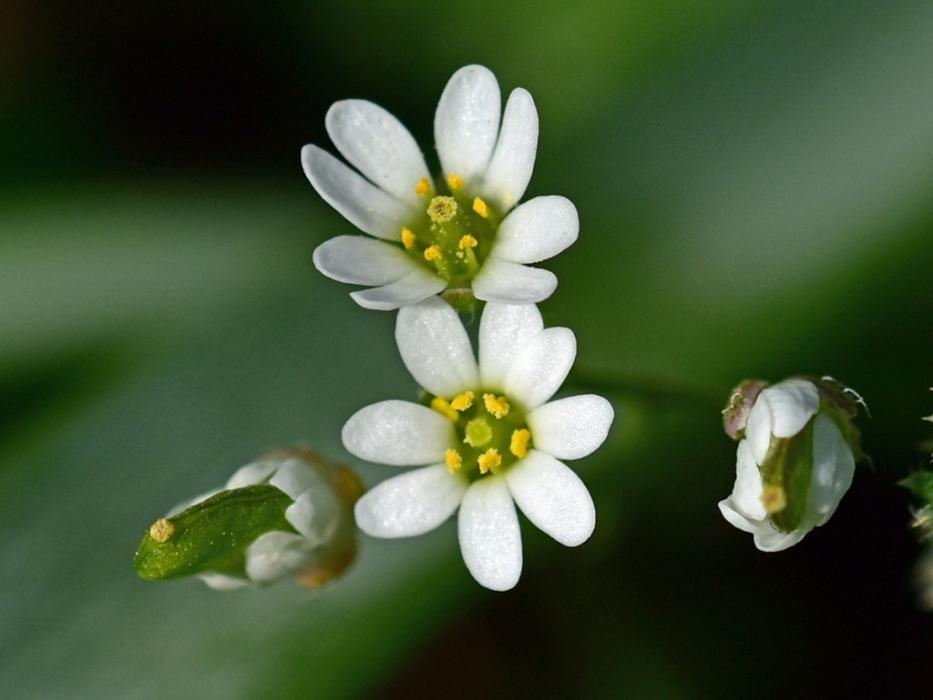
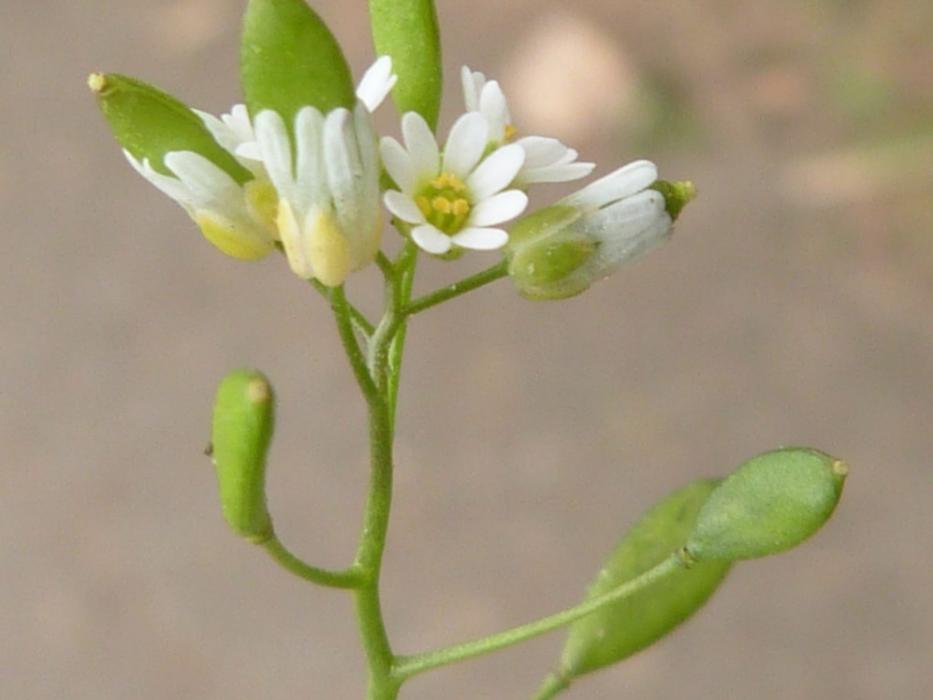
Common Whitlowgrass
ID: Tiny plant (5cm). White flowers - 4 deeply divided petals. Basal leaf rosette. Oval seed-pods (like miniature Honesty when aged). Pavements, verge edges.

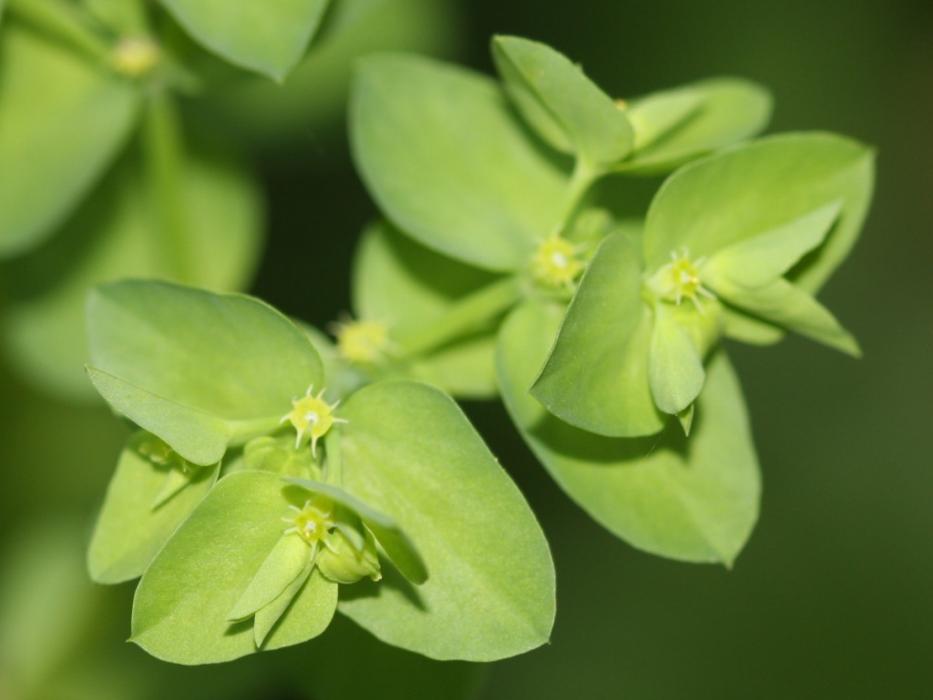
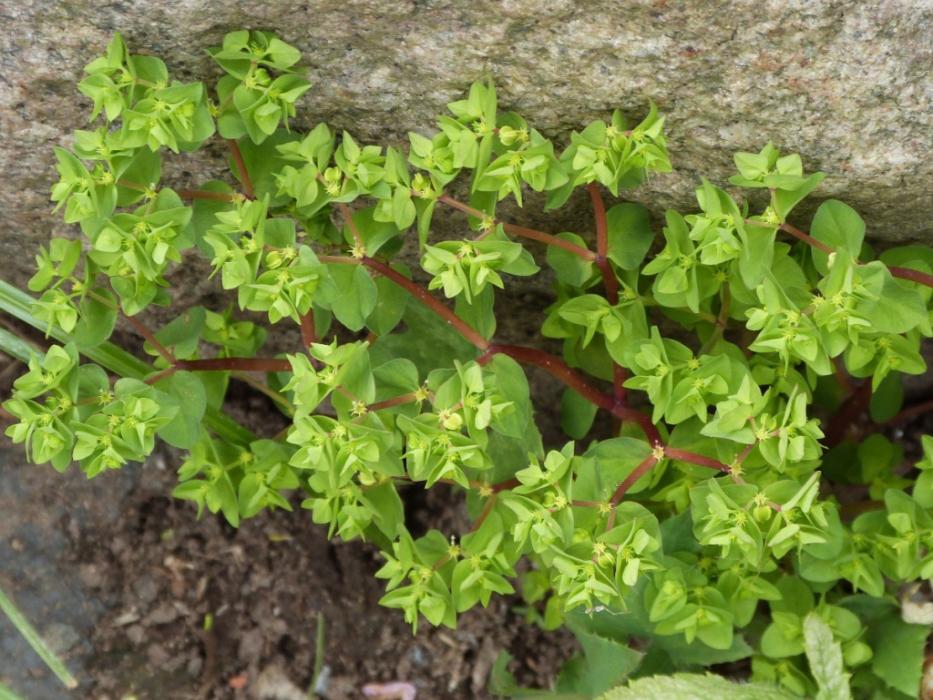
Petty Spurge
ID: Small and spindly with reddish stems. Tiny green flowers. Milky sap. Bare soil, pavements, verge edges.

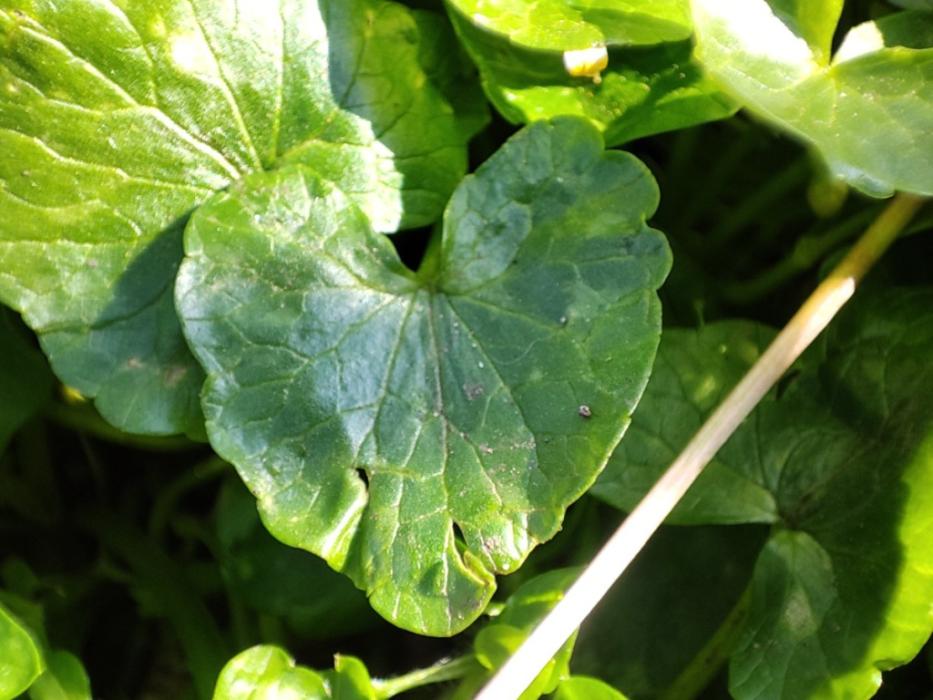
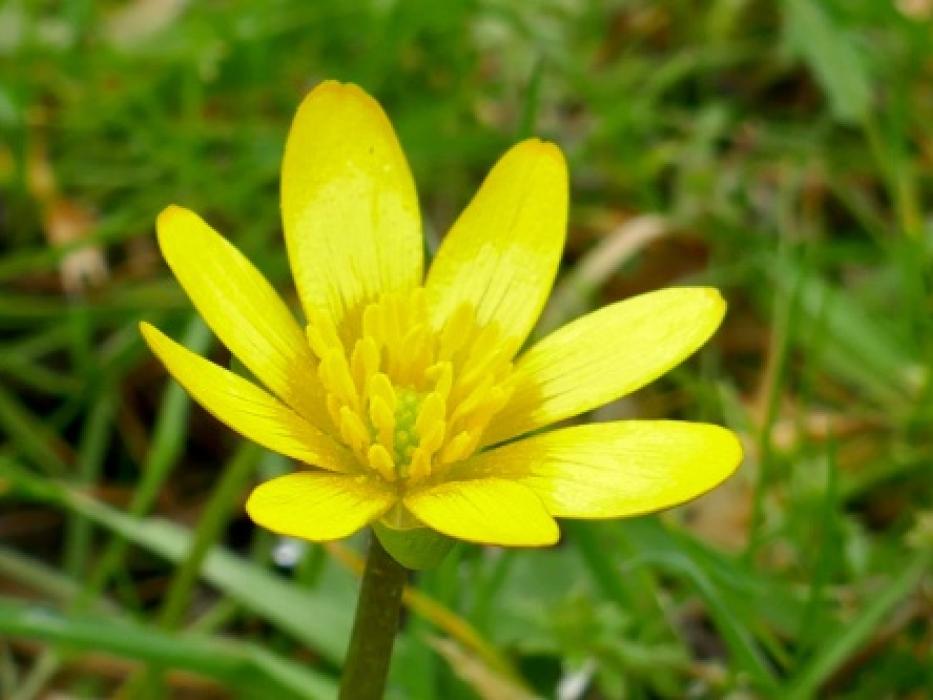
Lesser Celandine
ID: Glossy, heart-shaped leaves. Yellow flowers (7-12 petals) on short stems. Shady places (but sunny before the tree leaves appear).

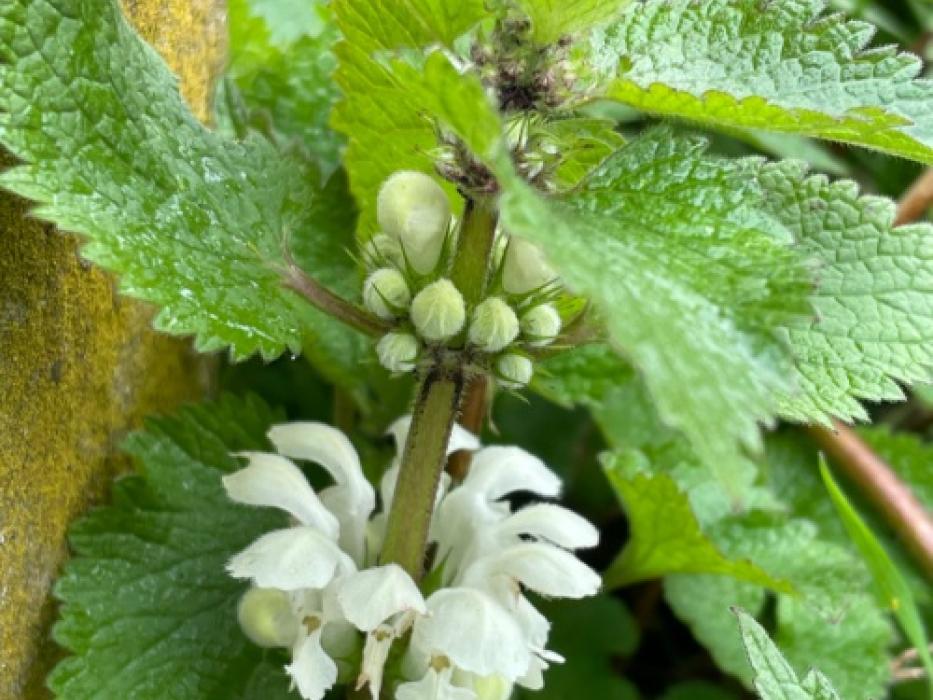
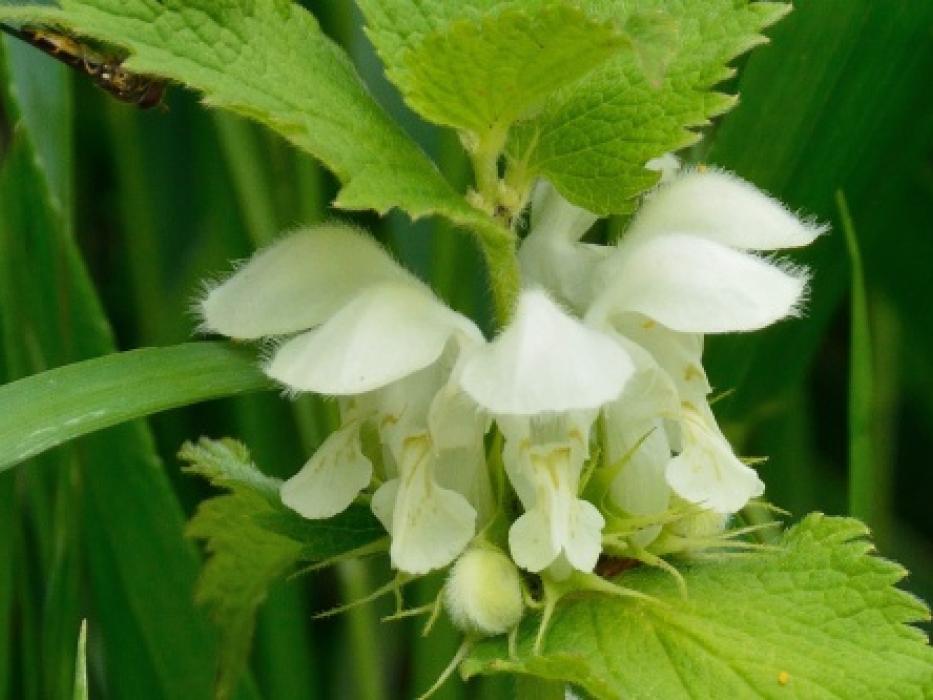
White Dead-nettle
ID: White flowers in rings around square stems. Nettle-like leaves but no sting! Bare soil, verge edges, hedges.

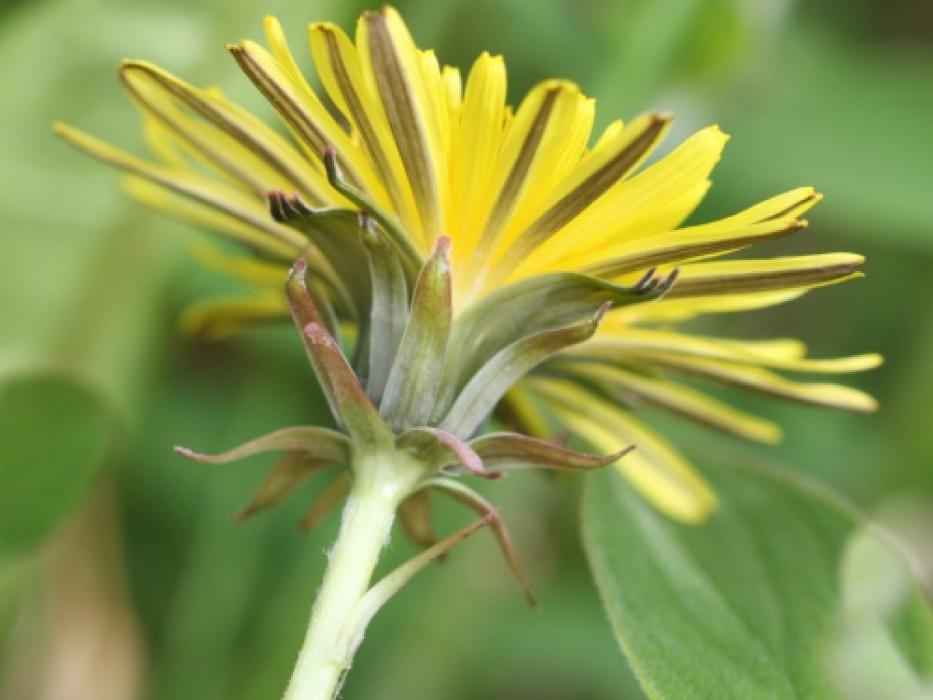
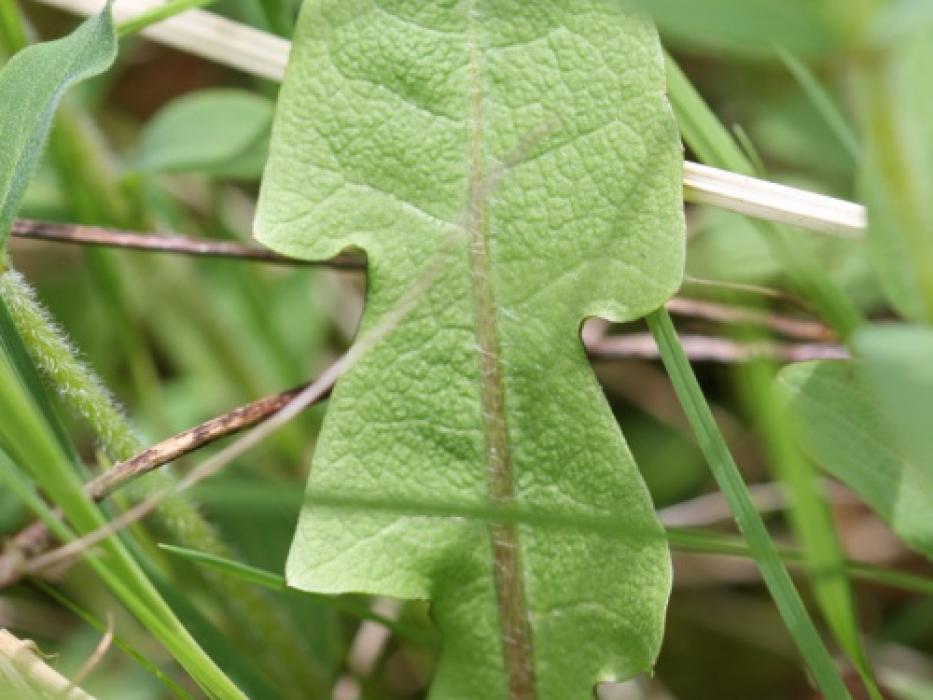
Dandelion
ID: Usually triangular leaf lobes. Basal rosette of leaves. Large yellow flowers on hollow, leafless stalks. Bare soil, verges, meadows.