Bird Cherry
Bird Cherry - Prunus padus
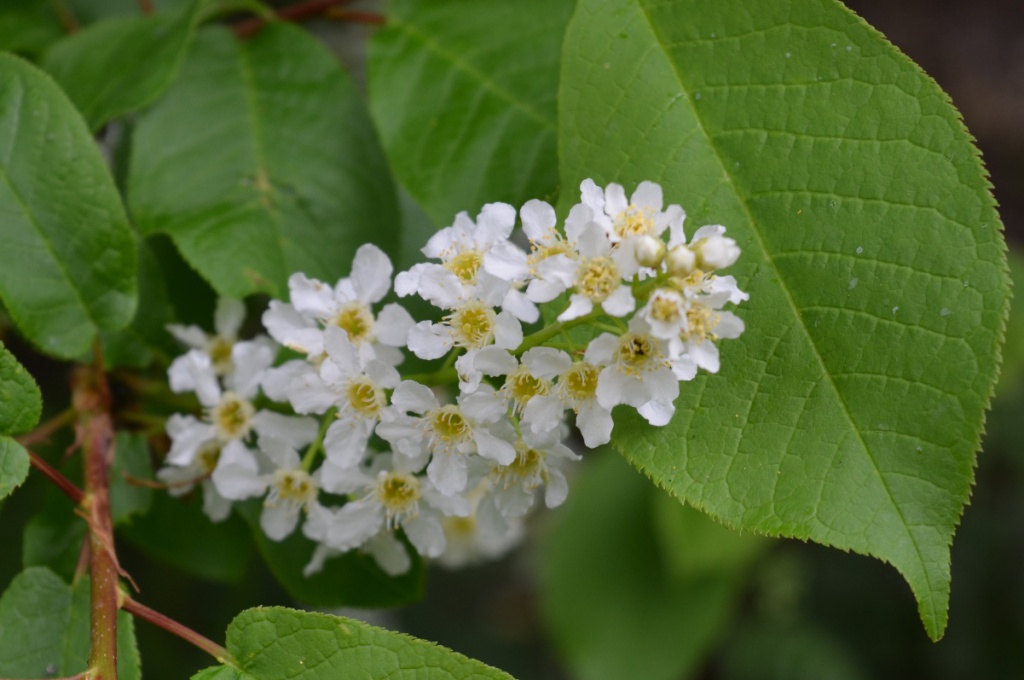
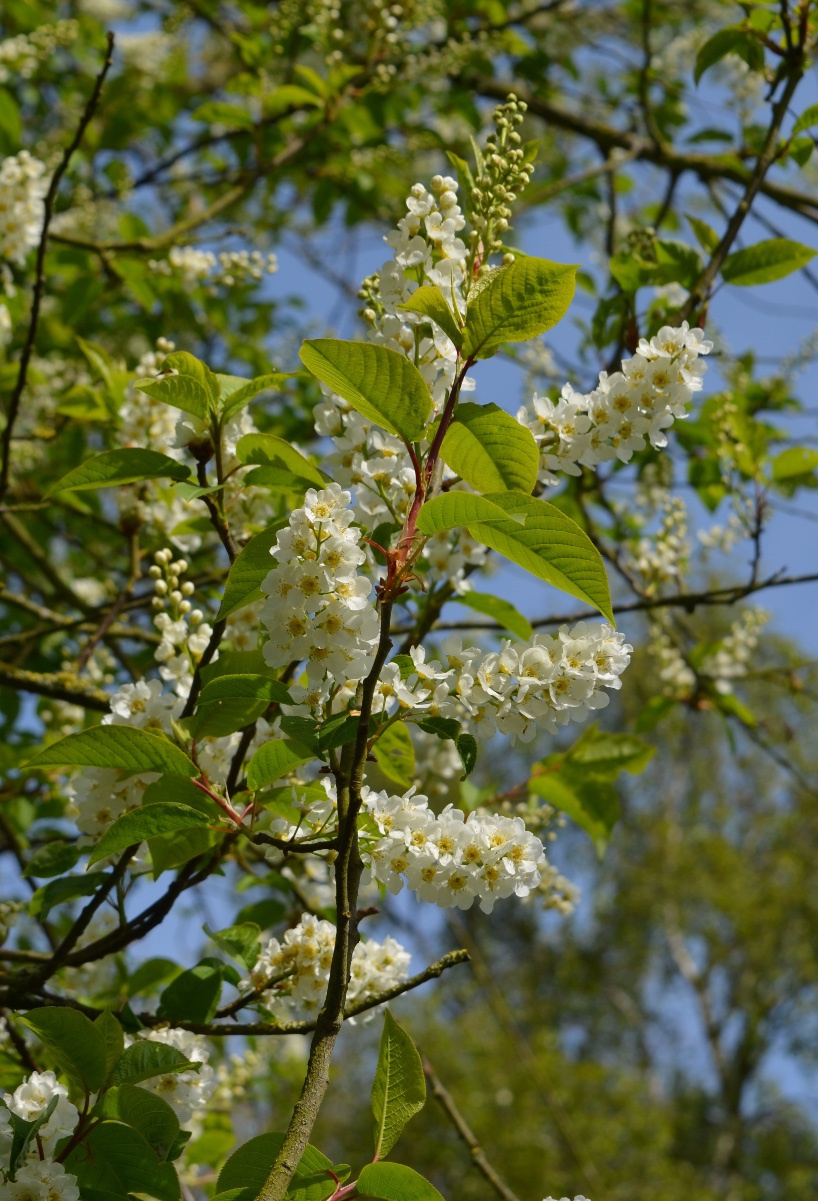
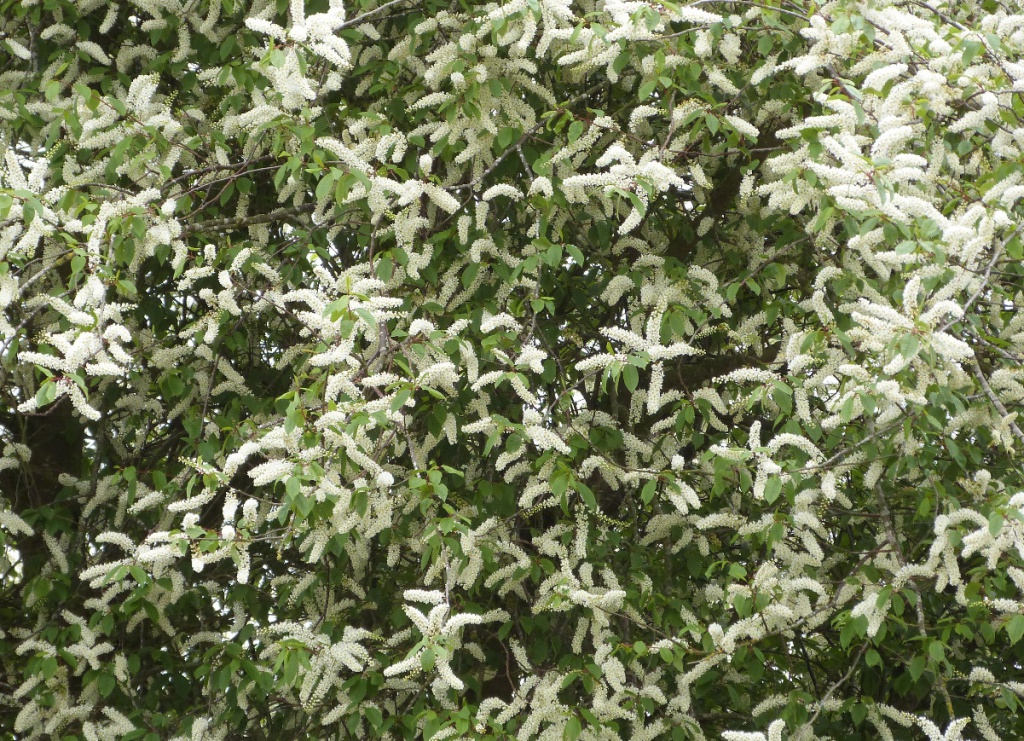
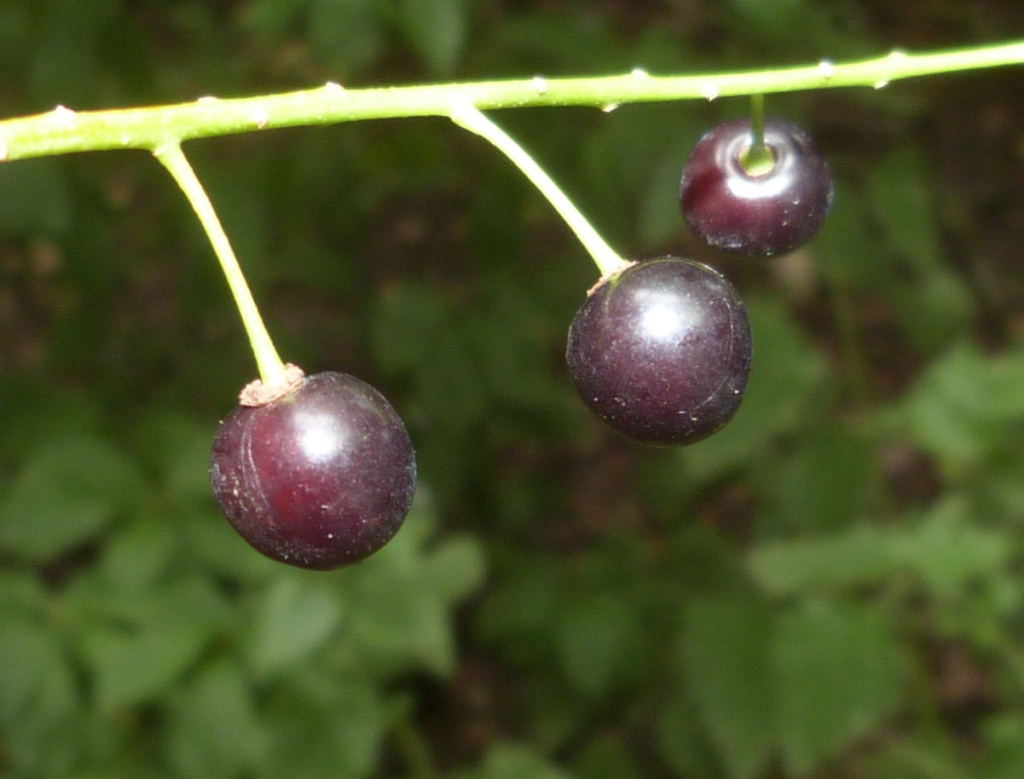
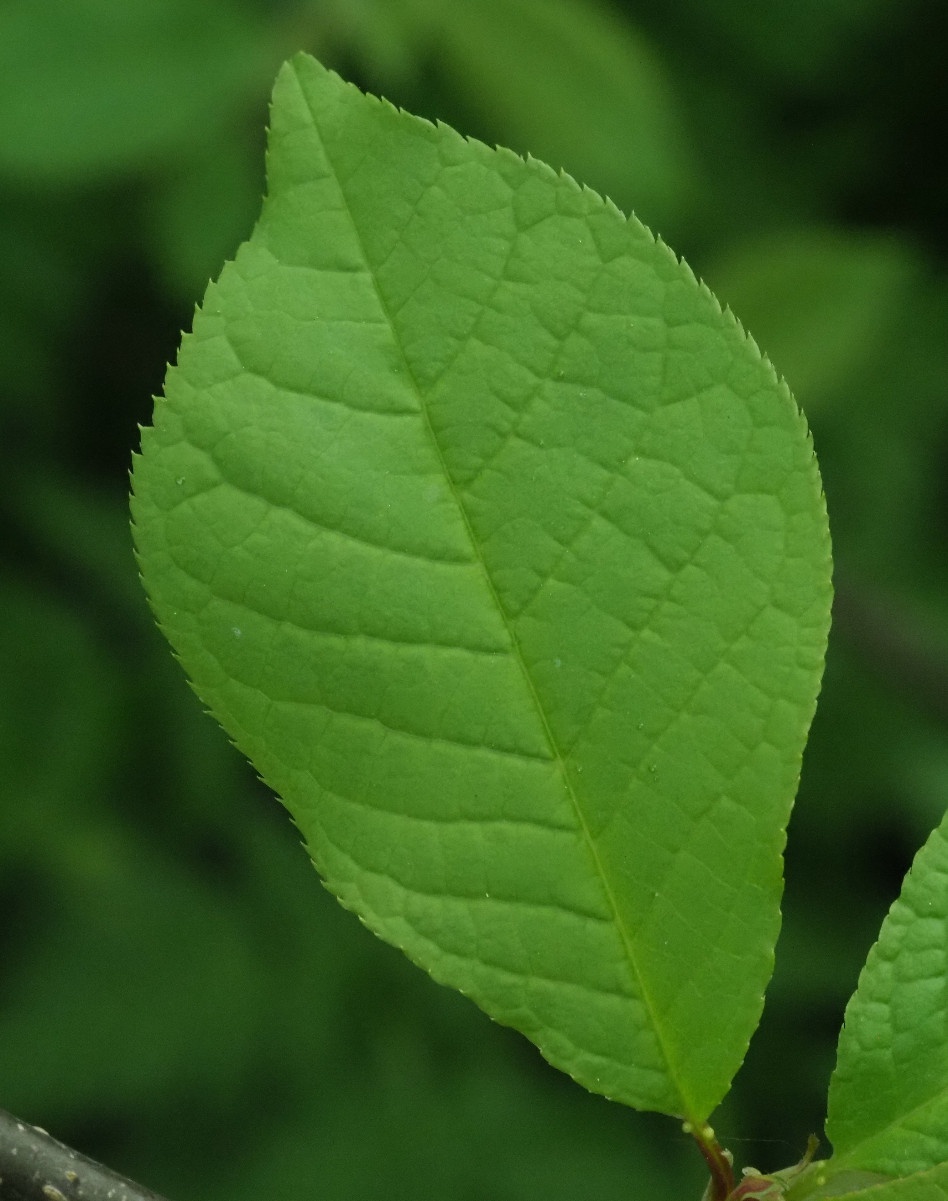
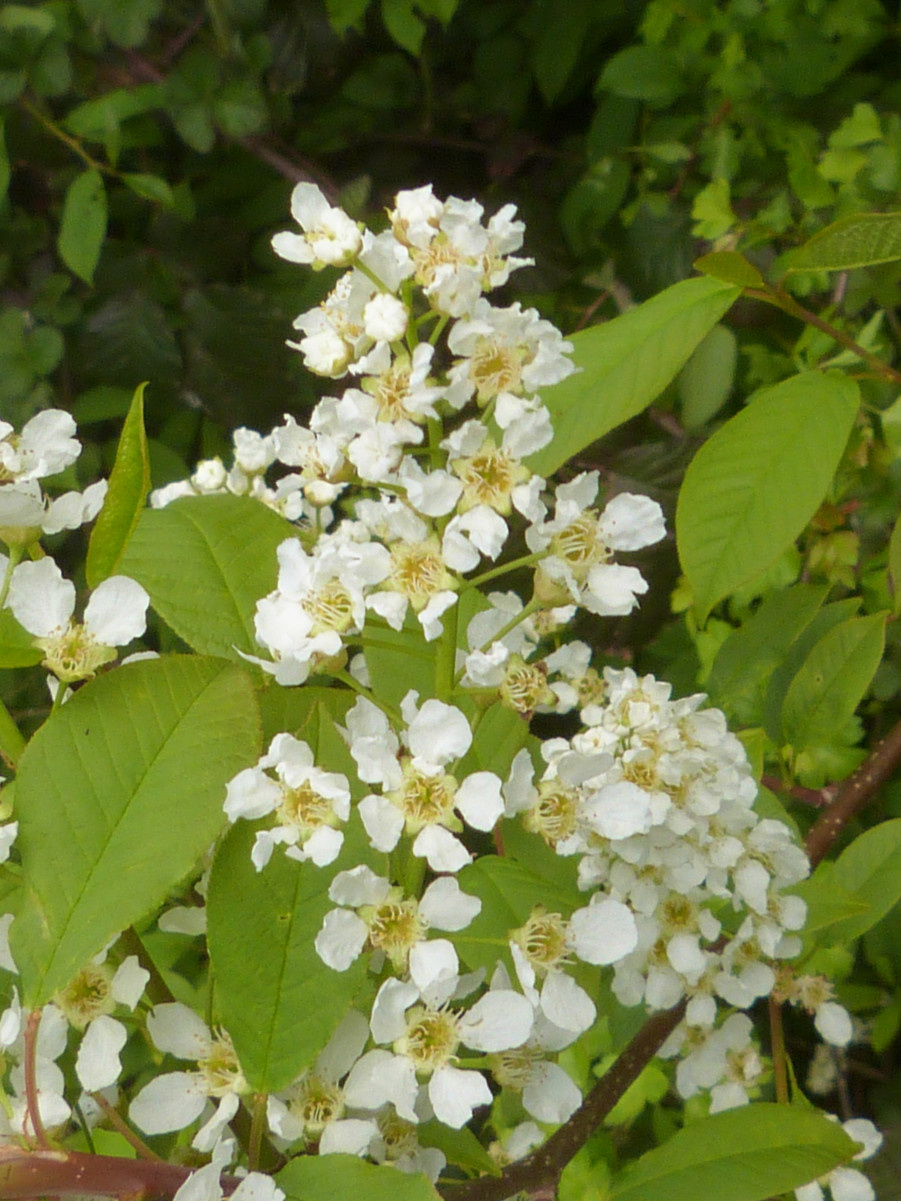
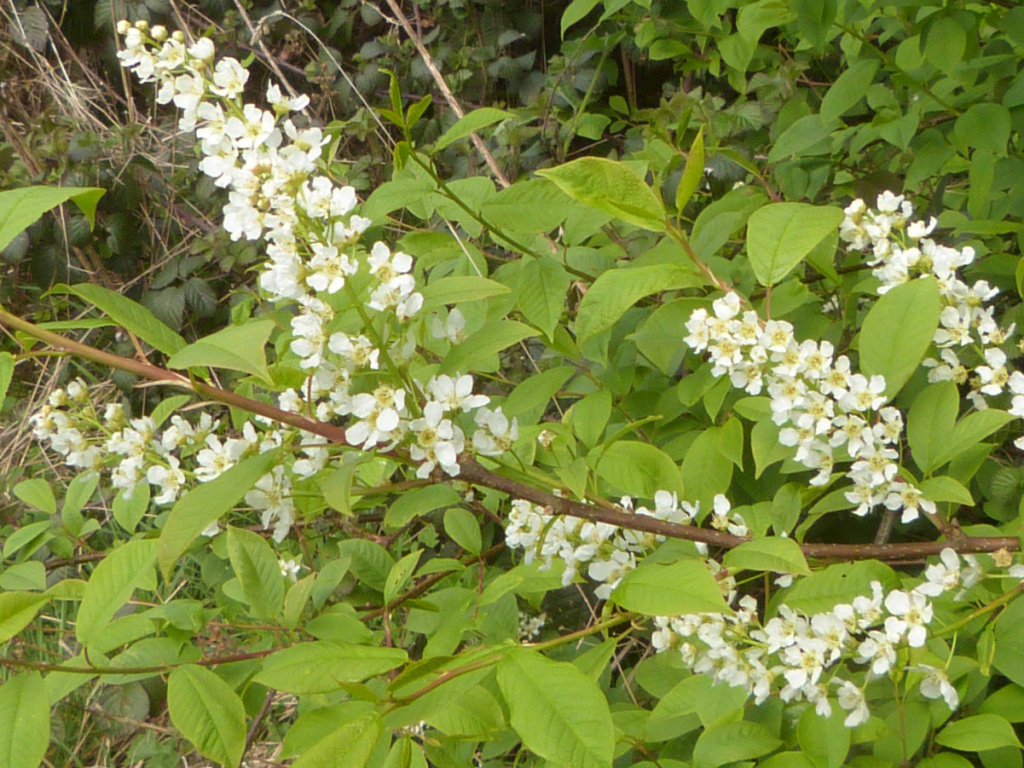
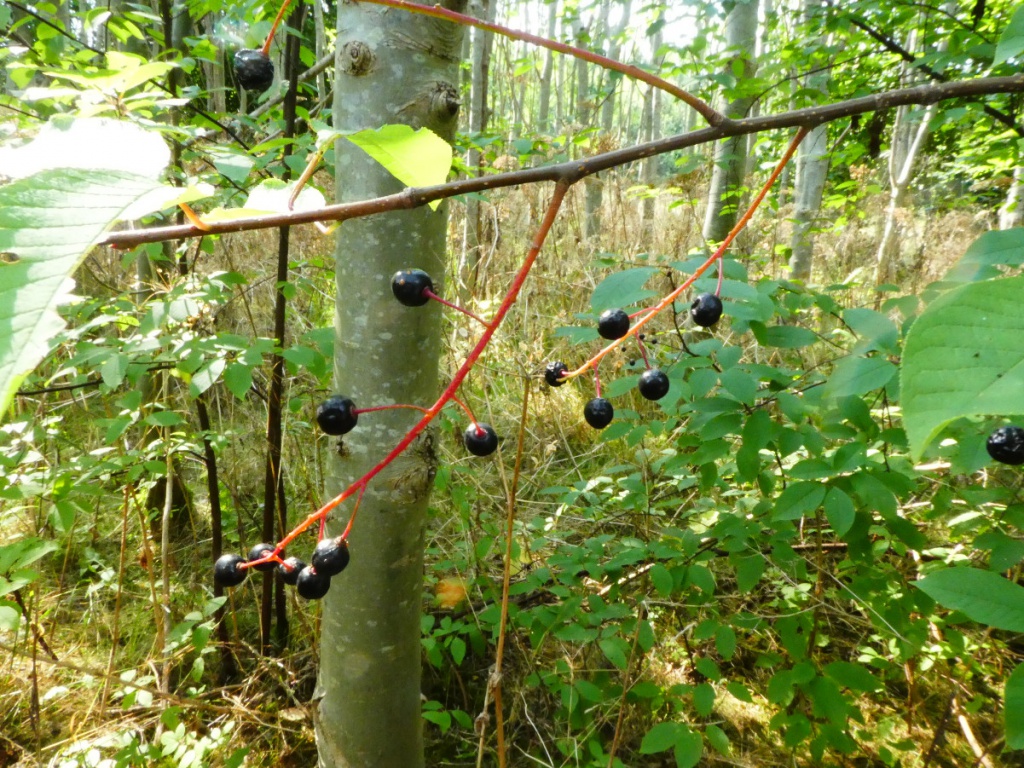
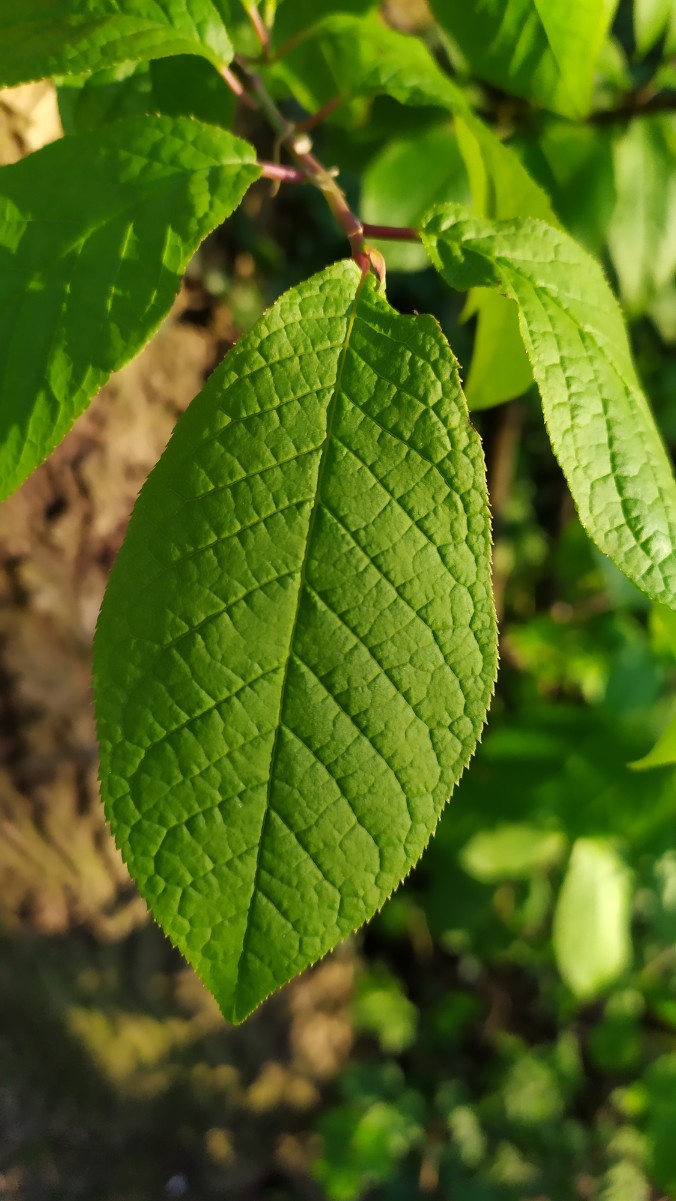
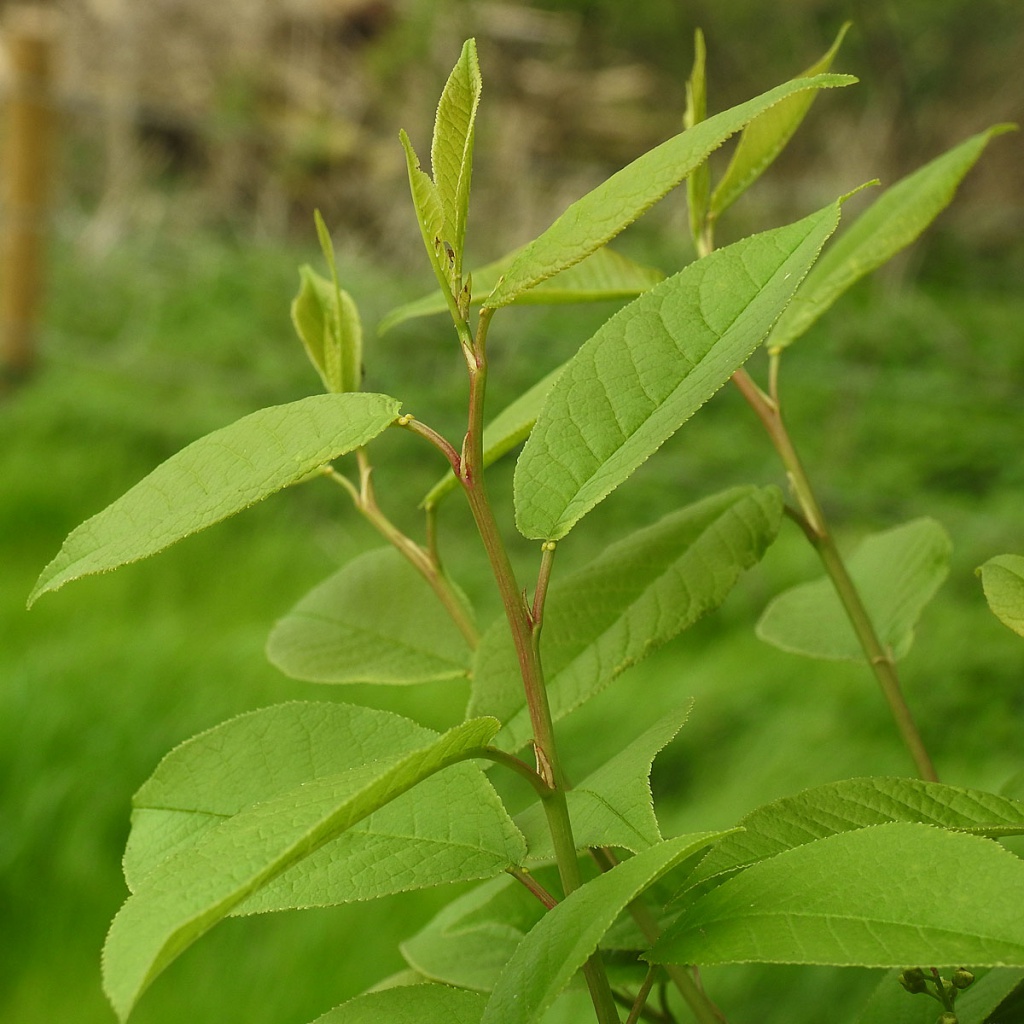
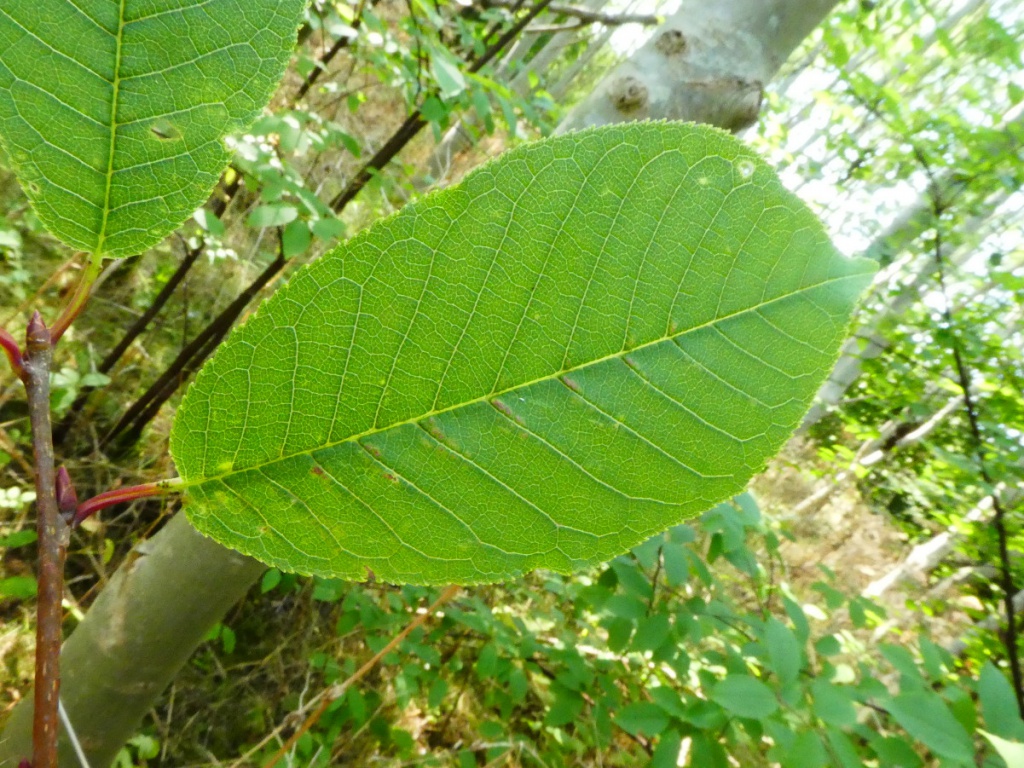
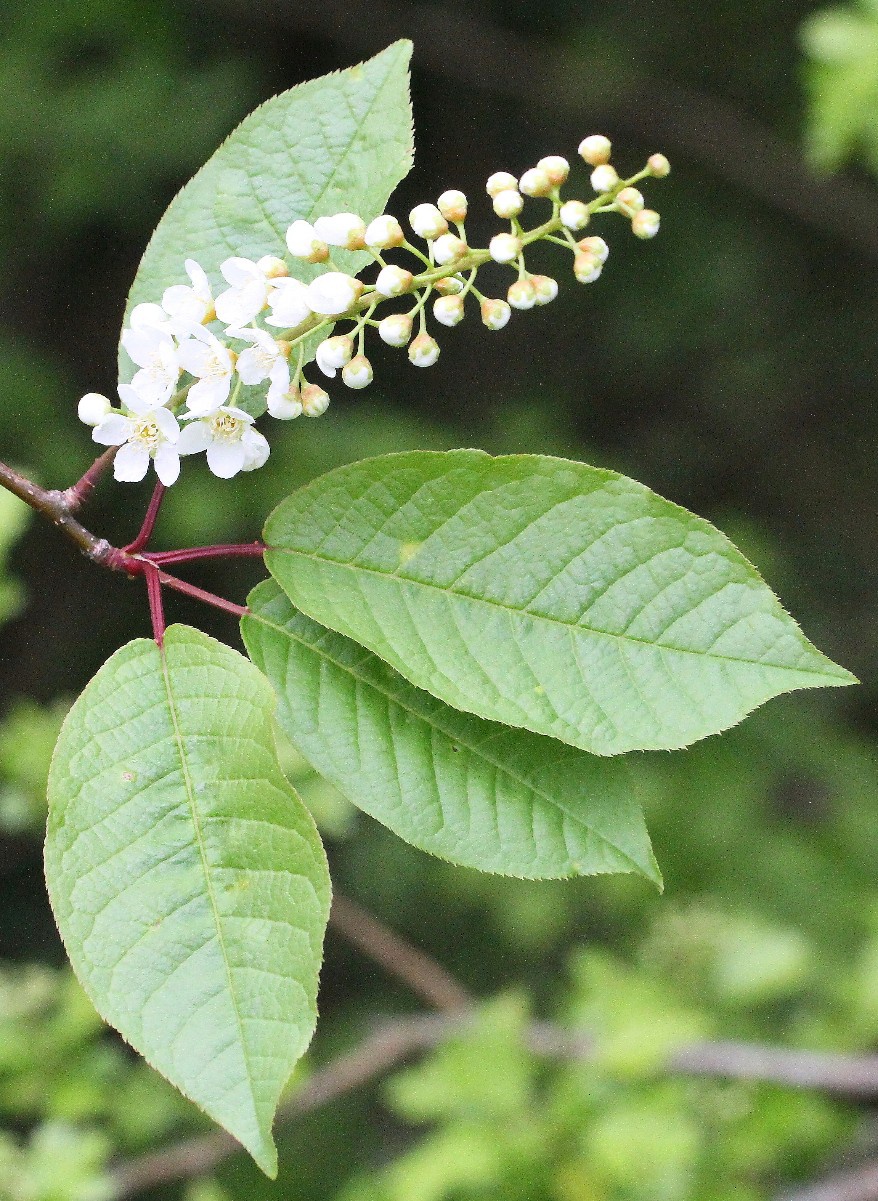
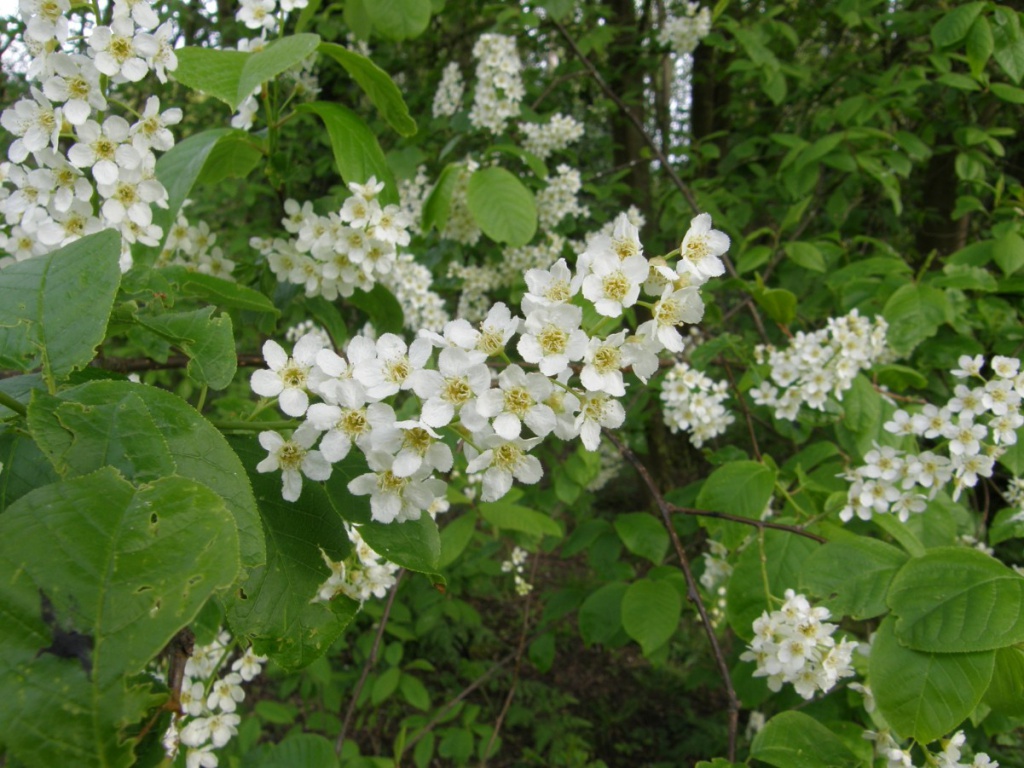
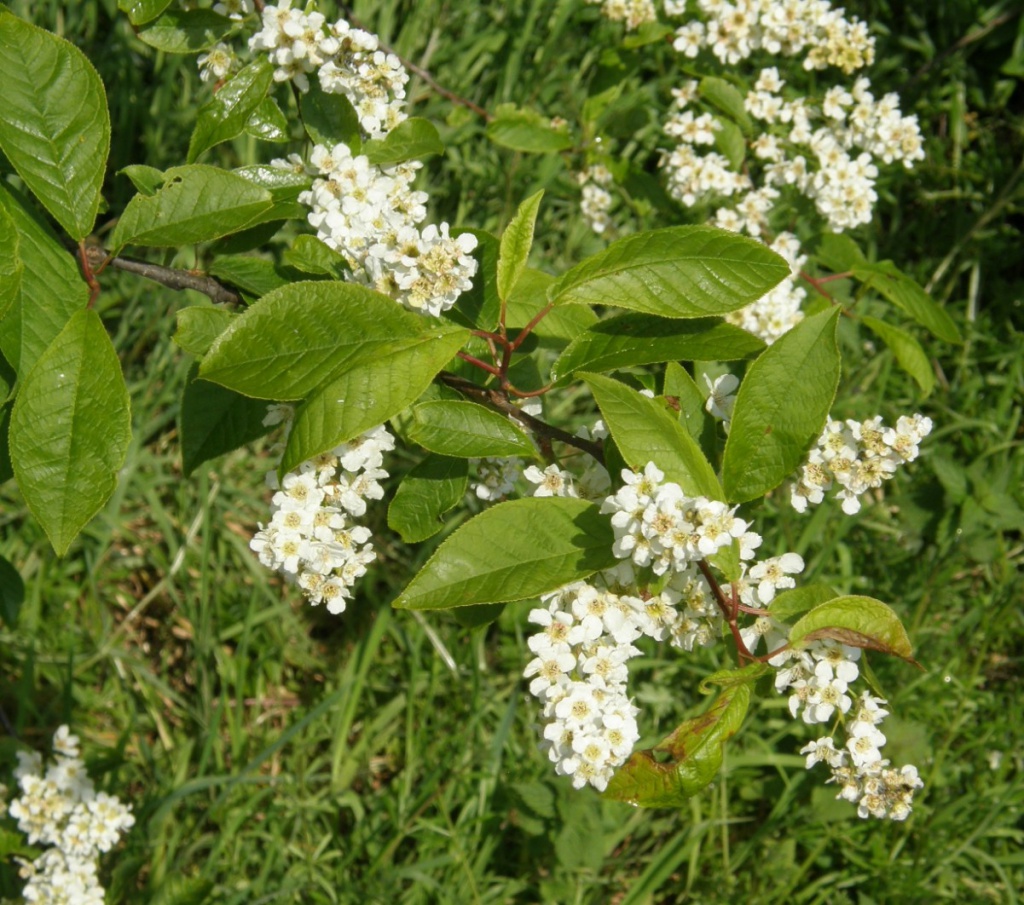
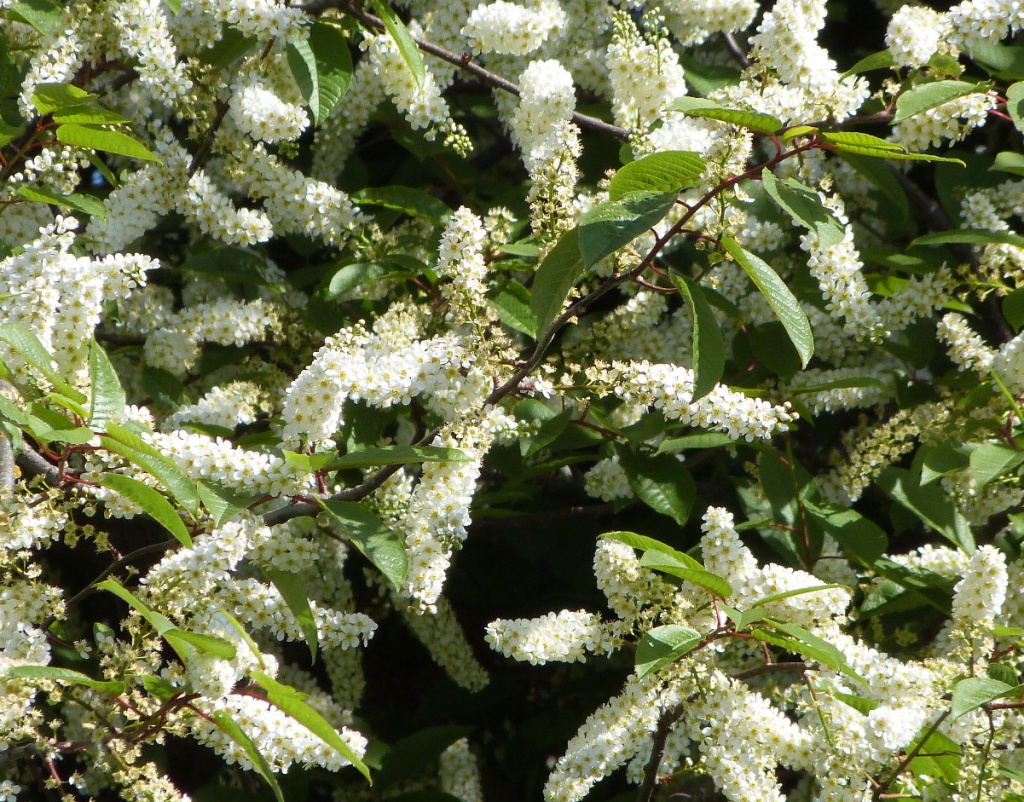
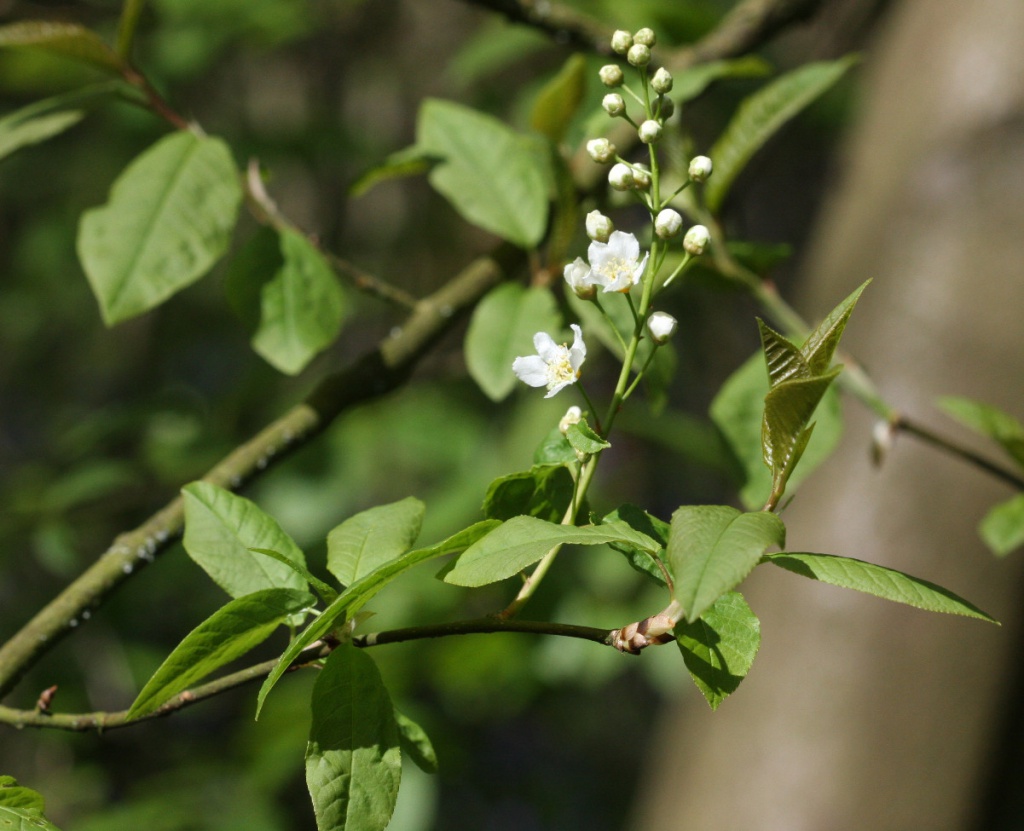
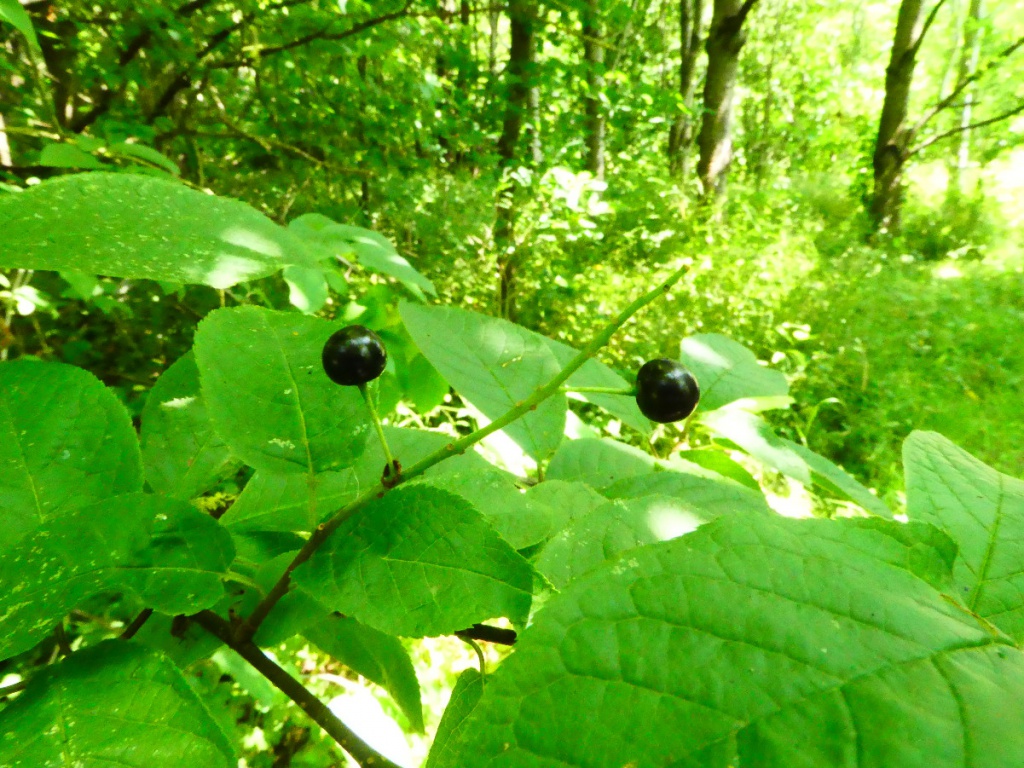
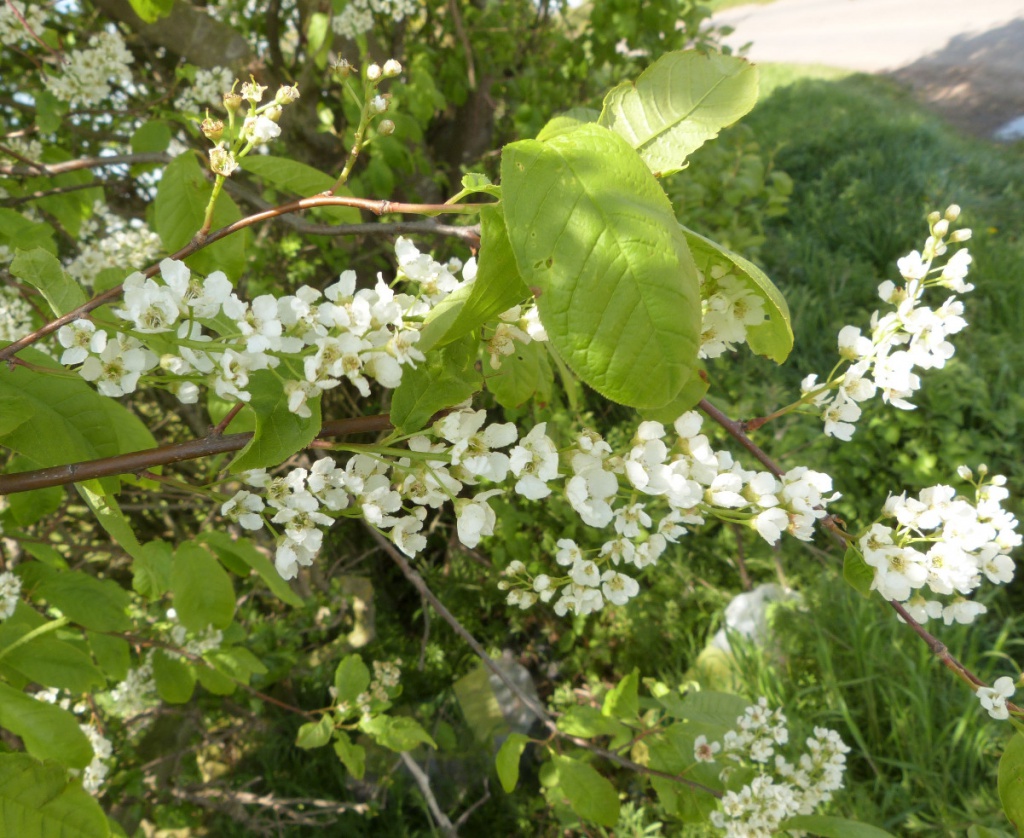
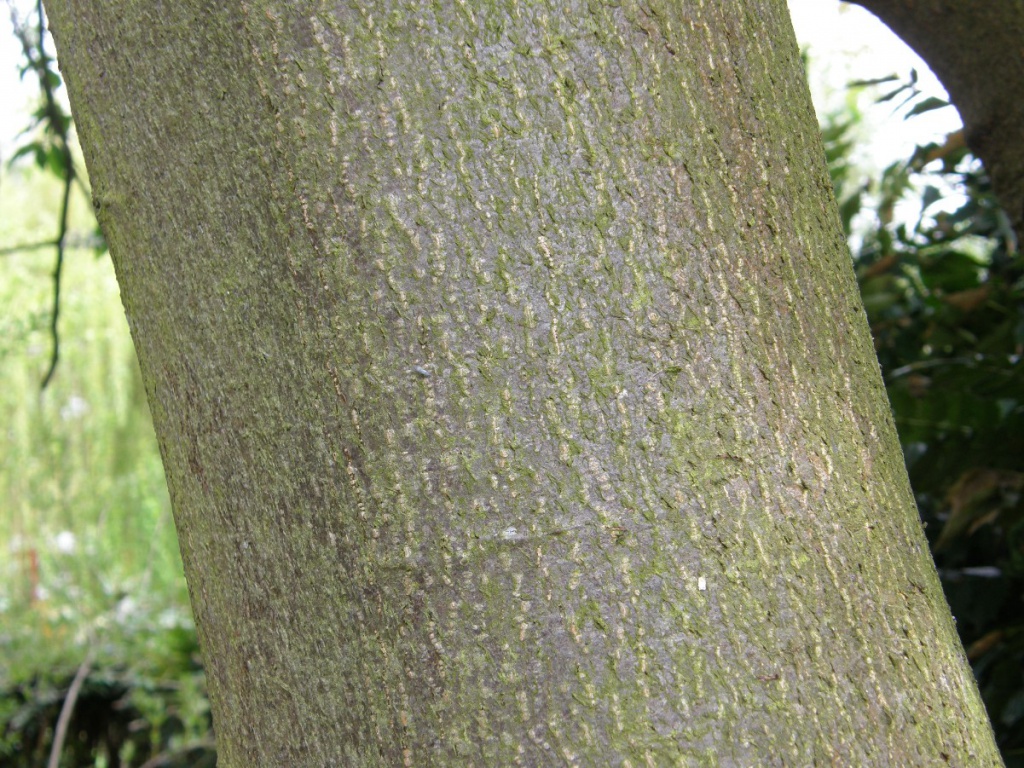
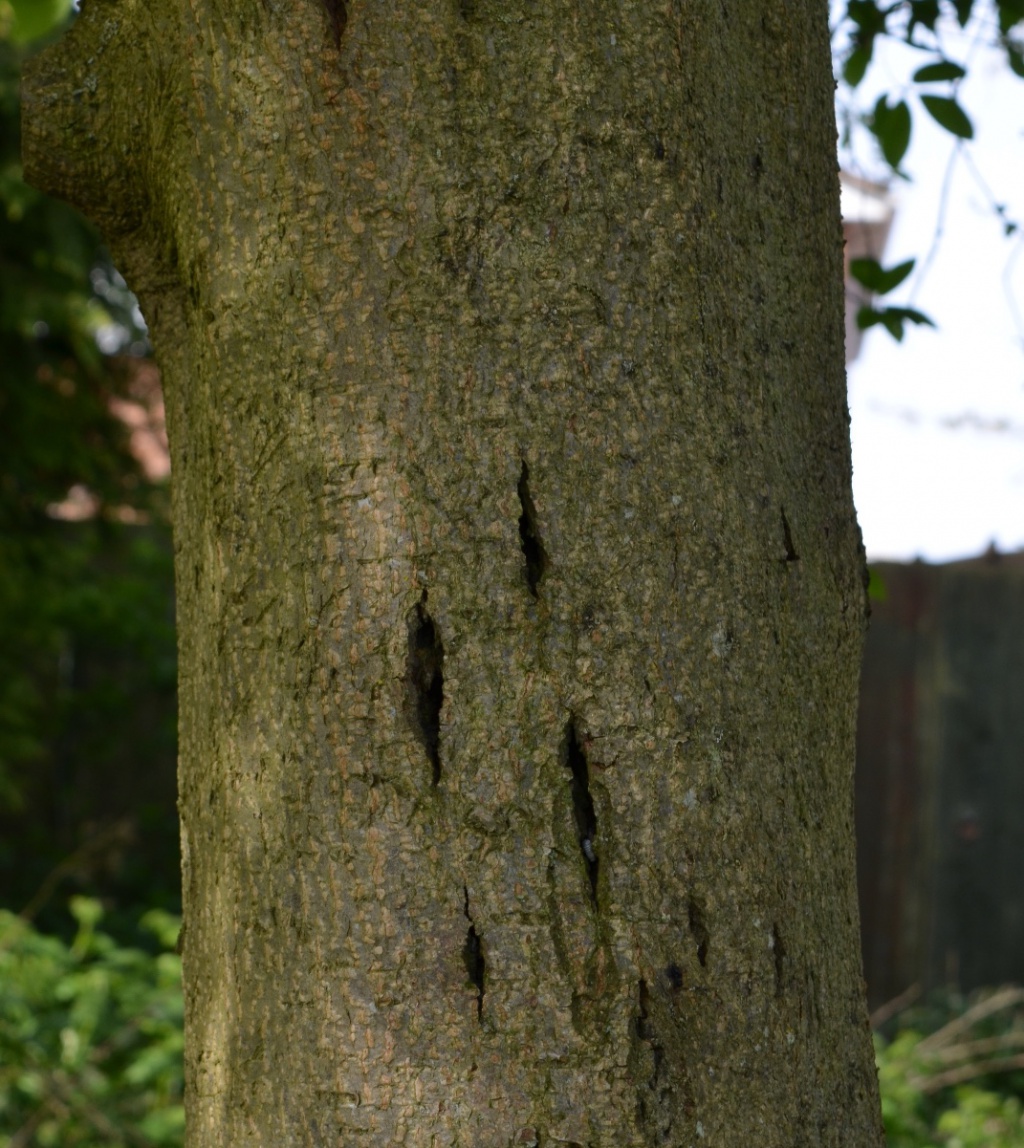
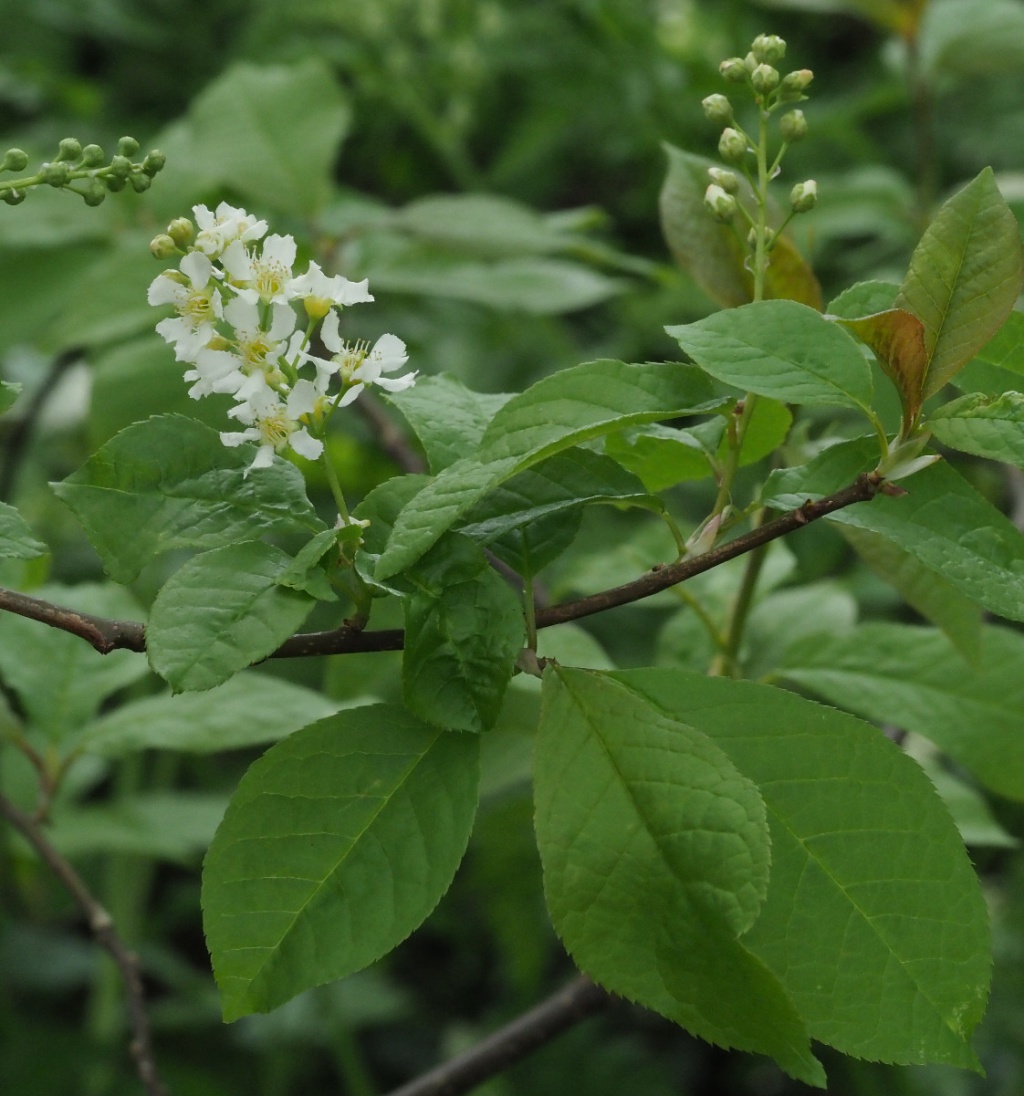
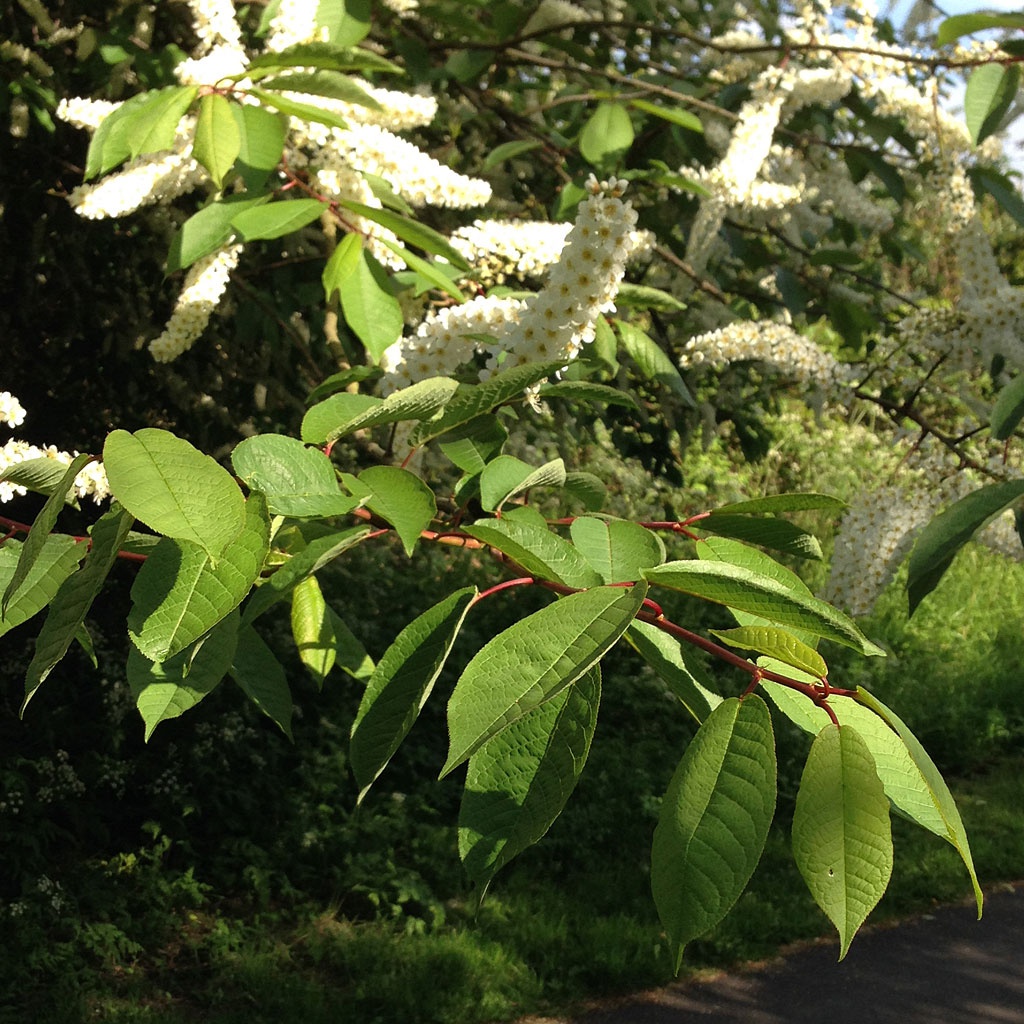
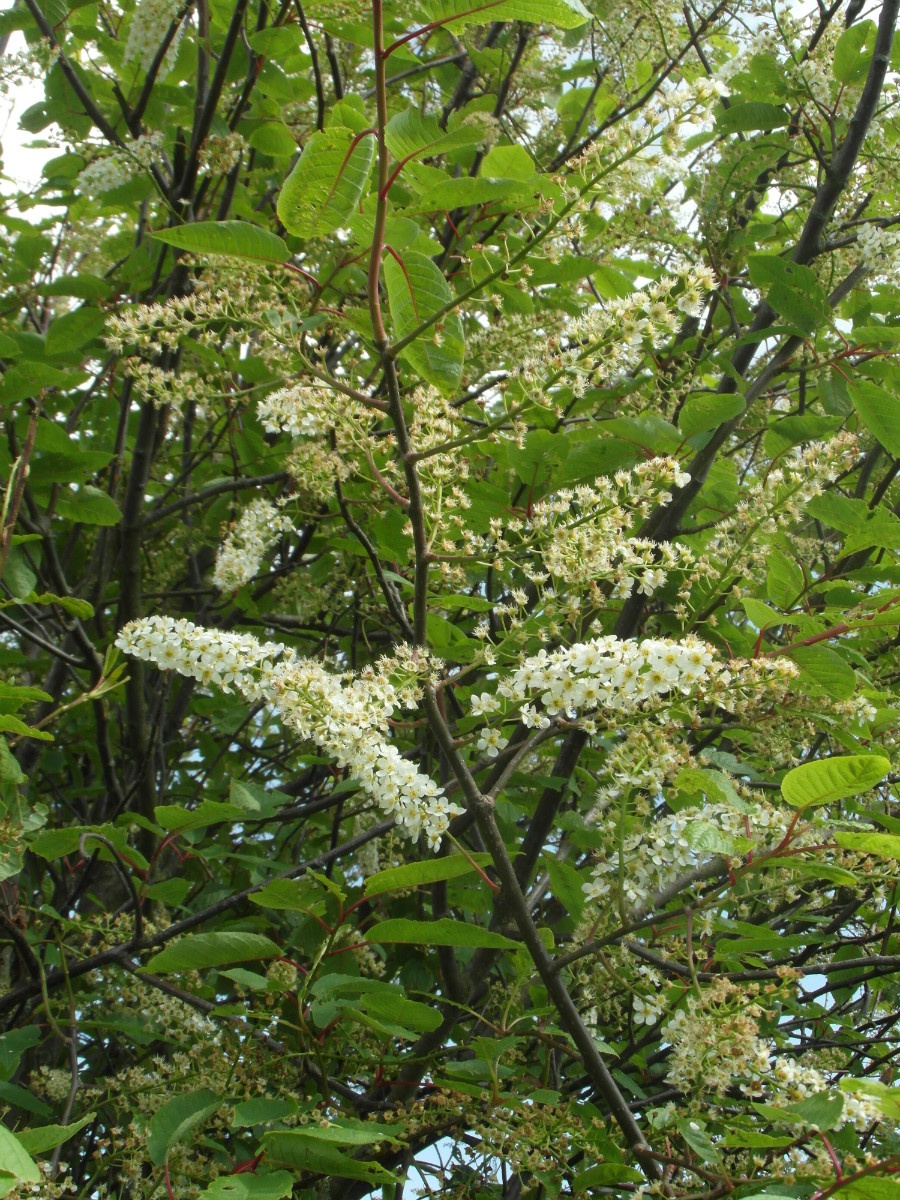
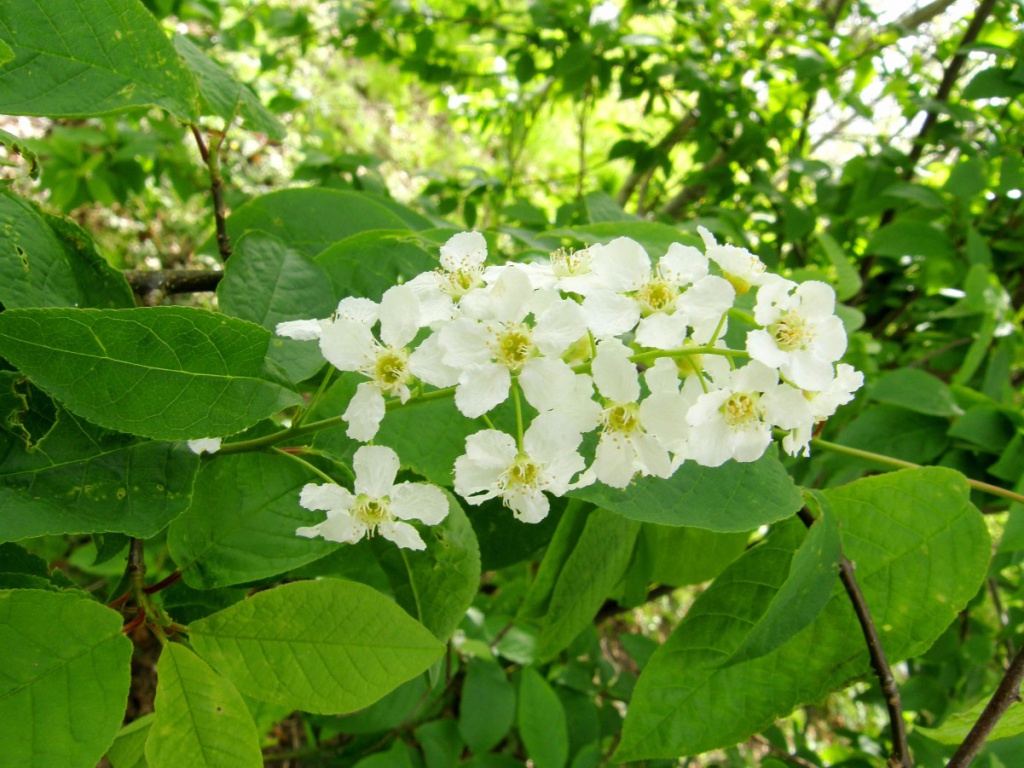
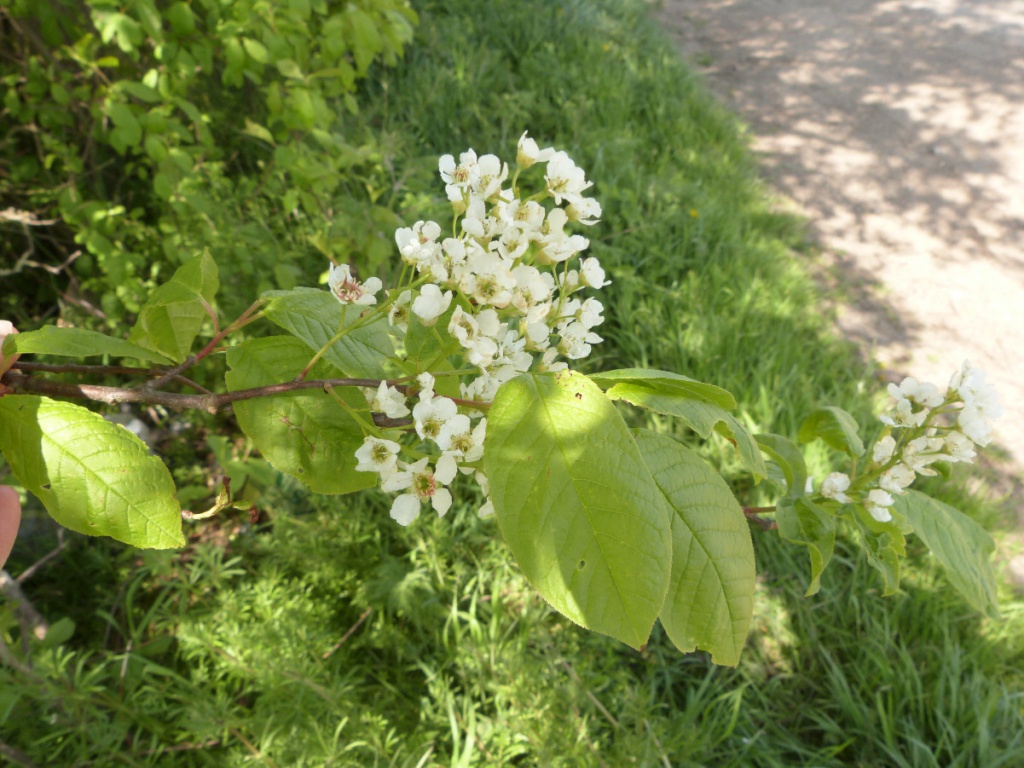
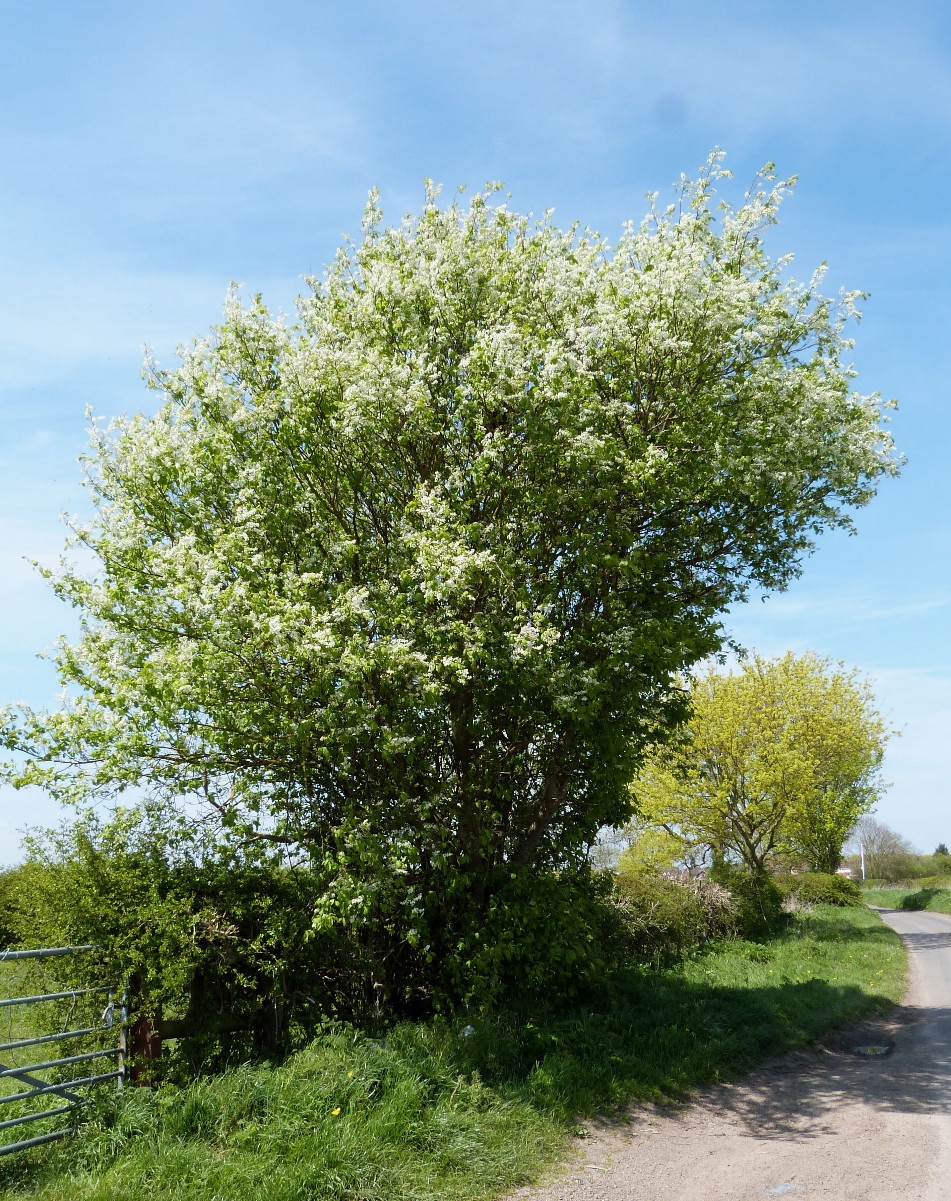
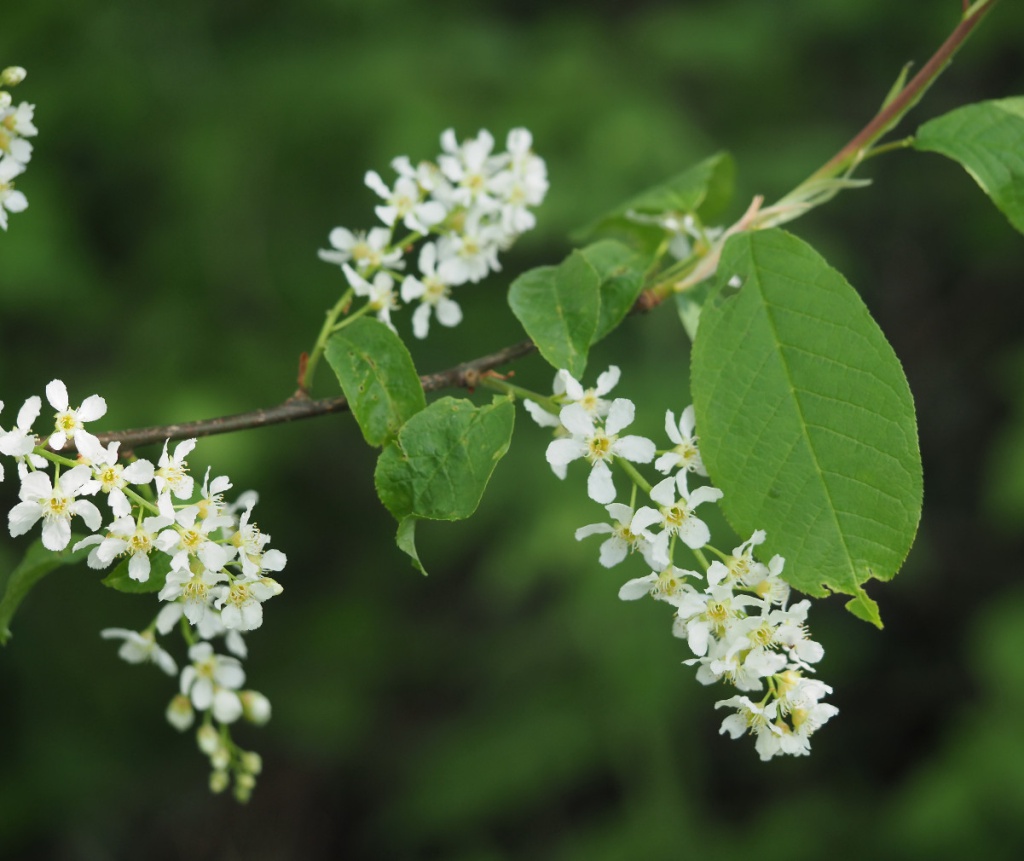
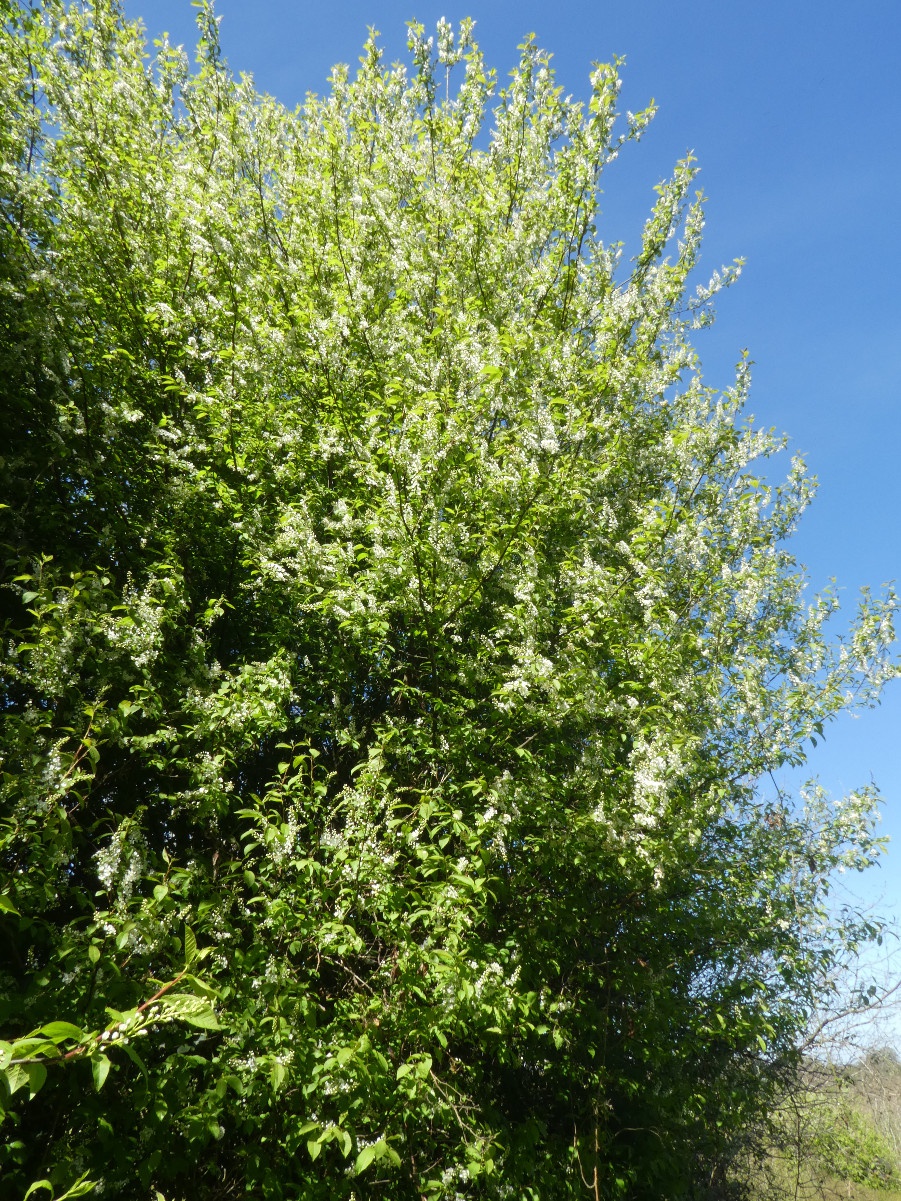
Tree or shrub to 17 metres, bark foetid, brown and peeling. Leaves elliptical, pointed and toothed. Flowers white, 10 to 16 mm, in long slender pendent racemes, heavily scented. Fruit small, shiny, black 6 to 8 mm, globose and bitter tasting.

Photograph of flowers
Roadsides, parks, gardens, plantation woodlands
May to June.
Deciduous.
Occasional throughout Britain, but rare in the south of England.
Scarce in Leicestershire and Rutland and probably not present as a native species except possibly in Grace Dieu Wood (Jeeves, 2011). Occasionally planted.
In the 1979 Flora survey of Leicestershire it was found in 4 of the 617 tetrads.
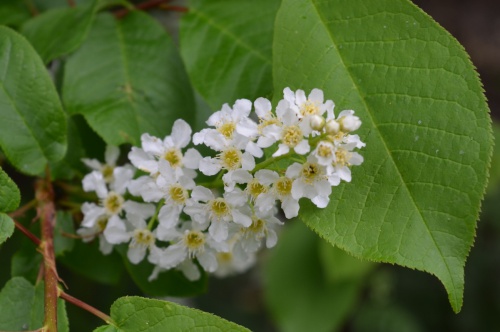 Steve Mathers
Watermead Park North
21 April 2017 Leicester Road lay-By Sapcote SP 5034 9303 (taken 20.4.2009).JPG) Graham Calow
Graham Calow
Sapcote
20 April 2009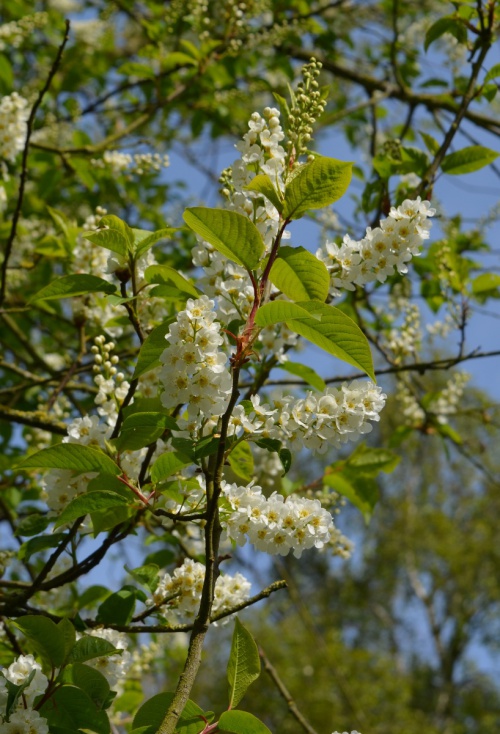 Steve Mathers
Melton Country Park
19 April 2017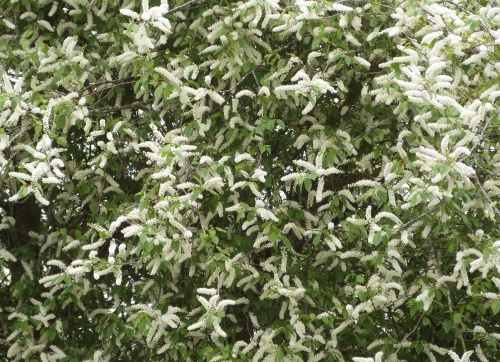 Graham Calow
Sapcote Playing Field car park
13 May 2021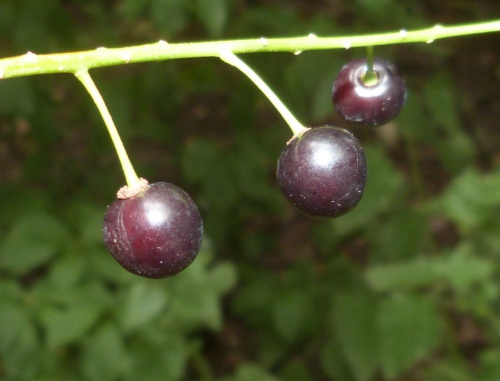 Graham Calow
Sapcote, Donkey Lane
06 July 2020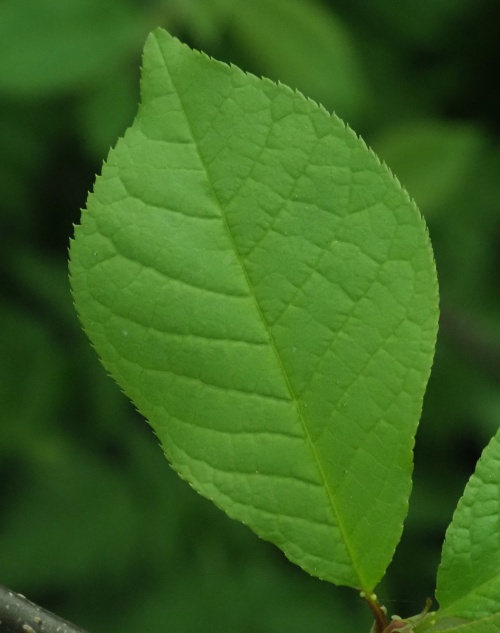 David Nicholls
Ratby Playground
24 April 2022
 Leicester Road lay-By Sapcote SP 5034 9303 (taken 20.4.2009).JPG)
Leicestershire & Rutland Map
Enter a town or village to see local records
MAP KEY:
Yellow squares = NBN records (all known data)
Coloured squares = NatureSpot records: 2025+ | 2020-2024 | pre-2020
UK Map
Additional images
All NatureSpot records
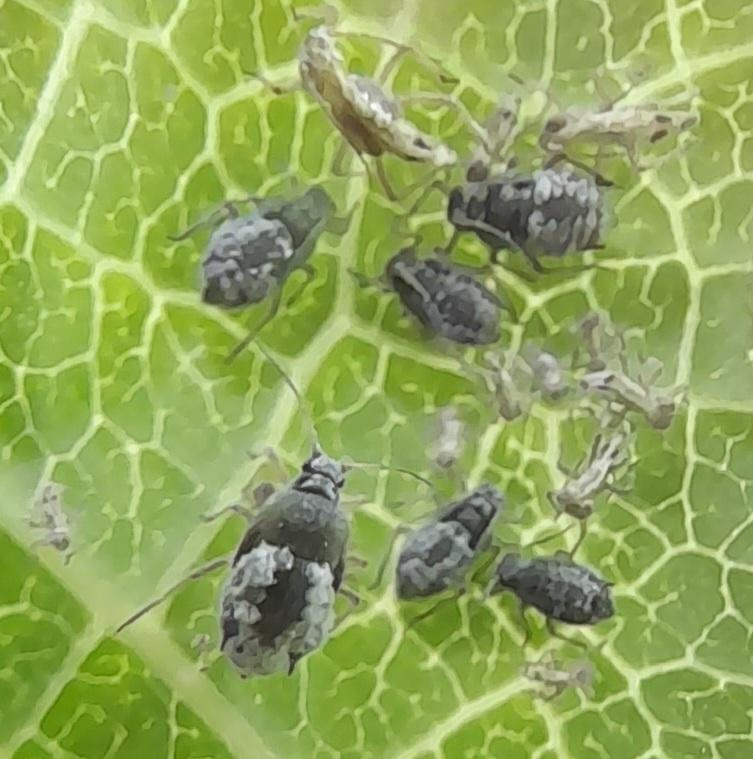
Bird Cherry - Oat Aphid
The primary host of the Bird Cherry - Oat Aphid (Rhopalosiphum padi) is Bird Cherry. The secondary hosts species are a series of Poaceae especially cultivated Wheat, Barley and Maize as well as wild grasses. They are dark green or greyish and globular in shape. Adult Rhopalosiphum padi (apterae) have a coating of mealy wax and live in a rolled leaf gall on their primary host Bird Cherry.
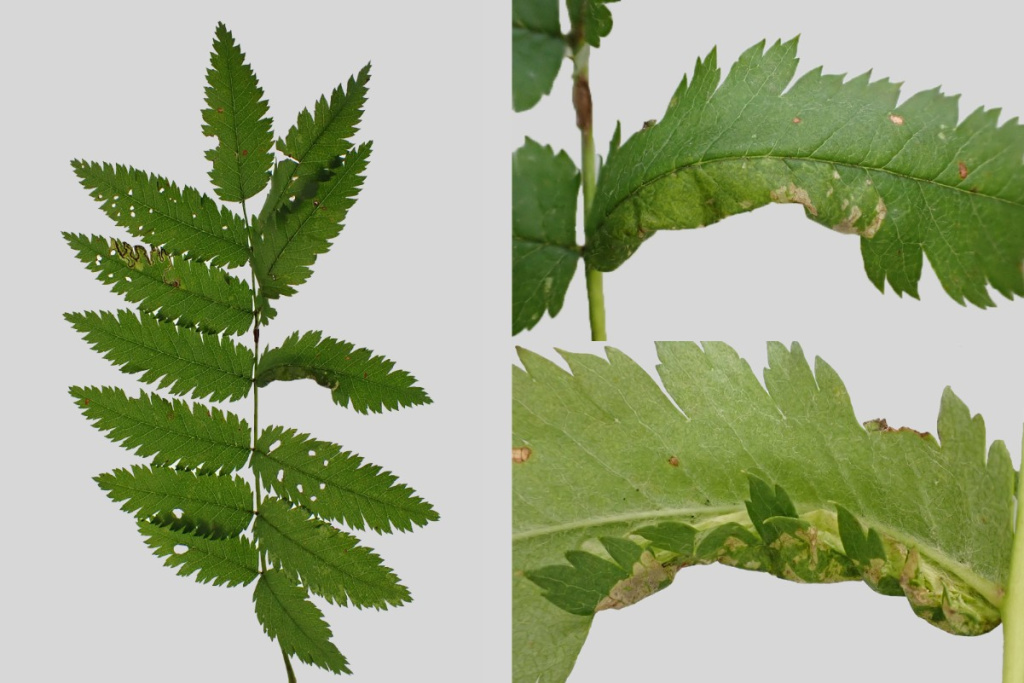
Phyllonorycter sorbi
The larva of the moth Phyllonorycter sorbi mines the leaves of Rowan or Bird Cherry, and occasionally on Whitebeam or other hosts in the Rosaceae, creating a long tentiform mine along the midrib/eaf-edge on Rowan. The under-surface has several sharp folds. The pupa inside is in a strong white cocoon. The mature larva is yellow with a pale brown head.
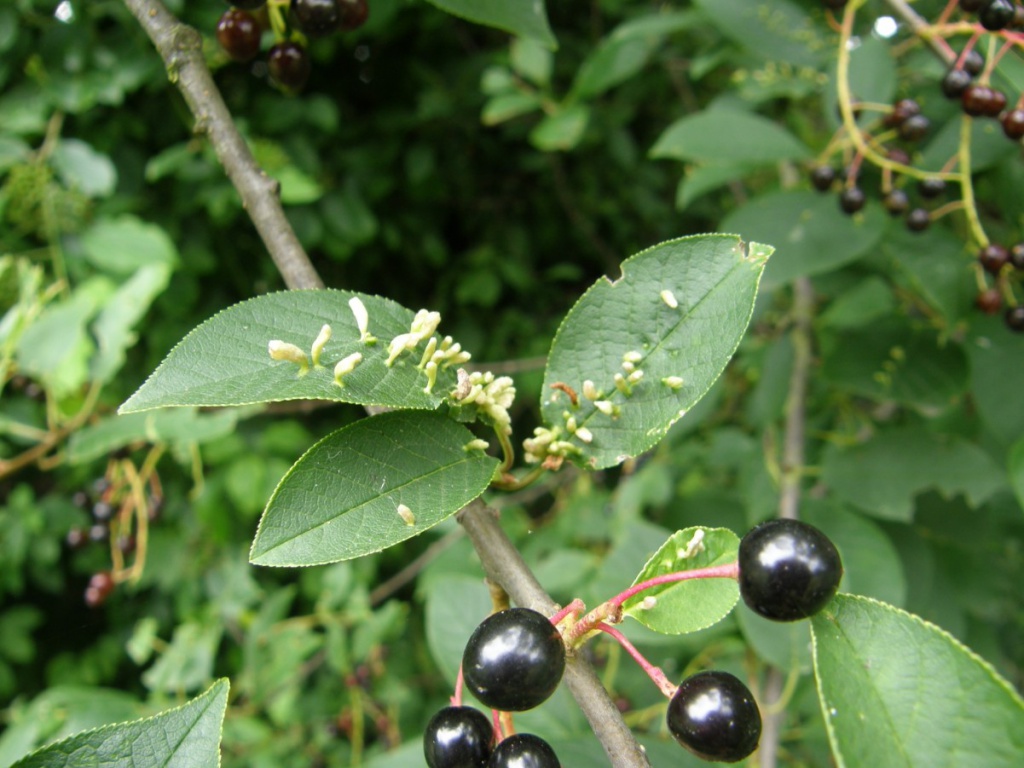
Phyllocoptes eupadi
The mite Phyllocoptes eupadi causes galls to form on the leaves of Bird Cherry. The galls take the form of elongated pustules, raised on the upper surface and often clustering along the midrib.
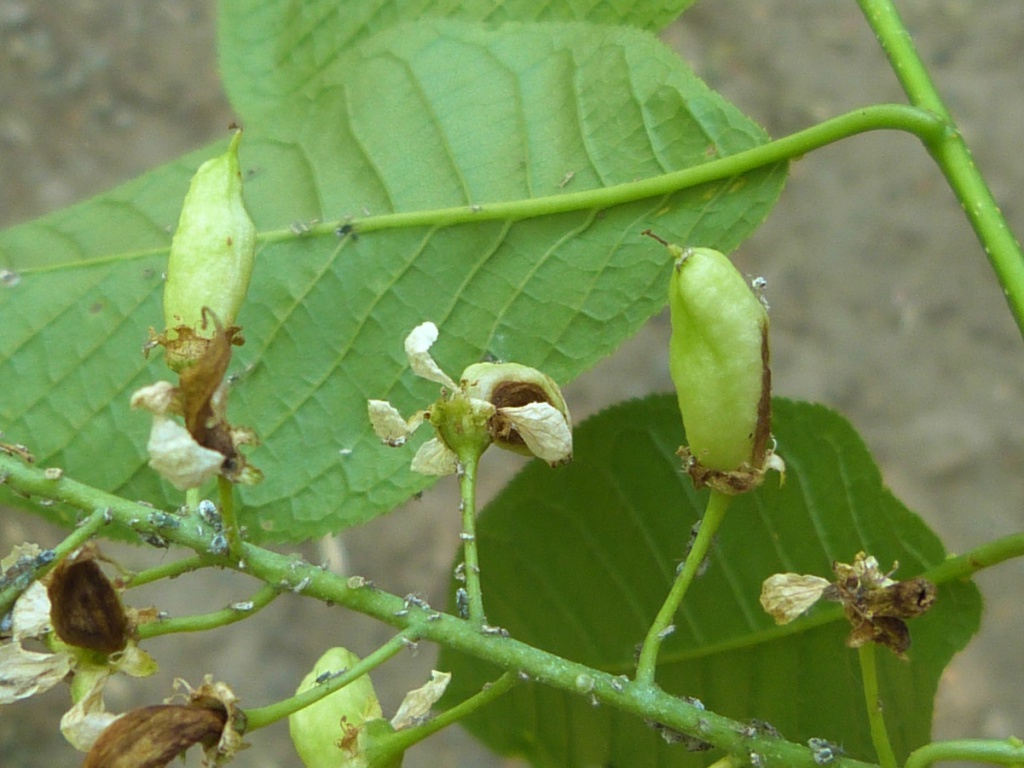
Bird Cherry Pocket
The Bird Cherry Pocket fungus Taphrina padi produces galls on Bird Cherry (Prunus padi), these take the form of distorted, swollen fruits that become hollow, curved and greatly elongated, without a seed or stone. They retain a persistent style.