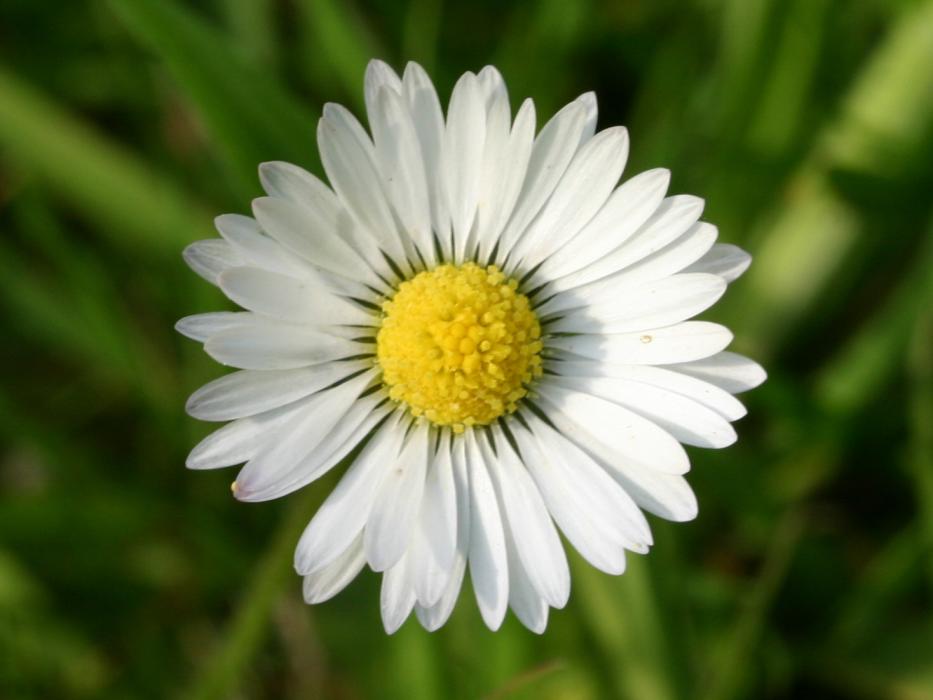
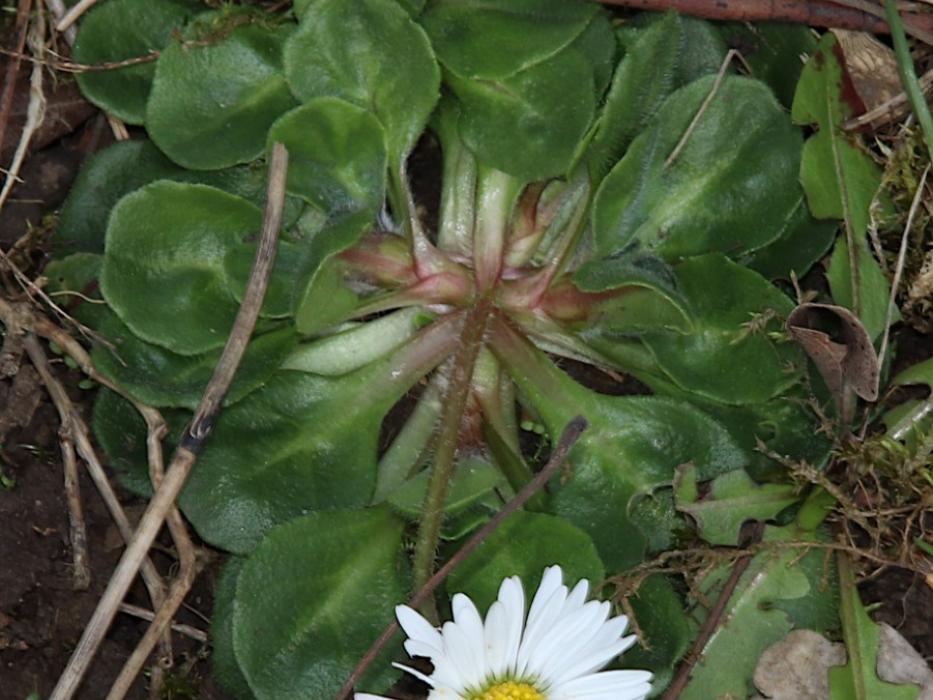
Depending on the weather, more wildflowers begin to bloom in March. Leaf shape, stems and seed-pods are useful features in helping you identify wildflowers at all times of the year so don't just look at the flowers.
The key ID features to look for are underlined. If you think you've found the plants below, take a photo and submit a record - we will then check it for you. For more guides see Learn Wildflowers

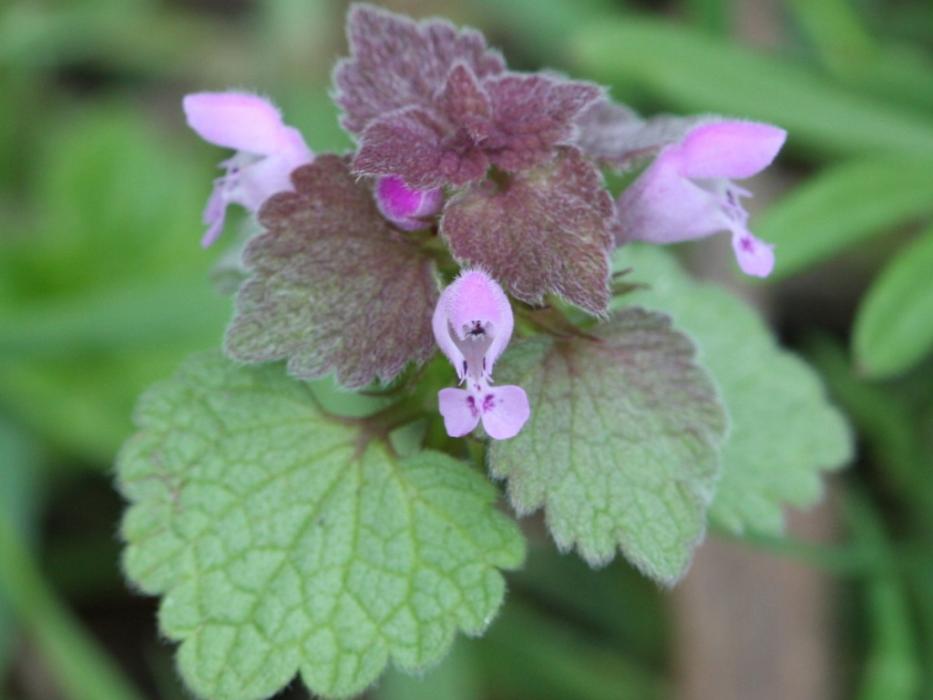
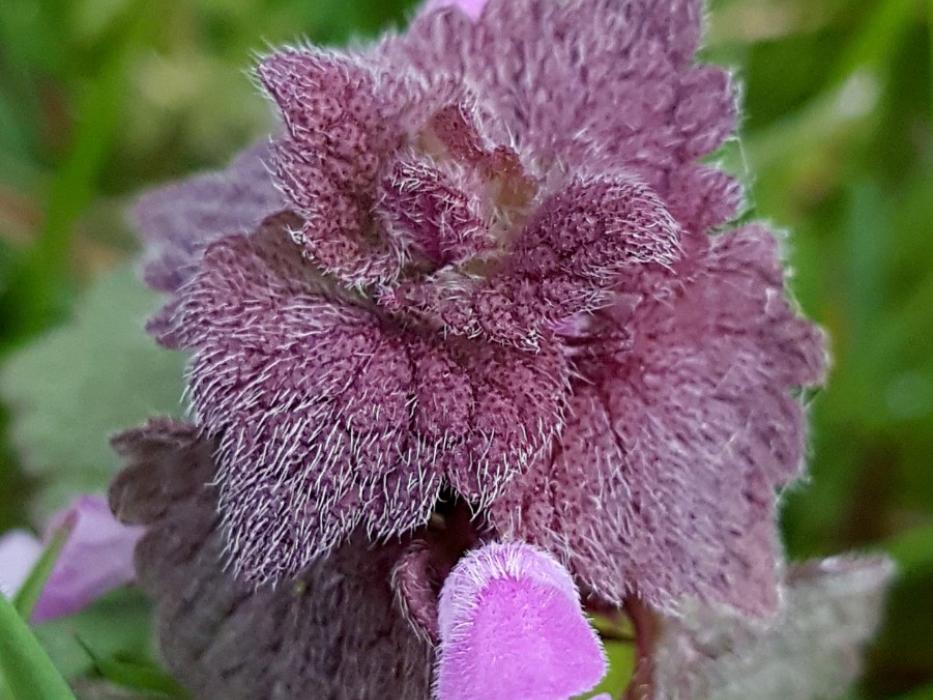
Red Dead-nettle
ID: Low, hairy plant with purplish, oval, bluntly toothed leaves. Flowers pinkish purple in a ring around the square stem. Bare soil, verge edges.

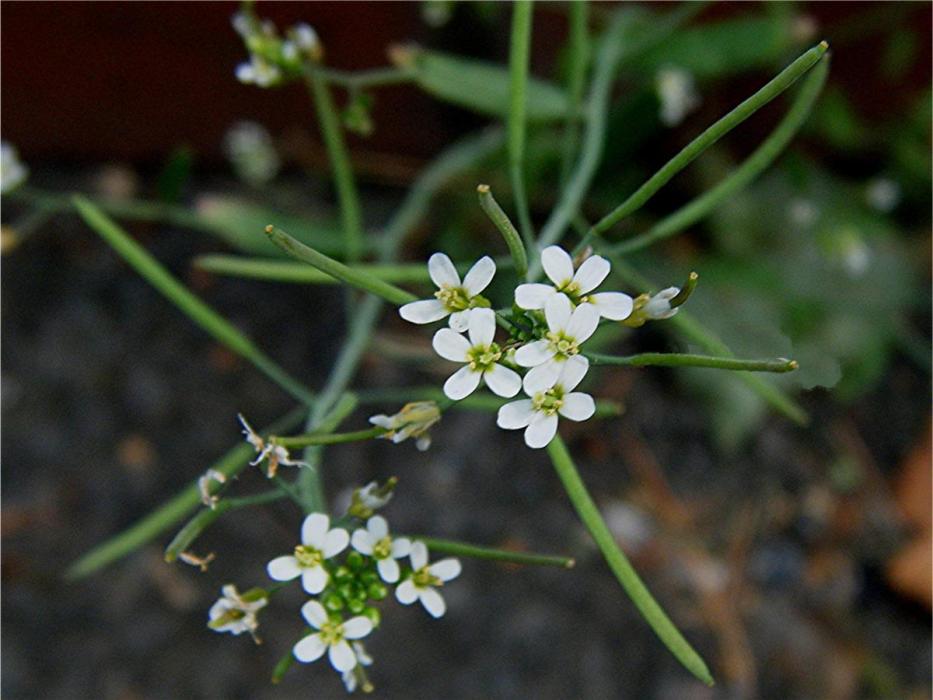
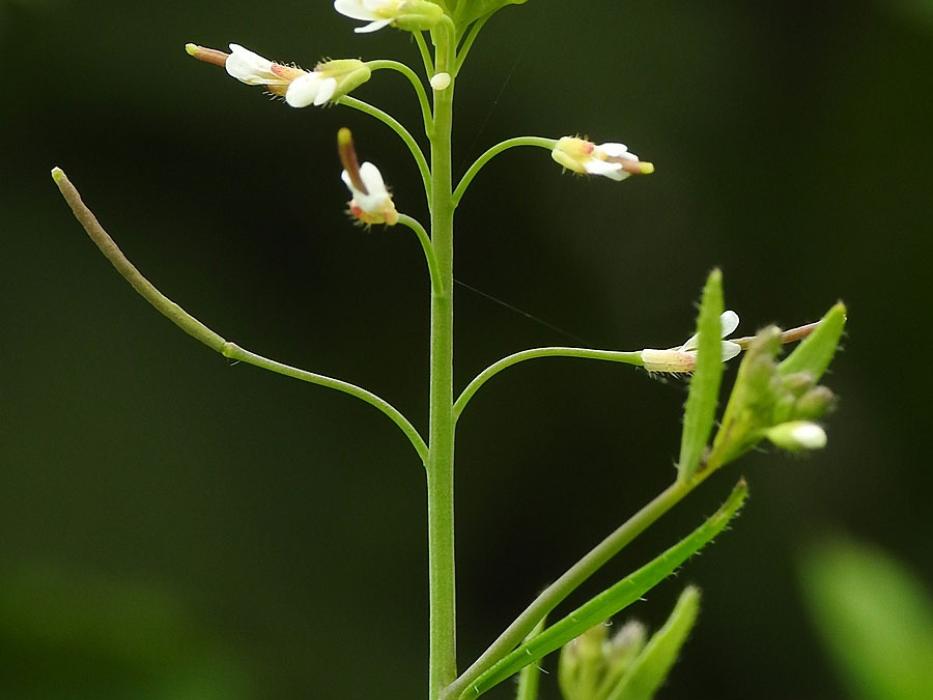
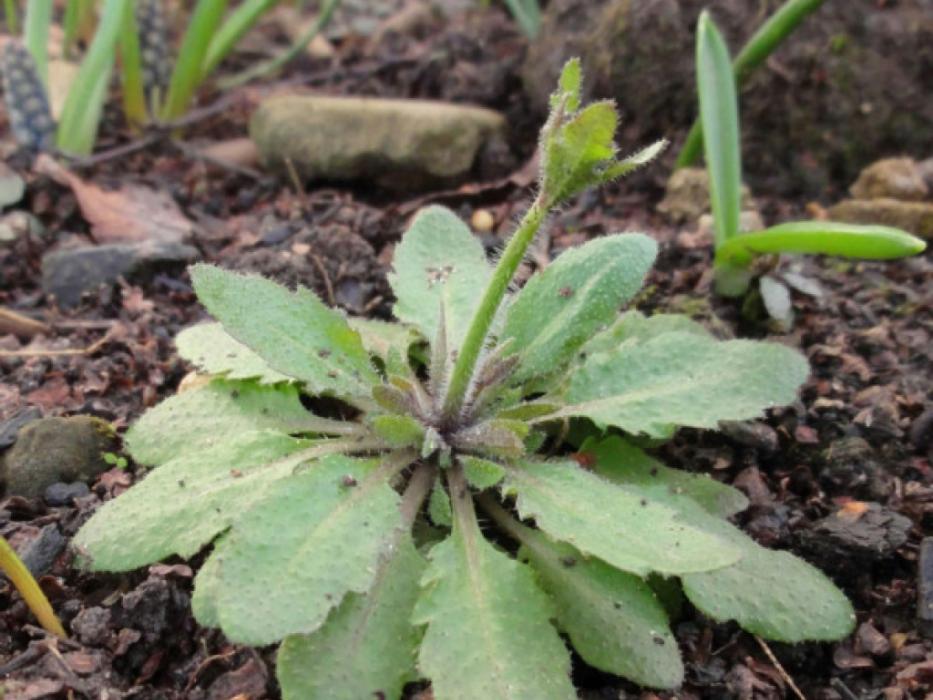
Thale Cress
ID: Long, spindly, single flower stalk. Flowers white with 4 petals. Basal leaf rosette. Seed-pods like long, thin out-stretched arms. Bare soil, pavements.

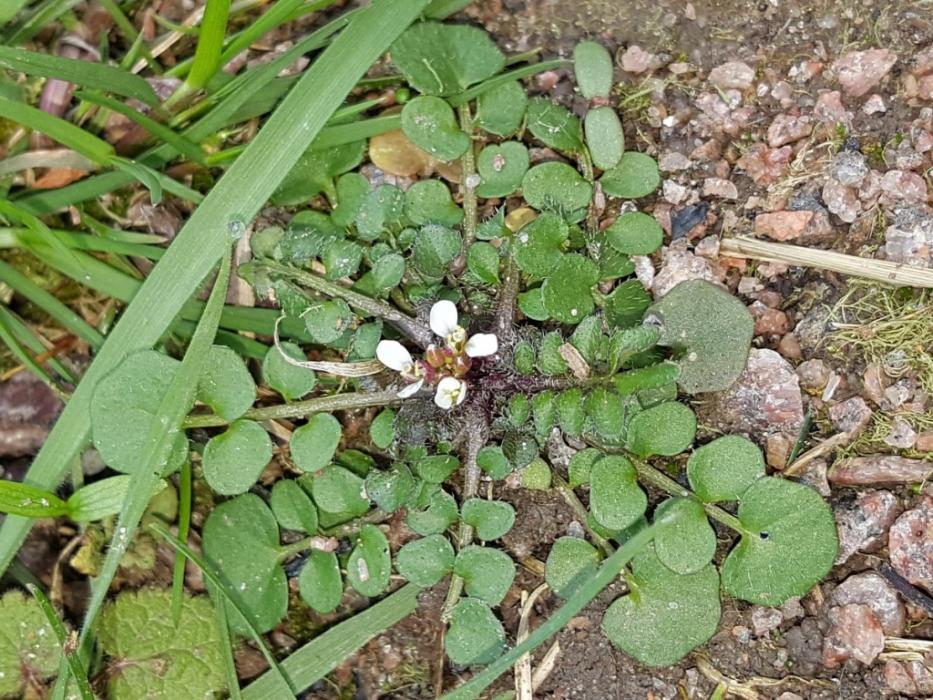
Hairy Bitter-cress
ID: Basal rosette with rounded, hairy leaflets. Straight stems with small white flowers - each with 4 stamens. Upright pods overtop the flowers. Pavements, bare soil.
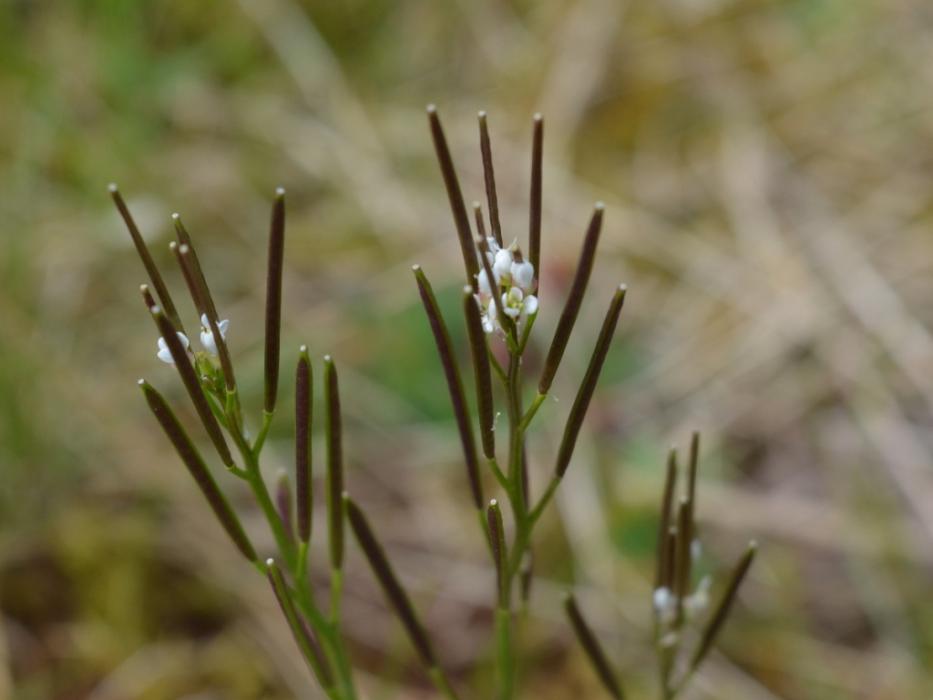
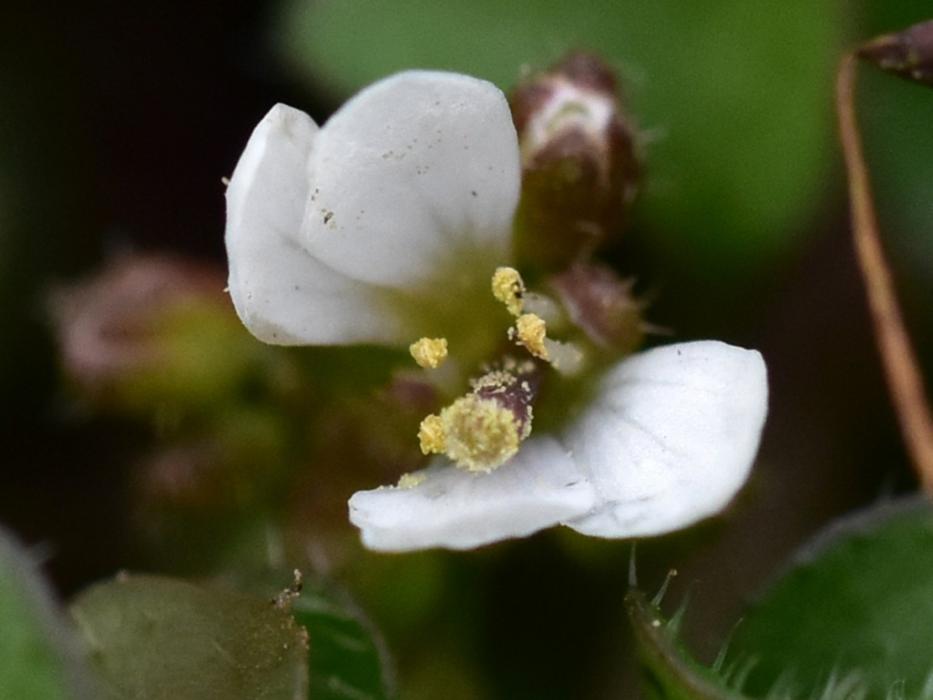

Danish Scurvygrass
ID: Low plant with fleshy, triangular-heart shaped leaves. Flowers white or lilac. Verge edges along salted roads.
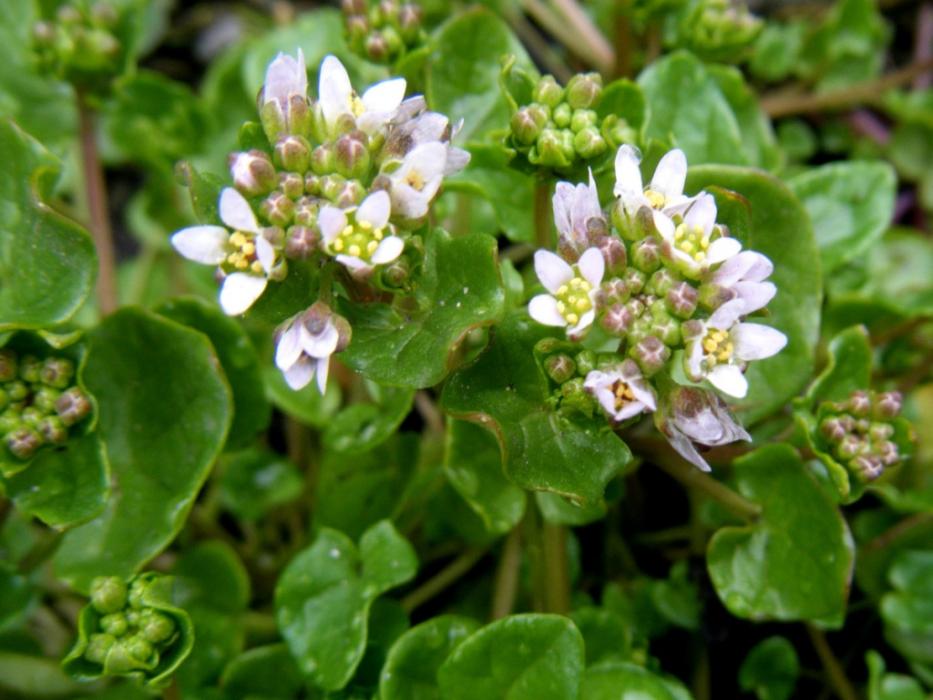
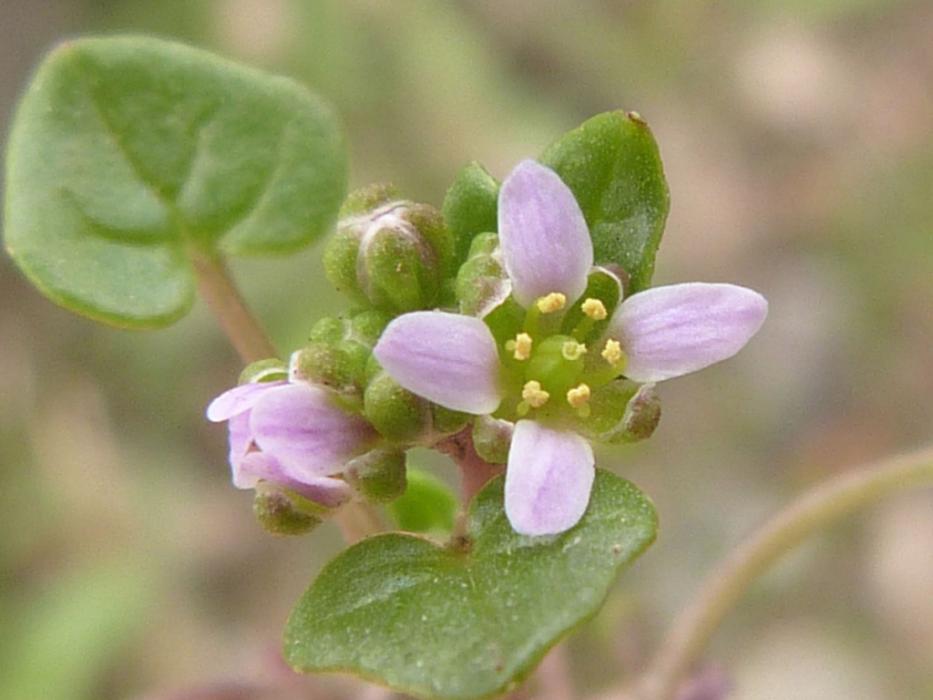

Daisy
ID: Basal rosette of spoon-shaped leaves. Short-stalked flowers, outer petals white, inner yellow. Short/mown verges and lawns.