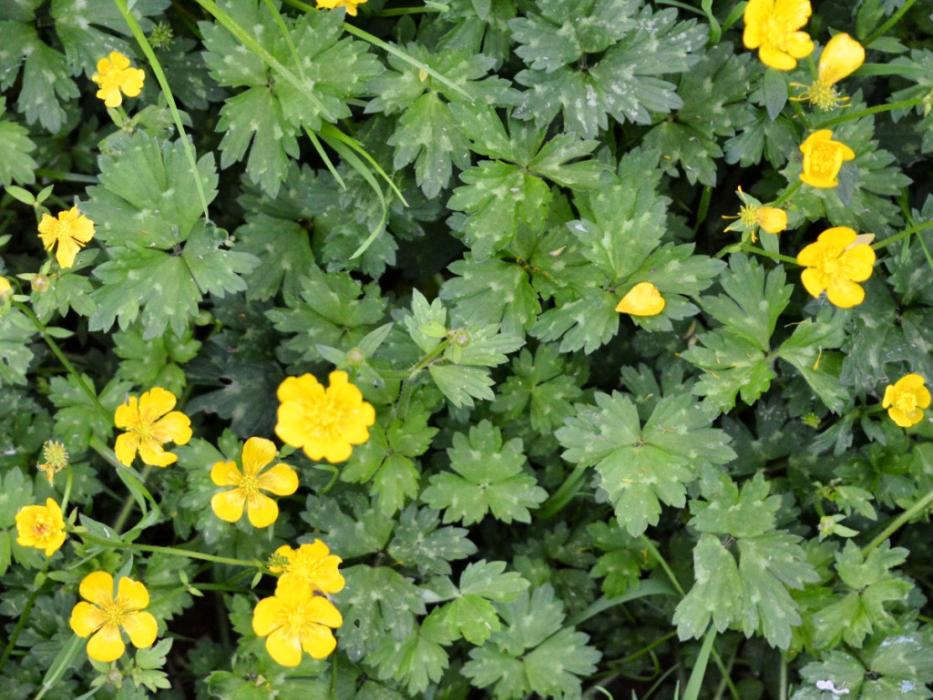
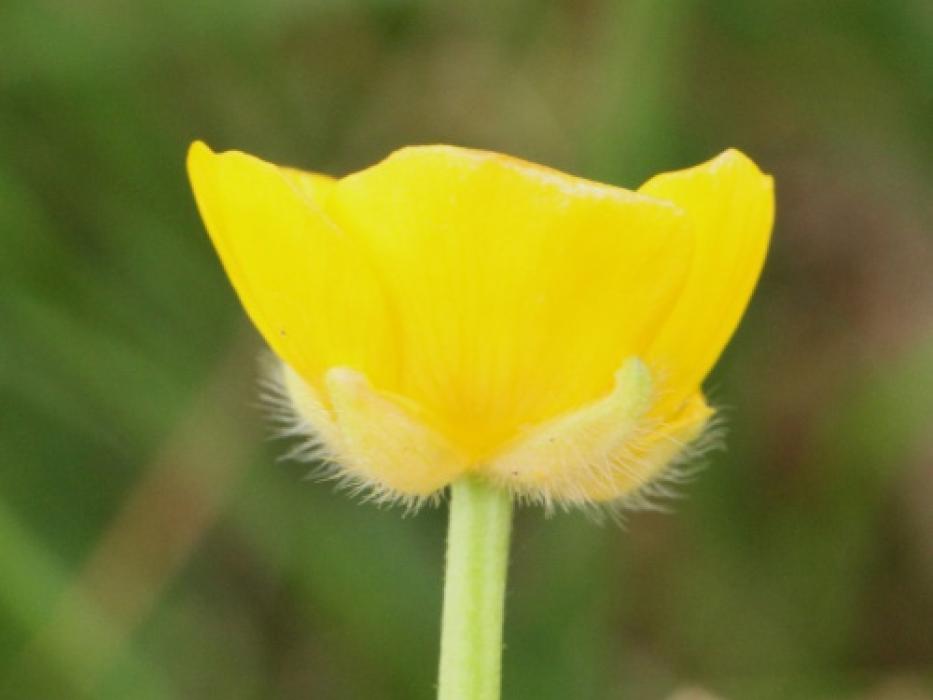
Some wildflowers can be found blooming in any month, others can be easily identified from their leaves so you can learn to identify wildflowers at all times of the year. Though the winter months offer a more limited range of wildflowers, it is a good time to start learning as there are fewer species around to confuse things! Some species are unlikely to flower in January (though you never know!) but can be easily identified from their leaves - such as Greater Plantain and Creeping Buttercup below. The key ID features to look for are underlined. If you think you've found the plants below, take a photo and submit a record - we will then check it for you. For more guides see Learn Wildflowers

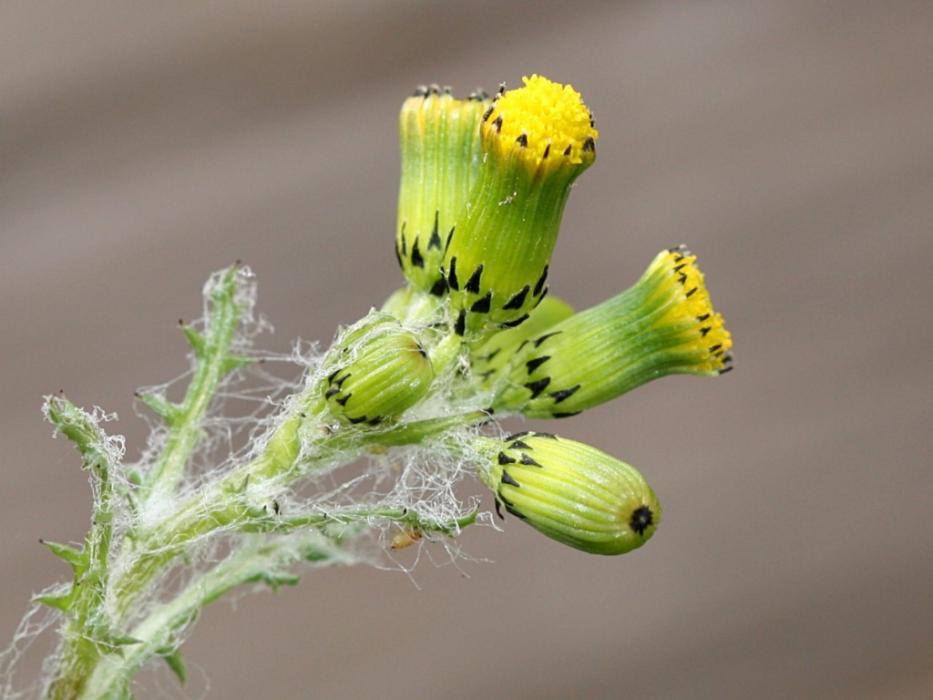
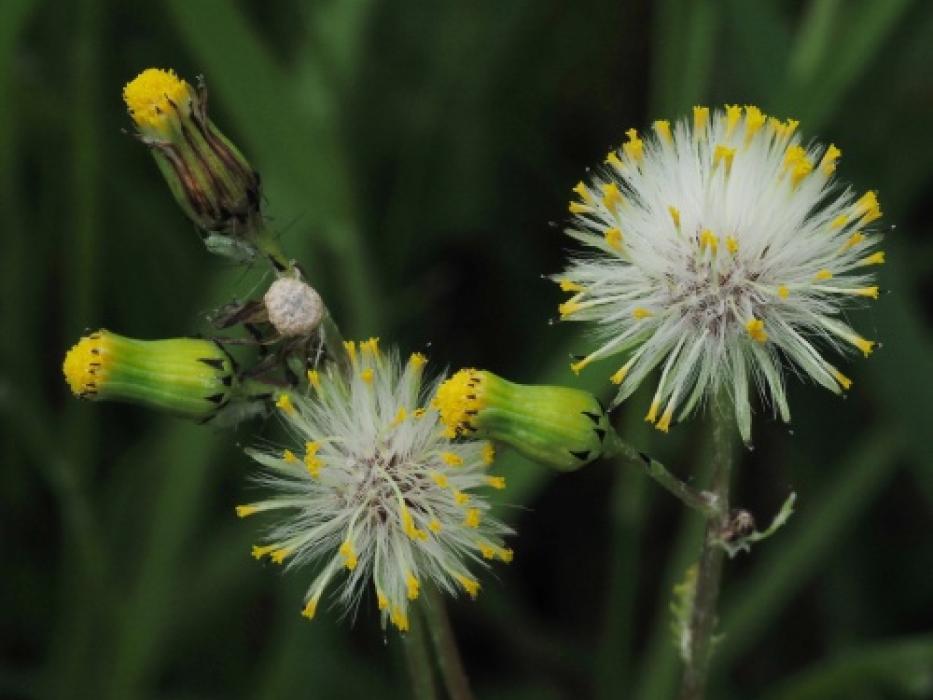
Groundsel
ID: Tubular yellow flowers with black triangles at their base. Lobed leaves. Waste ground, bare soil, pavements.

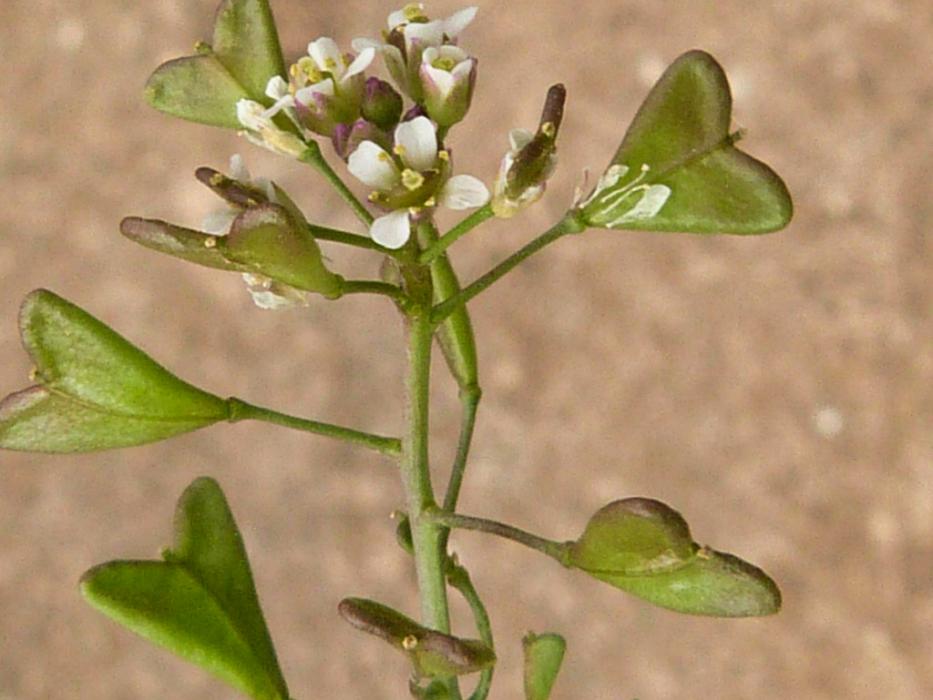
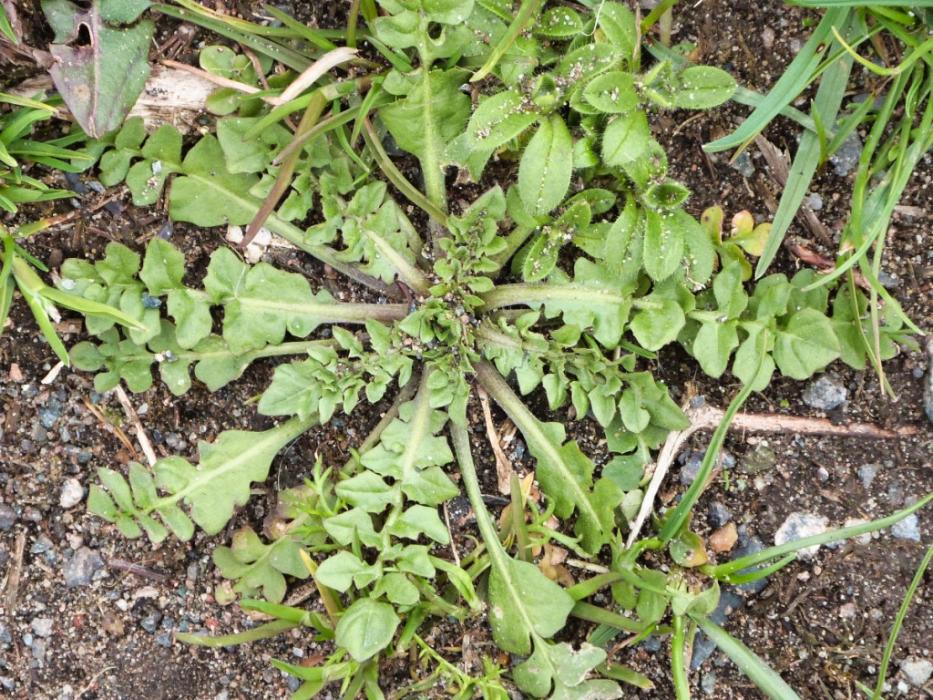
Shepherd's-purse
ID: White flowers, 4 petals. Heart-shaped seed-pods (all months). Lobed leaves, basal rosette. Bare soil, pavements.

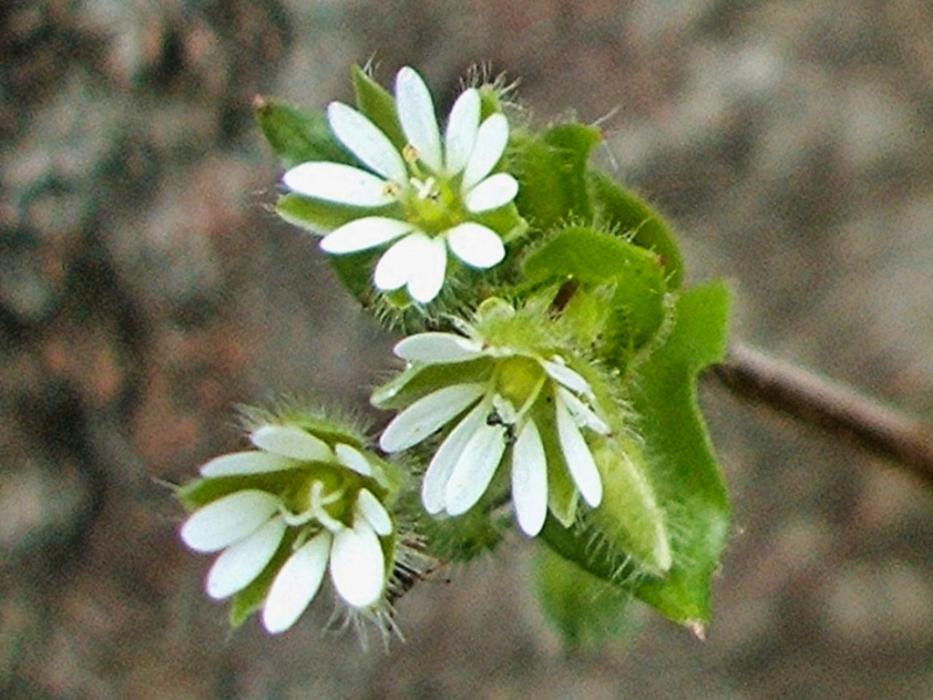
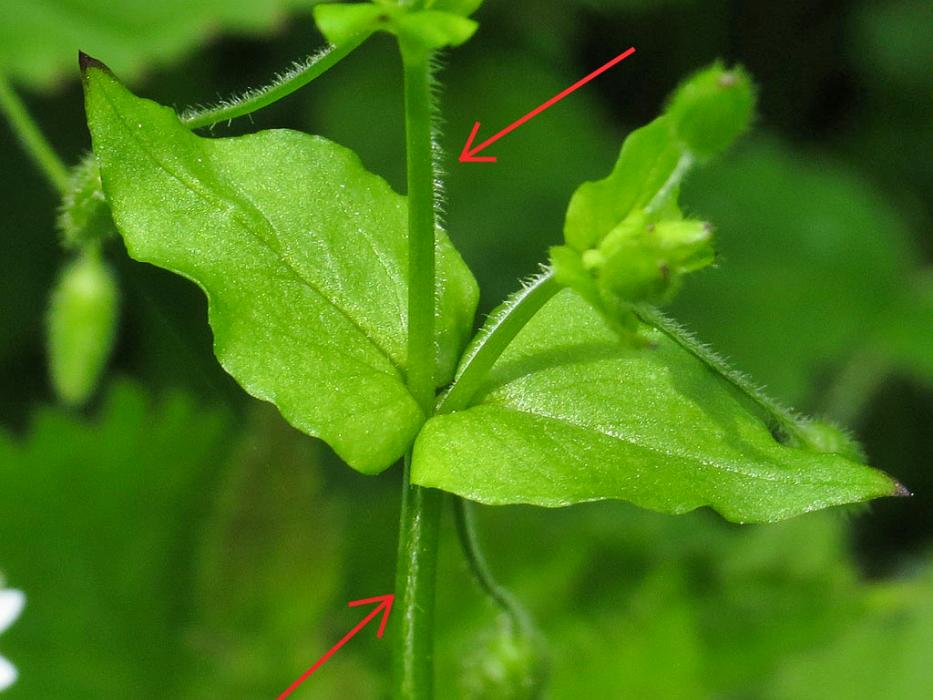
Common Chickweed
ID: White flowers, 5 deeply divided petals (looks like 10!). Row of hairs on stem, alternating sides. Paired, oval leaves. Bare soil, pavements.

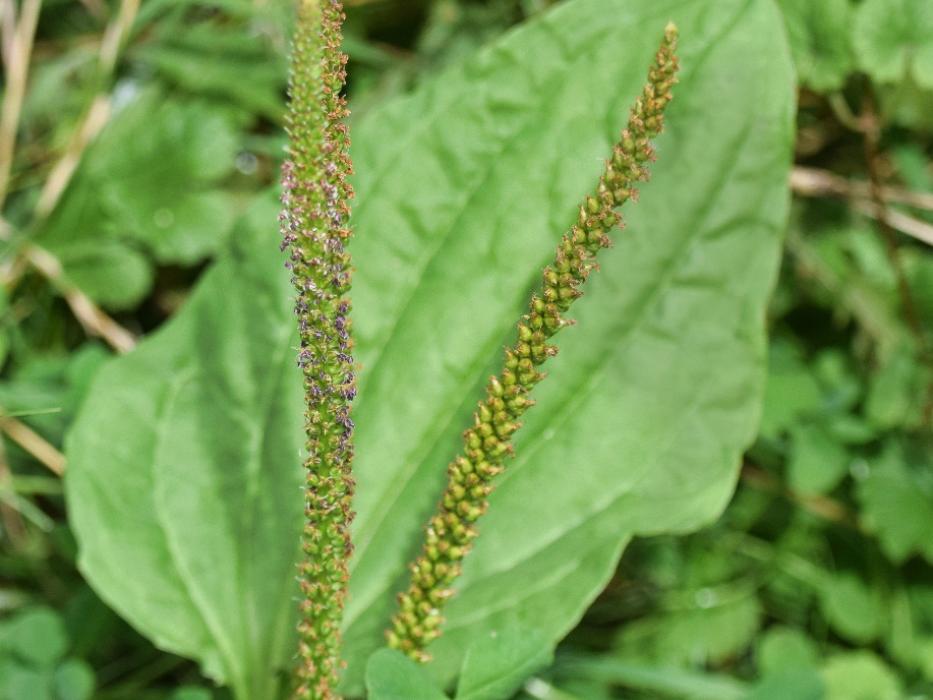
Greater Plantain
ID: Large, flat leaves with 'tramlines'. Thin, brown flower stems (all months). Paths, verge edges, pavements.

Creeping Buttercup
ID: Yellow, 5 petals, bracts (underside) cupping the flower. 3 leaflets in a triangle, often with pale marks. Verges, lawns, meadows.