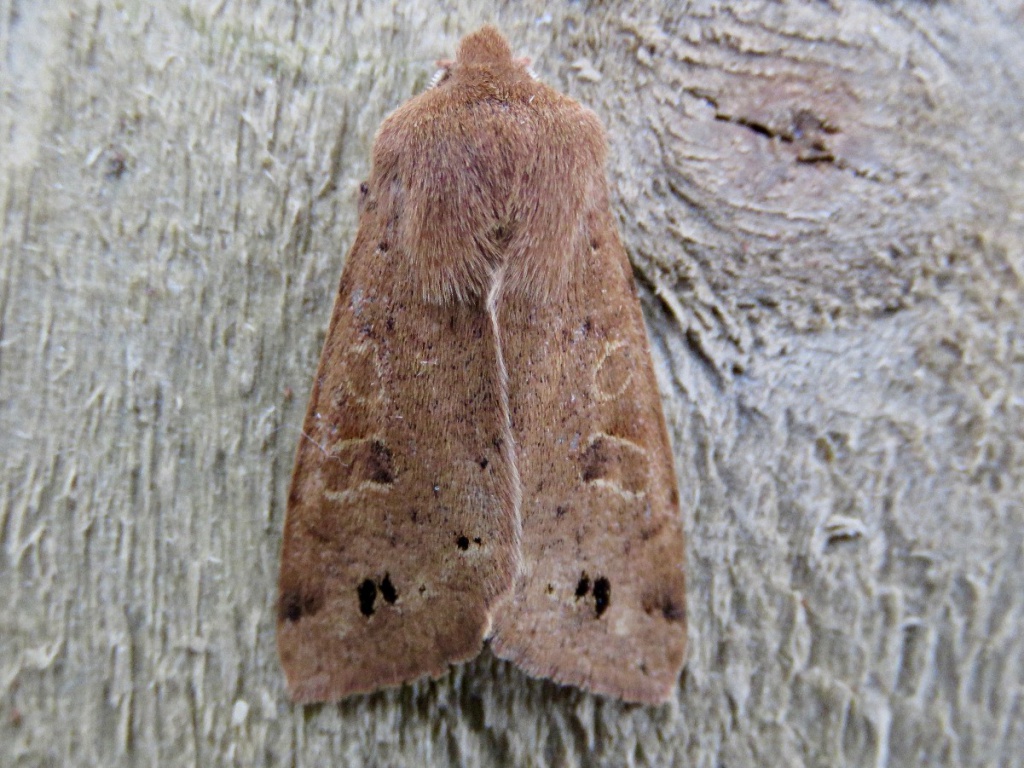
Twin-spotted Quaker
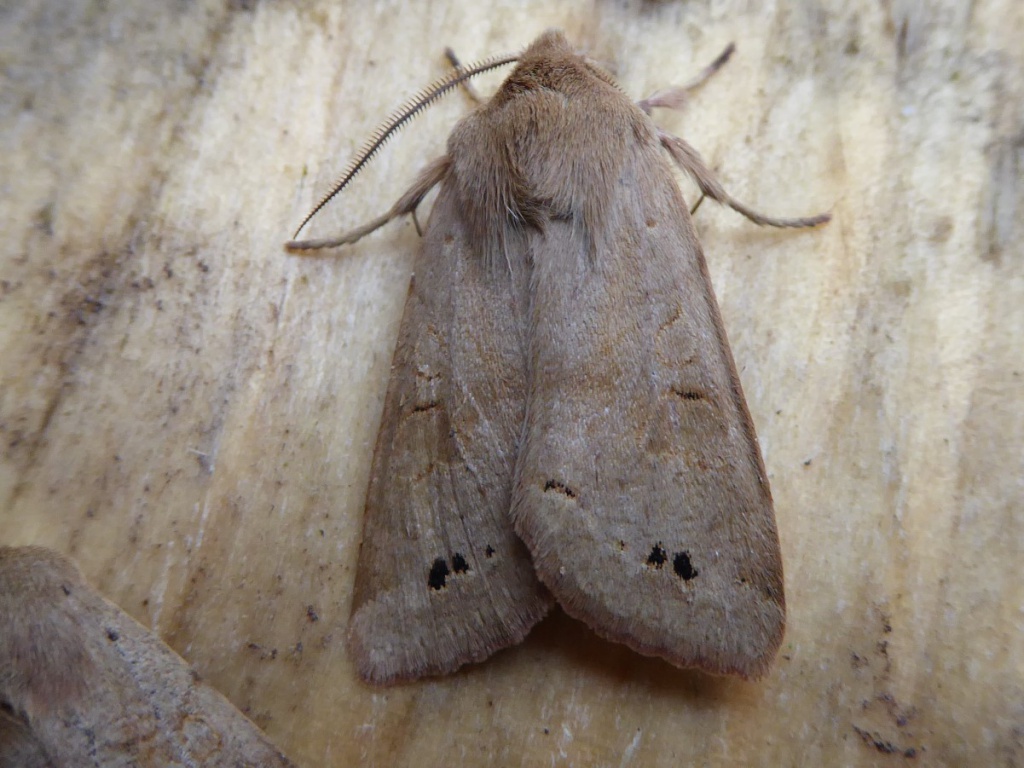
Twin-spotted Quaker - Anorthoa munda
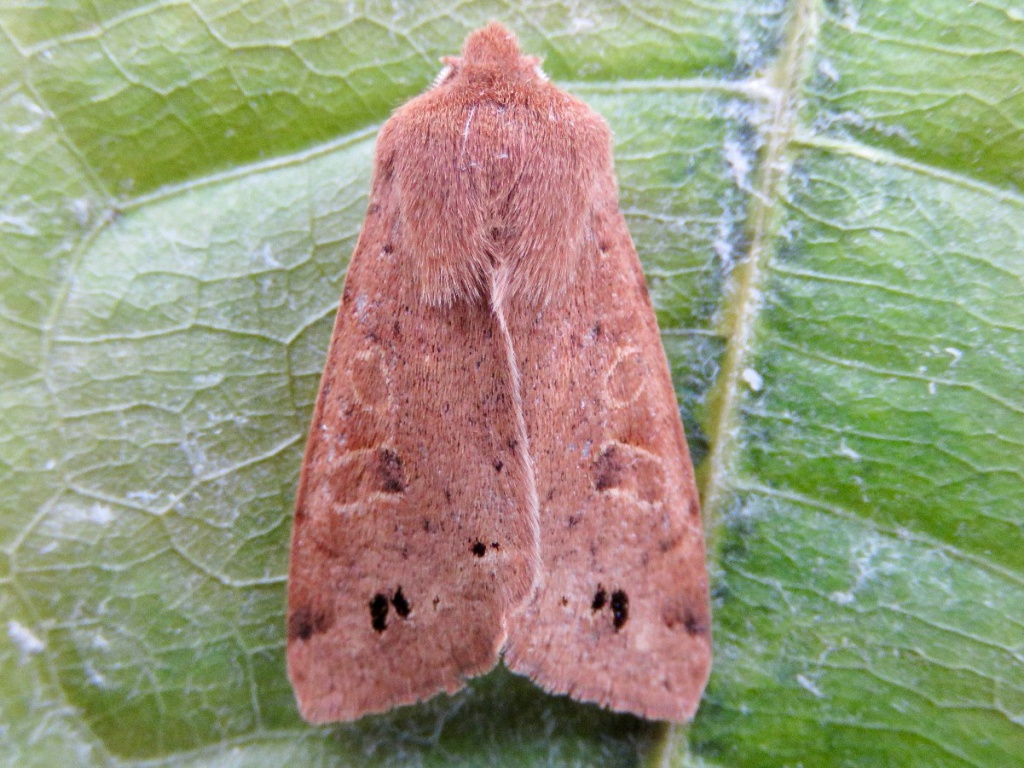
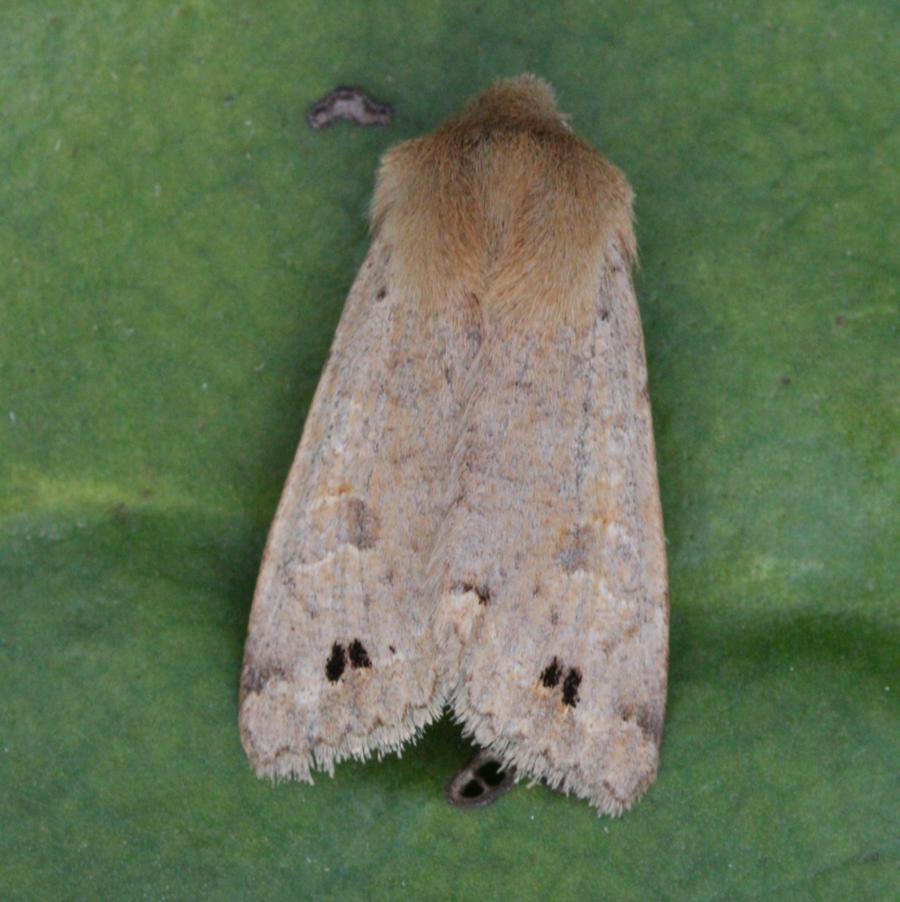
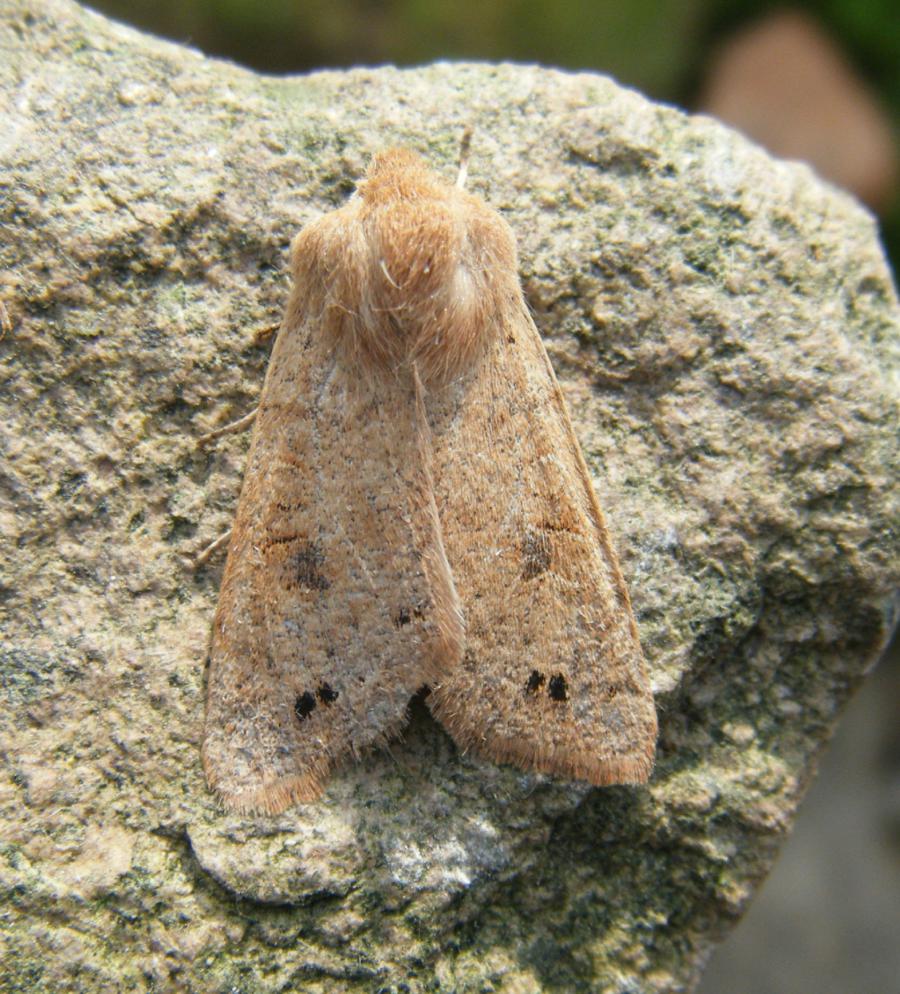
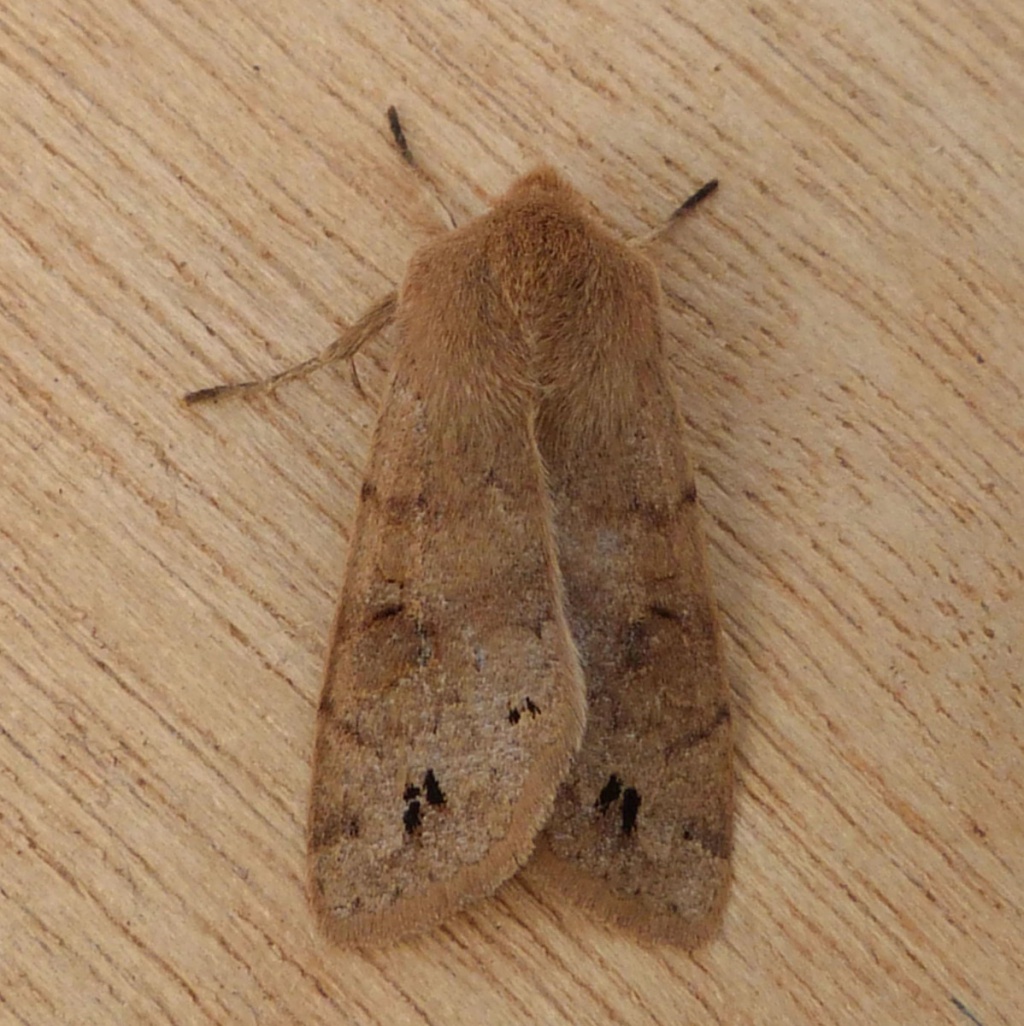
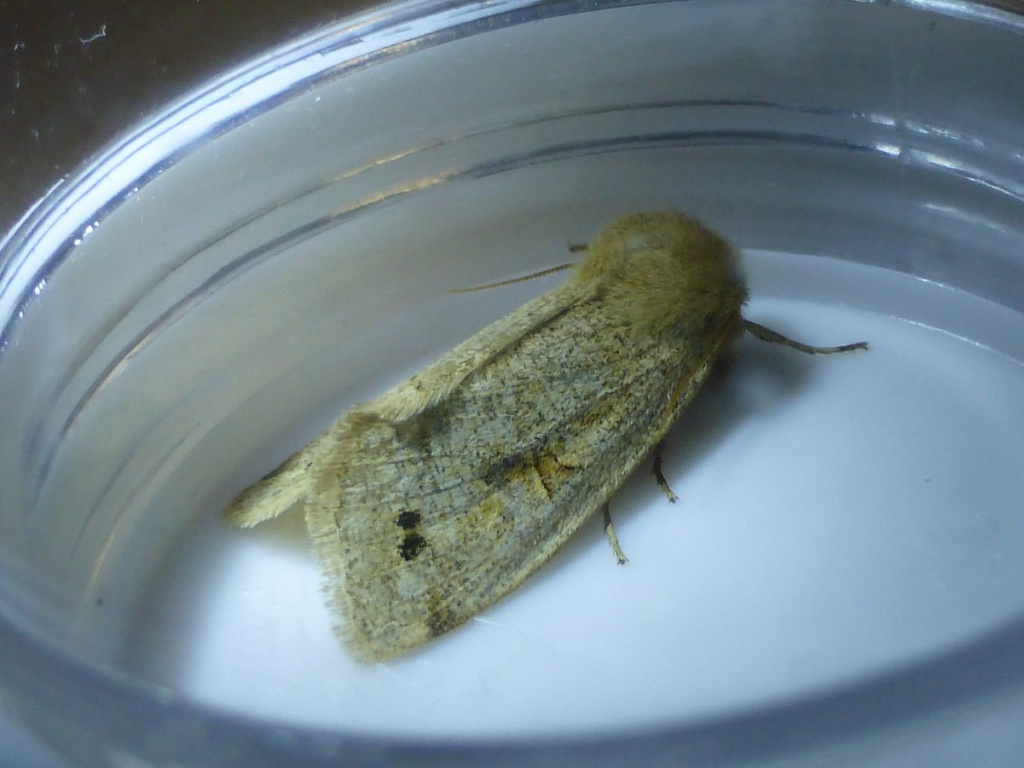
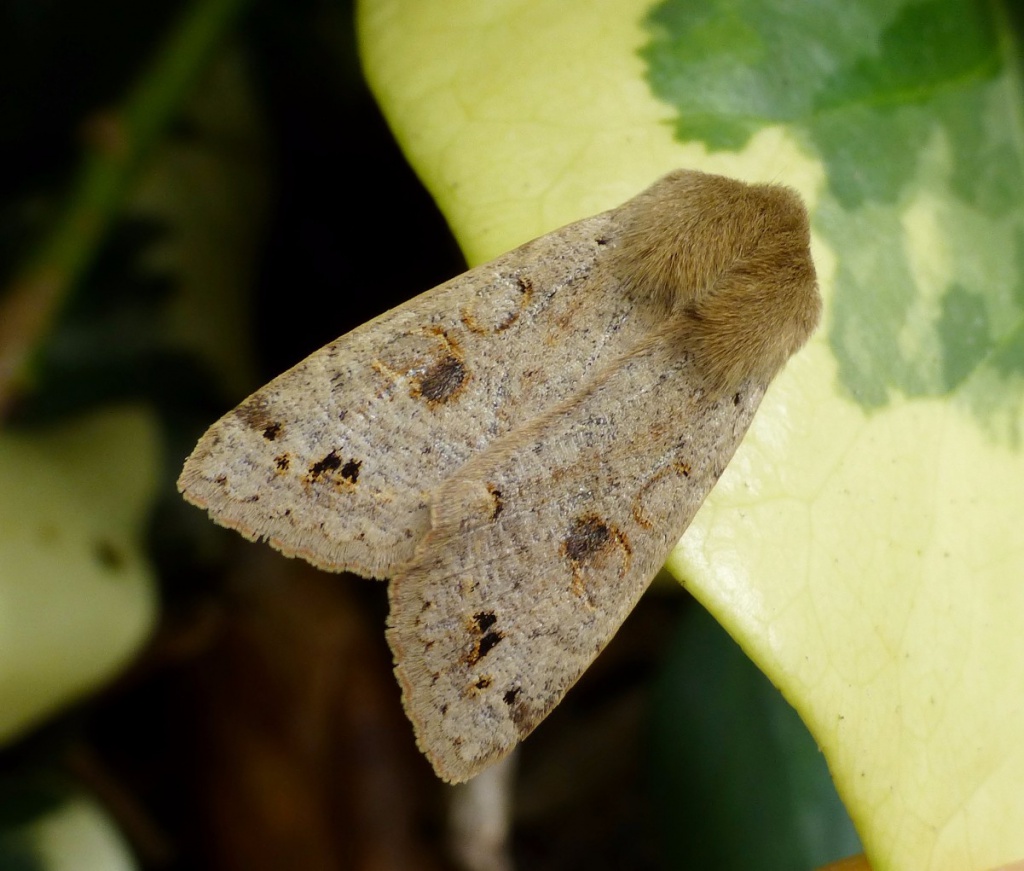
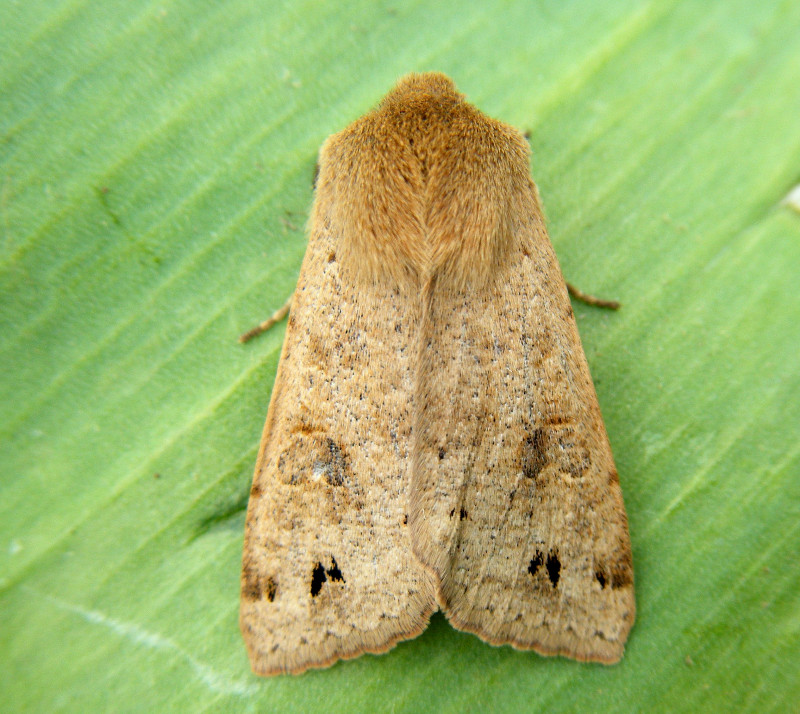
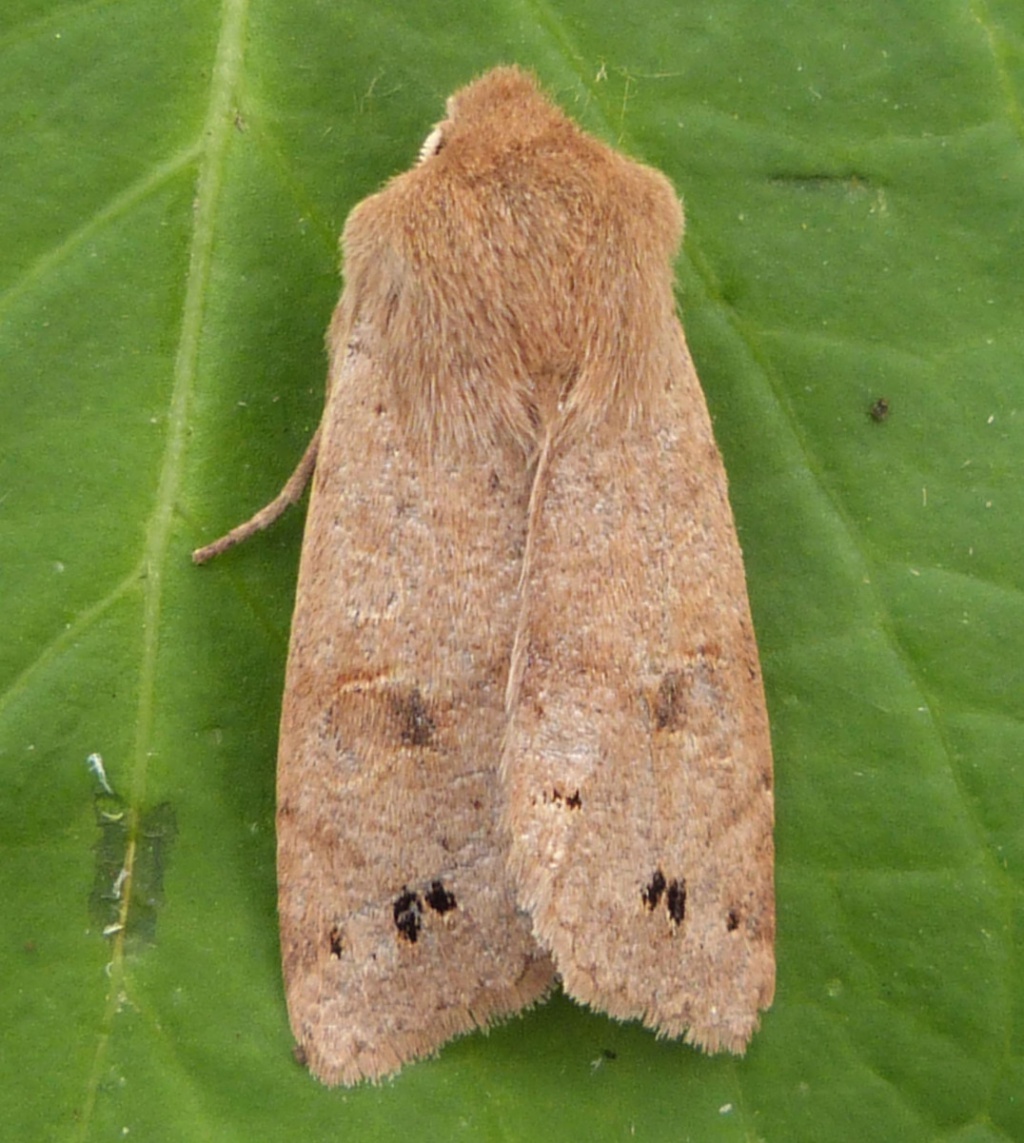
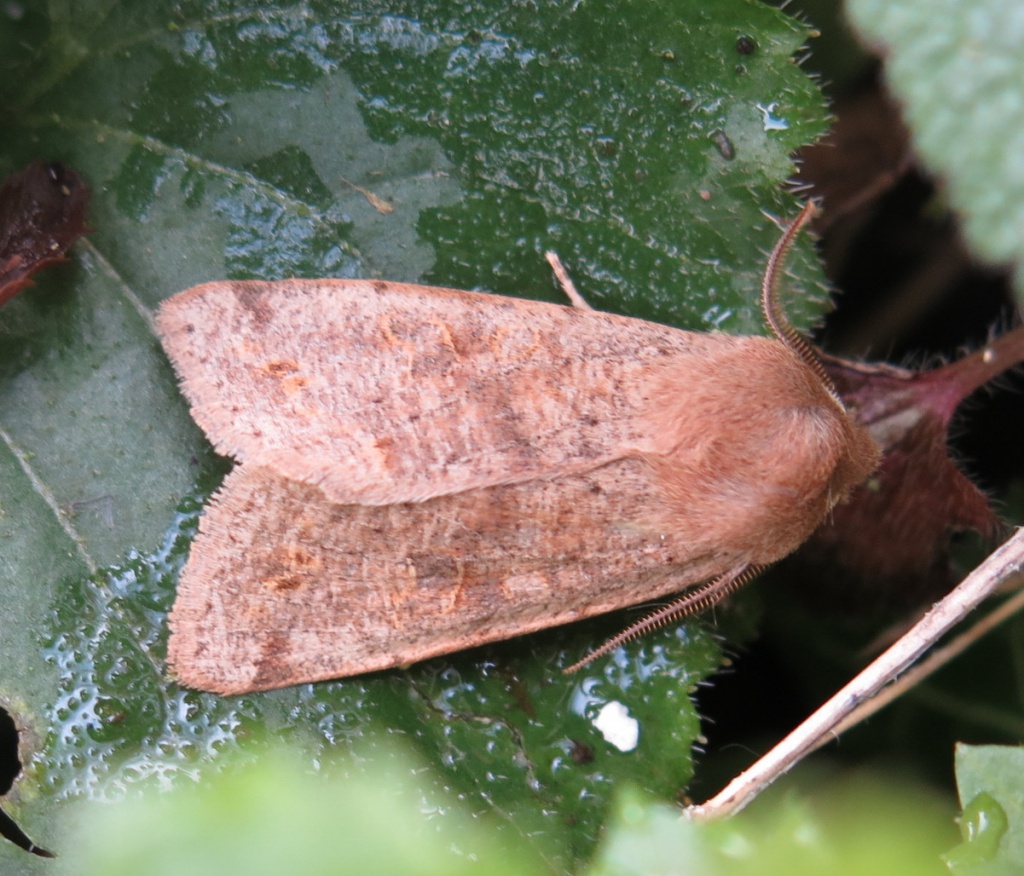
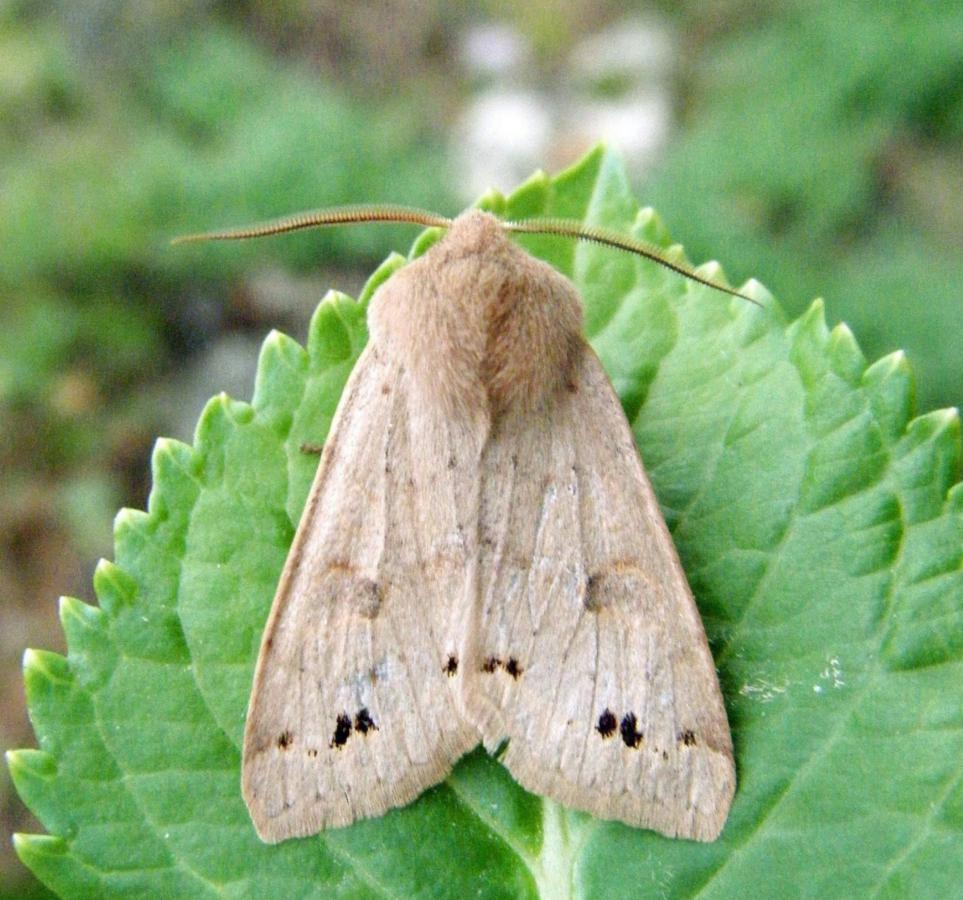
Wingspan 38 to 44 mm. A variable species, with forewings ranging from pale buff to reddish-brown. The blackish twin spots are usually obvious, but in some forms, including ab. immaculata, these are reduced to barely discernible rufous marks, or obsolete.

In woodland and other well wooded habitats.
Flying in March and April, like several related species, it can be found feeding on Willow blossom at night.
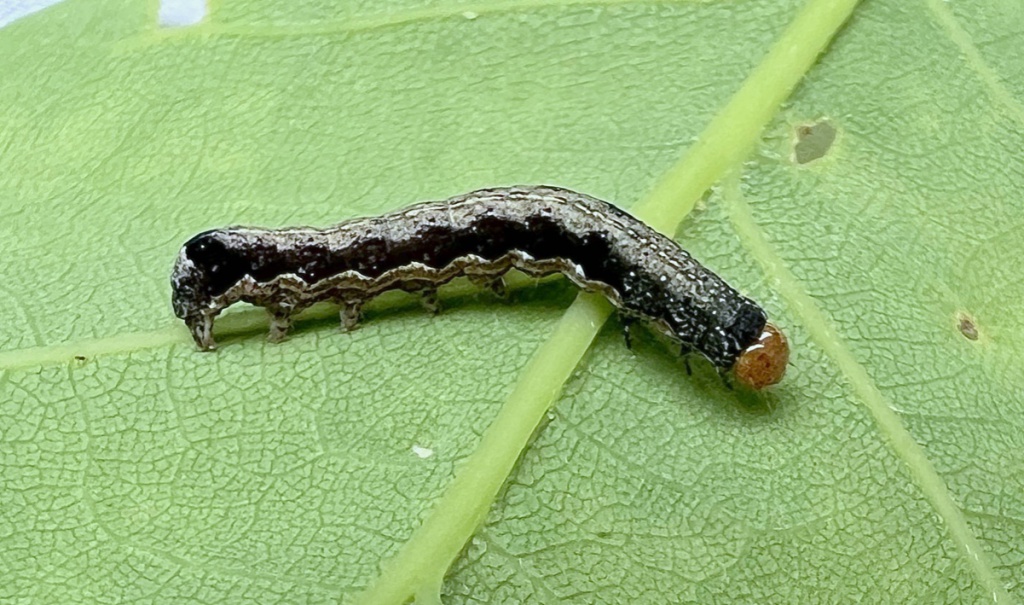
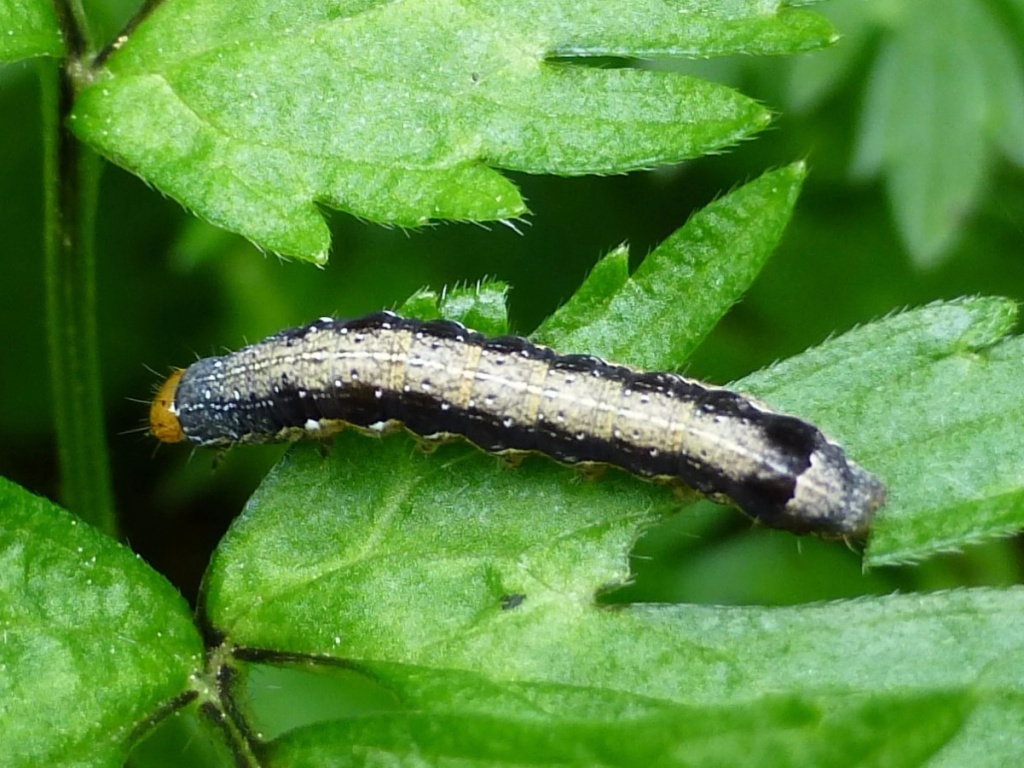
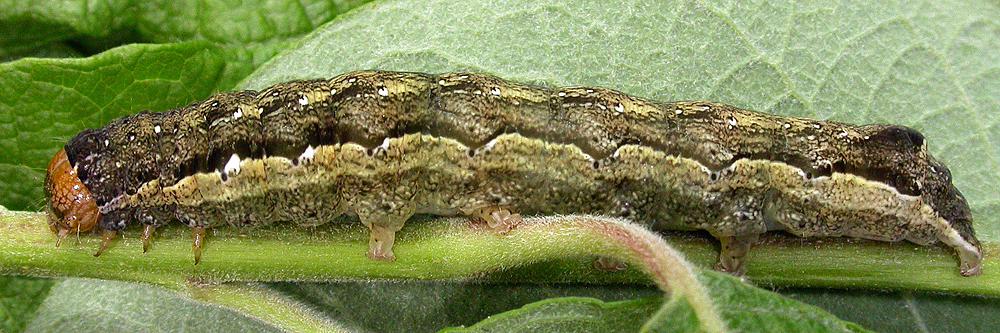
The caterpillars feed in early summer on various trees, including Oak, Aspen and Willow.
It is widely distributed in England and Wales, but local in Ireland and Scotland. In a recent survey to determine the status of all macro moths in Britain this species was classified as common.
Fairly common in Leicestershire and Rutland. L&R Moth Group status = A (common and resident).
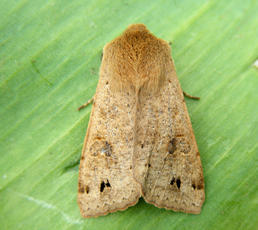 Graham Calow
Sapcote garden1
08 March 2012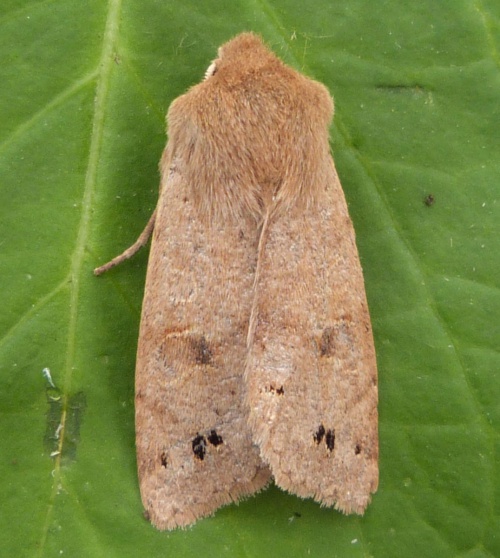 Graham Calow
Sapcote garden1
29 March 2014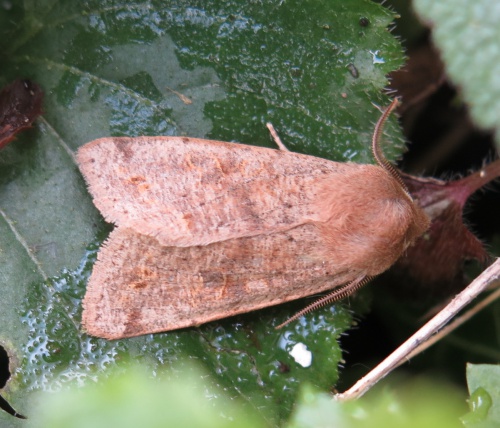 David Nicholls
Ratby garden
05 April 2015
ab. immaculata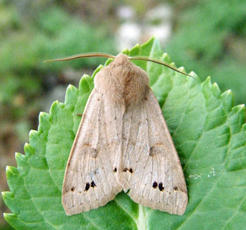 Graham Calow
Sapcote garden1
12 March 2011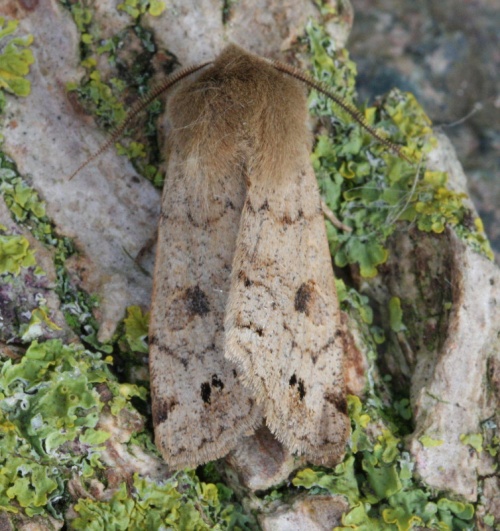 David Nicholls
Ratby garden
30 March 2012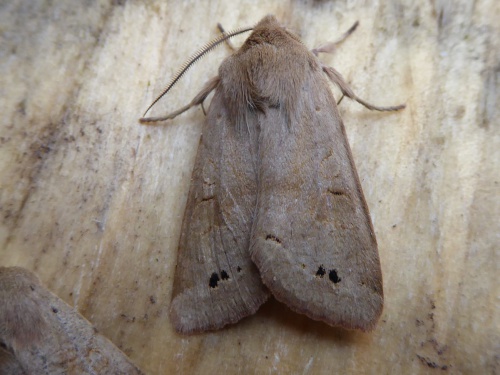 Margaret McLoughlin
Whitwick Garden
12 March 2017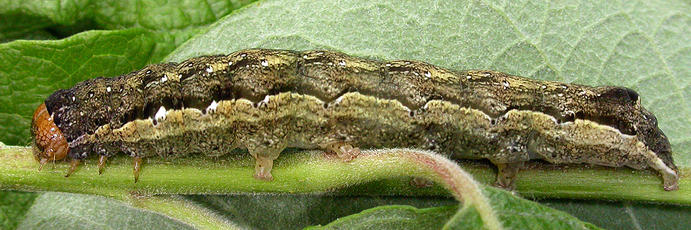 Mark Skevington
Pickworth Great Wood
01 May 2011

Leicestershire & Rutland Map
Enter a town or village to see local records
MAP KEY:
Yellow squares = NBN records (all known data)
Coloured squares = NatureSpot records: 2025+ | 2020-2024 | pre-2020
UK Map
Additional images