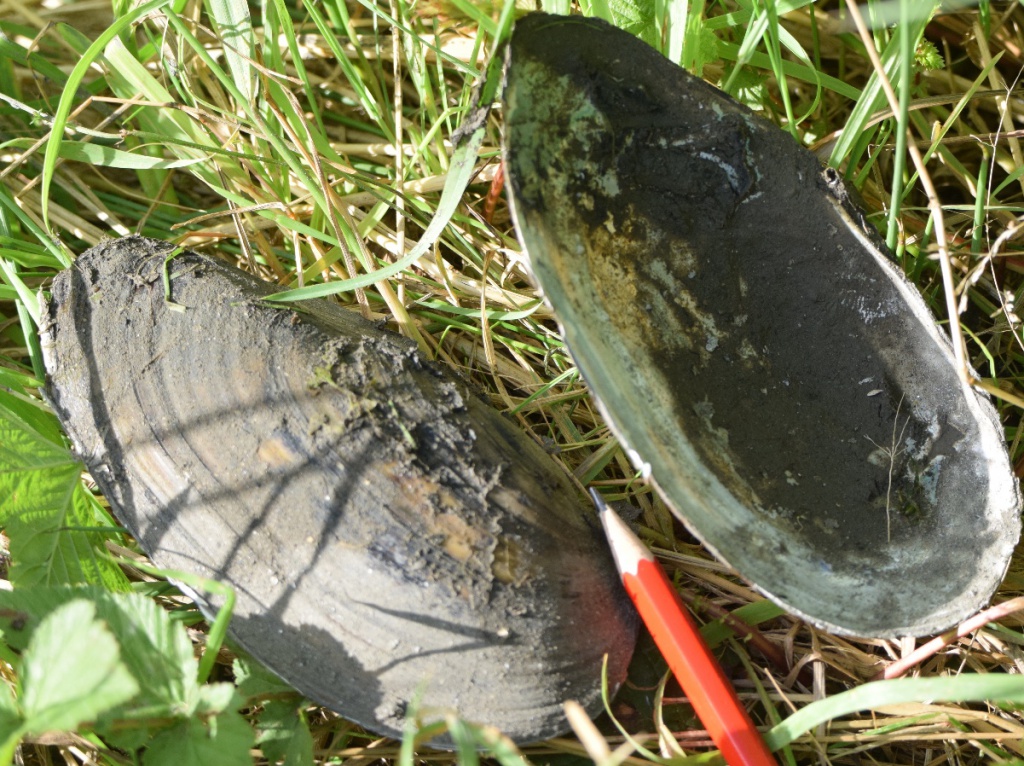
Swan Mussel
Swan Mussel - Anodonta cygnea
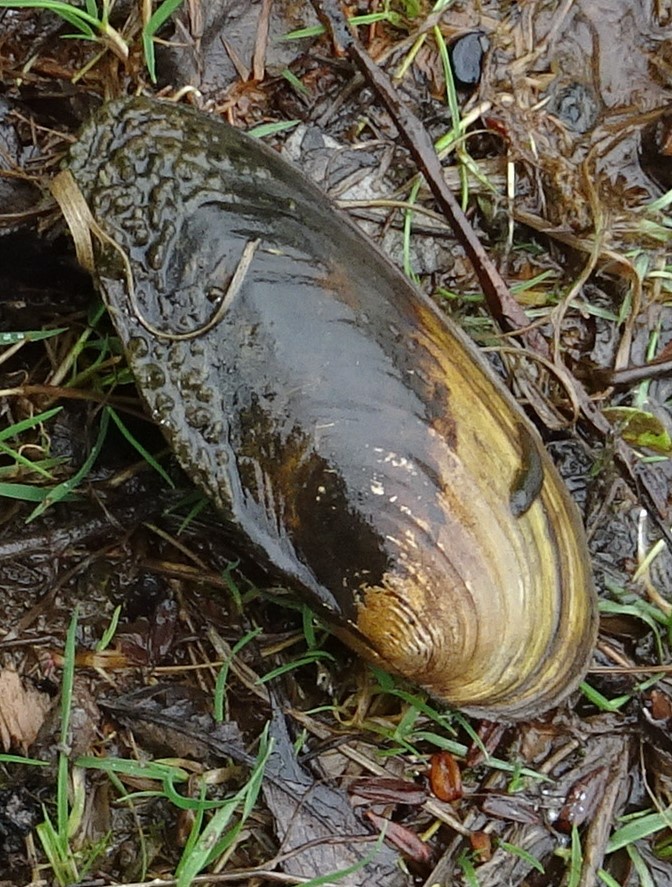
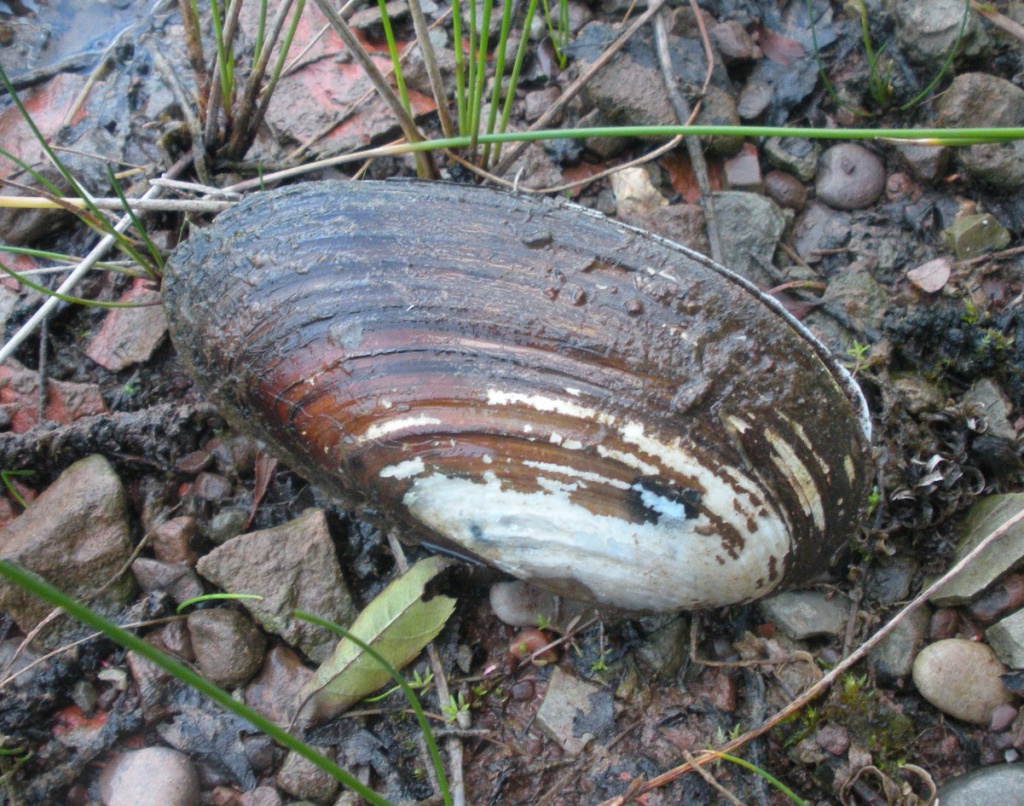
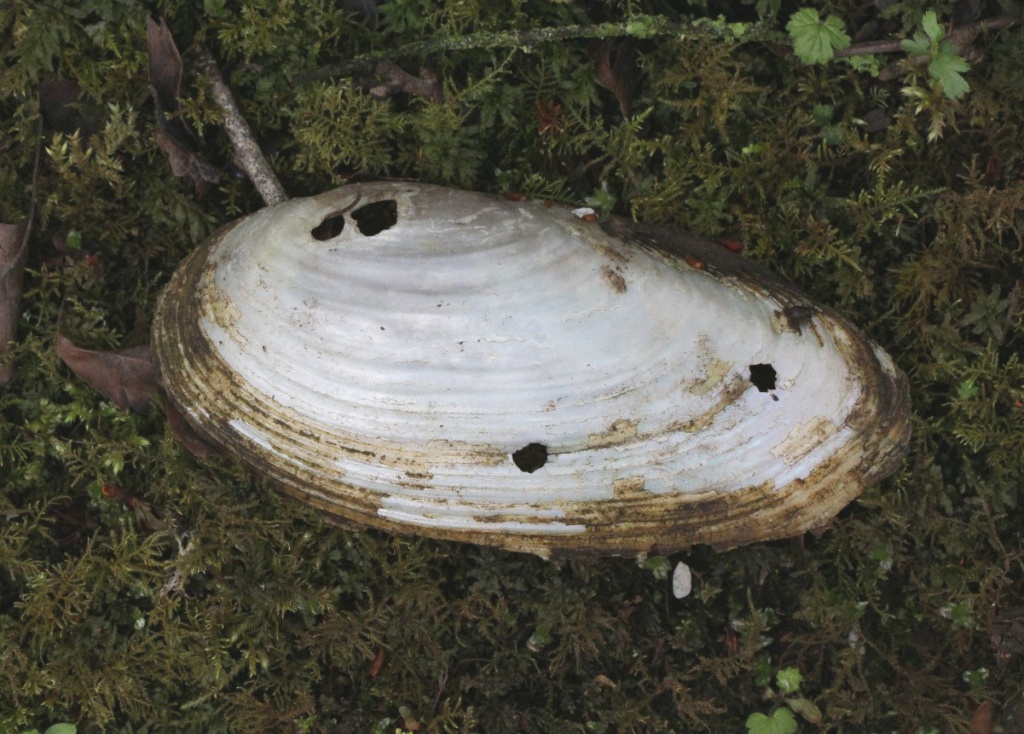
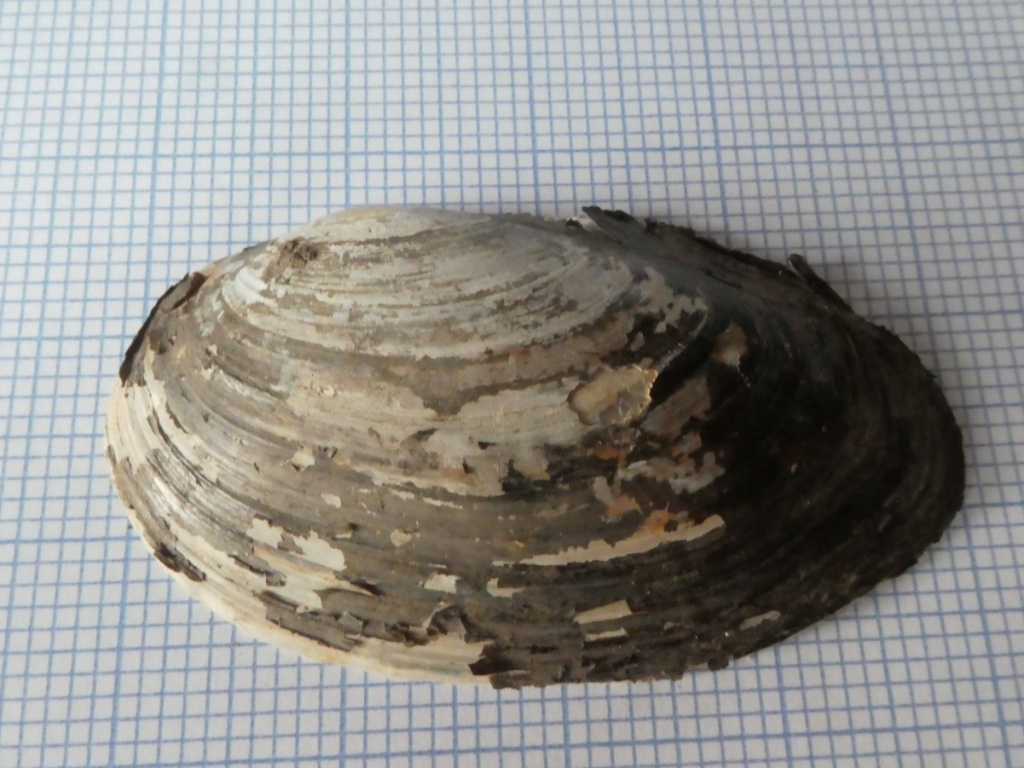
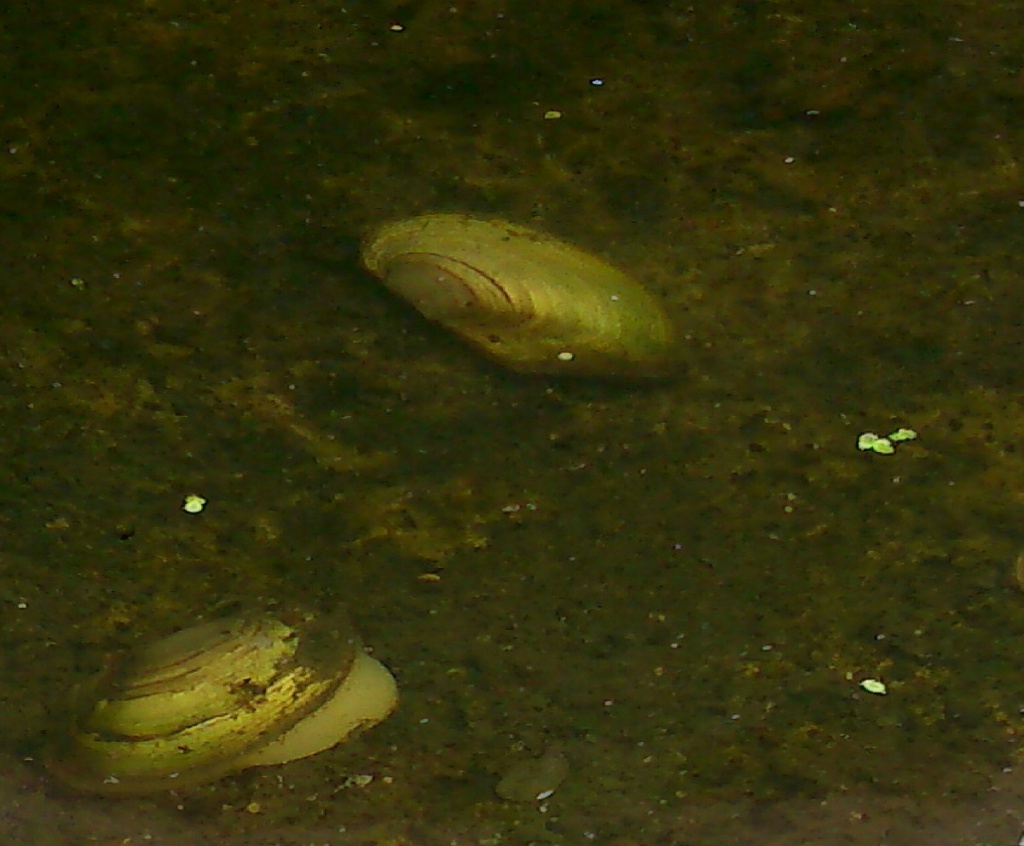
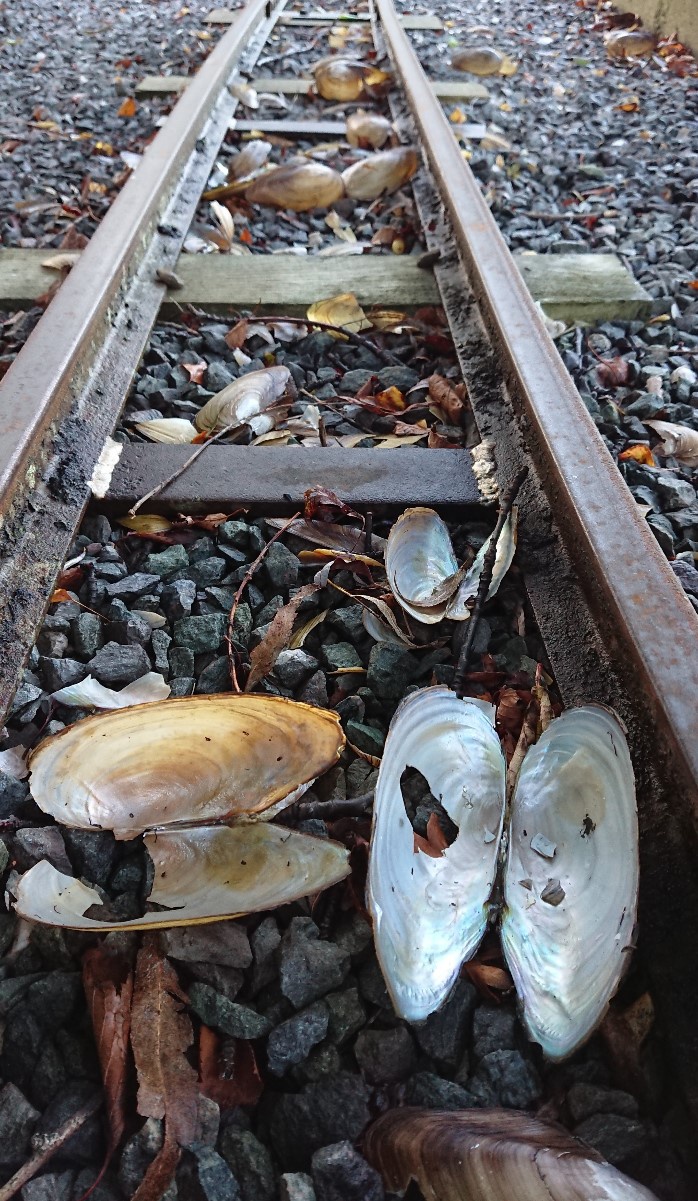
This aquatic bivalve mollusc is a large species of freshwater mussel. The shell is thin but large (approximately 10 to 14cm when adult) and rather flat, even at the umbo. The shell colour is often pale greenish or brownish. Younger specimens can be difficult to tell apart from Duck Mussels.
Indicator Species - Leicestershire, Leicester & Rutland Local Nature Recovery Strategy.
Several of the large freshwater mussels look similar and can be easily confused, particularly with smaller specimens. The Duck Mussel, Anadonta anatina, is the closest in size and shape, but this has a dorsal margin that slopes over the hinge, whereas the Swan Mussel, Anadonta cygnea, is generally flat over the hinge giving it a rectangular look.
The two can also be distinguished by looking at the posterior (pointed end) adductor muscle scar. In the Swan Mussel, the scar is joined to the pedal retractor scar by a narrow isthmus, whereas in the Duck Mussel these two scars are completely merged.
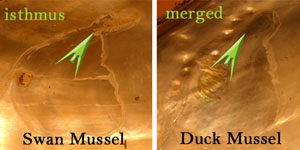

Unless identified by a recognised expert, photographic evidence is required. A photo of the adductor scar is often needed. Note the shell's size. If it is an empty shell, it is advisable to retain this in case further checks are needed.
Rivers and lakes.
All year round.
Widespread and quite common in England, although there seem to be less records from elsewhere in Britain.
Fairly frequent in Leicestershire and Rutland
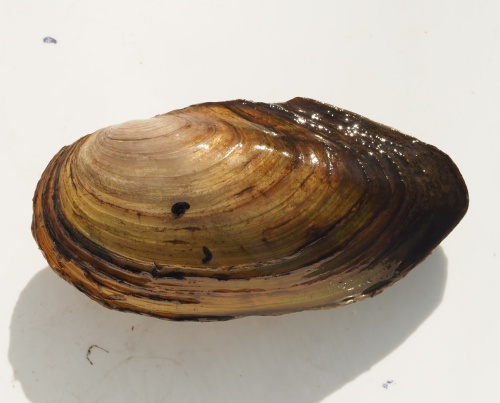 David Nicholls
Dishley Pool, Loughborough
04 April 2023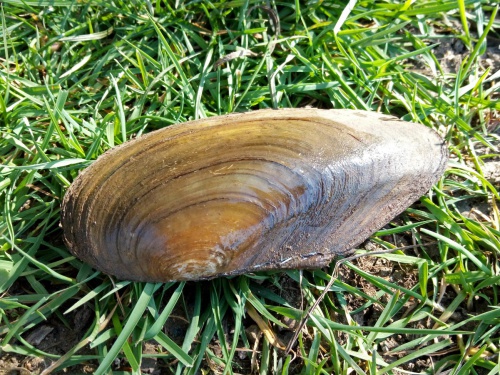 Peter Smith
Wartnaby
04 April 2021 Craig Mabbett
Saddington Resevoir
28 August 2021 Craig Mabbett
Saddington Resevoir
28 August 2021 Graham Calow
Broughton Astley Brick Quarry
02 September 2014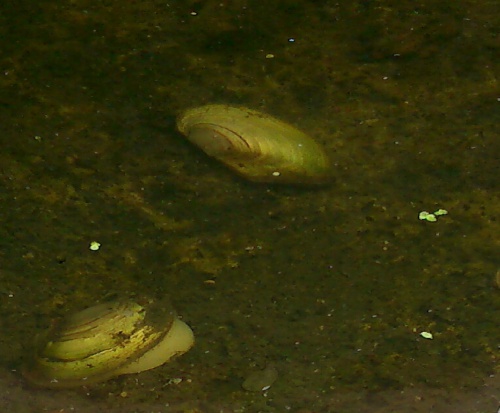 steven lewis
welby
15 September 2015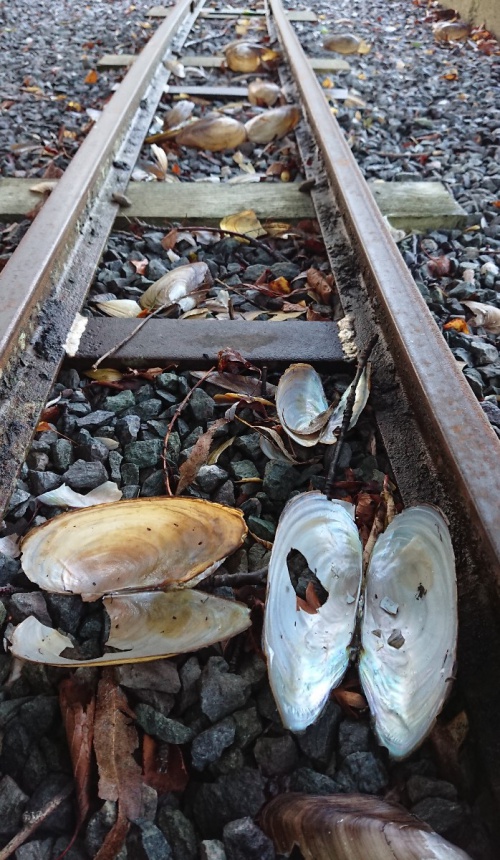 steven lewis
Stapleford Park
08 October 2017

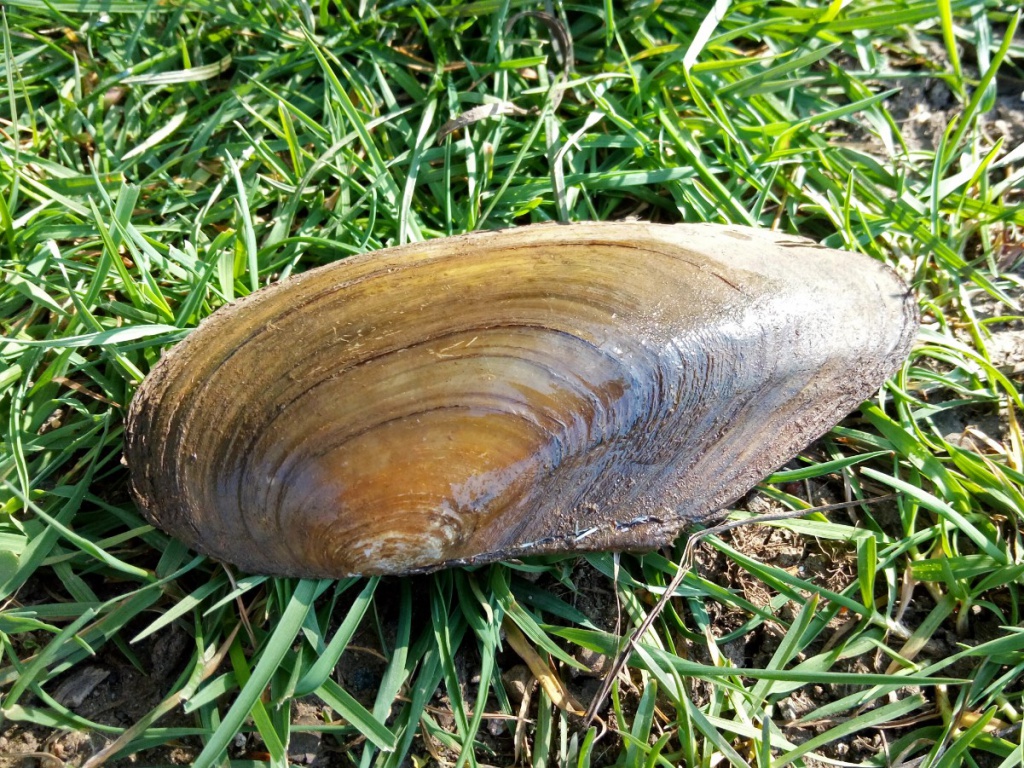


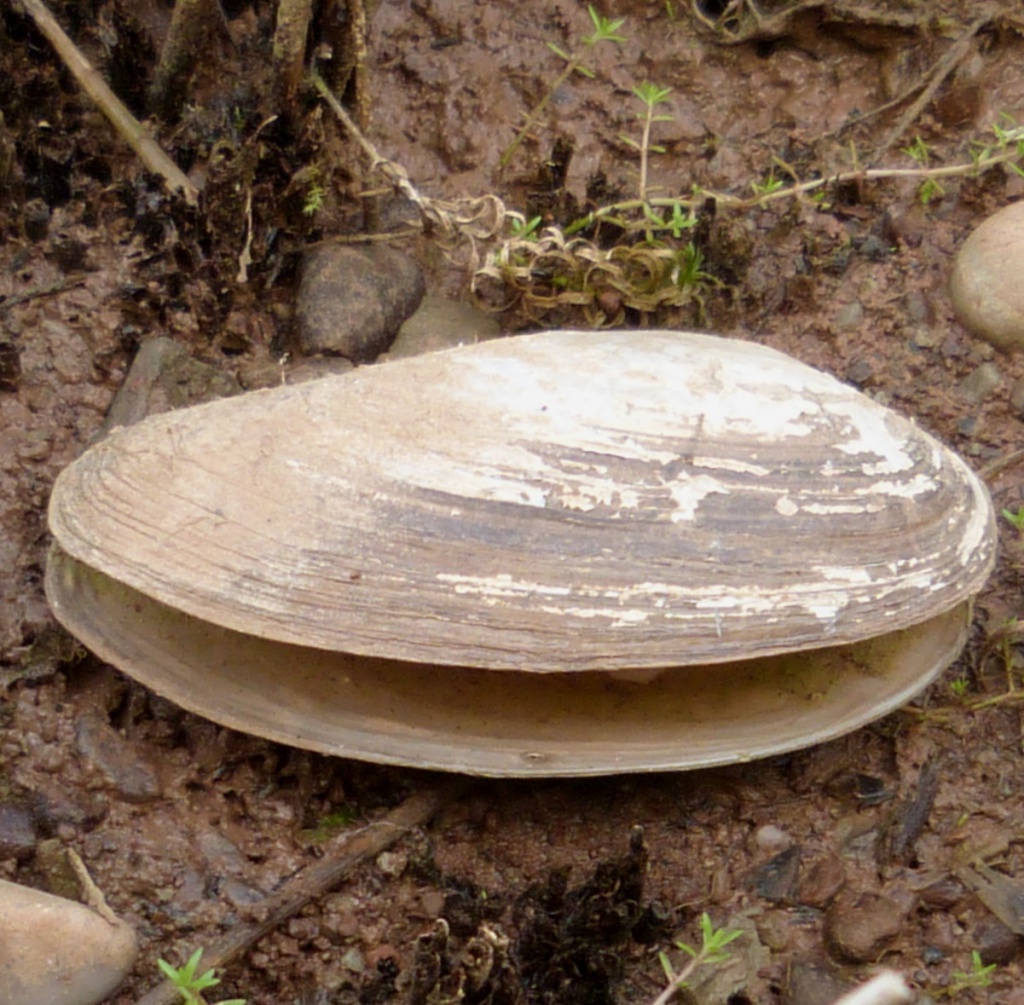
Leicestershire & Rutland Map
Enter a town or village to see local records
MAP KEY:
Yellow squares = NBN records (all known data)
Coloured squares = NatureSpot records: 2025+ | 2020-2024 | pre-2020
UK Map
Additional images