Stinking Hellebore
Stinking Hellebore - Helleborus foetidus
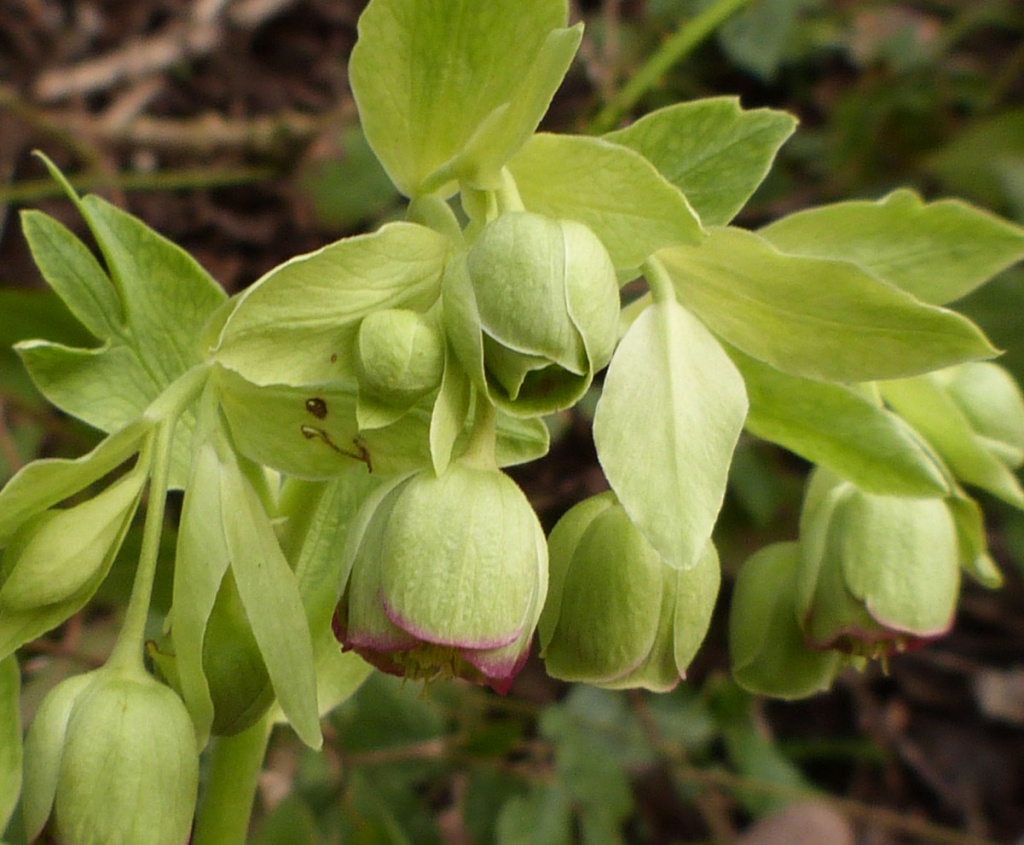
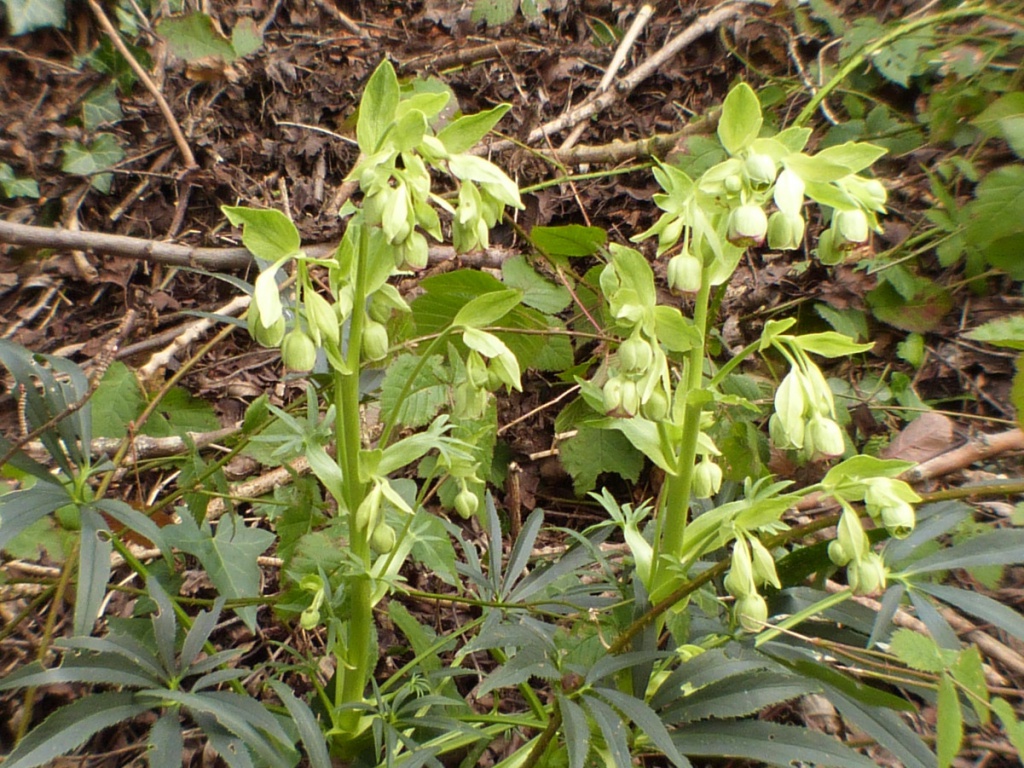
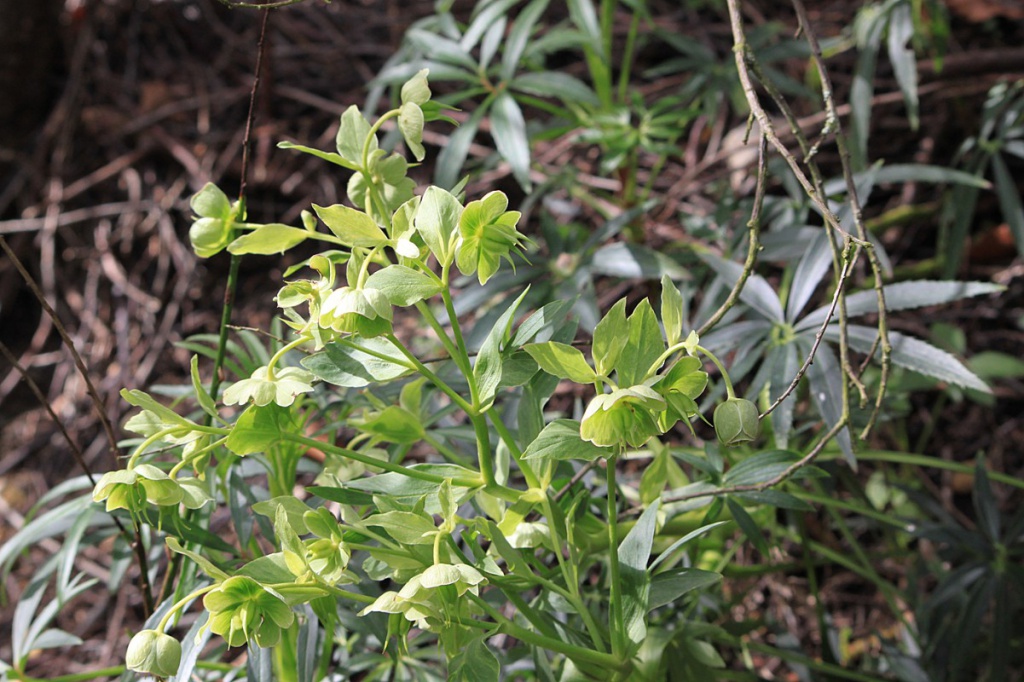
Medium to tall often rather robust plant. Foetid, with leafy overwintering stems. Leaves palmate, deep green, lobes simple, toothed. Uppermost leaves and bracts unlobed. Flowers nodding, yellowish green with a purple rim, bell shaped, 10 to 30 mm in large clusters.

Shady banks and wooded areas usually close to habitation.
Flowering January to May.
Perennial. Usually found as an escape or introduction, but at times becoming naturalised in suitable areas.
Mainly found as a casual or as an introduced plant close to habitation. Naturalised colonies are uncommon.
Rarely recorded as a naturalised plant in Leicestershire and Rutland. It is usually found near to habitation. In the 1979 Flora survey of Leicestershire it was found in 2 of the 617 tetrads.
In the current checklist (Jeeves 2011) it is listed as Alien; neophyte; rare.
(Note: it is listed as subspecies occidentalis, but this is not listed in Stace 3rd or 4th editions, and it may be an error)
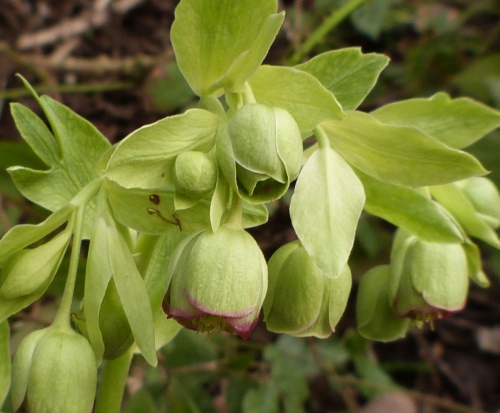 Graham Calow
Whistle Way, Narborough
04 March 2014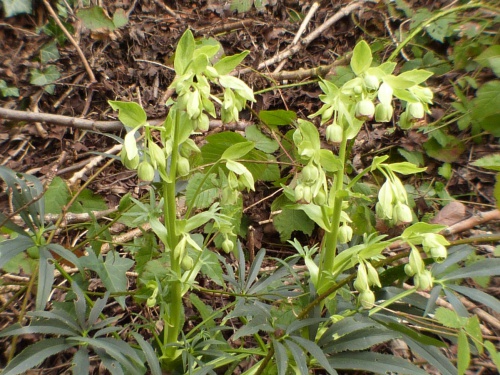 Graham Calow
Whistle Way, Narborough
04 March 2014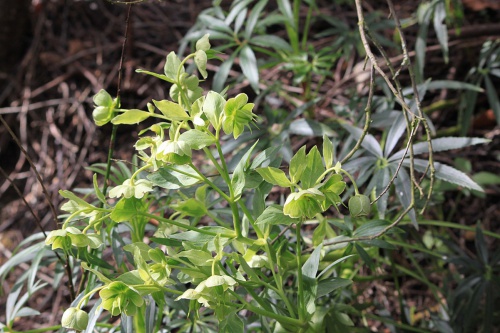 Paul Ruddoch
Melton Country Park
30 March 2015
Leicestershire & Rutland Map
Enter a town or village to see local records
MAP KEY:
Yellow squares = NBN records (all known data)
Coloured squares = NatureSpot records: 2025+ | 2020-2024 | pre-2020
UK Map
Additional images
No additional images available for this species.
All NatureSpot records
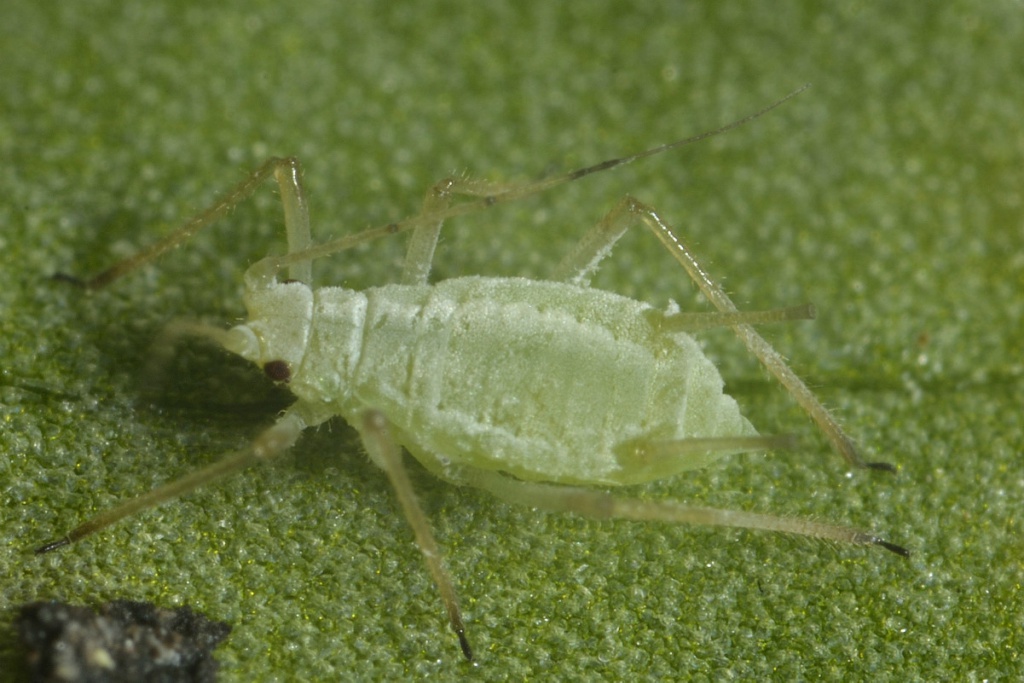
Hellebore Aphid
The Hellebore Aphid (Macrosiphum hellebori) is a sap feeding aphid which infests the flowers and foliage of hellebores. It is largely pale green and around 3 mm long with black bands above the 'knees' and dark 'feet'.
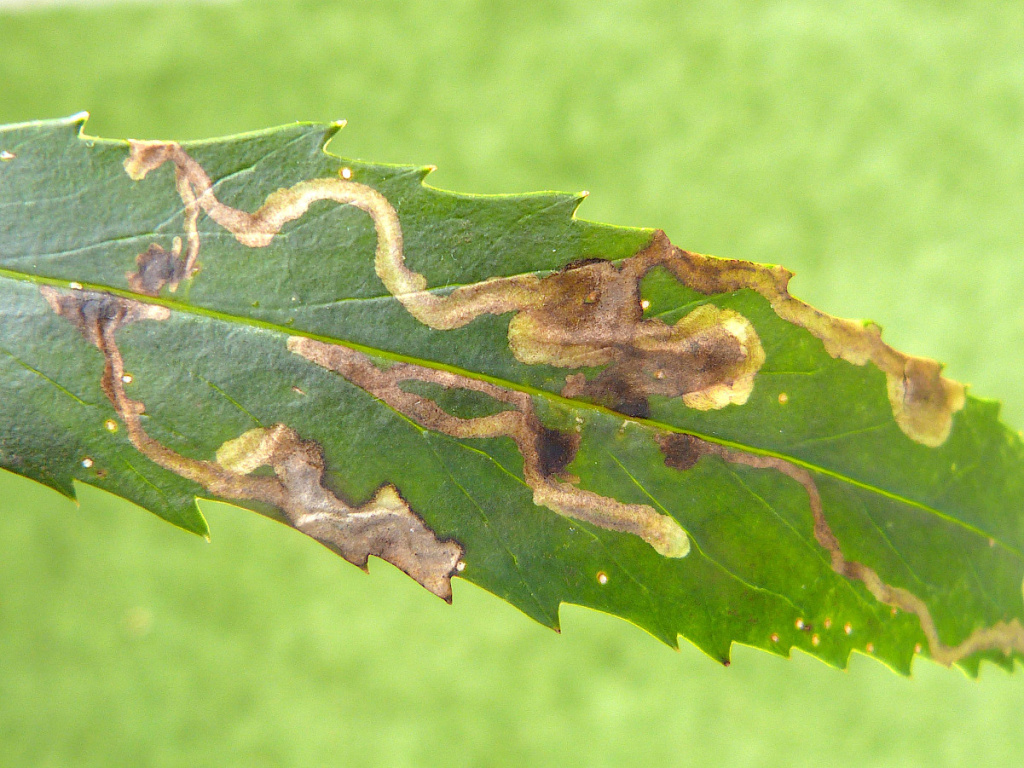
Phytomyza hellebori
The larva of the Agromyzid fly Phytomyza hellebori mines the leaves of Clematis and Helleborus species, and particularly those of Stinking Hellebore. The leafmines can be either linear, or blotch-like. Pupation may occur internally or externally.