Rhamphus pulicarius
Rhamphus pulicarius
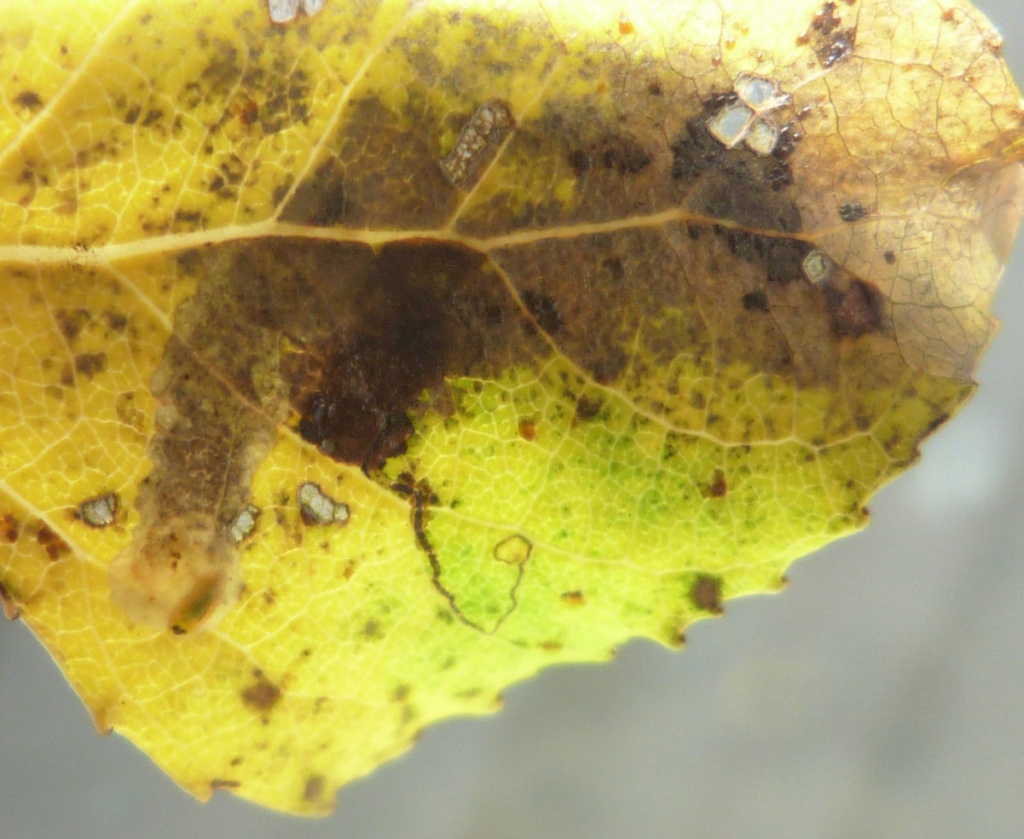
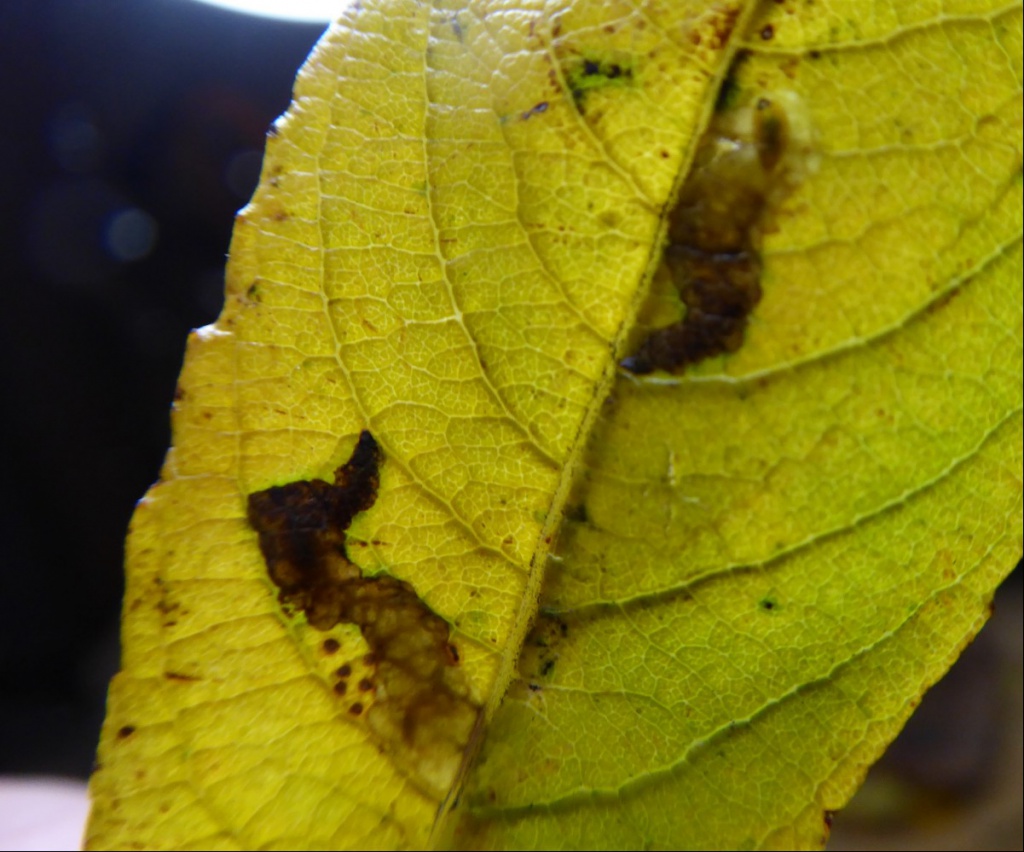
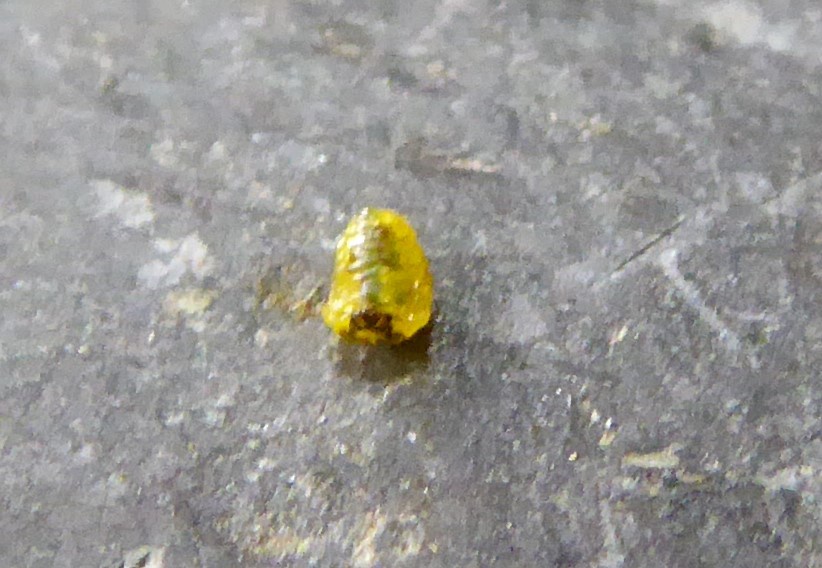
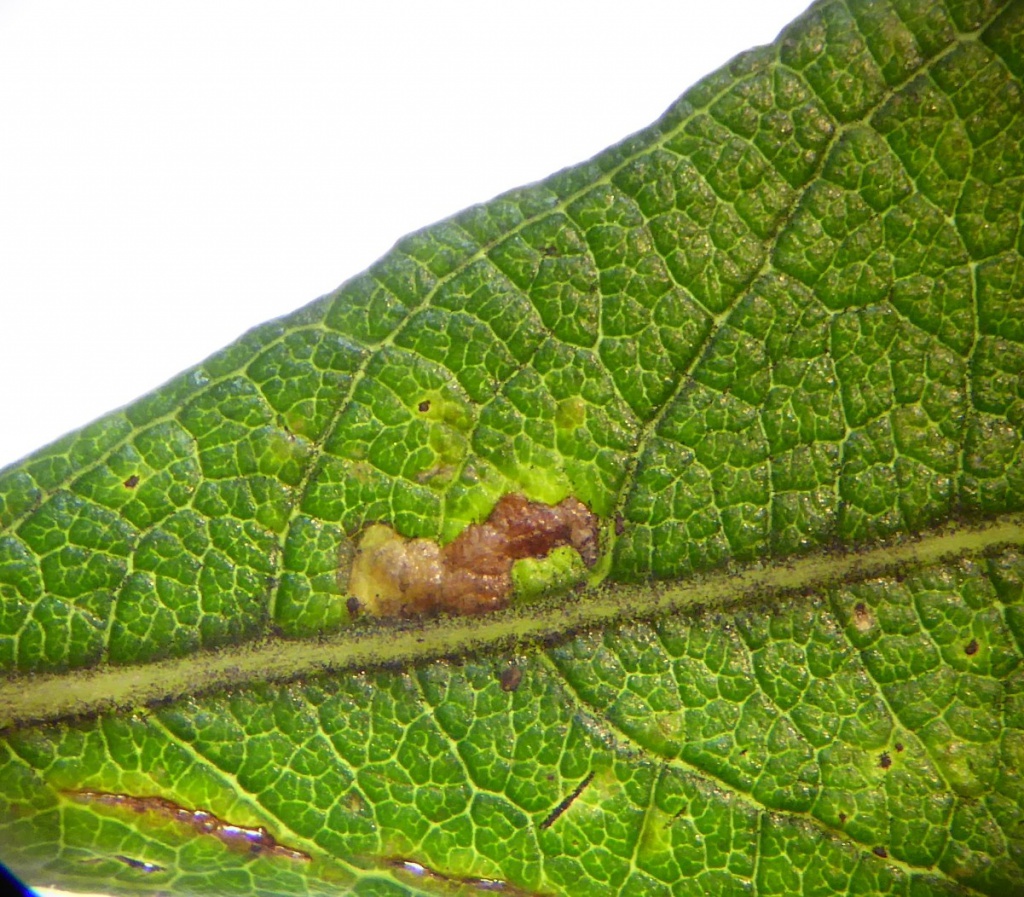
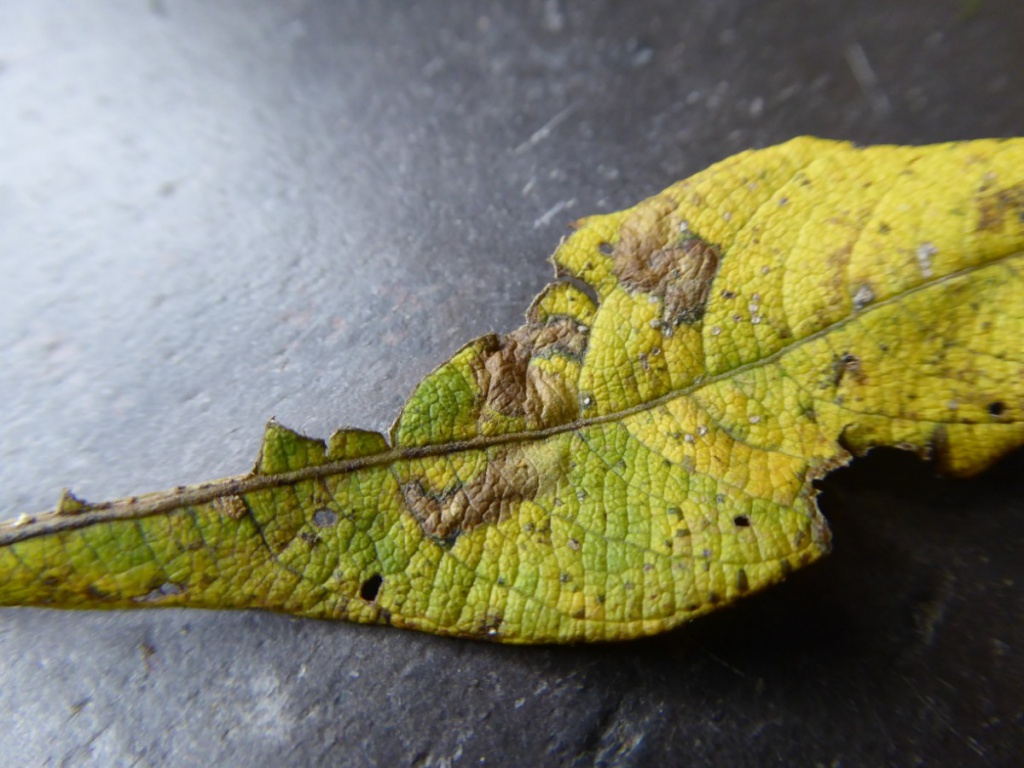
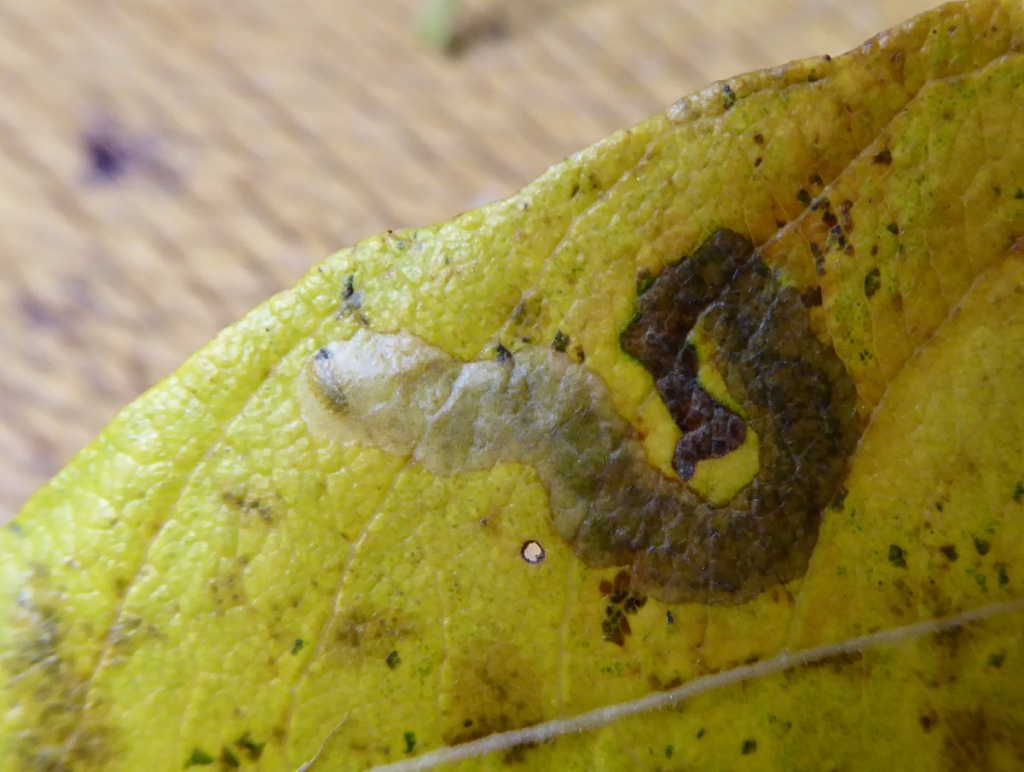
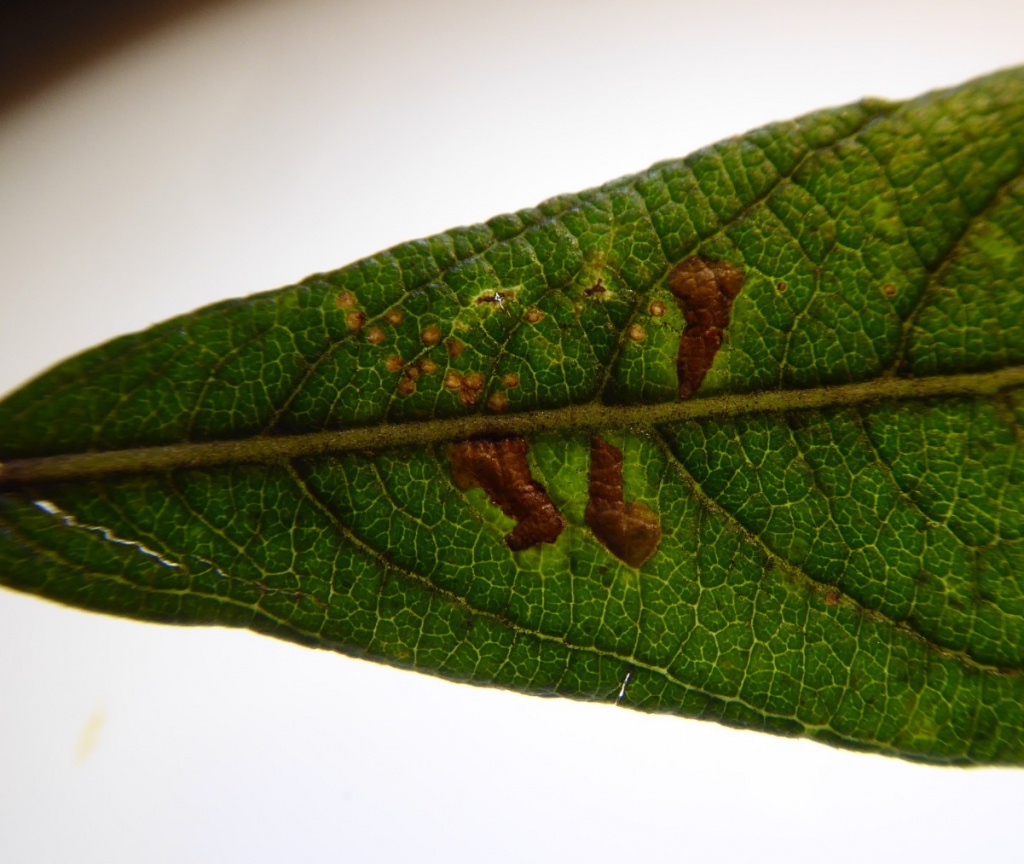
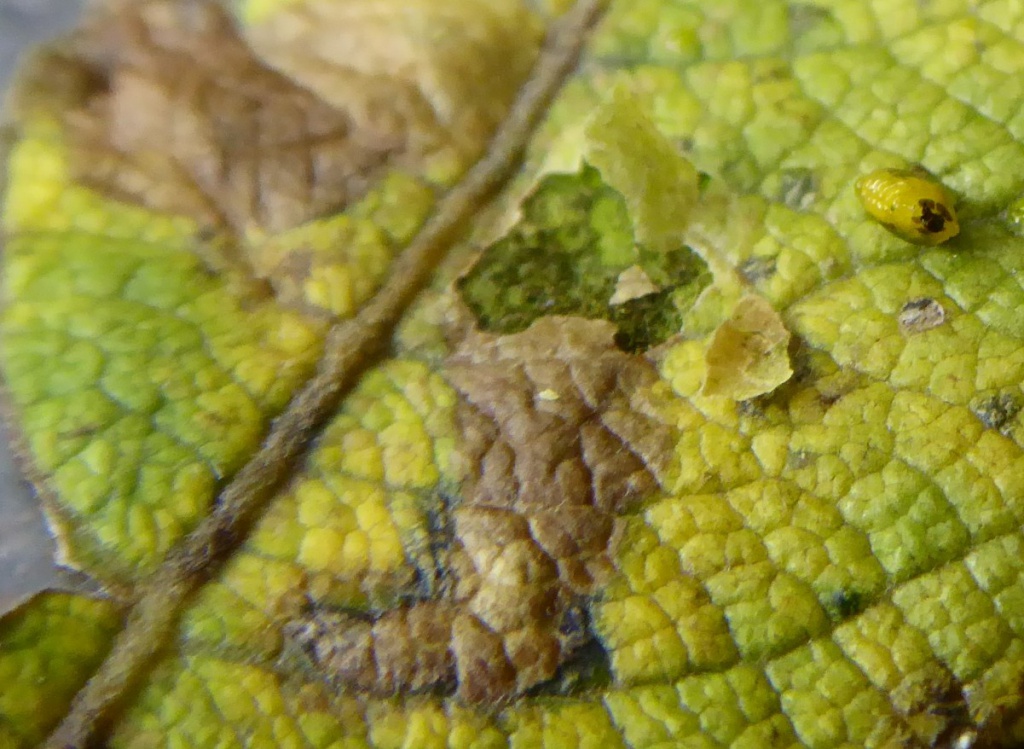
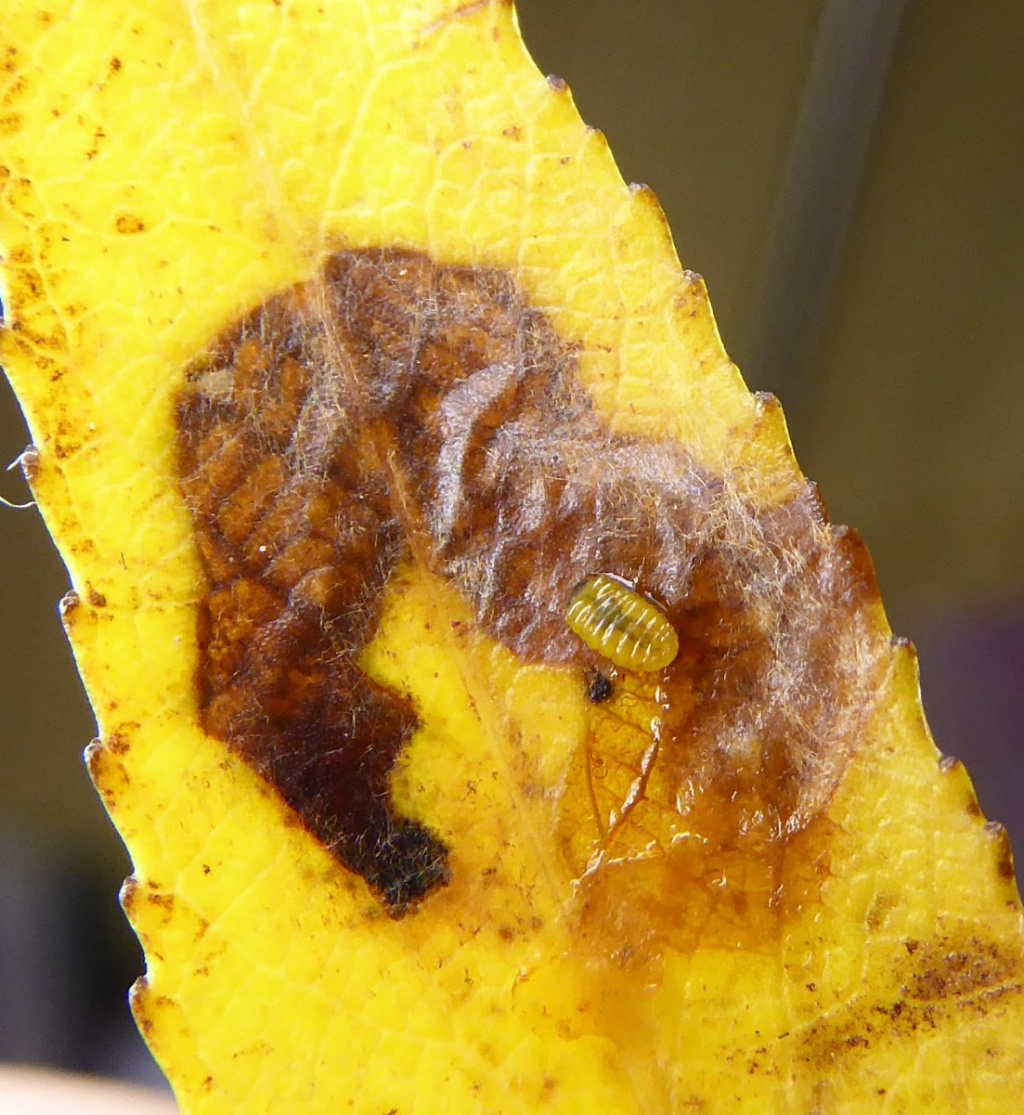
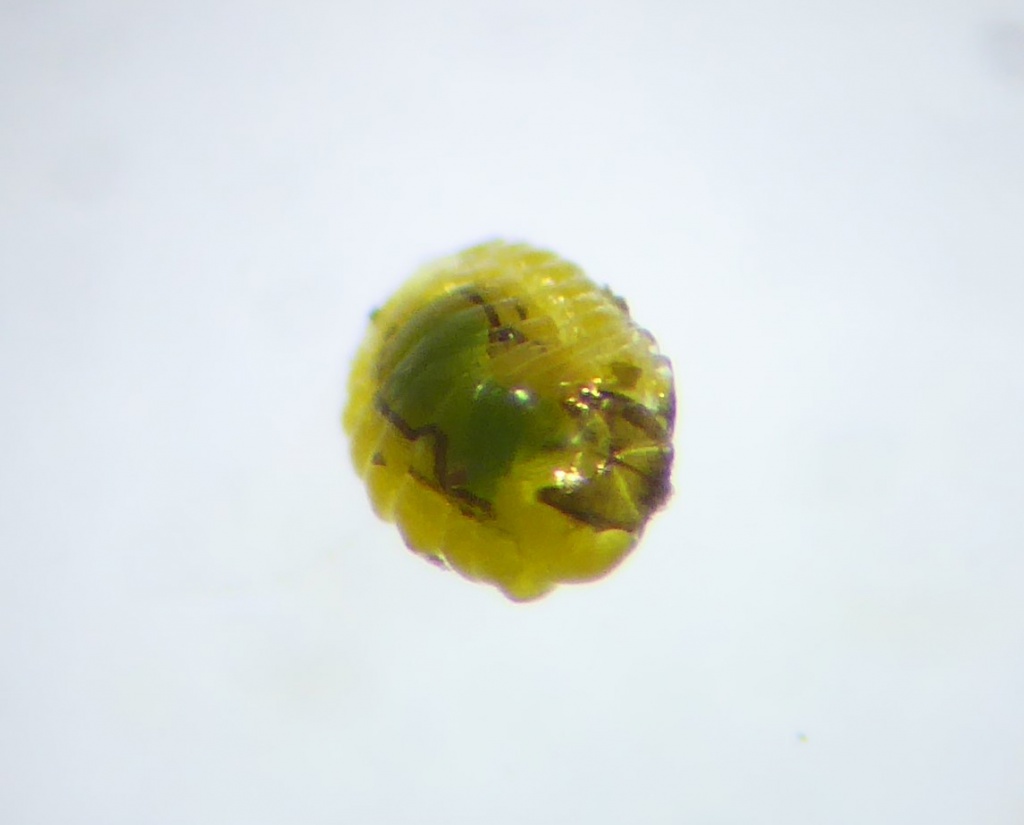
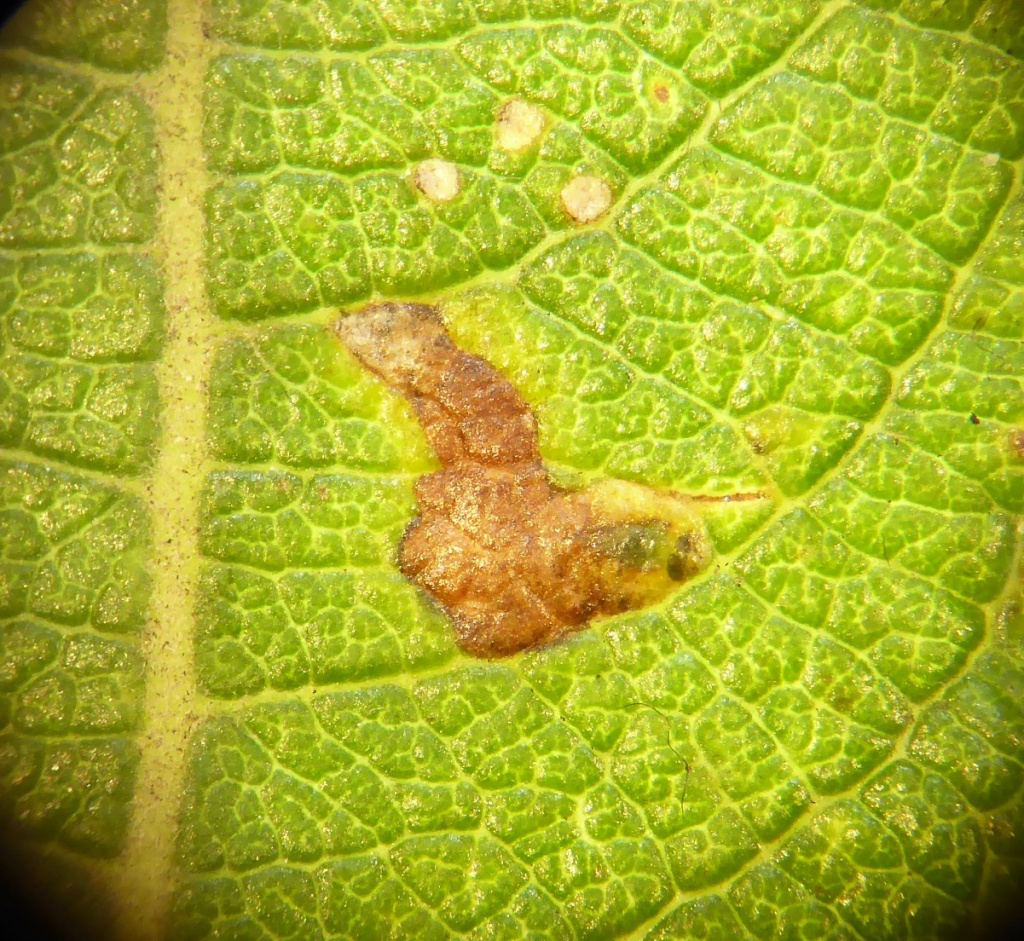
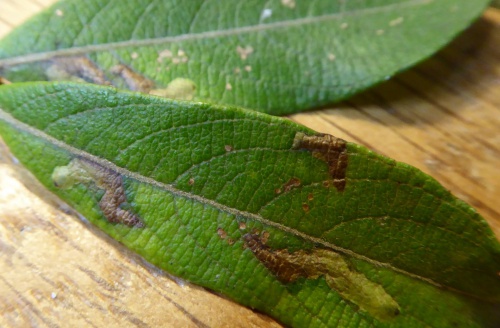
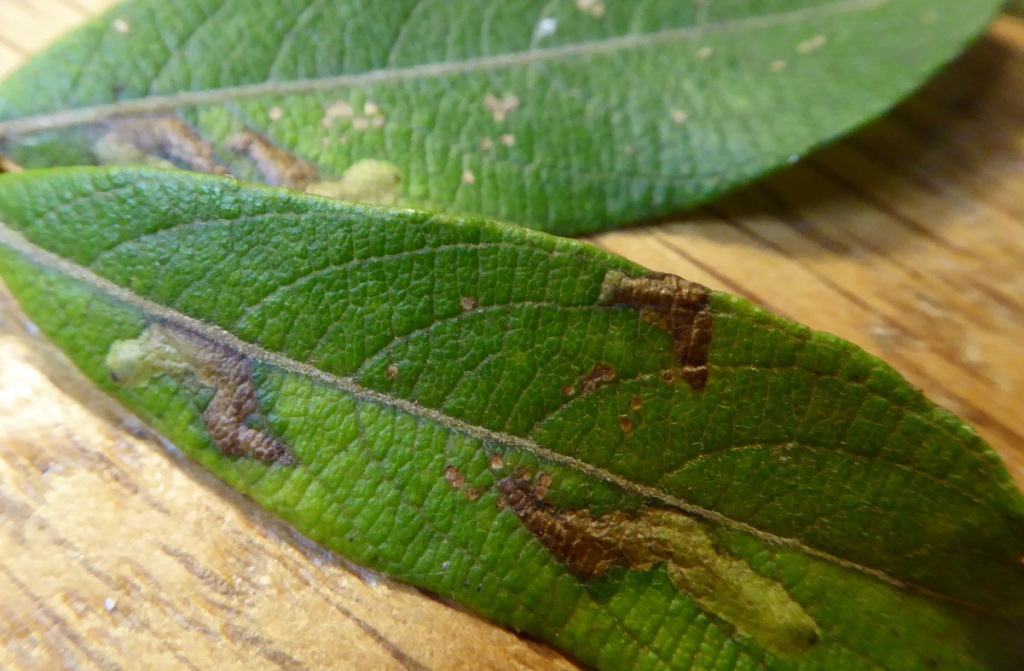
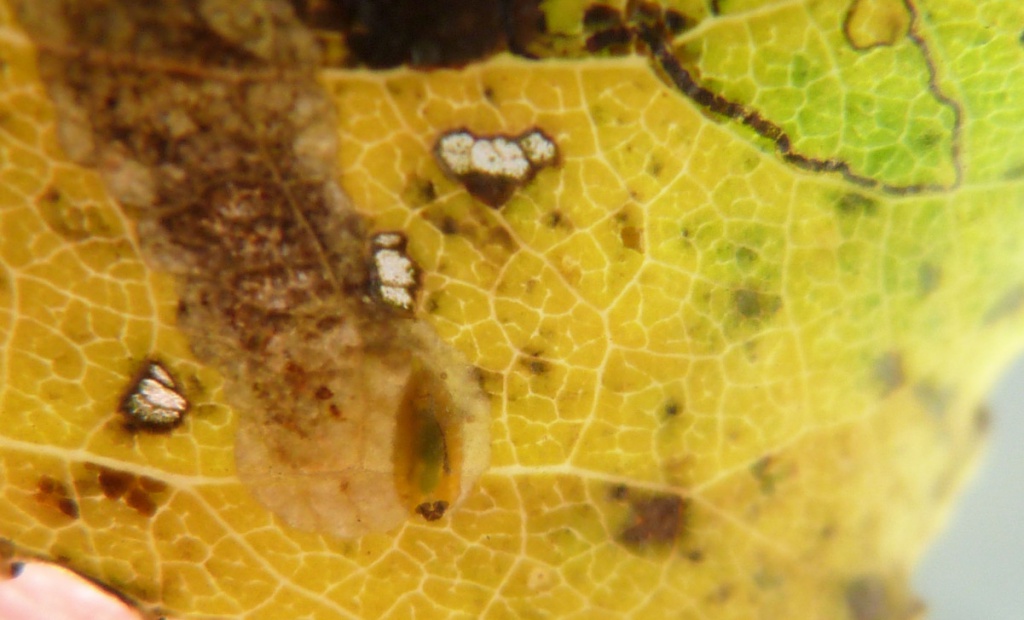
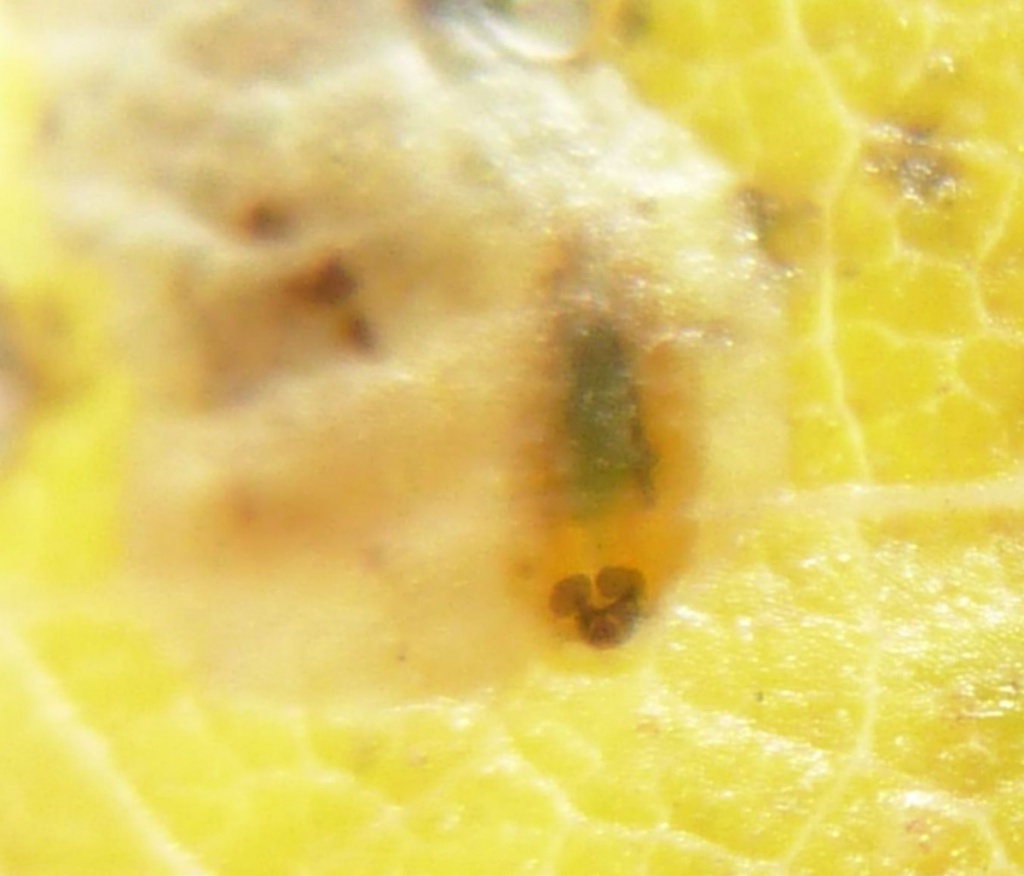
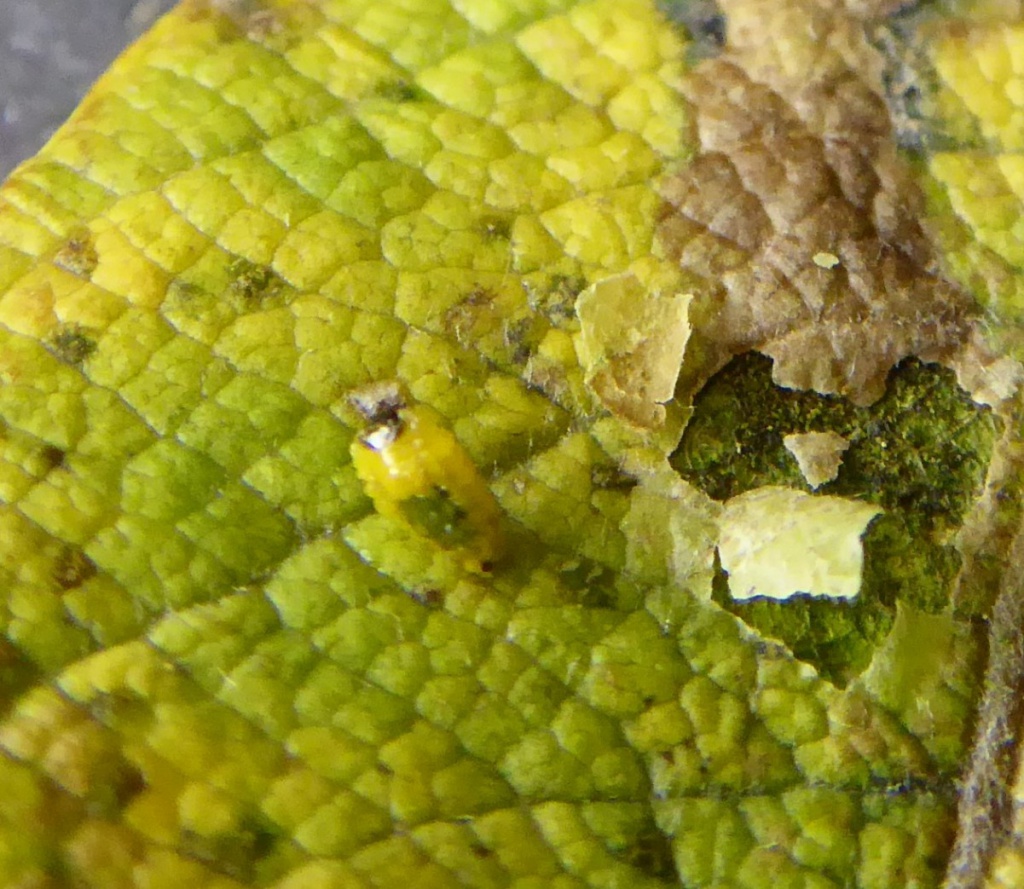
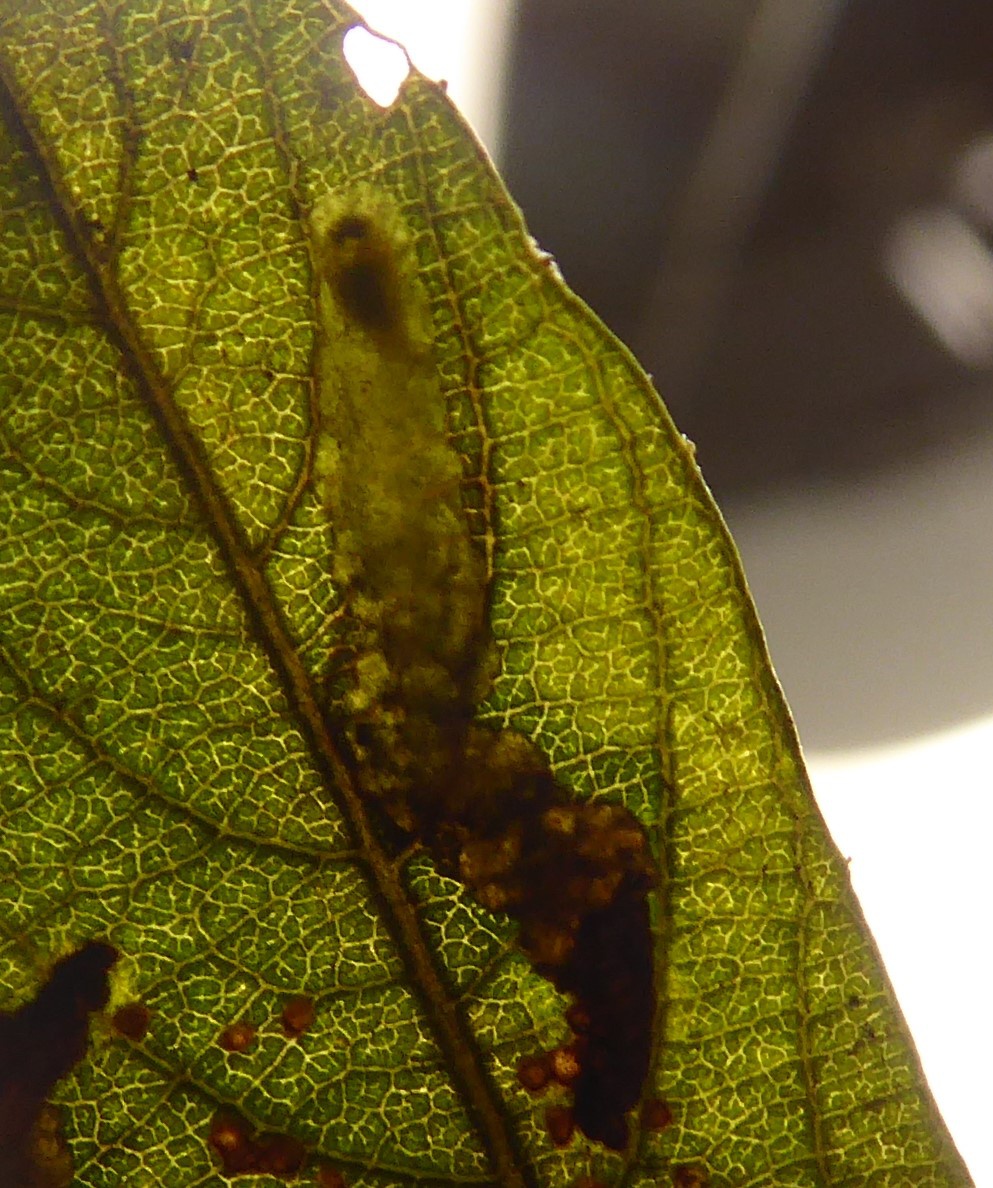
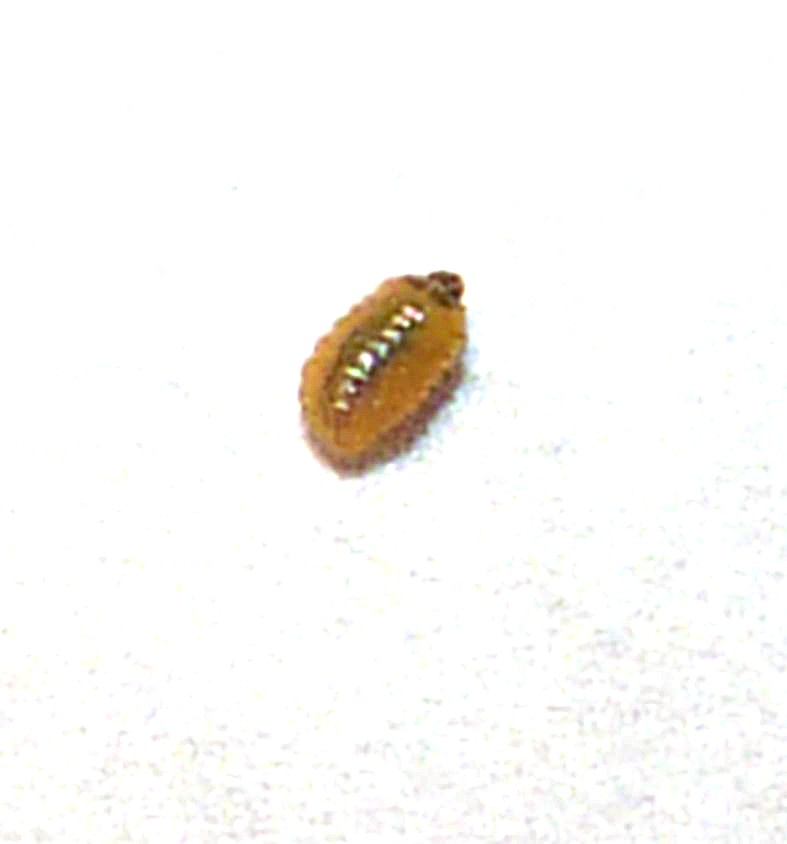
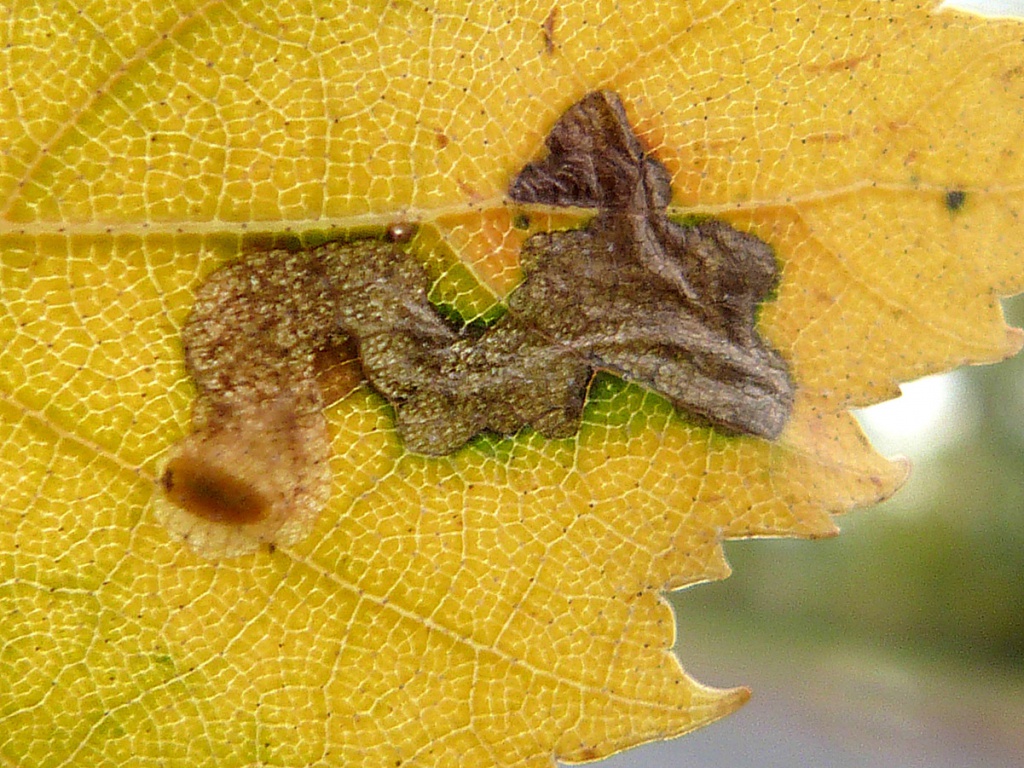
A small black weevil 1.4 to 2 mm, with heavily punctured elytra. Short broad mines are formed by the larva, most often on sallows. The larva is small, squat, and yellow or orange in colour, with a dark head, and mines sallow, poplar or ocasionally birch leaves, in a short, broad gallery becoming a blotch; often pear-shaped.
Several species of moths also mine leaves of sallows, birch and poplar
Adult  Mine
Mine 
Adult: Unless identified by a recognised expert, photographic evidence is required and the specimen should be examined with a microscope. In the comments box, state the key or ID method used. Note the beetle's size and describe the identifying characters. It is advisable to retain the specimen in case further checks are needed. Mine: provide a good backlit photograph that shows the larva inside the mine, and state the host plant.
Where the larval foodplants - Birch, Willow, and Poplar - occur.
The larval mines can be seen from August to October.
The larva feed on Birch, Willow, and Poplar producing a mine in the leaves.
Widespread, particularly in the southern half of Britain.
Only occasionally recorded in Leicestershire and Rutland.
 sue
sue
Bagworth CP, lakes
21 October 2018
Leaf mine on Grey Sallow Graham Calow
Stoney Stanton,
Highgate Lodge Farm open access land
30 October 2020
leafmine on Lombardy Poplar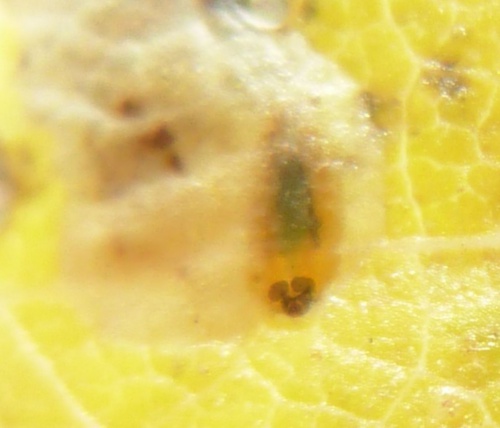 Graham Calow
Stoney Stanton,
Highgate Lodge Farm open access land
30 October 2020
larva in leafmine on Lombardy Poplar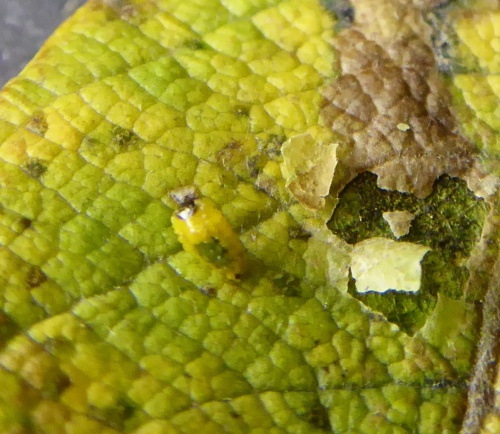 sue
sue
Ellistown, Battram Wood
12 November 2018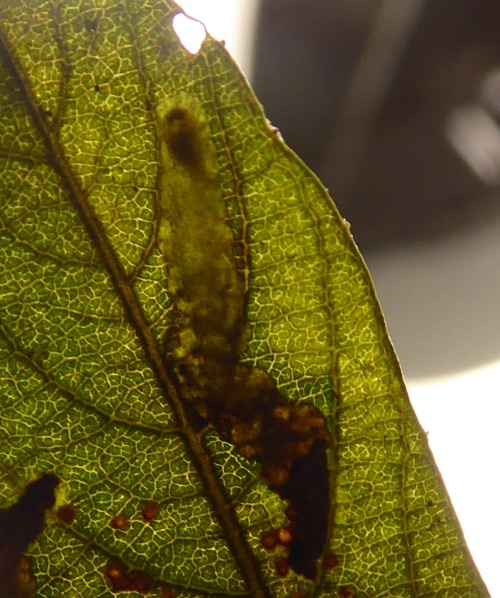 sue
sue
Bagworth CP, lakes
21 October 2018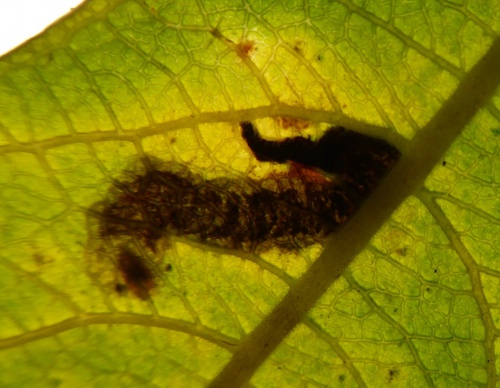 sue
sue
Bagworth CP, plantation south of carpark
17 November 2018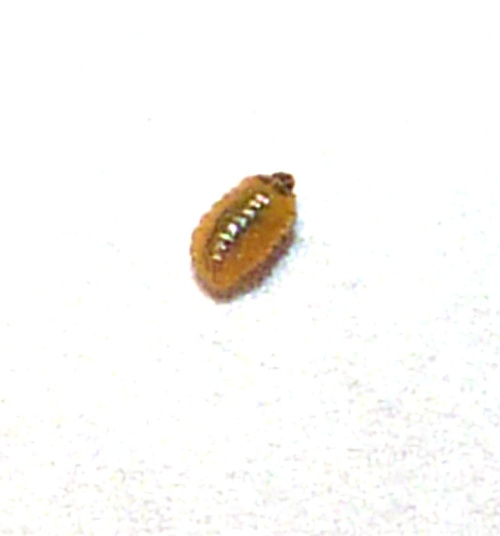 Graham Calow
Burbage, Tilton Road Park
24 October 2022
orange larva with green central band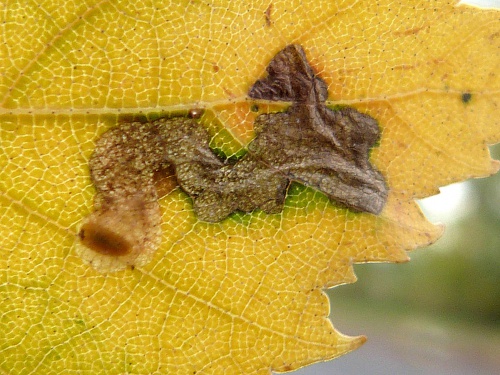 Graham Calow
Sapcote B4669
04 November 2020
tenanted leafmine on Birch

Leicestershire & Rutland Map
Enter a town or village to see local records
MAP KEY:
Yellow squares = NBN records (all known data)
Coloured squares = NatureSpot records: 2025+ | 2020-2024 | pre-2020
UK Map
Additional images