Polypody
Polypody - Polypodium vulgare
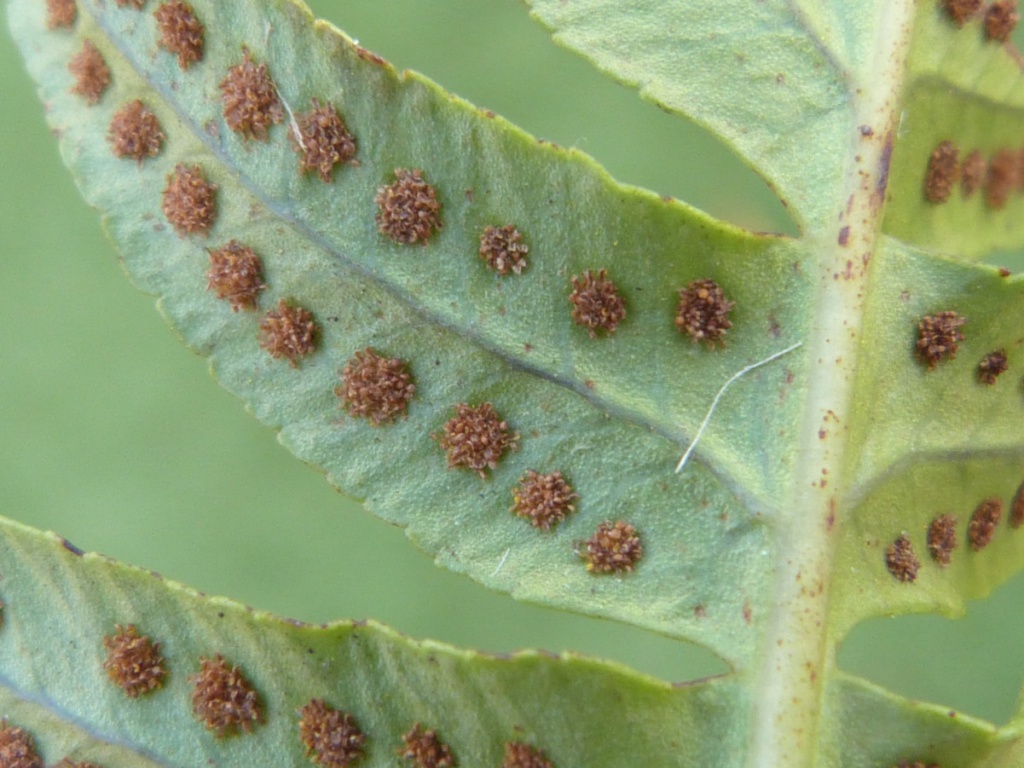
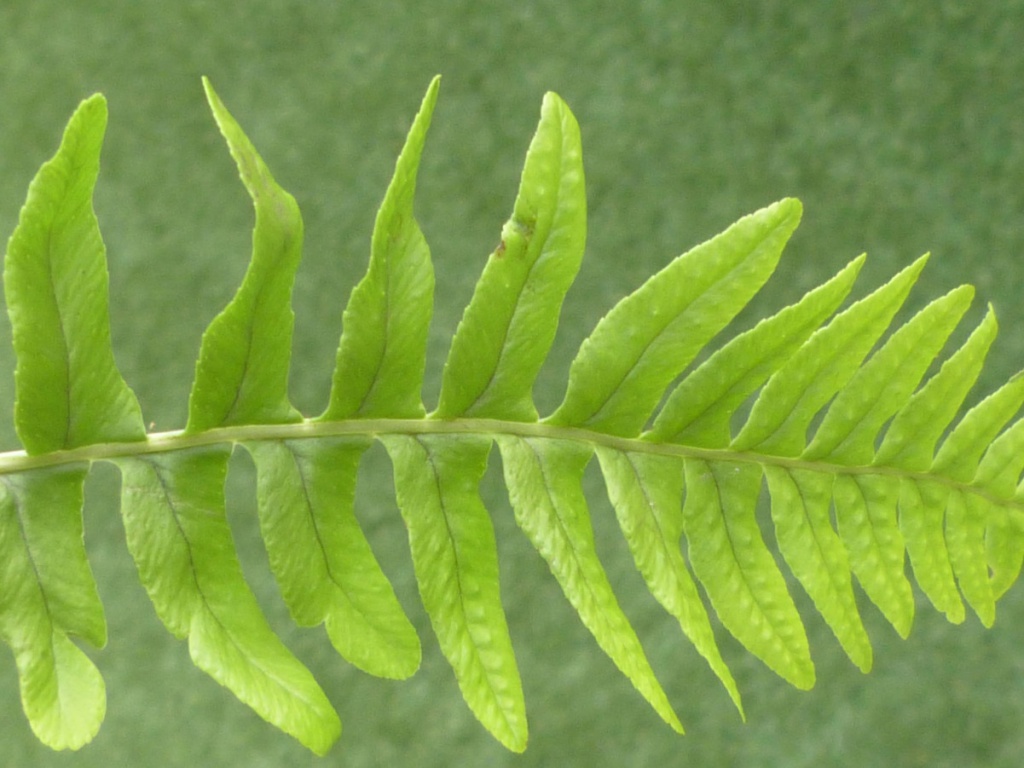
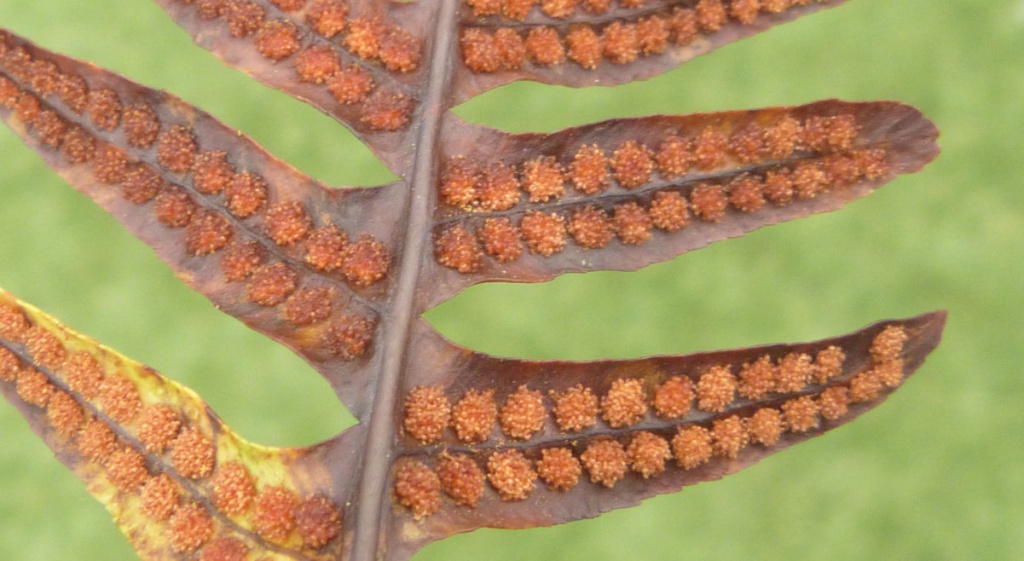
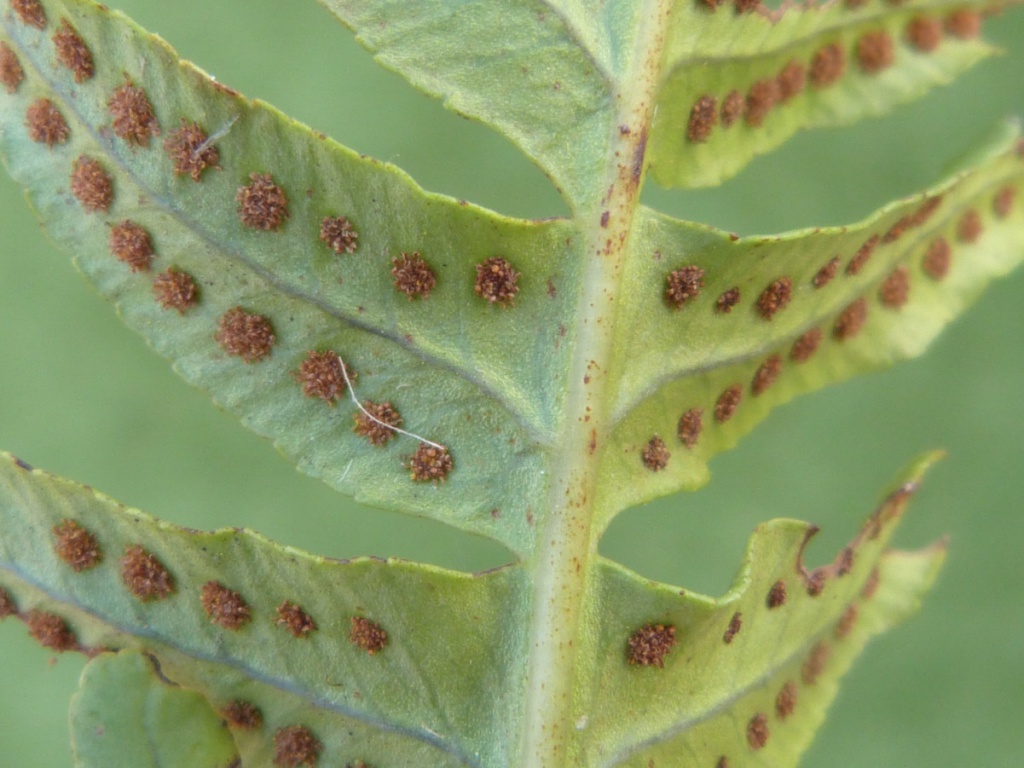
Various species of Polypody are very similar in appearance, and need to be separated by detailed examination of the sporing frond. Our VC55 experts have indicated that they are willing to check specimens from our area sent to them by NatureSpot users (contact NatureSpot for more details). Any Polypody records not subjected to detailed examination should be recorded on our Polypody aggregate page.

See under ‘Description’
Rocks and walls, even old trees.
Spores ripe from August onwards.
Evergreen perennial
Widespread in Britain, though only locally frequent.
Occasional in Leicestershire and Rutland but can be quite common where it occurs, such as on the stone faces of old quarries. In the 1979 Flora survey of Leicestershire it was found in 33 of the 617 tetrads.
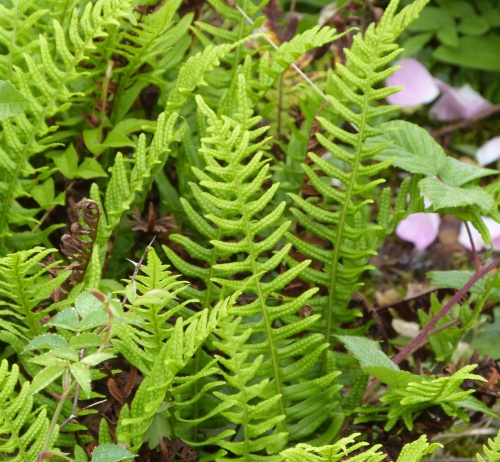 Graham Calow
Sapcote, Leicester Road Quarry
16 June 2019
specimen examined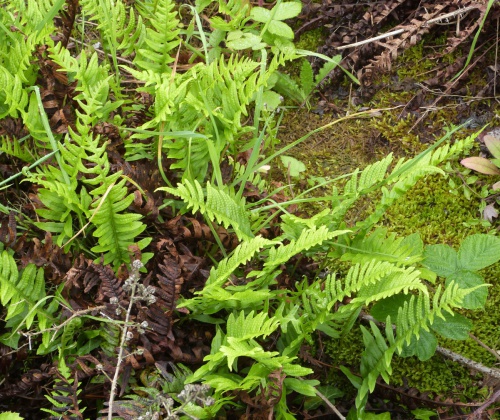 Graham Calow
Sapcote, Leicester Road Quarry
16 June 2019
specimen examined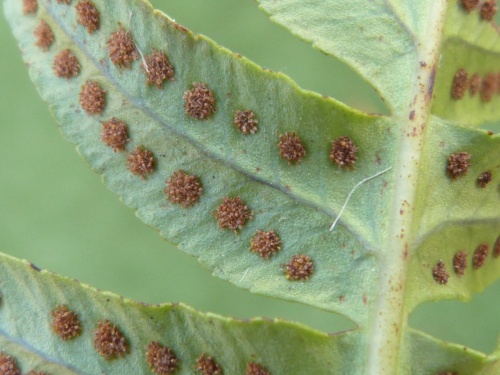 Graham Calow
Stoney Stanton, Sapcote Road verge
08 November 2019
specimen examined
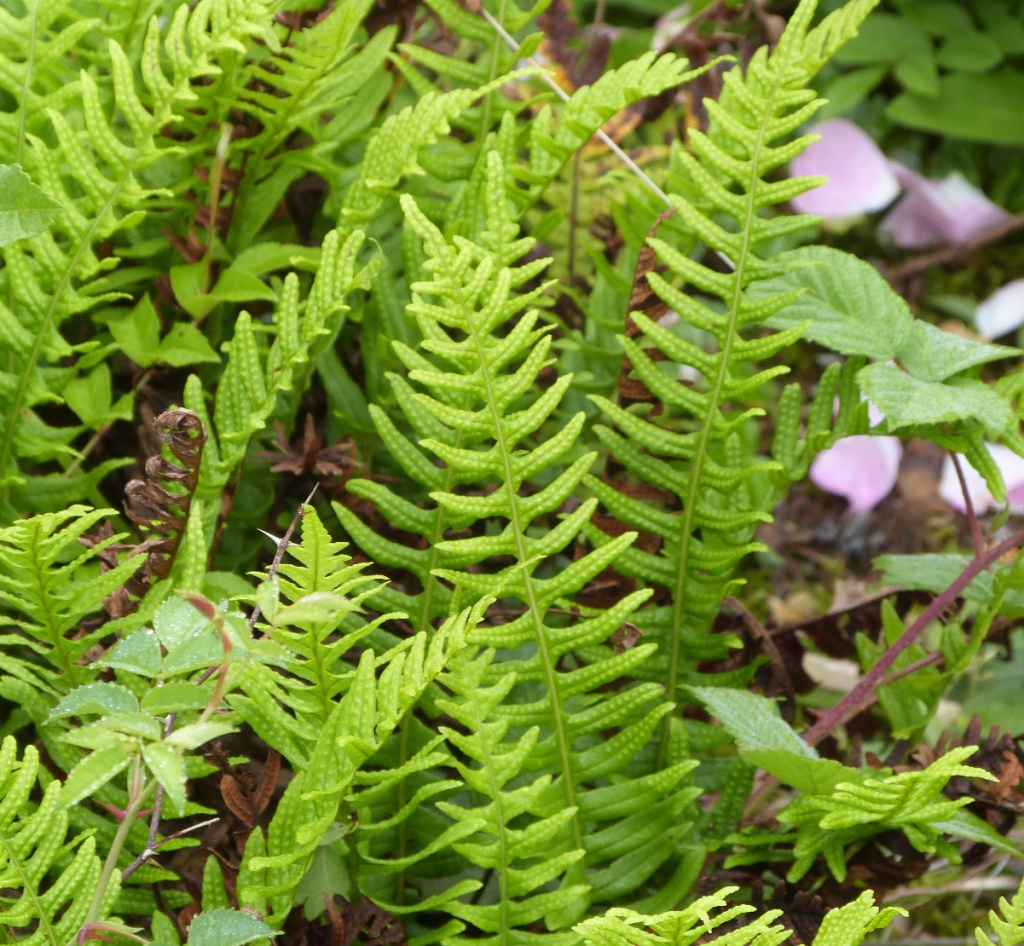
Leicestershire & Rutland Map
Enter a town or village to see local records
MAP KEY:
Yellow squares = NBN records (all known data)
Coloured squares = NatureSpot records: 2025+ | 2020-2024 | pre-2020
UK Map
Additional images
All NatureSpot records
Psychoides filicivora
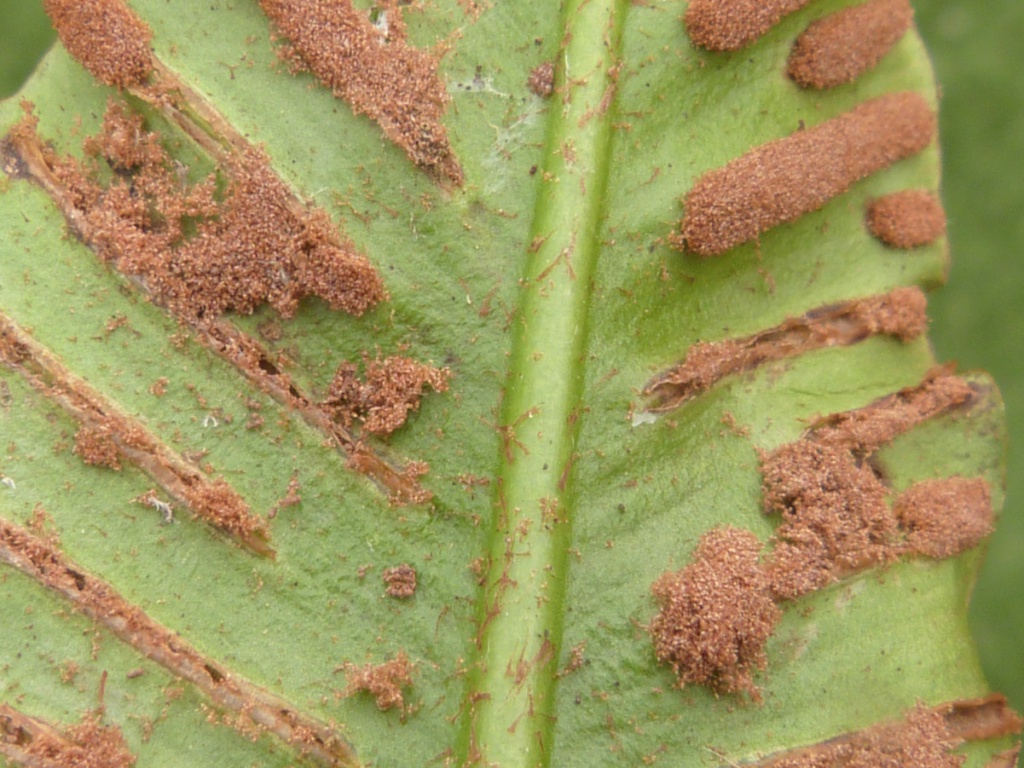
The larvae of the moth Psychoides filicivora mine the leaves of various ferns including Hart's-tongue Fern and Polypody, feeding on the underside and occasonally making a blotch mine in the leaf. An untidy mass of fern sporangia usually indicates the presence of the larva, which has a brown head and pronotum.
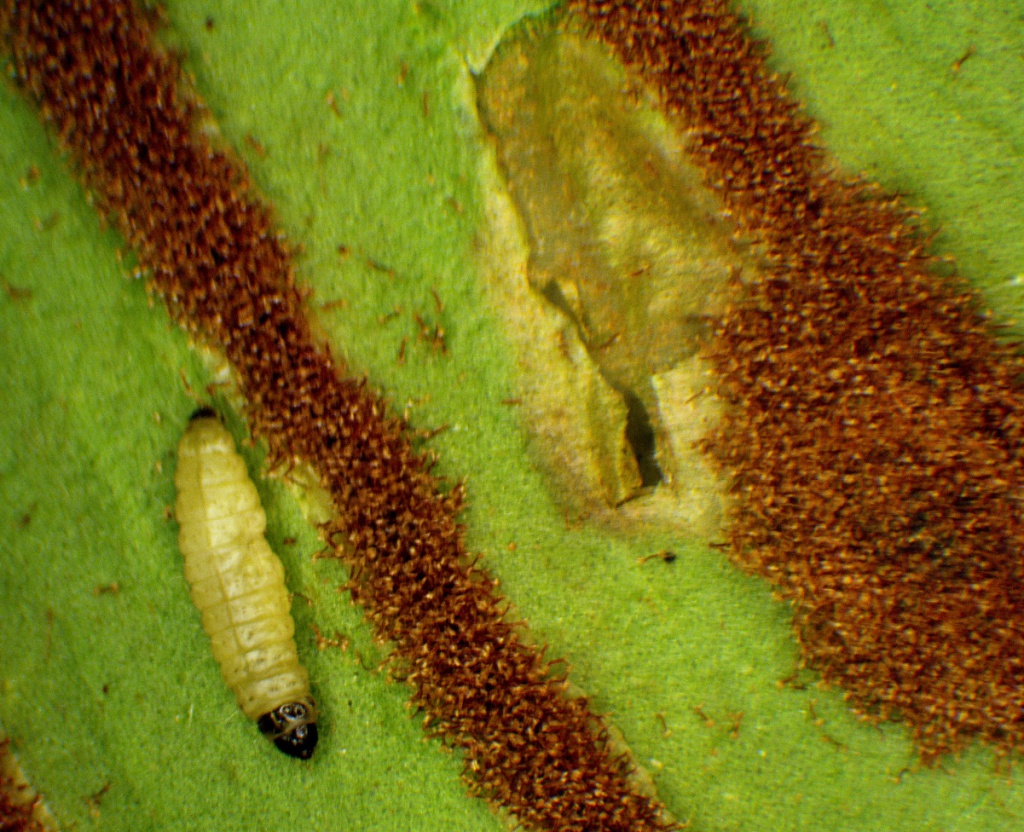
Psychoides verhuella
The larvae of the moth Psychoides verhuella mine the leaves of various ferns including Hart's-tongue Fern and Polypody, feeding on the underside and occasonally making a blotch mine in the leaf. An untidy mass of fern sporangia usually indicates the presence of the larva, which has a black head, pronotum and anal plate.
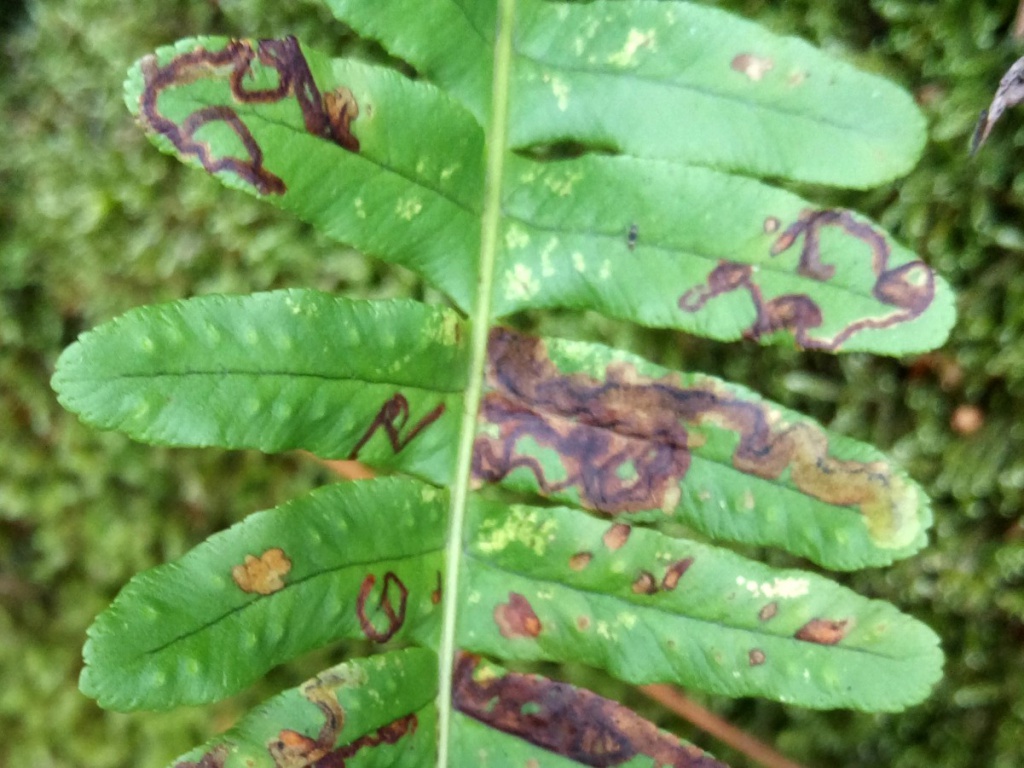
Chromatomyia scolopendri
The larvae of the fly Chromatomyia scolopendri mine the leaves of the ferns: Hart's-tongue, Wall-rue and Polypody. They form long, narrow mines (up to 10cms) which often follow a vein. The mines are normally greenish and upper surface. Pupation is usually in the mine.