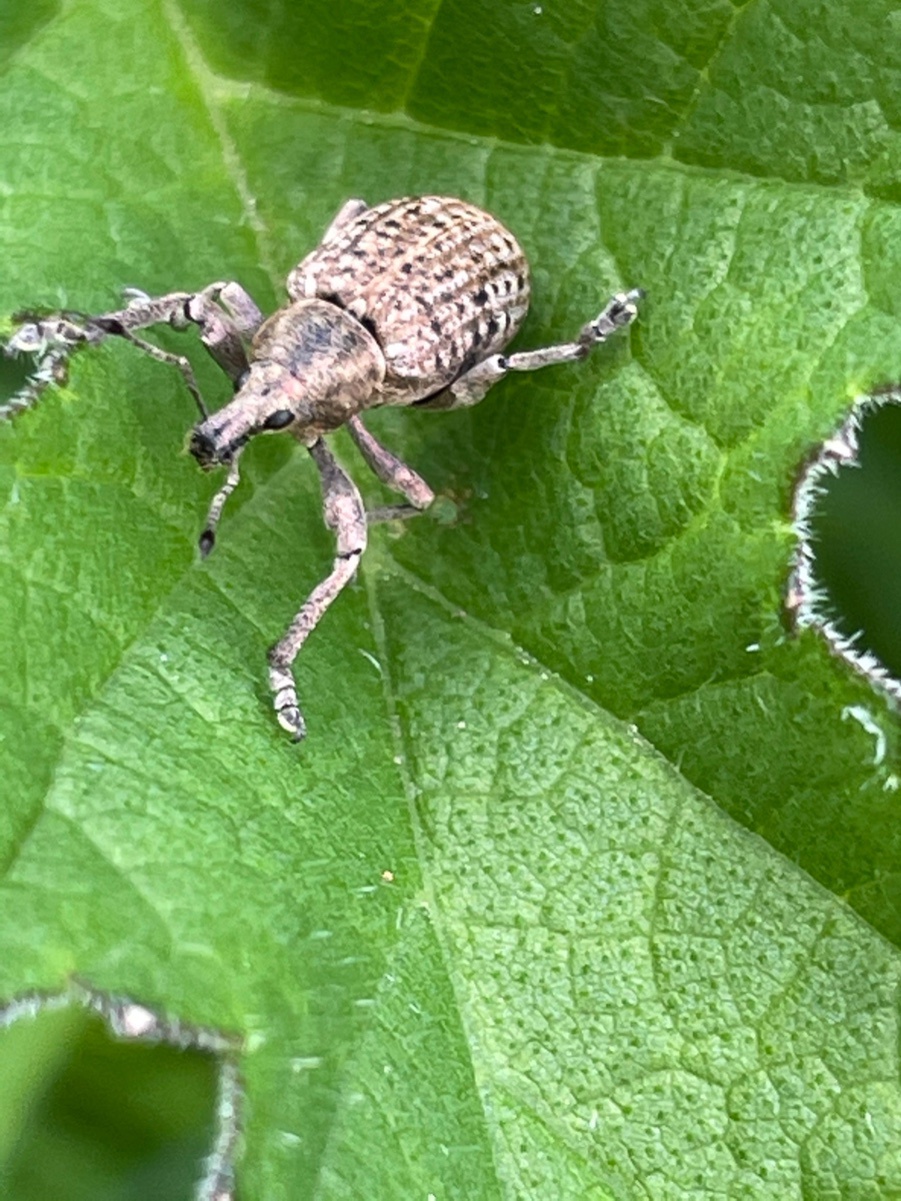
Polydrusus cervinus
Polydrusus cervinus
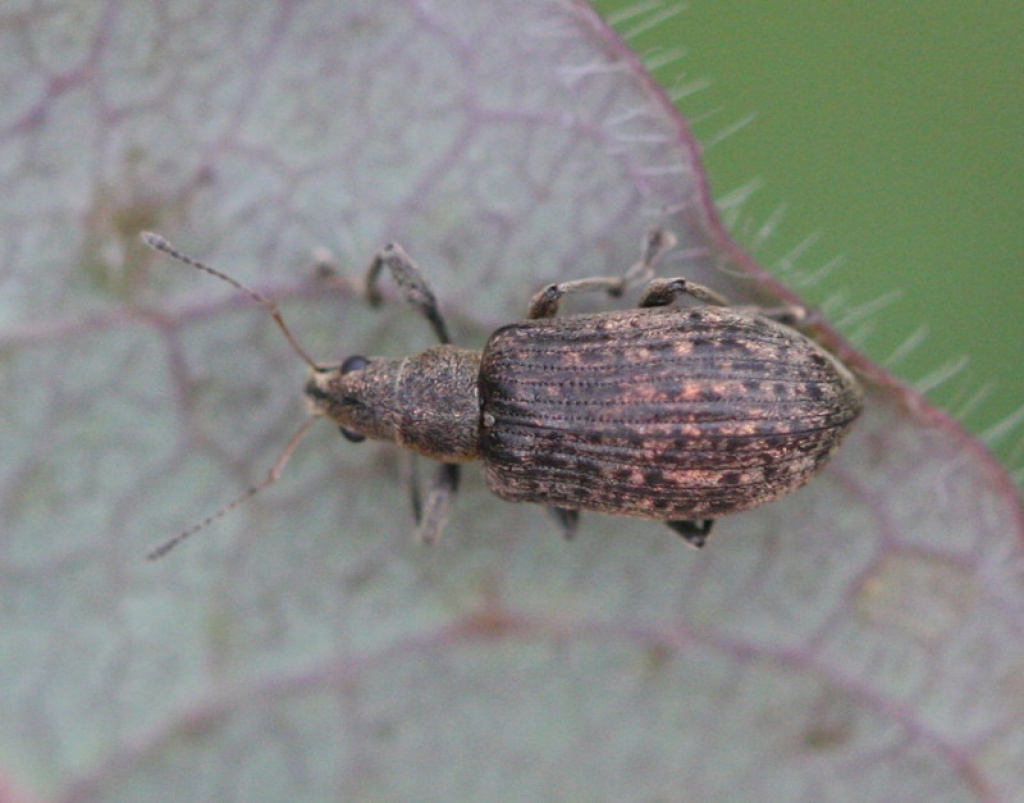
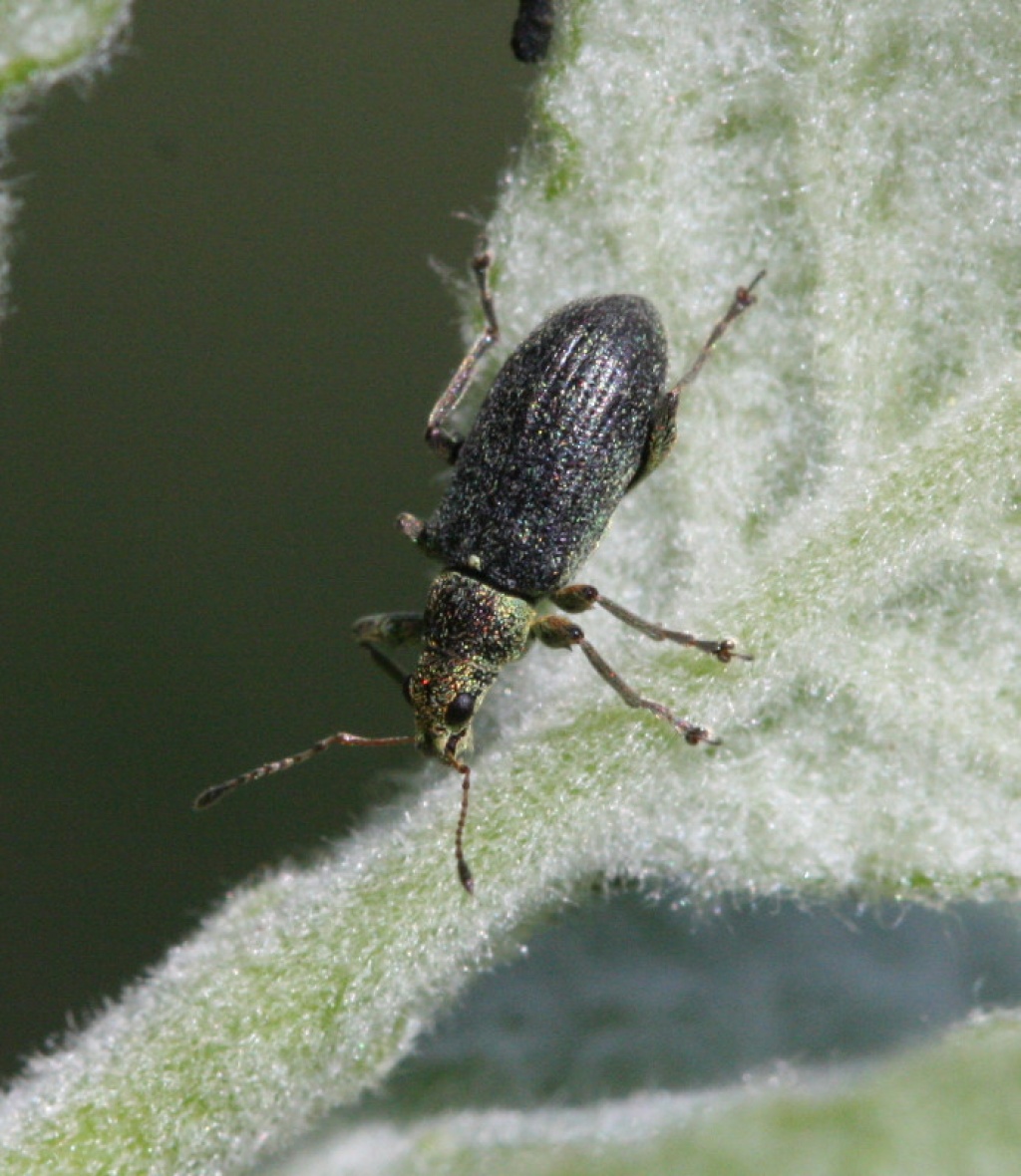
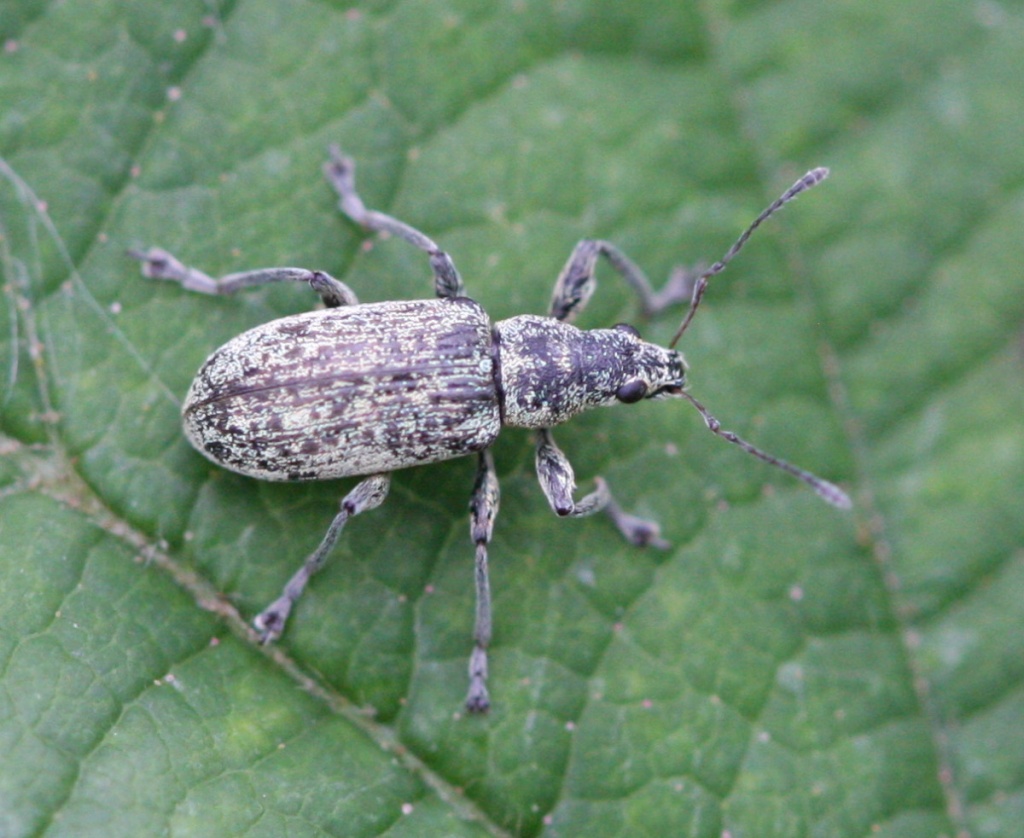
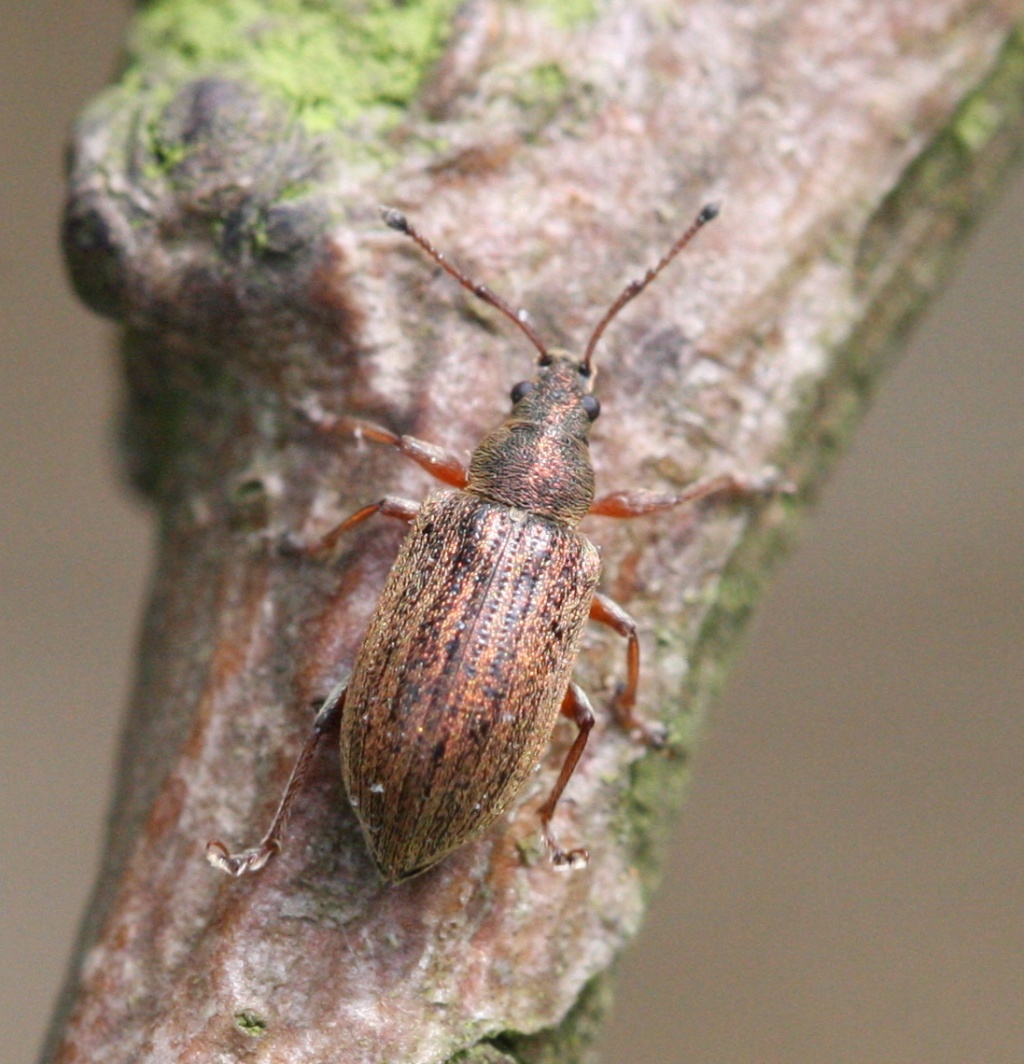
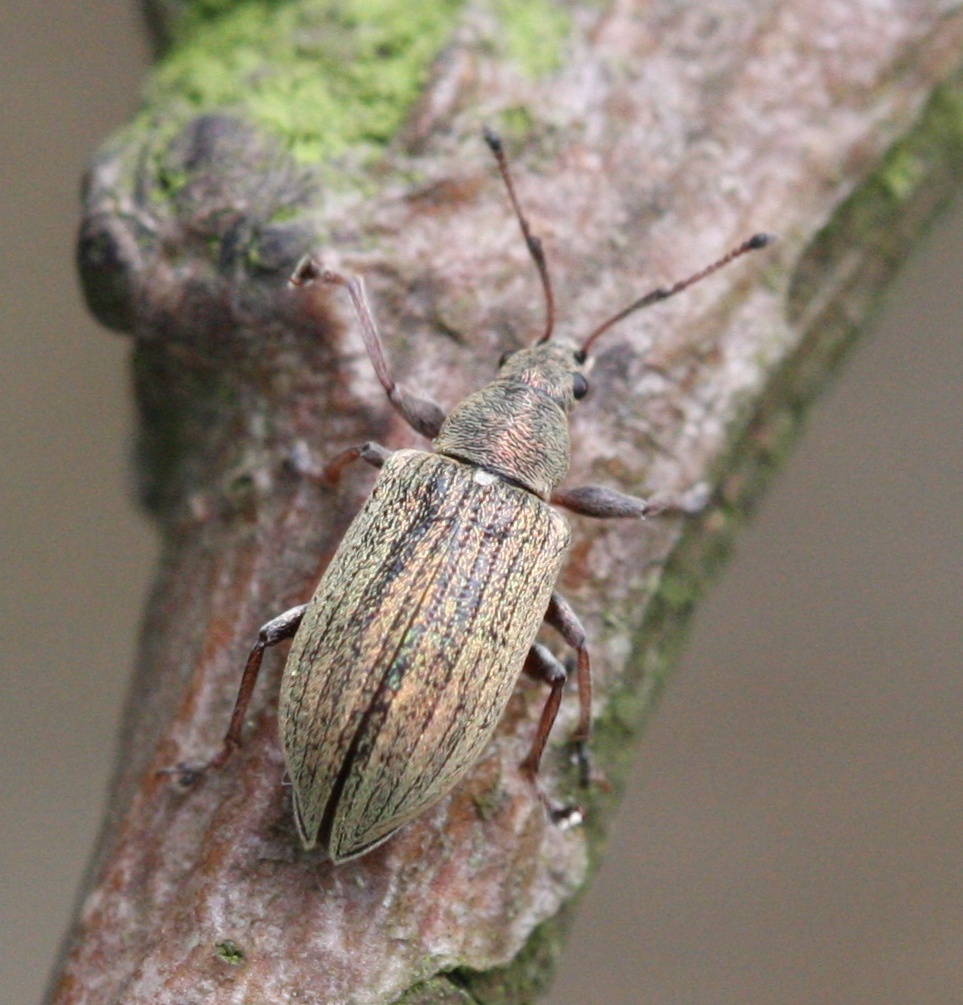
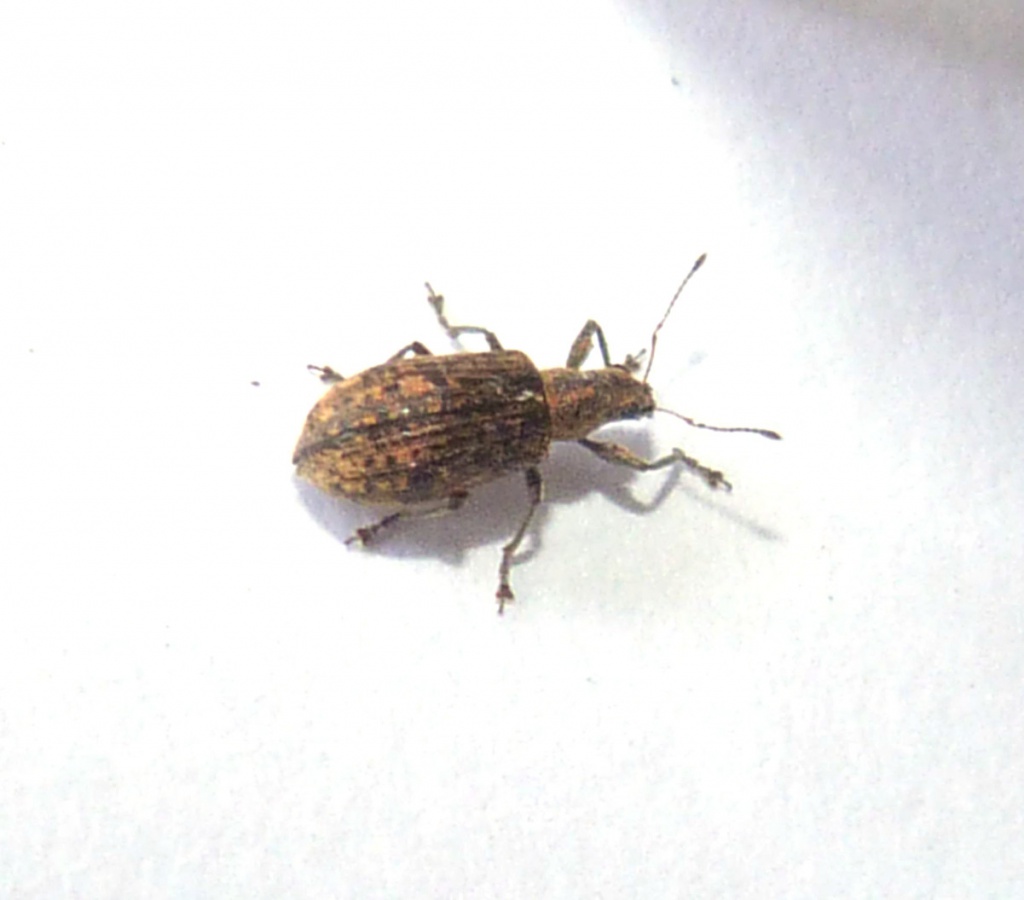
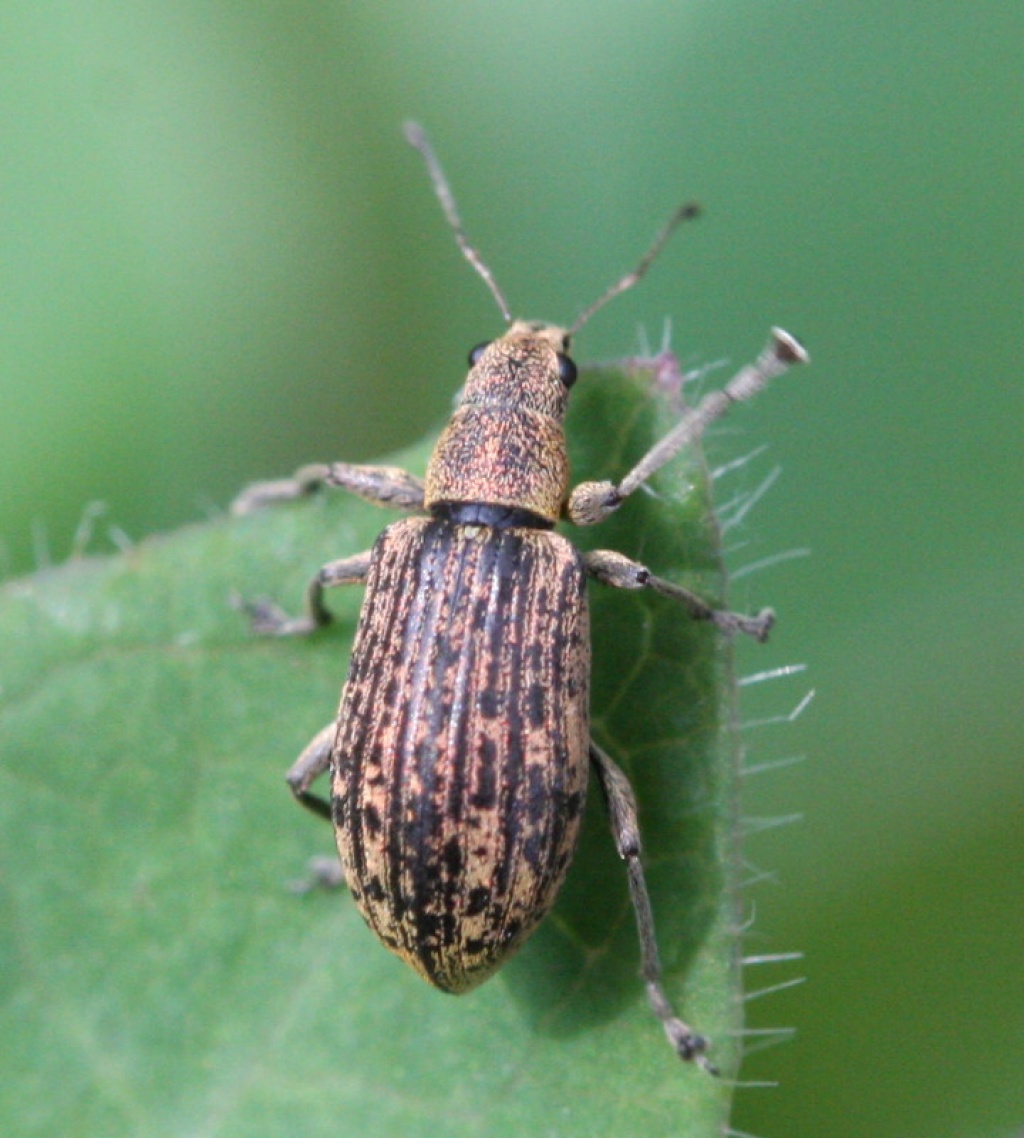
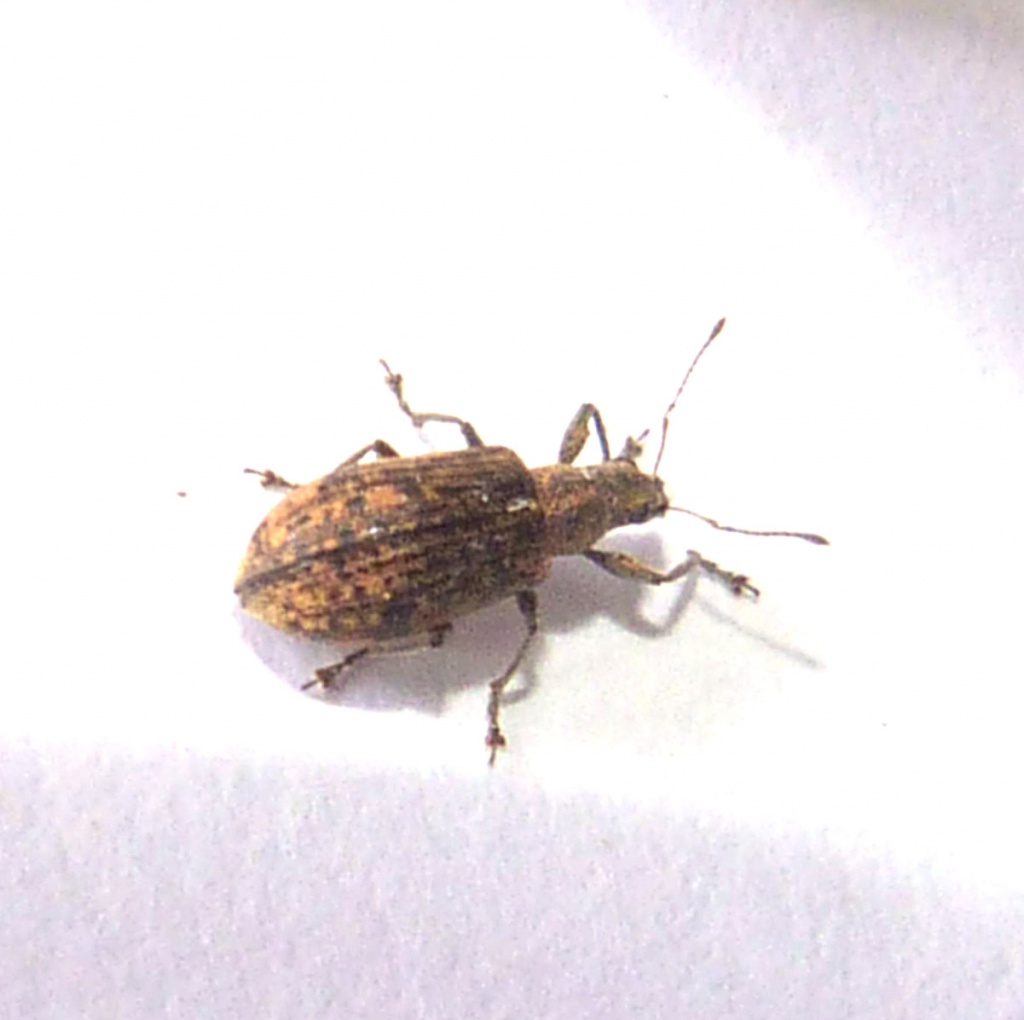
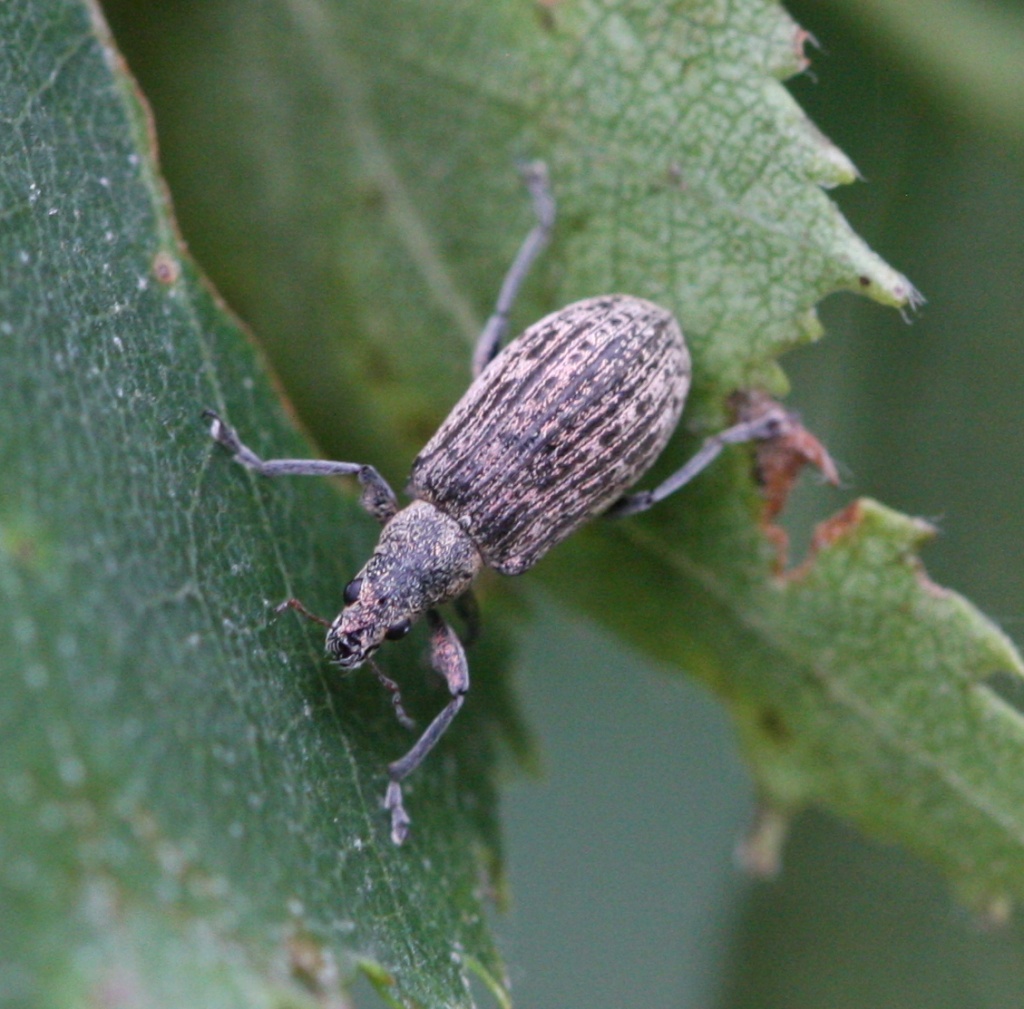
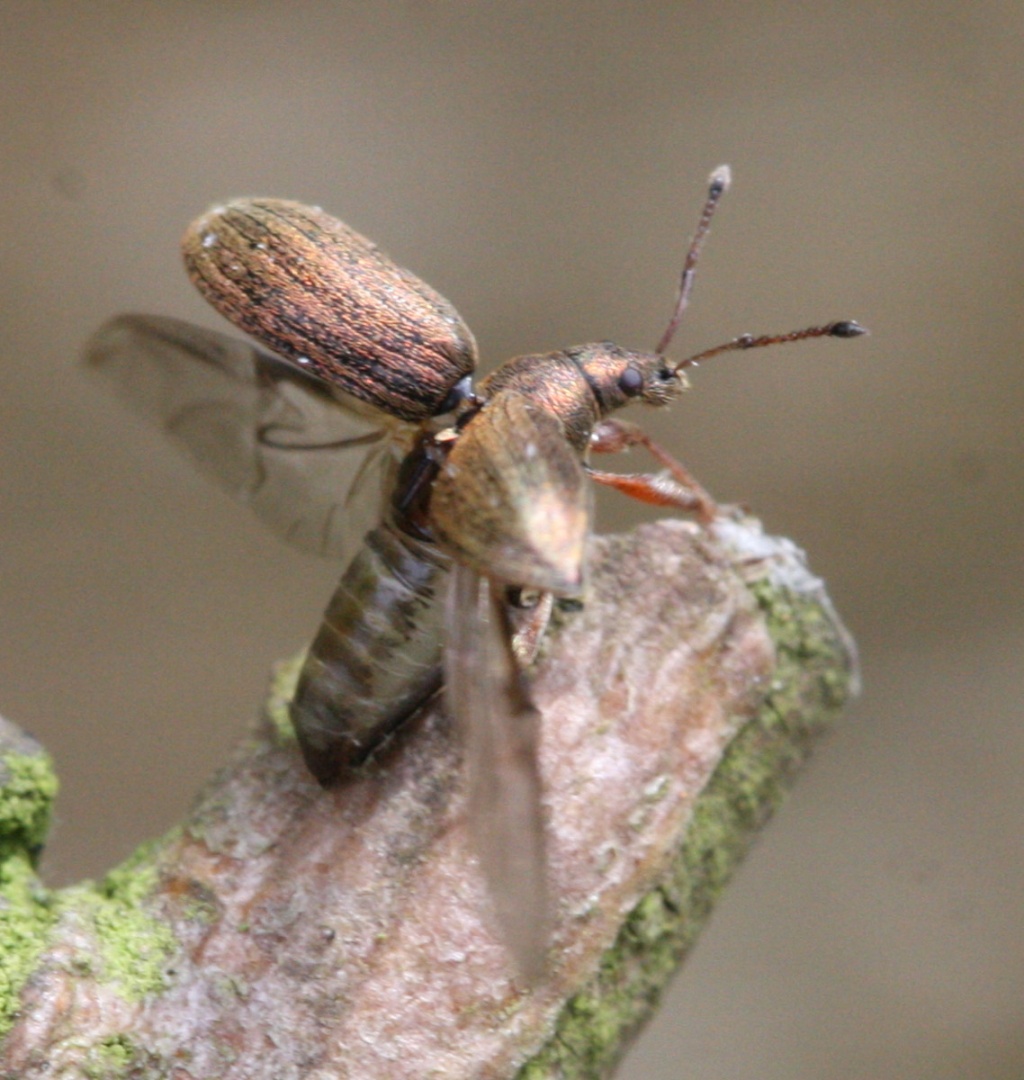
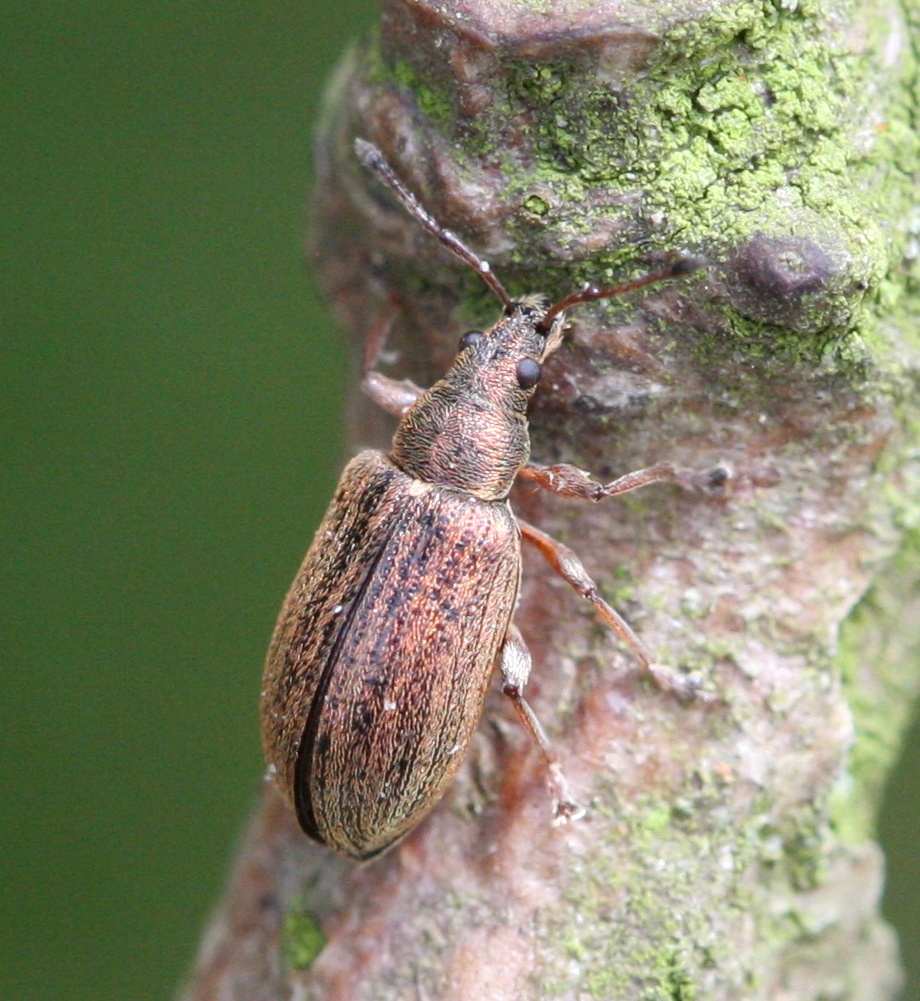
Polydrusus weevils are very similar to the Phyllobius group, but the main difference between the two is that the antennal insertions are on the side of the rostrum and not visible from above. Polydrusus cervinus is a rather pale golden green weevil when fresh but appears blacker as scales become detached.
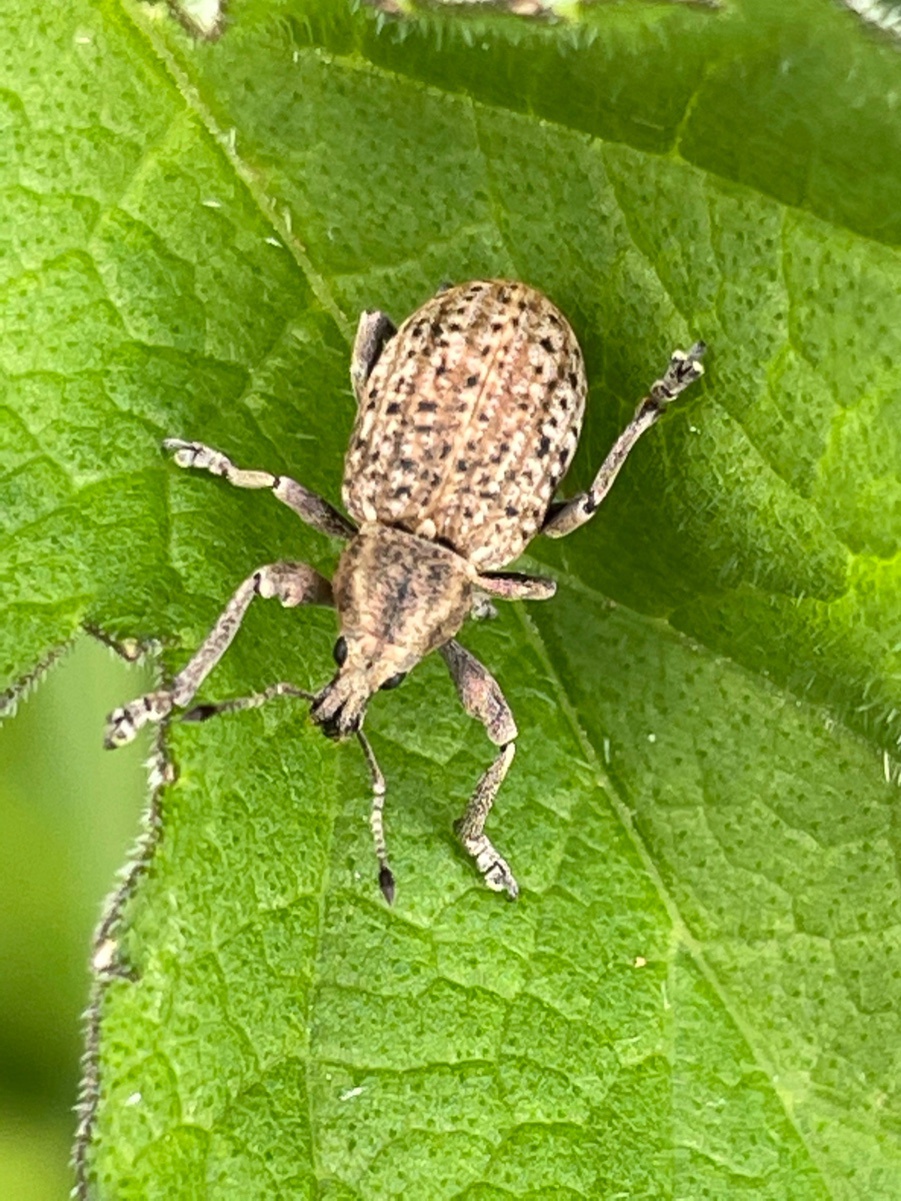
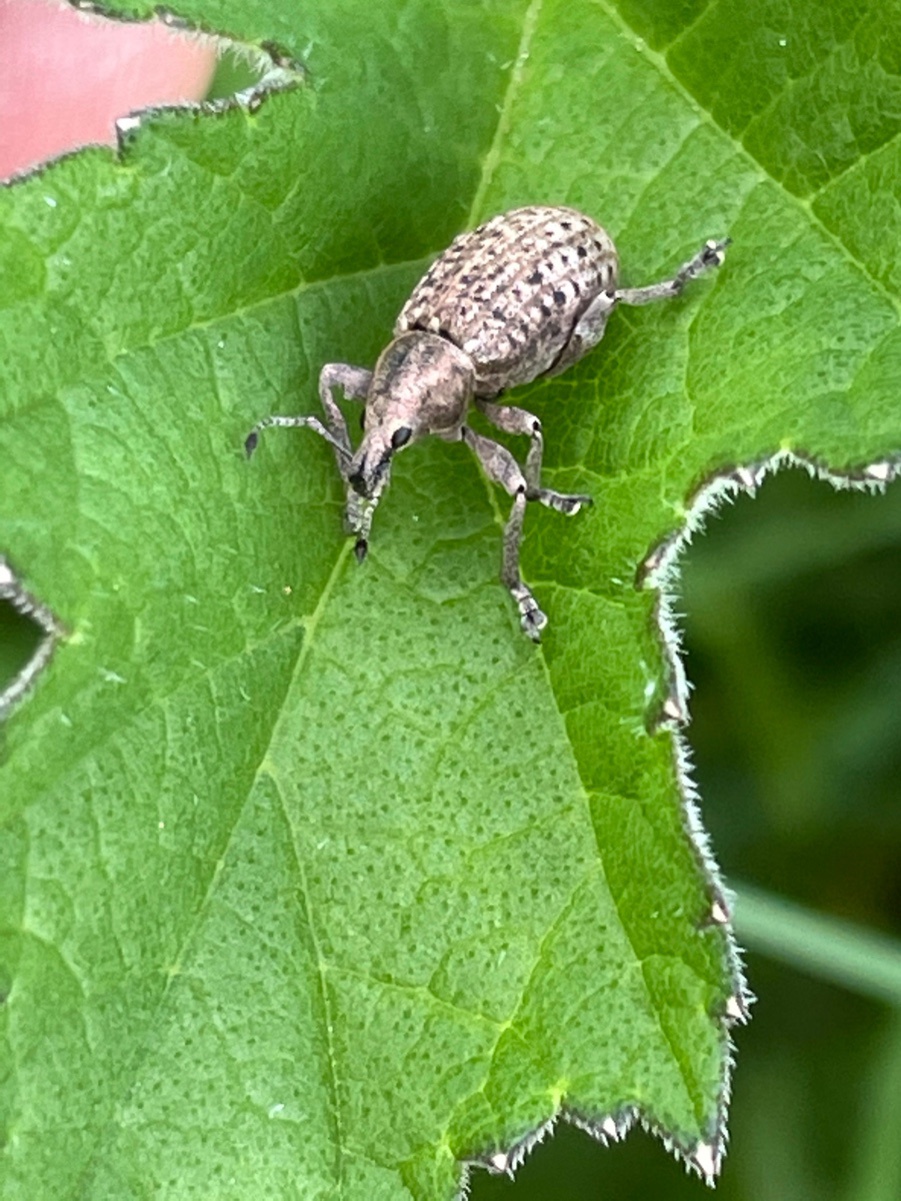
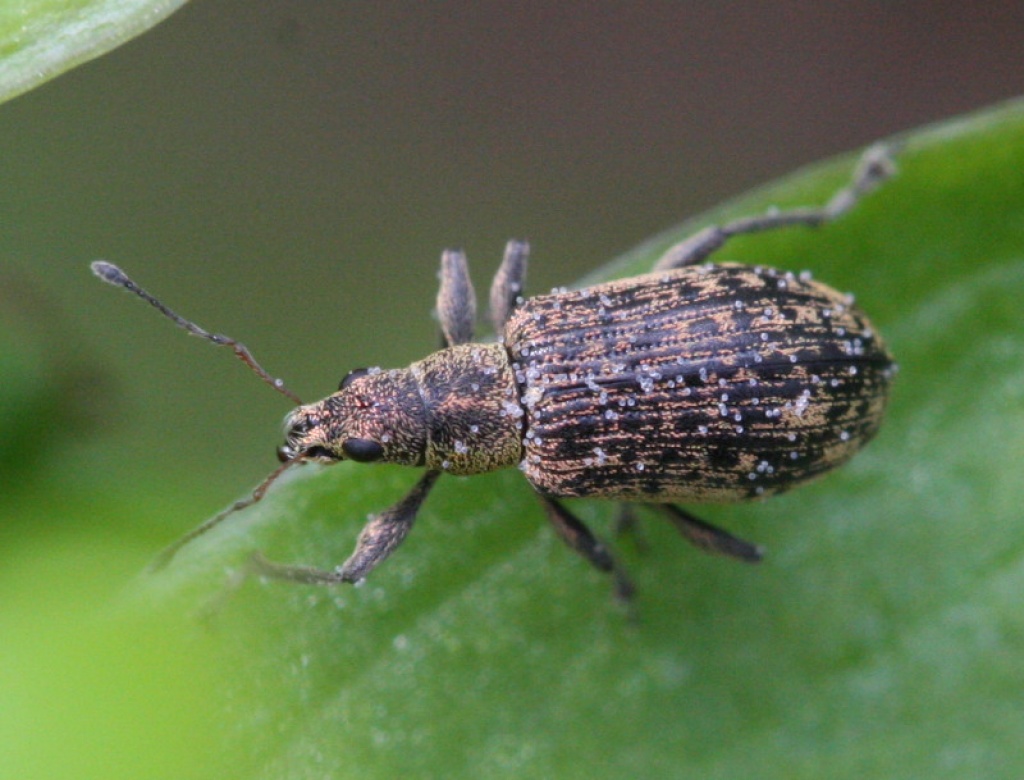
The tooth on the front femur helps to distinguish P. cervinus from some other species in the genus. P. pilosus is very similar but much scarcer and usually found in north.

- 4-5.7mm
- Upperside covered in patches of ovate golden or silvery scales
- Decumbent pubescence
- Elytra narrows slightly behind prominent 'shoulders' in females, more parallel in males
- Hind femora strongly toothed
- Femora with many elongate metallic scales
Unless identified by a recognised expert, photographic evidence is required and the specimen should be examined with a microscope. In the comments box, state the key or ID method used. Note the beetle's size and describe the identifying characters. It is advisable to retain the specimen in case further checks are needed.
In the branches of various trees.
Mainly spring to autumn.
Adults feed on the leaves of various trees whilst the food plant for the larvae is Cocks-foot Grass.
Widespread and fairly common in Britain.
Fairly frequent in Leicestershire and Rutland.
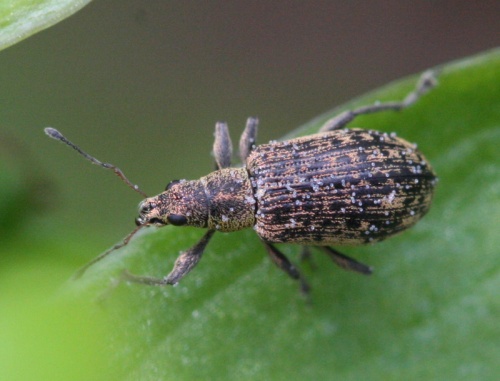 David Nicholls
20 Acre Piece
11 May 2012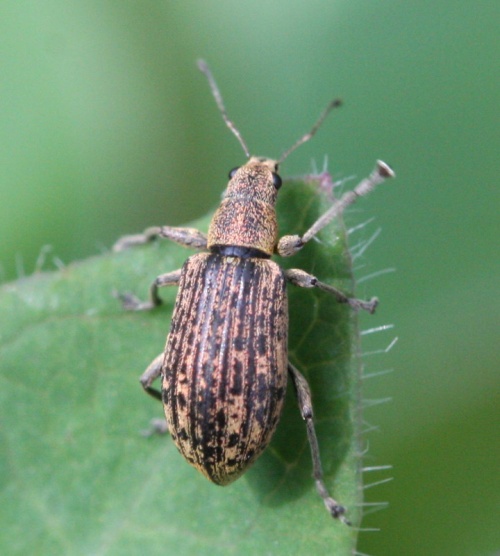 David Nicholls
20 Acre Piece
11 May 2012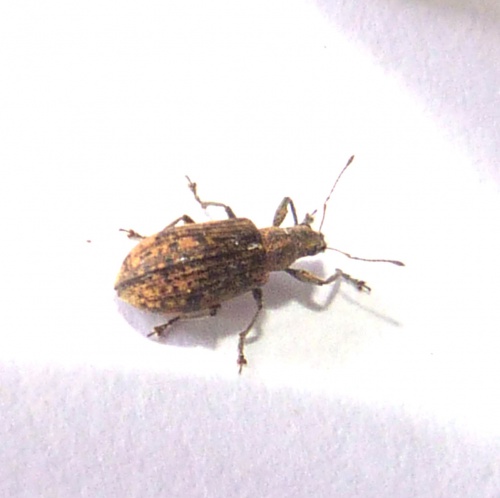 Graham Calow
Huncote, foot of Croft Hill
20 May 2019
specimen examined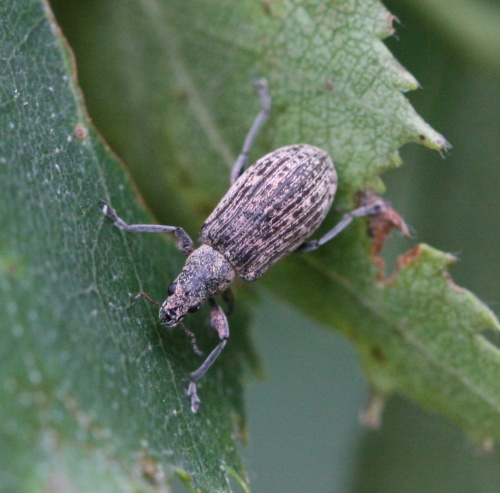 David Nicholls
New Lount
14 June 2012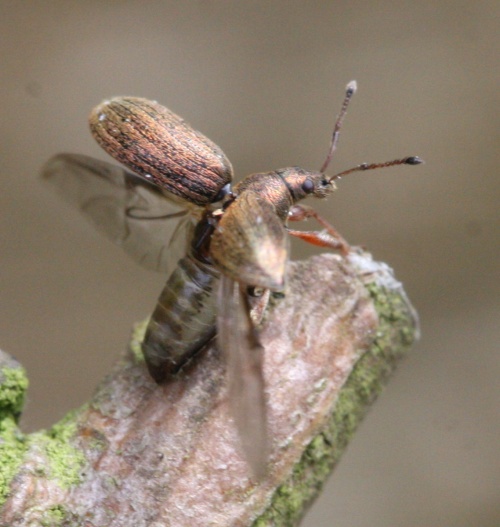 David Nicholls
Bagworth Heath
12 May 2012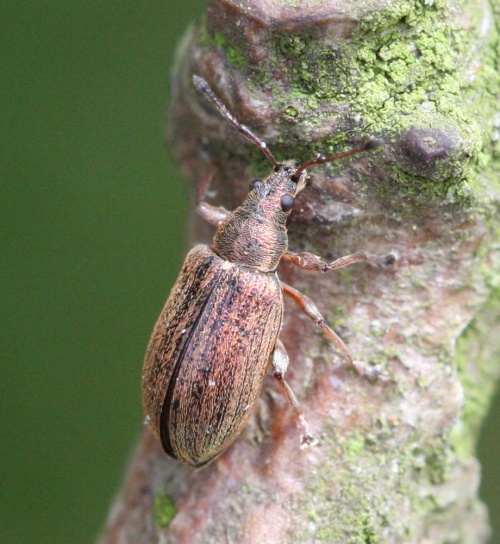 David Nicholls
Bagworth Heath
12 May 2012
with front femoral spur
Leicestershire & Rutland Map
Enter a town or village to see local records
MAP KEY:
Yellow squares = NBN records (all known data)
Coloured squares = NatureSpot records: 2025+ | 2020-2024 | pre-2020
UK Map
Additional images