Platygaster
Platygaster
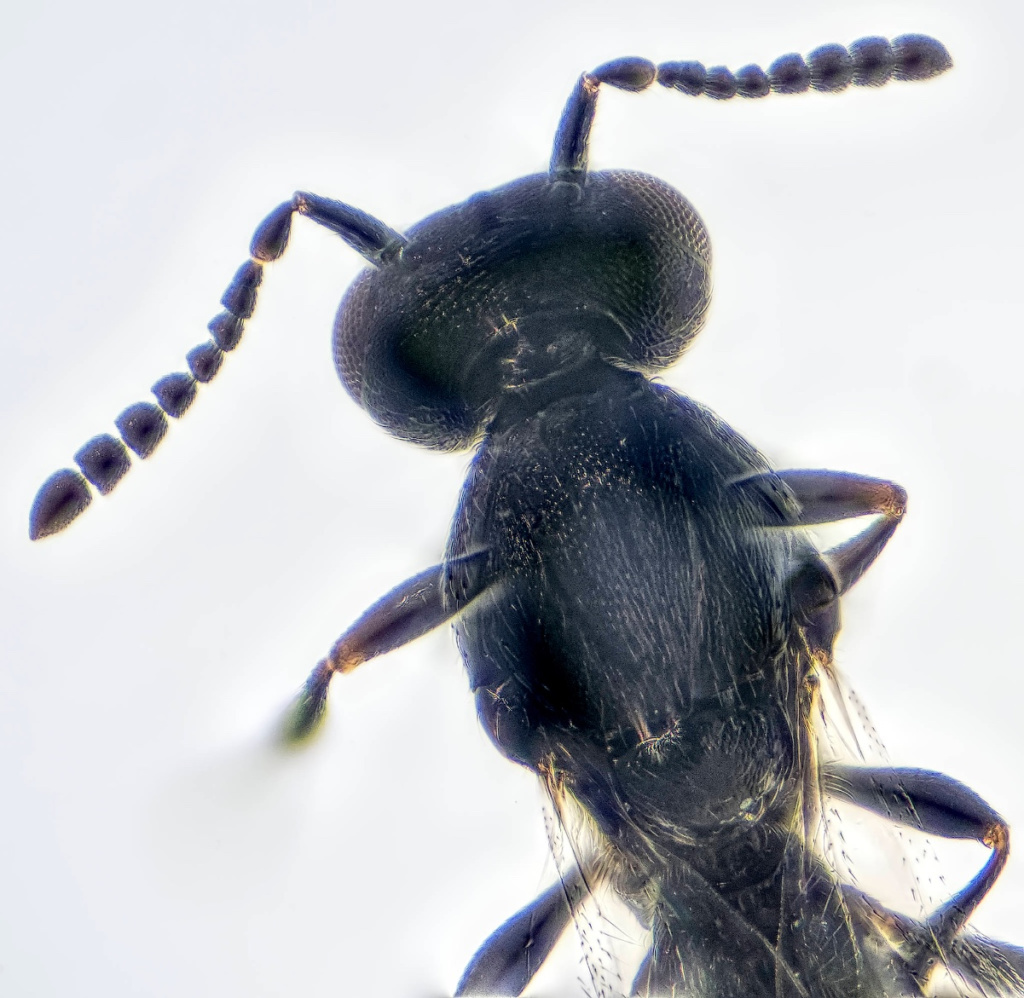
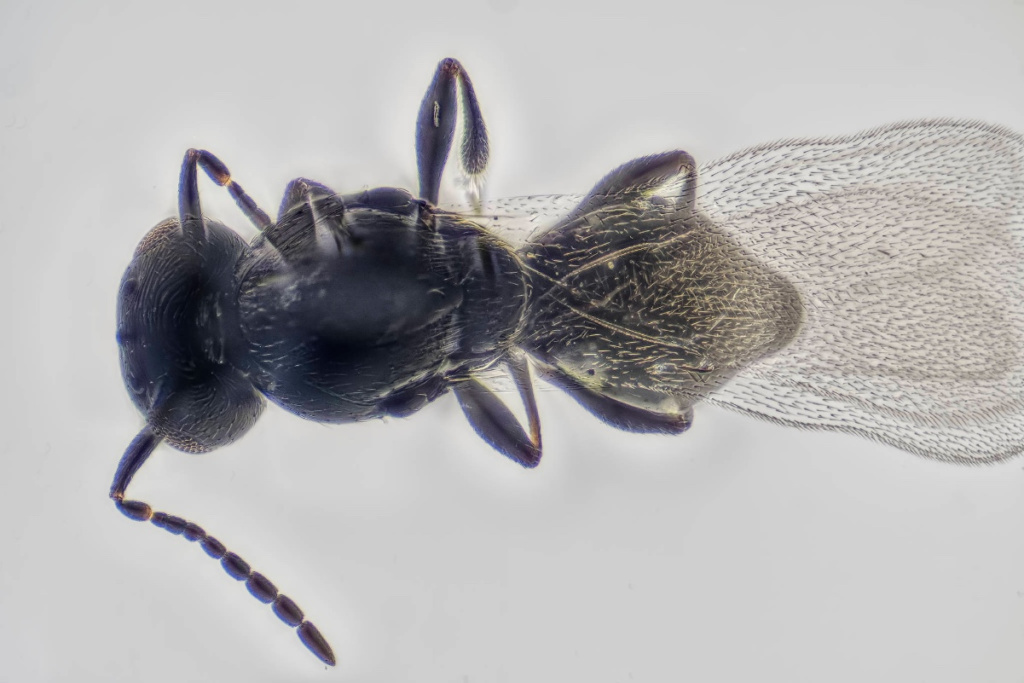
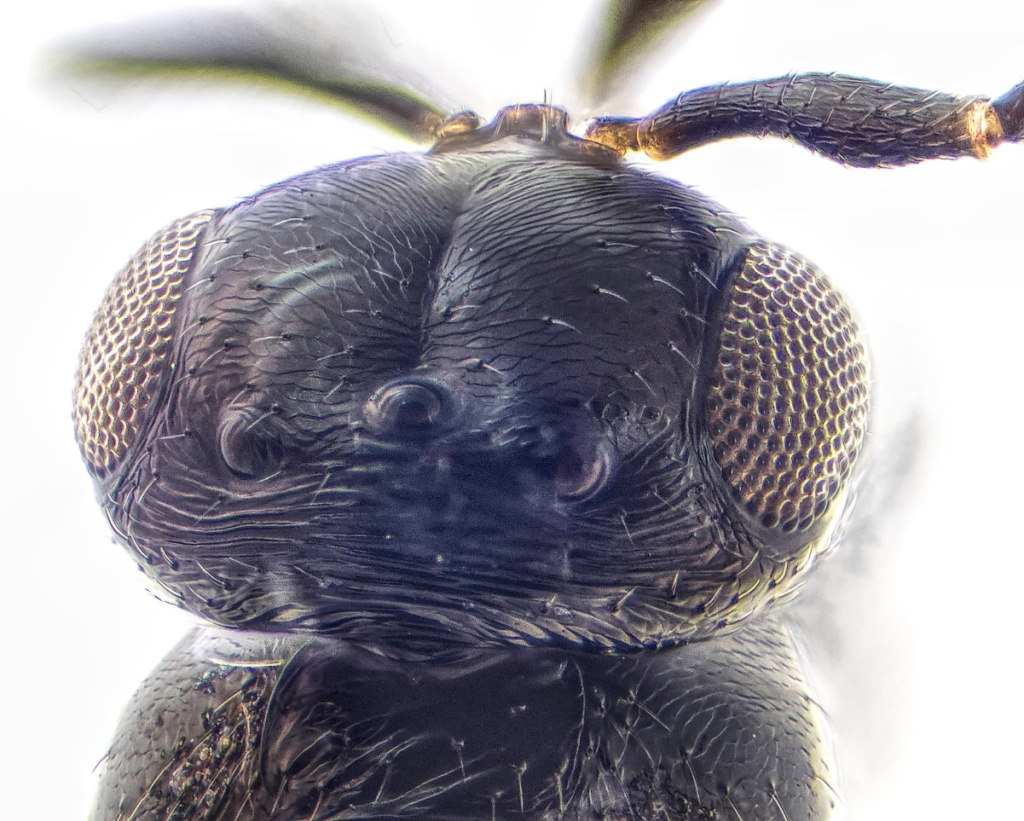
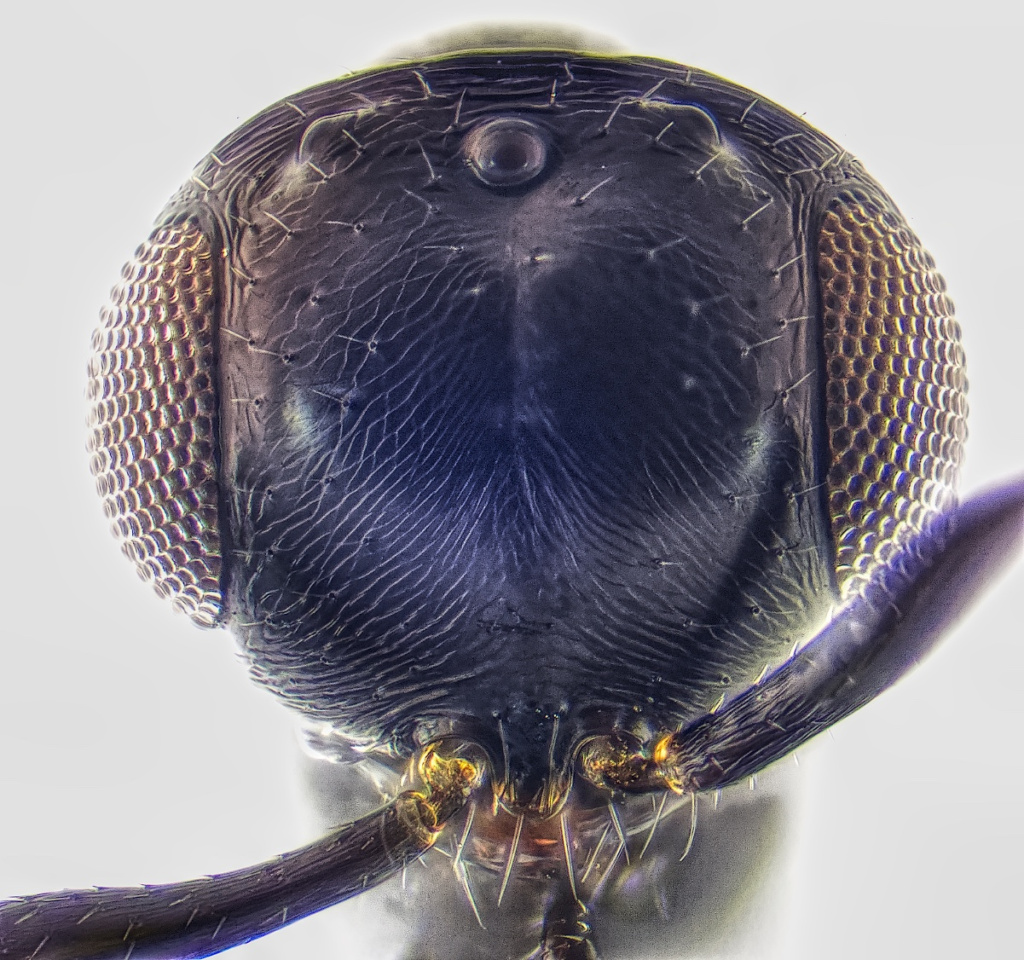
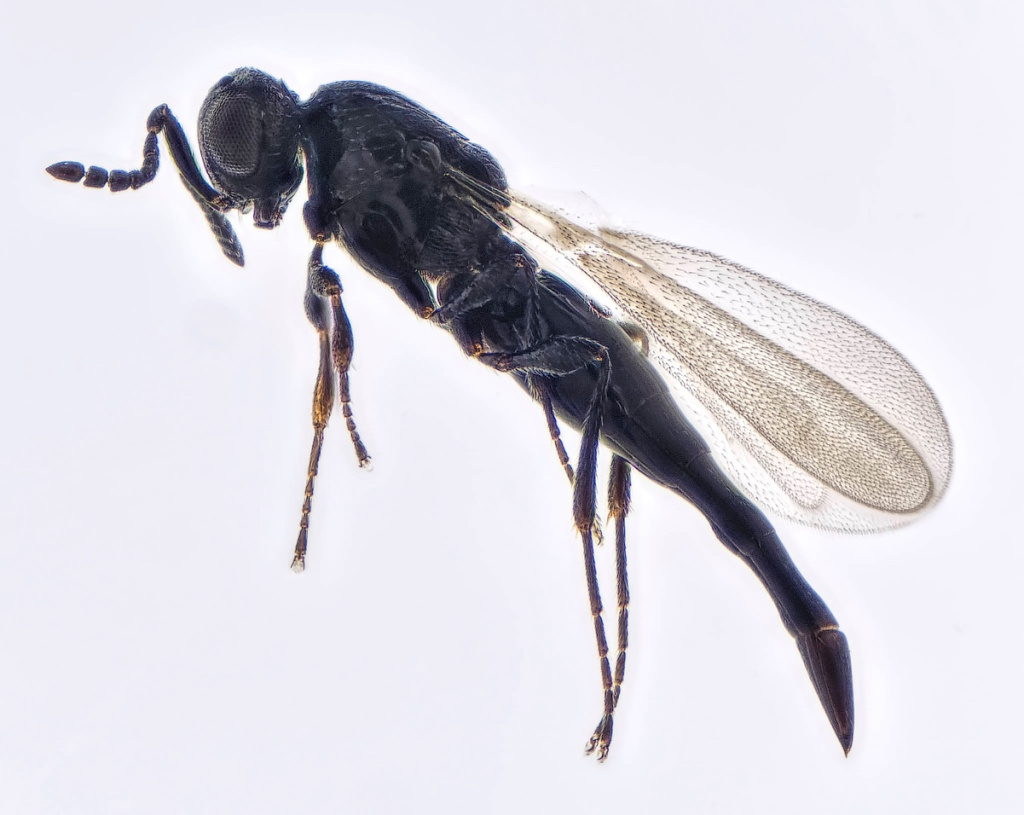
A huge, hyper-diverse genus containing nearly 700 described species (over 70 species recorded from Britain), making it one of the classic "dark taxa" of the insect world. Small solitary wasps 1-3mm in length. Glossy black or dark metallic brown. Antennae geniculate (elbowed) and typically composed of 10 segments in both males and females, inserted very low on the face, right down next to the mouthparts. Wing venation very reduced, essentially veinless. The first and second abdominal tergites (dorsal plates) are distinct and not fused, distinguishing Platygaster from its close relative Synopeas, where T1 and T2 are fused into a single rigid structure. The large second tergite (T2) often features distinct, fine longitudinal grooves or striae radiating from its base.

Unless identified by a recognised expert, photos of key features are required.
All year.
Koinobiont endoparasitoids of gall-midges (Cecidomyiidae).
Widespread.
Unknown.
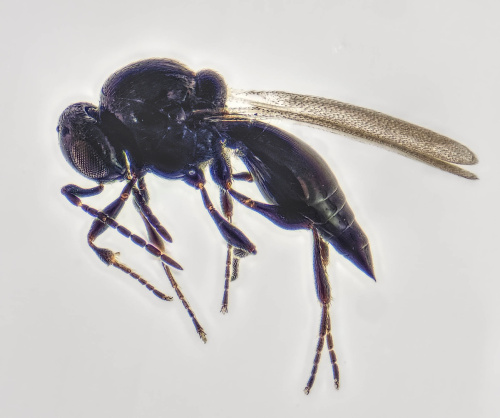 AJ Cann
Asfordby
11 May 2026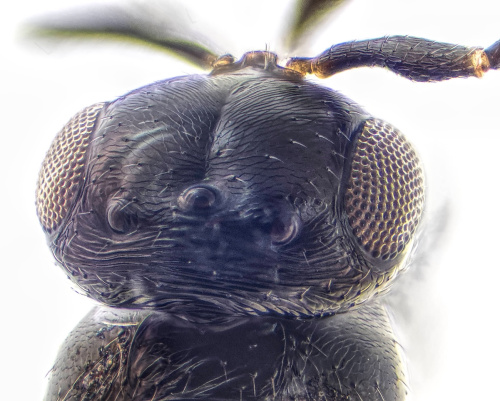 AJ Cann
Asfordby
11 May 2026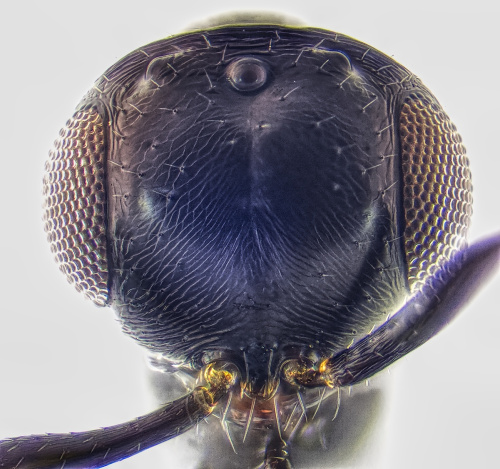 AJ Cann
Asfordby
11 May 2026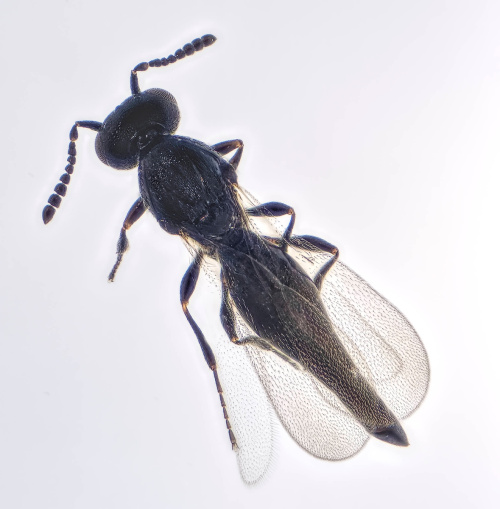 AJ Cann
Leicester Attenborough Arboretum
18 May 2026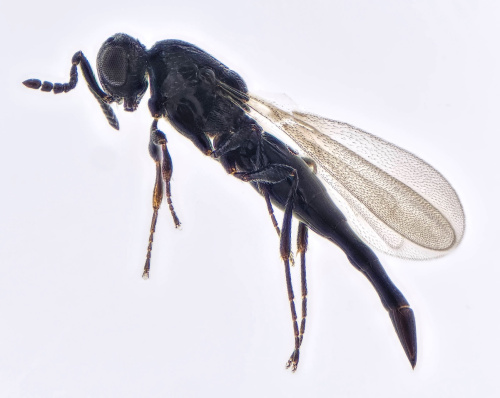 AJ Cann
Leicester Attenborough Arboretum
18 May 2026
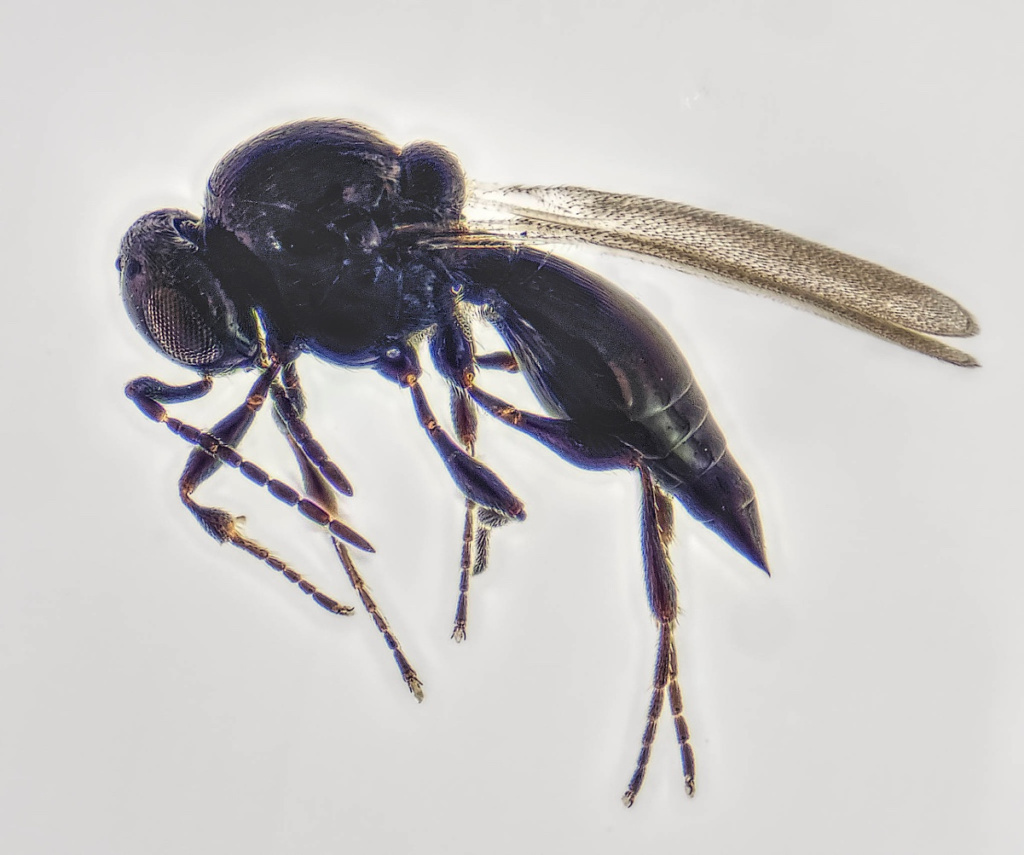

Leicestershire & Rutland Map
Enter a town or village to see local records
MAP KEY:
Yellow squares = NBN records (all known data)
Coloured squares = NatureSpot records: 2025+ | 2020-2024 | pre-2020
UK Map
Additional images