Parornix torquillella
Parornix torquillella
Blackthorn Slender
Deltaornix torquillella
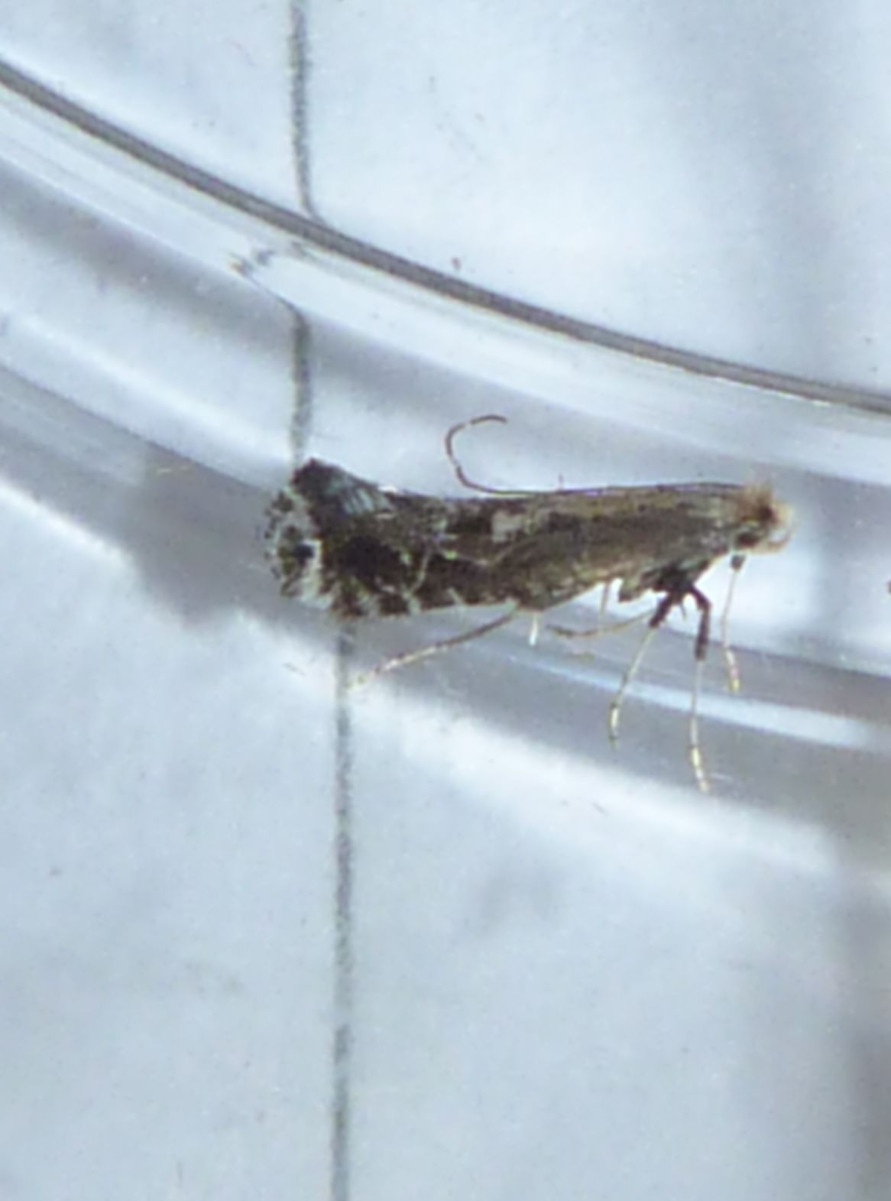
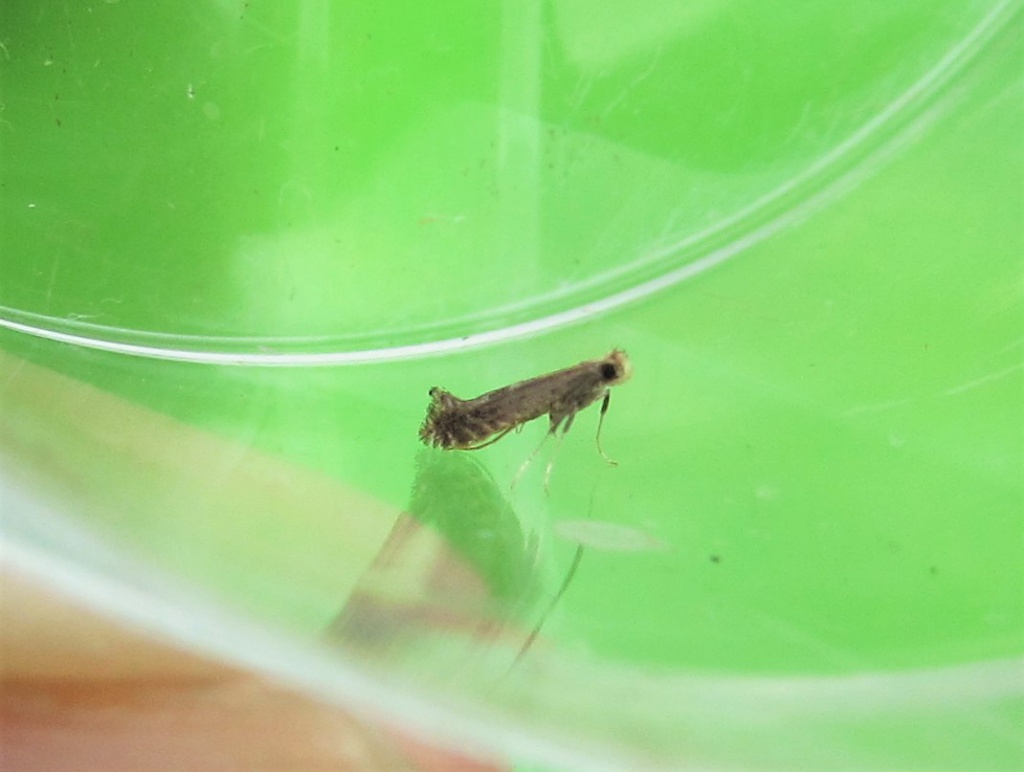
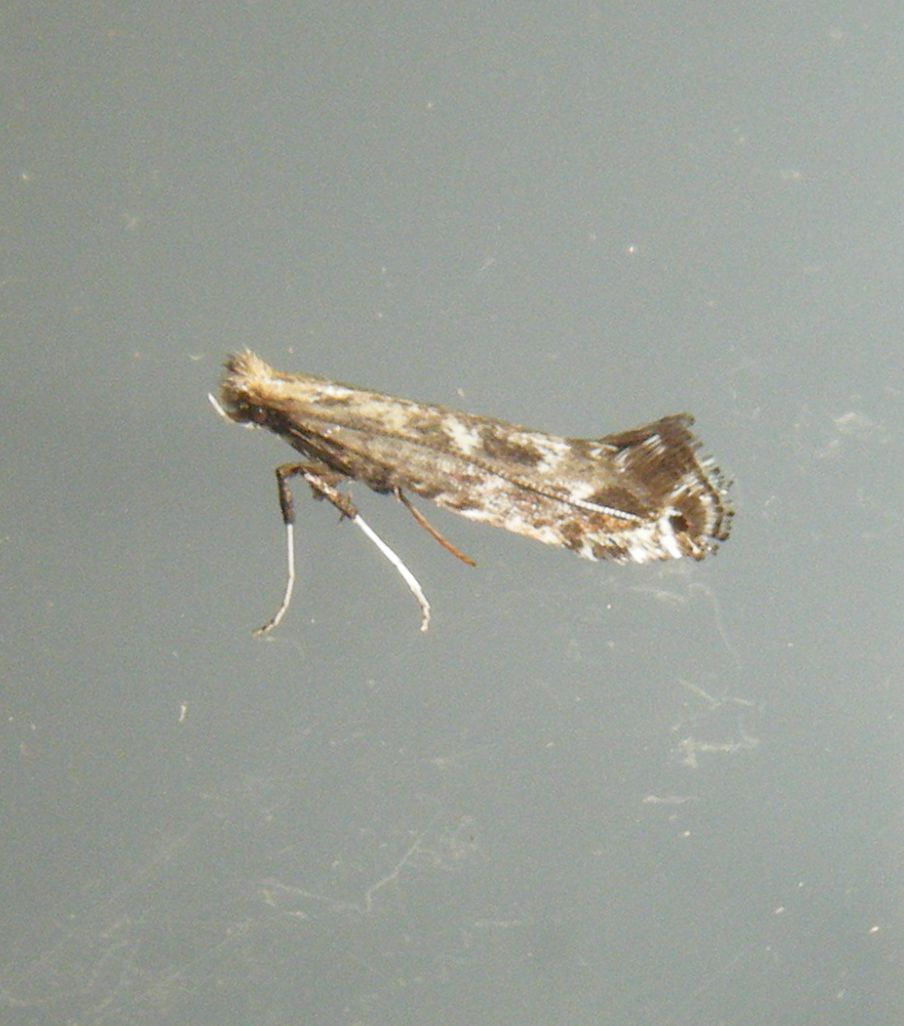
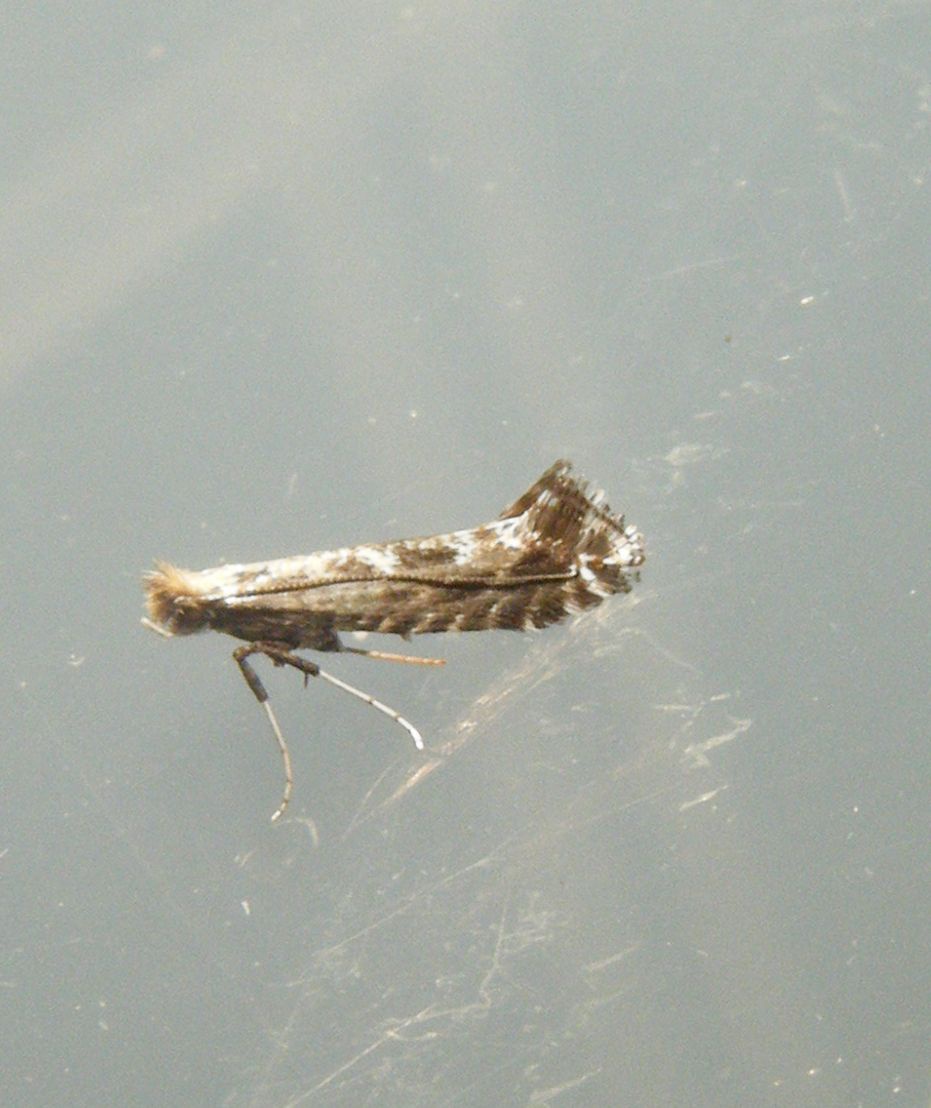
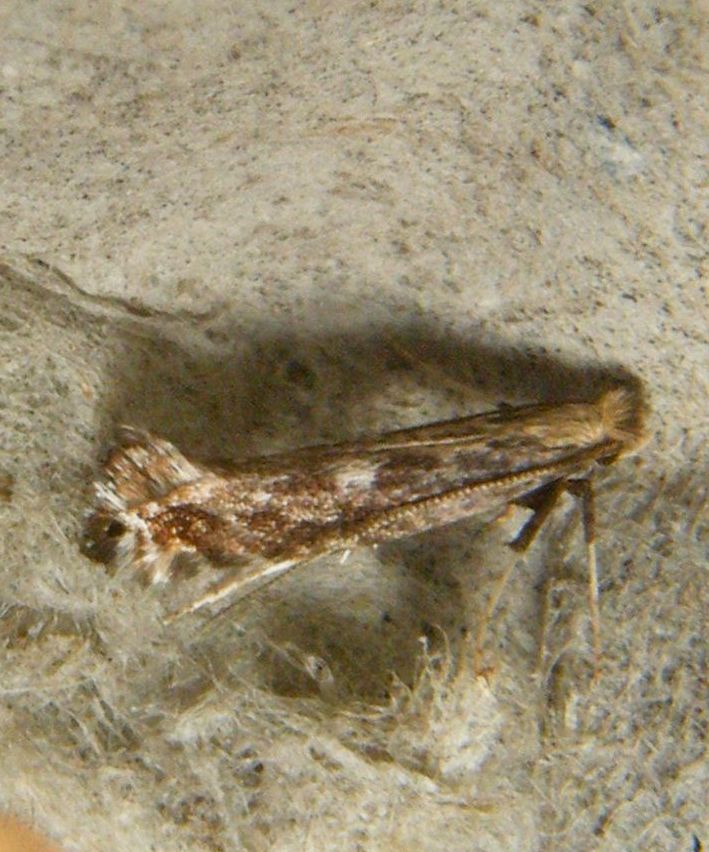
Wingspan 9 to 10 mm. The adults are difficult to separate from some Parornix species, especially Parornix finitimella, and genitalia examination is usually necessary to identify them.
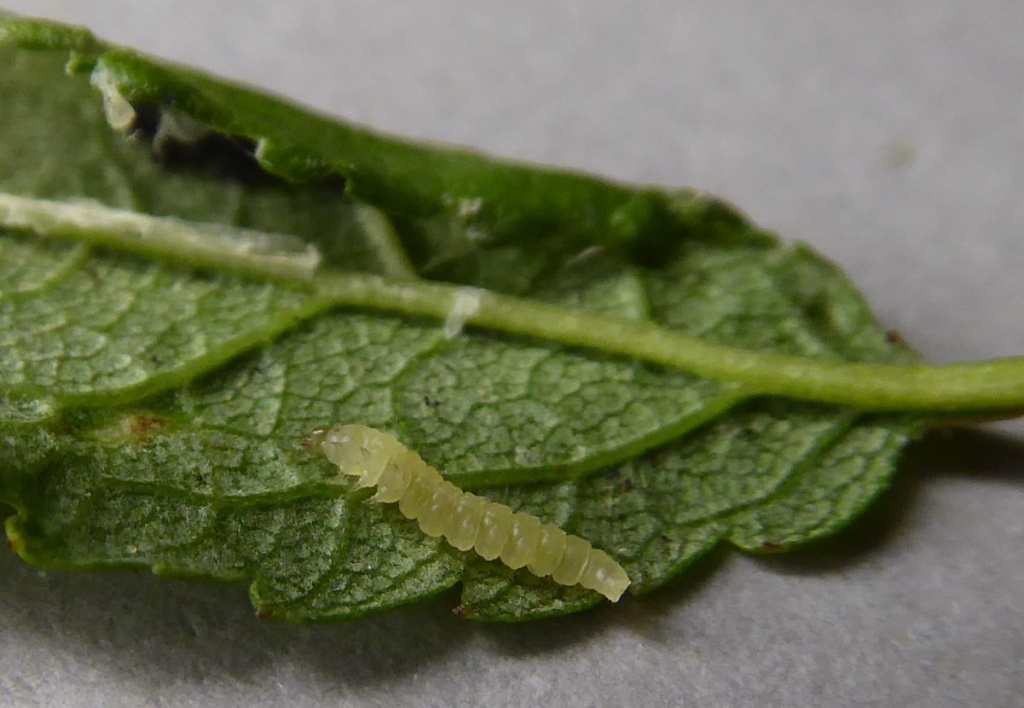
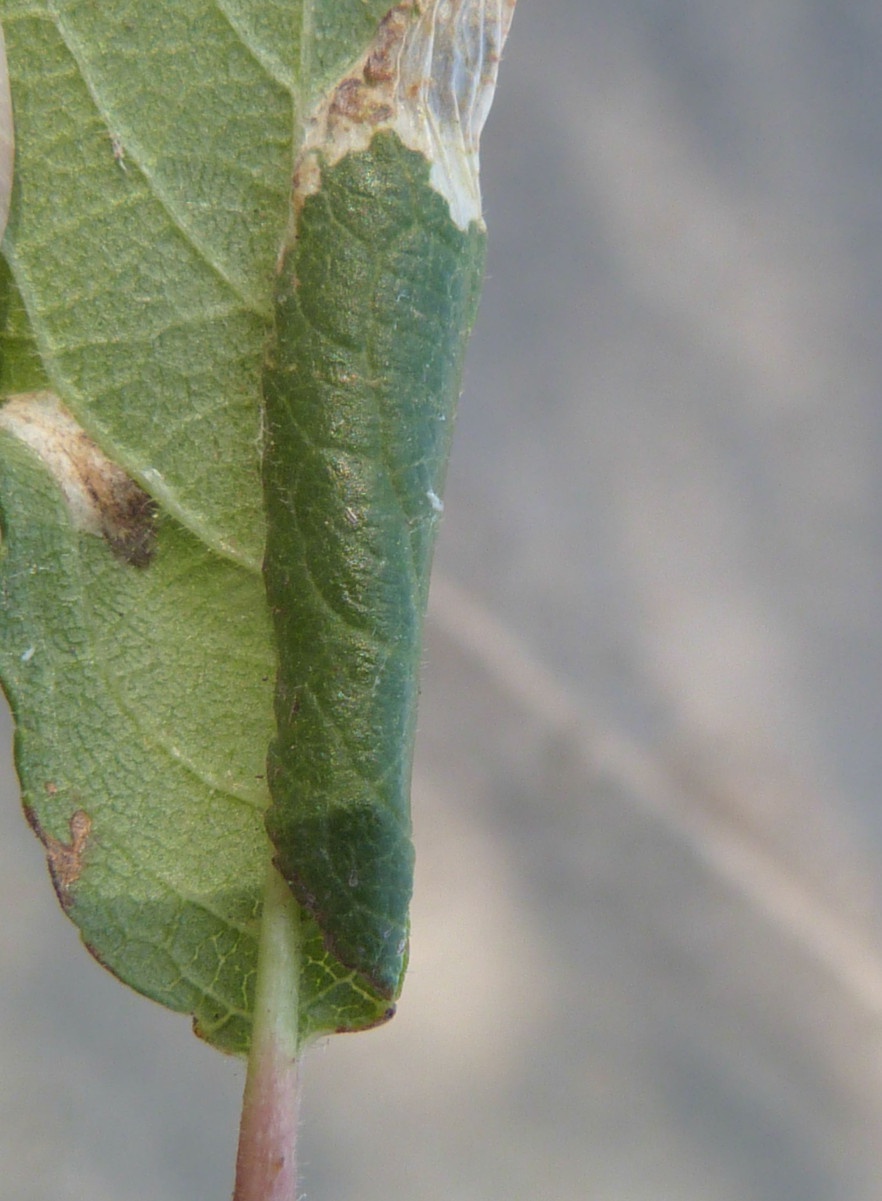
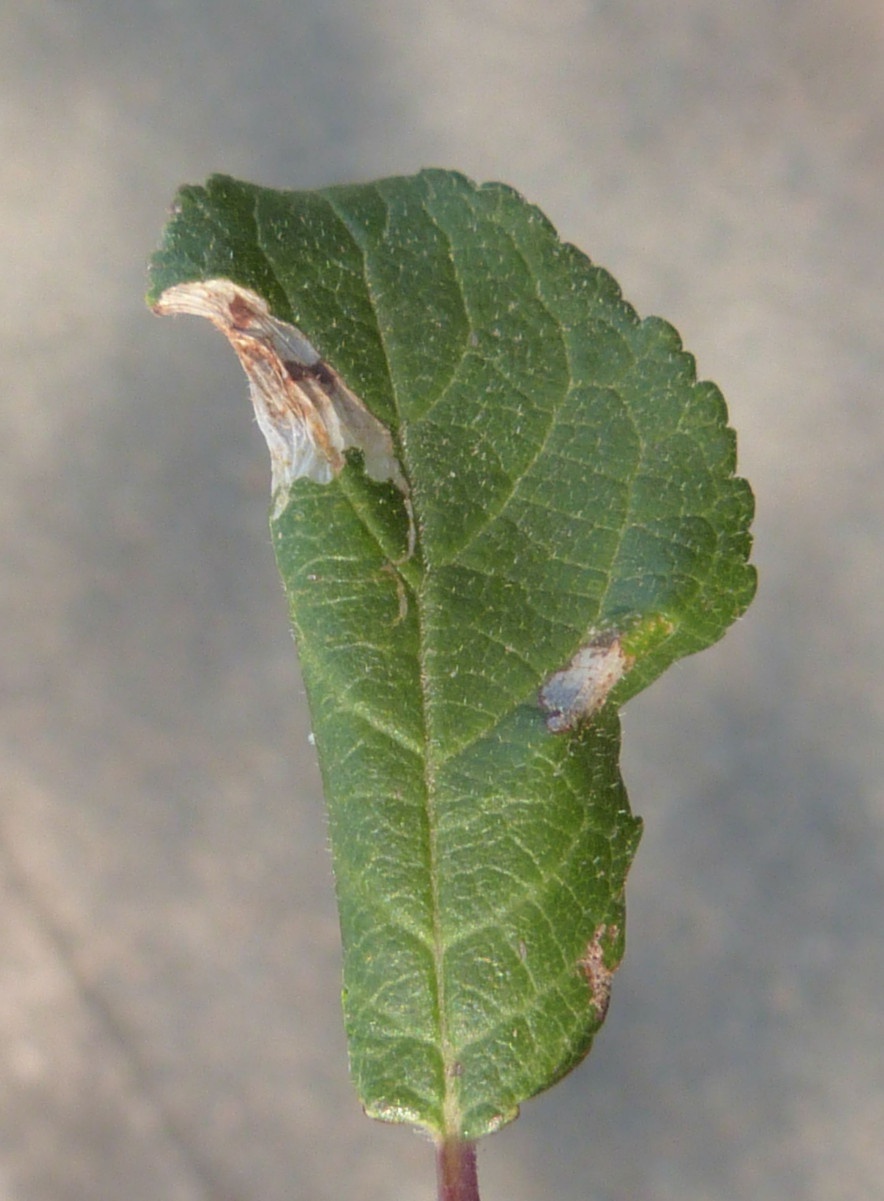
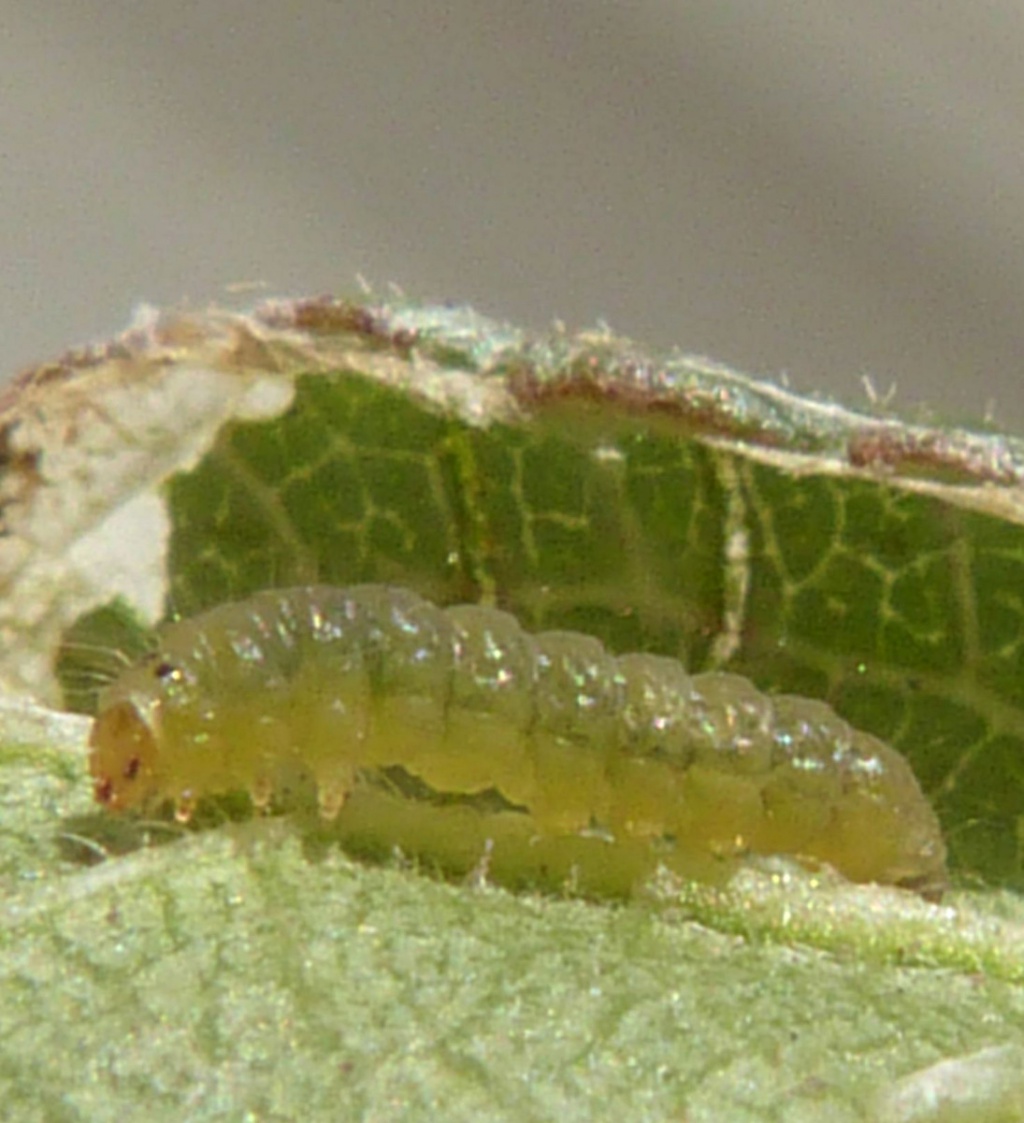
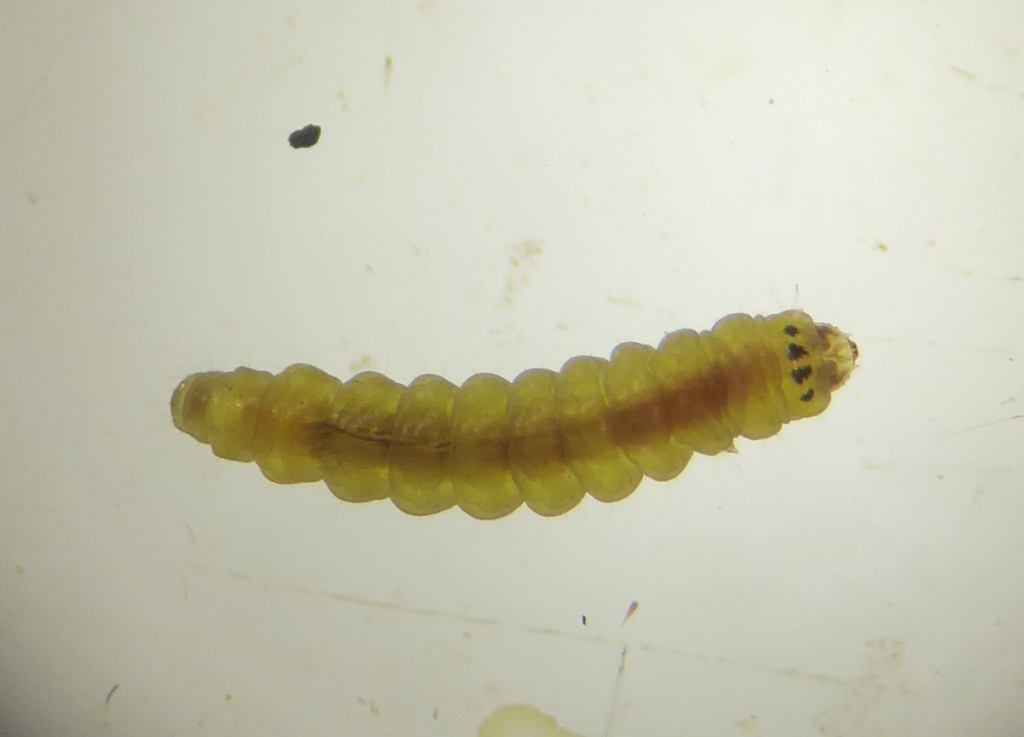
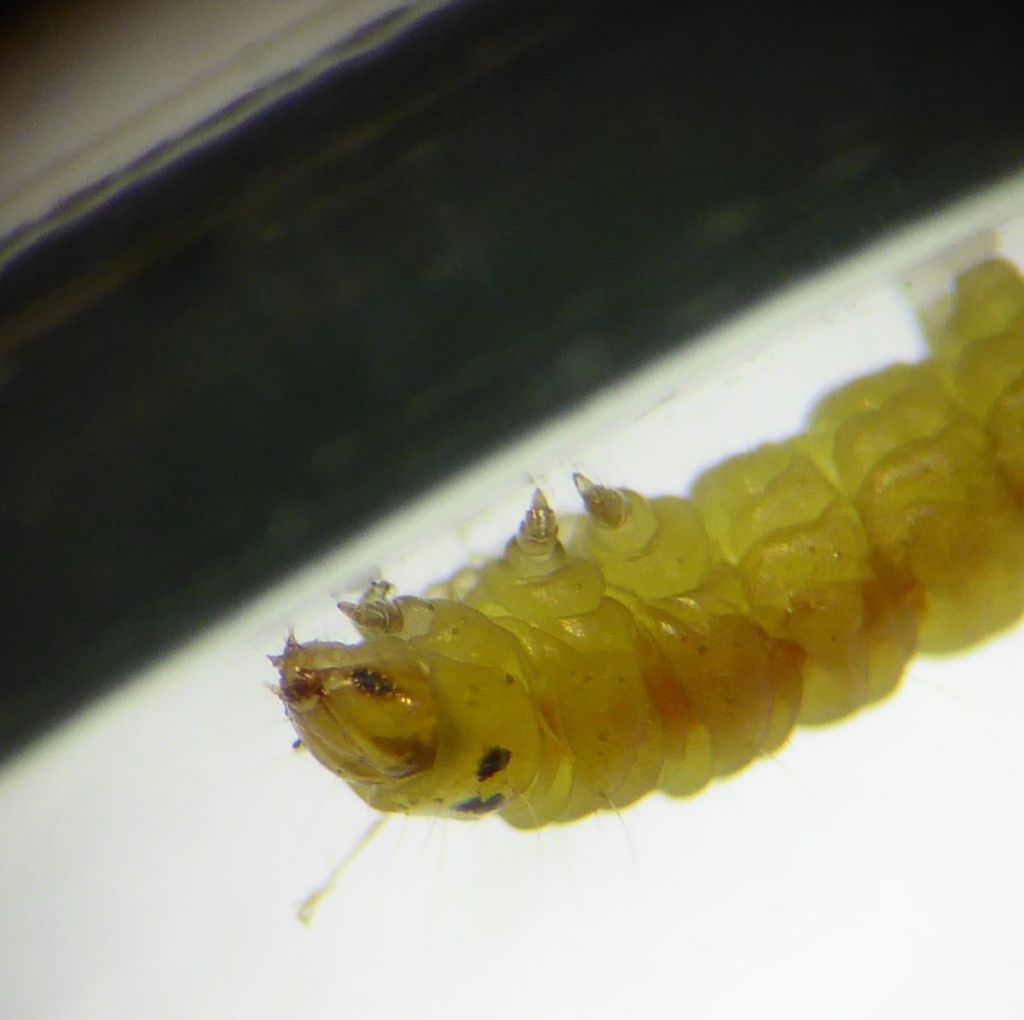
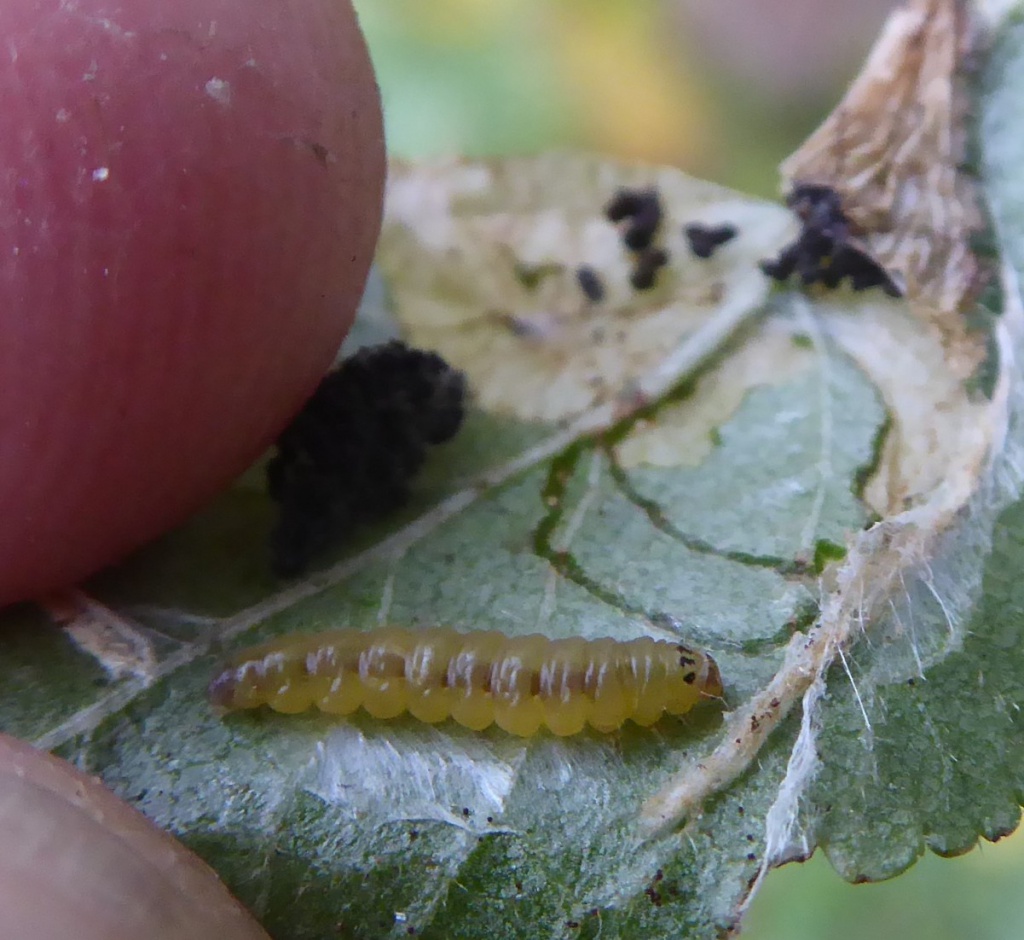
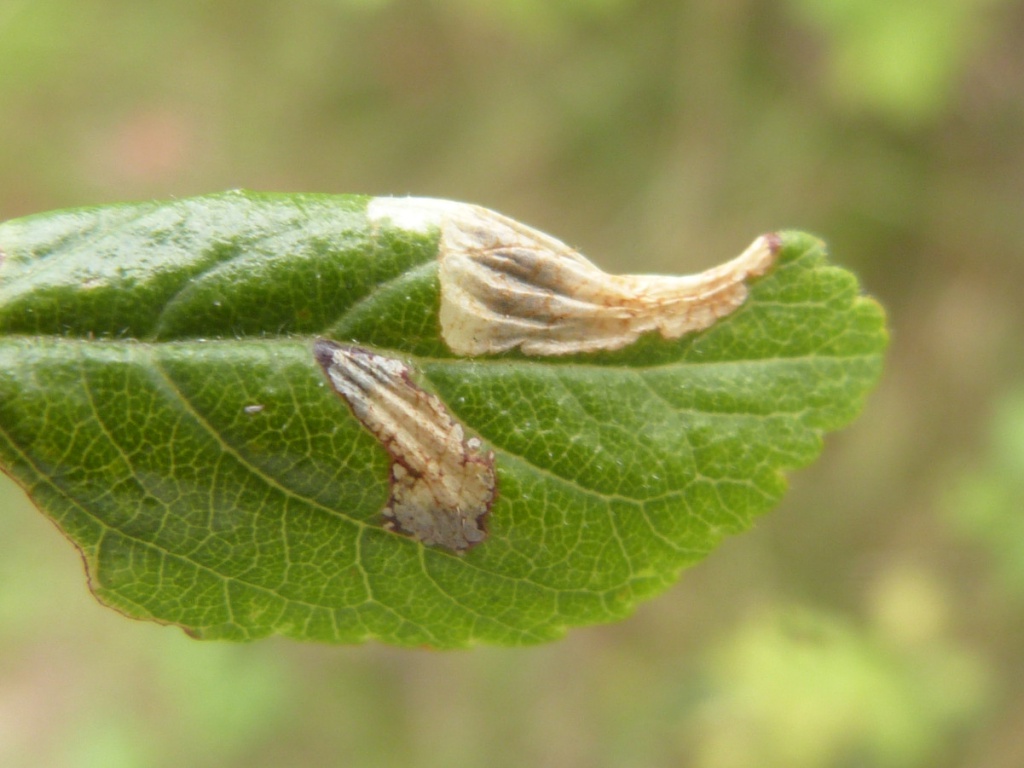
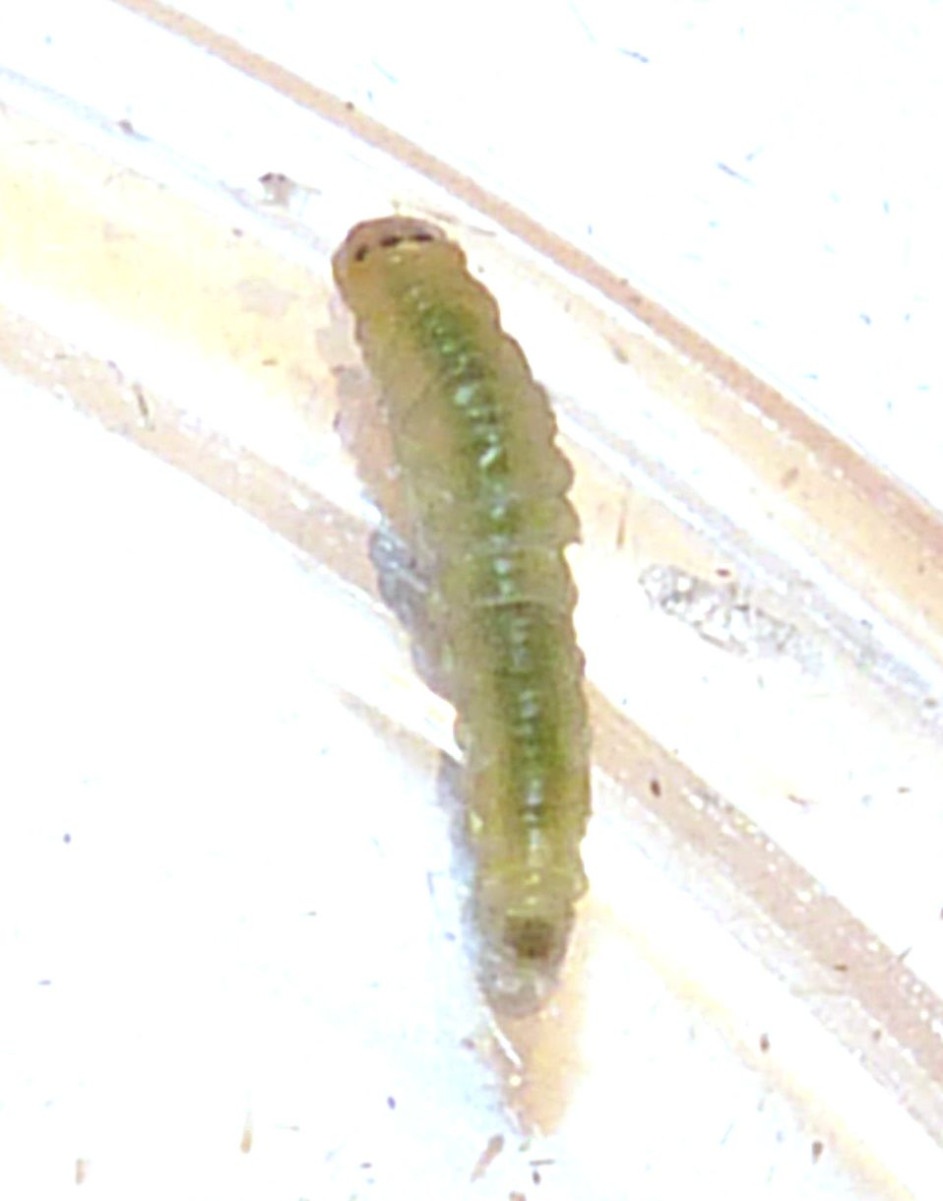
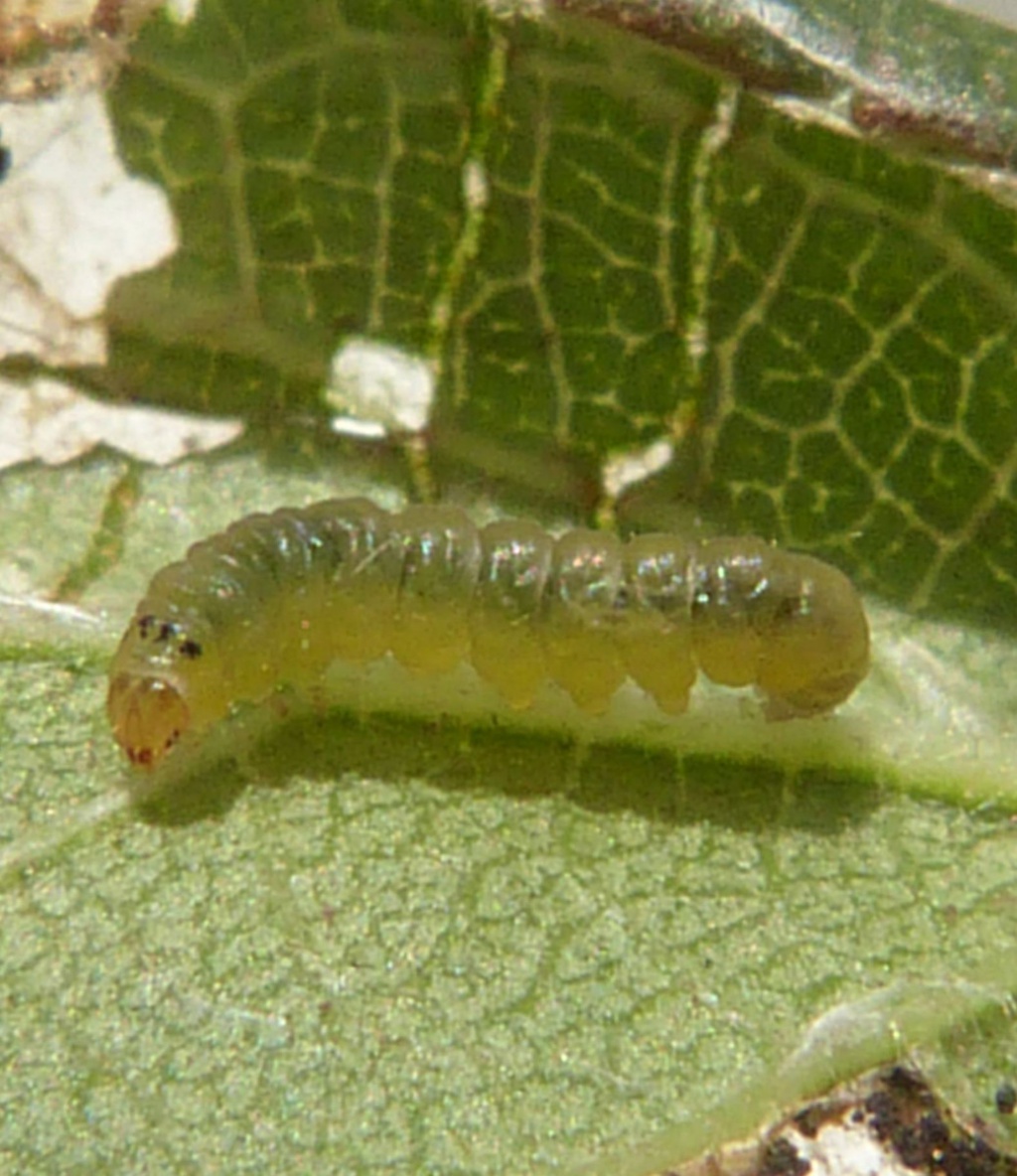
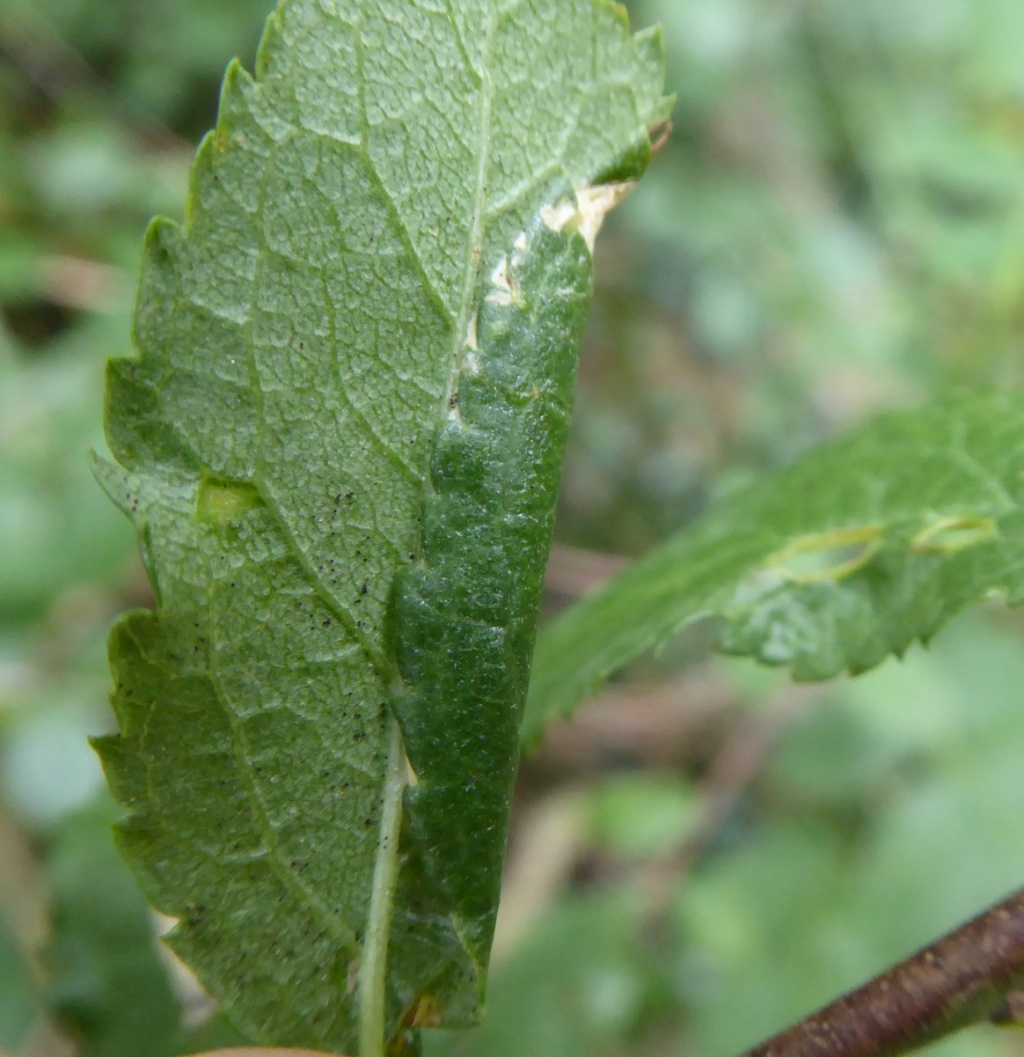
The two mines are identical, but the larvae are quite different; Parornix torquillella is green with green legs, P. finitimella grey with blackish legs.
Adult  leaf mine/fold
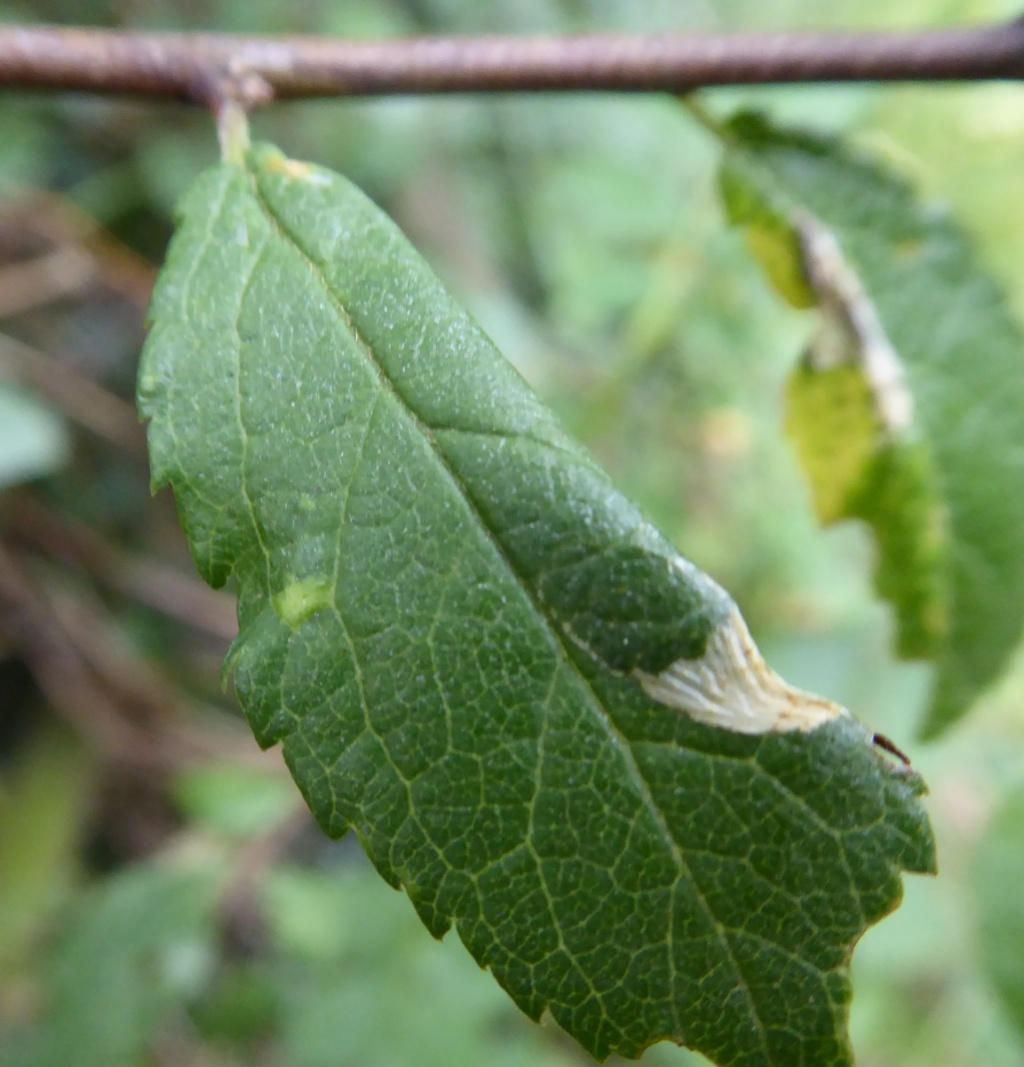
Only tenanted leaf-mines can be recorded. Photographs must show the mine on the leaf, and the larva clearly showing the colour of front (thoracic) legs
Areas where Blackthorn is present.
The moths fly from May to July, and are sometimes attracted to light.
The main foodplant of this species is Blackthorn in common with its close relative, Parornix finitimella.
Widespread and fairly frequent in Britain. In the Butterfly Conservation's Microlepidoptera Report 2011 this species was classified as common.
It appears to be uncommon in Leicestershire and Rutland, where there are few records. L&R Moth Group status = D Possibly rarely recorded due to problems of identification.
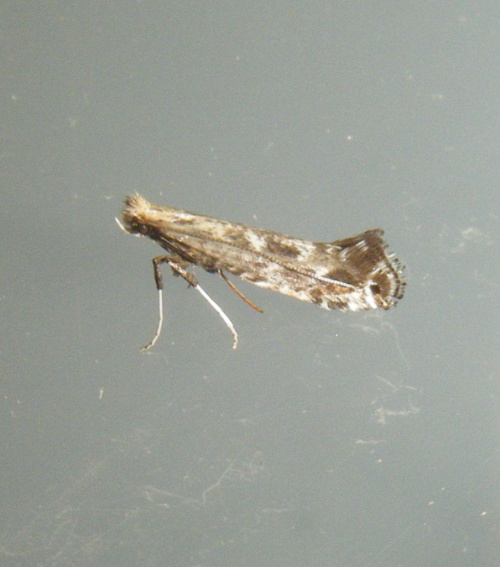 Graham Calow
Sapcote garden1
09 June 2013
female - confirmed by gen det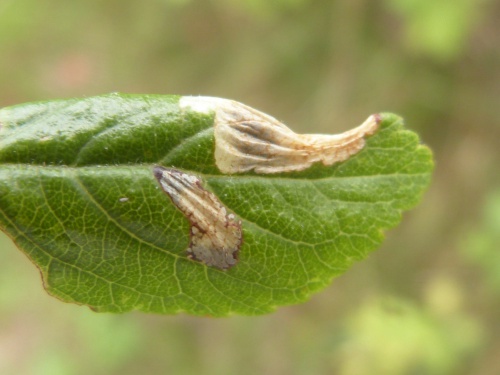 Graham Calow
Elmesthorpe, Station Road
20 September 2022
tenanted leafmine on Blackthorn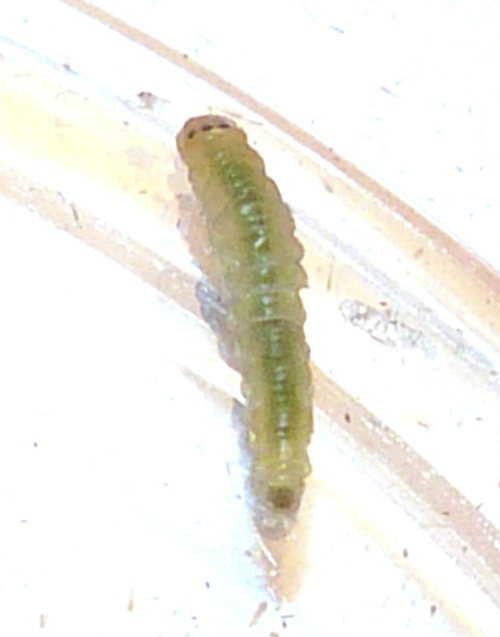 Graham Calow
Elmesthorpe, Station Road
20 September 2022
larva with concolourous legs 4 black spots behind head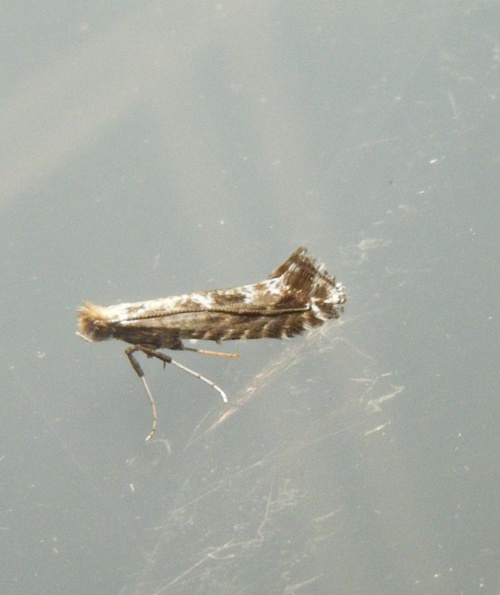 Graham Calow
Sapcote garden1
09 June 2013
female - confirmed by gen det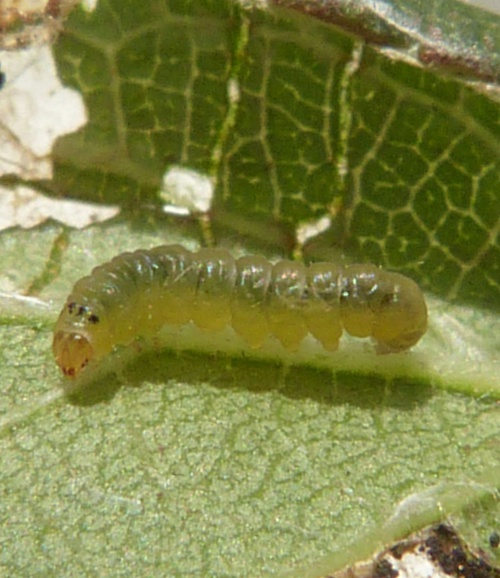 Graham Calow
Sapcote, Hinckley Road
03 August 2020
larva ex leafmine on Blackthorn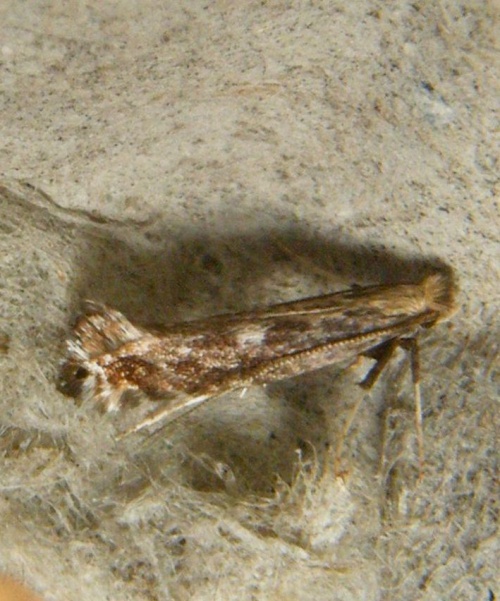 Graham Calow
Sapcote garden1
07 June 2014
confirmed by gen det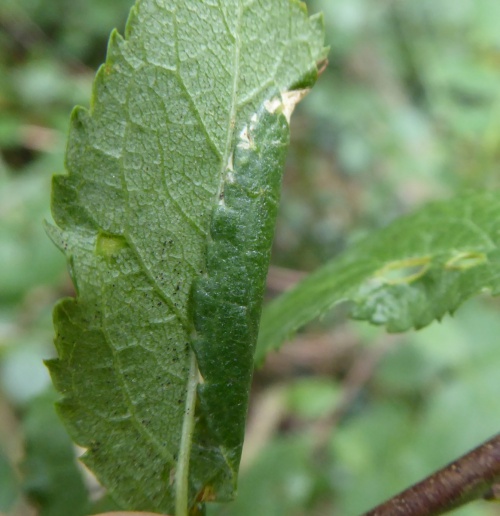 sue
sue
Ashby Canal, towpath opposite Ambion Wood
05 October 2019
Leicestershire & Rutland Map
Enter a town or village to see local records
MAP KEY:
Yellow squares = NBN records (all known data)
Coloured squares = NatureSpot records: 2025+ | 2020-2024 | pre-2020
UK Map
Additional images