Ochlerotatus caspius
Ochlerotatus caspius
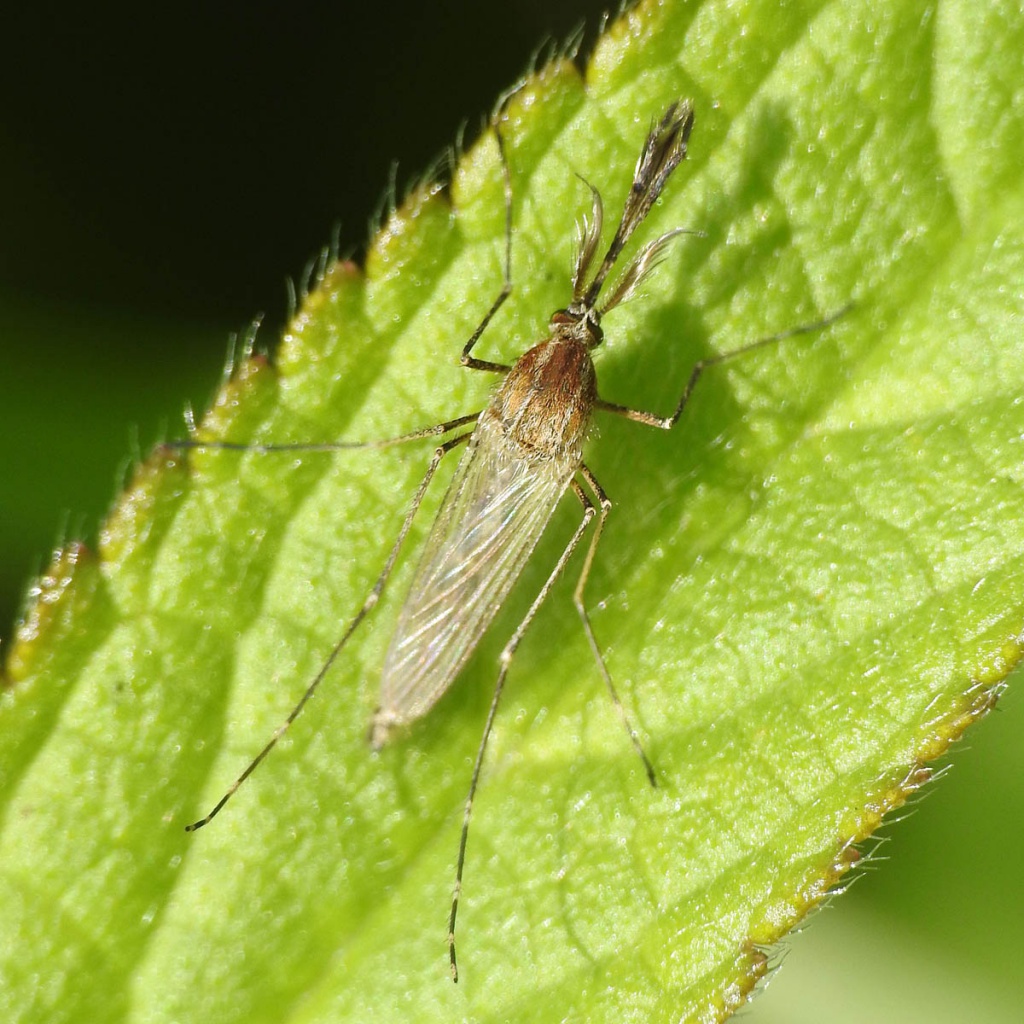
This species has pale rings at the base and end of each joint of the tarsus. (In most species, it is just the base that is pale.) The thorax is evenly ginger with two narrow, pale lines.
Ochlerotatus dorsalis. (The other species with white bands either side of the tarsal segments.)

Unless identified by a recognised expert, a good quality photo is required showing the diagnostic features.
Usually a species of slightly brackish water of marshes and fens in coastal areas, but may also be found on inland floodplains.
April to October, peaking in May and September.
This species overwinters in the egg stage. Early spring flooding events lead to the eggs hatching in March, with adults appearing in April and remaining active until October.
Shows a south-easterly and coastal bias with a majority of records from the Thames estuary. Probably under-recorded.
Status in Leicestershire and Rutland not known. The record of 17th August 2019 was the first for VC55.
 David Gould
Aylestone Meadows, Spearwort Fields
17 August 2019
female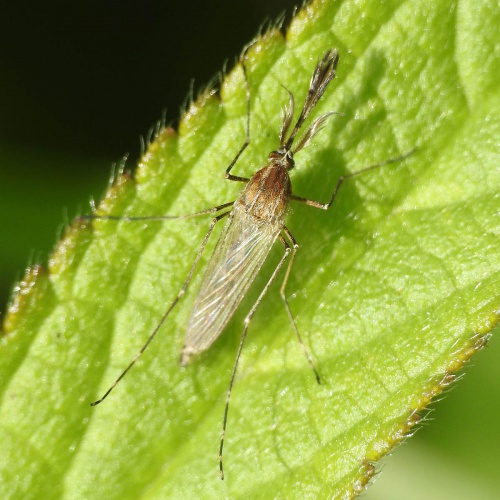 David Gould
Aylestone Meadows, Spearwort Fields
12 September 2020
male

Leicestershire & Rutland Map
Enter a town or village to see local records
MAP KEY:
Yellow squares = NBN records (all known data)
Coloured squares = NatureSpot records: 2025+ | 2020-2024 | pre-2020
UK Map
Additional images
No additional images available for this species.