Oak Eggar
Oak Eggar - Lasiocampa quercus
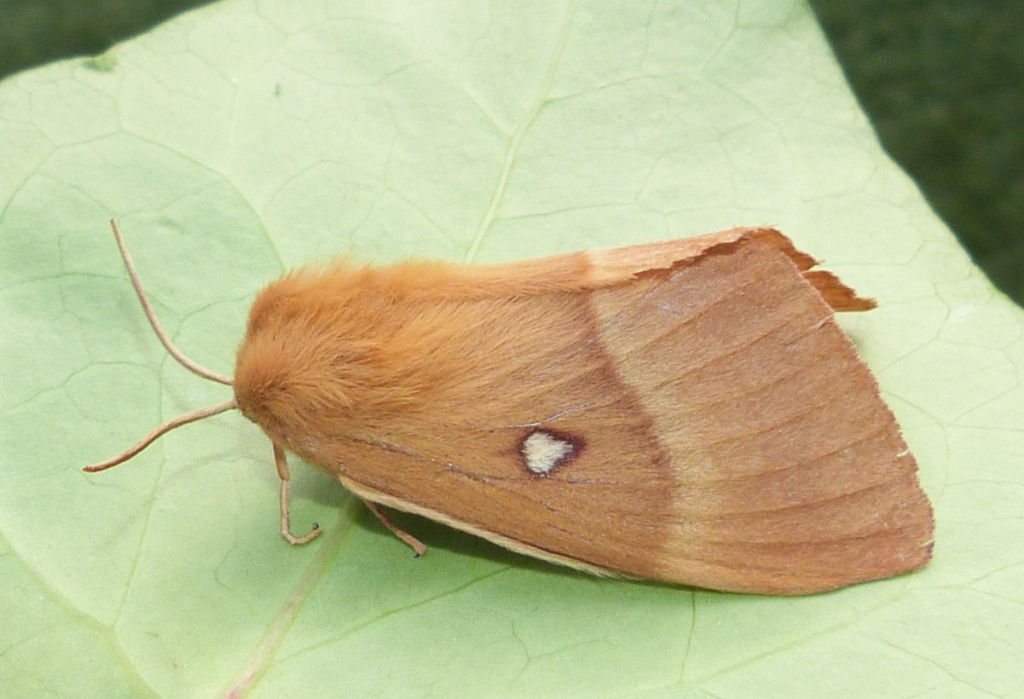
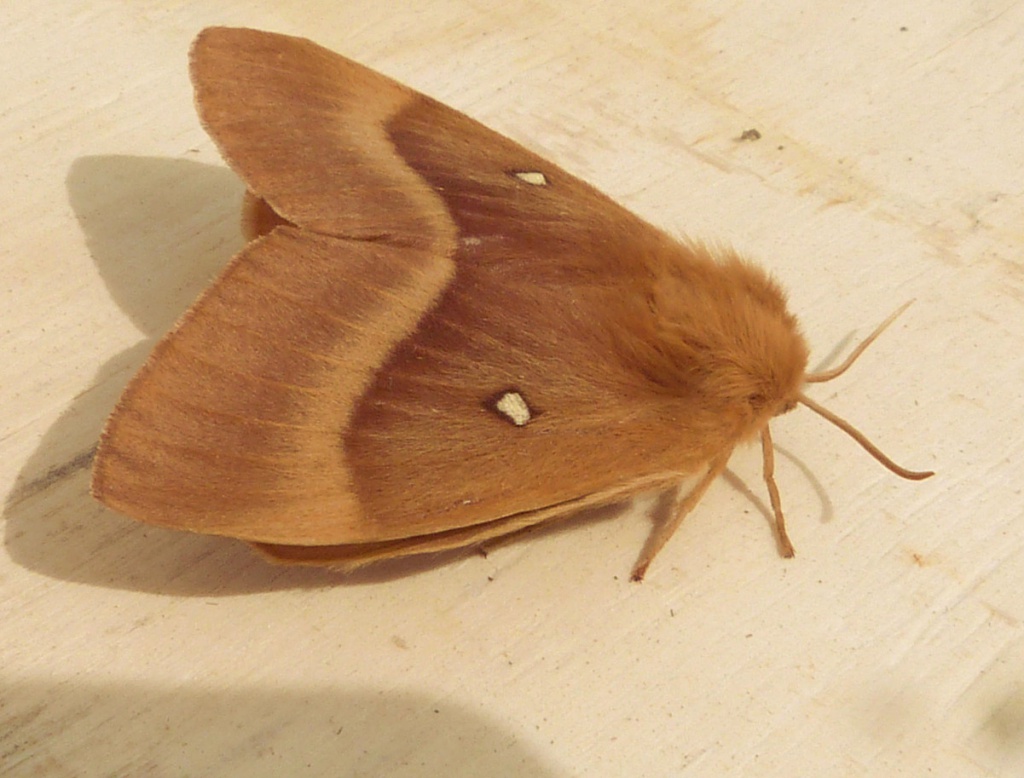
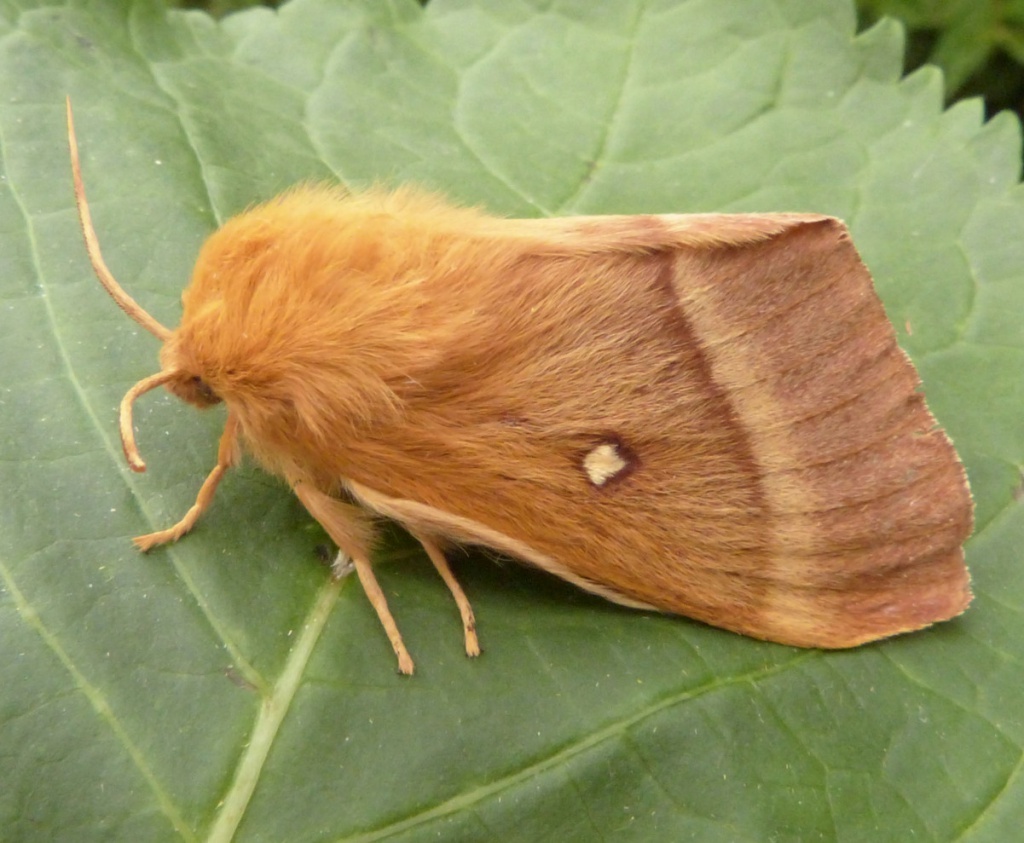
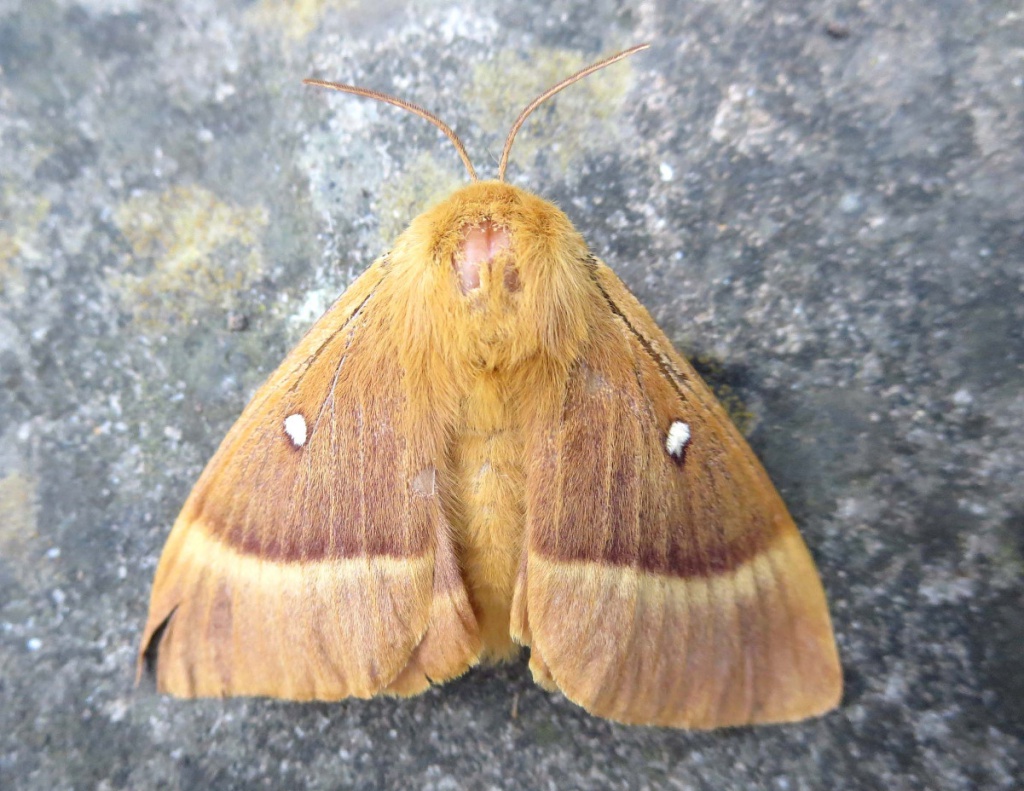
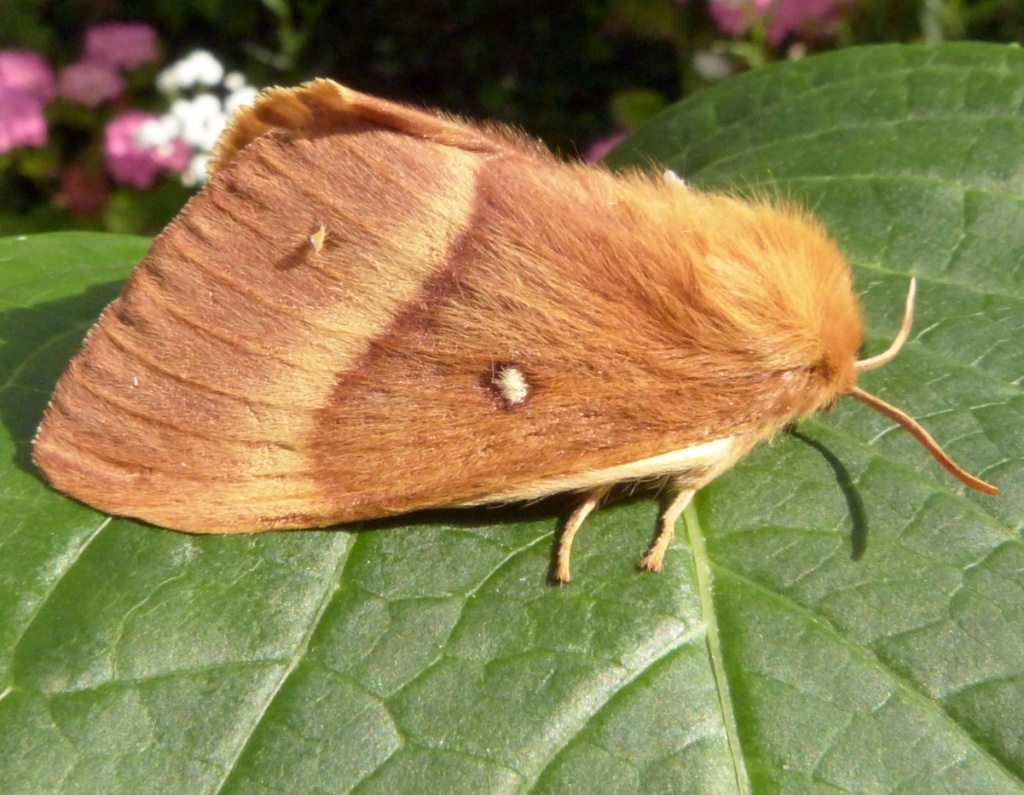
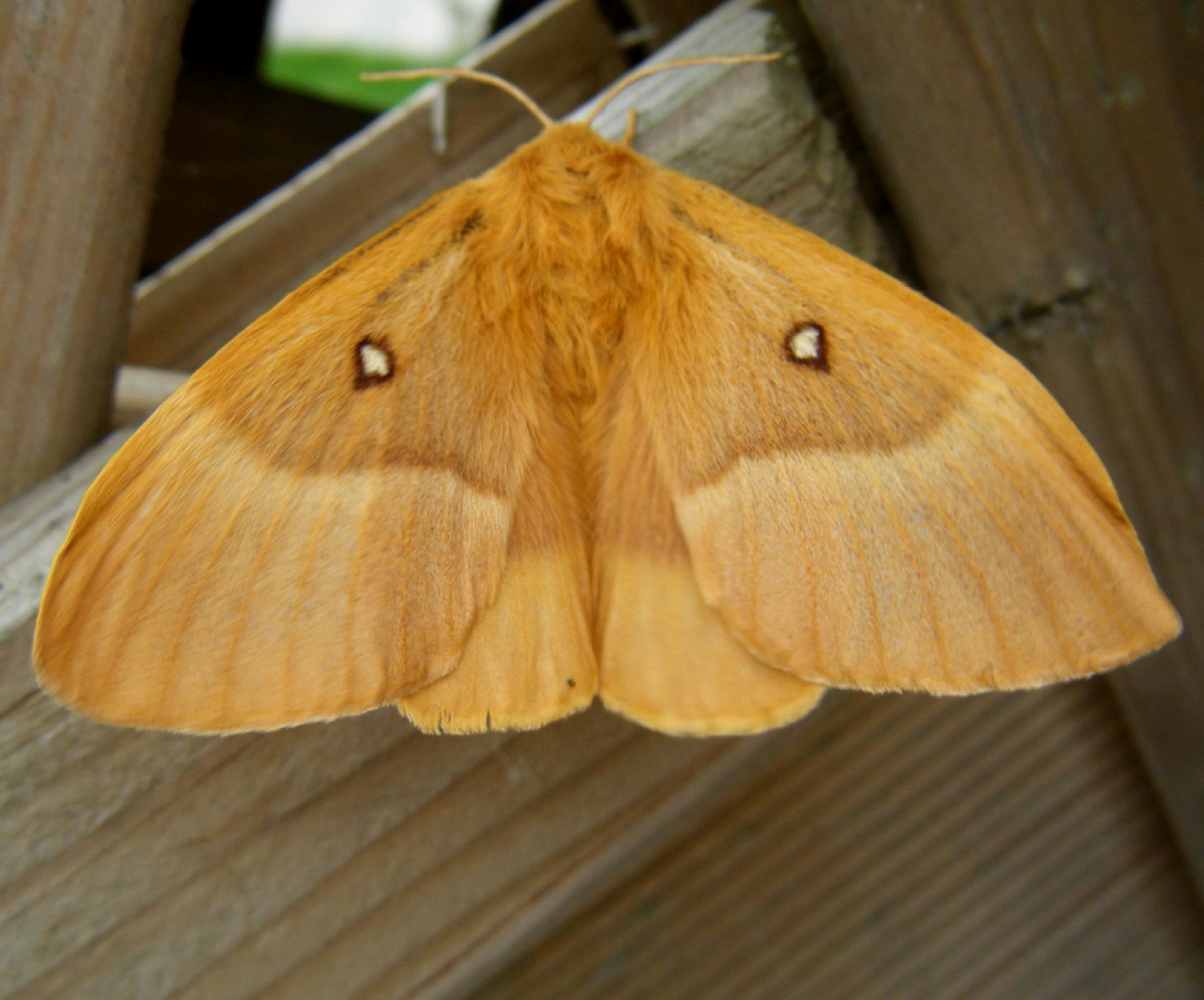
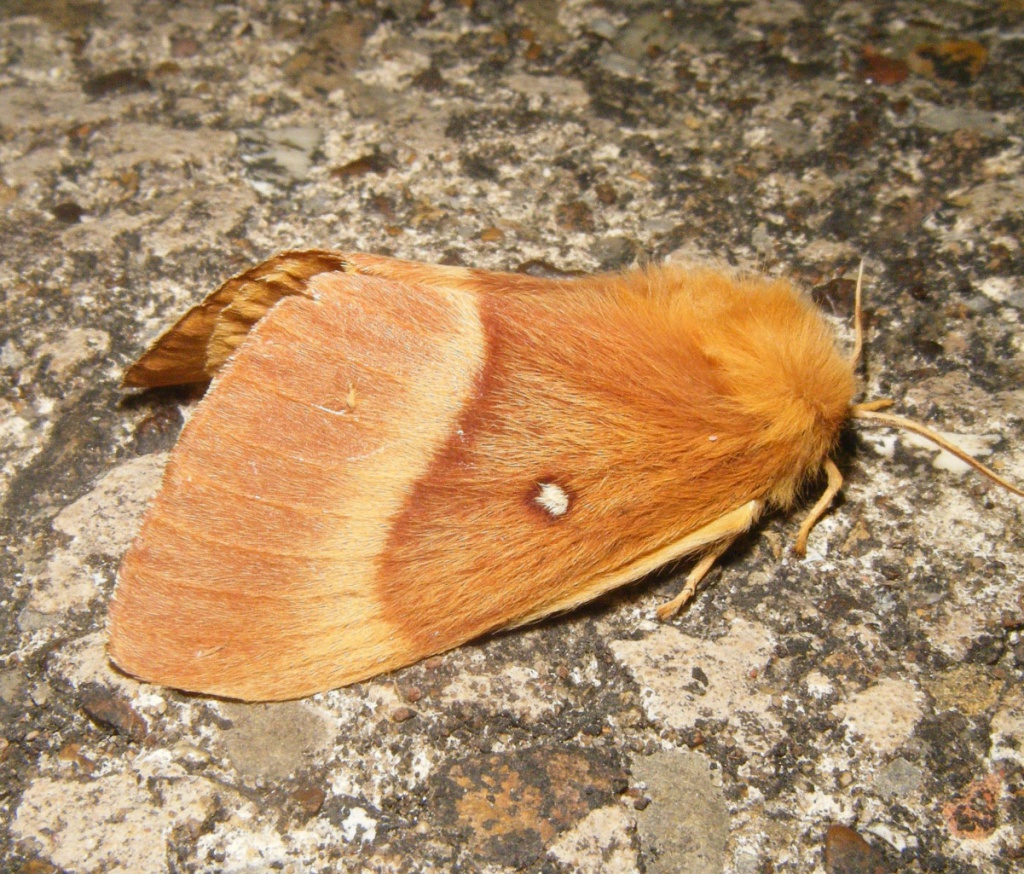
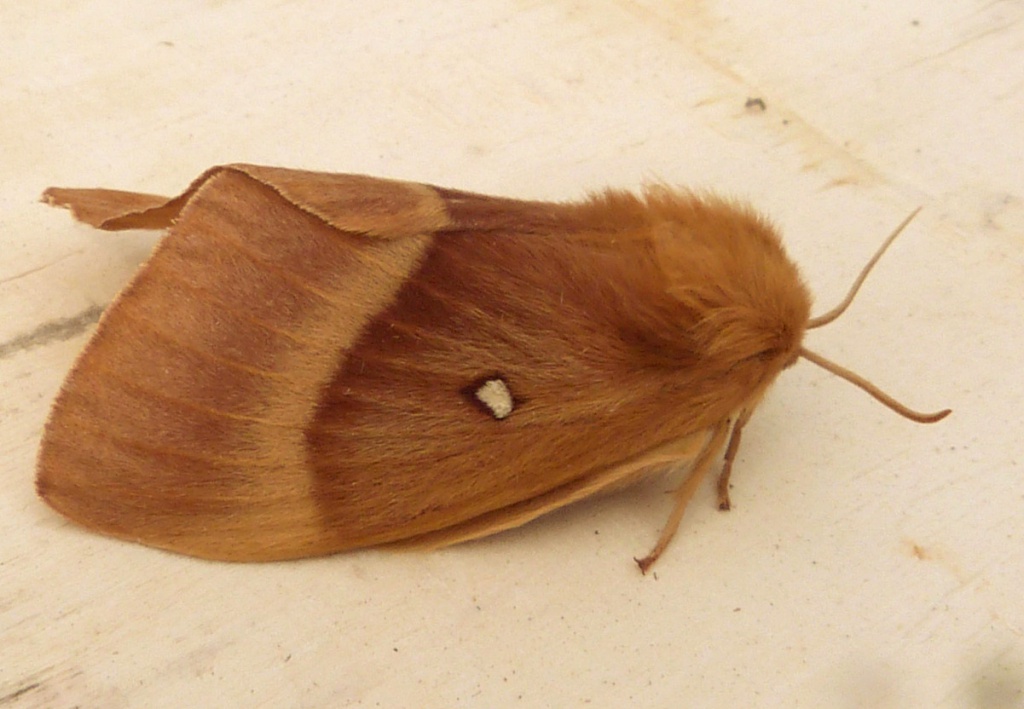
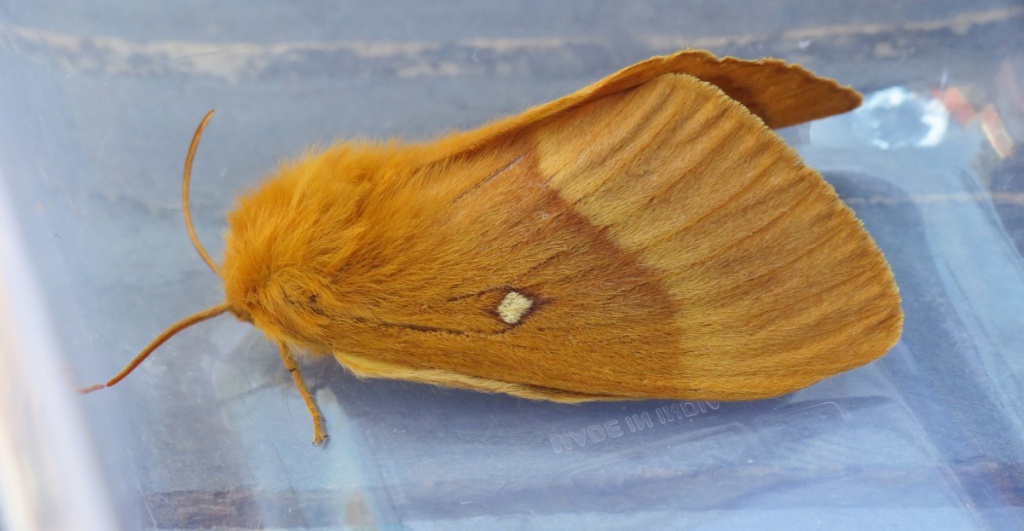
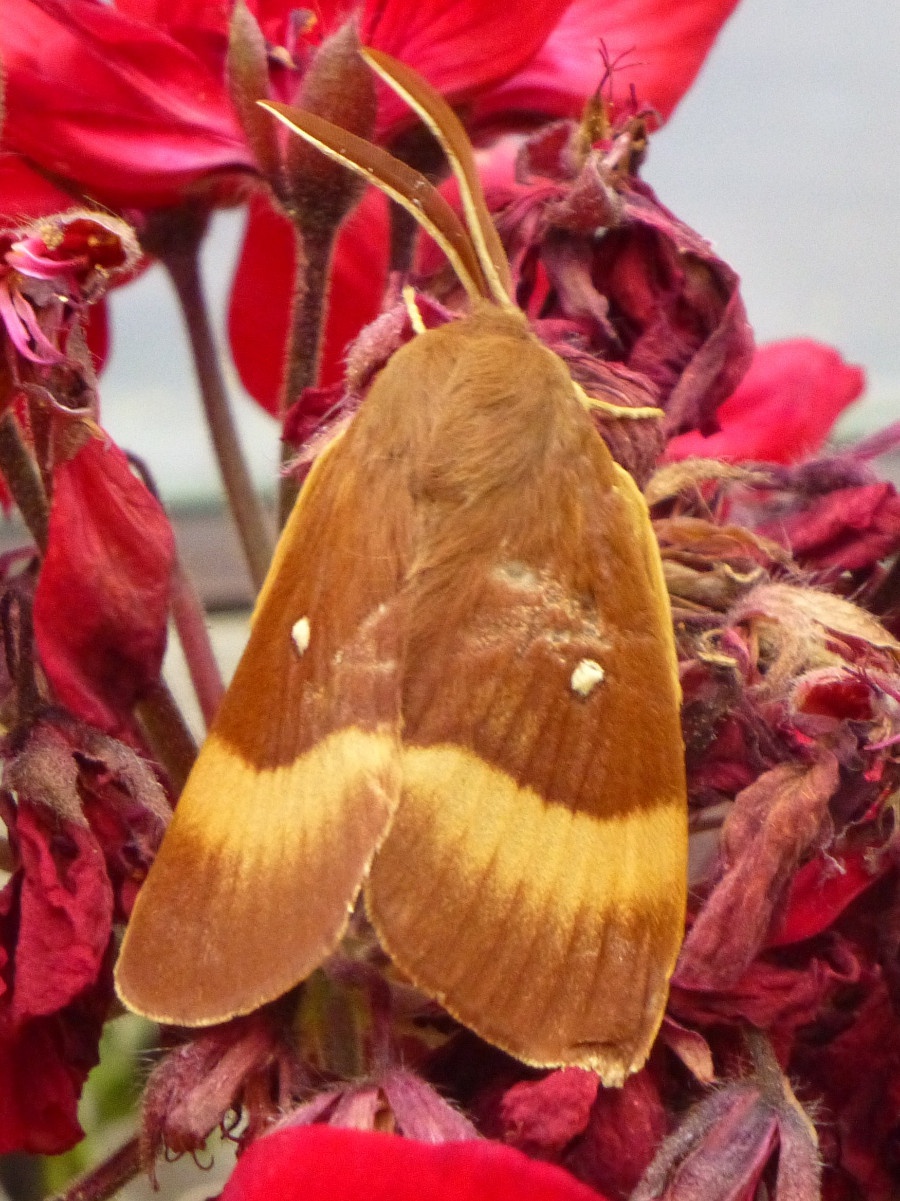
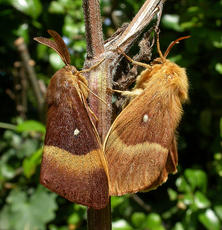
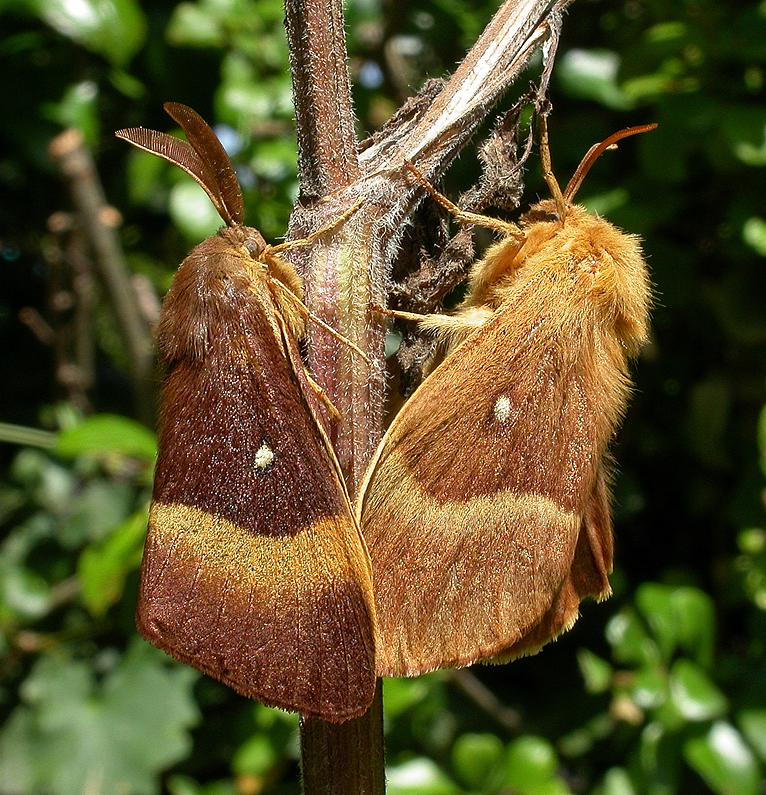
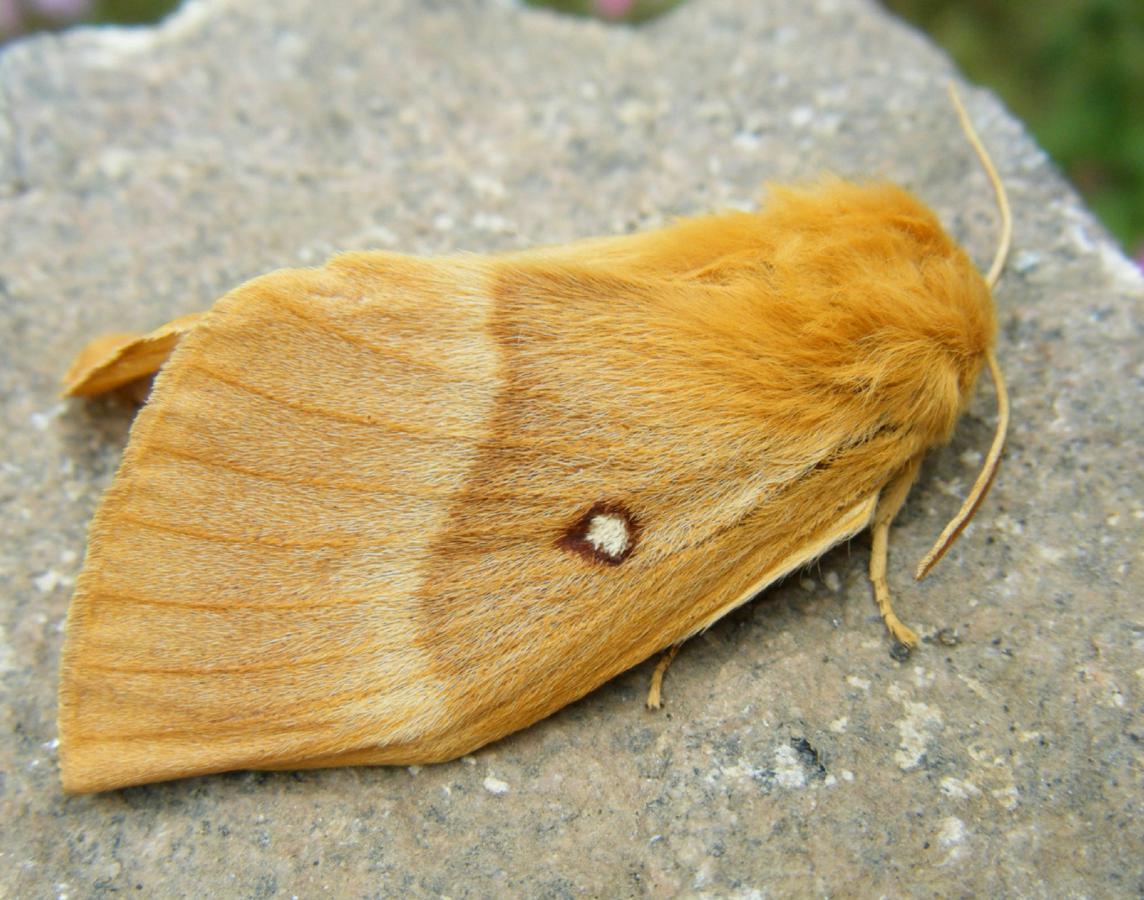
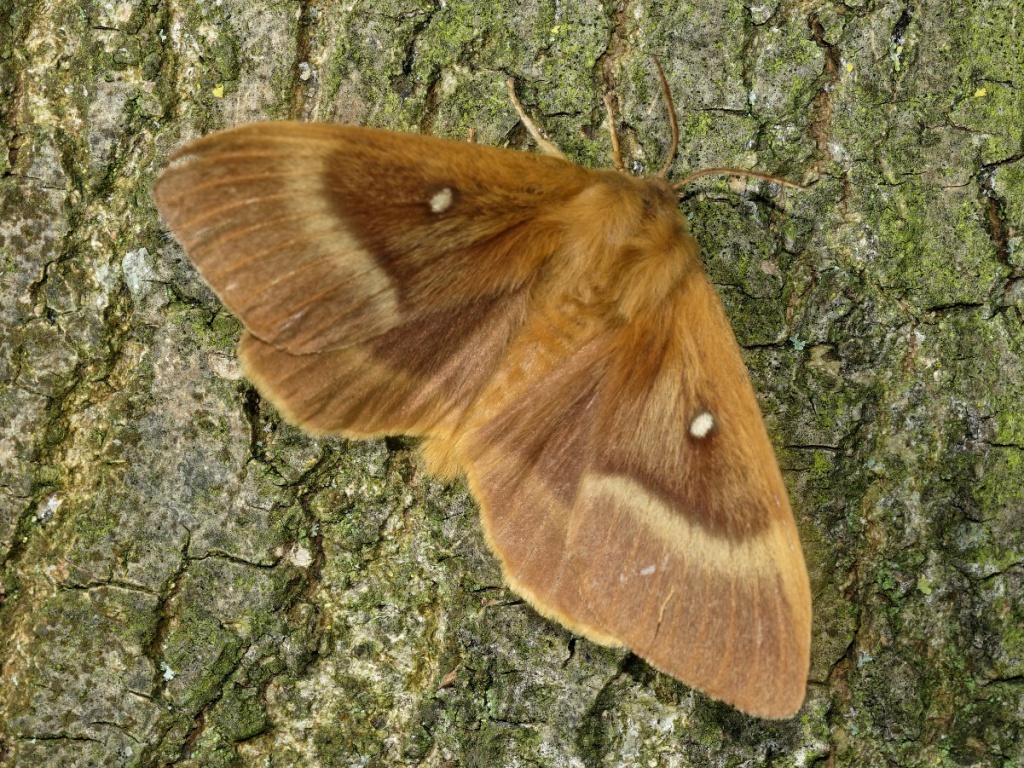
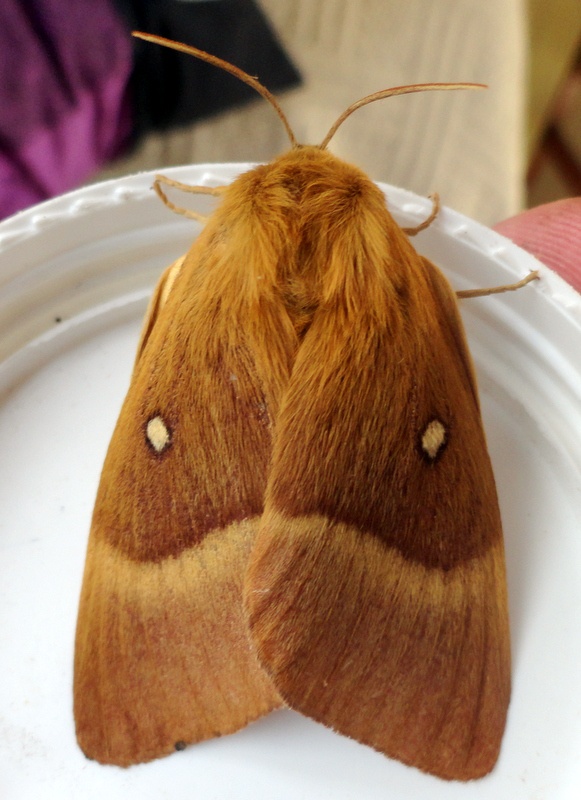
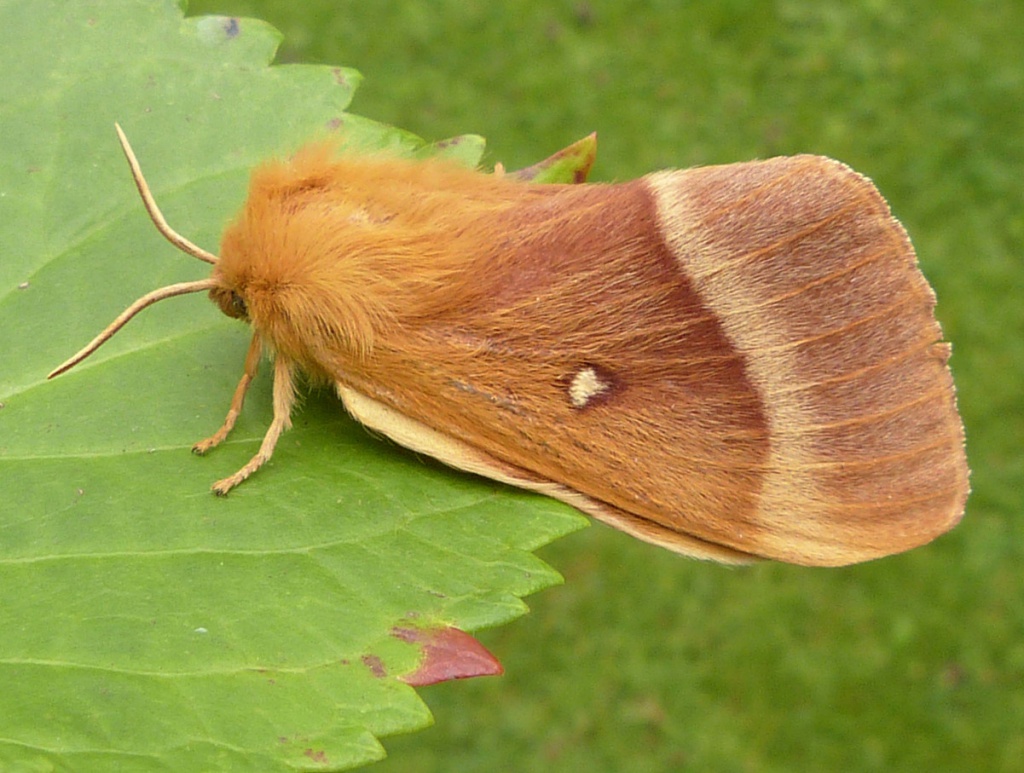
Wingspan 45-75 mm. The males are red-brown with a yellow band across the wing, whereas the females are larger and a paler cream colour. Adults from northern moors and some dunes and southern heaths are often larger and darker than most southern forms.

A good photograph is generally required to support your record.
Frequents woodland edges, hedgerows, downland, fens, sand-dunes, sand-hills and sea cliffs.
Males fly during the day especially in sunshine; females are nocturnal and can be attracted to light. The normal flight period in lowland southern Britain is July to August and in the north from late May to early July.
In the north of Britain development takes two years; in the south one year, with a zone in the Midlands and Welsh borders where it varies, probably with variation in the climate from year to year. The Oak Eggar, despite its name, does not feed on Oak but is so-called because the shape of its cocoon is acorn-like. The foodplants are mainly Heather and Bilberry but also include Bramble, Willows, Broom, Blackthorn, Hawthorn, Hazel and Sea-buckthorn.
Fairly common and widespread in Britain. In a recent survey to determine the status of all macro moths in Britain this species was classified as common.
Scarce / uncommon in VC55.
 Mark Skevington
Whetstone1
12 July 2003
male and female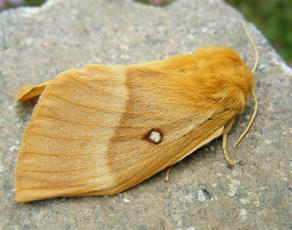 Graham Calow
Sapcote garden1
26 July 2011
female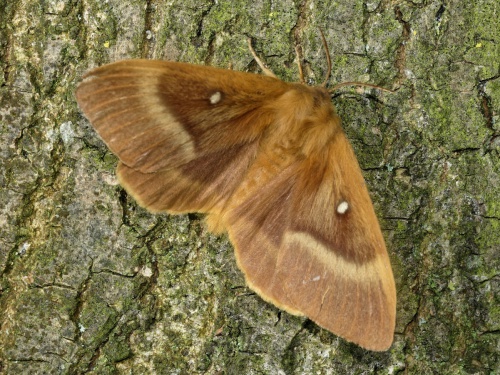 Barbara Cooper
Long Clawson
22 June 2020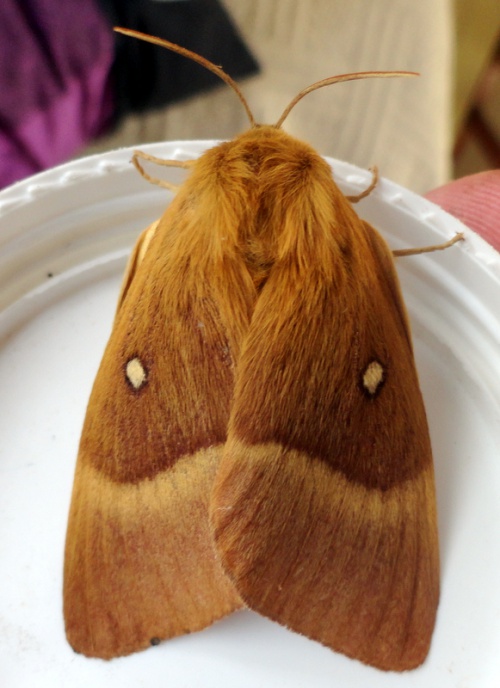 andrew johnson
Dadlington garden
19 July 2016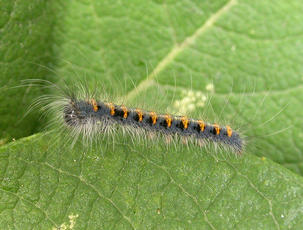
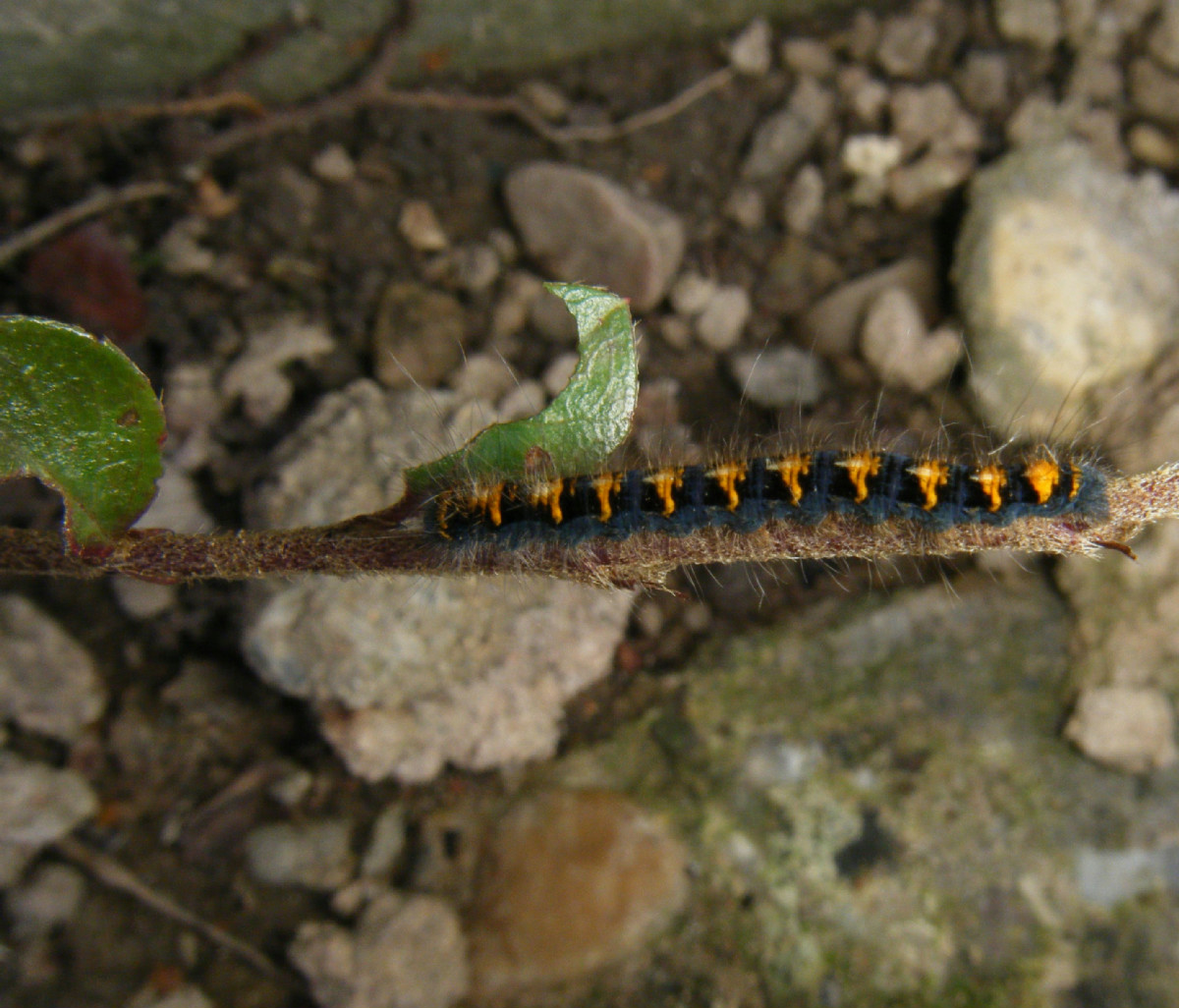
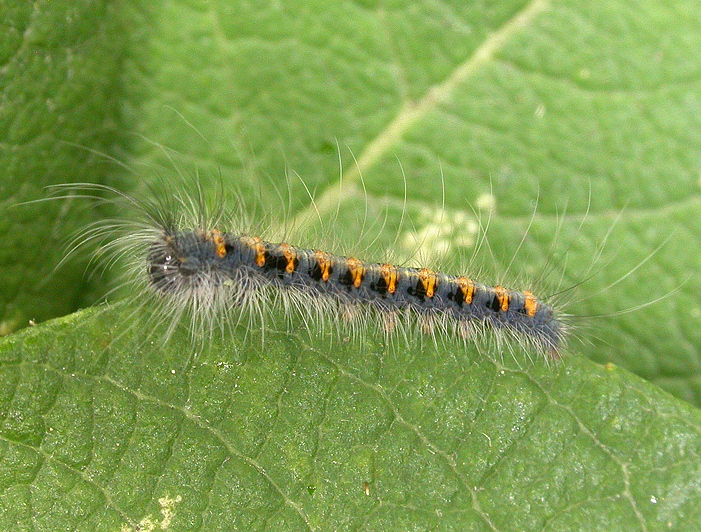
larva - 1st instar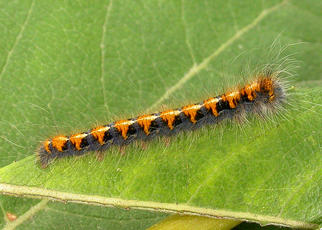
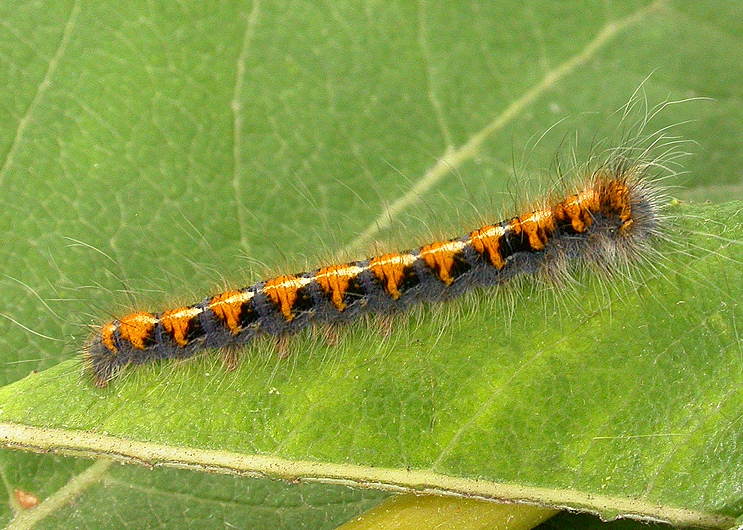
larva - 2nd instar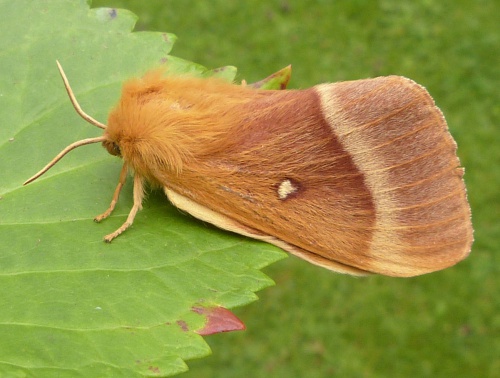 Graham Calow
Sapcote garden1
15 July 2016
Leicestershire & Rutland Map
Enter a town or village to see local records
MAP KEY:
Yellow squares = NBN records (all known data)
Coloured squares = NatureSpot records: 2025+ | 2020-2024 | pre-2020
UK Map
Additional images