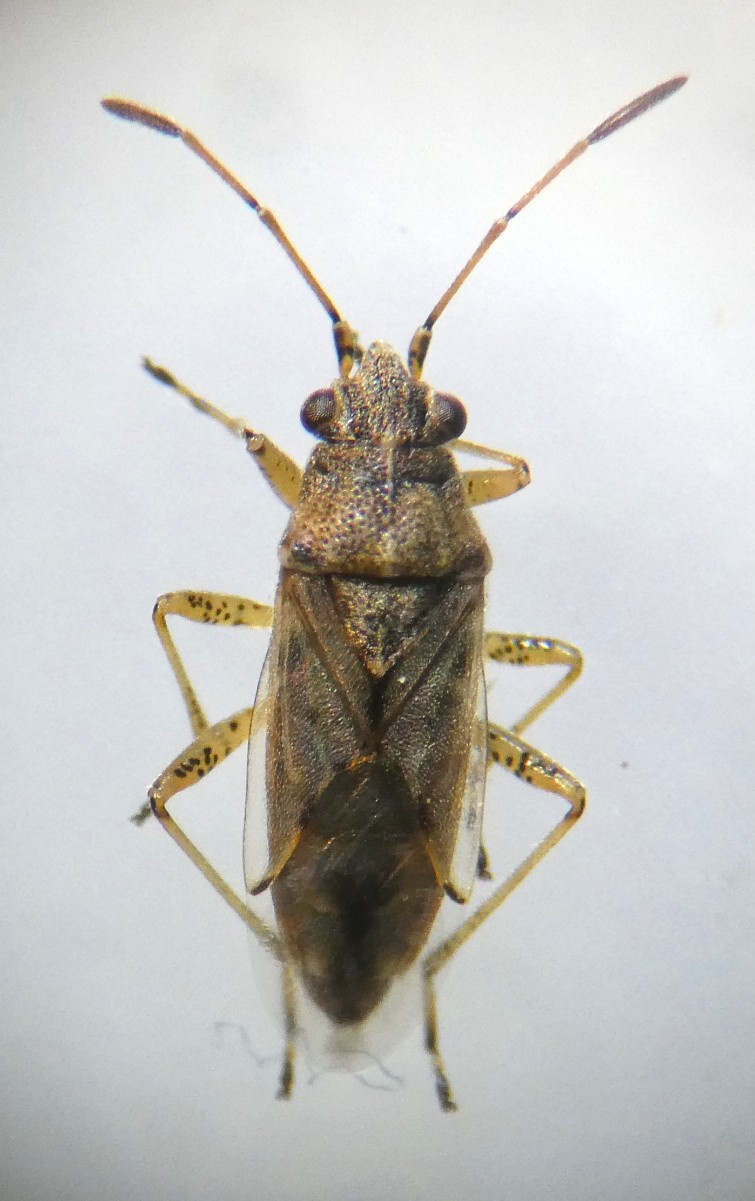
Nysius senecionis
Nysius senecionis
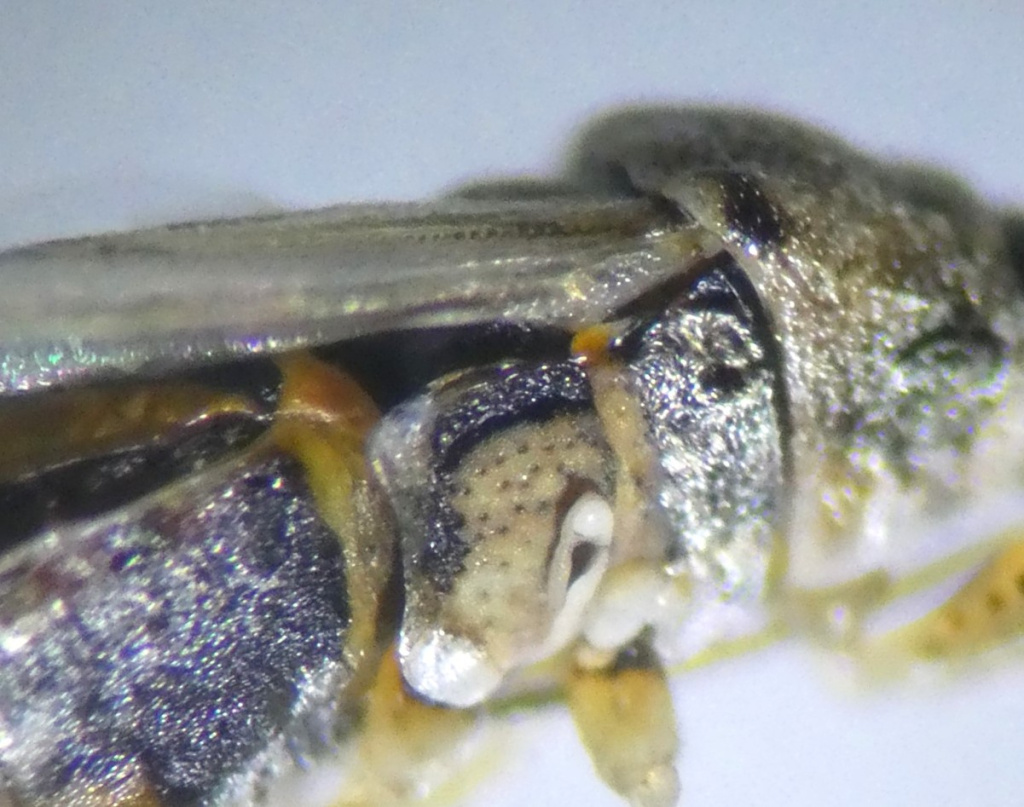
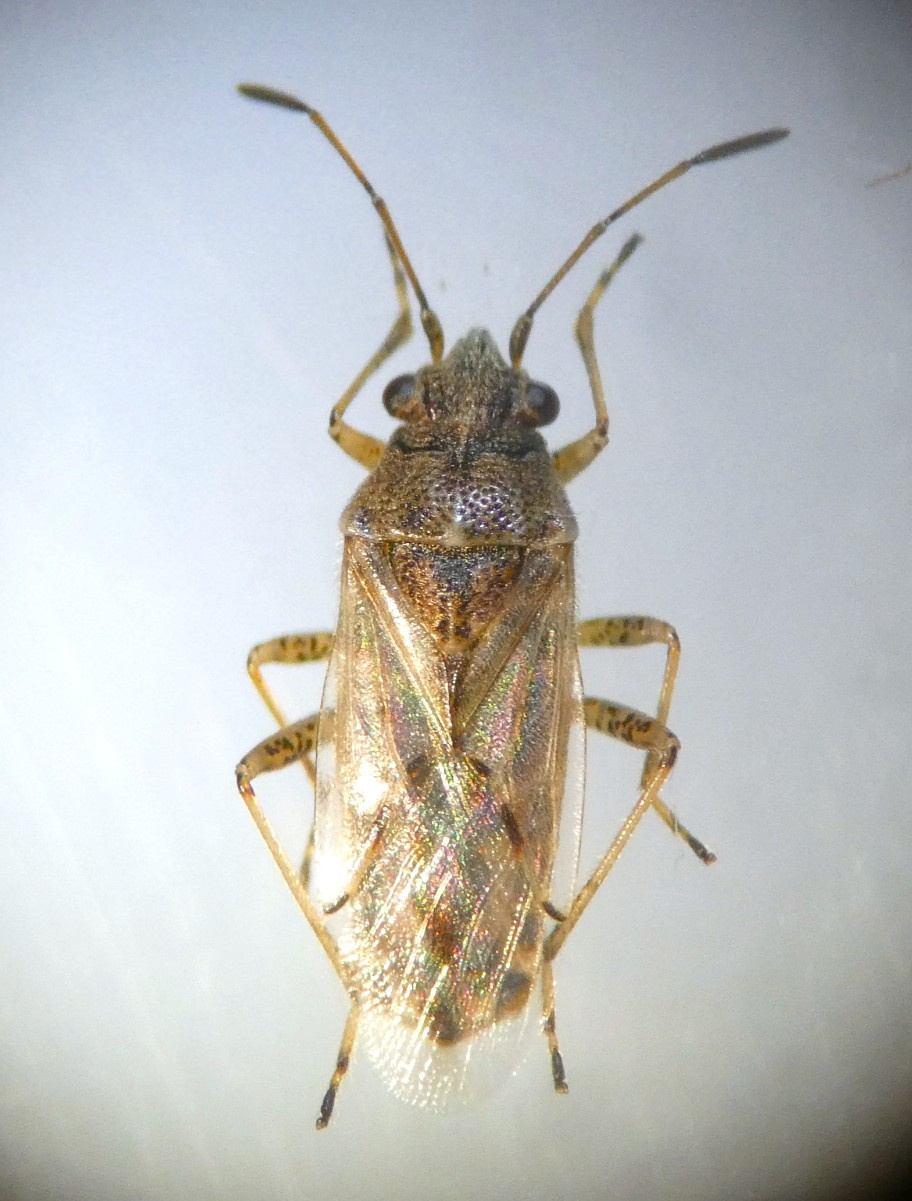
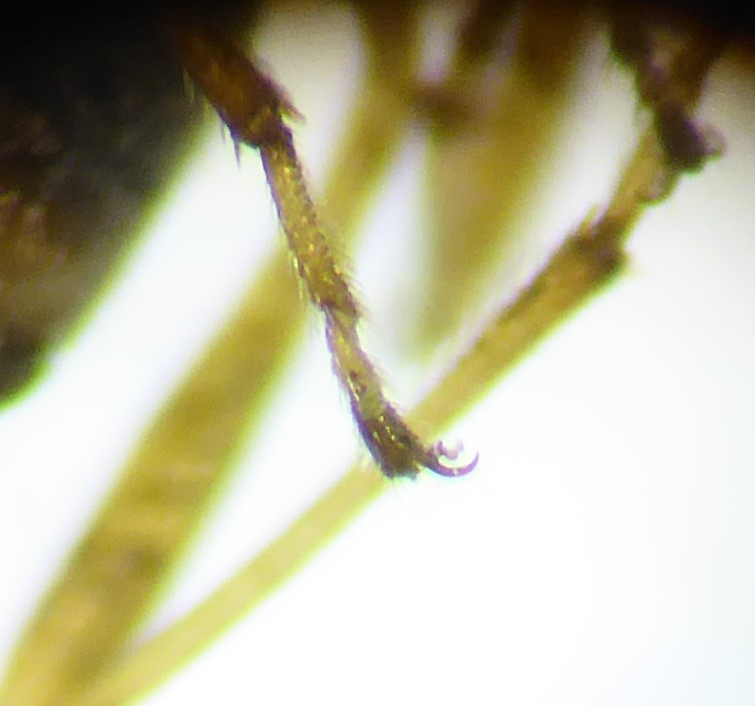
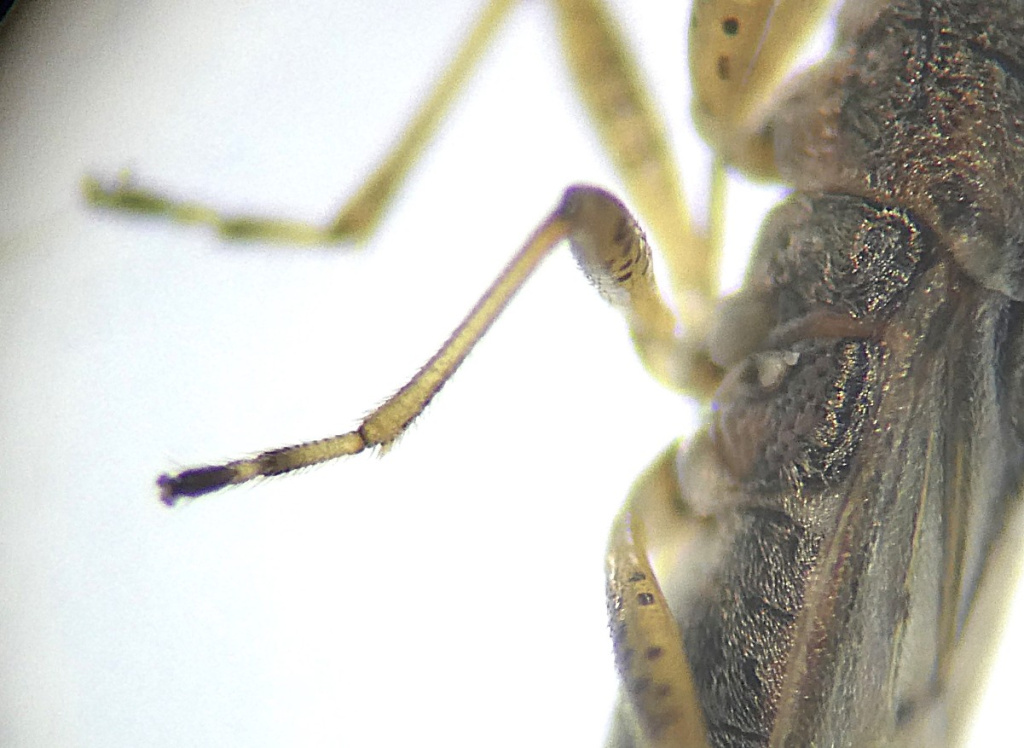
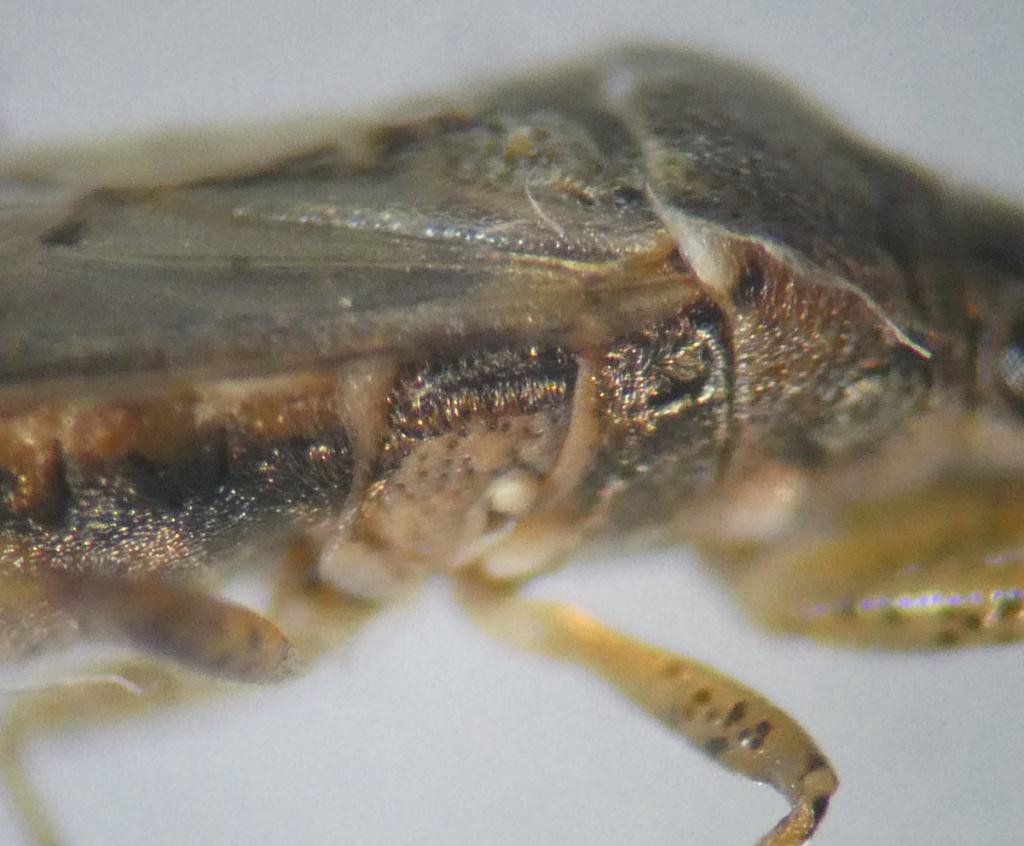
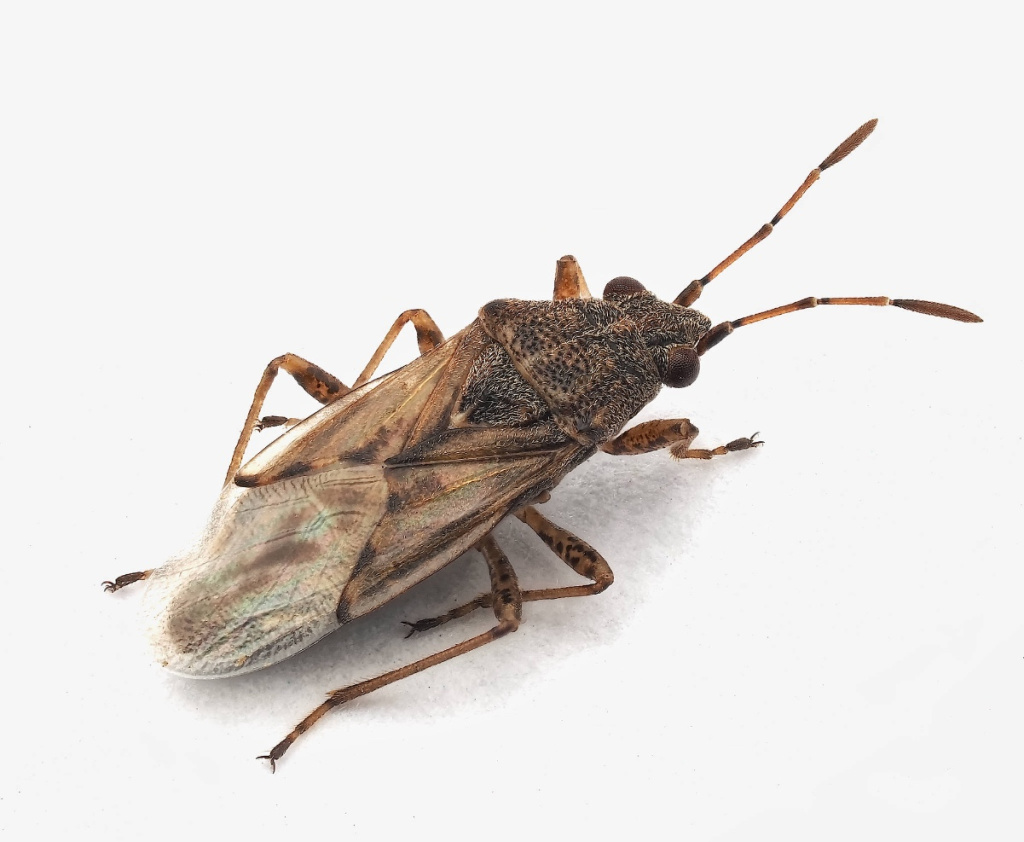
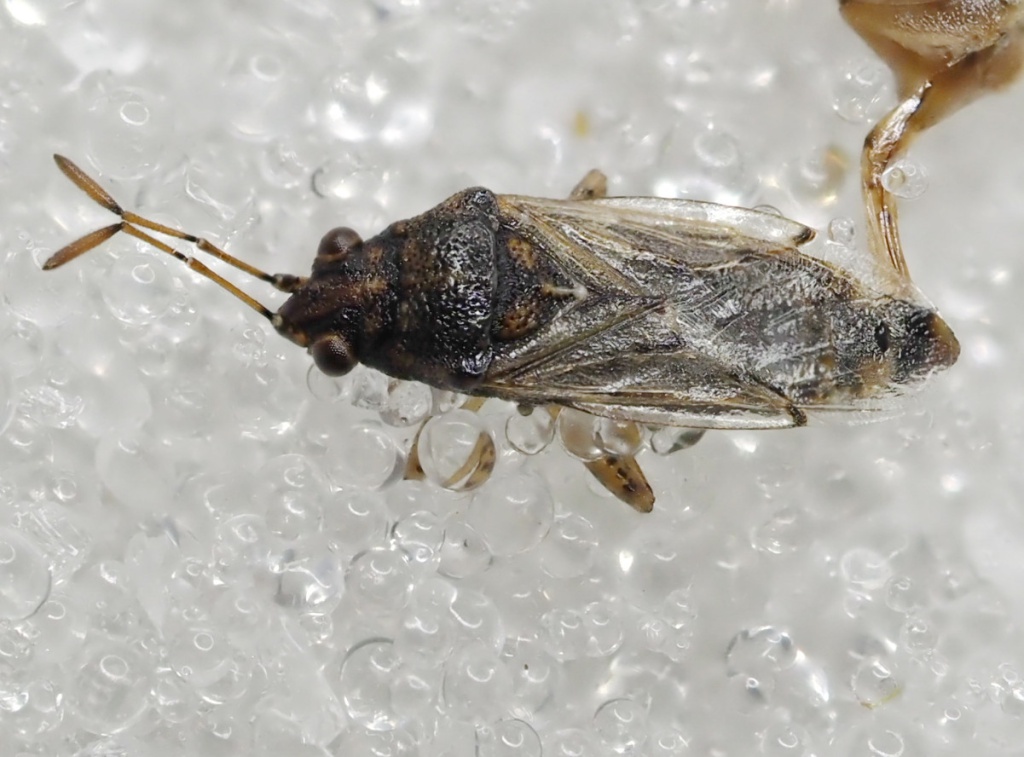
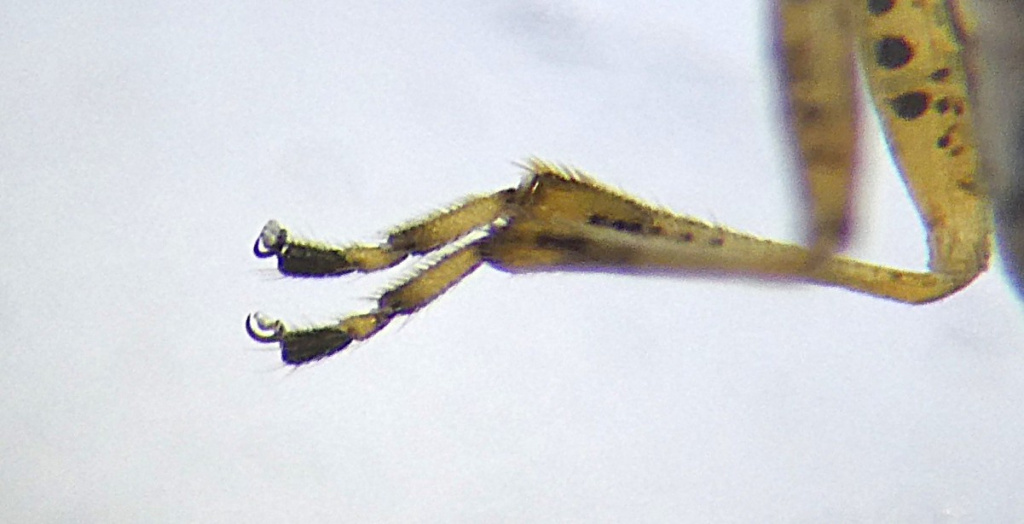
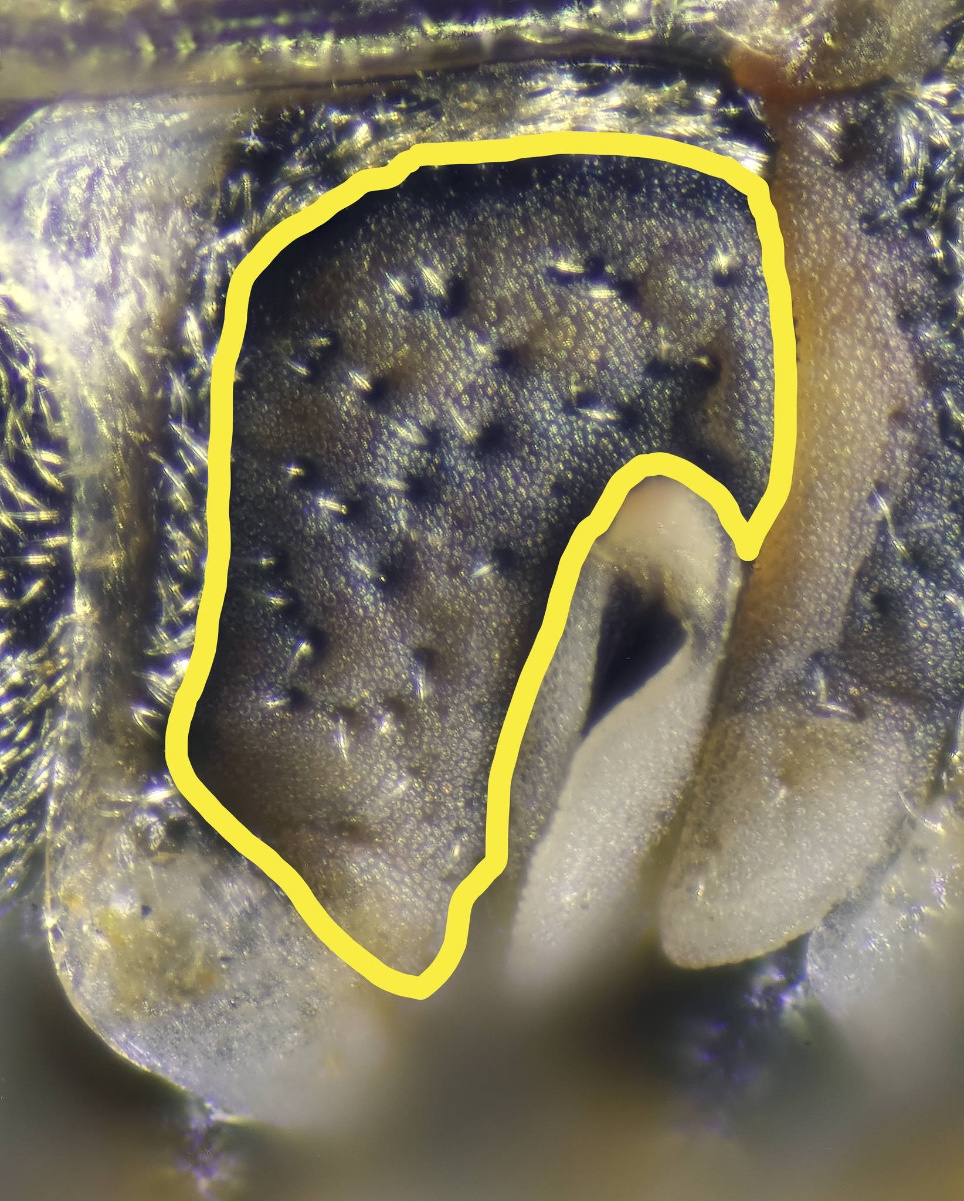
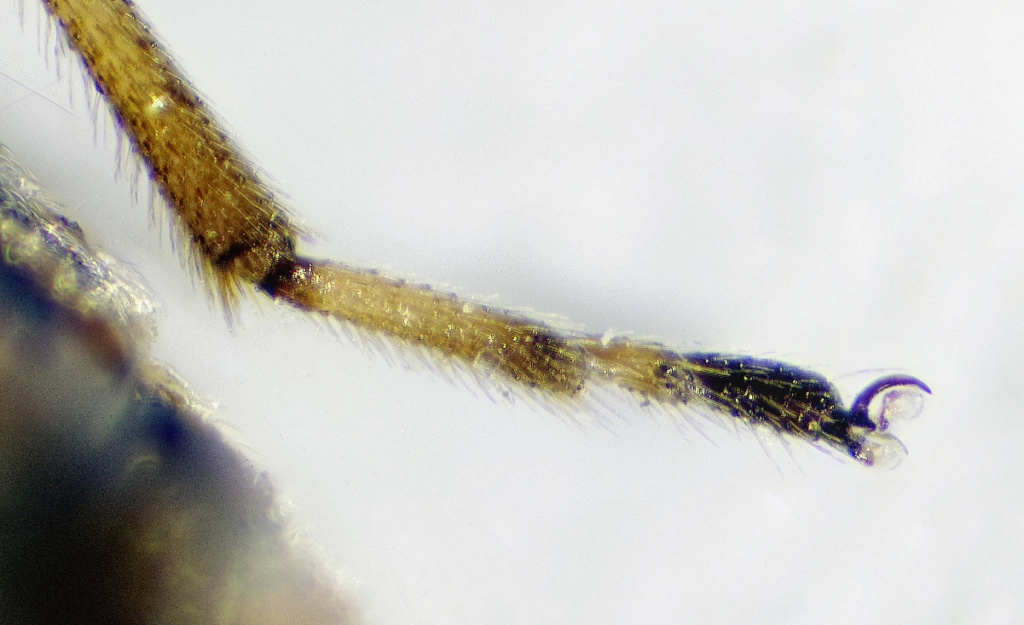
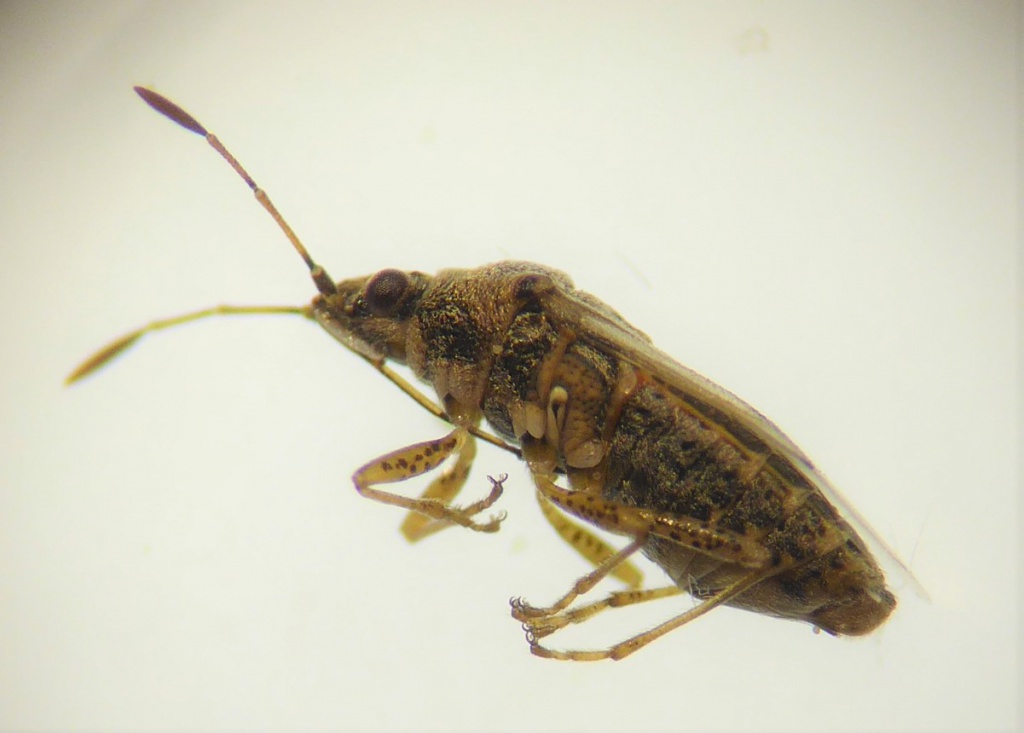
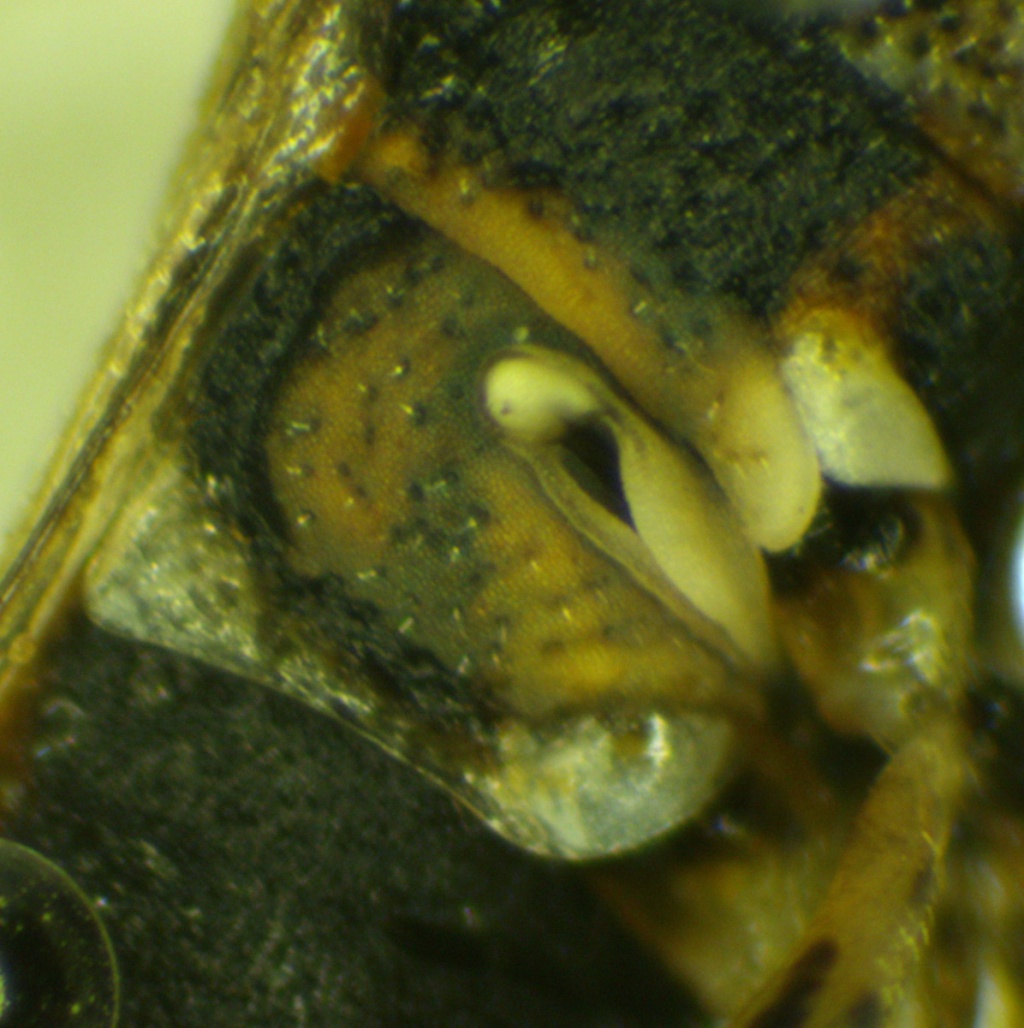
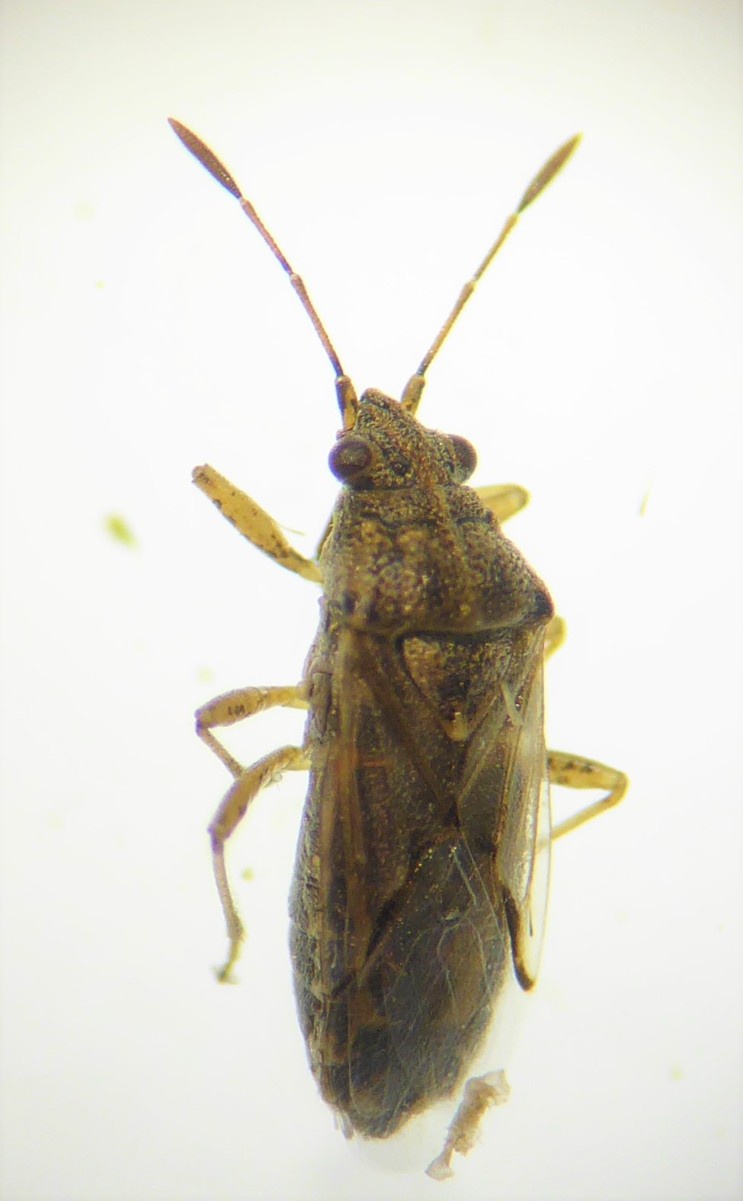
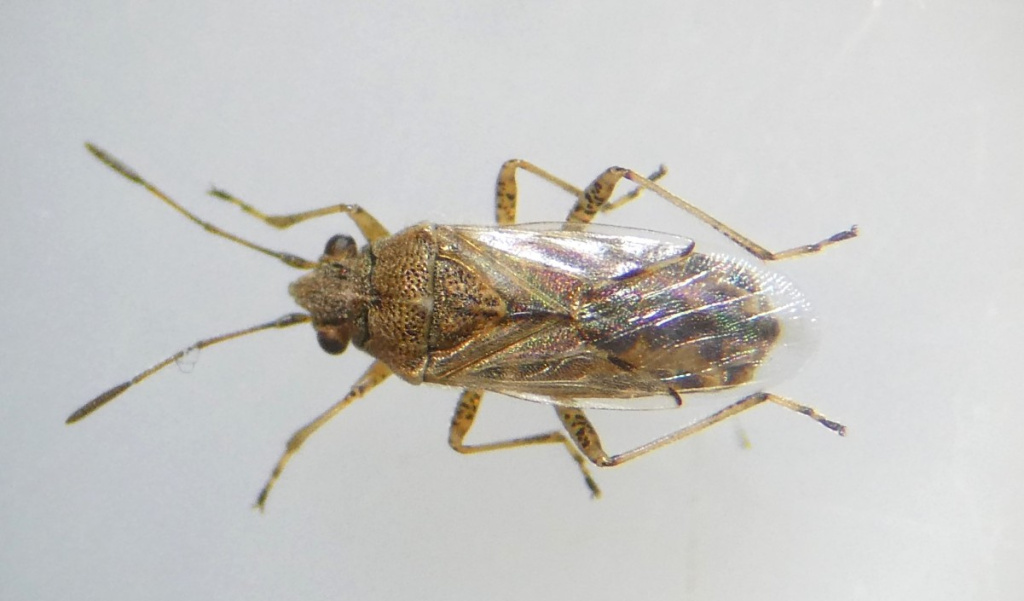
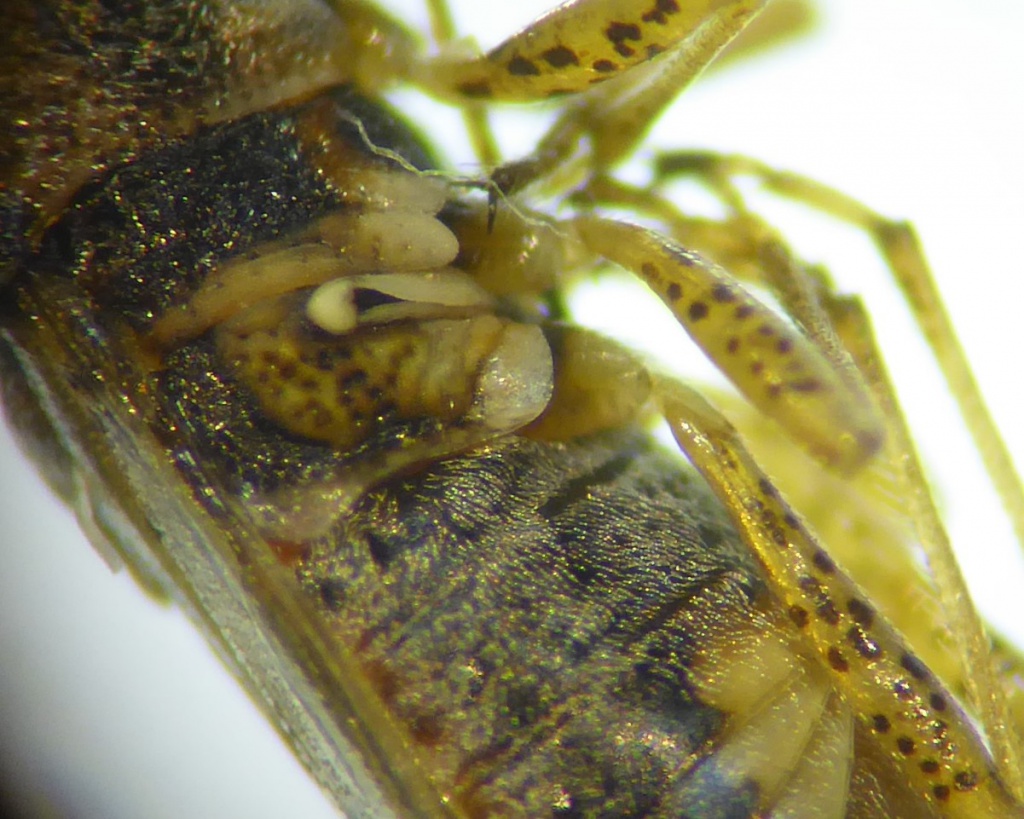
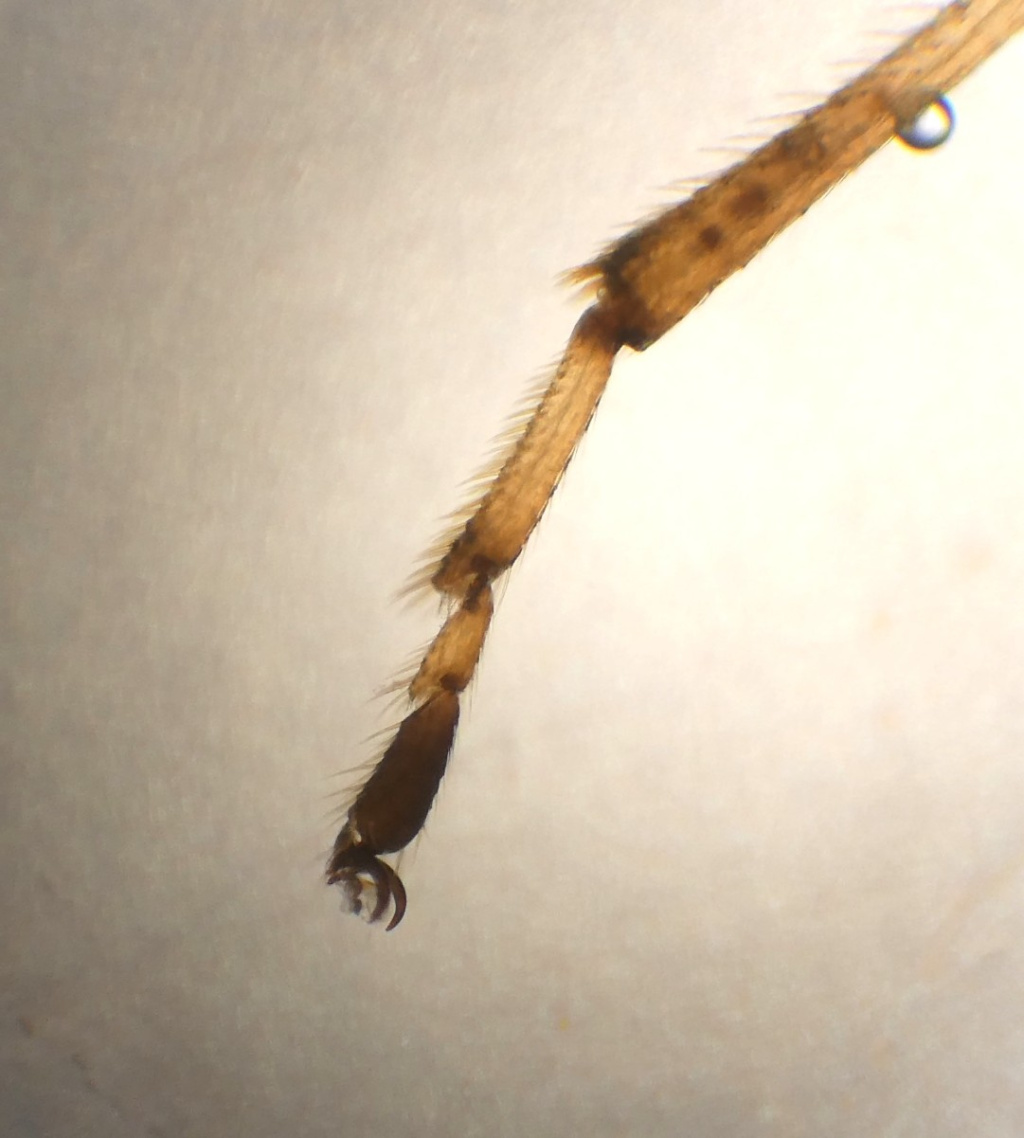
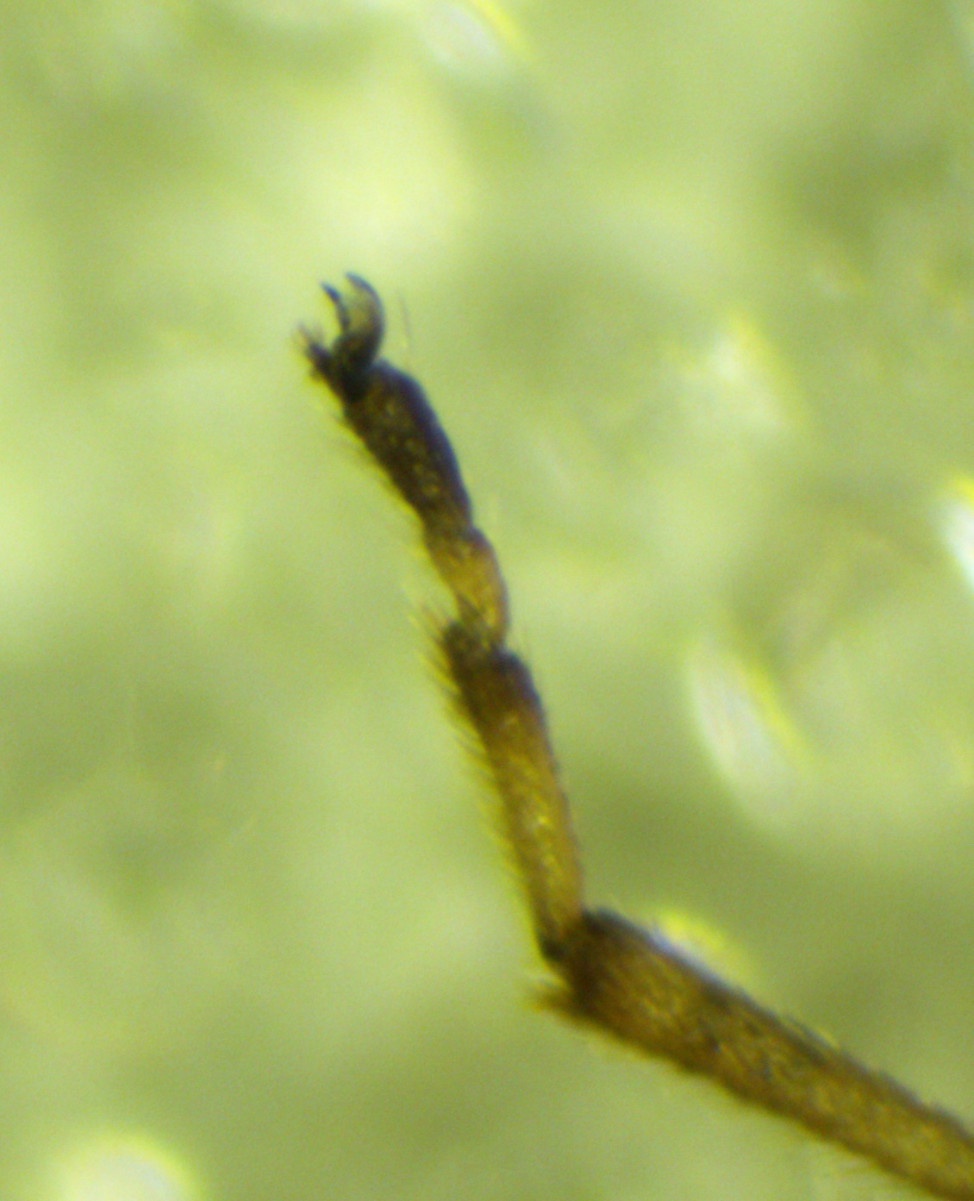
Length 4 to 5 mm. Nysius senecionis has the 2nd antennal segment pale with a dark ring at the base and the wing membrane is usually clear and unmarked. It is separated from the very similar N. graminicola by the shorter 1st segment of the hind tarsus, which is less than the combined length of the 2nd and 3rd segments (including claws). In addition, the matt area of the metapleuron is extensive.
other Nysius, especially N graminicola

- Black basal ring to the 2nd antennal sement
- Extensive matt area to metapleuron
- Length of 1st hind tarsal segment greater than combined length of 2nd and.3rd segments and claws
Detailed examination of the specimen is recommended; a field photograph may not be adequate because the key features are small or hidden. Ensure the antennae, hind tarsi and the metapleuron are clearly visible in your photos. Note habitat.
It is associated with a range of composites such as Ragwort and Fleabane.
Adult: All year.
Widely scattered (ref: British Heteroptera checklist 2021, on British Bugs website). A fairly recent arrival in Britain, first recorded in 1992 and now widespread and common in much of southern Britain as far north as Yorkshire.
Occasionally recorded
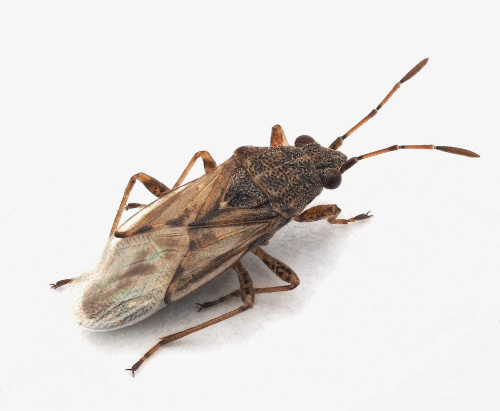 AJ Cann
Great Glen, Burton Brook Community WildSpace
24 January 2026
ant2 pale with a well defined basal dark ring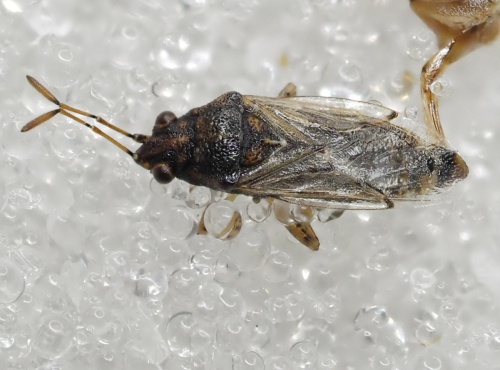 David Nicholls
UoL Botanical Garden
20 August 2022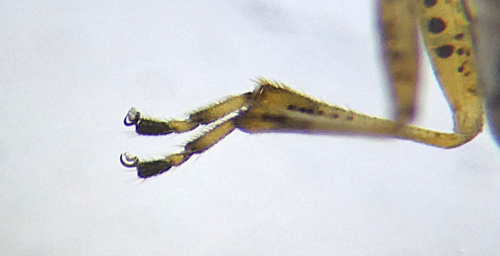 sue
sue
Coalville, Warren Hills
29 August 2025
1st seg tarsus > 2nd + 3rd + claws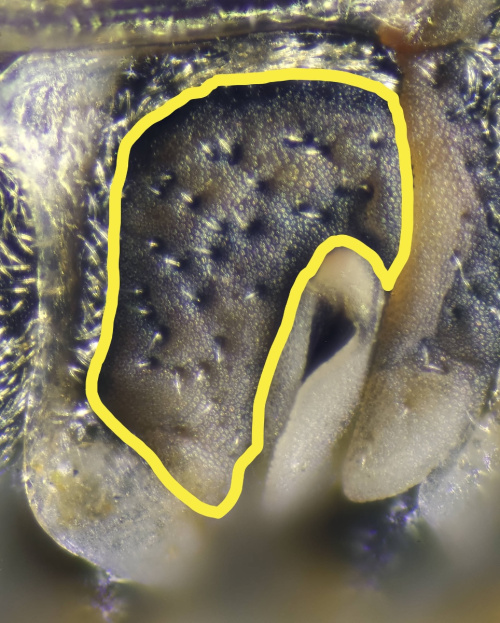 AJ Cann
Great Glen, Burton Brook Community WildSpace
24 January 2026
matt area of metapleuron (outlined) large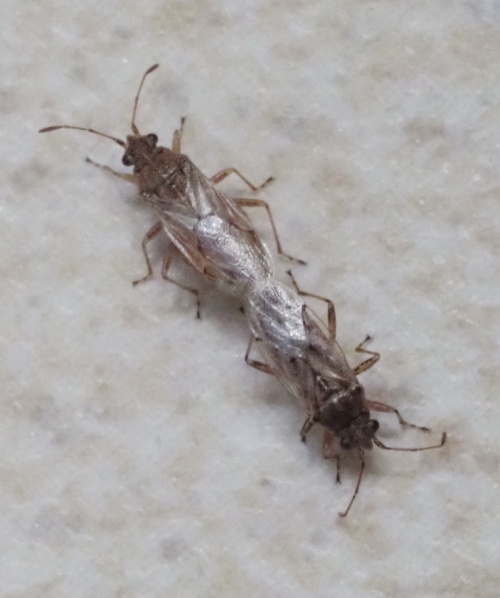 David Nicholls
UoL Botanical Garden
20 August 2022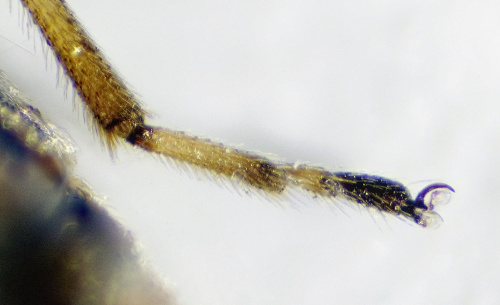 AJ Cann
Croft Pasture
07 October 2025
hind tarsus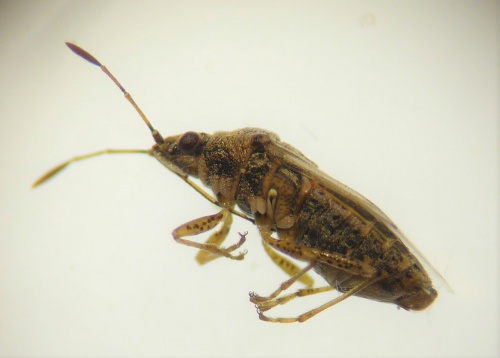 sue
sue
Bagworth
31 August 2020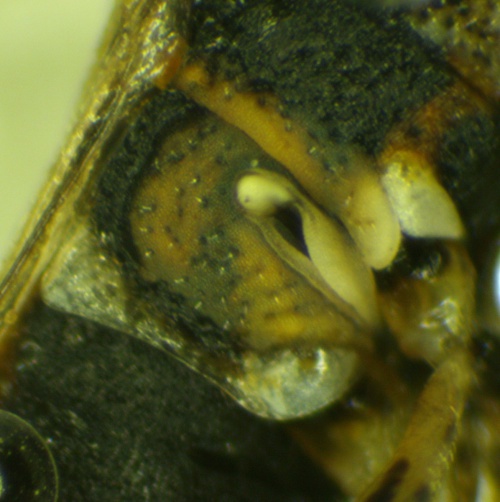 David Nicholls
UoL Botanical Garden
20 August 2022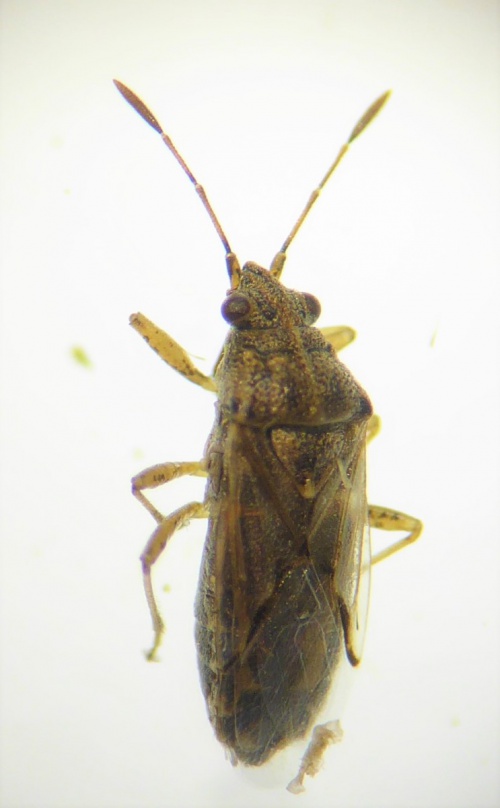 sue
sue
Bagworth
31 August 2020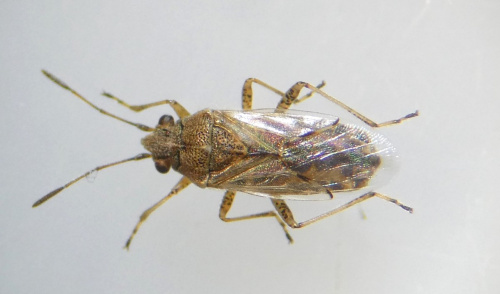 sue
sue
Coalville, Warren Hills
29 August 2025
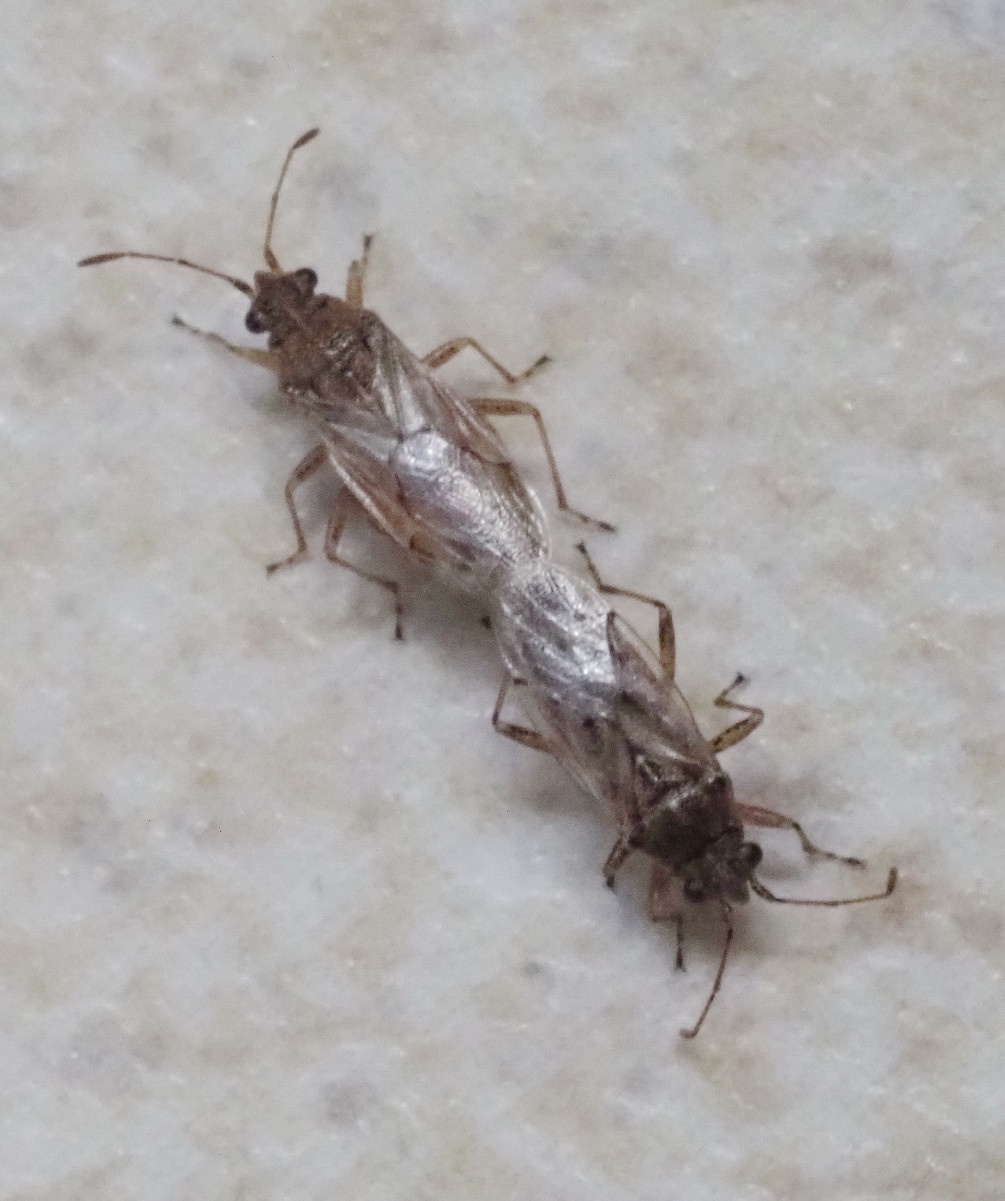
female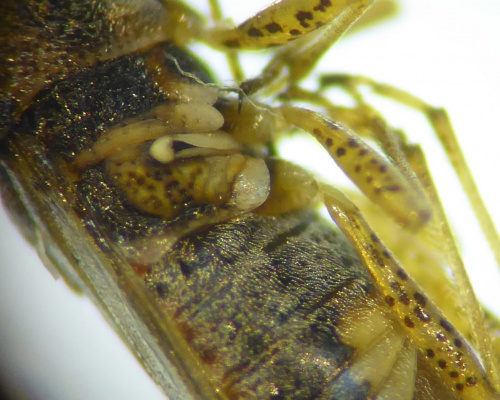 sue
sue
Bagworth
31 August 2020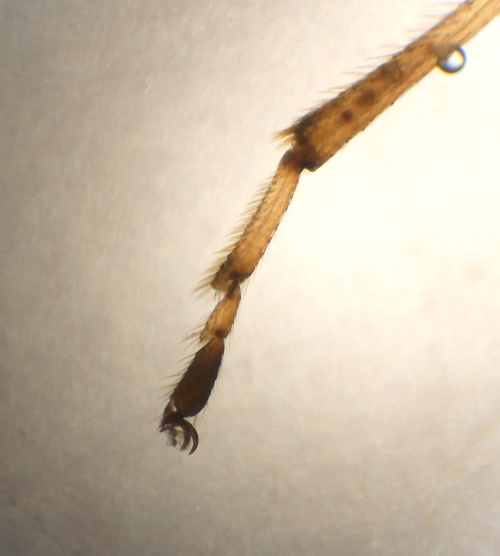 sue
sue
Measham, former Minorca Colliery site
06 July 2026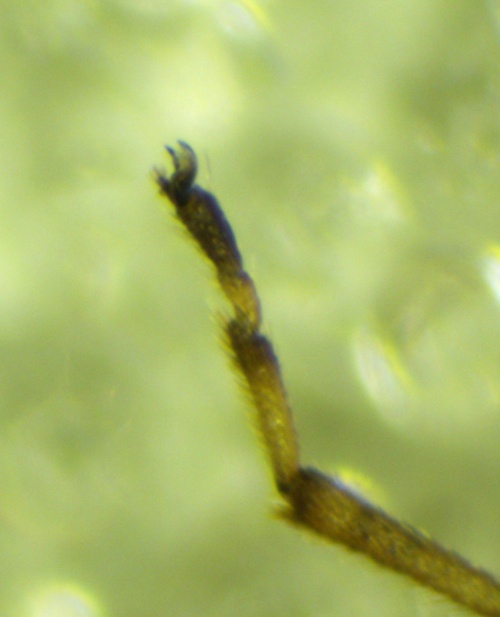 David Nicholls
UoL Botanical Garden
20 August 2022
Leicestershire & Rutland Map
Enter a town or village to see local records
MAP KEY:
Yellow squares = NBN records (all known data)
Coloured squares = NatureSpot records: 2025+ | 2020-2024 | pre-2020
UK Map
Additional images