Micaria micans
Micaria micans
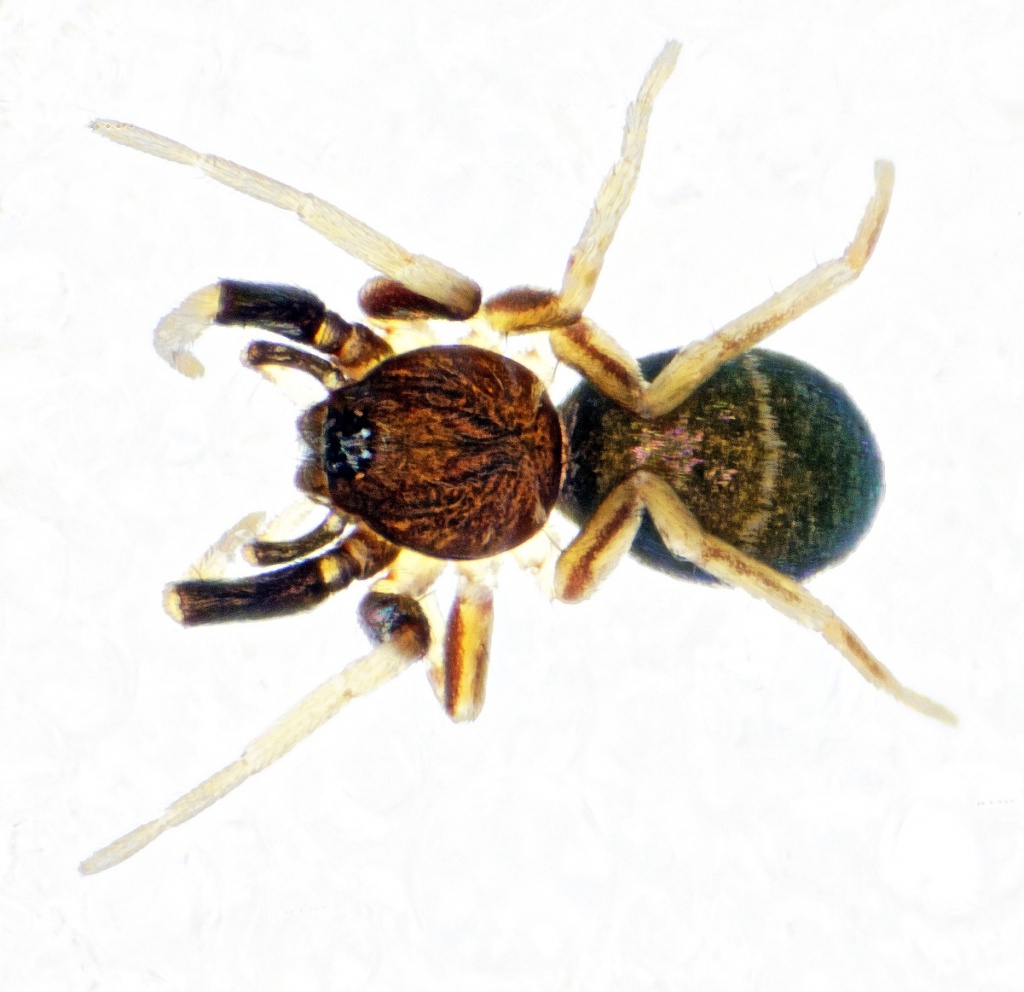
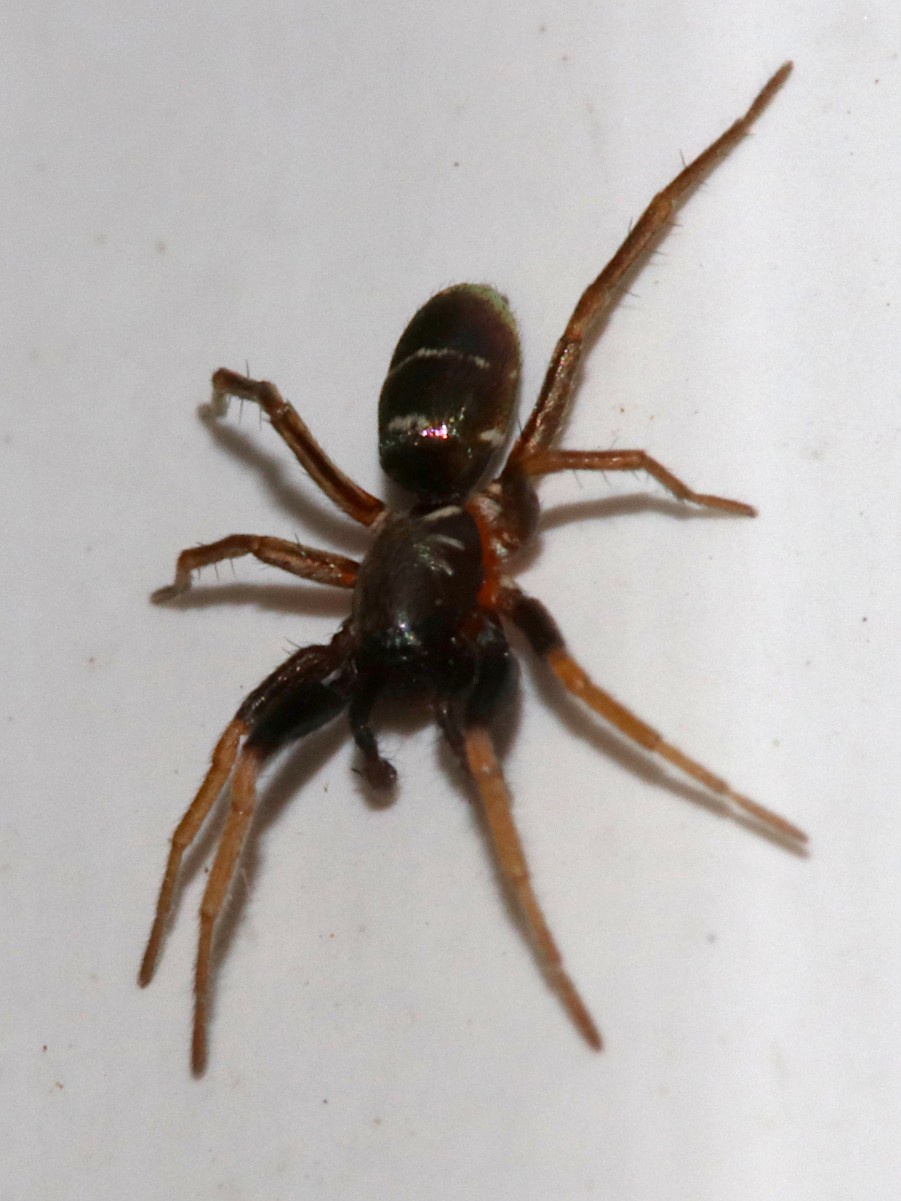
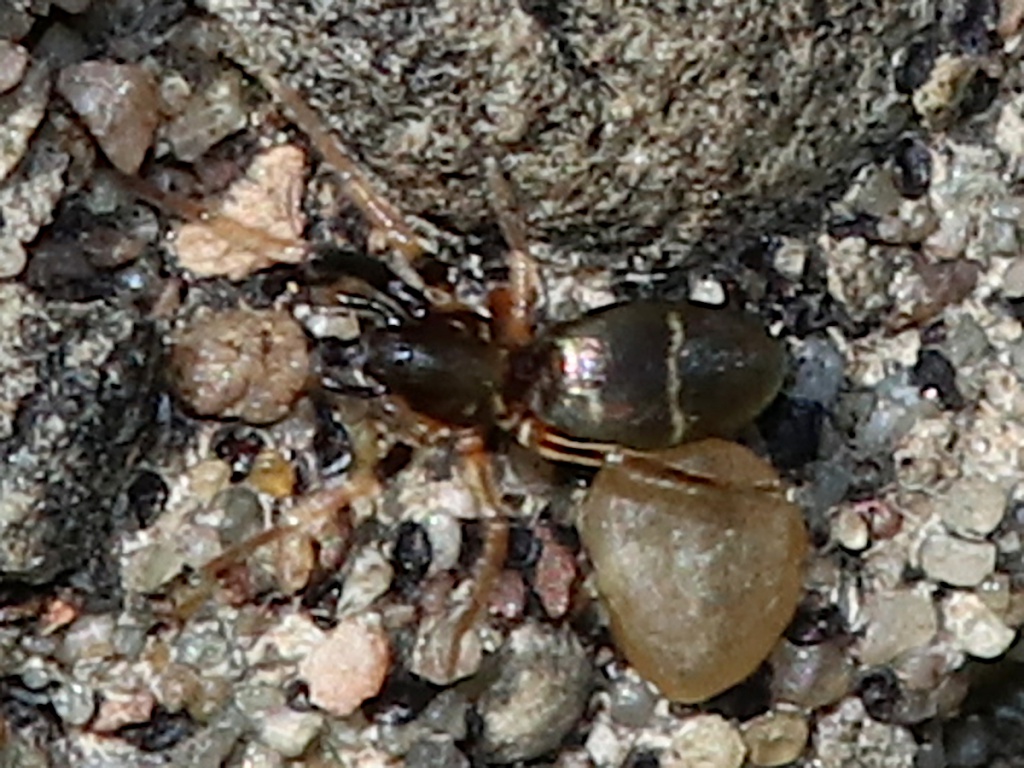
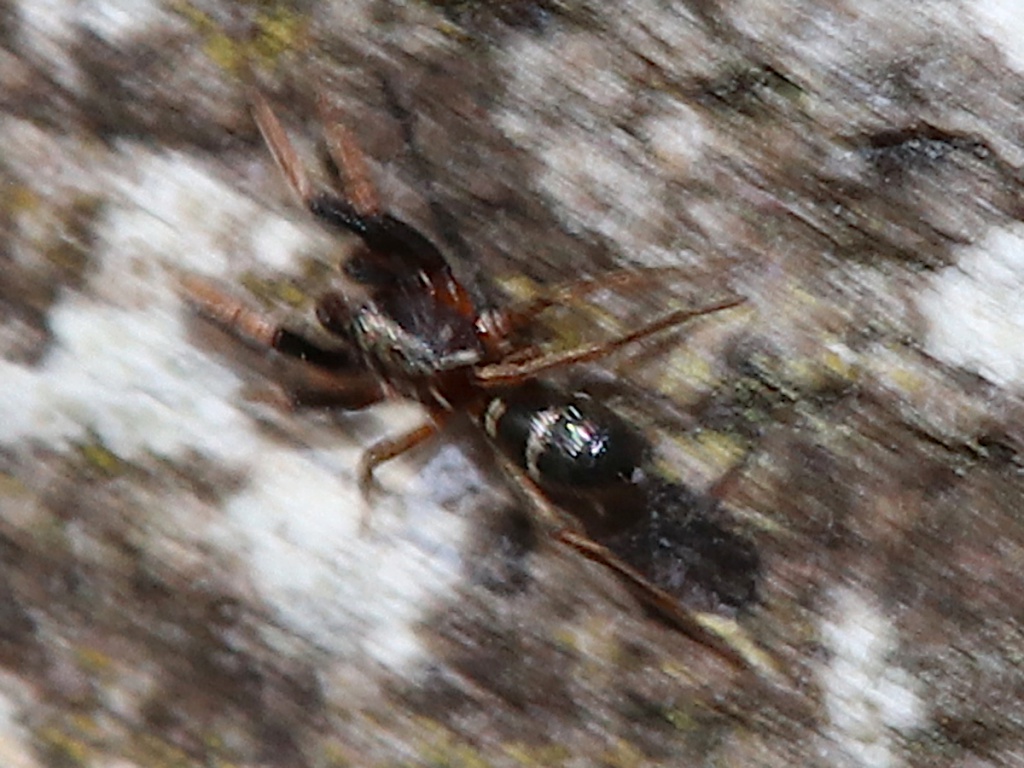
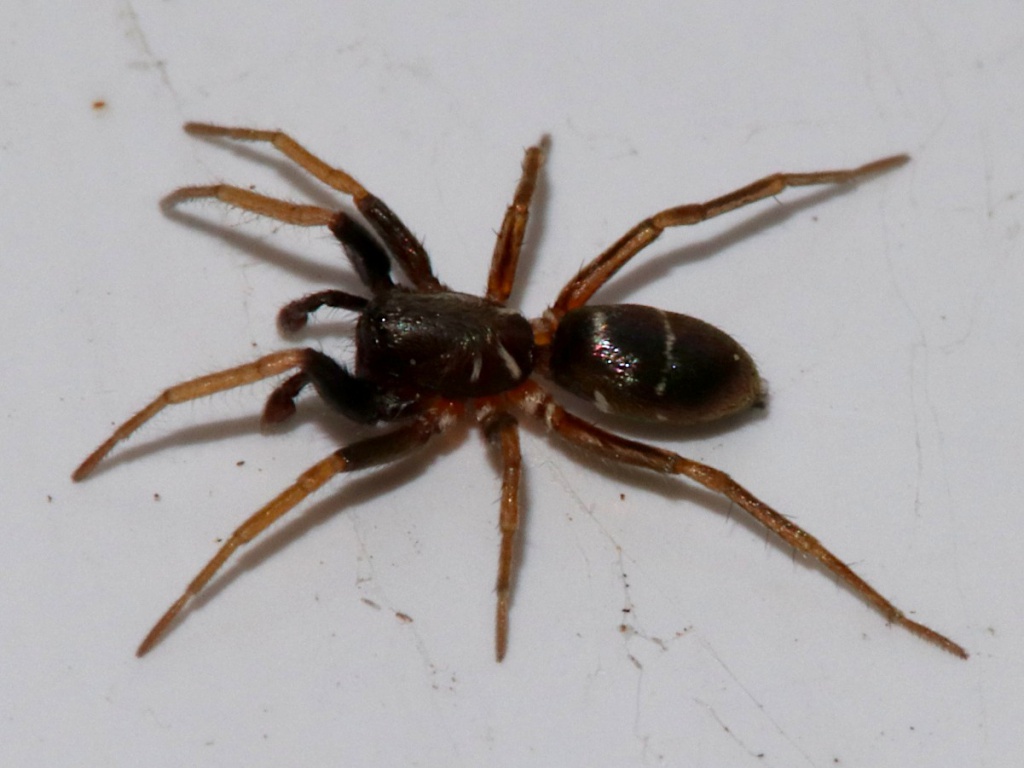
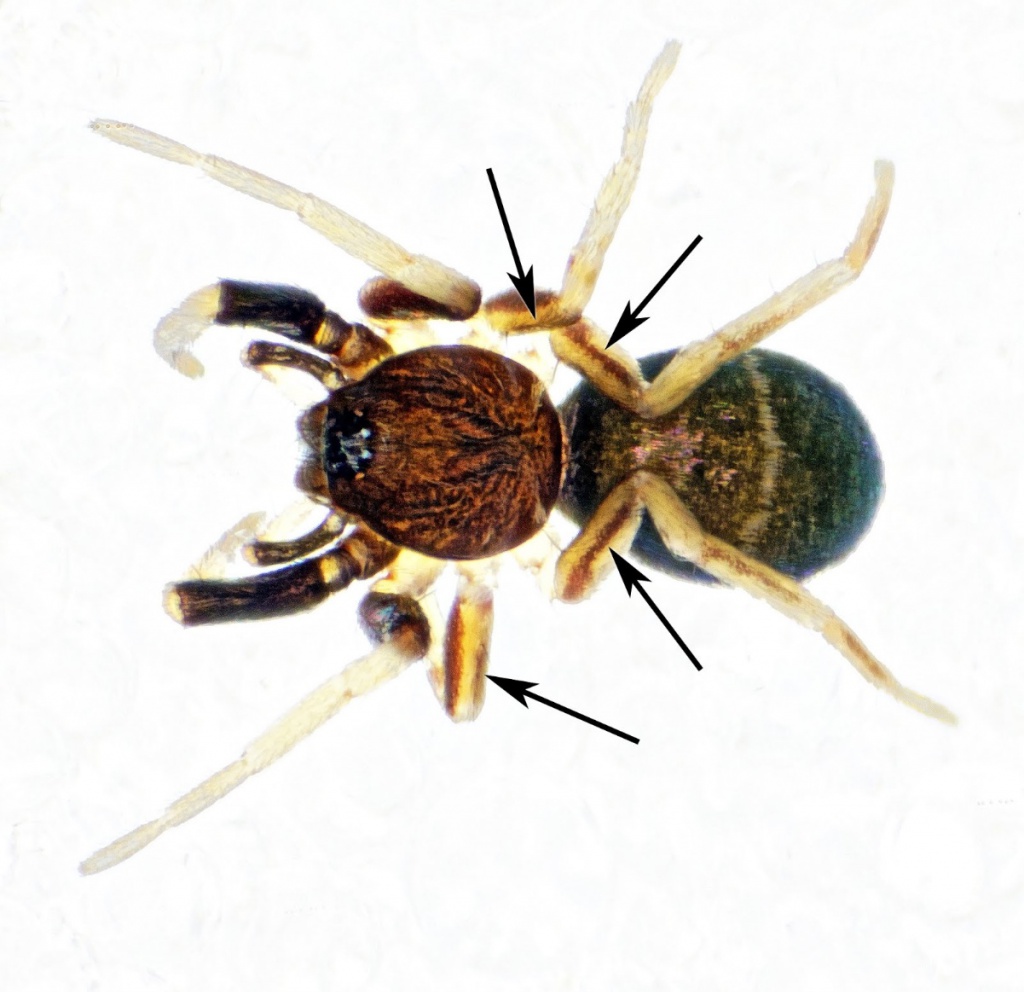
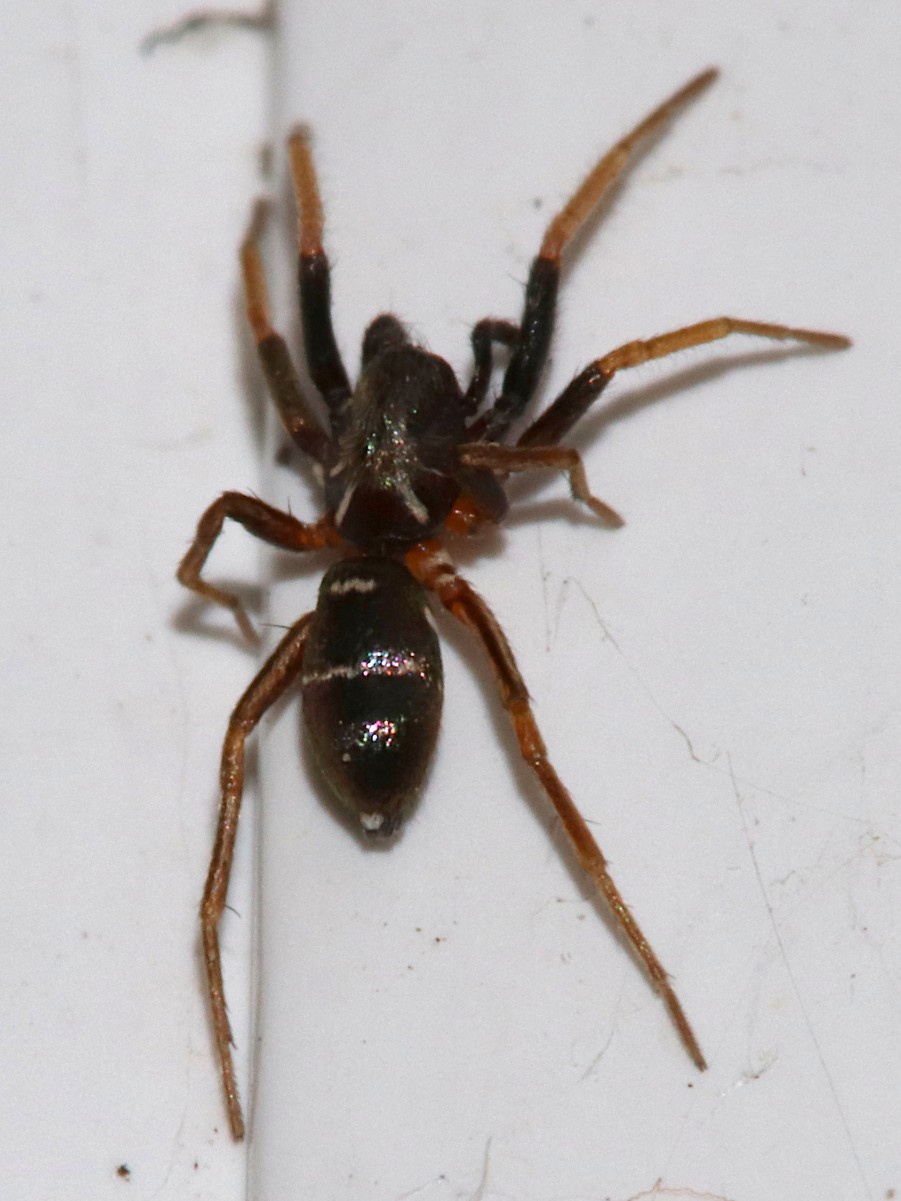
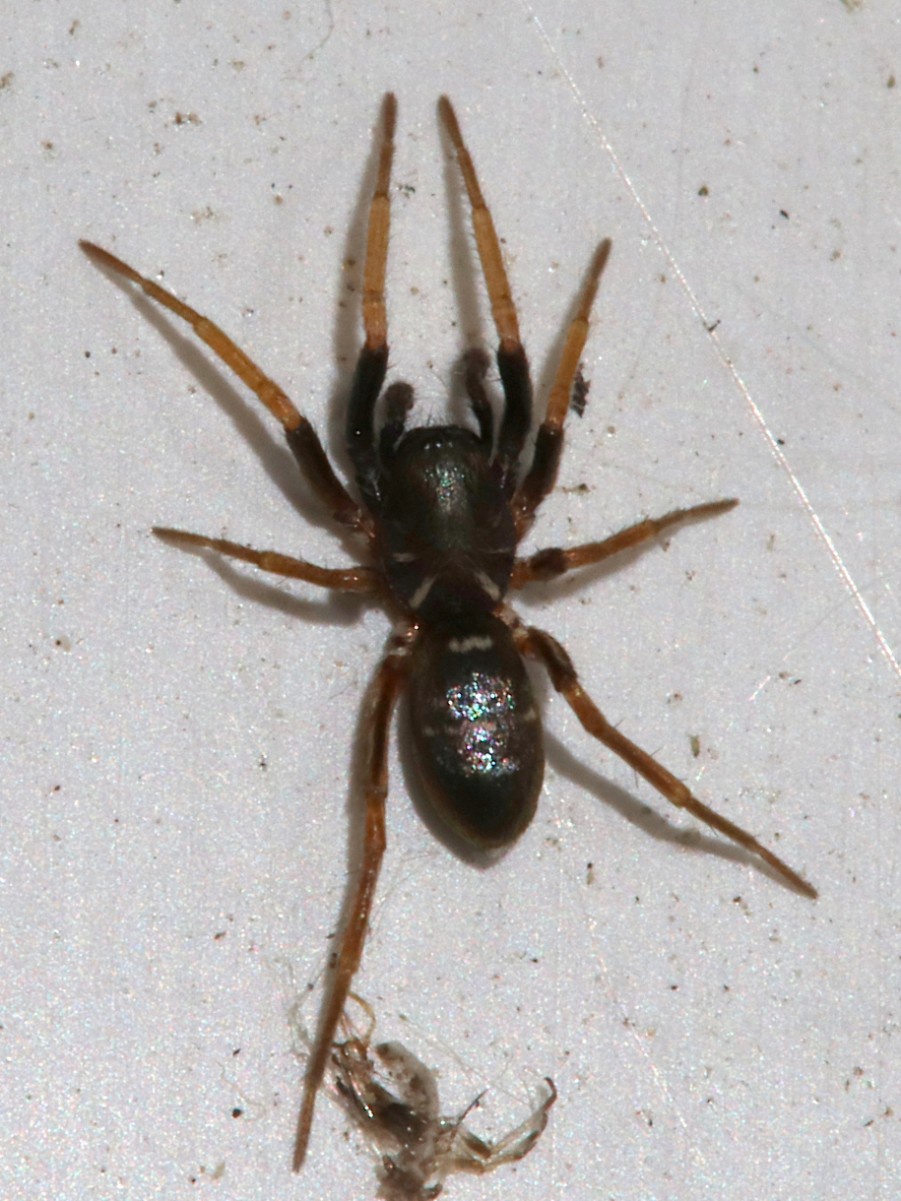
Micaria micans has a dark longitudinal stripes on the dorsal of femora III and IV (sometimes also recognizable on the tibiae of these legs), caused by stripe-like arrangement of dark hairs and dark pigmentation of the cuticule; it prefers warm, dry sites.
In 2019 DNA analysis split the species Micaria pulicaria into two:
Micaria micans.
Micaria pulicaria sensu stricto does not have these stripes; favours damper habitats. The colour difference is a reliable and supported by DNA. There are also characteristics of the epigyne and particularly the male palp which help, but these are very subtle!
Uncertain records and old records prior to the split (unless the specimen has been re-determined) are recorded as Micaria pulicaria sensu lato.

Detailed examination must have taken place to show the dark longitudinal stripes on the dorsal of femora III and IV and a photograph showing this should be attached.
M. micans is often to be found in open areas of short vegetation where there are scattered stones or small beds of stones, it tends to prefer drier habtats than Micaria pulicaria.
Peak time is late spring to mid-summer.
The Micaria pulicaria/micans aggregate is widespread and fairly frequent throughout most of Britain. True status of the two individual species may have to be re-evaluated when more individuals have been recorded to species level.
Status in Leicestershire and Rutland not known.
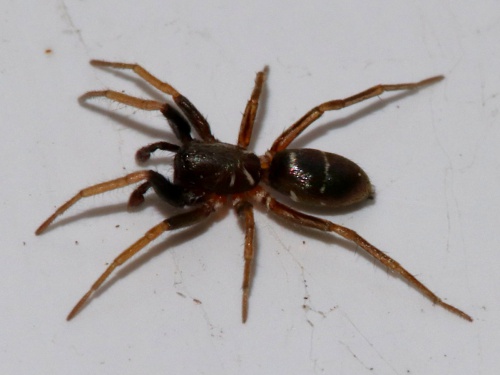 Mike Higgott
Anstey garden
12 May 2019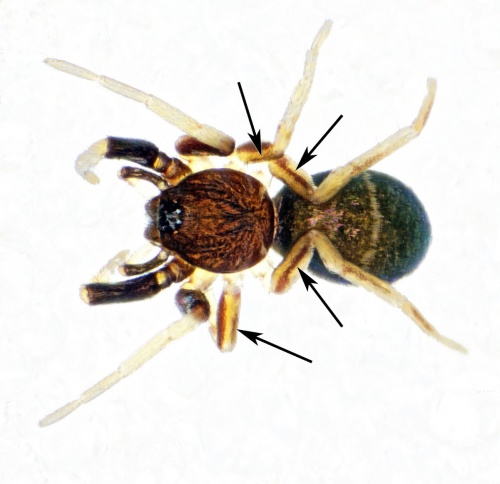 AJ Cann
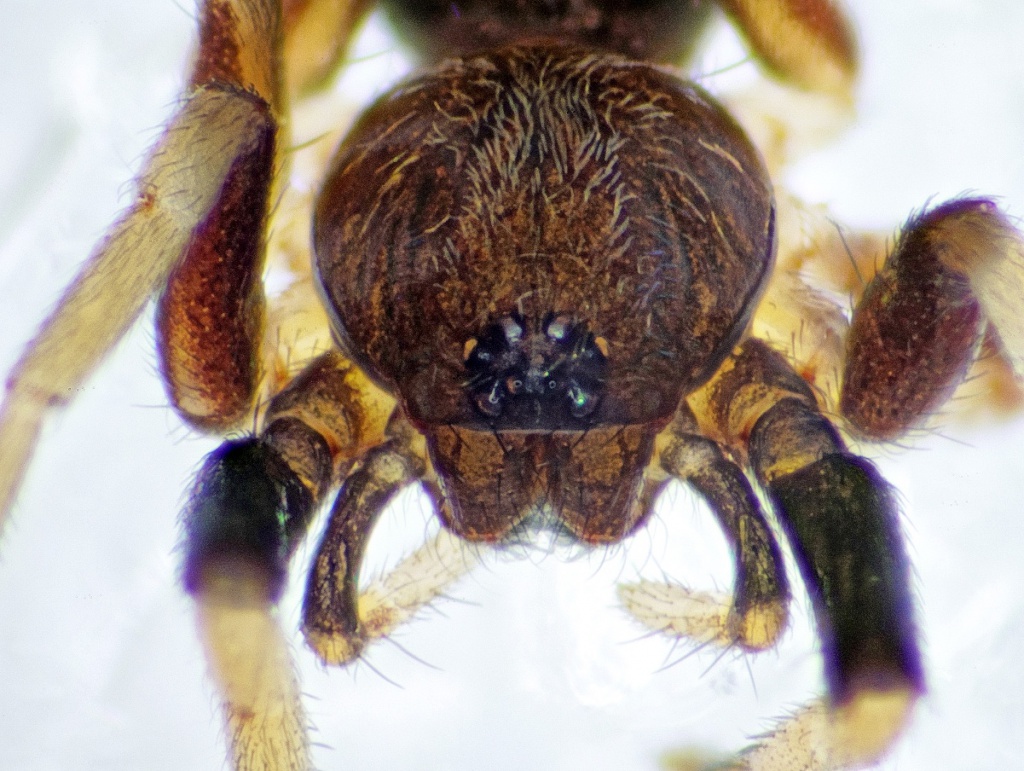
Asfordby Hill
03 January 2020
Femoral stripes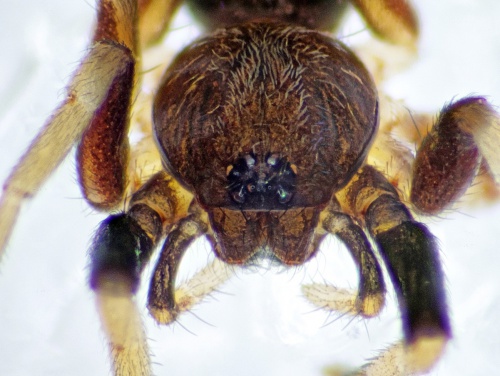 AJ Cann
Asfordby Hill
03 January 2020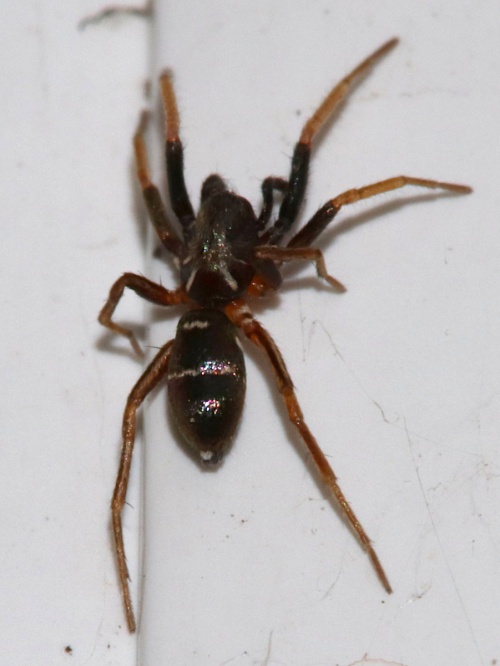 Mike Higgott
Anstey garden
12 May 2019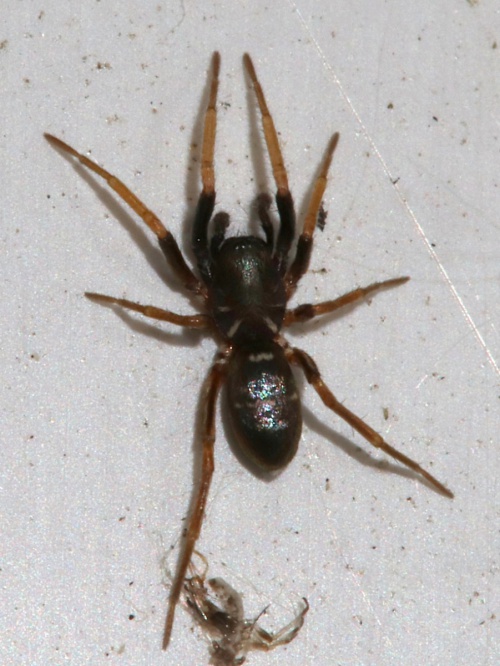 Mike Higgott
Anstey garden
12 May 2019
Leicestershire & Rutland Map
Enter a town or village to see local records
MAP KEY:
Yellow squares = NBN records (all known data)
Coloured squares = NatureSpot records: 2025+ | 2020-2024 | pre-2020
UK Map
Additional images