Marsh Valerian
Marsh Valerian - Valeriana dioica
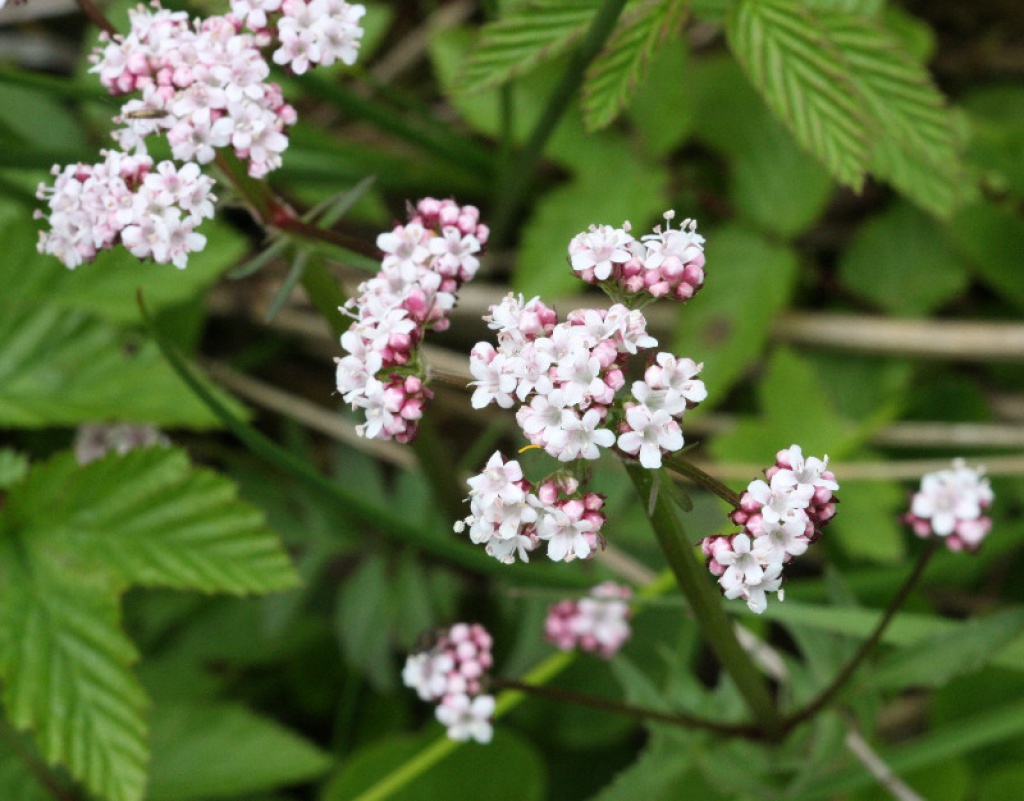
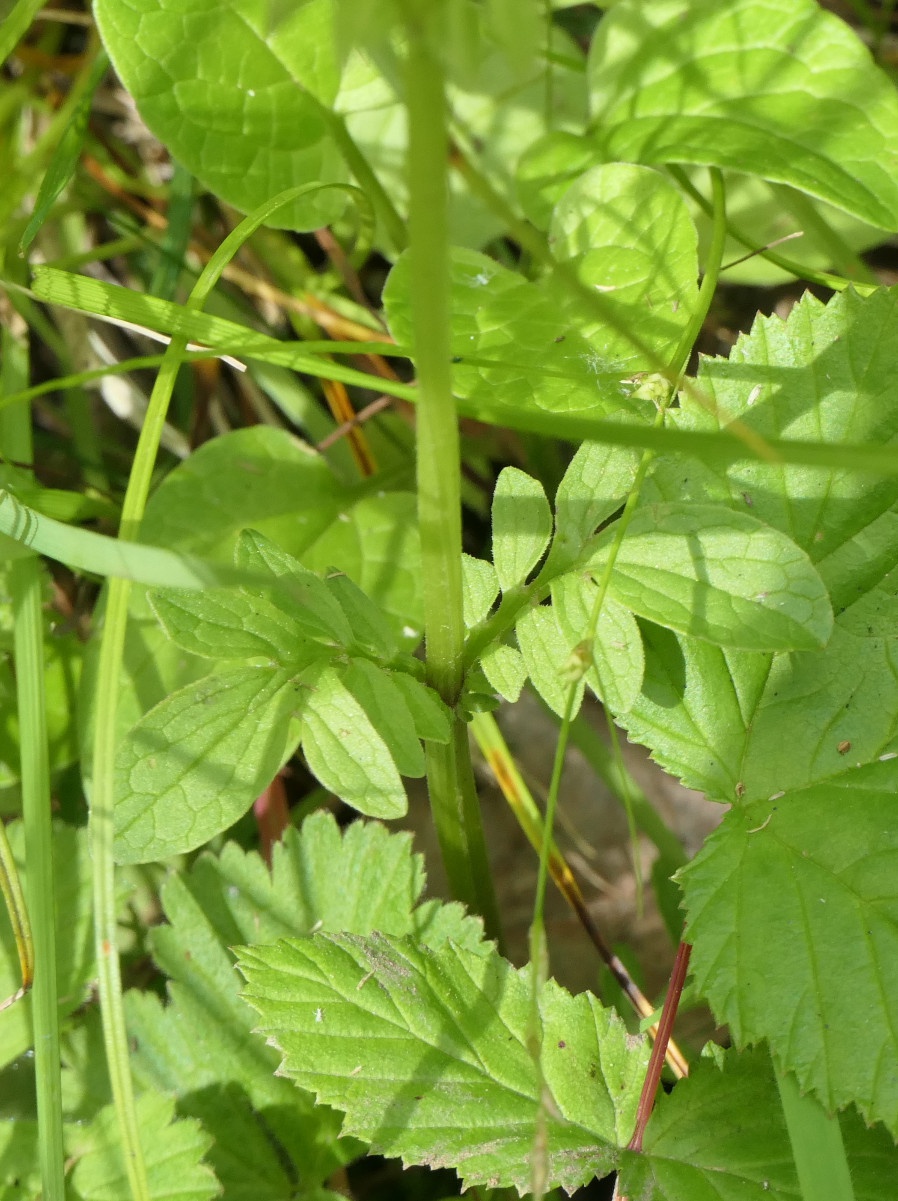
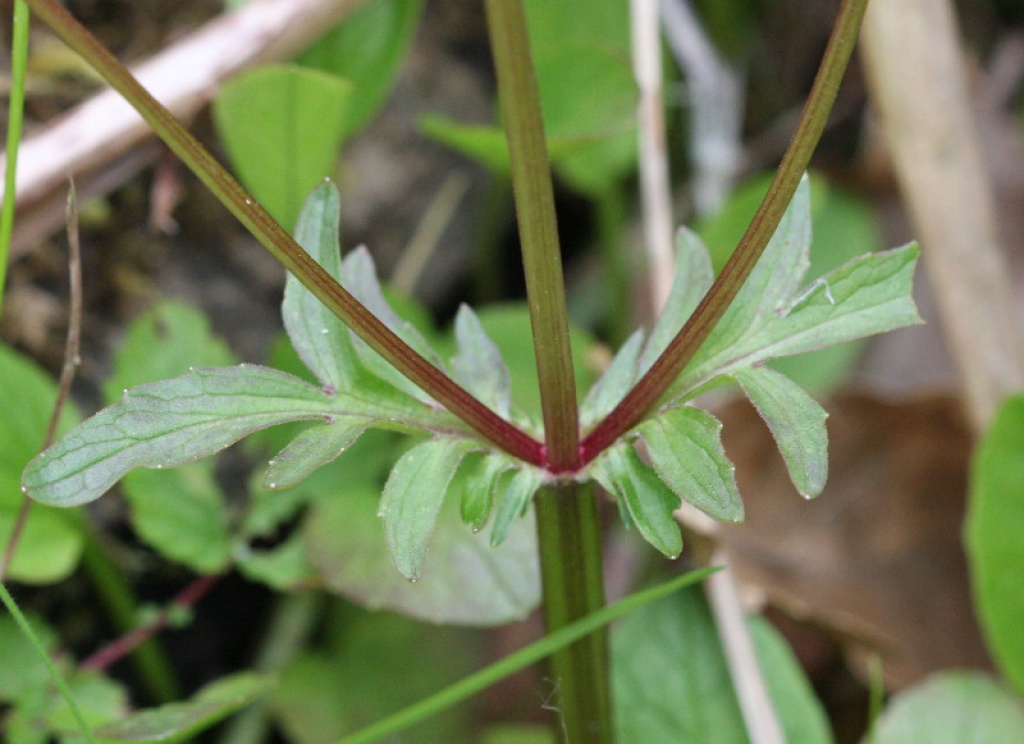
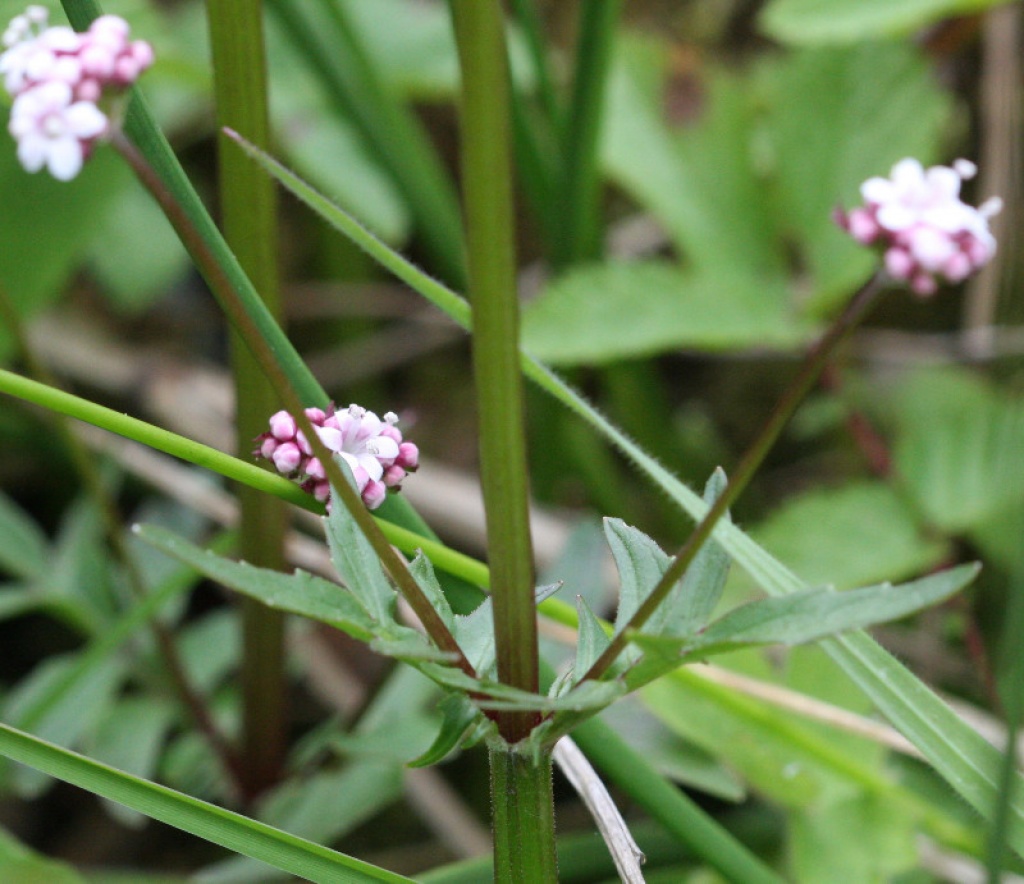
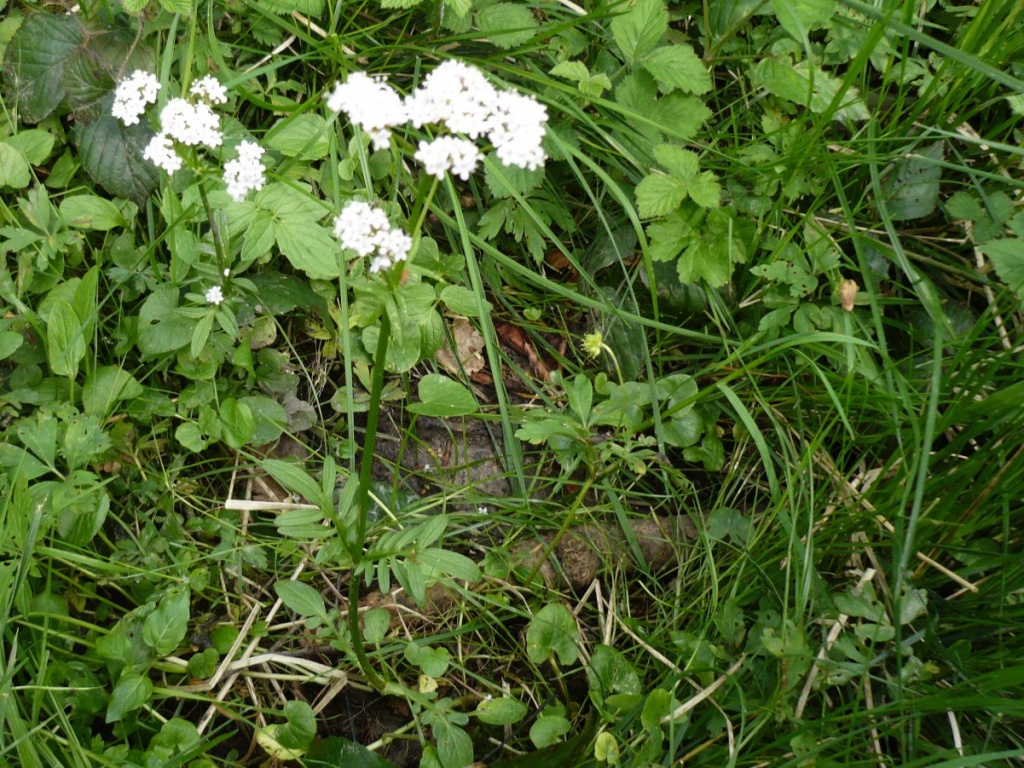
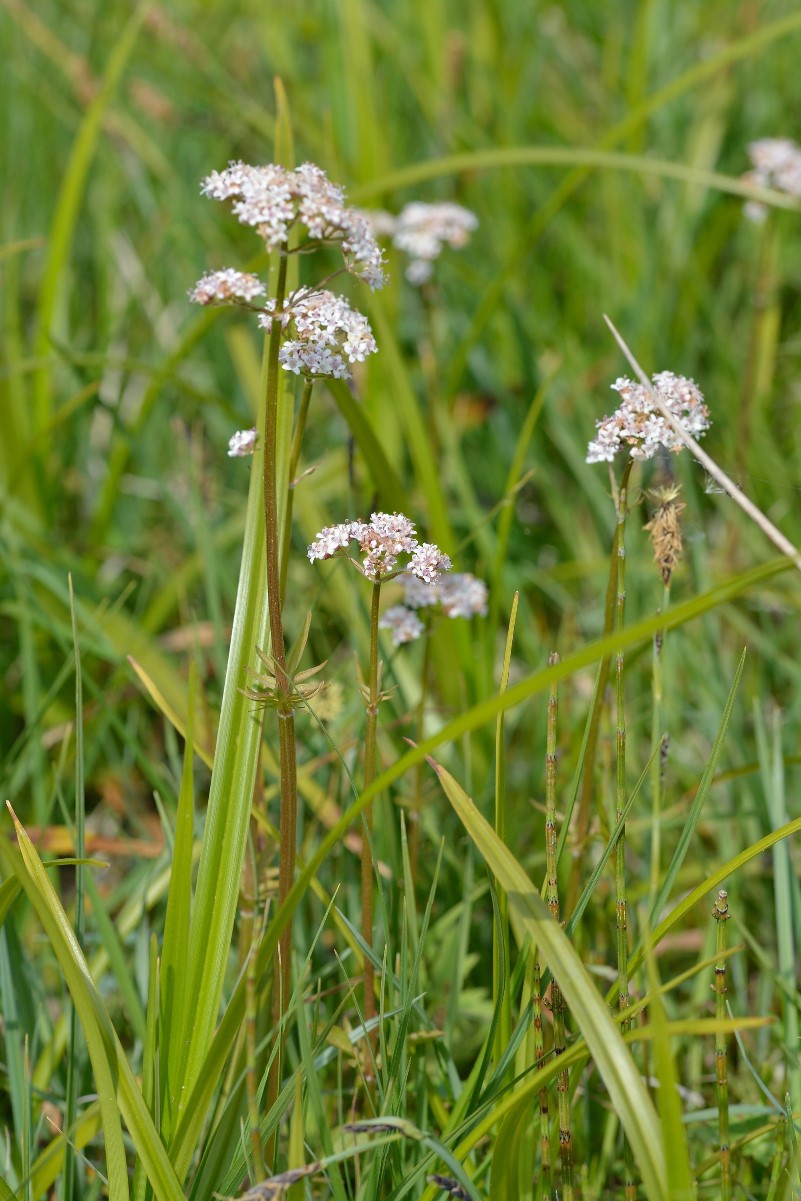
Short to medium height plant usually with several erect stems, slightly hairy at the nodes. Stem leaves pinnately lobed, mostly unstalked. Flowers pink, occasionally white, 2 to 4 mm in rounded clusters.
Common Valerian

Stoloniferous. Basal and stolon leaves are simple and entire; stem leaves pinnate with several lateral leaflets.
Photographs must show basal and stem leaves as well as flowers - this plant can't be verified from a picture of the flowers alone (RPR)
Wet places, on calcareous or slightly acid soils.
May to July.
Perennial.
Widespread in Britain as far north as the Firth of Forth.
Scarce in Leicestershire and Rutland, and declining due to habitat-loss.
In the Flora of Leicestershire (Primavesi and Evans 1988) it was found in 23 of the 617 tetrads, and in 9 tetrads in the Flora of Rutland (Messenger 1971).
In the VC55 checklist, (Jeeves 2011) it is listed as Native, marshes, now scarce.
| It is listed on the current VC55 Rare Plant Register (Hall and Woodward 2022) as Locally Scarce (i.e. present in 4-10 sites). |
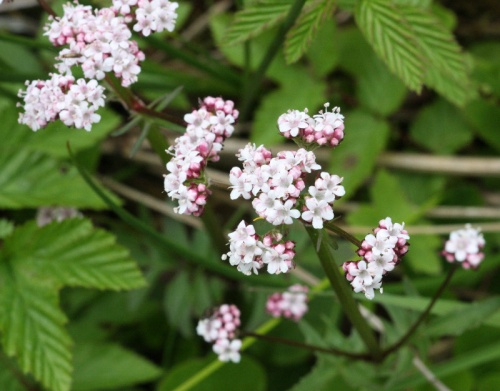 David Nicholls
Ulverscroft
18 May 2012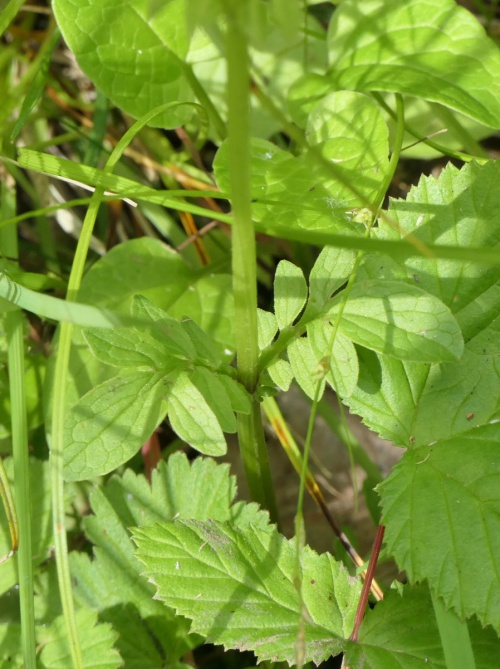 David Nicholls
Owston Wood
14 June 2018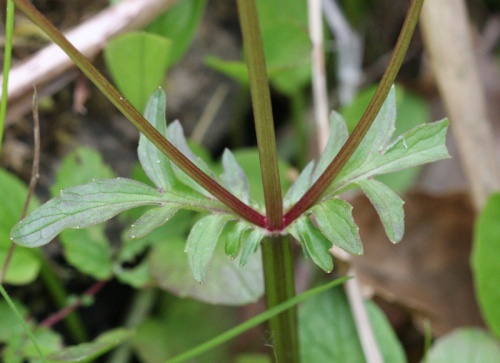 David Nicholls
Ulverscroft
18 May 2012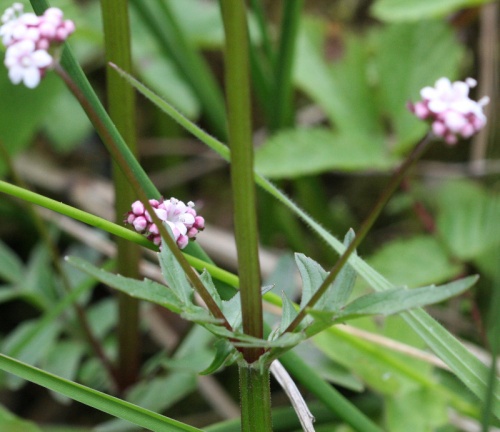 David Nicholls
Ulverscroft
18 May 2012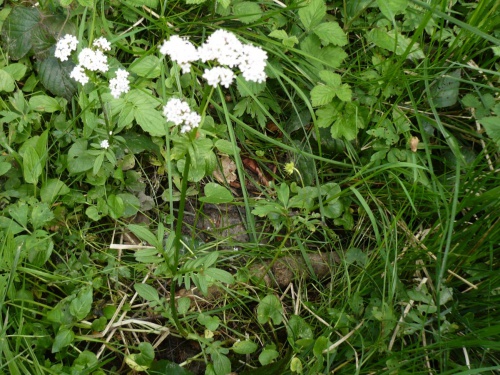 Robert Carter
Swithland Woods
11 May 2018
Marsh valerian; Swithland Woods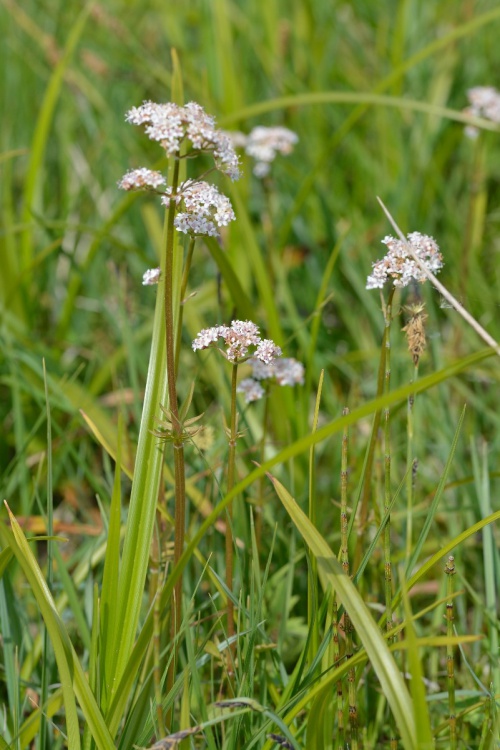 Barbara Cooper
Ulverscroft Nature Reserve
11 May 2017
Leicestershire & Rutland Map
Enter a town or village to see local records
MAP KEY:
Yellow squares = NBN records (all known data)
Coloured squares = NatureSpot records: 2025+ | 2020-2024 | pre-2020
UK Map
Additional images
No additional images available for this species.
All NatureSpot records
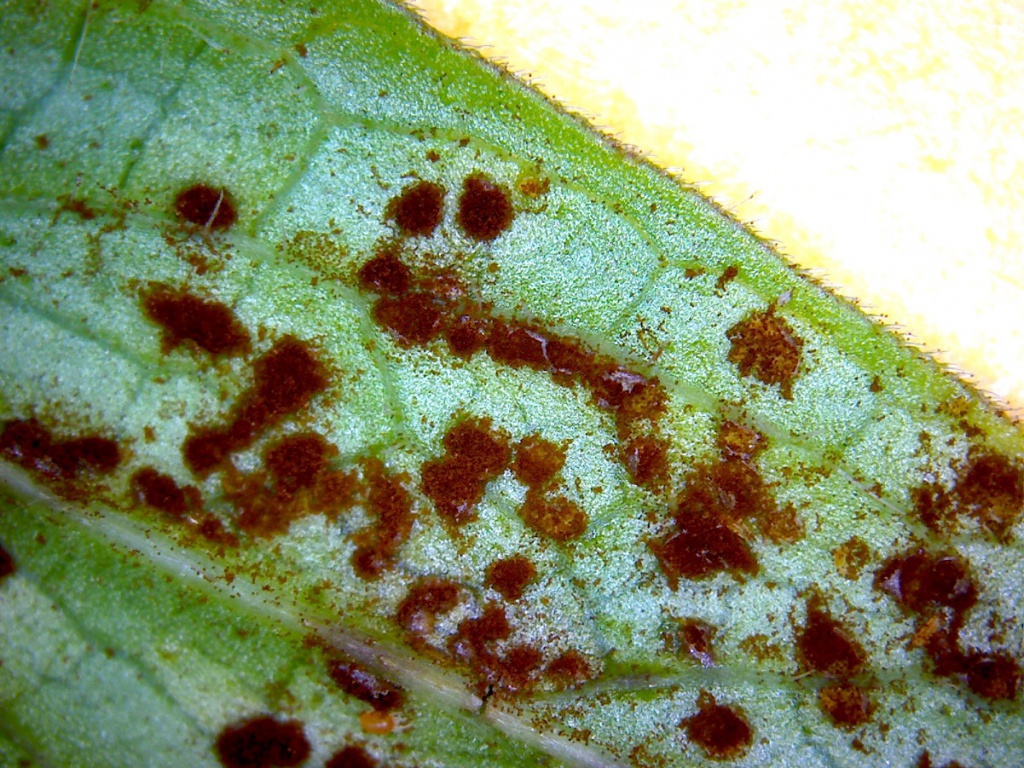
Uromyces valerianae
Uromyces valerianae is a gall-causing rust fungus affecting Common Valerian and Marsh Valerian. The small uredinia and telia are brown.