Marsh Horsetail
Marsh Horsetail - Equisetum palustre
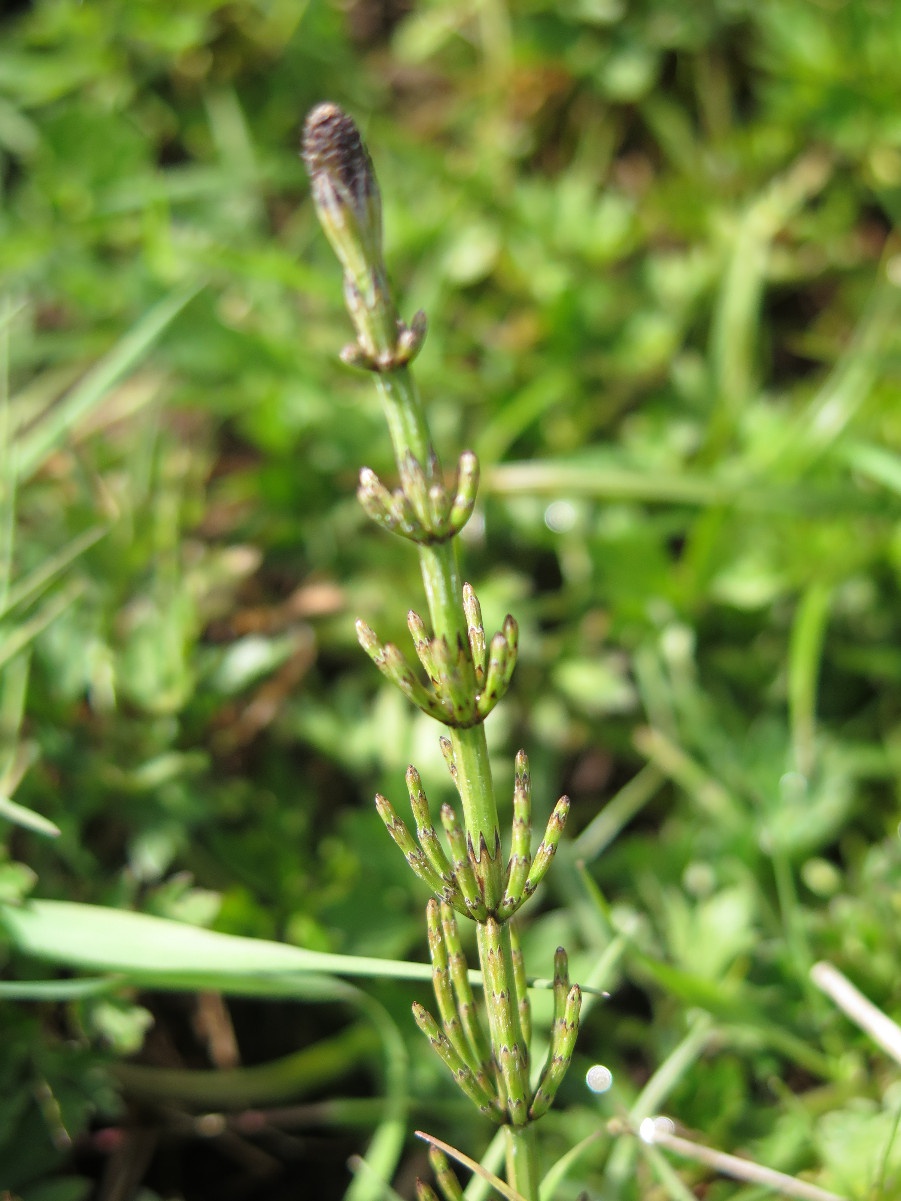
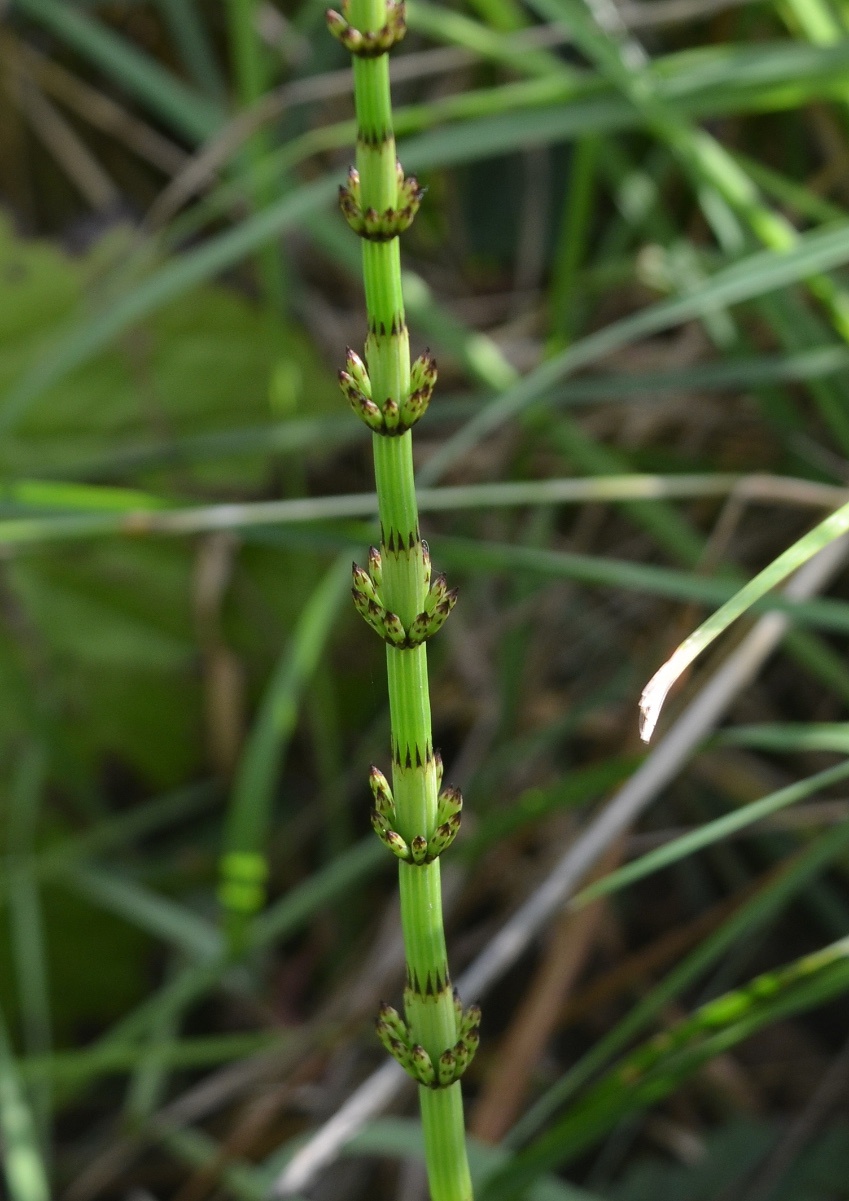
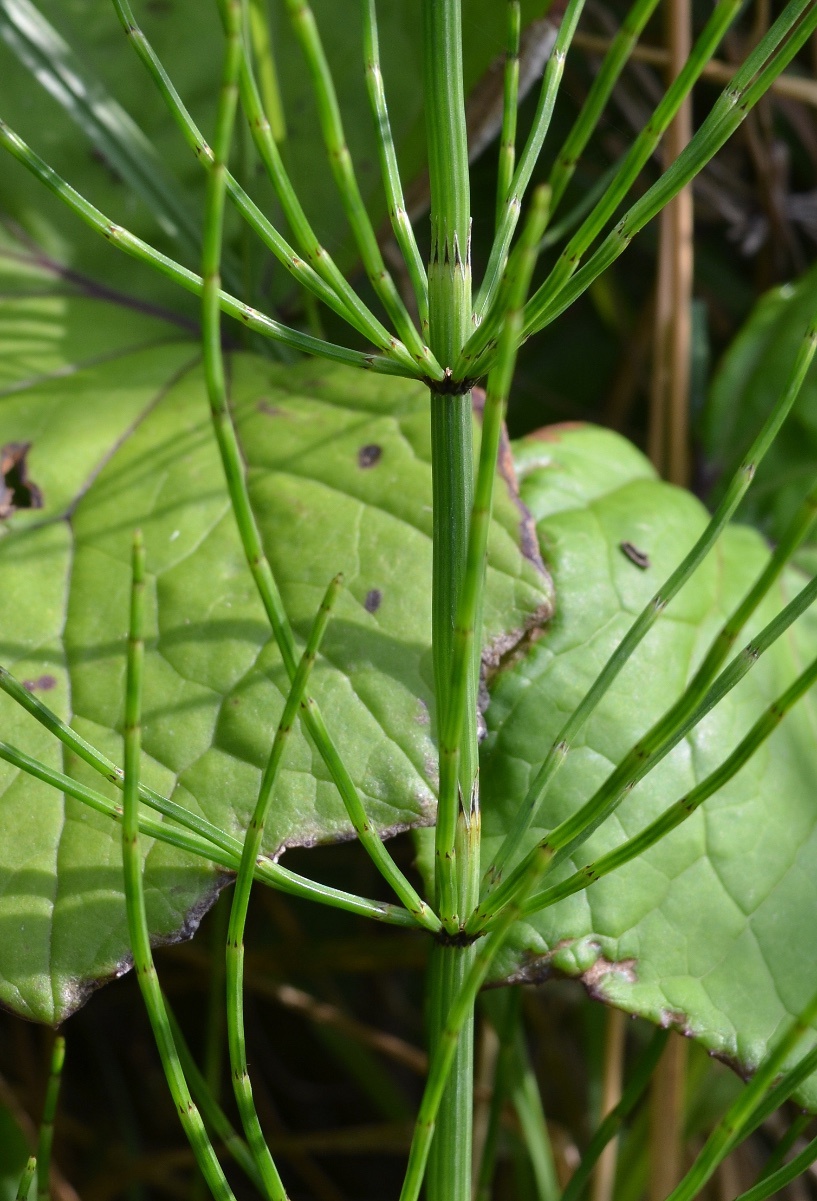
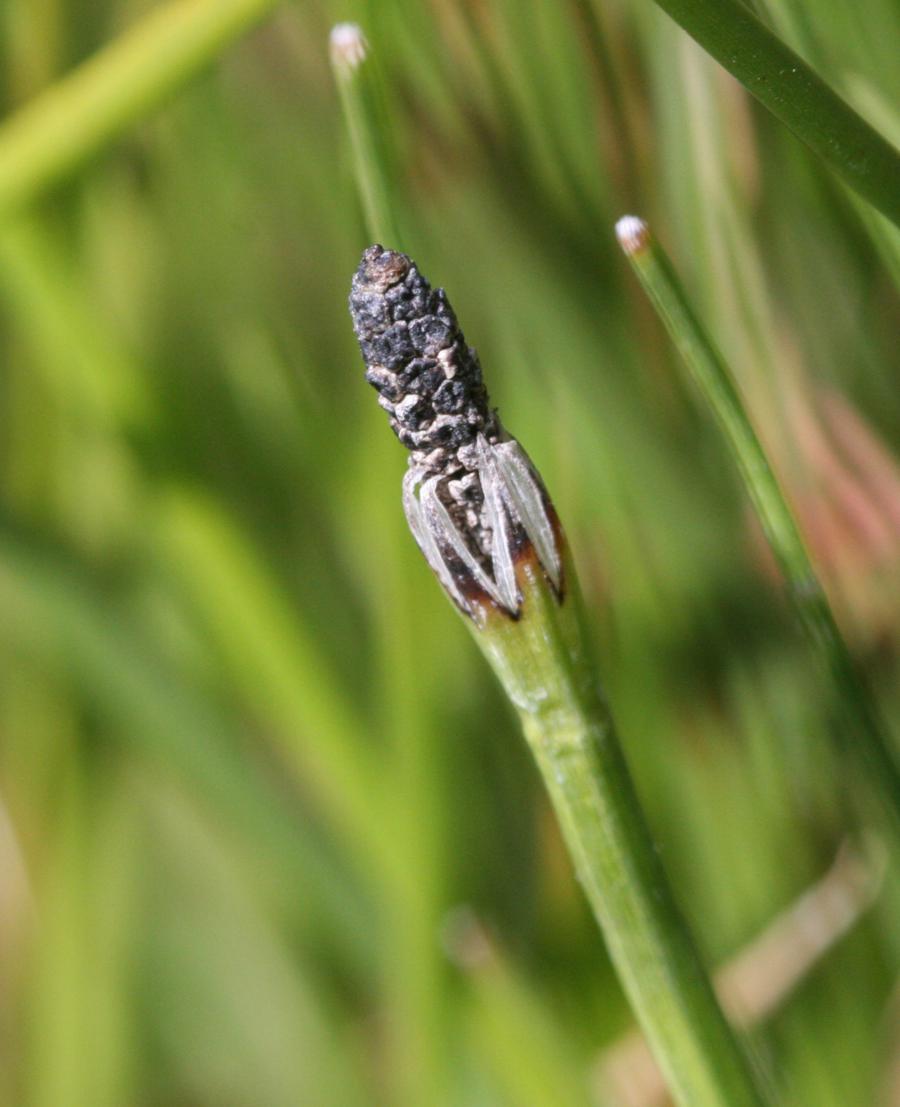
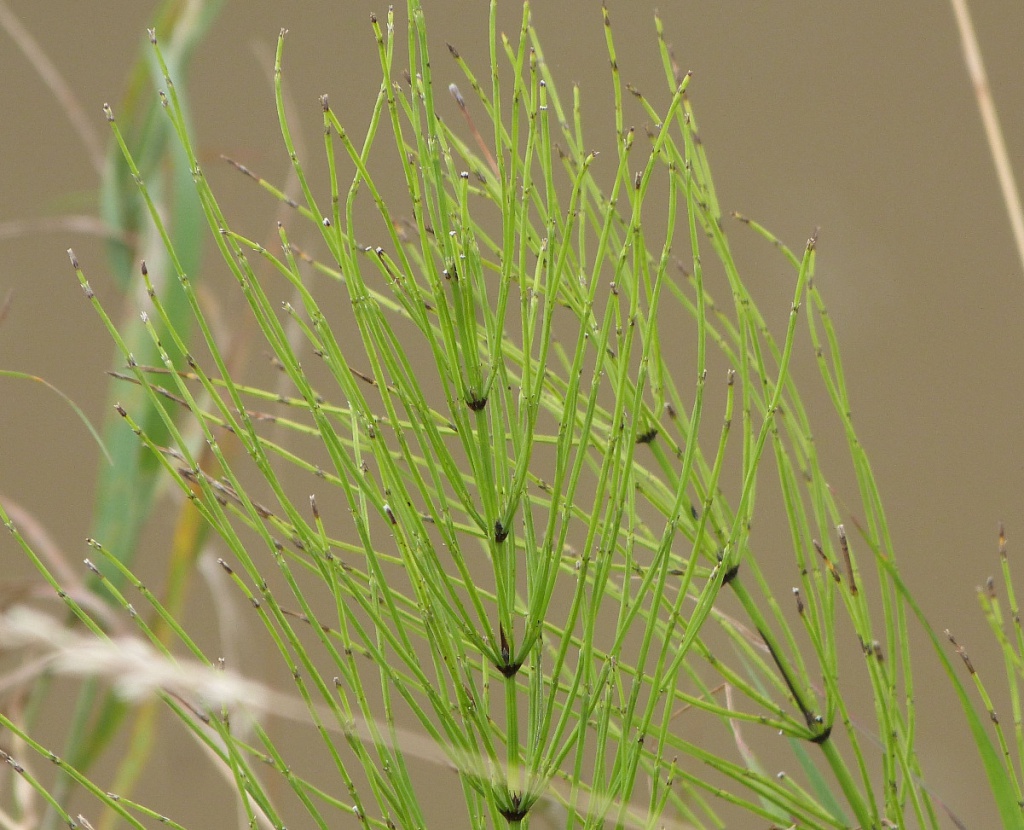
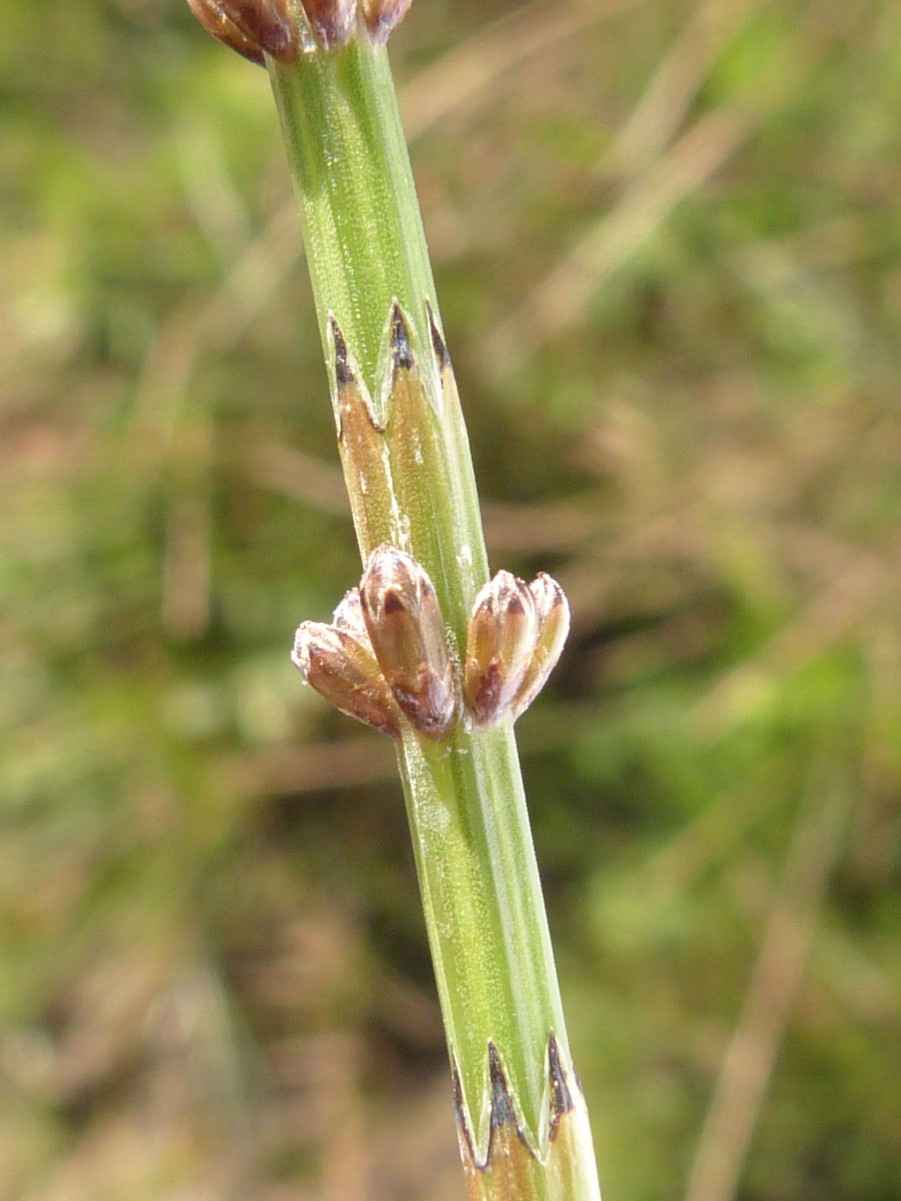
Stems 10 to 60 cm tall and 1 to 3 mm wide erect or decumbent, green, slightly rough, with few (only 4 to 8), rounded vertical ridges and prominent unbranched branches in irregular whorls the sheaths loose, grey green with erect black white edged, one ribbed teeth. Cone terminal on main stem (sometimes on side shots) 2 to 3.5 cm.
Field Horsetail E. arvense can be variable and very similar to Marsh Horsetail E. palustre. Both can grow in marshy ground.
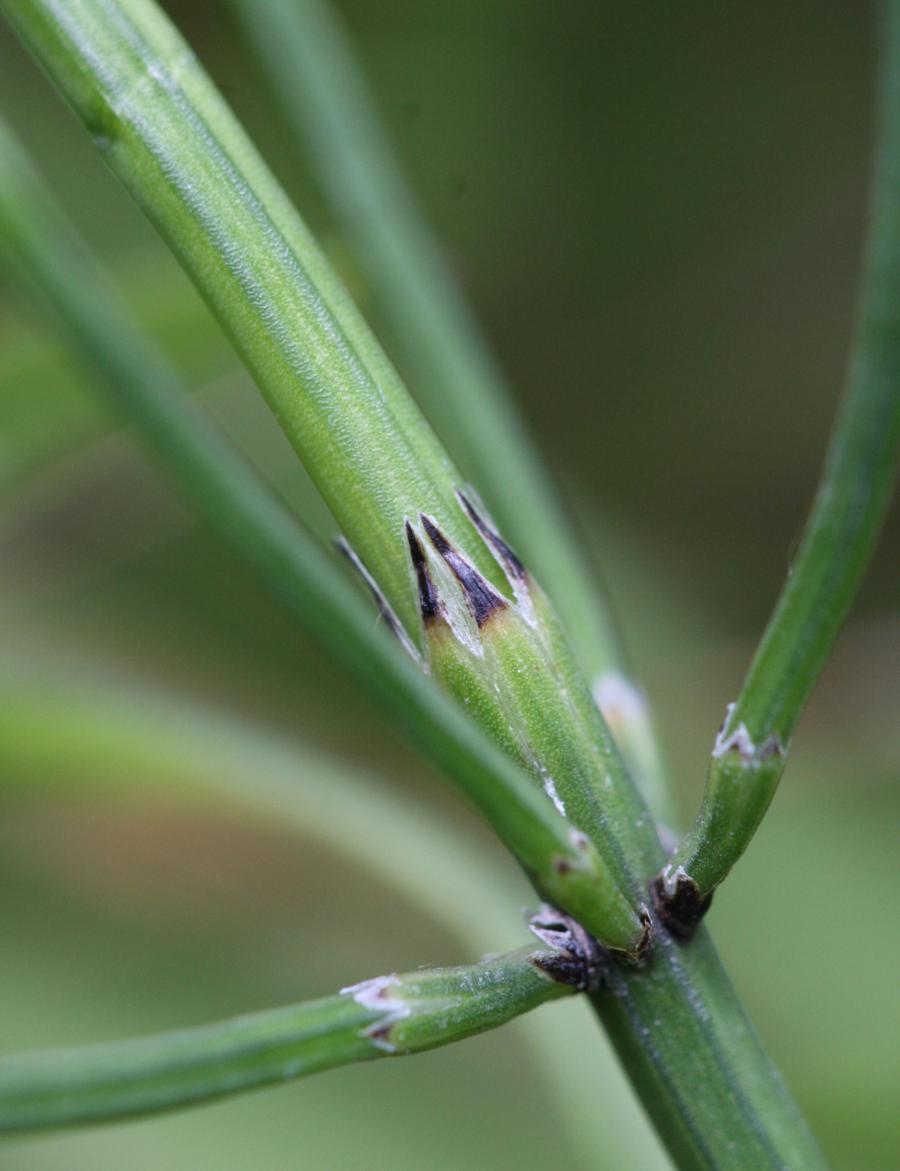
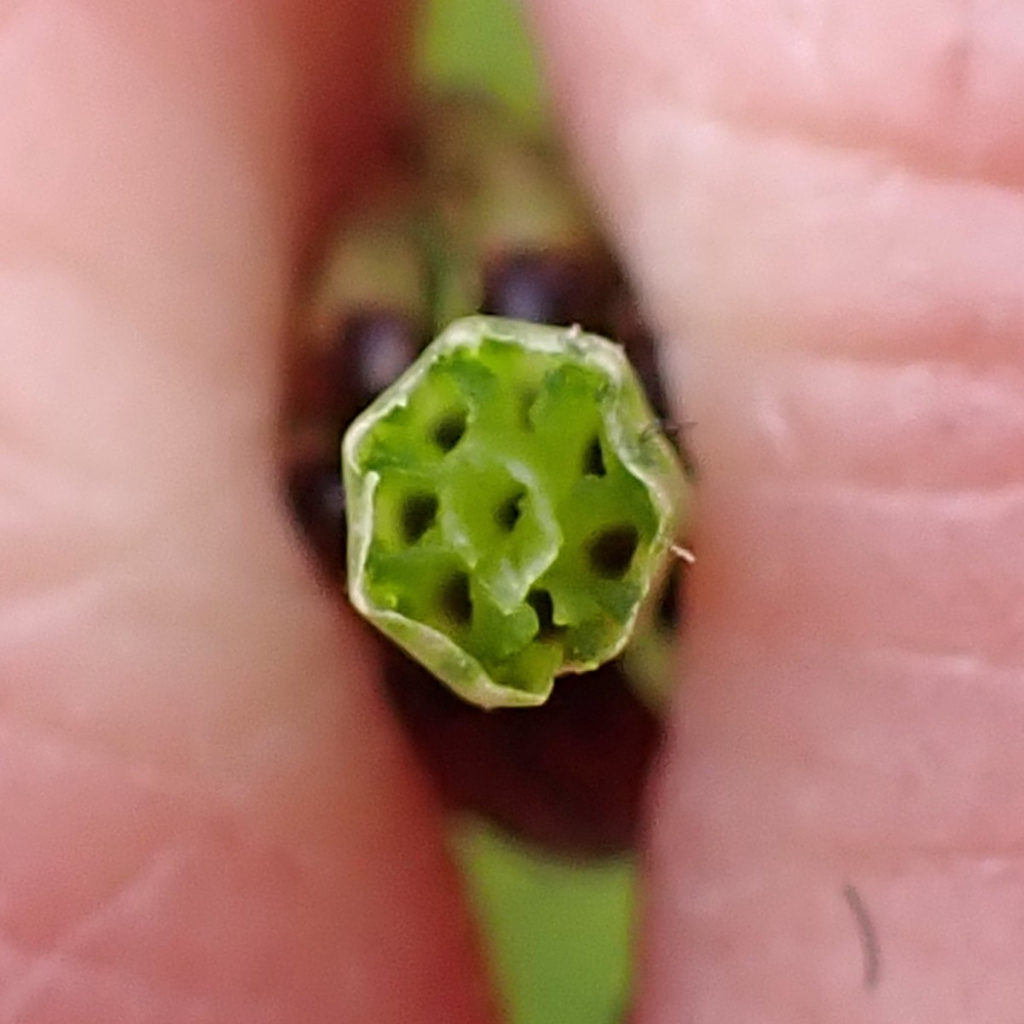
E palustre has appressed branch teeth whereas E arvense has spreading teeth; E palustre has lowest branch internode shorter, not longer, than leaf sheath on main stem. The stem of E palustre has central and peripheral hollows the same size wheras E arvense has peripheral hollows much smaller than the central hollow.

- lowest branch internode shorter, not longer, than the leaf sheath on the main stem
- appressed branch teeth
- stem with the central and peripheral hollows the same size
Either obtain confirmation from a County Recorder before submitting a record, or submit detailed images showing key features. We recommend that you take and retain a specimen; the County Recorder may wish to see this for confirmation.
Marshes and wet meadows.
June and July
Perennial
Common throughout Britain.
Frequent in damp areas in Leicestershire and Rutland. In the 1979 Flora survey of Leicestershire it was found in 167 of the 617 tetrads.
 Marsh area along Old Fosse Sapcote SP 4969 9212 (taken 23.5.2007)...JPG) Graham Calow
Graham Calow
Marsh near Old Fosse, Sapcote
23 May 2007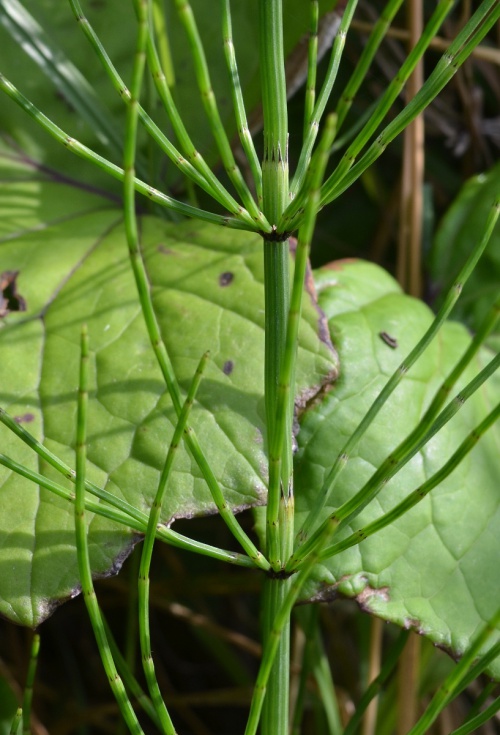 Steve Mathers
Grantham Canal (County Boundary to Muston Gorse Bridge)
28 August 2016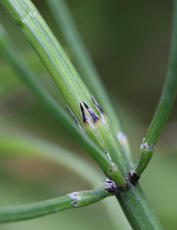 David Nicholls
Ulverscroft
14 July 2011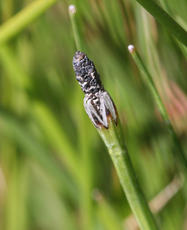 David Nicholls
Ulverscroft
14 July 2011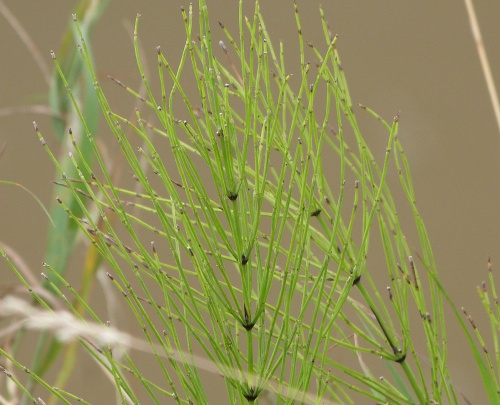 Graham Calow
Elmesthorpe
01 September 2016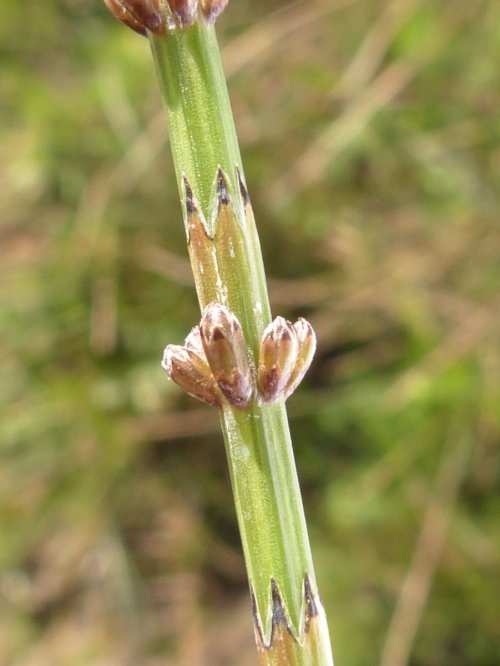 Graham Calow
The Grange Fields, Broughton Astley
20 April 2015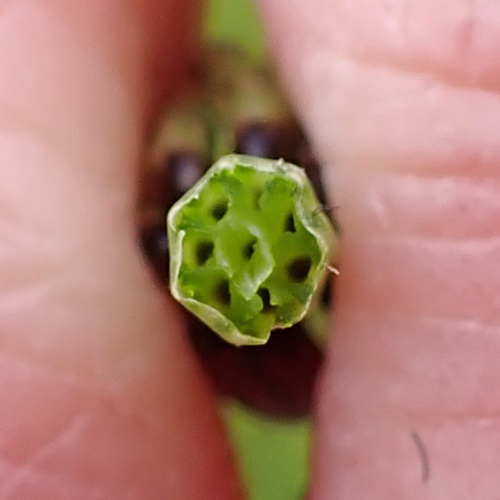 Peter Smith
North Luffenham, Chater Valley
17 April 2024
 Marsh area along Old Fosse Sapcote SP 4969 9212 (taken 23.5.2007)...JPG)
Leicestershire & Rutland Map
Enter a town or village to see local records
MAP KEY:
Yellow squares = NBN records (all known data)
Coloured squares = NatureSpot records: 2025+ | 2020-2024 | pre-2020
UK Map
Additional images
 Near 'The Wash Pit Sapcote SP 4852 9368 (taken 23.5.2007)..JPG)