Lyonetia prunifoliella
Lyonetia prunifoliella
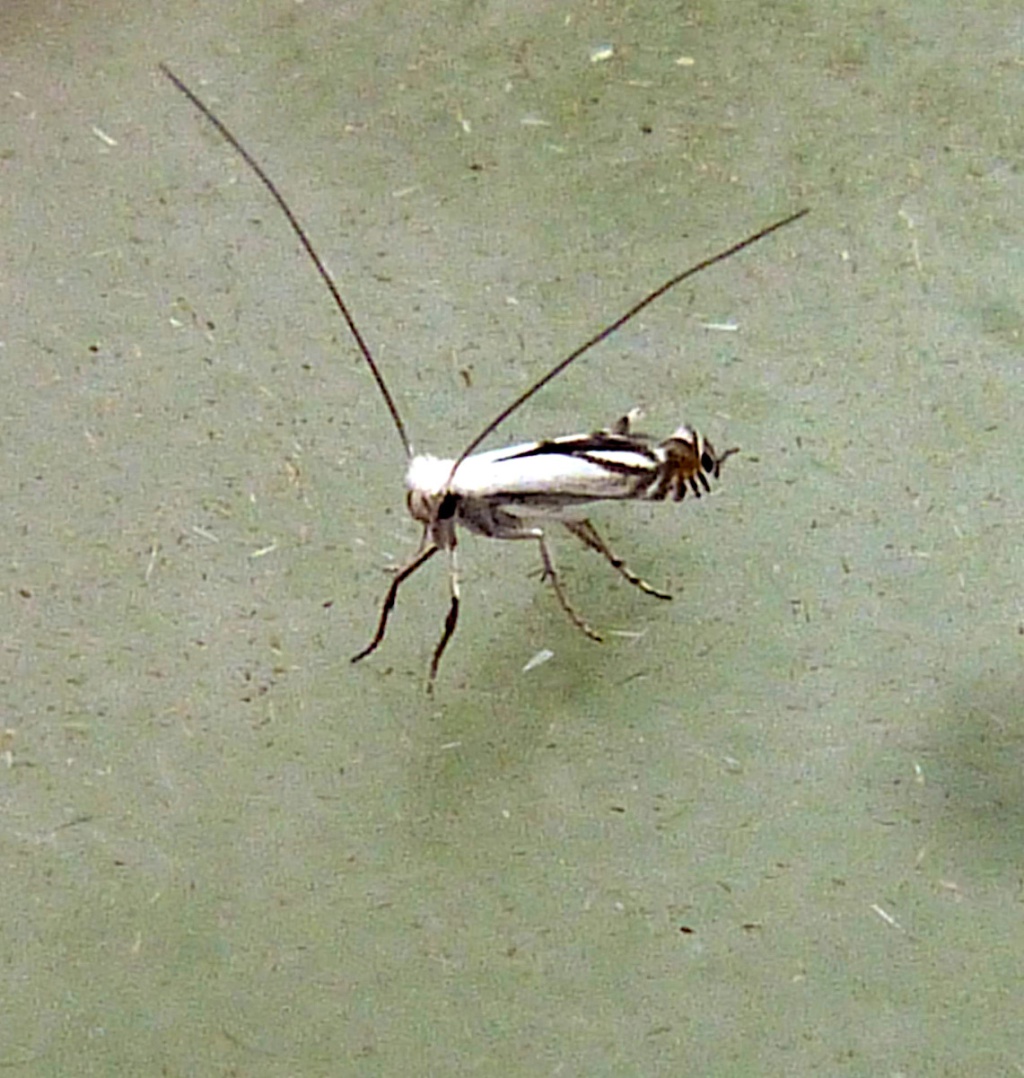
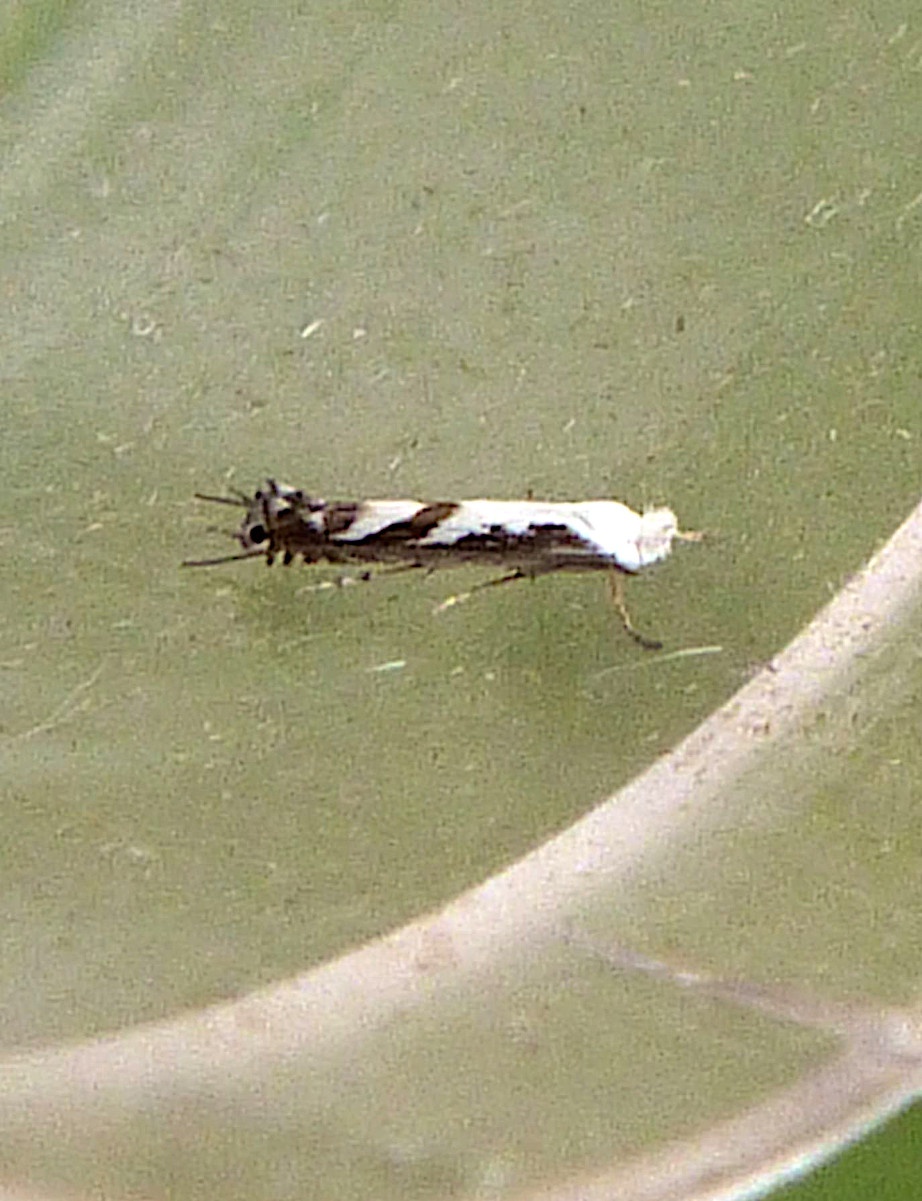
Striped Bent-wing
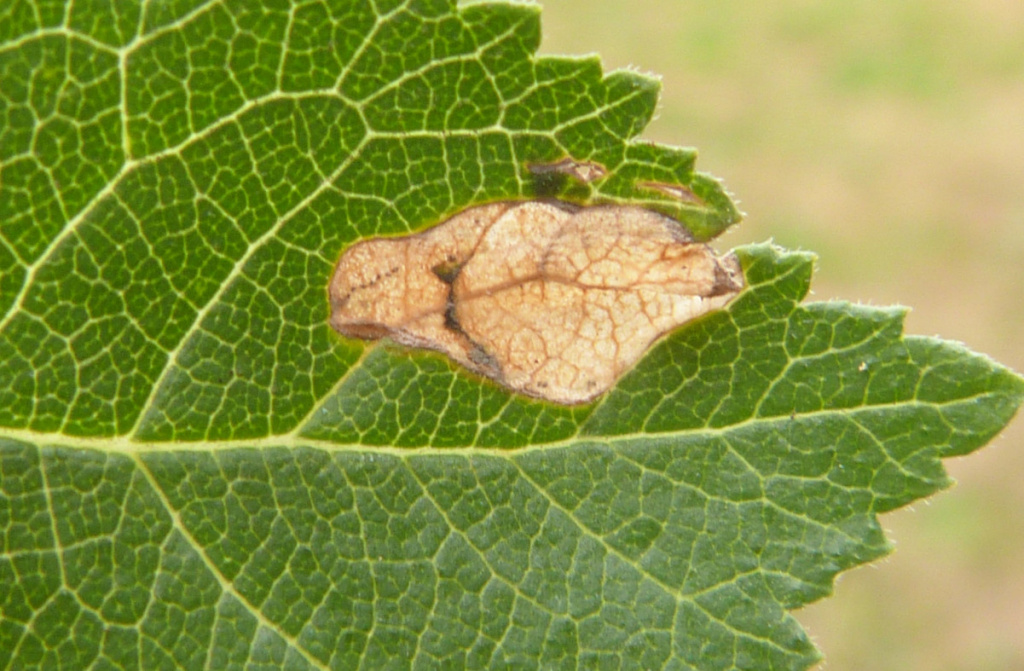
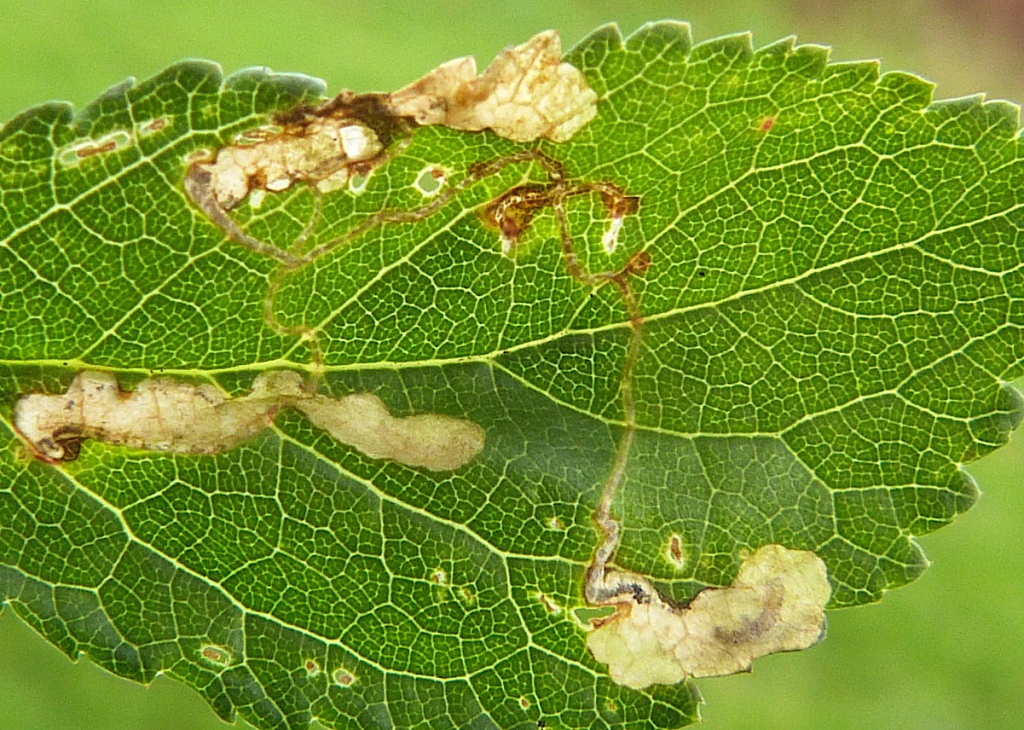
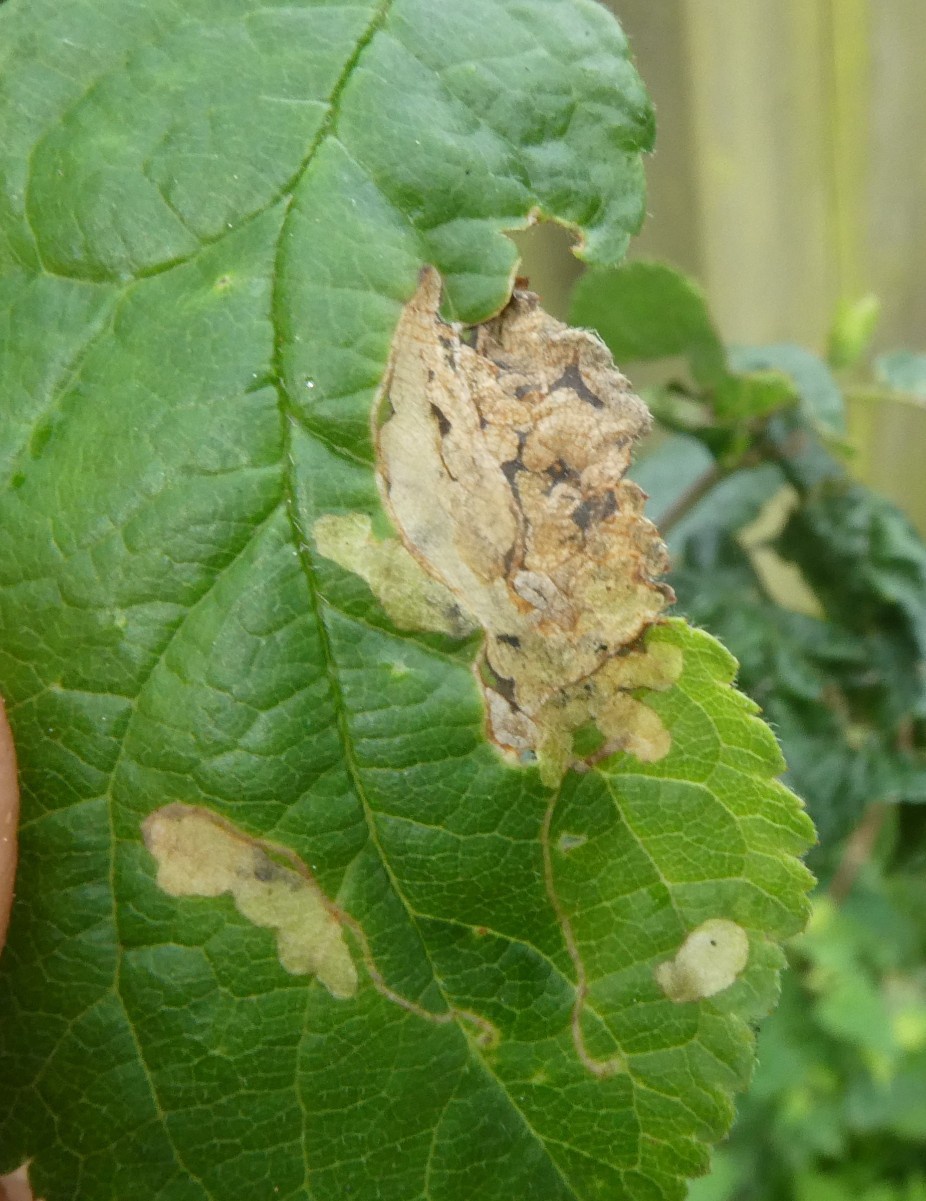
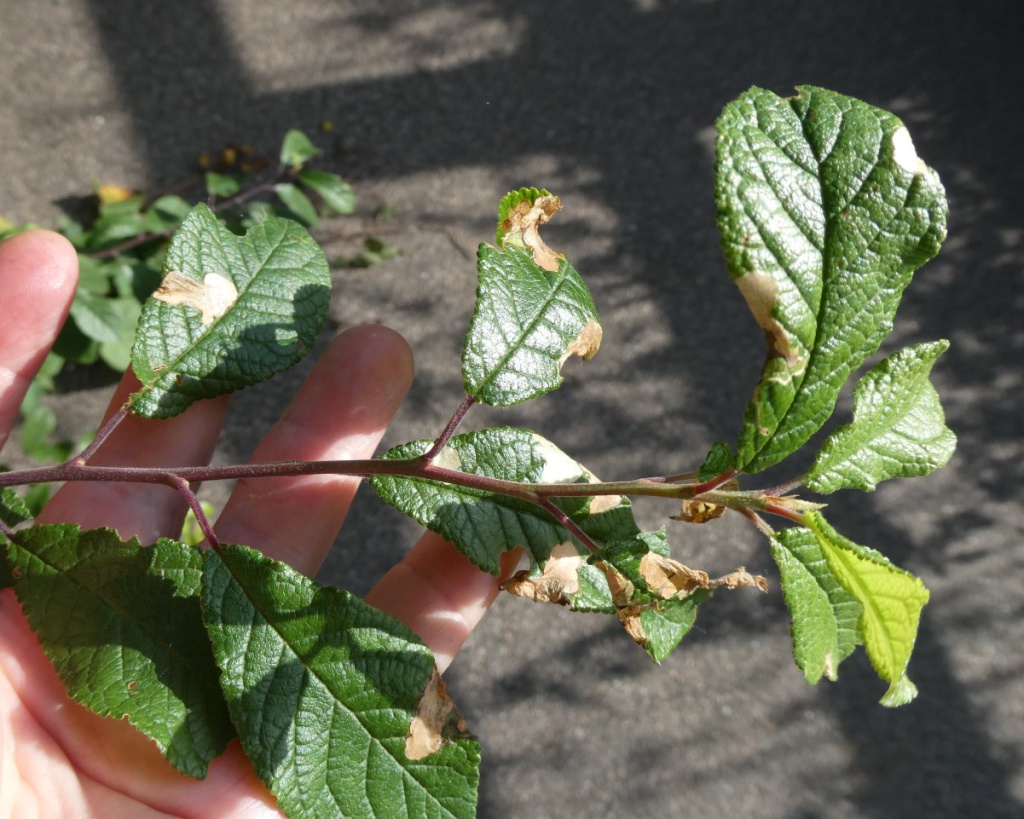
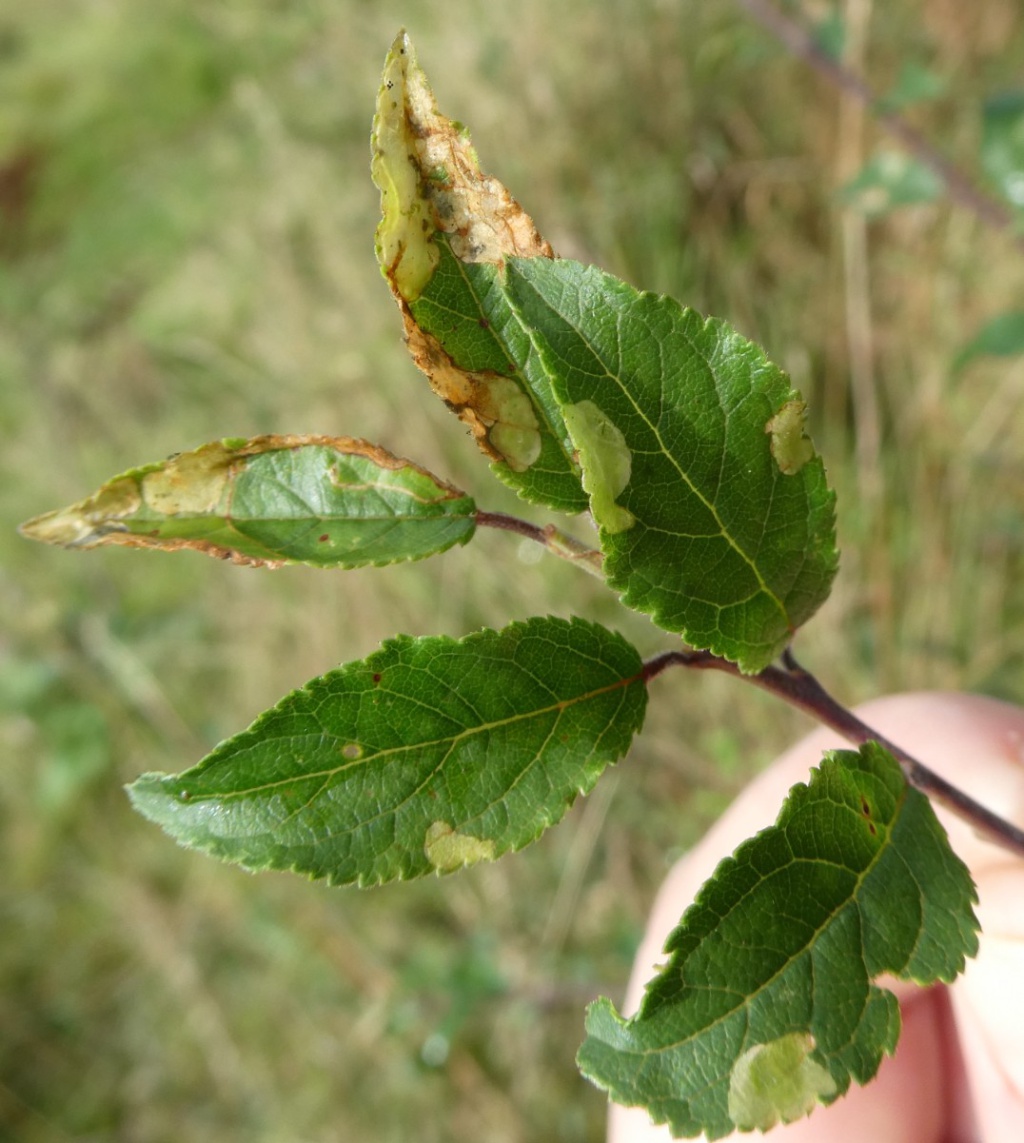
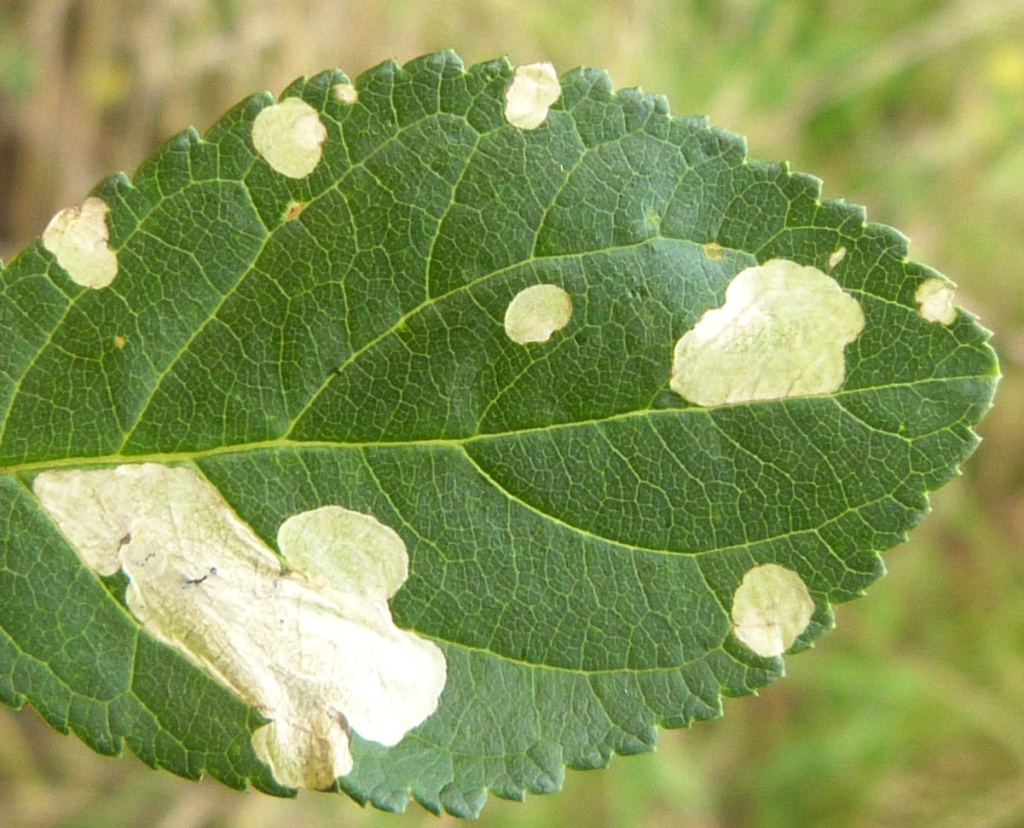
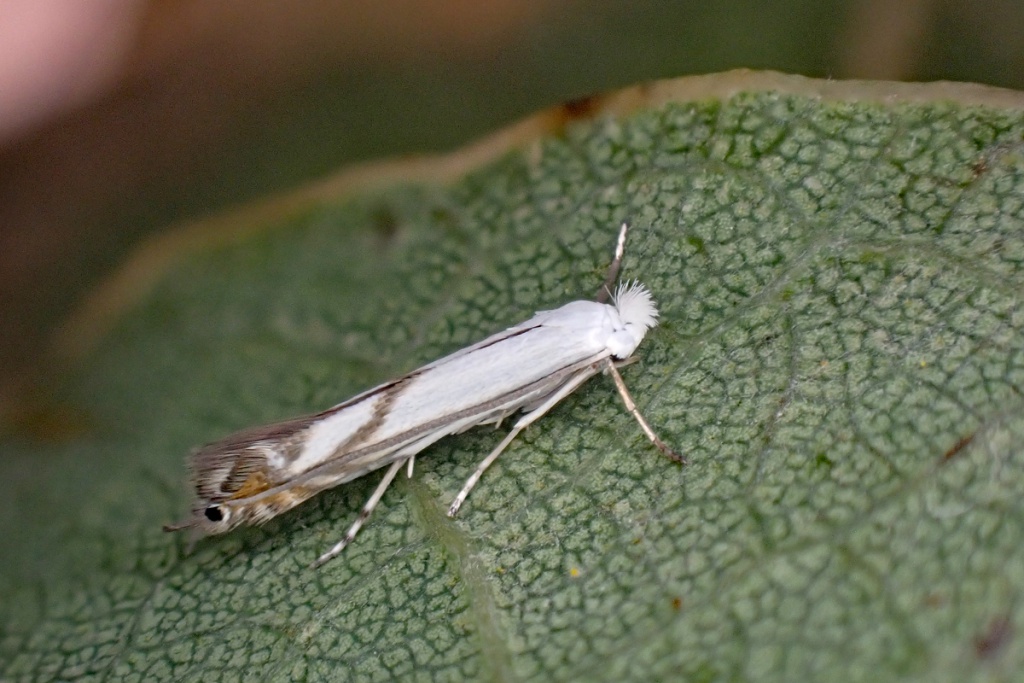
Wingspan 9 to10 mm. The most likely way to record this species is probably to search for the larval leafmines on Blackthorn.
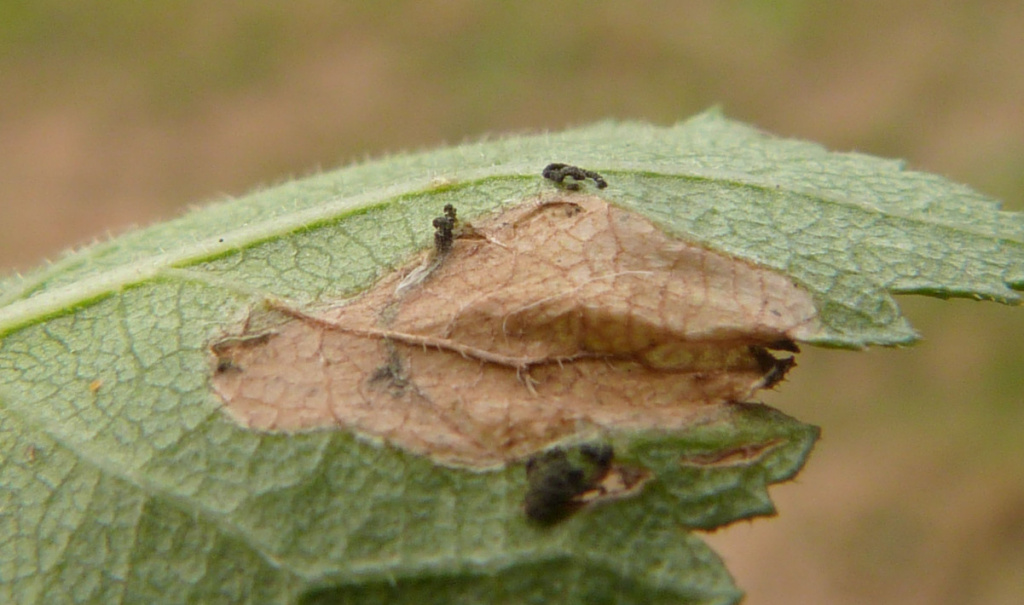
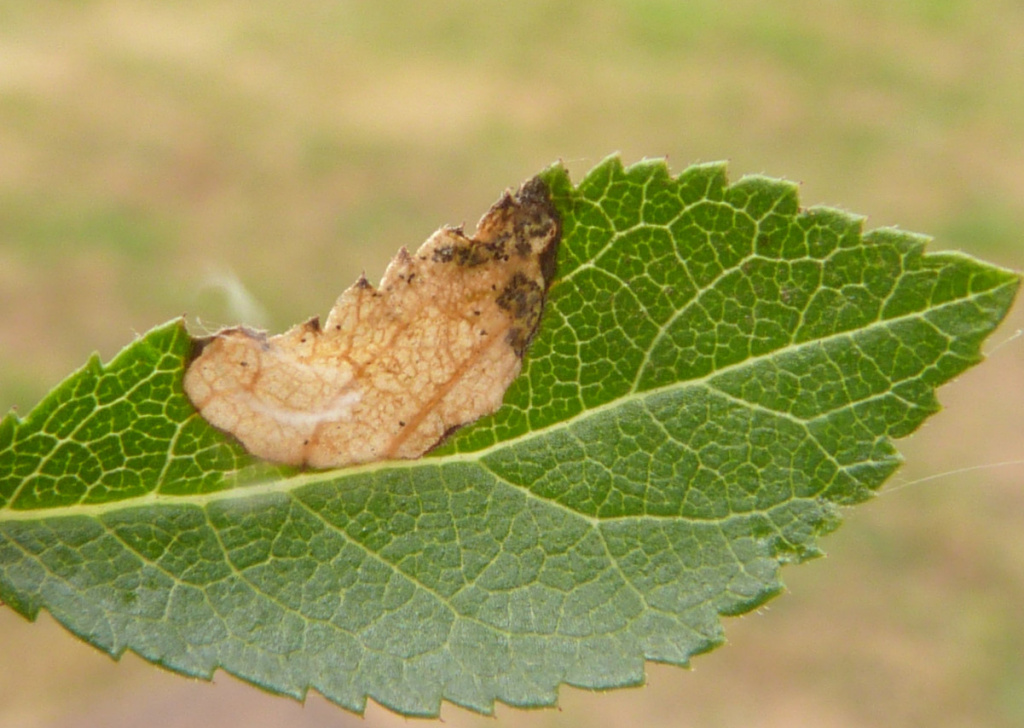
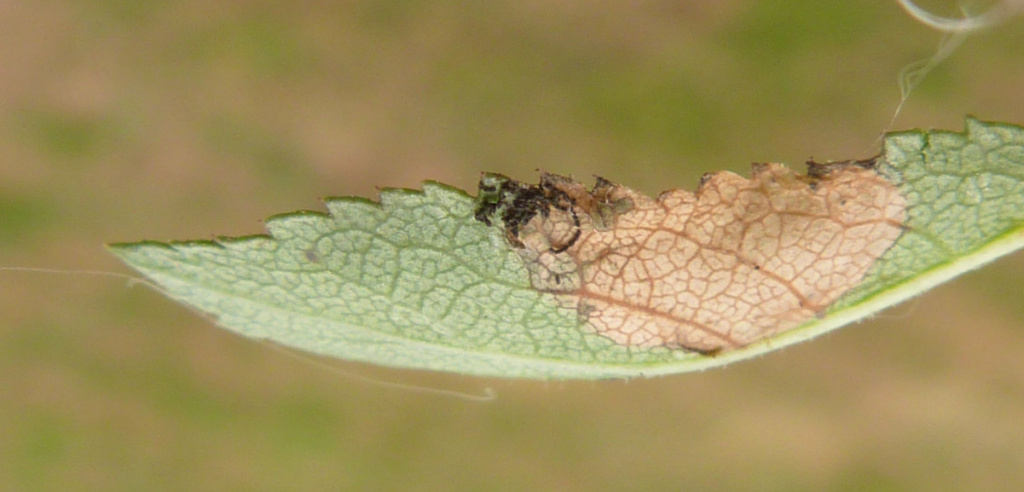
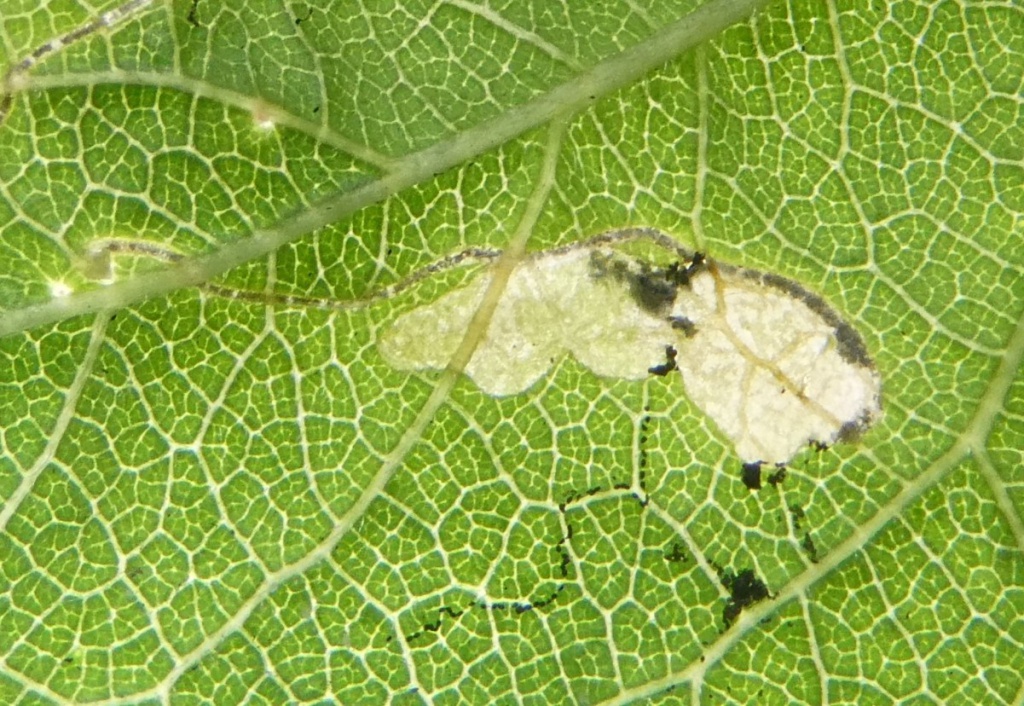
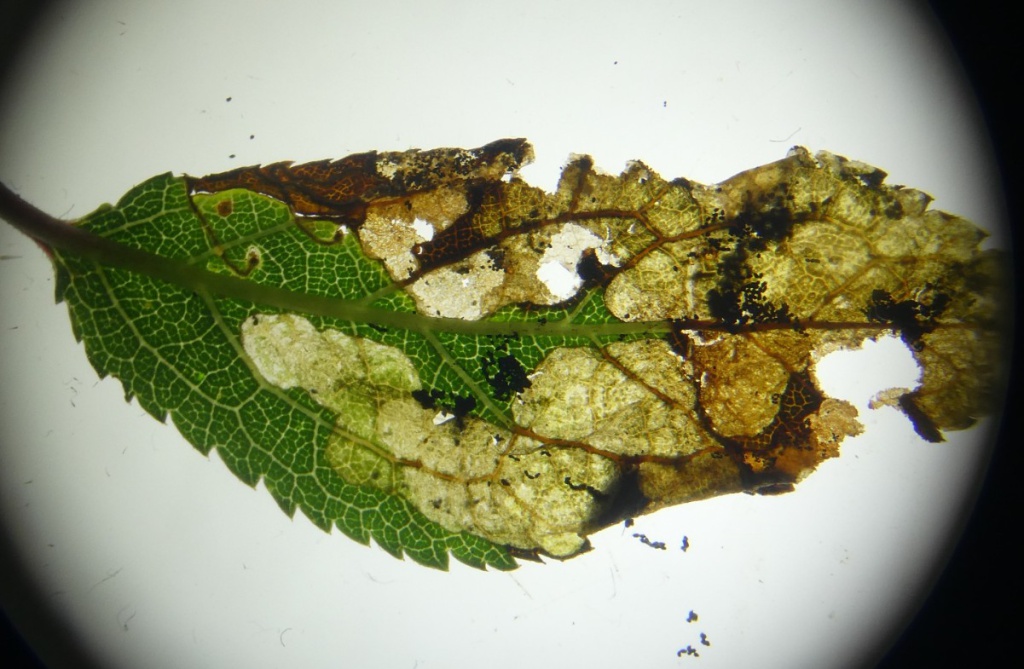
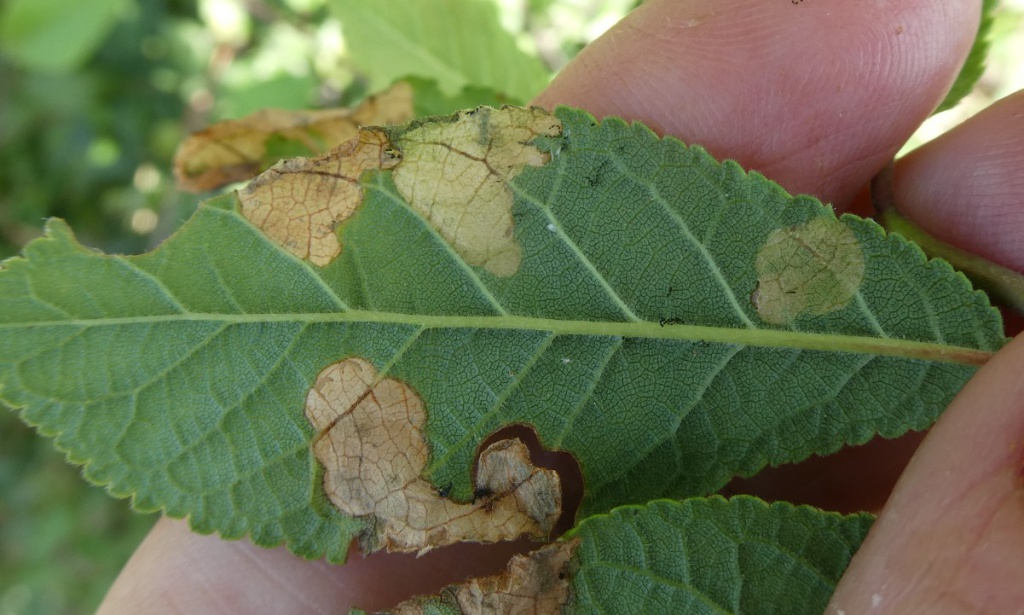
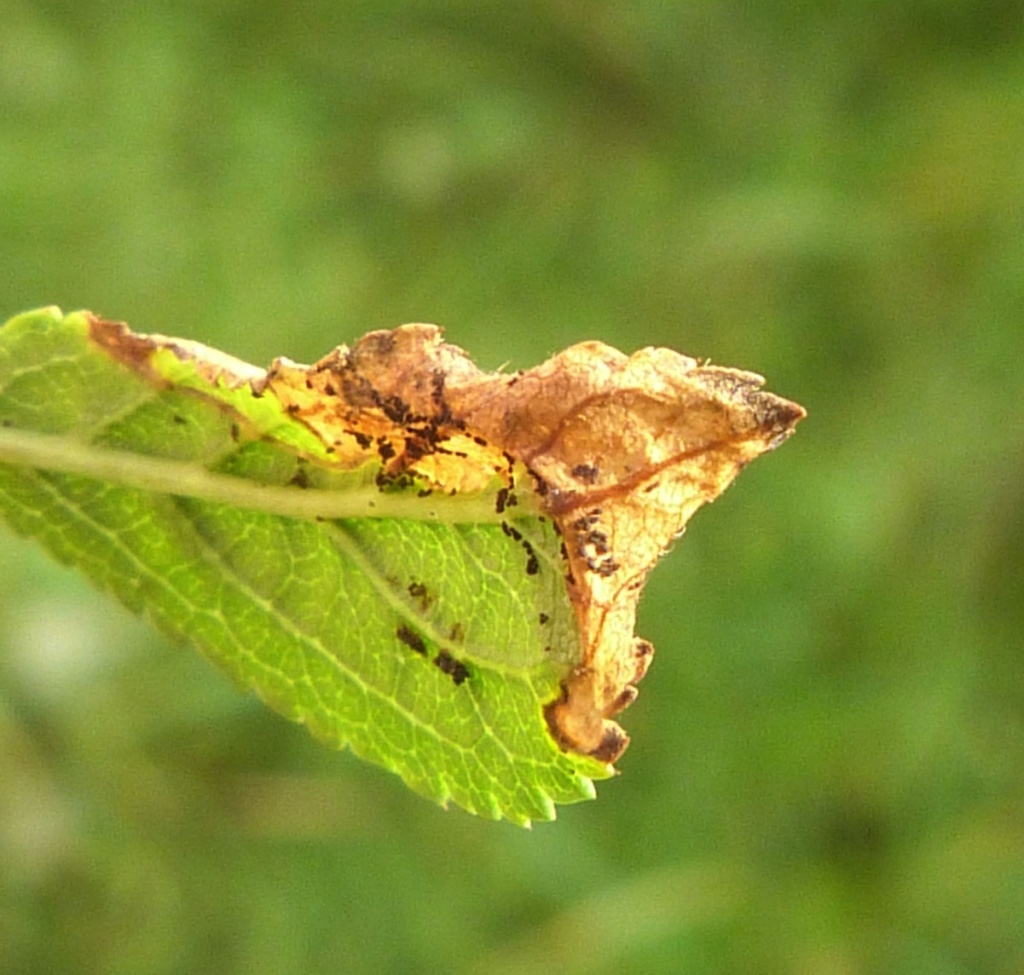
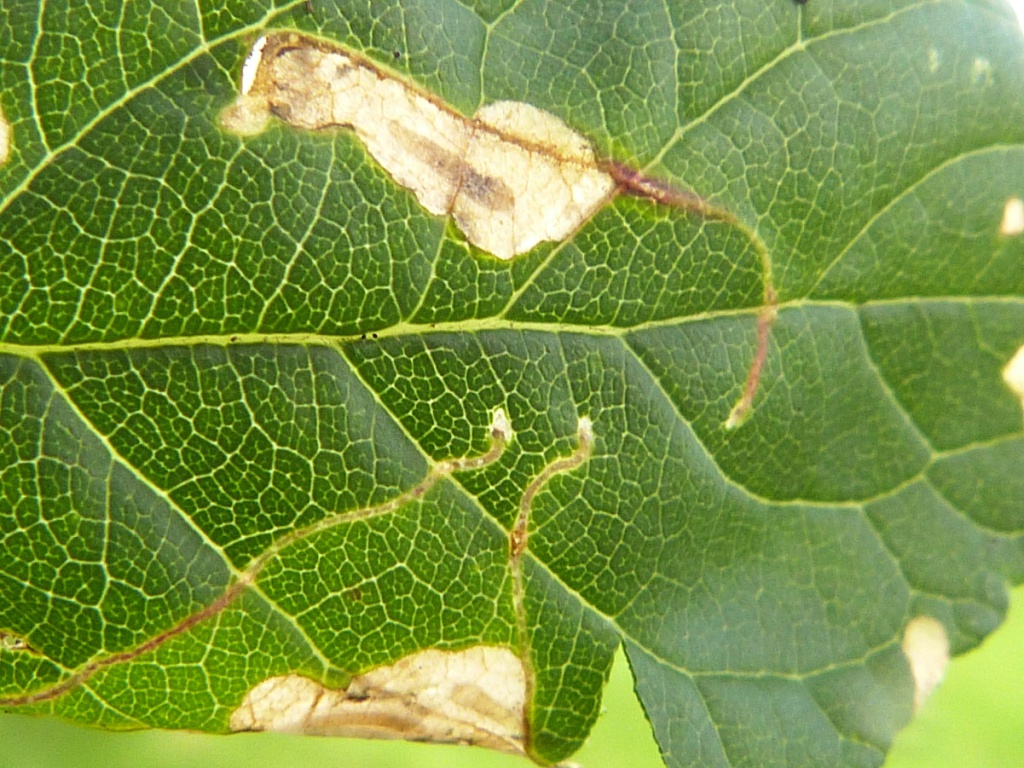
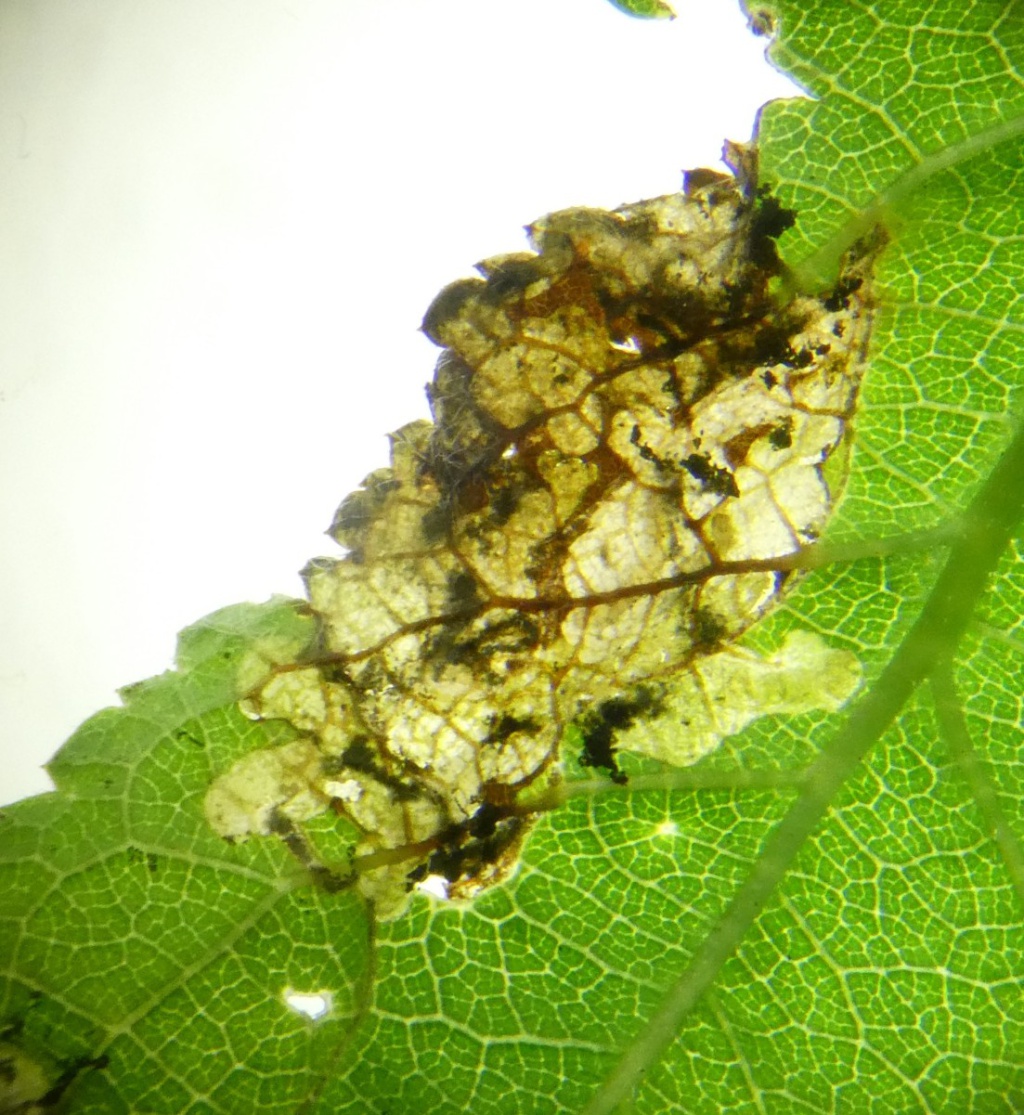
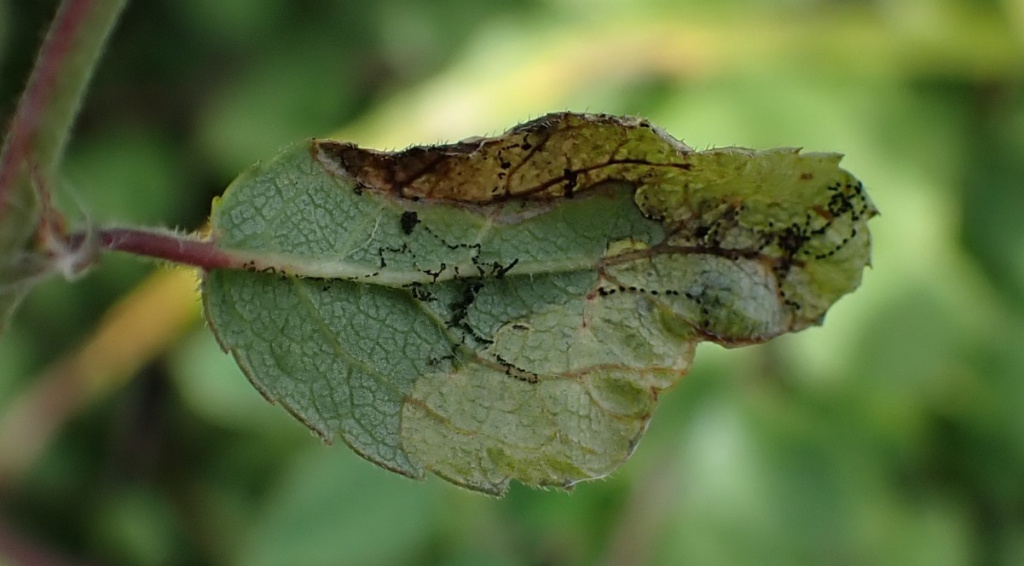
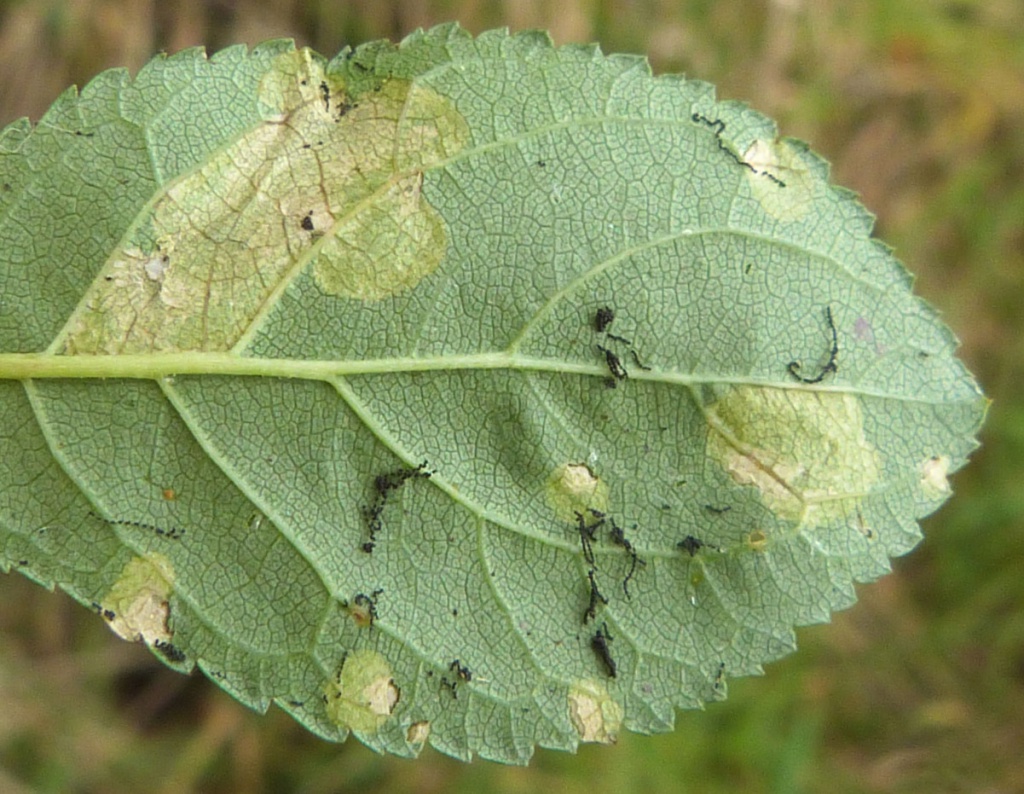
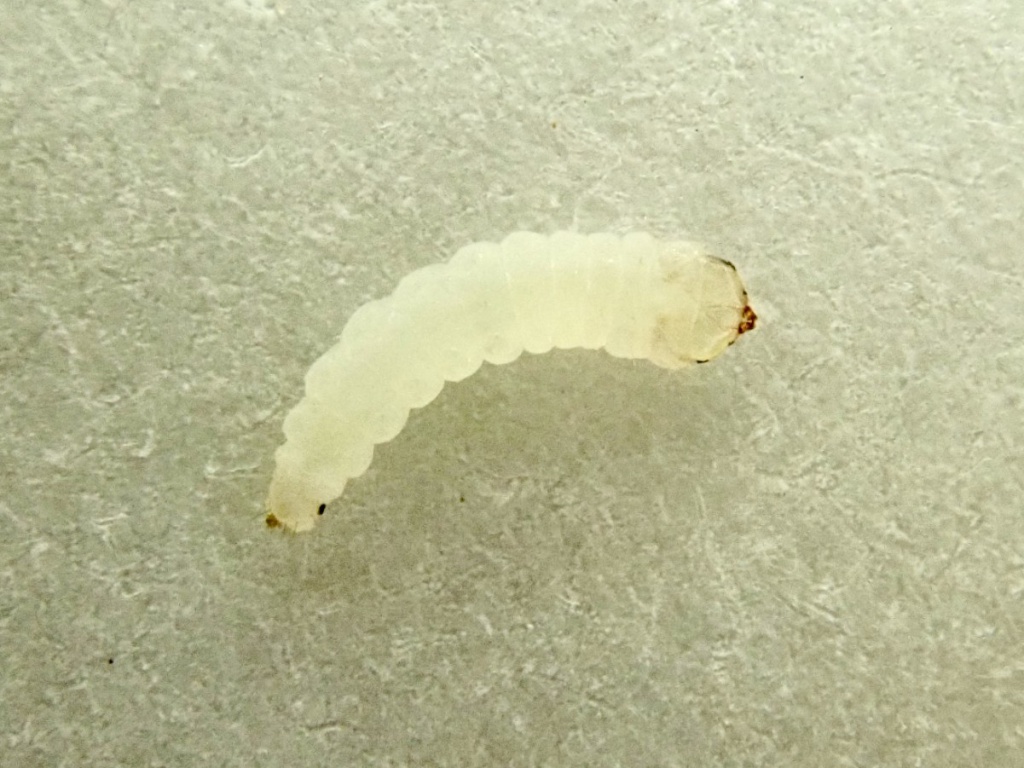
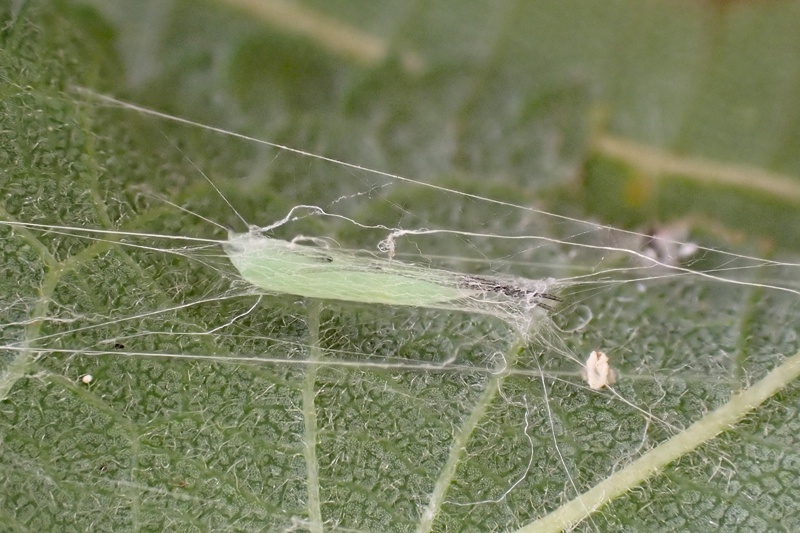
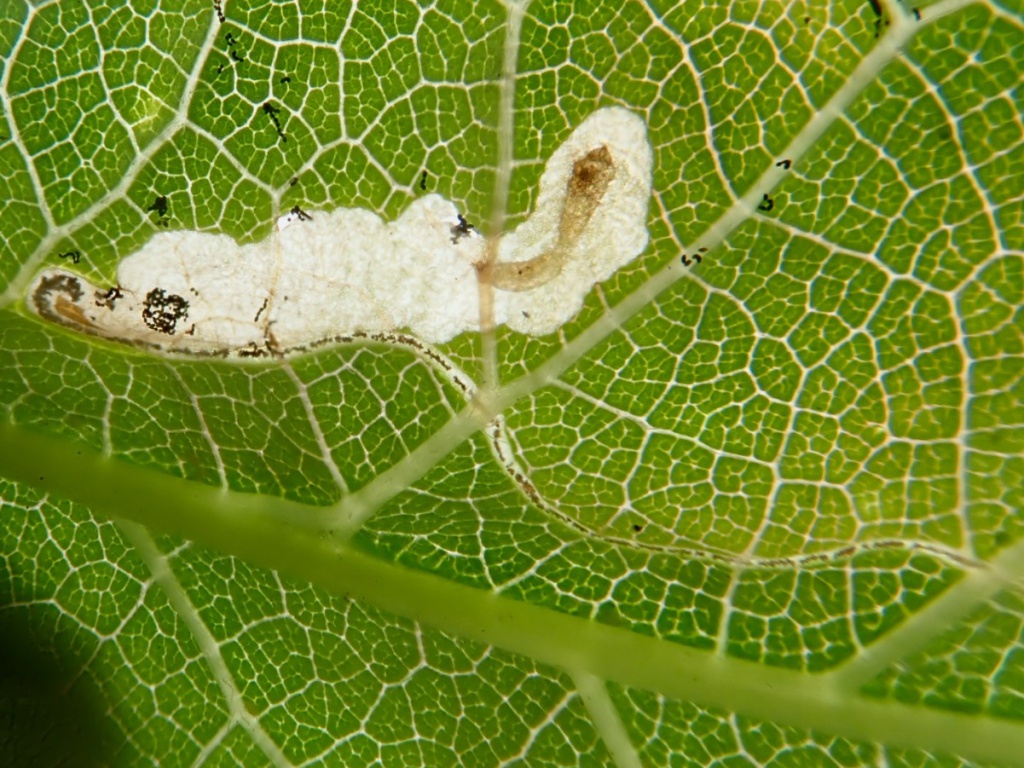
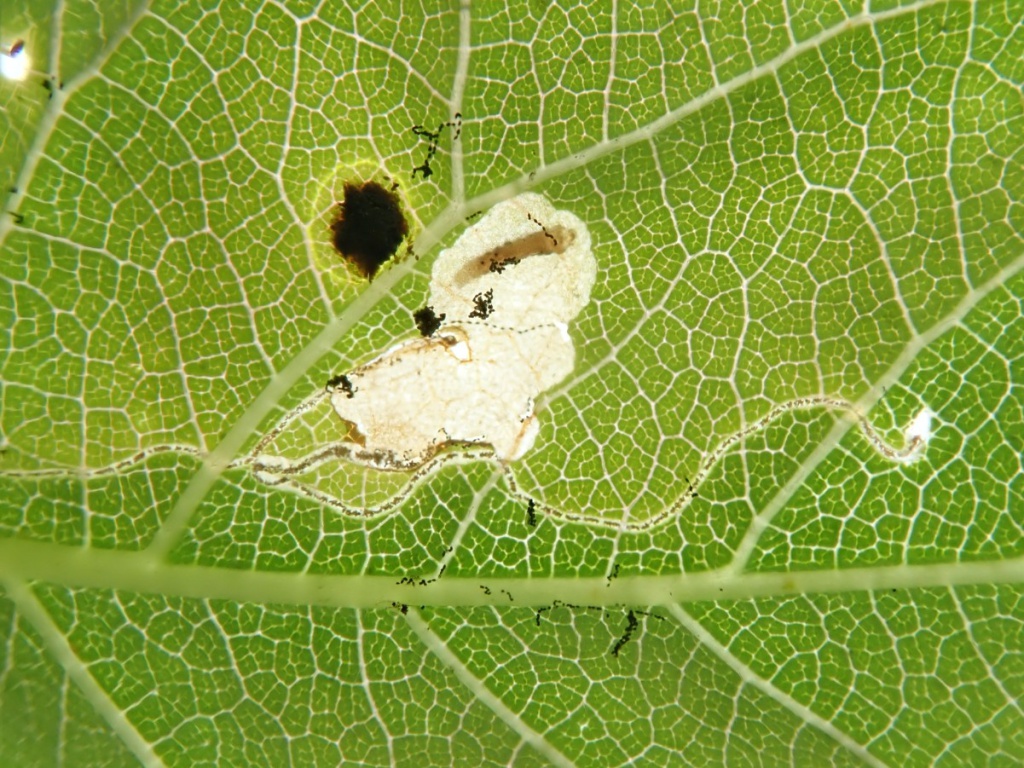
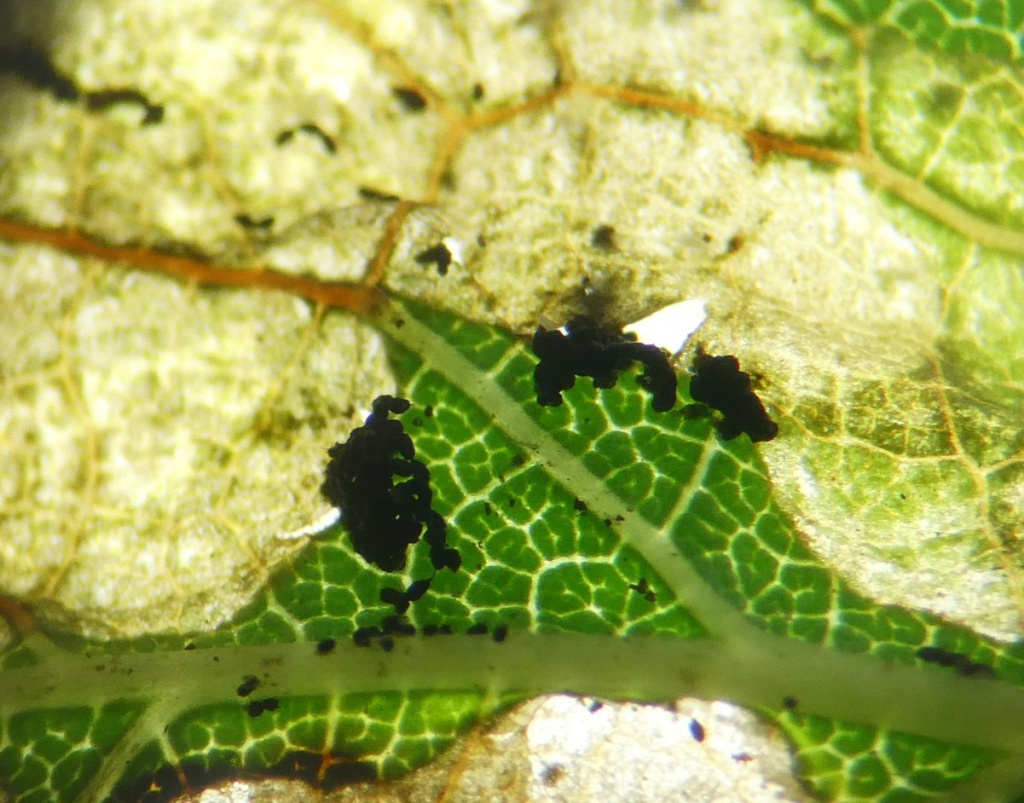
The larval mine is a narrow gallery leading to a clear blotch. Strings of black frass hang beneath the blotches. The pupal cocoon is suspended from silken 'guyropes' and closely resembles that of Lyonetia clerkella.
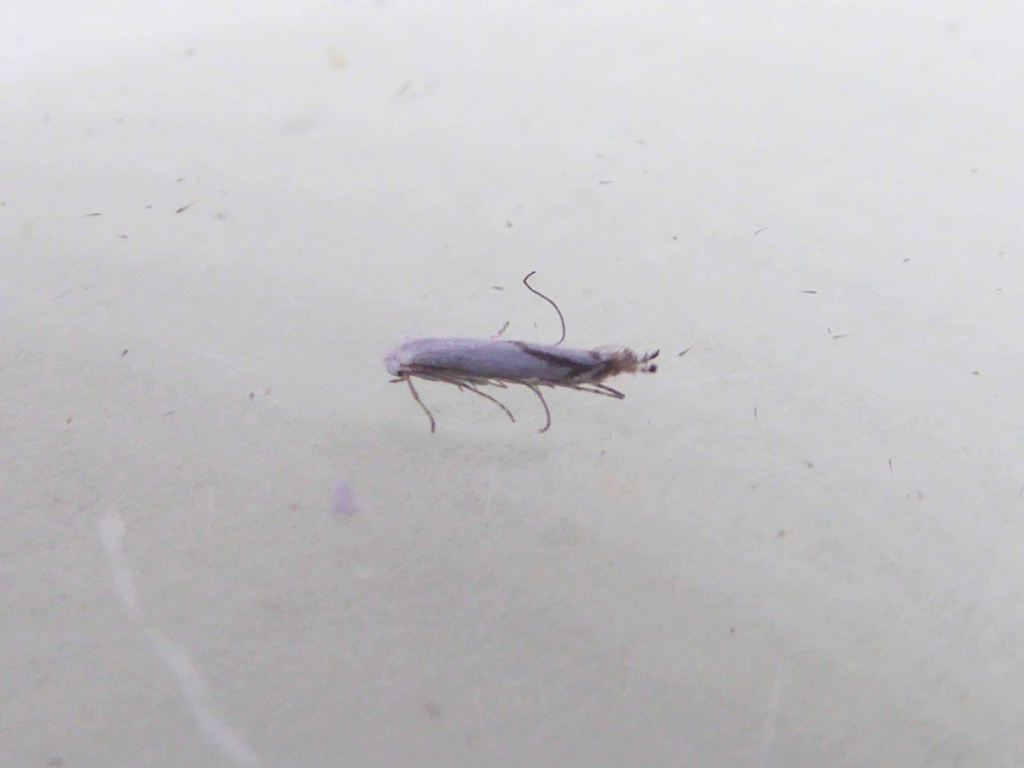
Adult  Leafmine
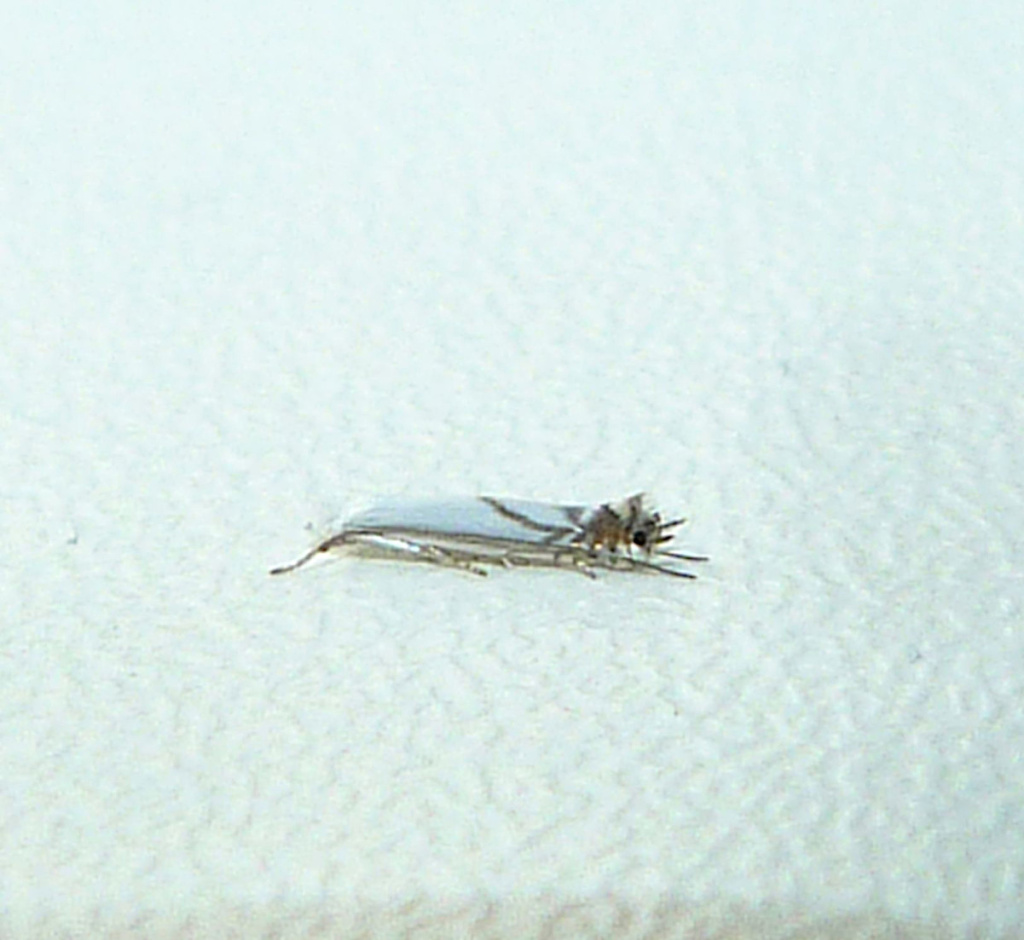
Adult: Whilst this species remains uncommon in VC55, good photos are required or retain the specimen for confirmation from the County Recorder.
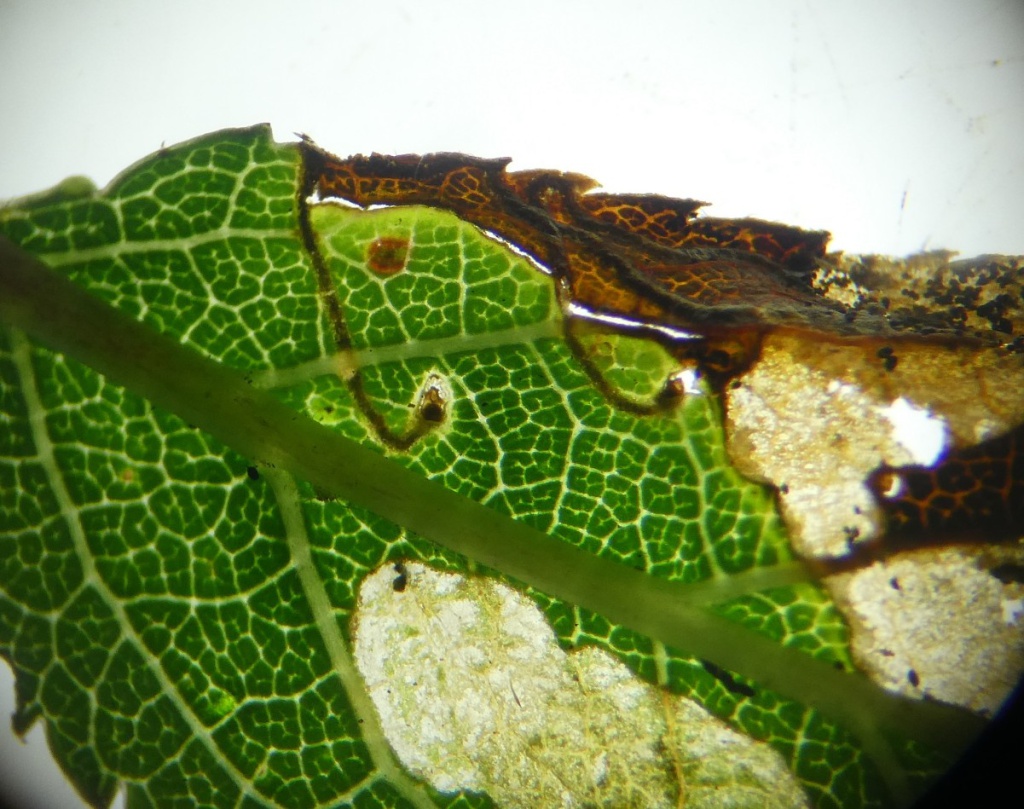
Leafmine: Good backlit photographs are required, showing gallery/blotch and frass in strings below mine. It may be necessary to get confirmation from the County Recorder.
Hedgerows and gardens where the larval host tree species occur.
The adult moths fly in September, and overwinter, appearing again in the spring.
The larva mines the leaves of various roseaceous trees, such as Blackthorn, Plum/Damson and Apple.
After seemingly dying out in Britain for over 100 years, this moth made a re-appearance in 2007 since when it has been encountered with increasing frequency and looks to be becoming more widespread. At the time of the Butterfly Conservation's Microlepidoptera Report 2011 this species was still classified as pRDB1 though this status may need to be reviewed as its numbers continue to increase.
This species is a recent colonist in our area and was not recorded in Leicestershire and Rutland until 2022, however, recent recording seems to indicate that is now established and the number of local records is increasing.
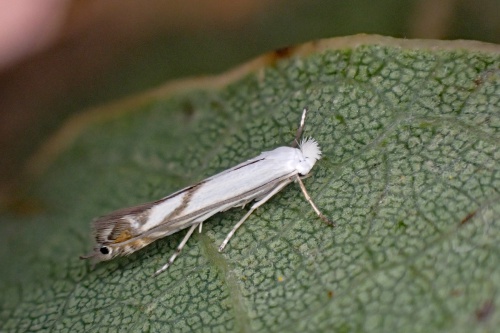 Mark Skevington
Huncote Embankment
07 October 2023
Adult emerged 18/10/2023 from cocoon collected 07/10/2023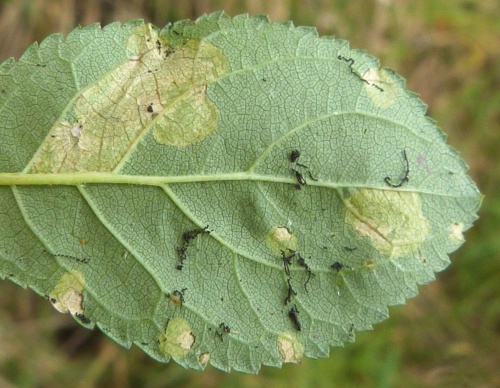 Graham Calow
Sharnford, Fosse Meadows
06 October 2023
frass ejected from mine dangling beneath.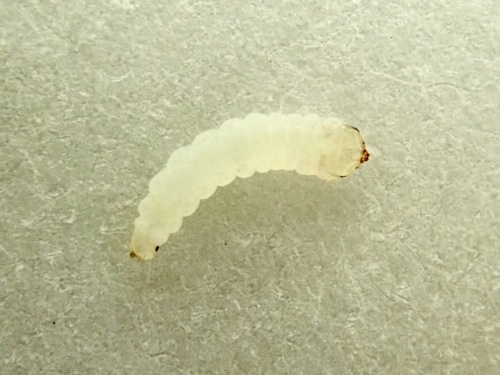 egaten
Thurlaston garden
04 October 2022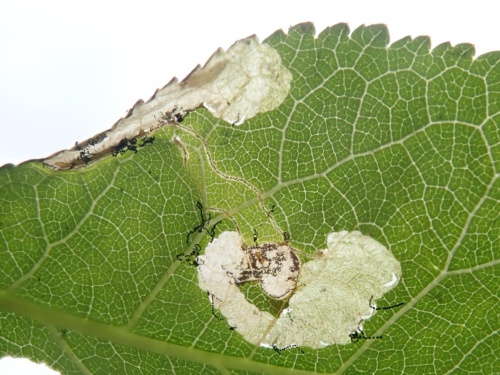 egaten
Thurlaston garden
04 October 2022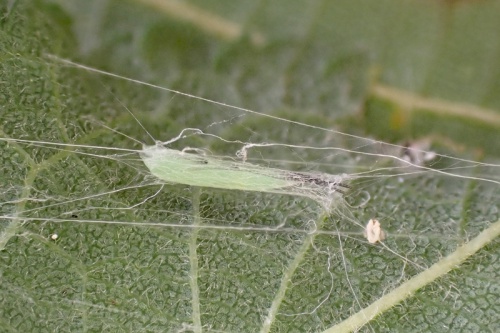 Mark Skevington
Huncote Embankment
07 October 2023
Pupal cocoon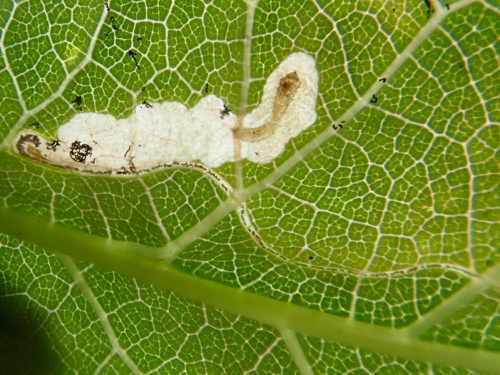 egaten
Thurlaston garden
04 October 2022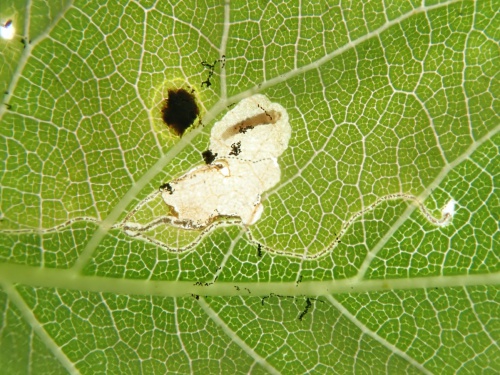 egaten
Thurlaston garden
04 October 2022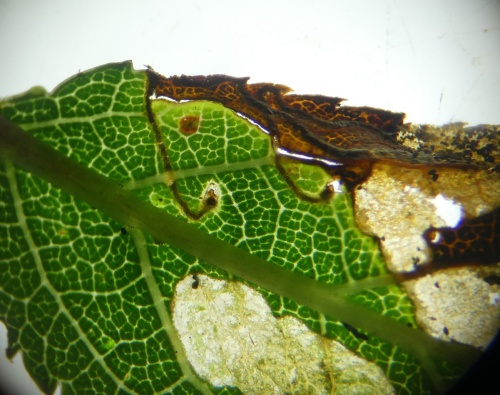 sue
sue
Snarestone, Appleby Rd, opposite entrance to sewage works
29 October 2022
initial galleries widen into communal blotch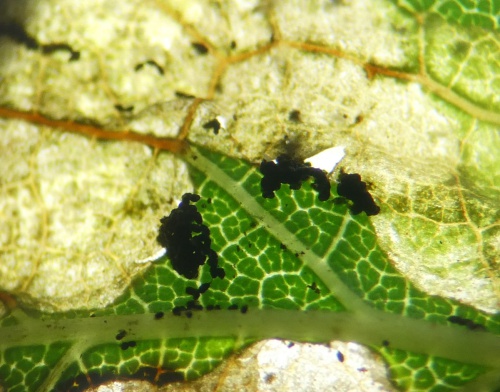 sue
sue
Snarestone, Appleby Rd, opposite entrance to sewage works
29 October 2022
frass ejected from mine through slit underside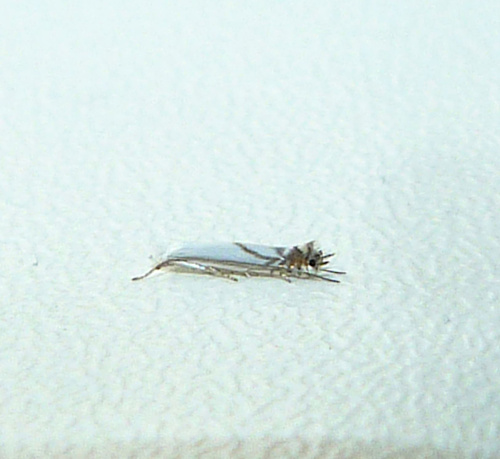 Graham Calow
Sapcote, Harecroft Crescent
19 July 2024

Leicestershire & Rutland Map
Enter a town or village to see local records
MAP KEY:
Yellow squares = NBN records (all known data)
Coloured squares = NatureSpot records: 2025+ | 2020-2024 | pre-2020
UK Map
Additional images