Ilybius fenestratus
Ilybius fenestratus
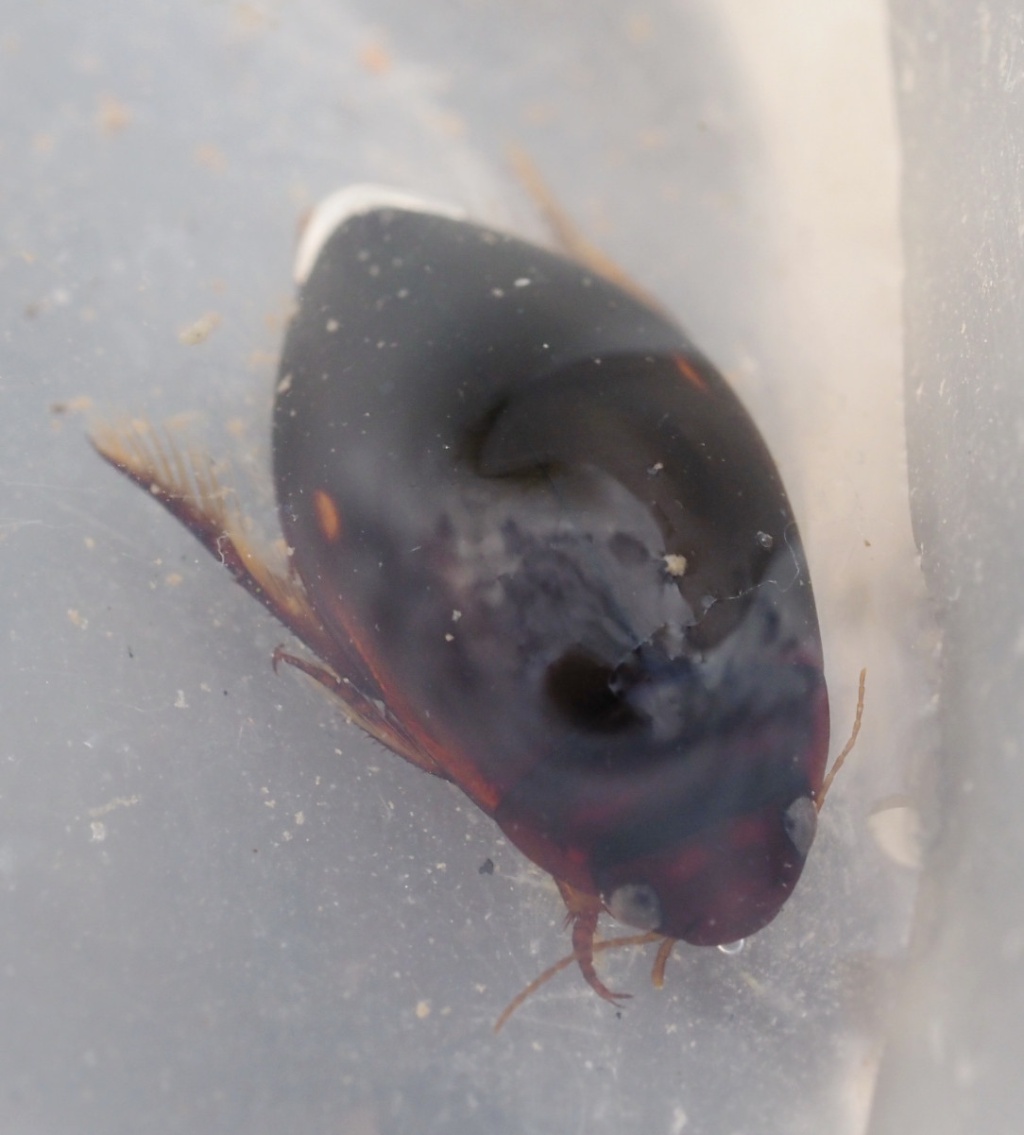
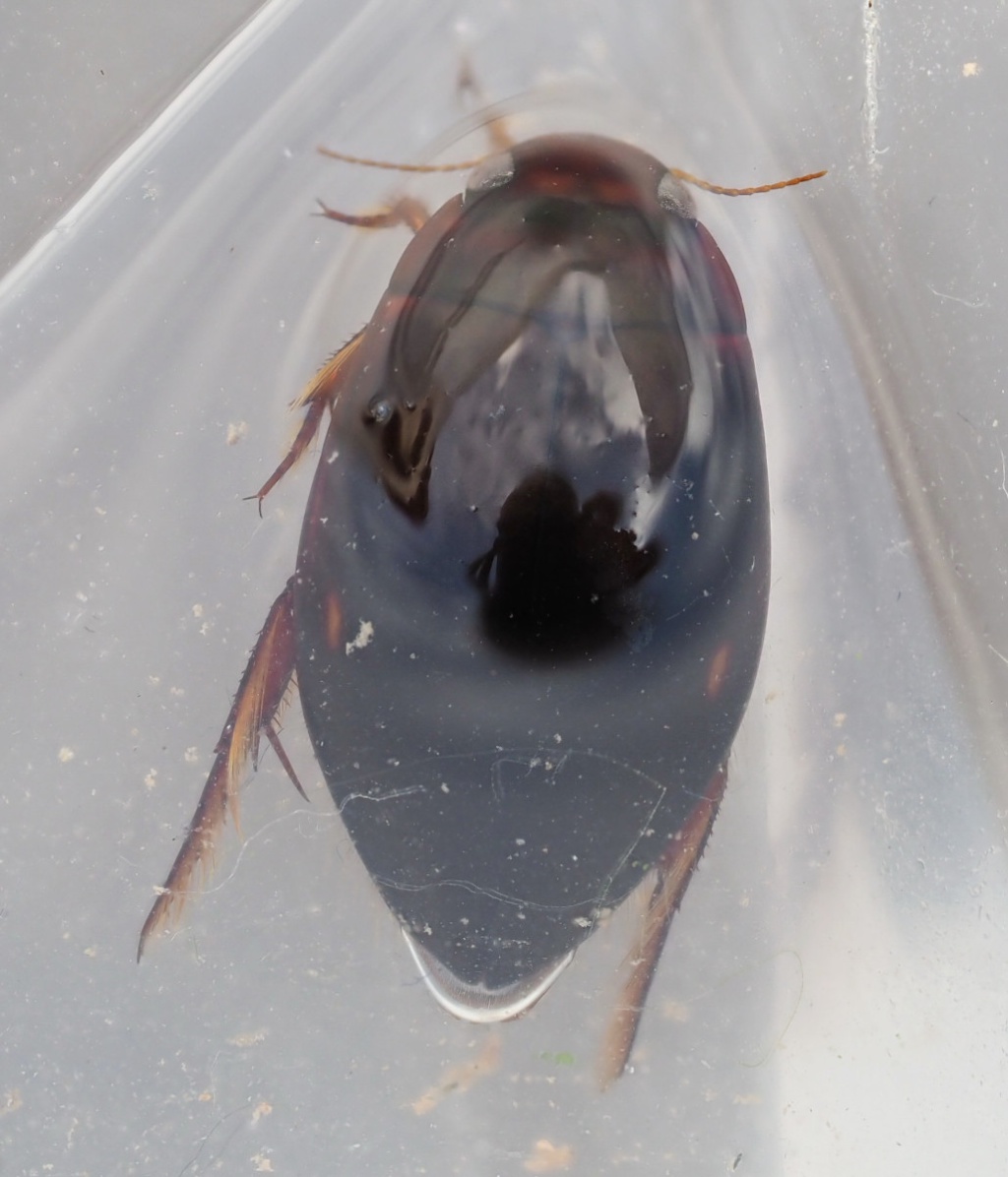
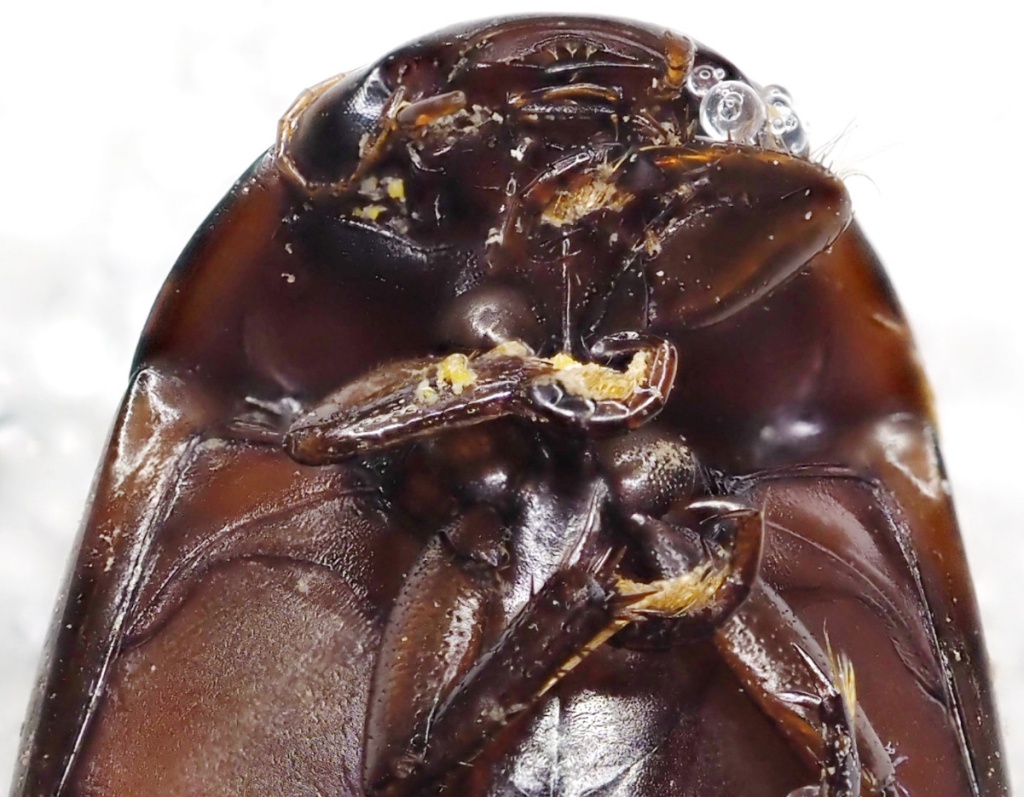
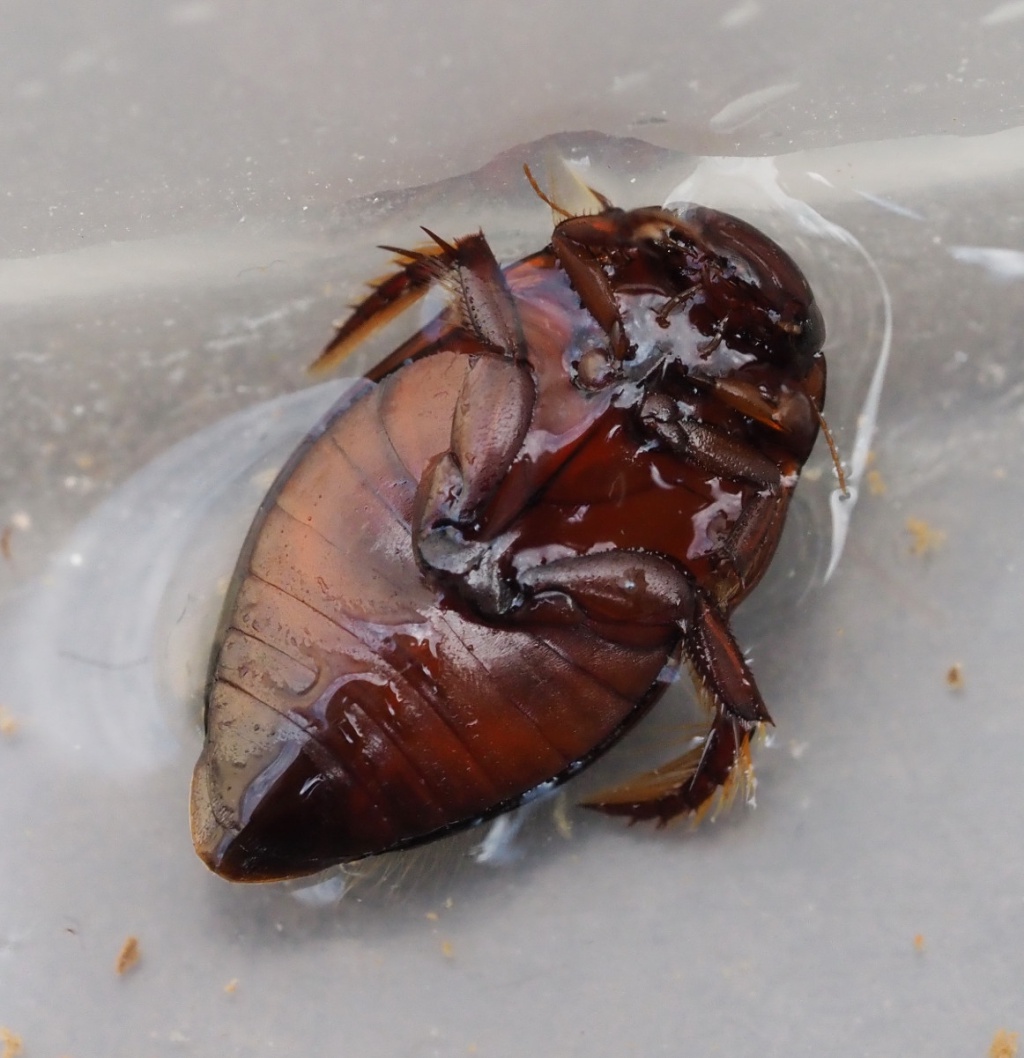
Length approx. 11 mm. This species has dark colouration and a broad-oval shape which is widest behind the middle.

Unless identified by a recognised expert, a photo is required and the specimen should be examined with a microscope. In the comments box, state the key or ID method used and describe the size and identifying characters.
It usually inhabits the margins of larger water bodies, reservoirs, and canals etc. where the adults may be found among vegetation.
Adults occur year-round, they are nocturnally active and thought to be flightless.
The species overwinters, probably in the water, and individuals become active in the spring, feeding for a while before mating and ovipositing in the stems of marginal vegetation from May or June and during this time they may be active during the day. Larvae appear from July and develop in marginal situations, these will overwinter and produce adults the following summer and so the life-cycle is semivoltine, alternating between larvae and adults overwintering.
Widespread and generally common through central and eastern England, very local and sporadic in the west and Wales and in Scotland known only from lochs in the southwest.
Fairly frequent in Leicestershire and Rutland.
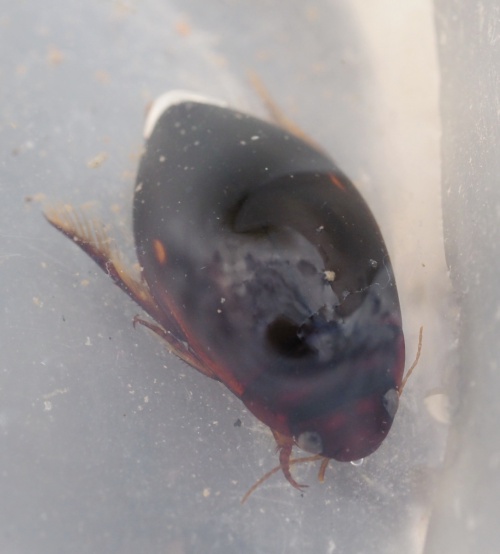 David Nicholls
Battram SUD ponds
14 September 2022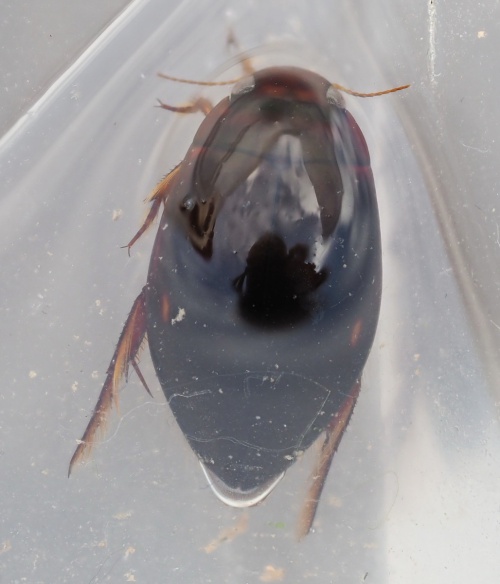 David Nicholls
Battram SUD ponds
14 September 2022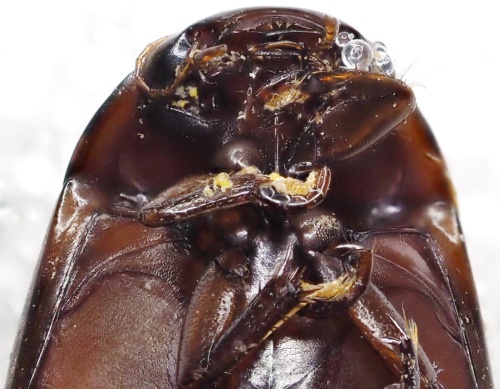 David Nicholls
Battram SUD ponds
14 September 2022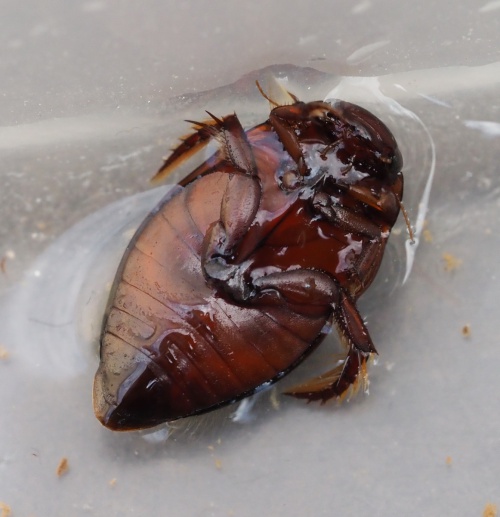 David Nicholls
Battram SUD ponds
14 September 2022
Leicestershire & Rutland Map
Enter a town or village to see local records
MAP KEY:
Yellow squares = NBN records (all known data)
Coloured squares = NatureSpot records: 2025+ | 2020-2024 | pre-2020
UK Map
Additional images
No additional images available for this species.