Hogweed
Hogweed - Heracleum sphondylium
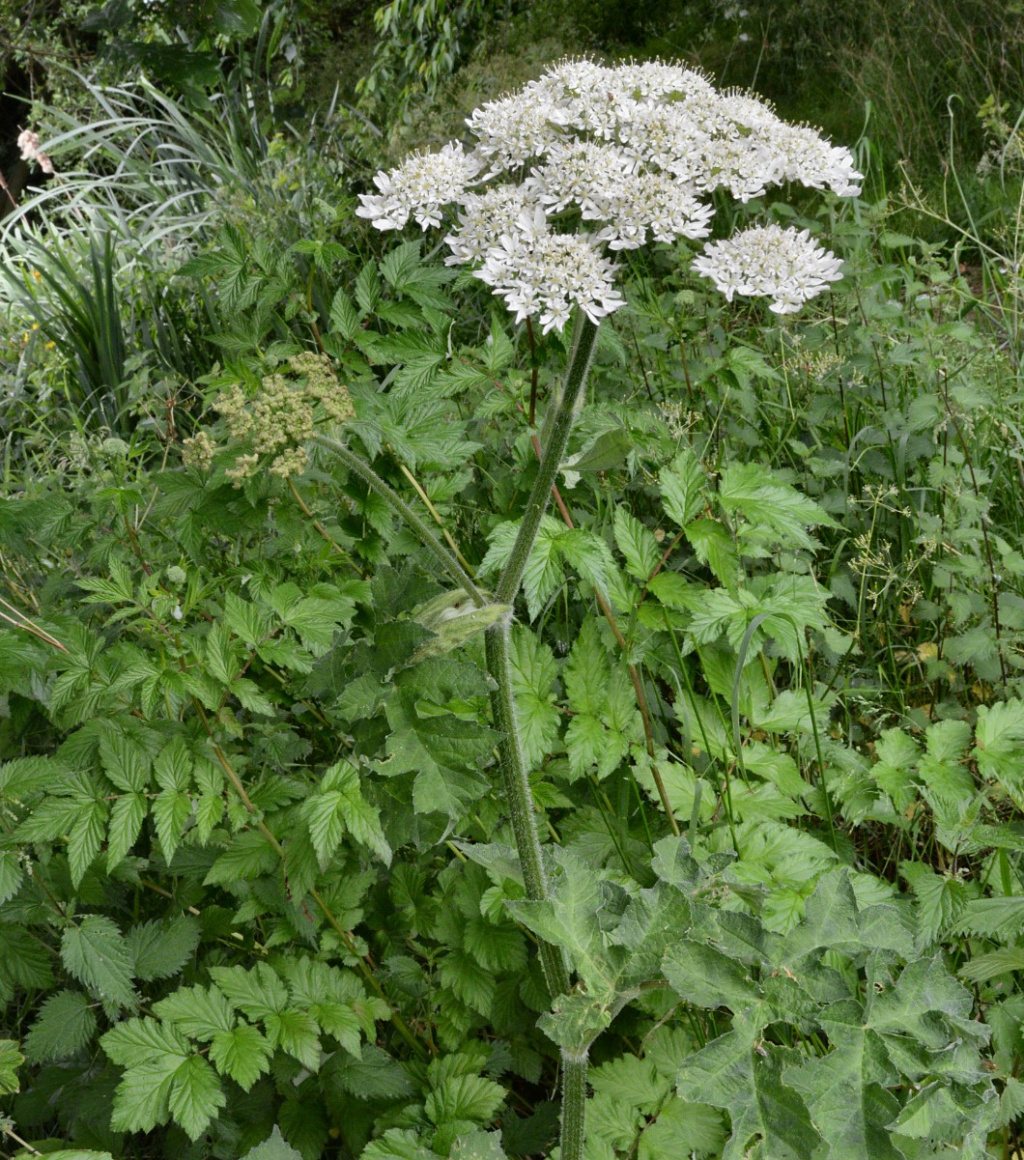
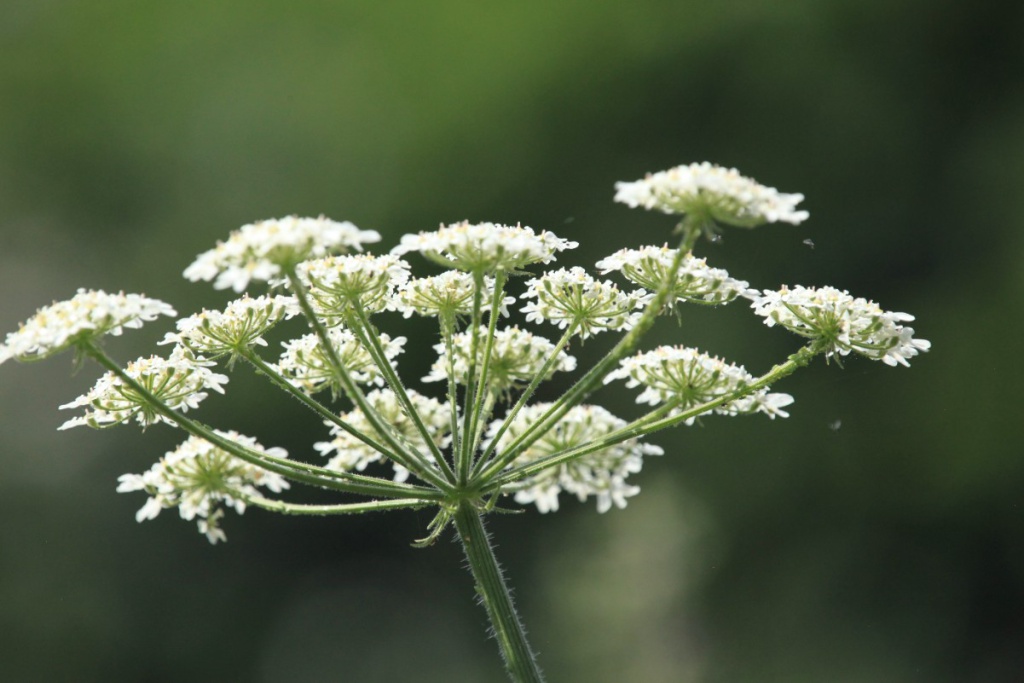
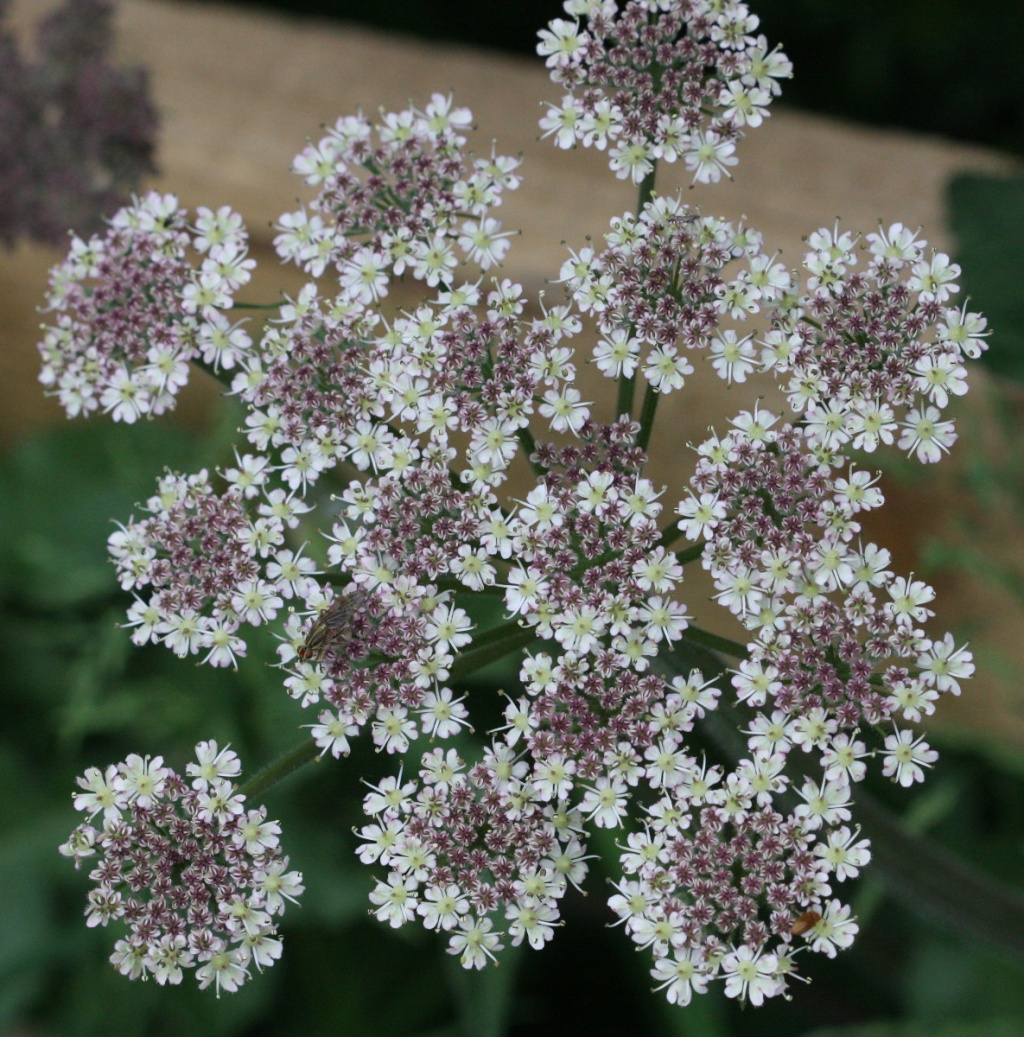
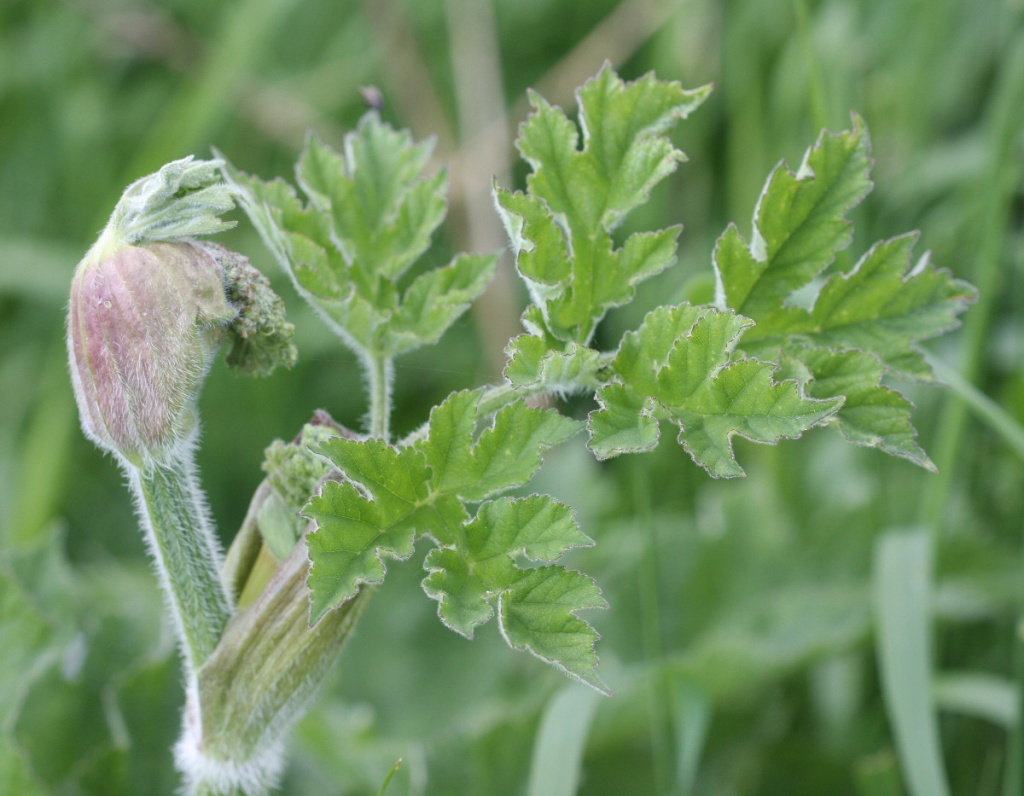
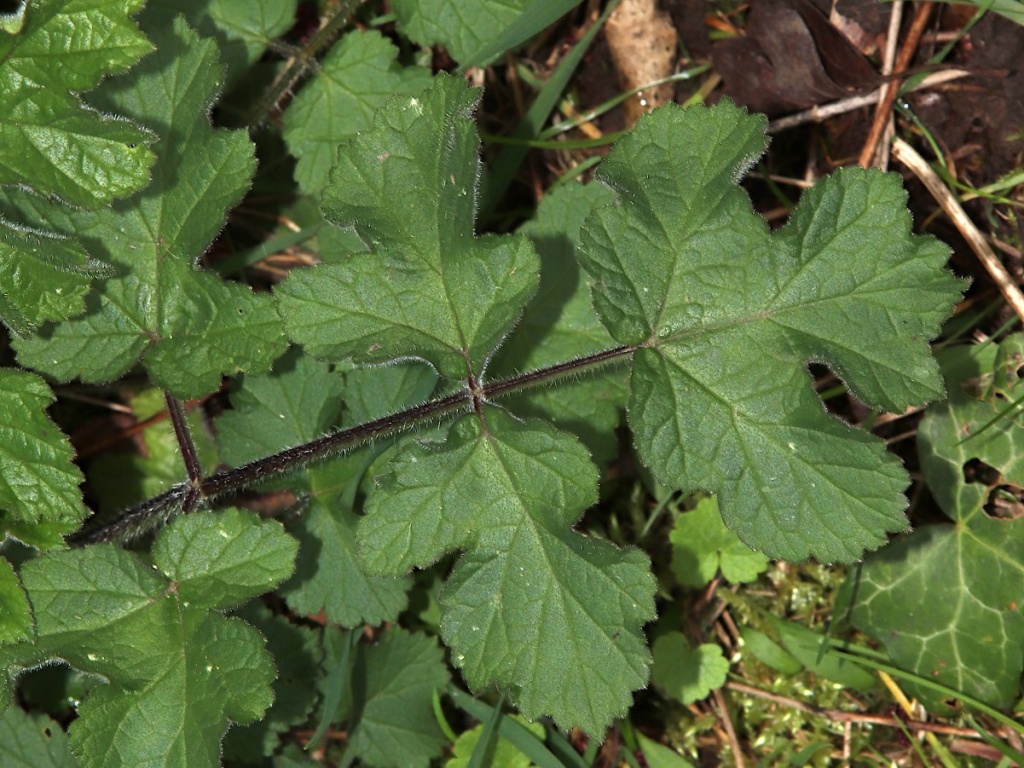
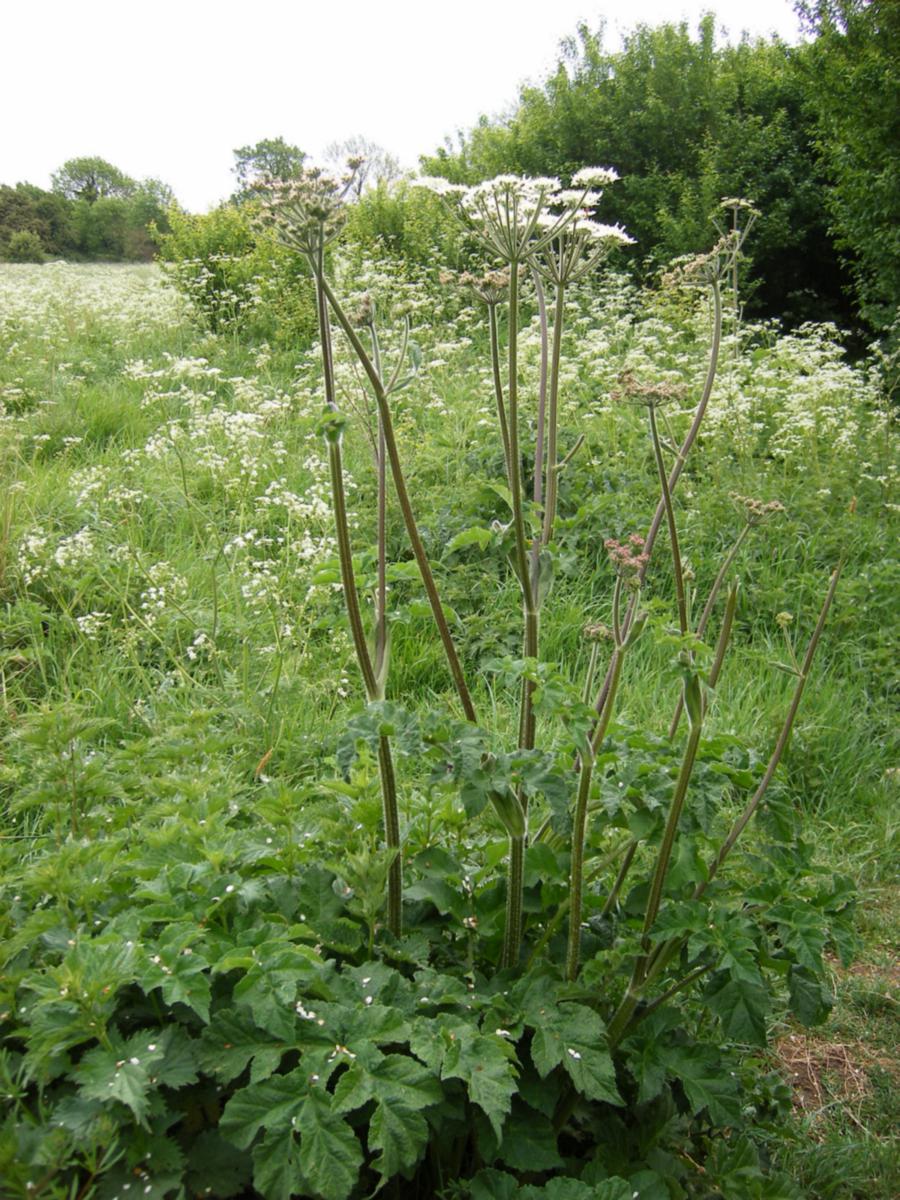
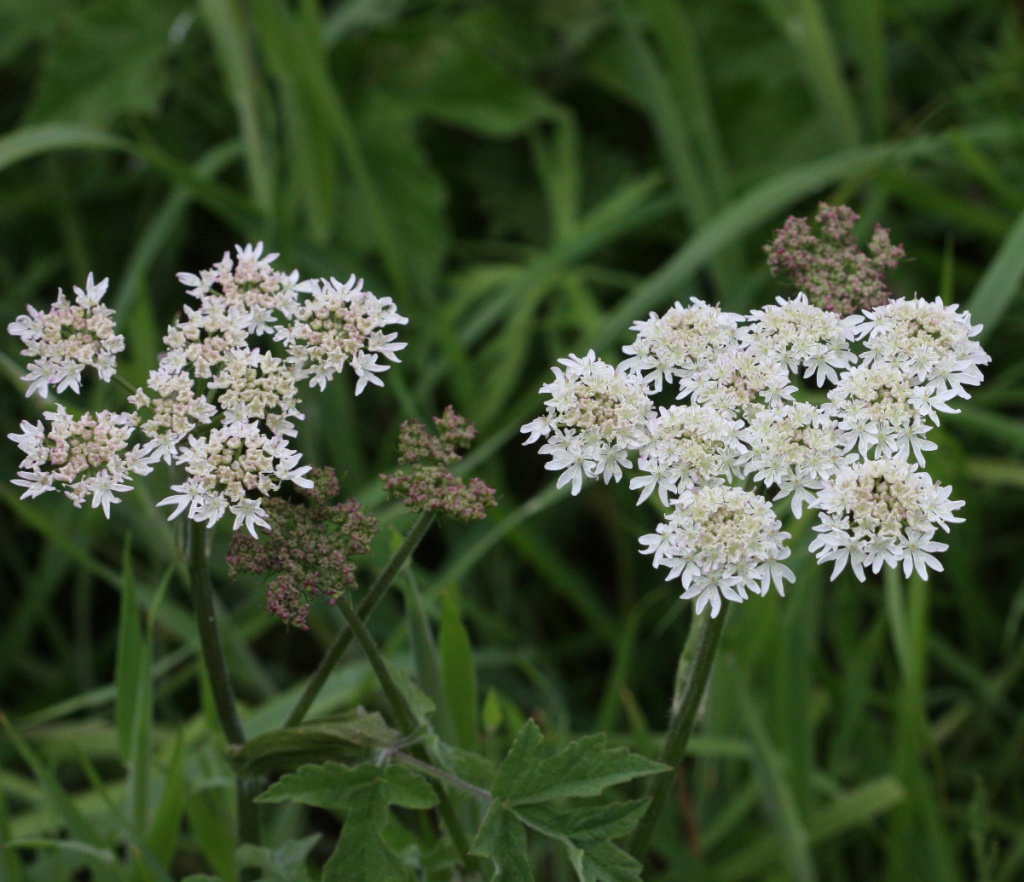
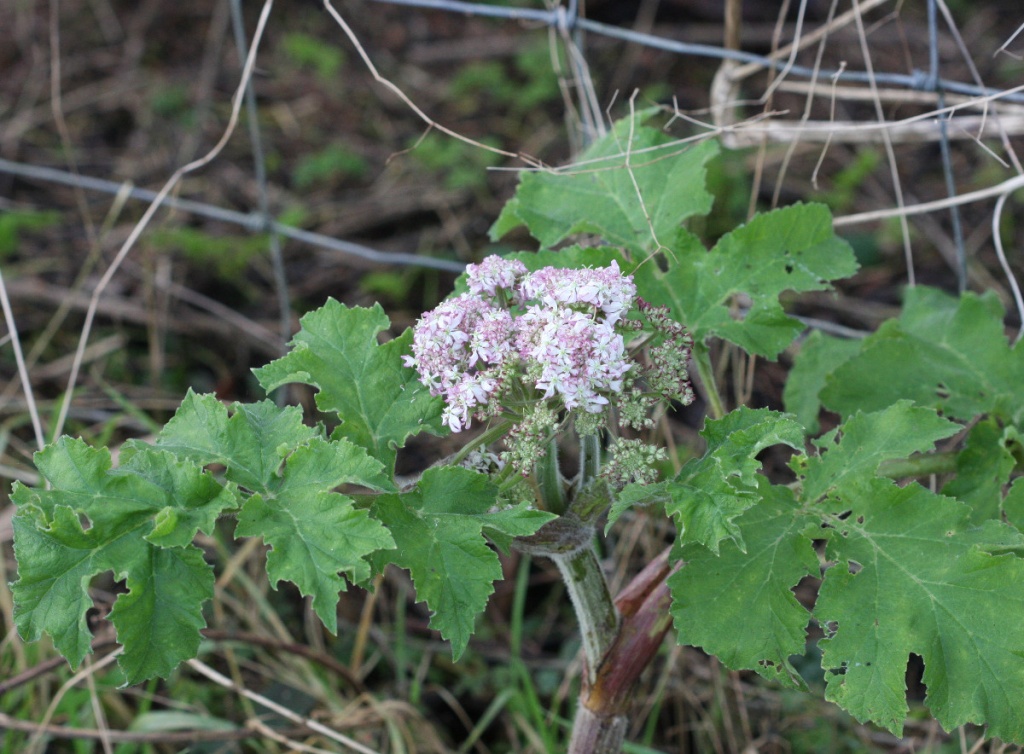
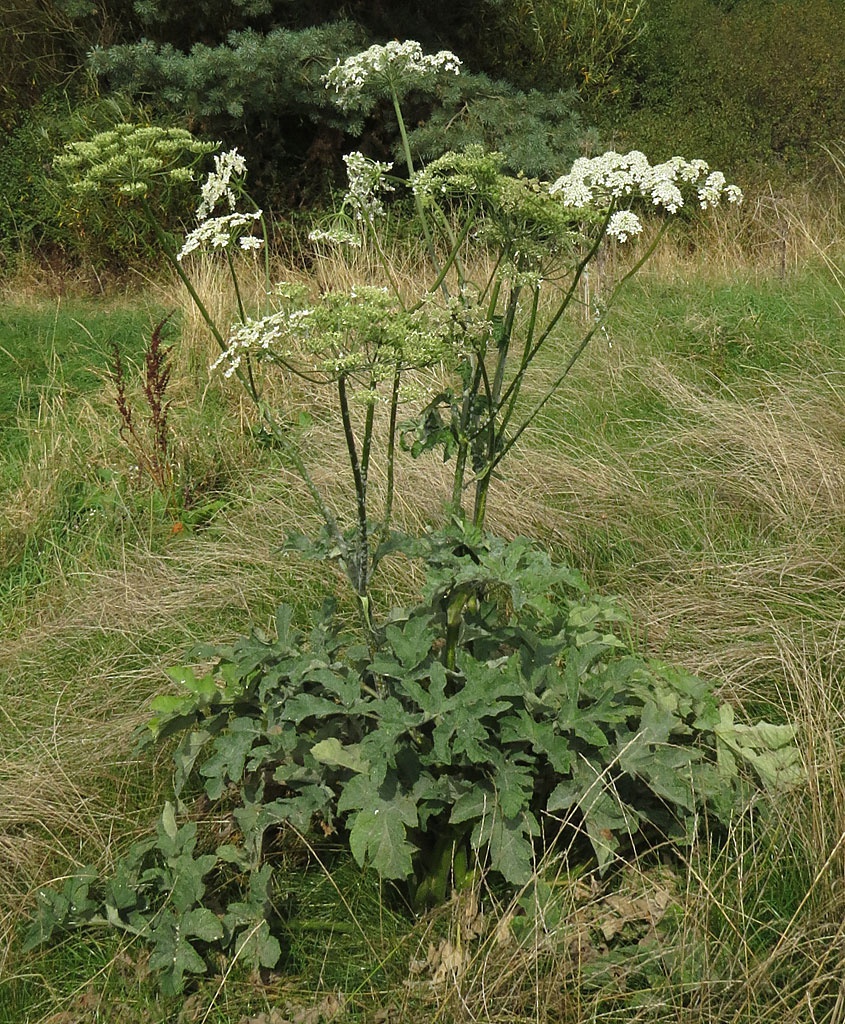
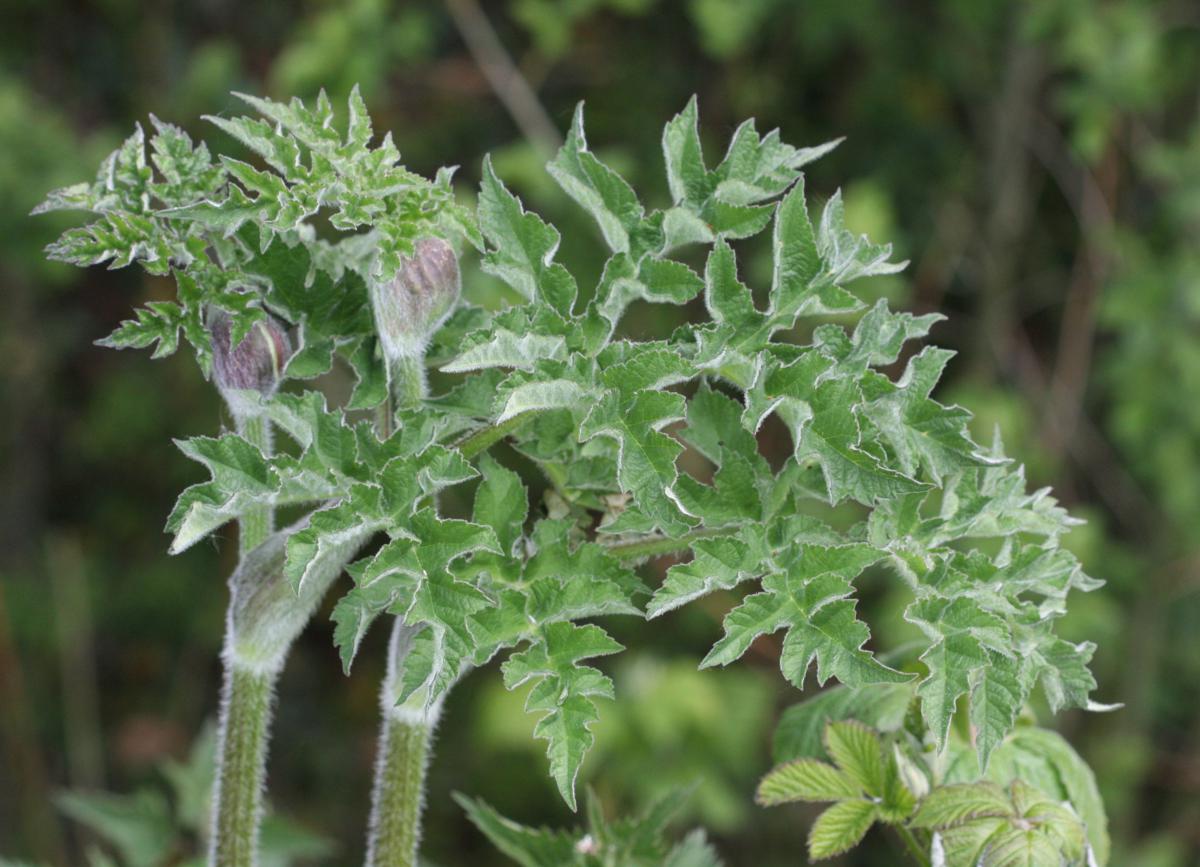
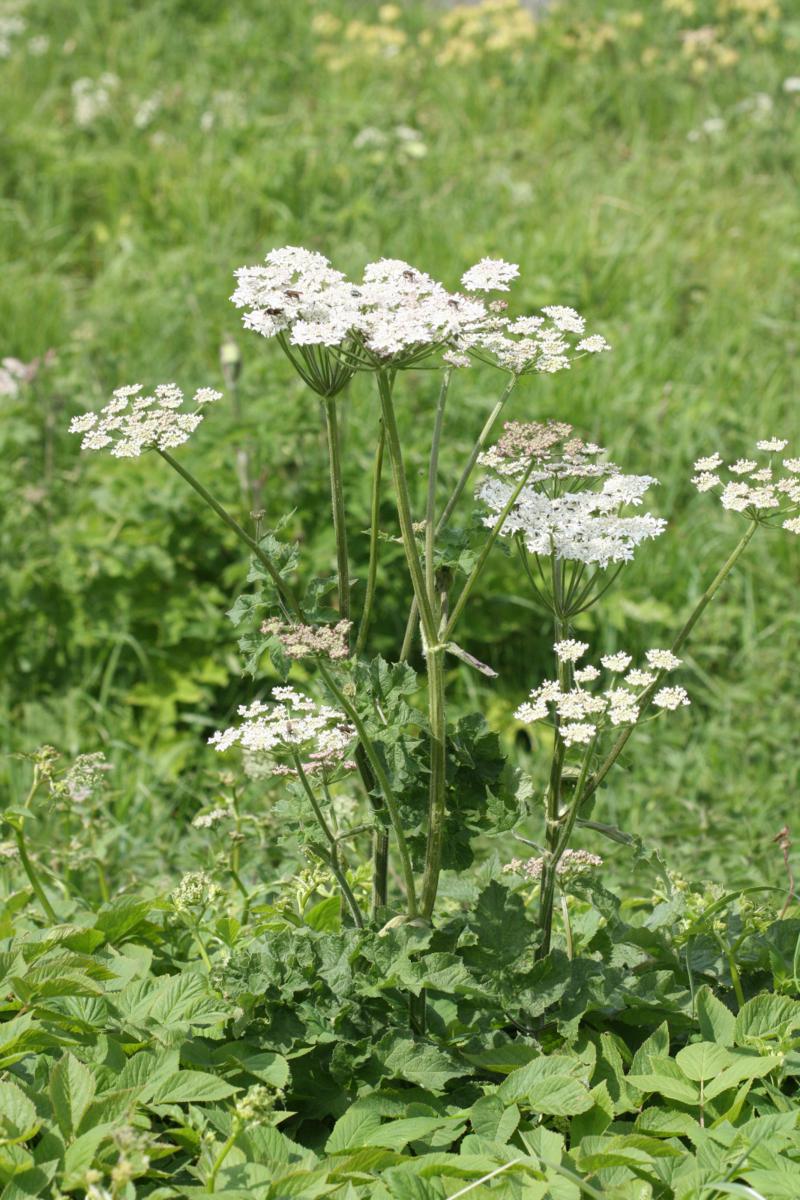
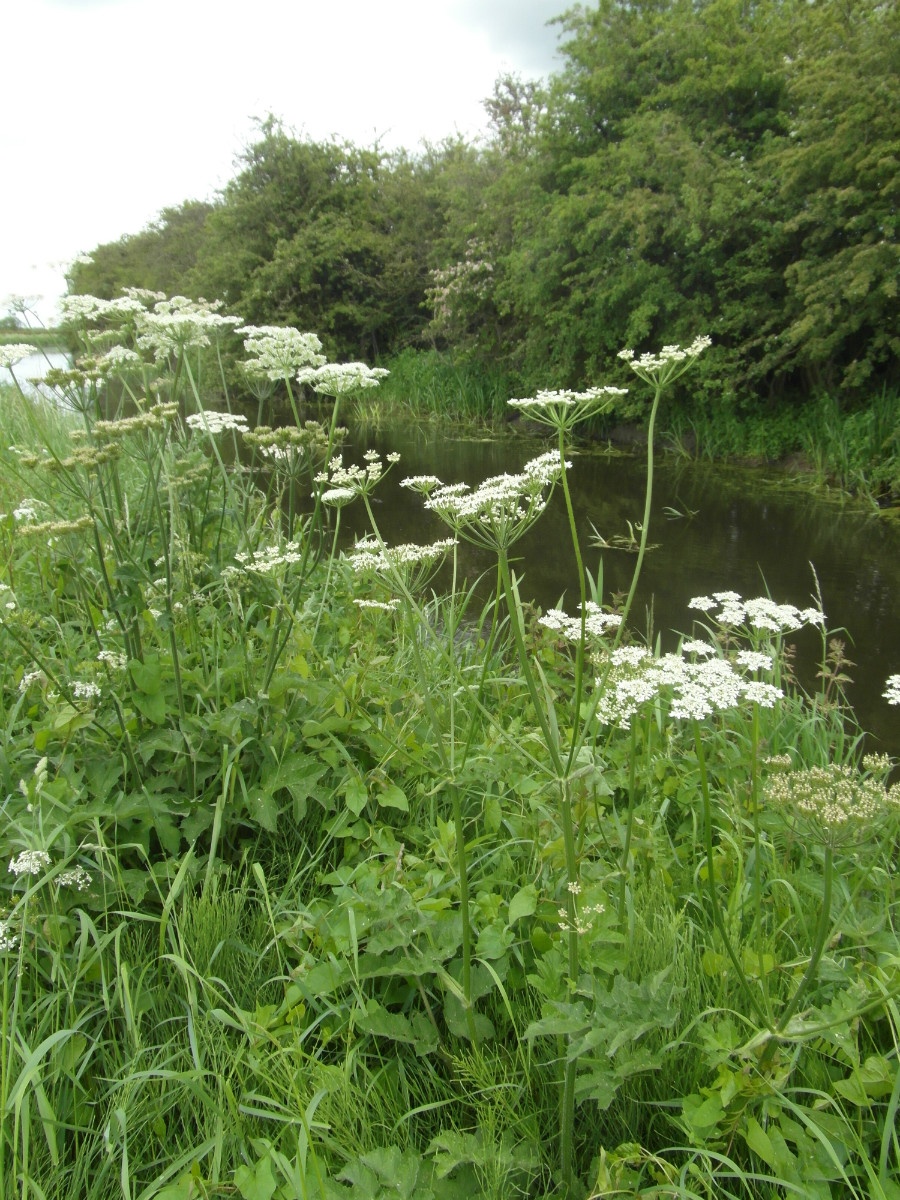
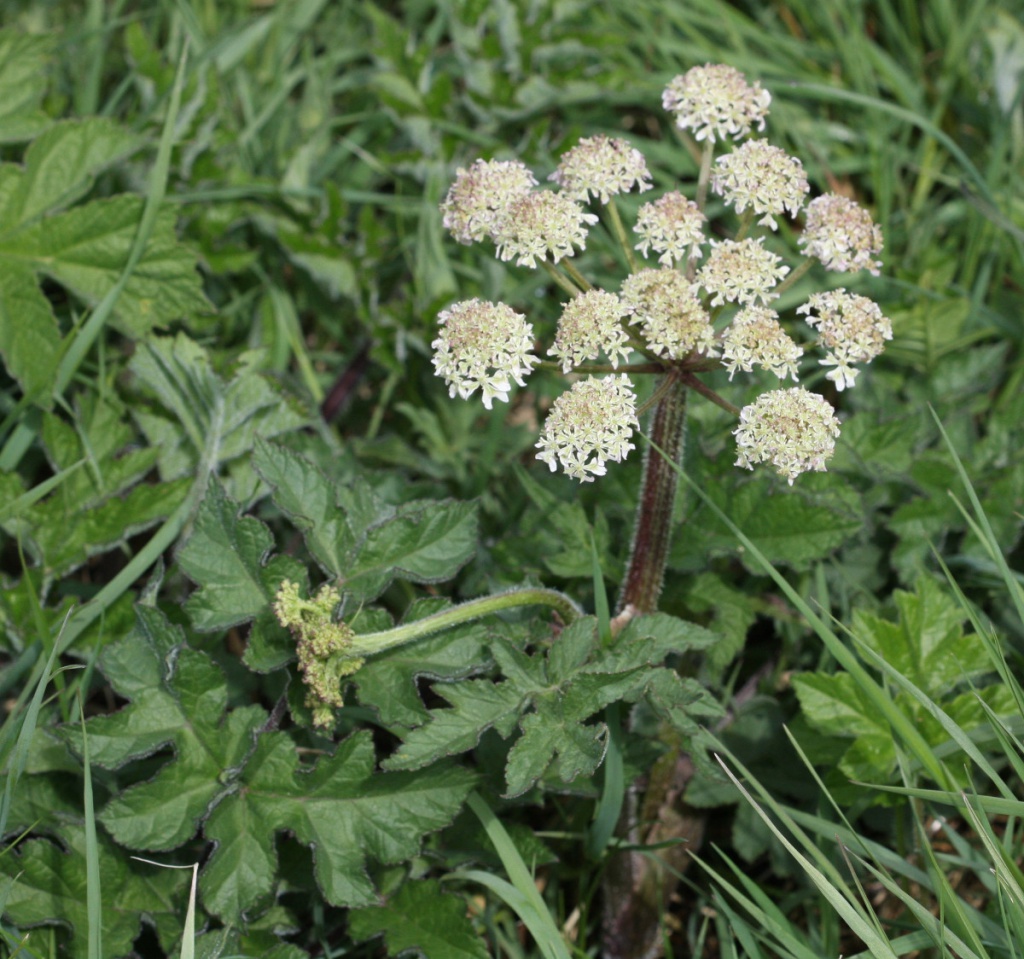
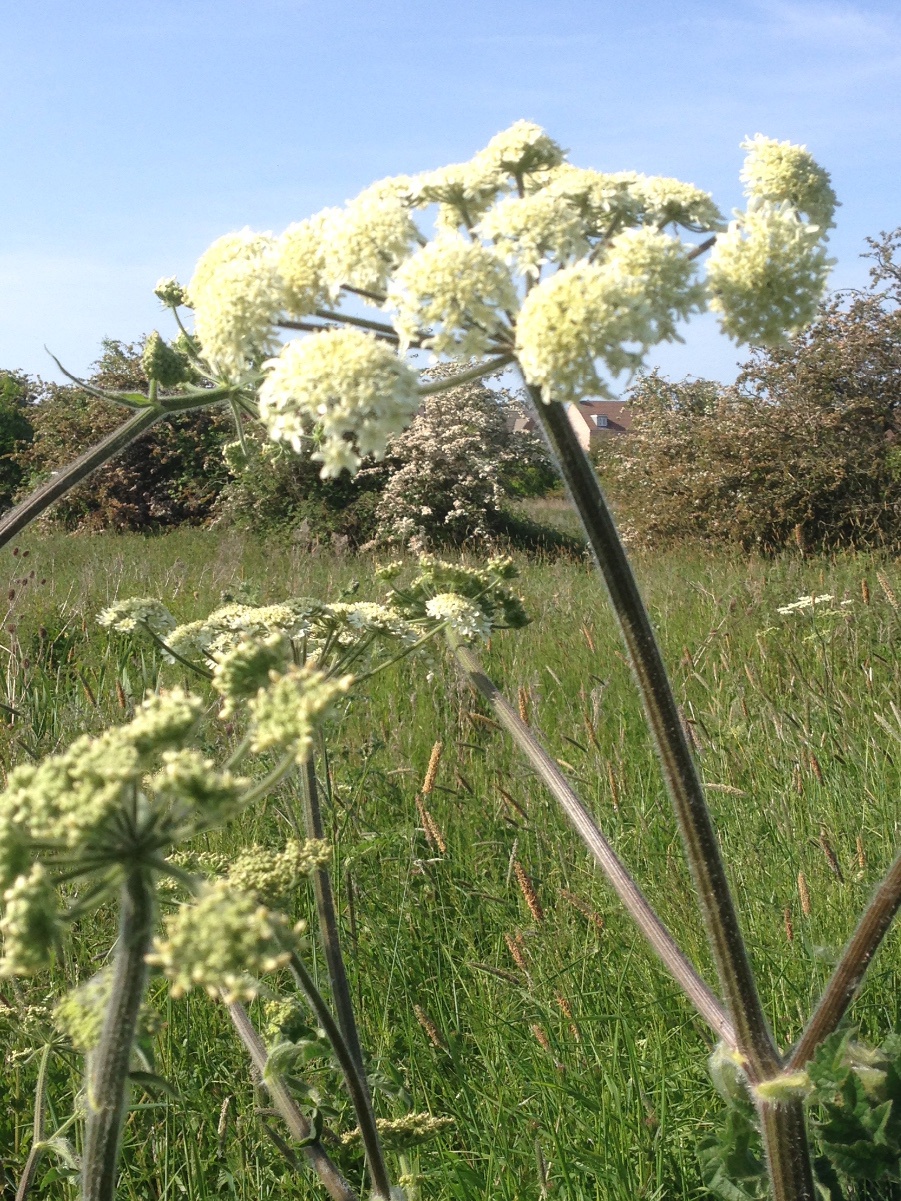
Stout medium to tall rather bristly plant. Stem hollow and ridged. Leaves pinnate, often with 5 broad, lobed and toothed segments. Upper leaves with large inflated bases. Flowers white 5 to 10 mm in large umbels up to 15 cm across with 12 to 25 rays. Petals of outer flowers very unequal.

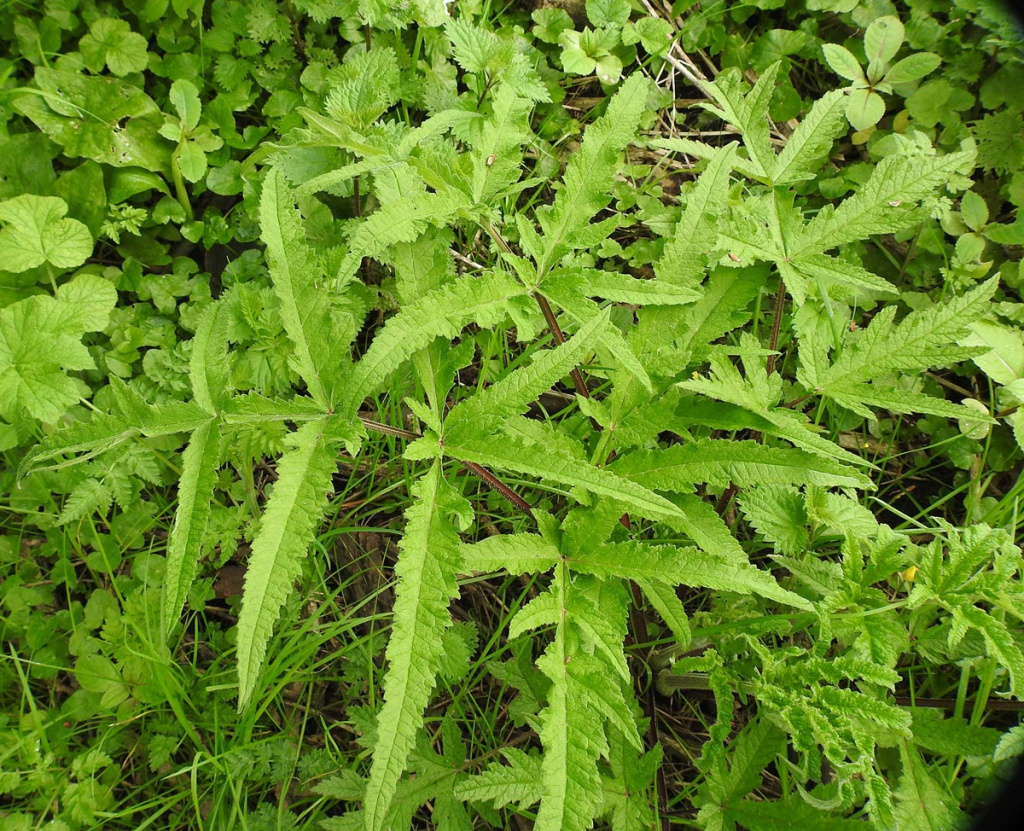
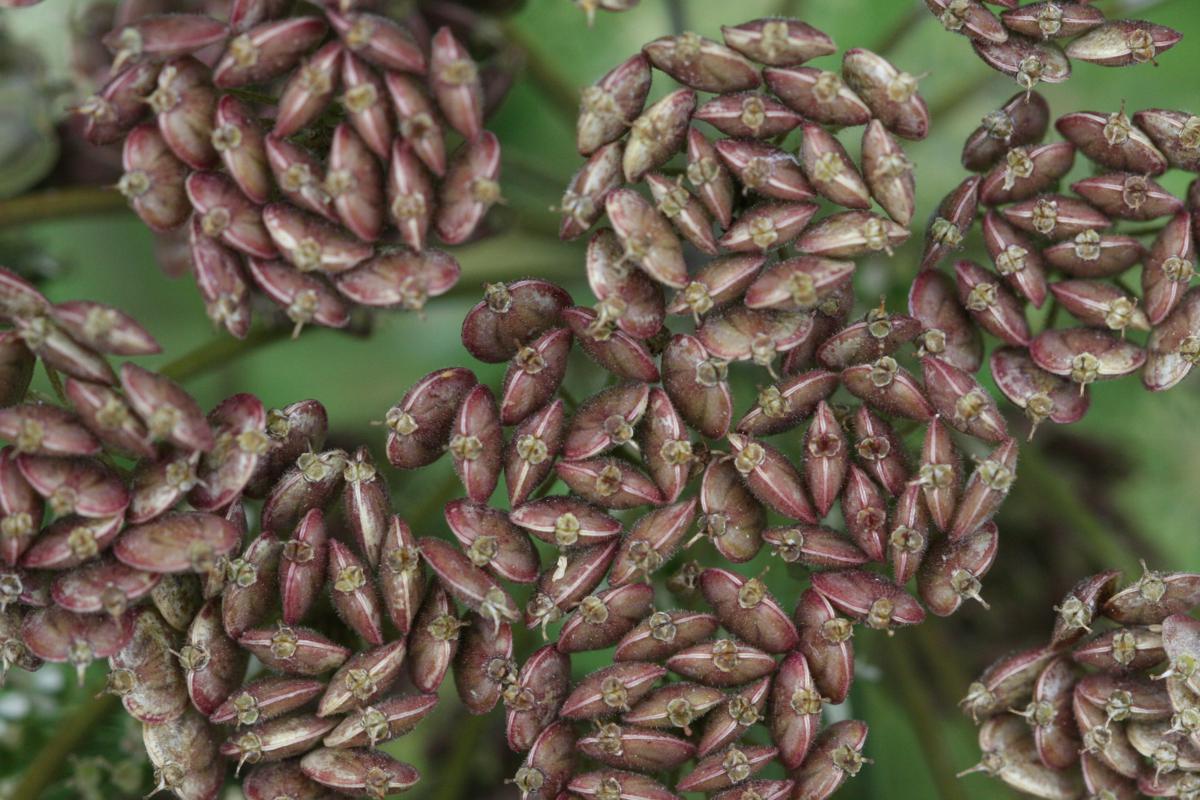
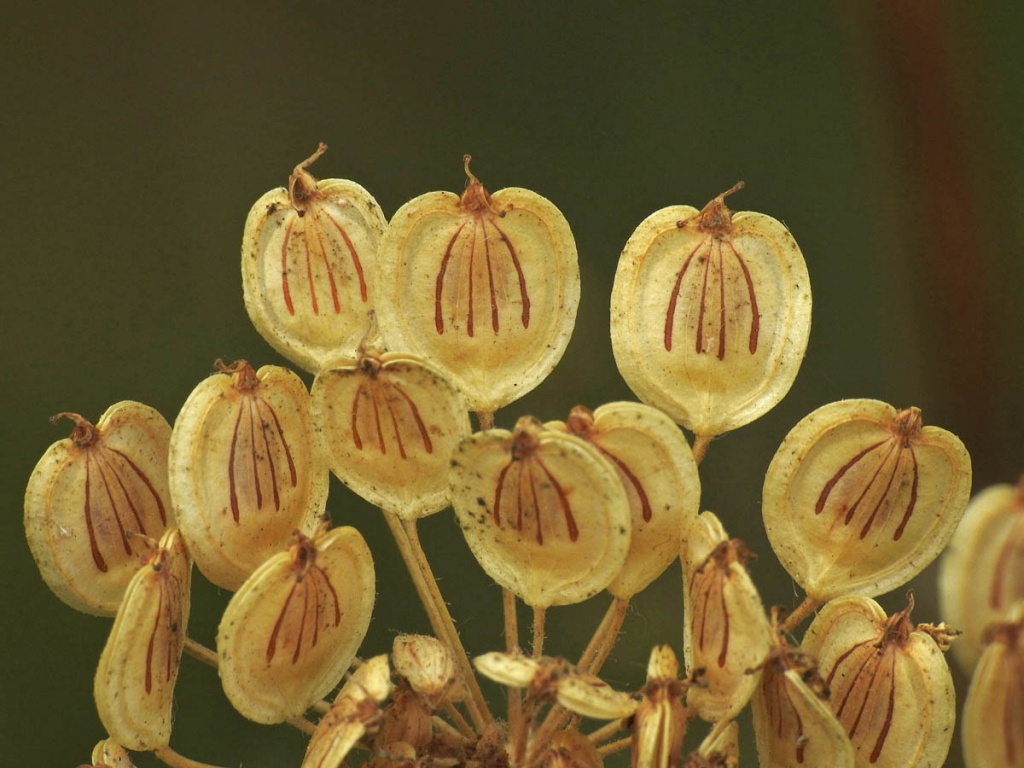
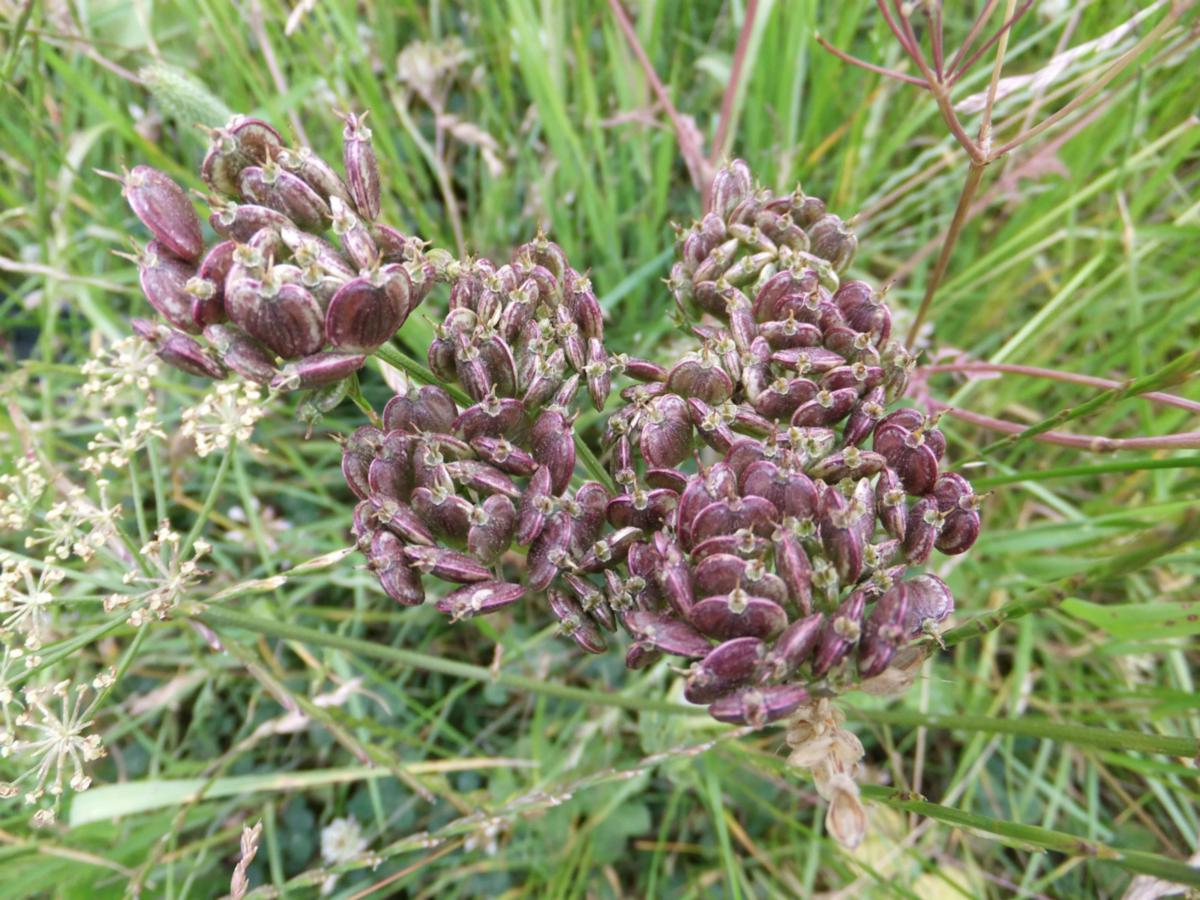
Tall, hairy, coarse plant. Some specimens can have leaves with narrow leaflets. Flattened seeds
Hedgebanks, rough grassland and roadside verges.
April to September.
Biennial or short lived perennial.
Common throughout much of Britain.
Very common in Leicestershire and Rutland. In the 1979 Flora survey of Leicestershire it was found in 605 of the 617 tetrads.
In the current Checklist (Jeeves, 2011) it is listed as Native, frequent
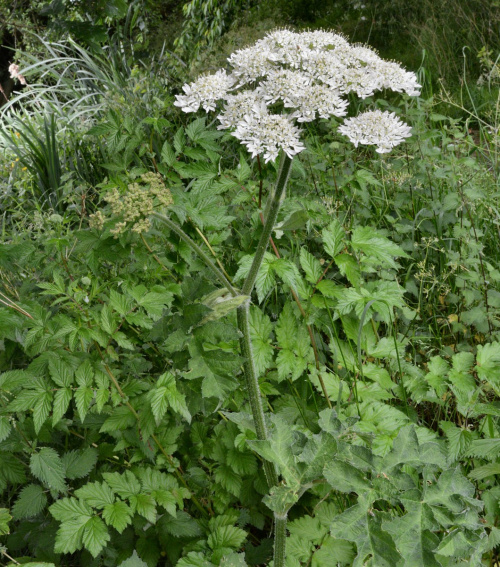 Barbara Cooper
Long Clawson
03 June 2024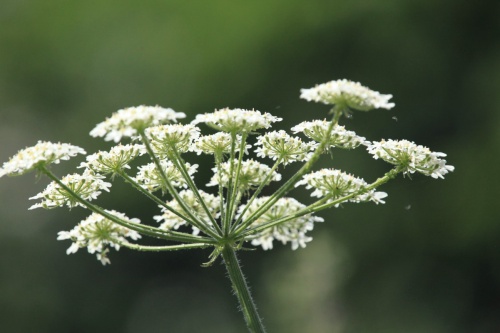 GHunt
GHunt
Oadby Pool
15 June 2023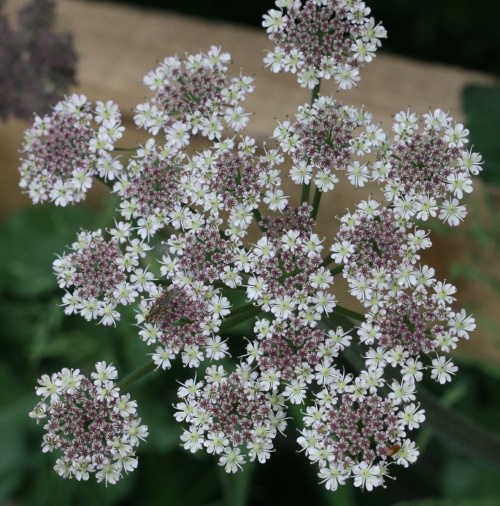 David Nicholls
Thornton Reservoir
05 June 2012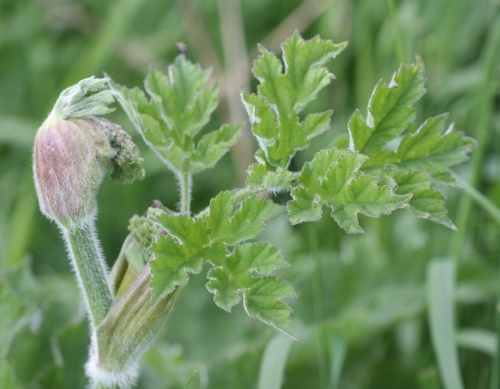 David Nicholls
Wirlybones Wood
31 May 2013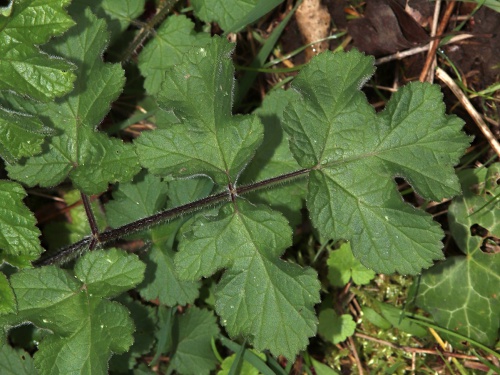 Mike Higgott
Anstey, North Wood 2
08 April 2023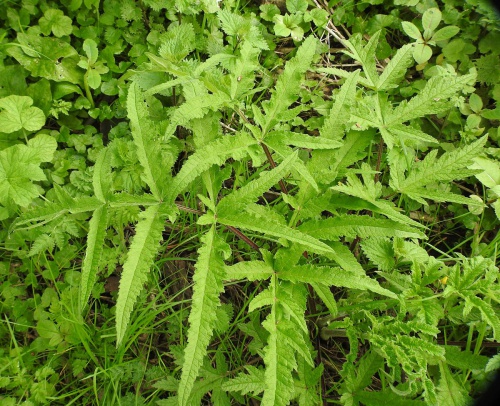 David Gould
Narborough Bog
14 April 2017
narrow-leaved form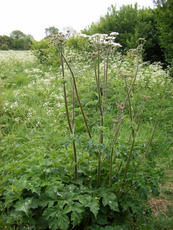 Ron.stevens
Broughton Astley
15 May 2011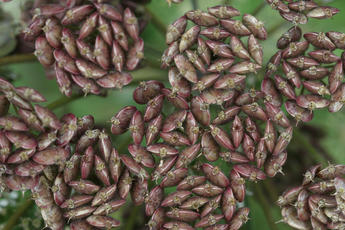 David Nicholls
Cloud Wood
24 June 2011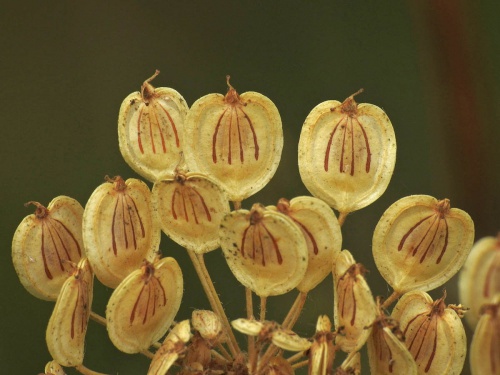 David Gould
The Spearwort Fields
14 July 2018
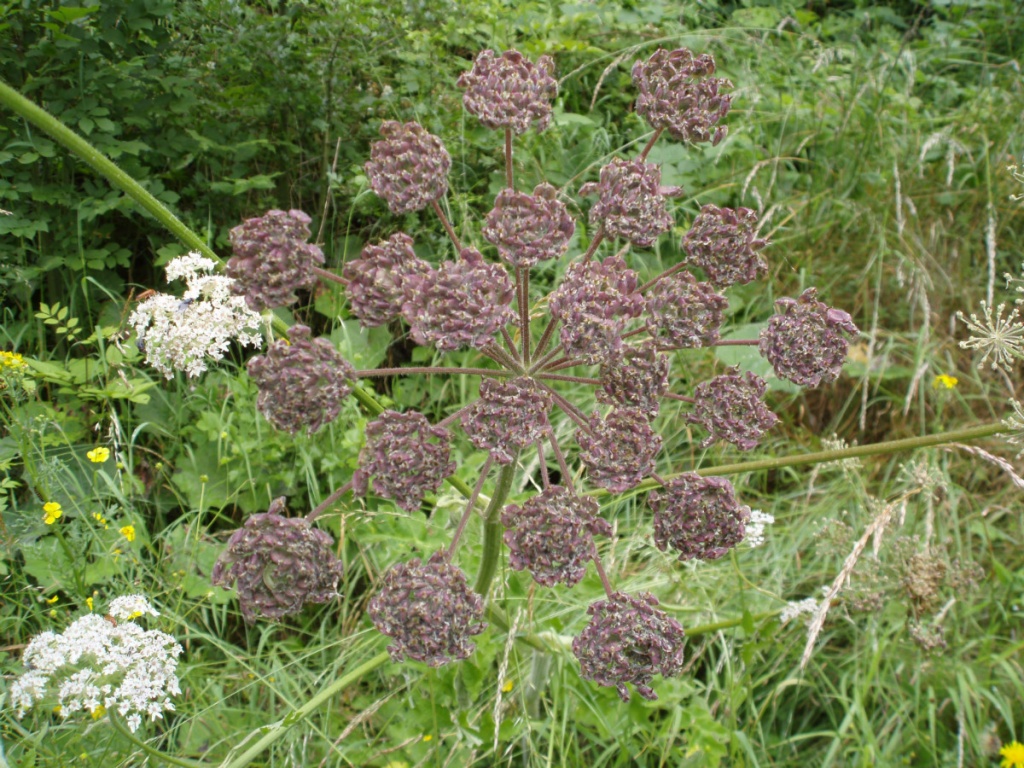
seeds
Leicestershire & Rutland Map
Enter a town or village to see local records
MAP KEY:
Yellow squares = NBN records (all known data)
Coloured squares = NatureSpot records: 2025+ | 2020-2024 | pre-2020
UK Map
Additional images
All NatureSpot records
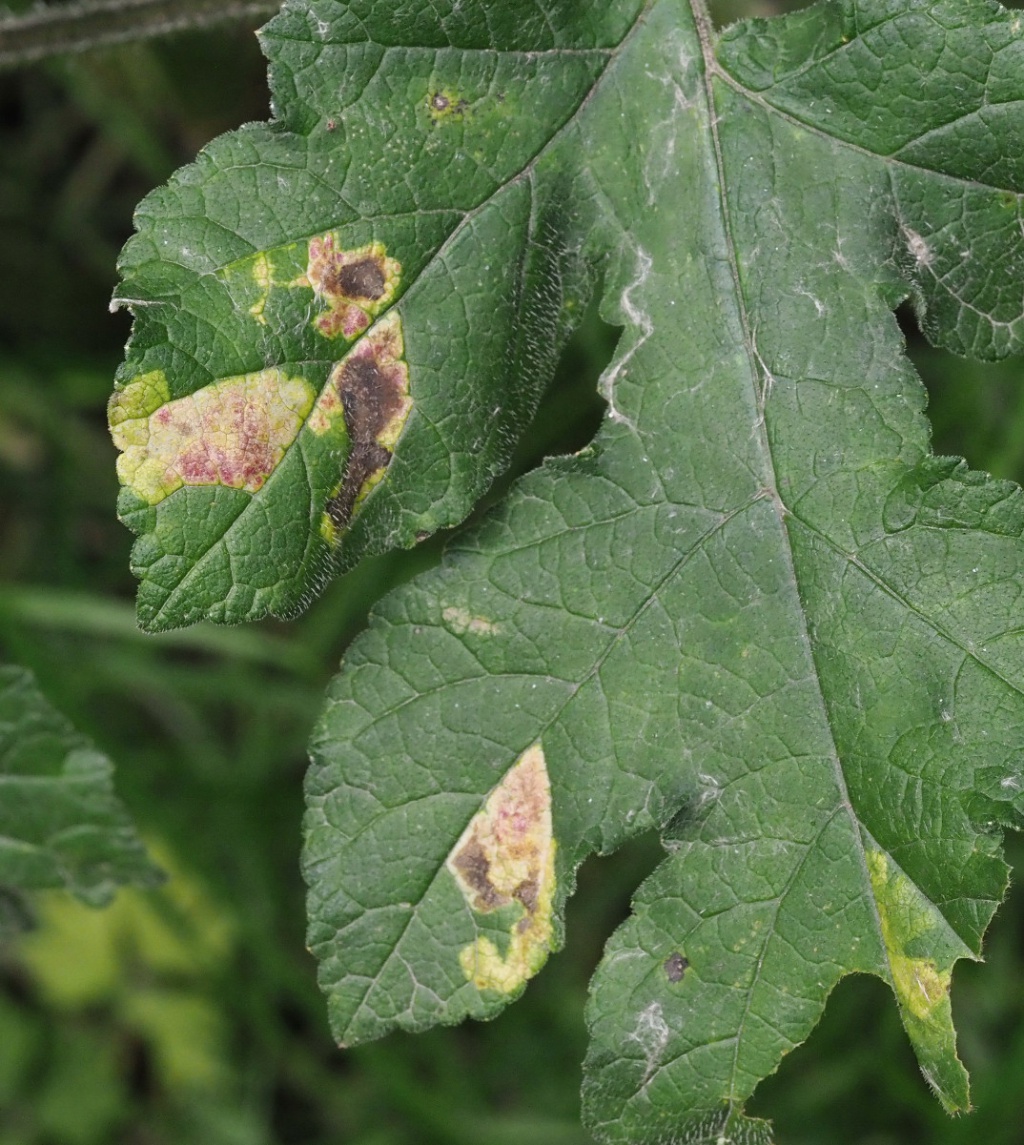
Phytomyza heracleana
The larva of the Agromyzid fly Phytomyza heracleana mines the leaves of Hogweed and form a blotch mine between two veins. The mine often has a sieve-like appearance (where the larva has fed through the upper parenchyma).
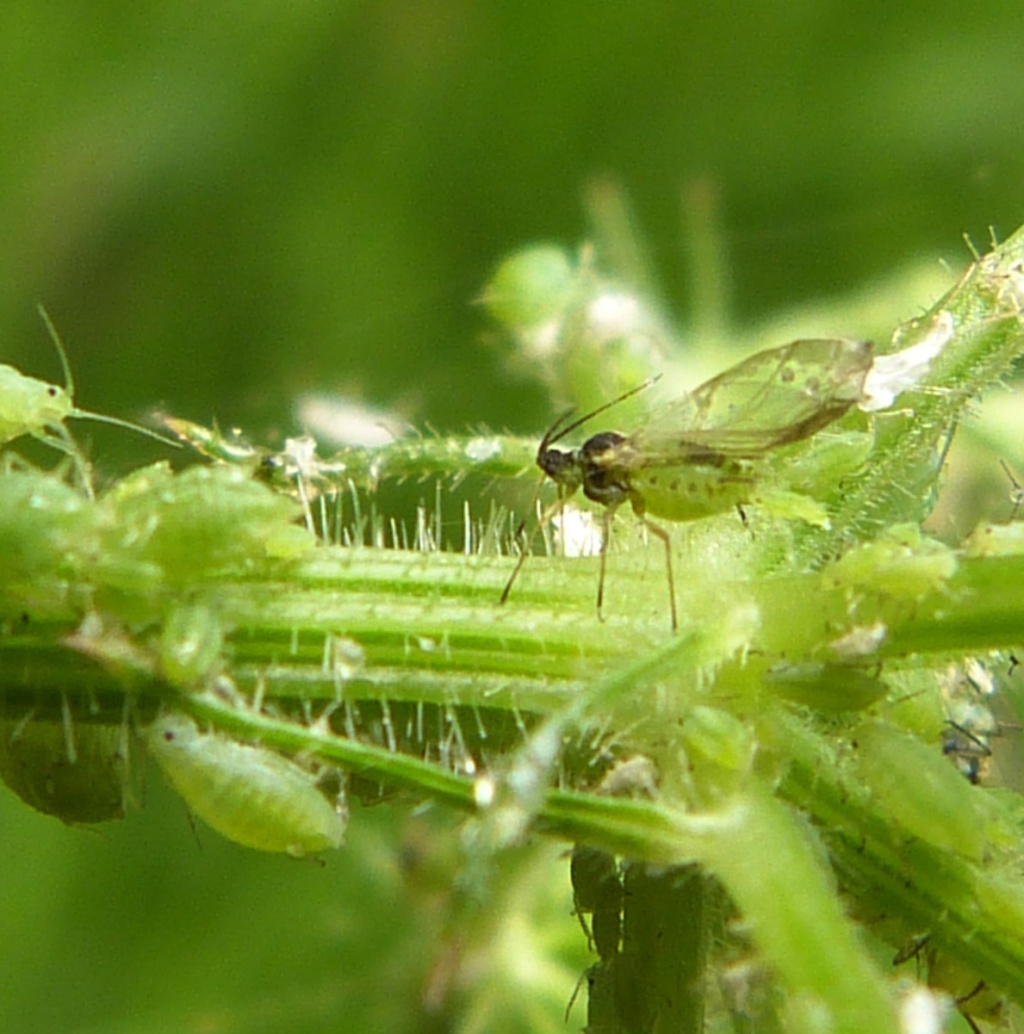
Cavariella theobaldi
The aphid Cavariella theobaldi host alternates between Willows and some umbellifers mainly Wild Parsnip and Hogweed.
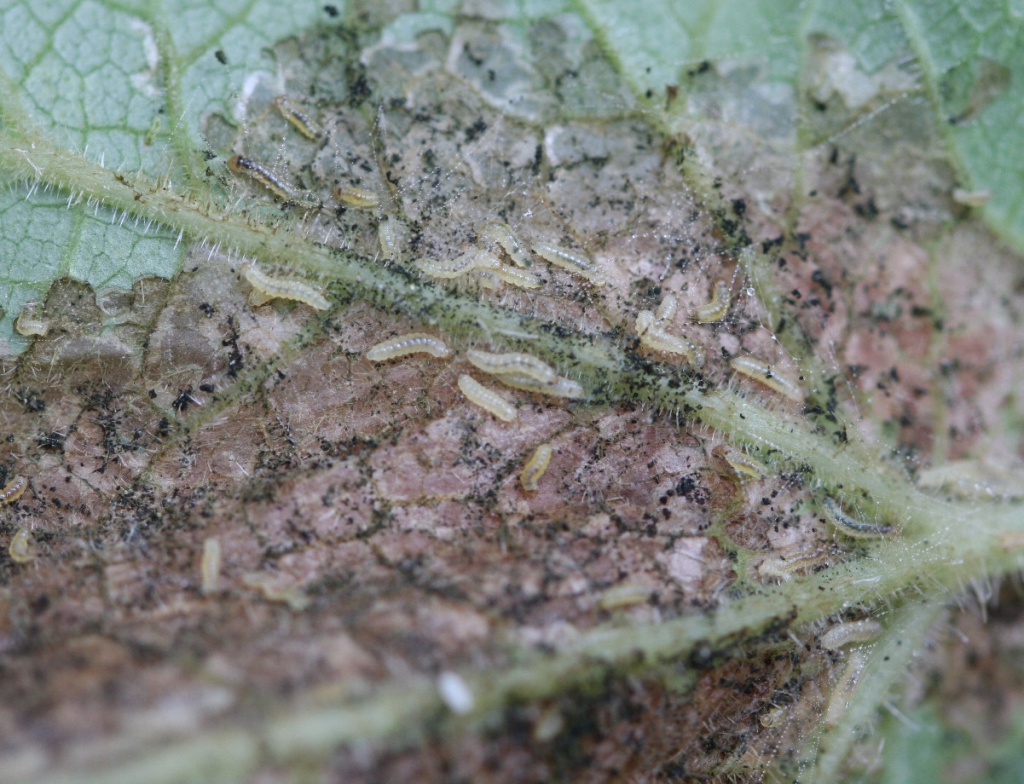
Epermenia chaerophyllella
The larvae of the moth Epermenia chaerophyllella feed on umbelliferous plants, perhaps most often Hogweed but also Wild Parsnip and Angelica among others. In later instars the larvae feed gregariously on the underside of the leaves, creating distinctive feeding windows.
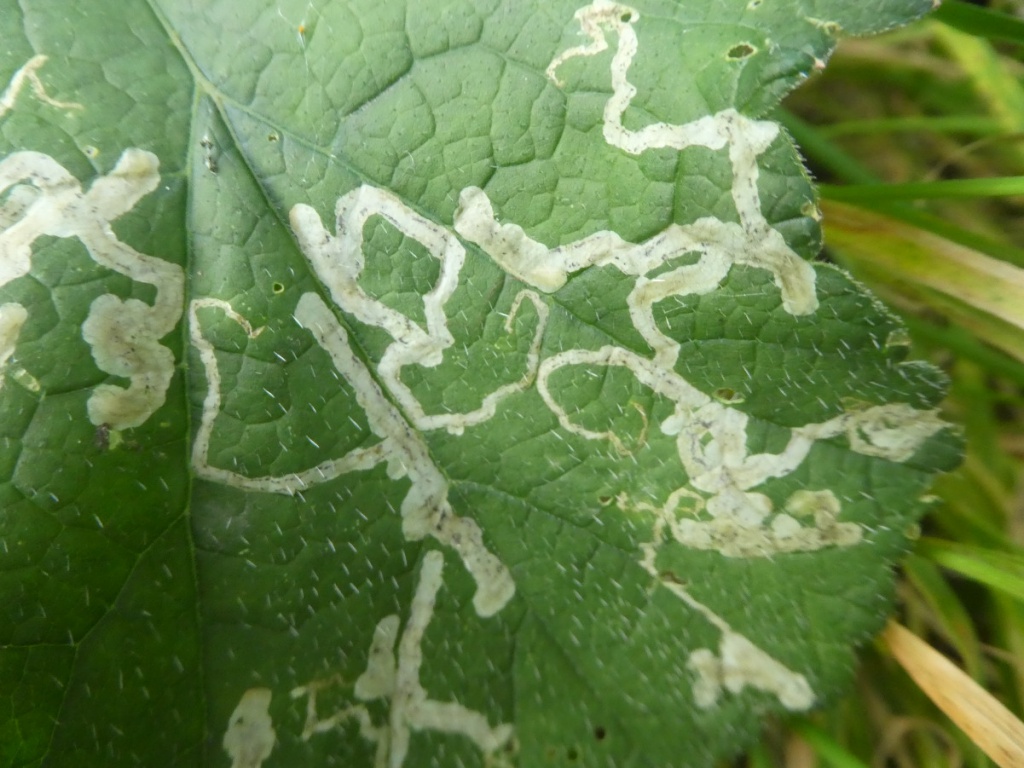
Phytomyza spondylii/pastinacae agg.
The larvae of Phytomyza spondylii and Phytomyza pastinacae produce identical conspicuous, whitish linear mines on the leaves of their larval food plants, especially Hogweed. The mines cannot be reliably separated to species level and for this reason we treat them as an aggregate.