Hedgerow Crane's-bill
Hedgerow Crane's-bill - Geranium pyrenaicum
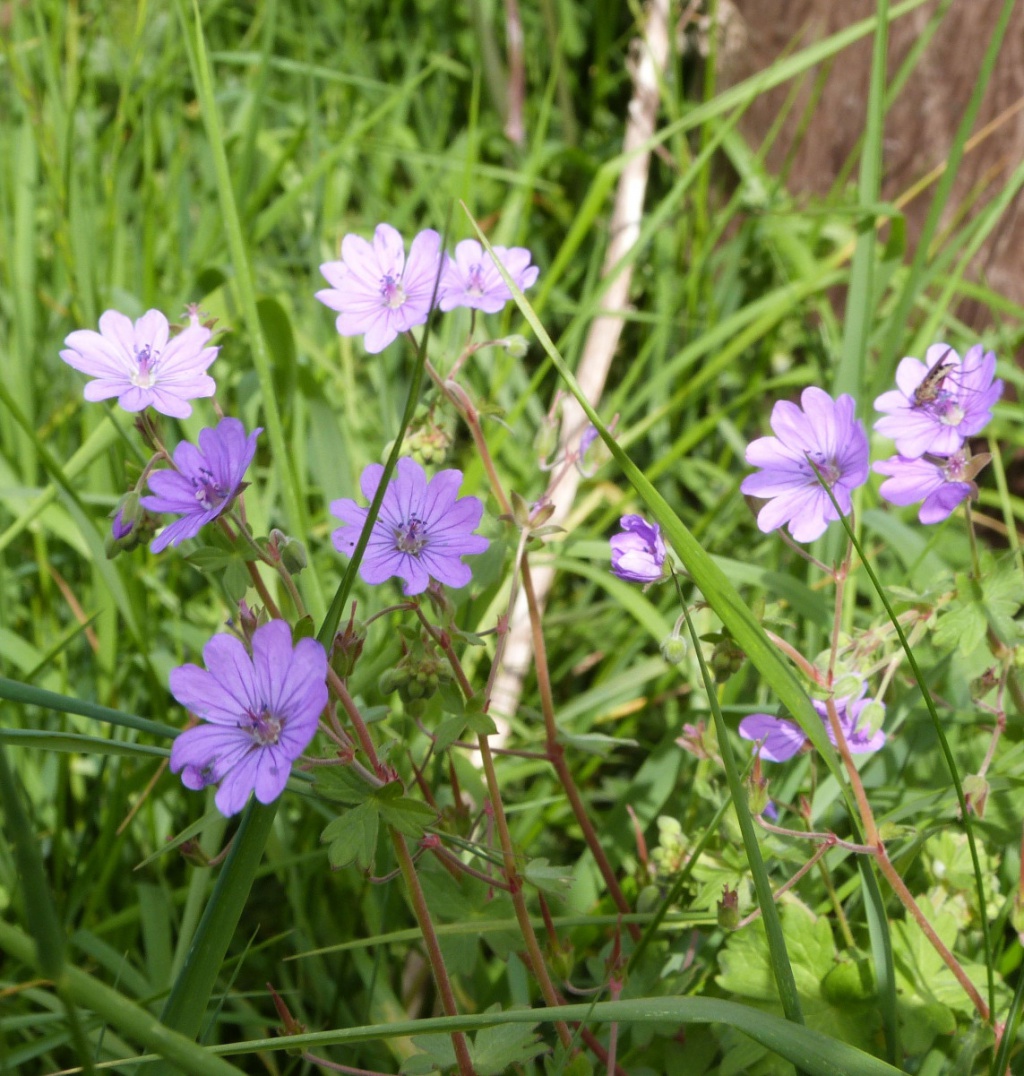
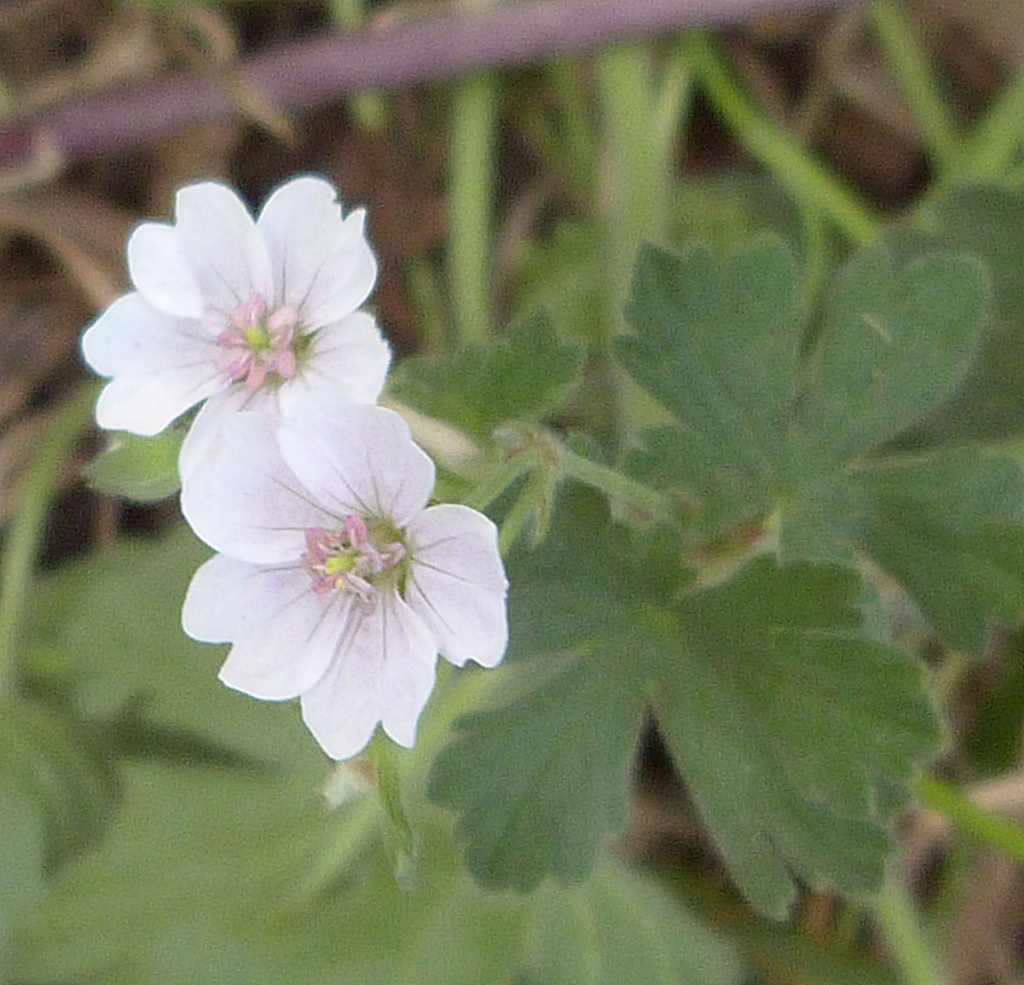
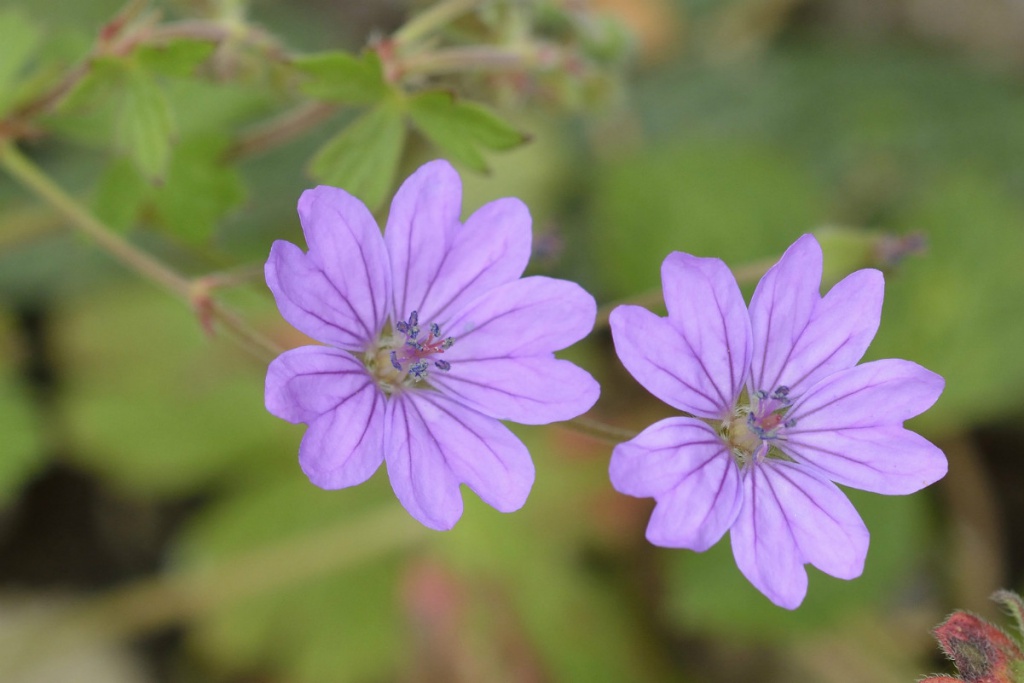
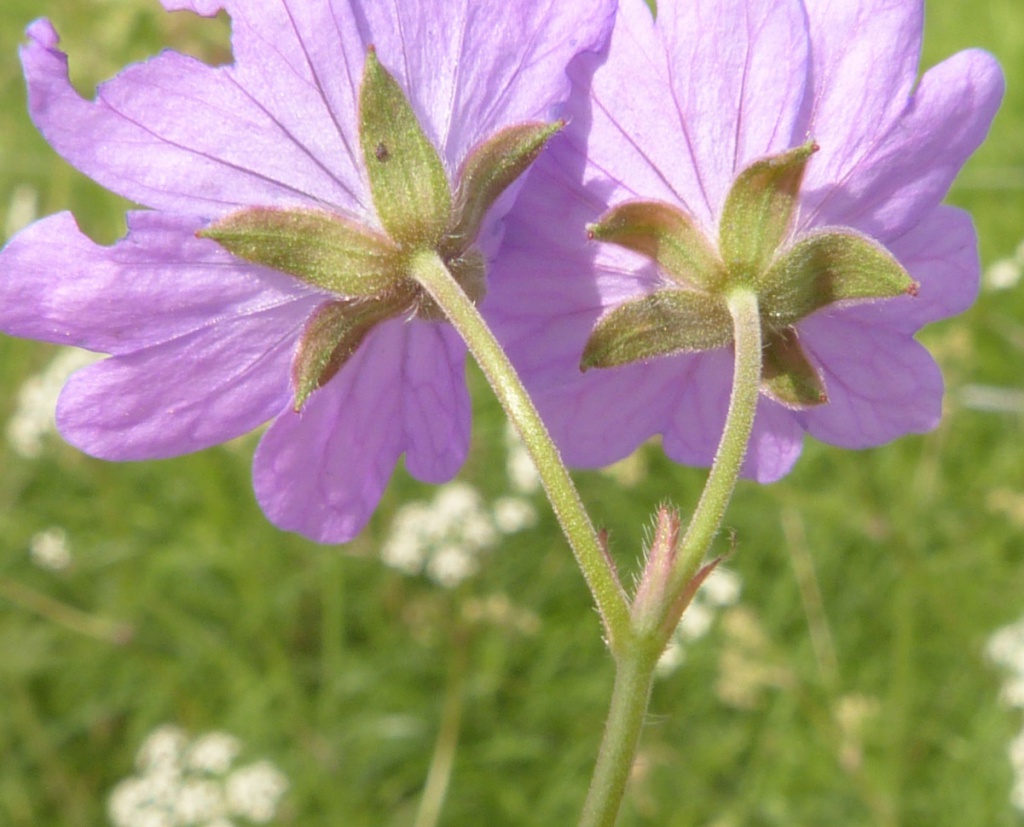
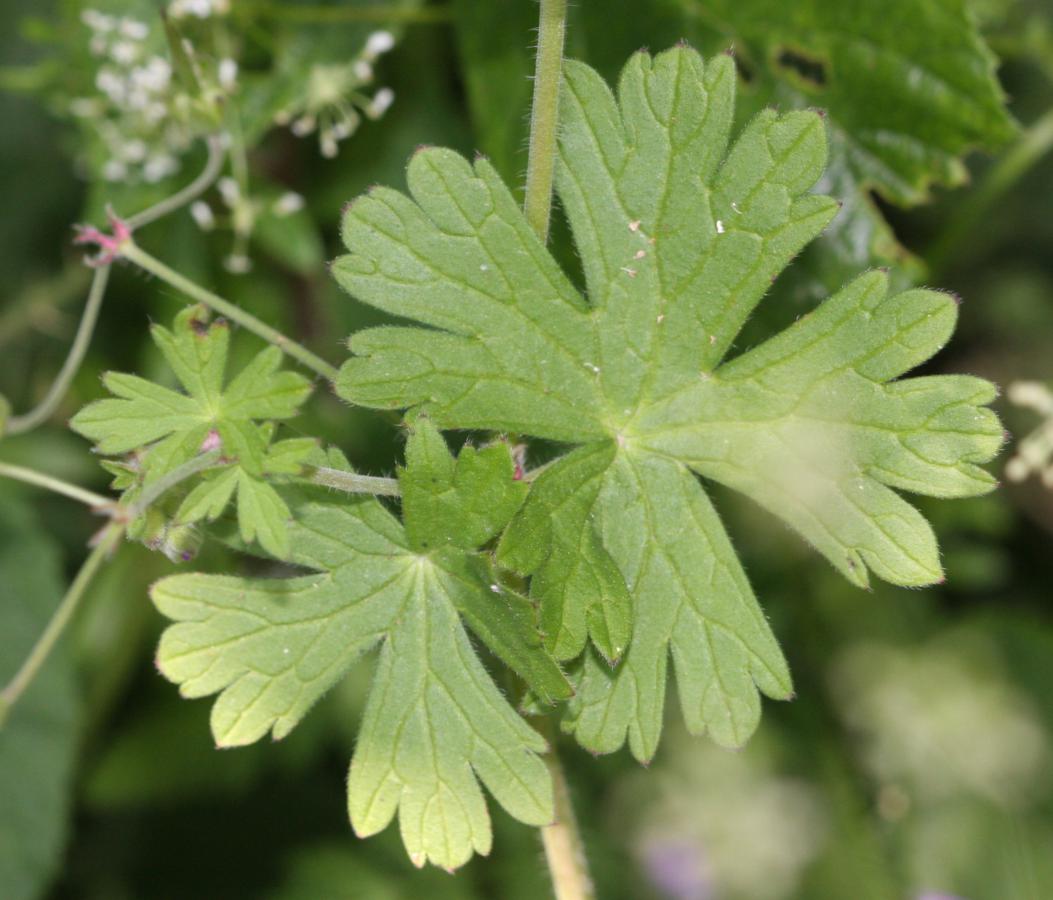
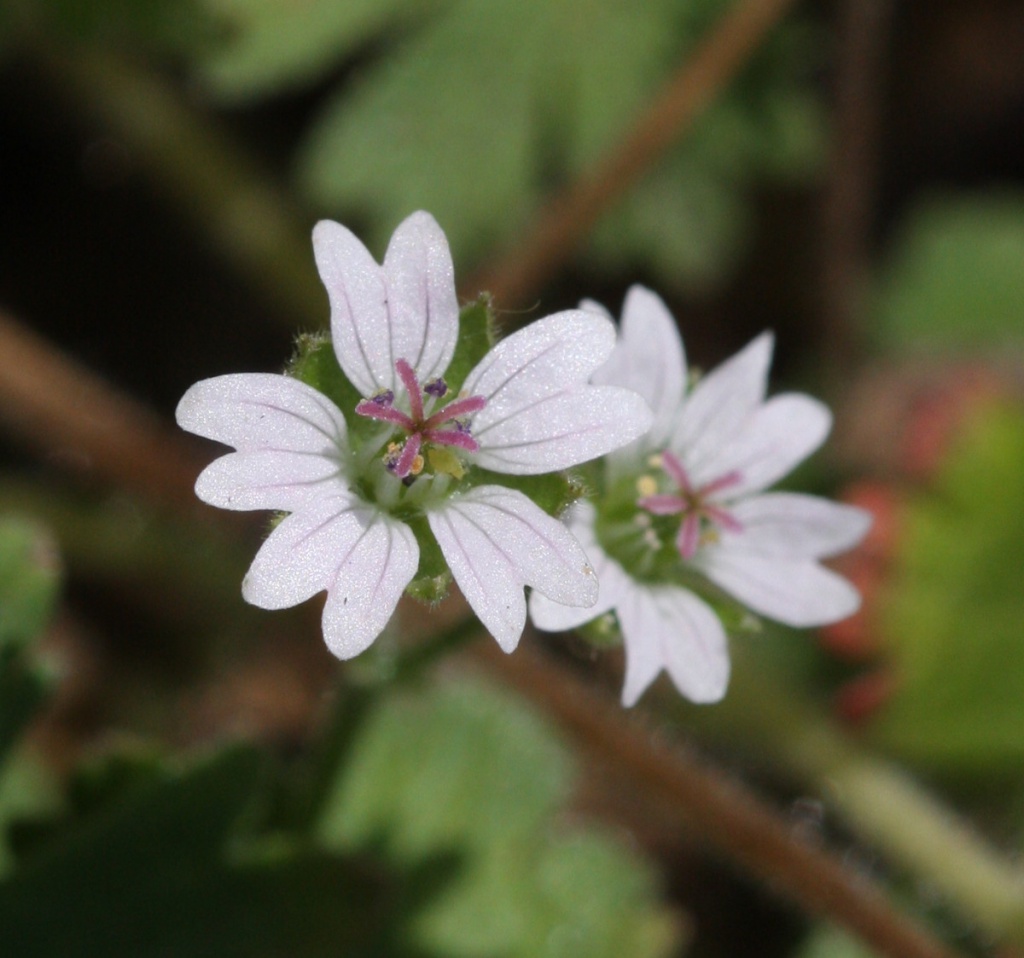
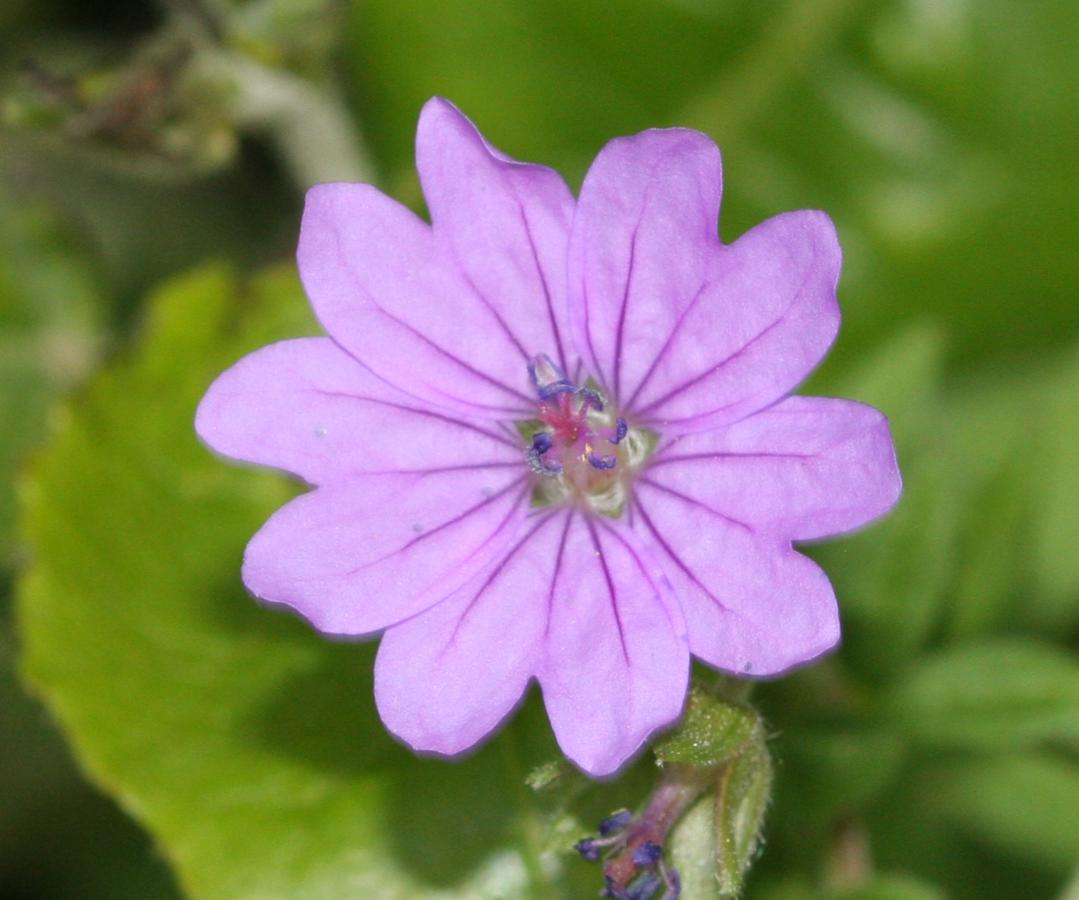
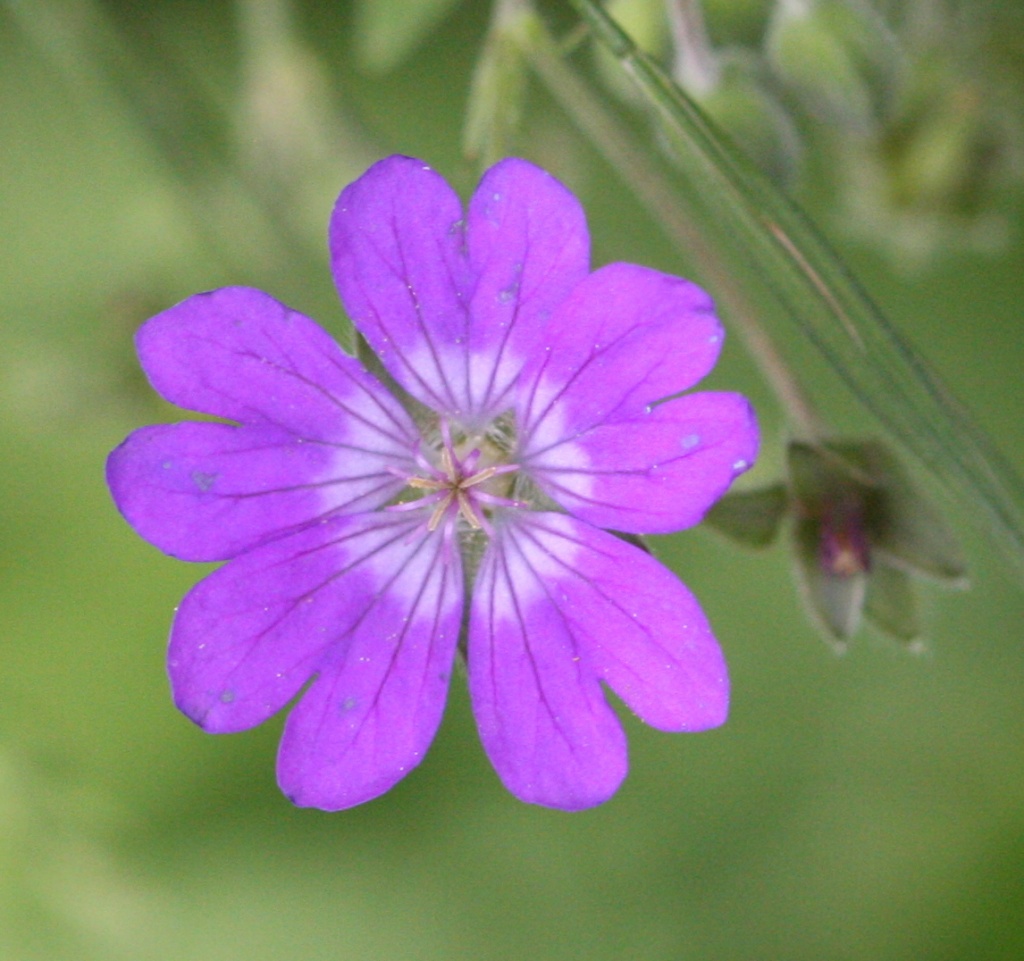
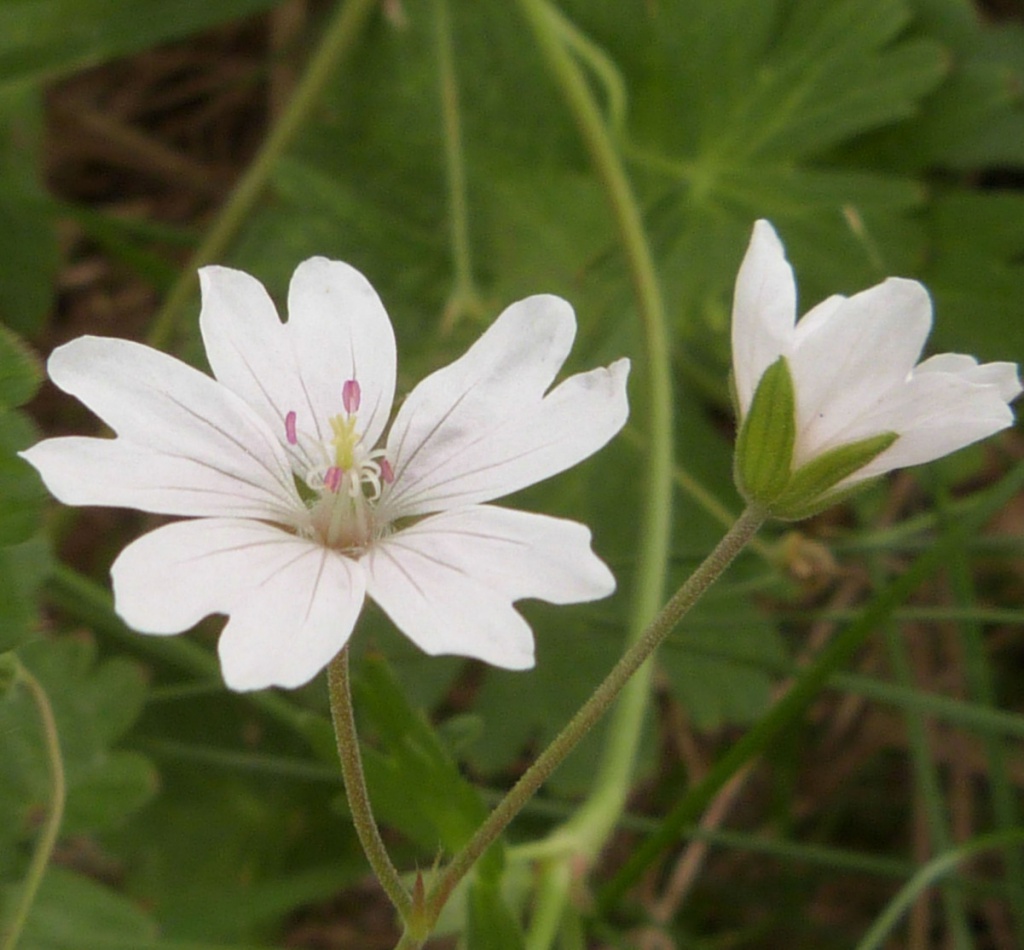
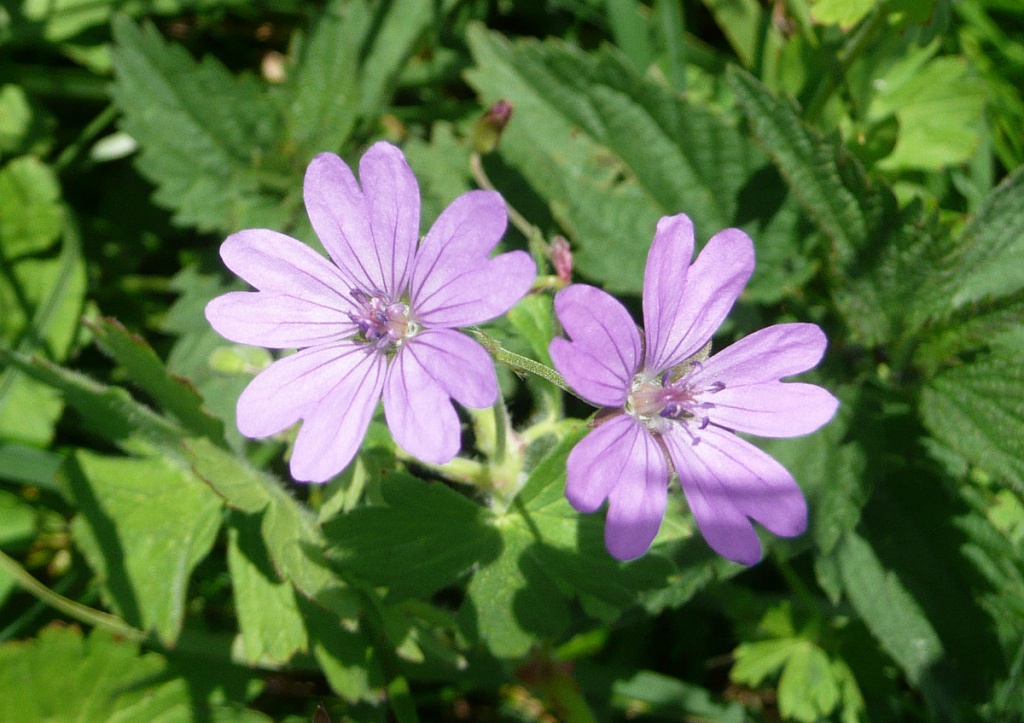
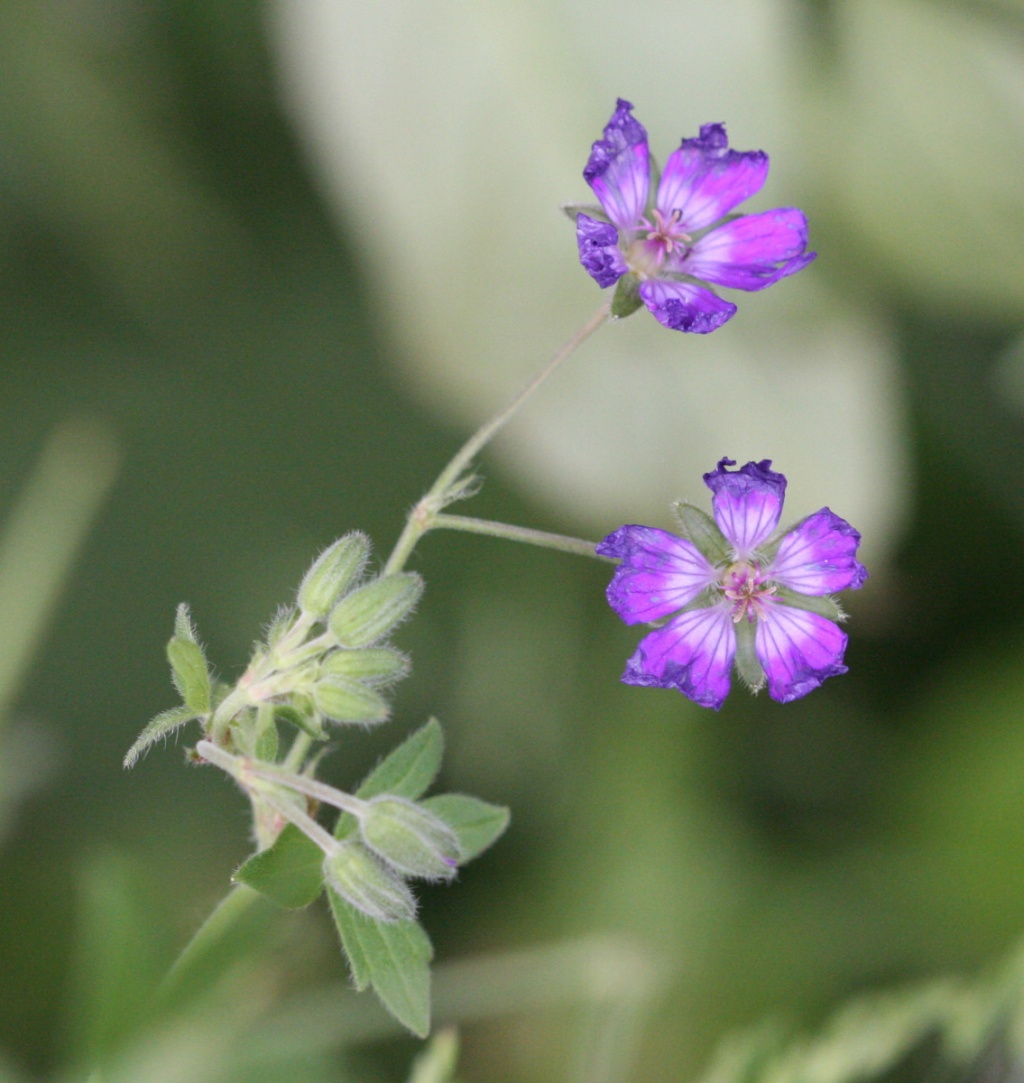
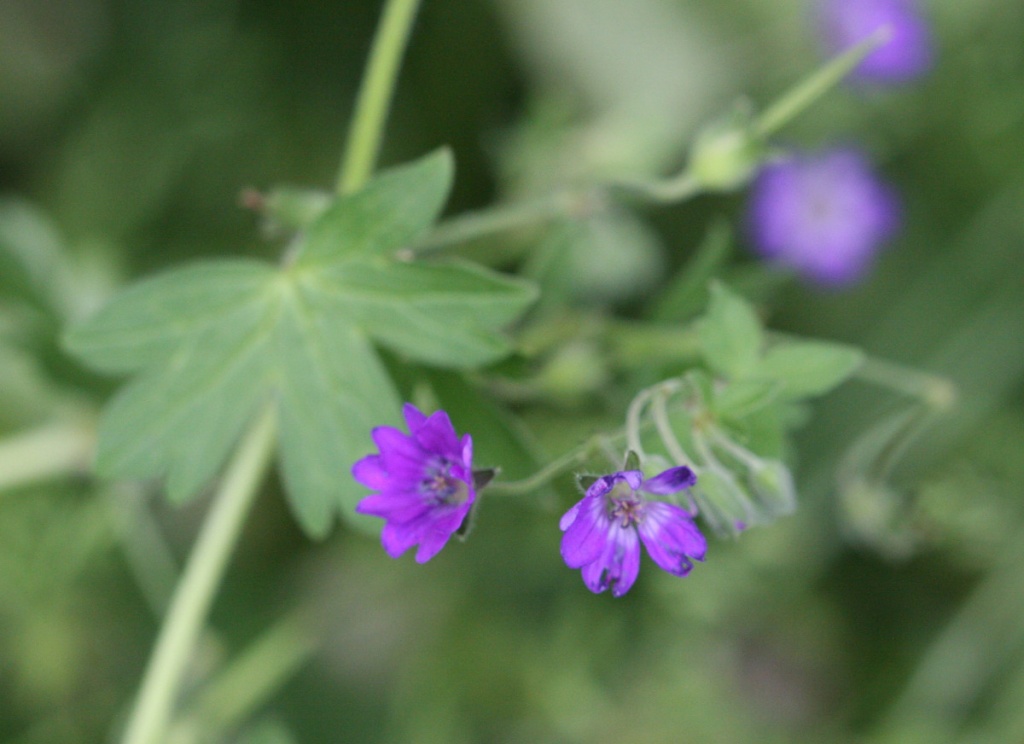
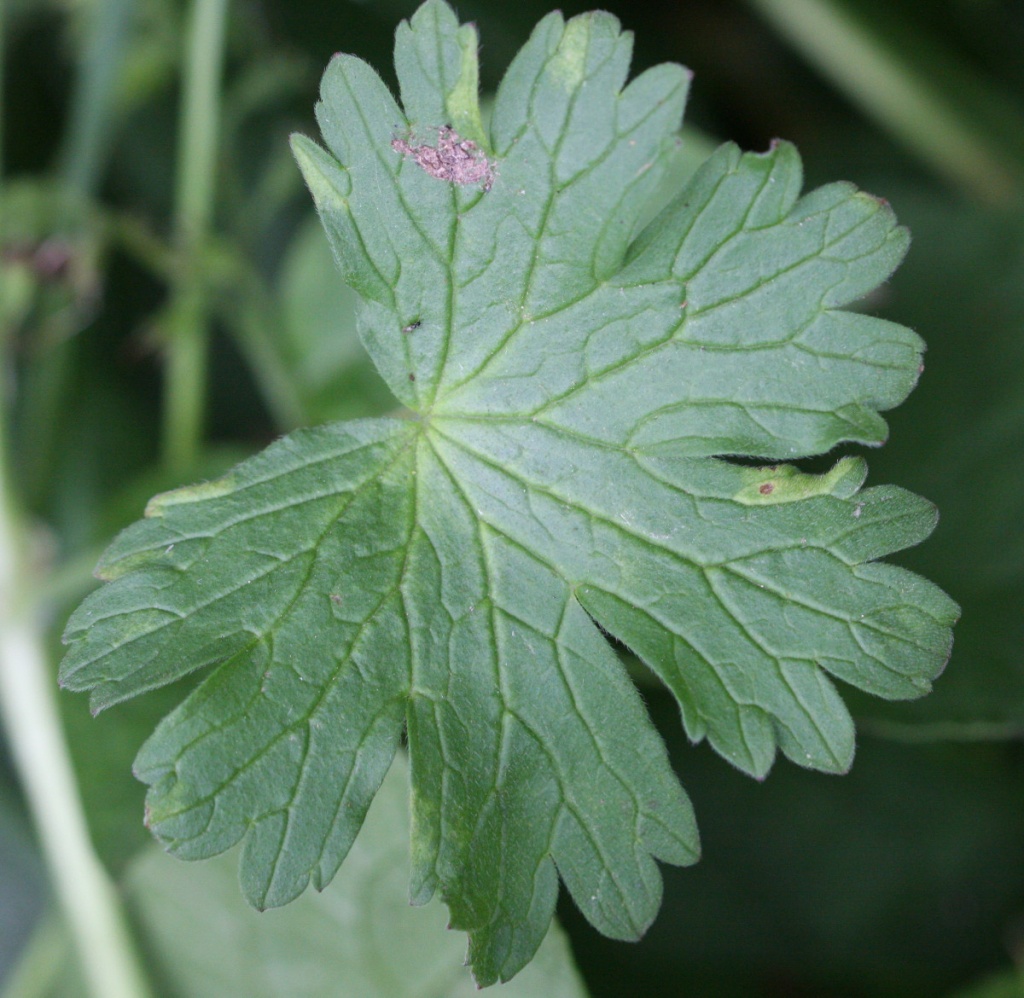
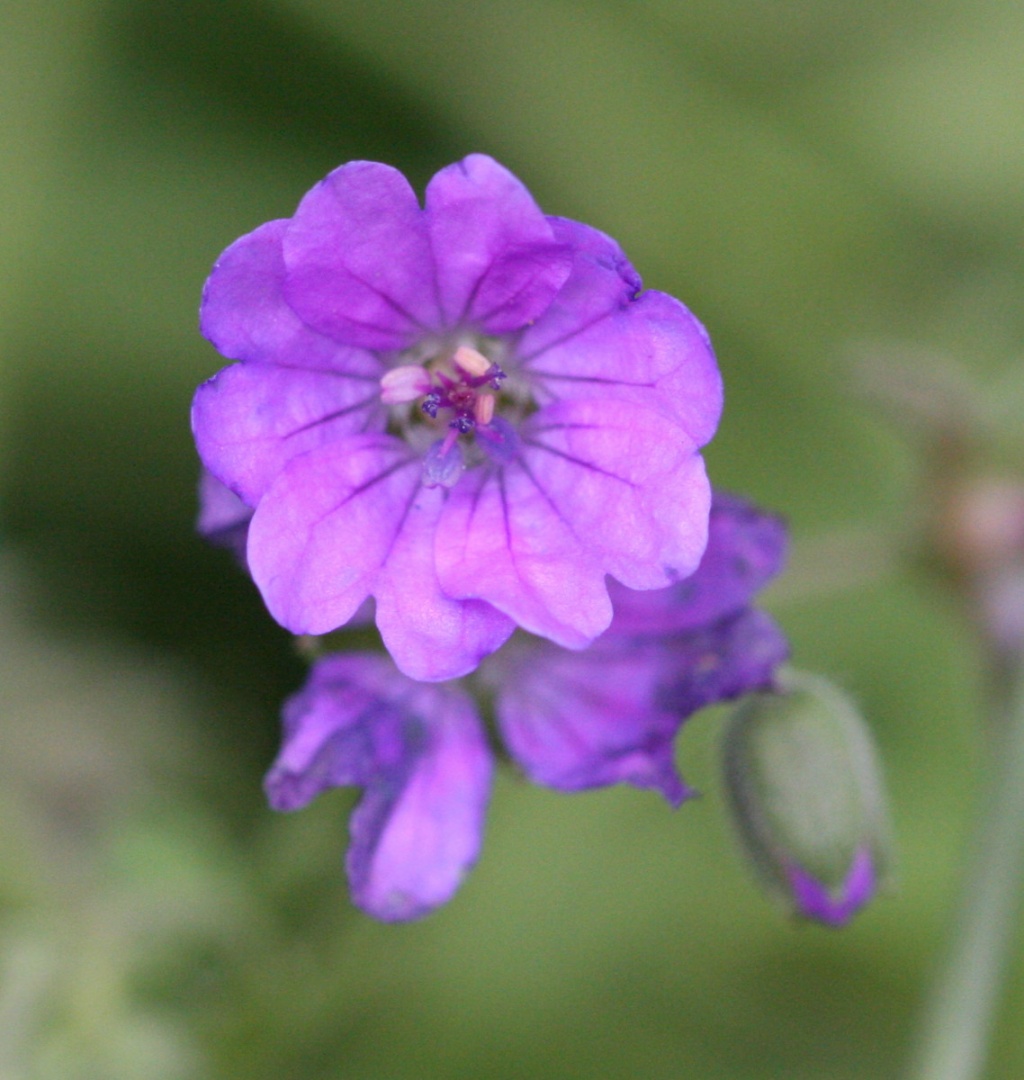
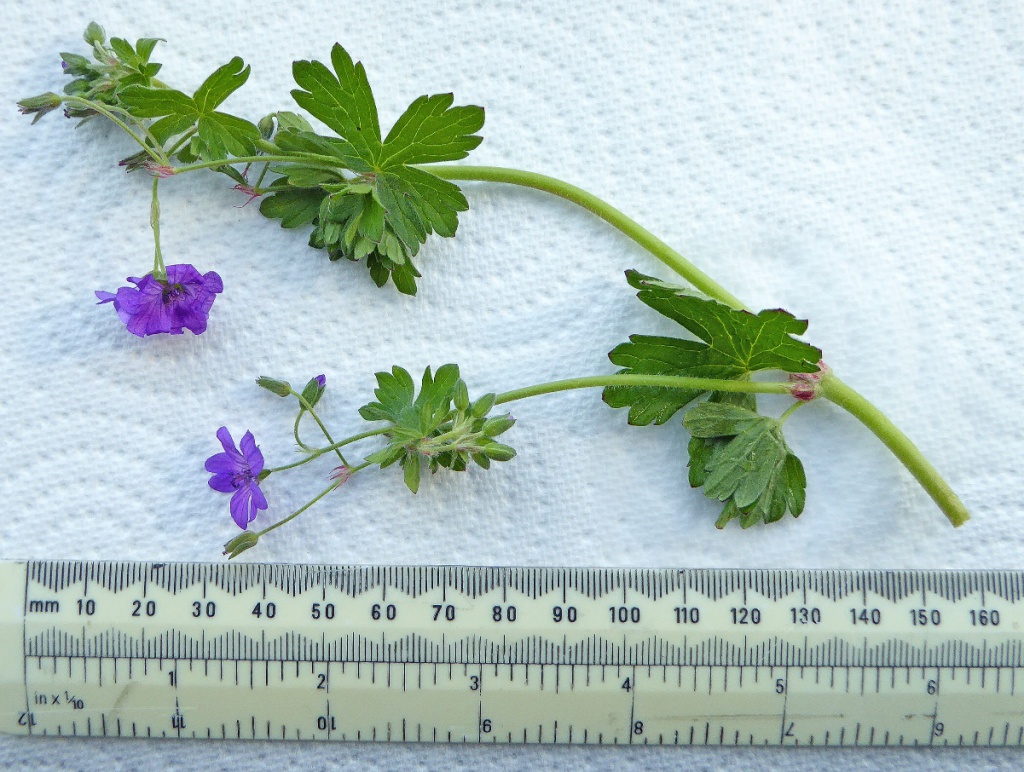
Medium height hairy plant with erect or ascending stems. Leaves rounded in outline, divided to just over half-way into 5 to 7 wedges. Flowers purple to mauve-pink in pairs forming lax clusters, the petals deeply notched and 7 - 10mm, and with 10 anthers . Fruit hairy on densely hairy deflexed stalks.
Geranium molle and Geranium pusillum

Larger flowers, petals 7-10mm
Meadows, hedgerows, waste and cultivated ground.
June to August.
Perennial.
Less common than many of the other Crane's-bills and mainly found in the southern half of Britain.
Occasional in Leicestershire and Rutland. In the 1979 Flora survey of Leicestershire it was found in 56 of the 617 tetrads.
 Harecroft Crescent Sapcote SP 4903 9371 (taken 20.5.2008).JPG) Graham Calow
Graham Calow
Sapcote garden1
20 May 2008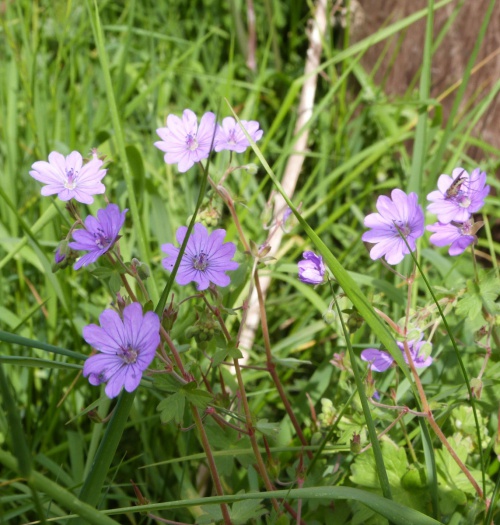 Graham Calow
Elmesthorpe
27 May 2016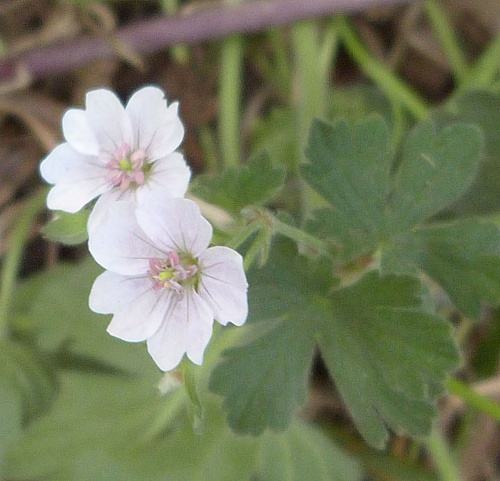 Graham Calow
Witherley
27 May 2015
pale flowered form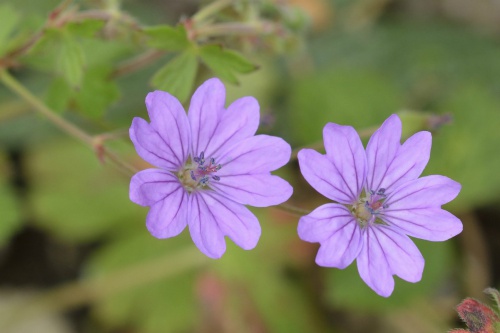 Barbara Cooper
Long Clawson, Mill Lane
16 May 2014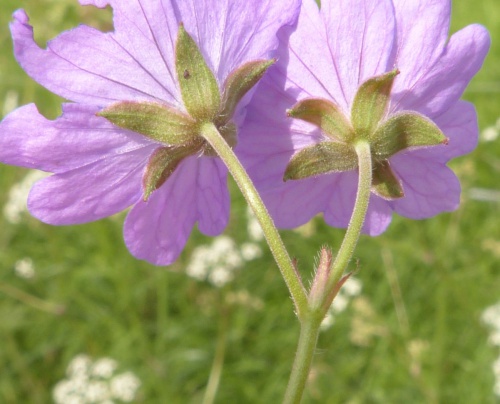 Graham Calow
Burbage Common Road, Elmesthorpe
27 May 2016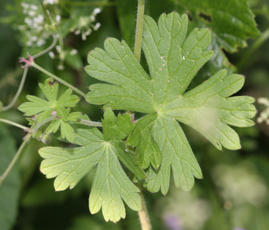 David Nicholls
Hill Hole Quarry
02 June 2011. Harecroft Crescent Sapcote SP 4903 9371(taken 19.5.2008)..JPG) Graham Calow
Graham Calow
Sapcote garden1
19 May 2008
 Harecroft Crescent Sapcote SP 4903 9371 (taken 20.5.2008).JPG)
. Harecroft Crescent Sapcote SP 4903 9371(taken 19.5.2008)..JPG)
Leicestershire & Rutland Map
Enter a town or village to see local records
MAP KEY:
Yellow squares = NBN records (all known data)
Coloured squares = NatureSpot records: 2025+ | 2020-2024 | pre-2020
UK Map
Additional images
 Harecroft Crescent Sapcote SP 4903 9371(taken 21.5.2008)..JPG)
All NatureSpot records
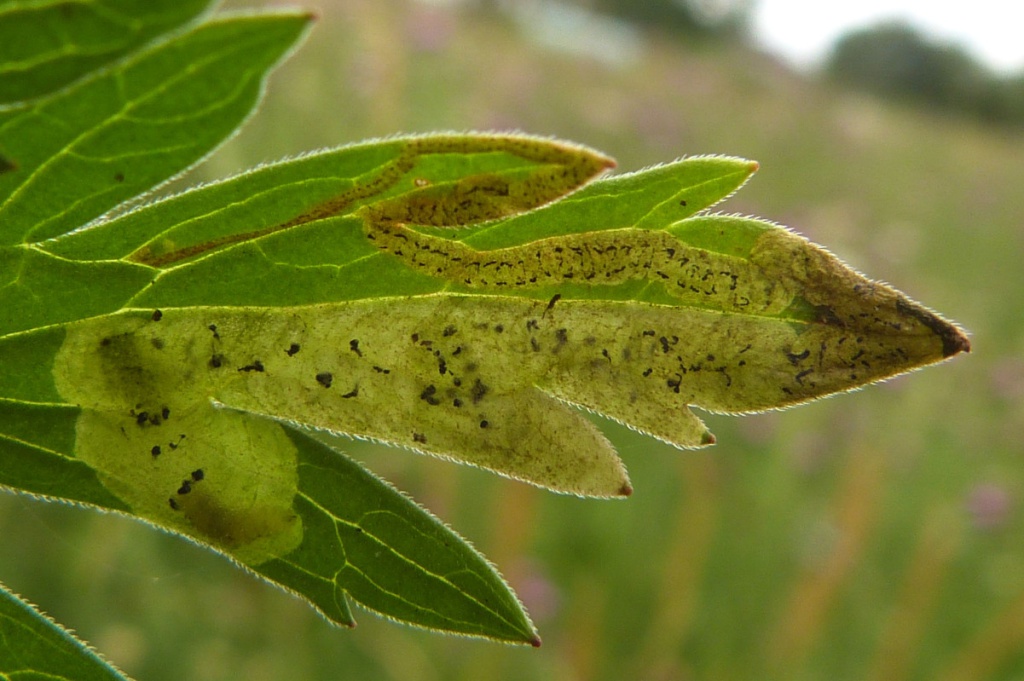
Agromyza nigrescens
The larva of the Agromyzid fly Agromyza nigrescens mines the leaves of Geranium and Erodium species. The start of the mine is corridor-like and usually follows the leaf margin, before widening considerably into a secondary blotch, with irregular sides. Primary and secondary feeding lines are clearly visible and frass is mostly in large clumps.
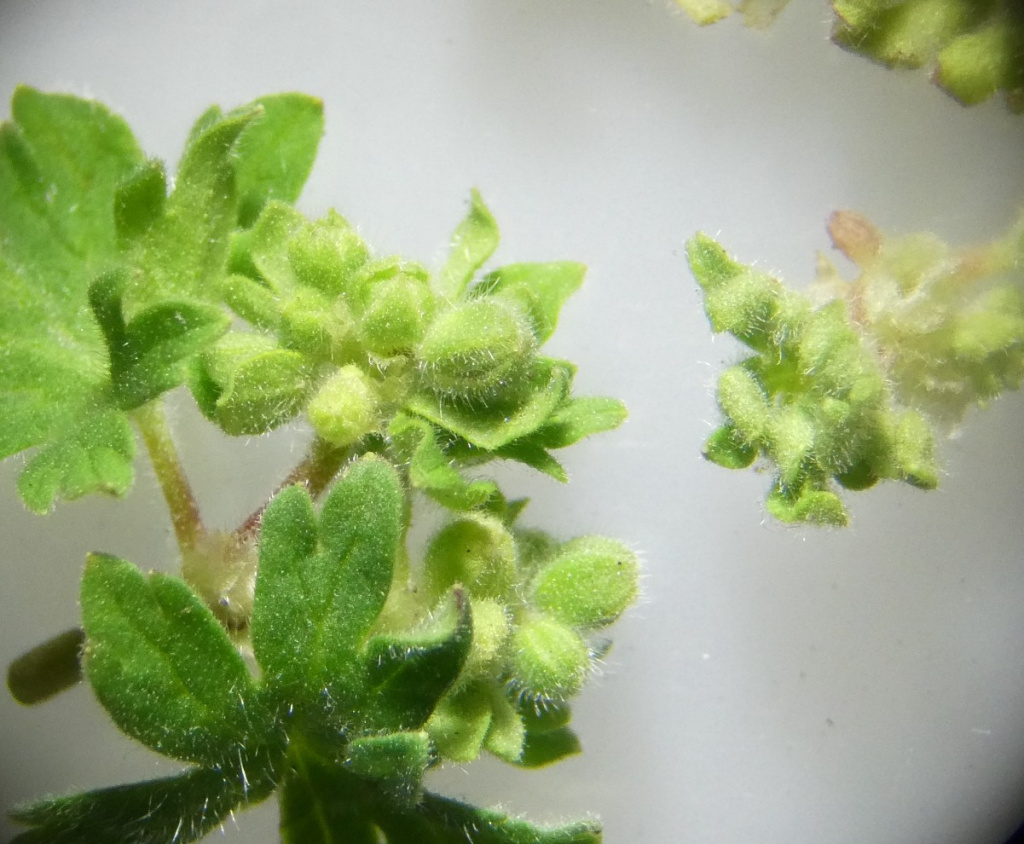
Aceria geranii
The mite Aceria geranii causes galls on the leaves of Geranium species. The leaves are paler than usual, thickened and rolled into a mophead at the shoot tip. The mites live inside the leaves, and are minute, whitish and worm-like; they cannot be seen with the naked eye but are just discernible using a stereo microscope.
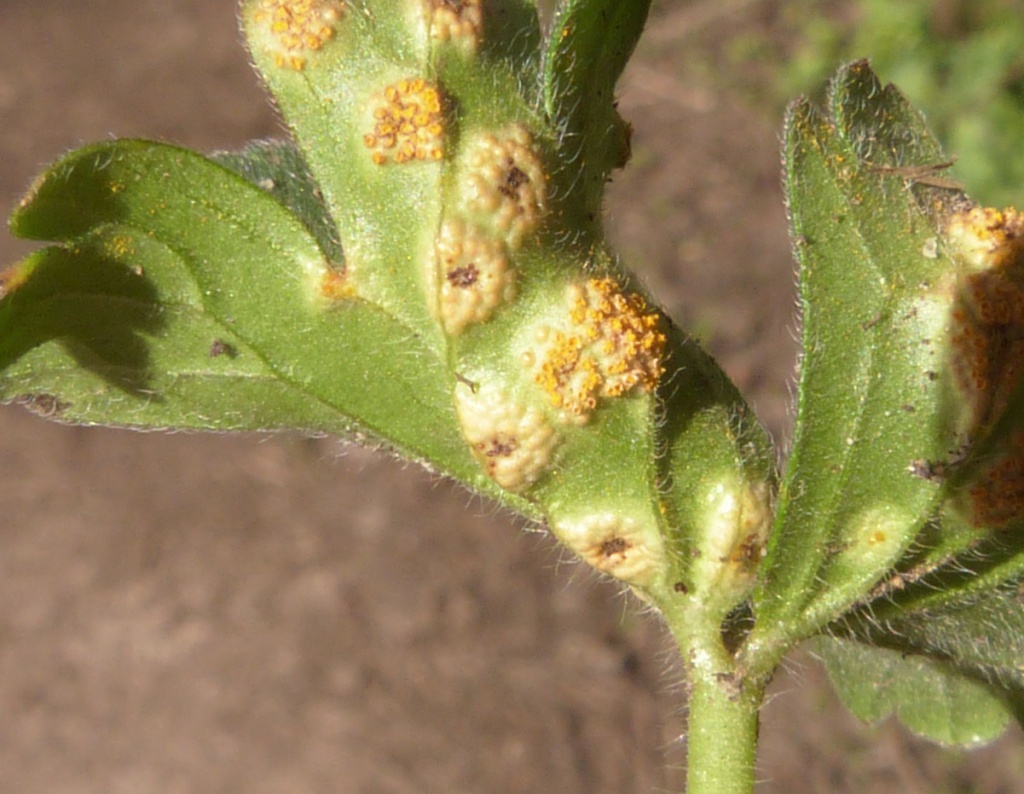
Uromyces geranii
Uromyces geranii is a rust fungus that galls the leaves of various Geranium and Erodium species (Crane's-bills and Stork's-bills); there is no host-plant alternation. Aecia are orange, on leaf undersides and petiole; later pale brown uredinia and darker telia appear on the leaf underside.