Hart's-tongue Thyme-moss
Hart's-tongue Thyme-moss - Plagiomnium undulatum
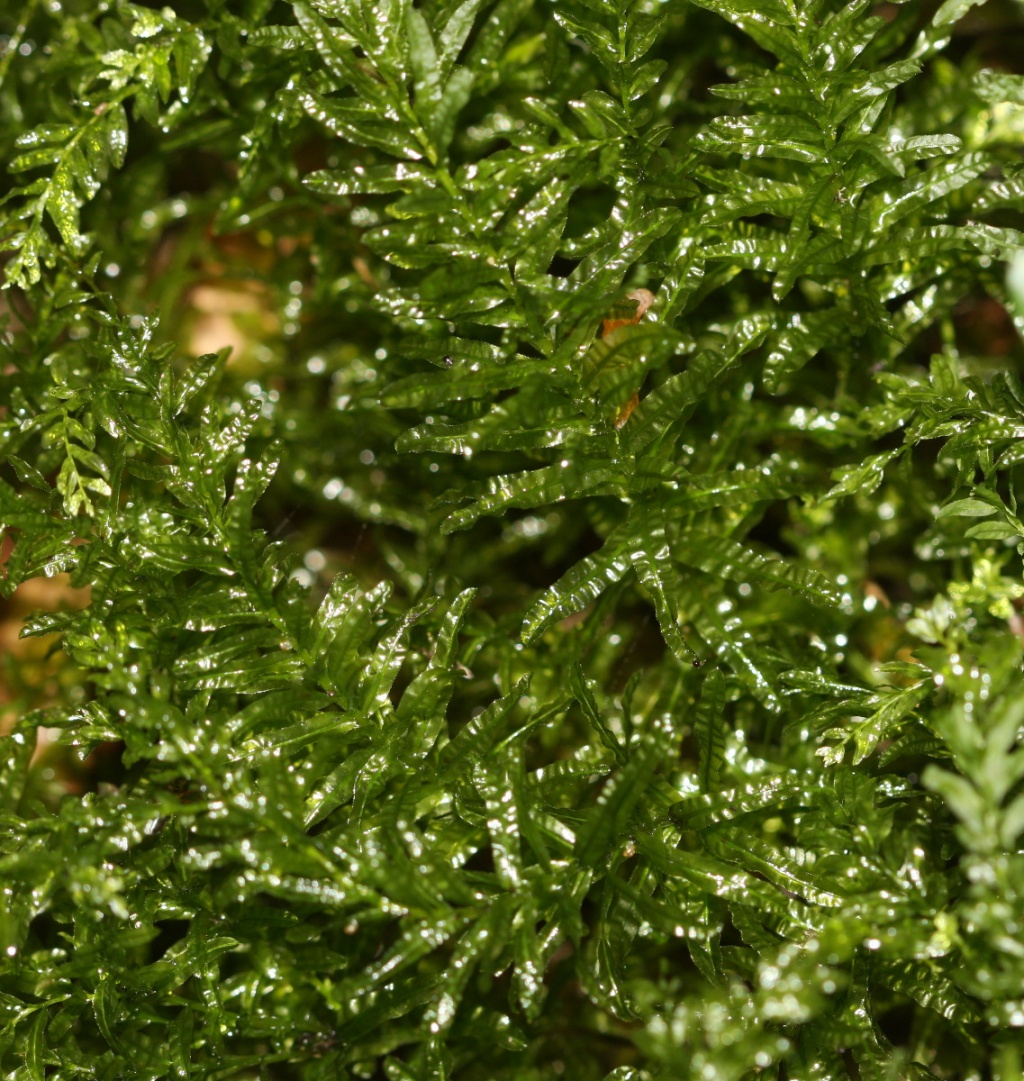
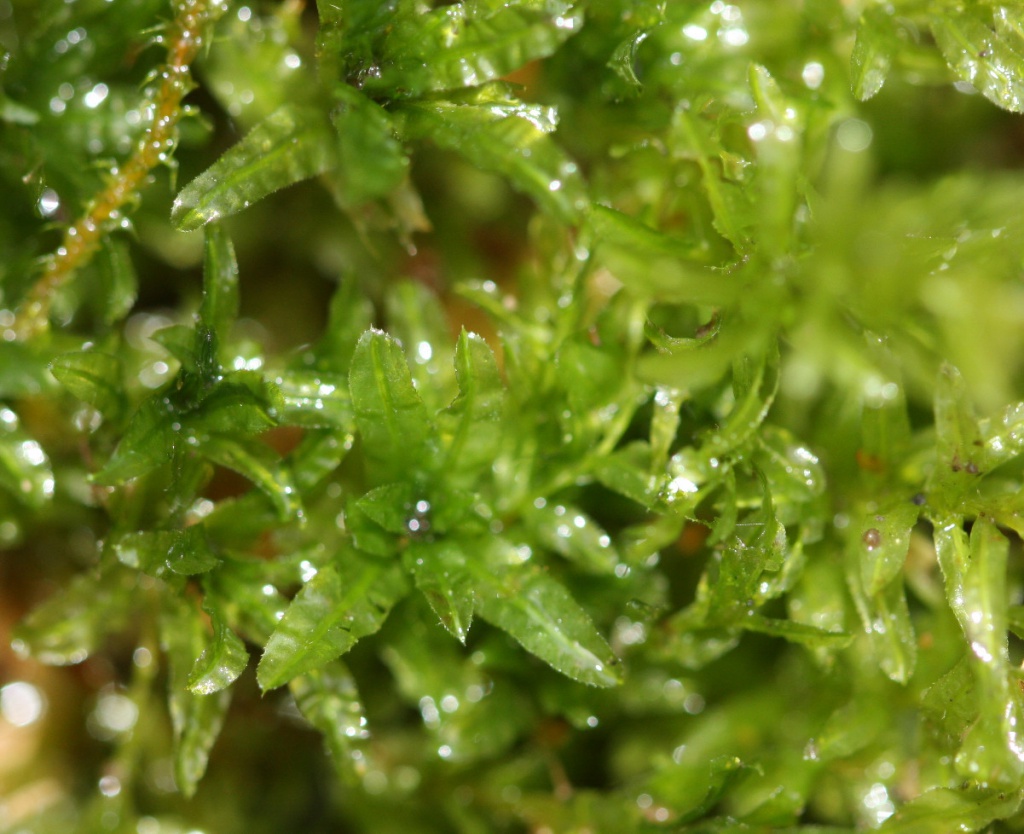
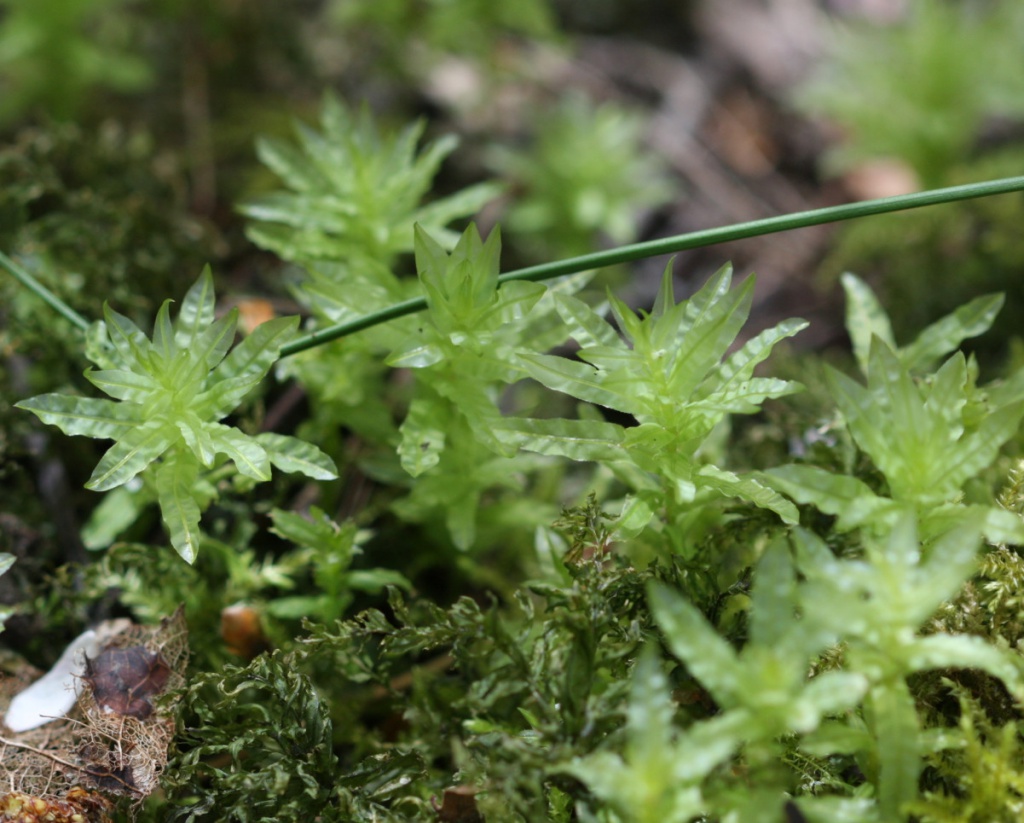
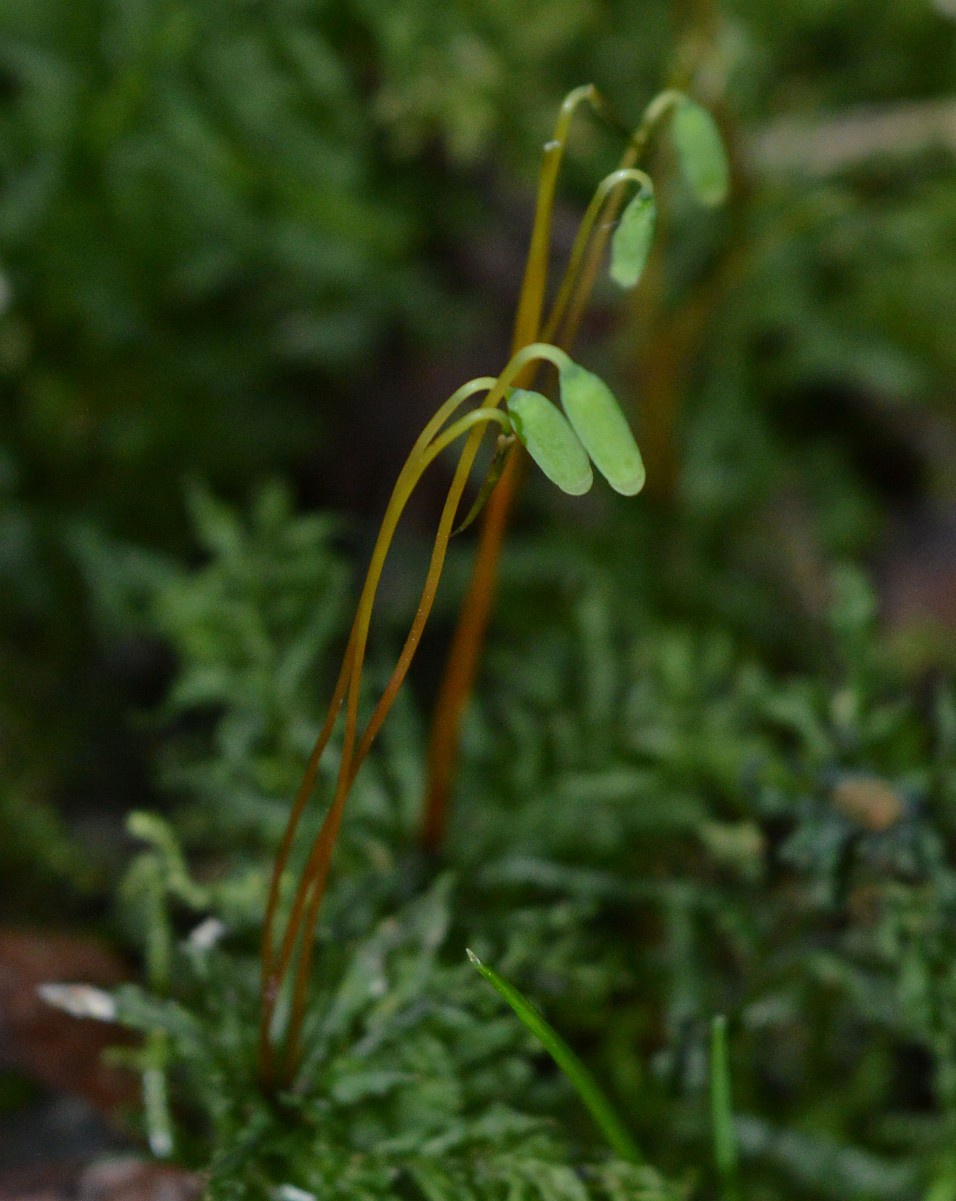
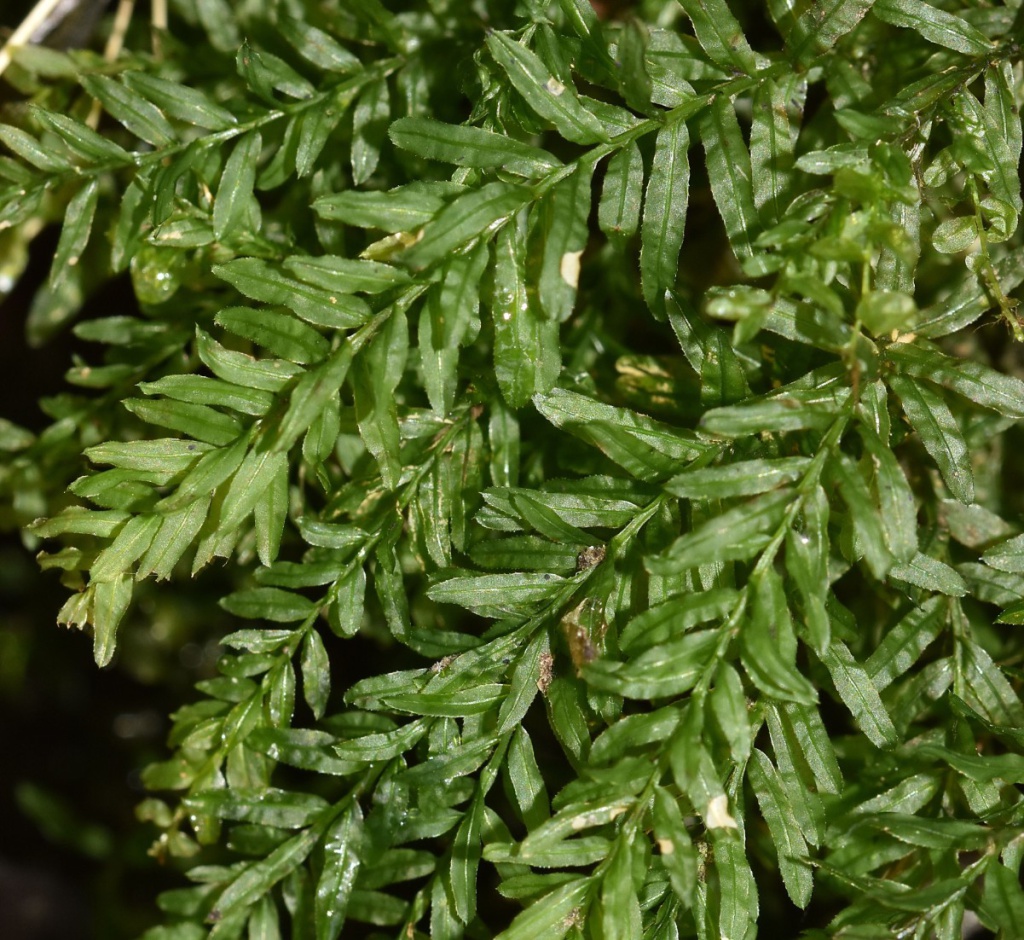
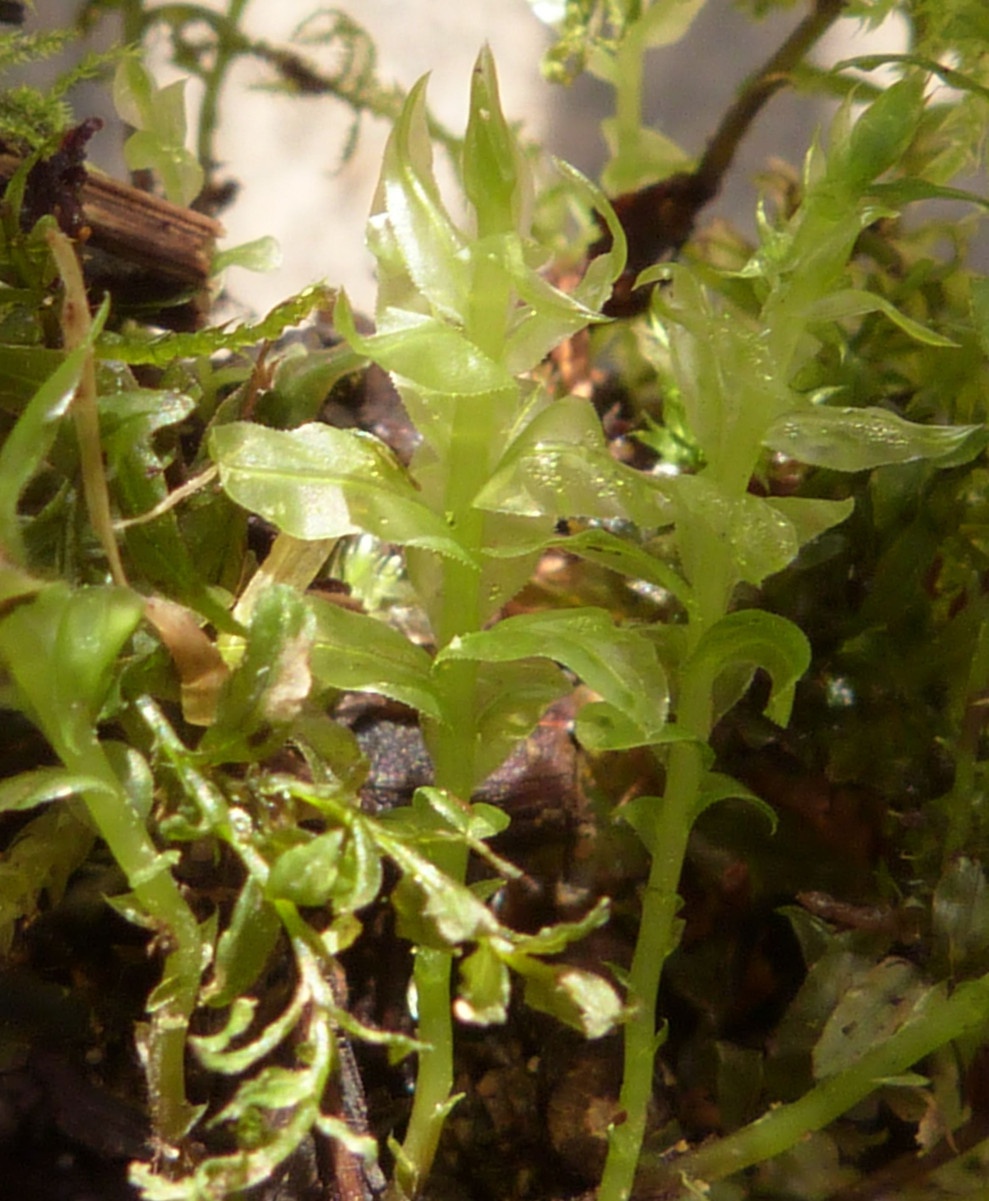
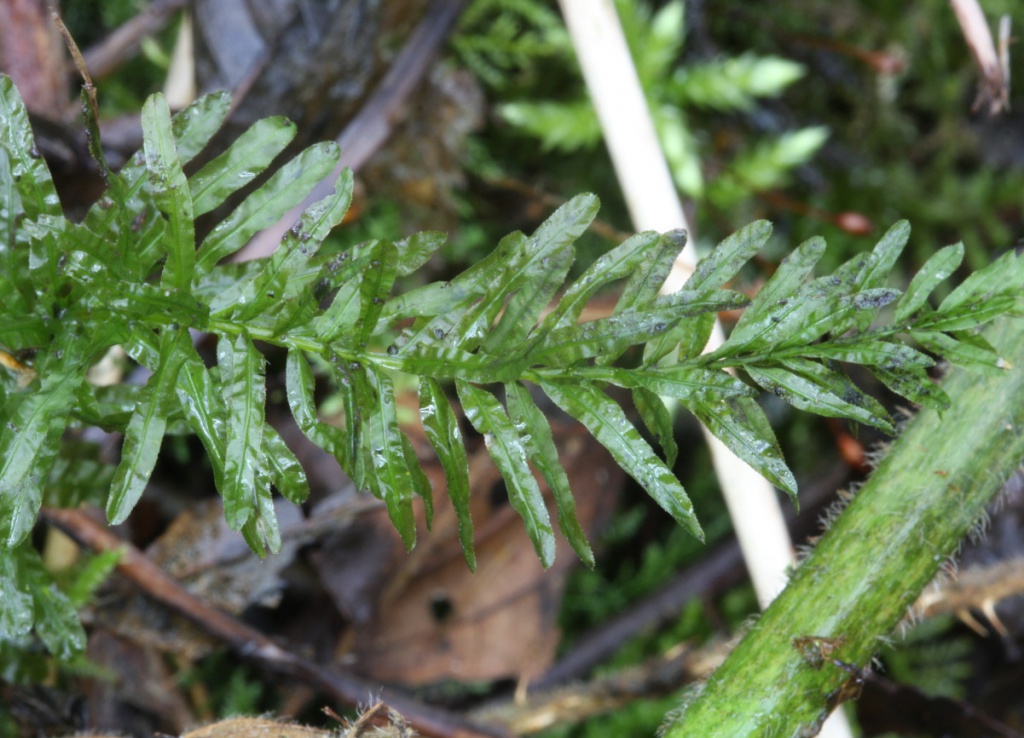
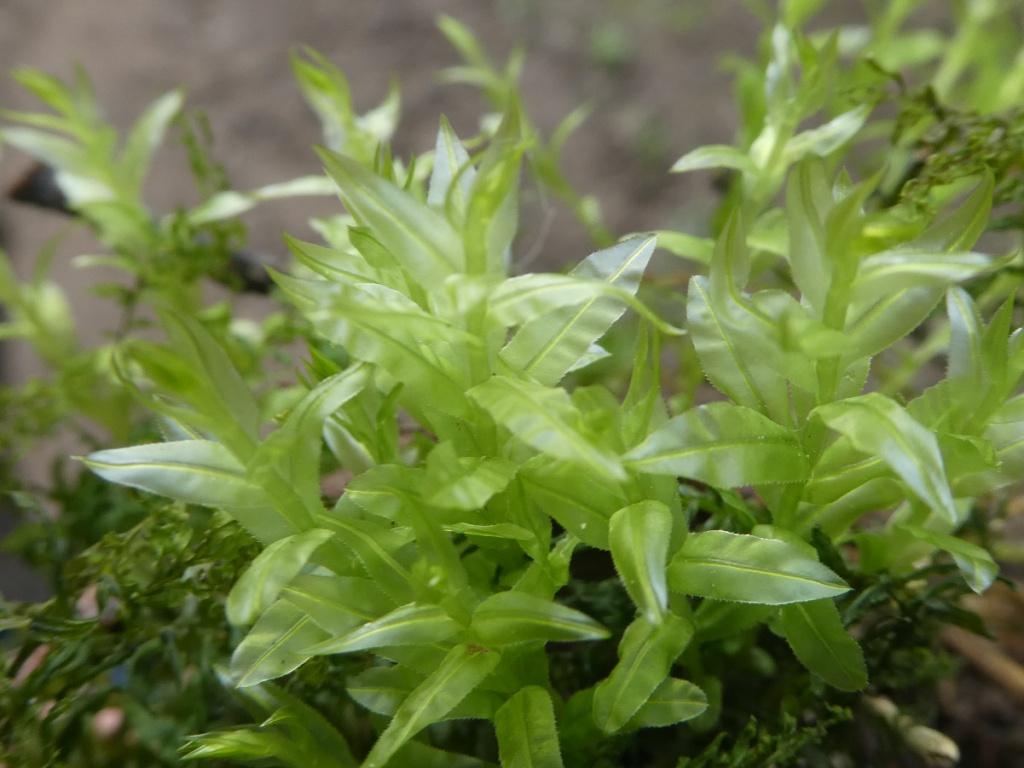
All Plagiomnium species have greenish stems without red or brown pigments. The leaves are bordered by long, narrow cells, and usually toothed (although the teeth may be absent on some shoots). When well-grown, this is a striking and unmistakable moss with tongue-shaped, undulate leaves 2 to 5 mm long. Its stems may be tall (up to 15 cm long) and branched, like a tiny tree. The leaf base runs down onto the stem. However, stunted forms are much less distinctive, with shorter and scarcely undulate leaves. In spring, shoots with immature, pointed leaves, can also be confused with other species. Difficult forms can be identified by the leaf cells, which are much smaller than in other Plagiomnium species, and hardly longer than wide. With a little experience, or if other species are present for comparison, this can be appreciated in the field with a ×20 hand lens. Capsules are infrequent, but occasionally produced in abundance, with several growing from one shoot. They are 5 mm long, and borne on a seta 3 cm tall.

Common on base-rich or neutral soil in woodland, grassland and on rocky banks, occasionally in flushes.
All year round.
Widespread and frequent in Britain.
Fairly frequent in Leicestershire and Rutland.
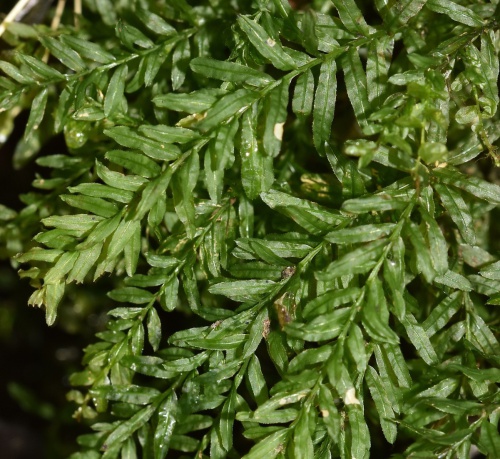 Barbara Cooper
Clawson Hill
26 January 2022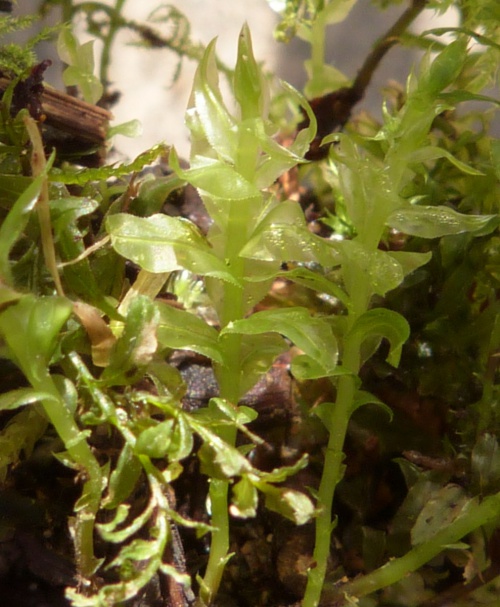 Graham Calow
Fosse Meadows, Sharnford
05 April 2018
young growth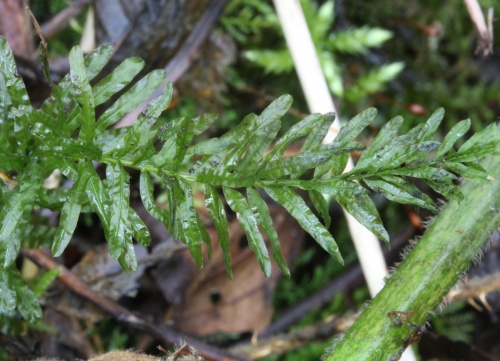 David Nicholls
White's Wood, Swithland
28 February 2015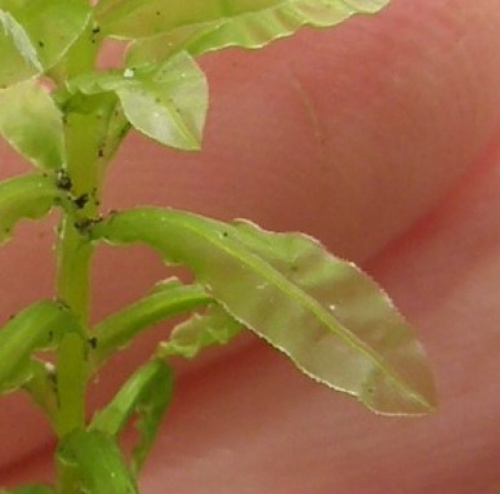 Saharima Roenisch
Newtown Linford, Sheet Hedges Wood
06 May 2019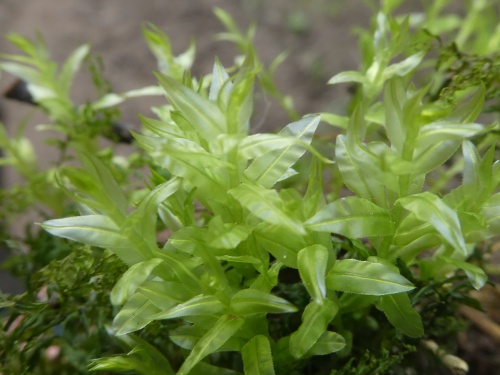 Melinda Bell
Willesley,Willesley wood
06 April 2021
finely toothed leaves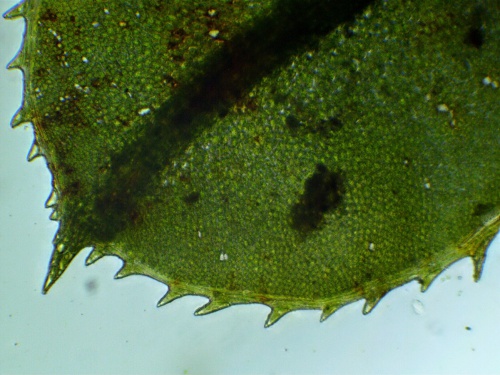 Barbara Cooper
Clawson Hill
11 February 2022
tip of leaf Barbara Cooper
Clawson Hill
11 February 2022
toothed leaf bordered by long narrow cells



Leicestershire & Rutland Map
Enter a town or village to see local records
MAP KEY:
Yellow squares = NBN records (all known data)
Coloured squares = NatureSpot records: 2025+ | 2020-2024 | pre-2020
UK Map
Additional images