Grey Plover
Grey Plover - Pluvialis squatarola
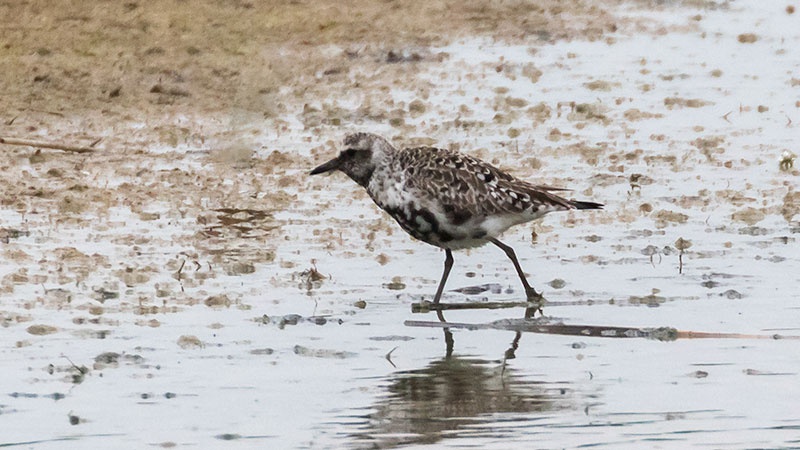
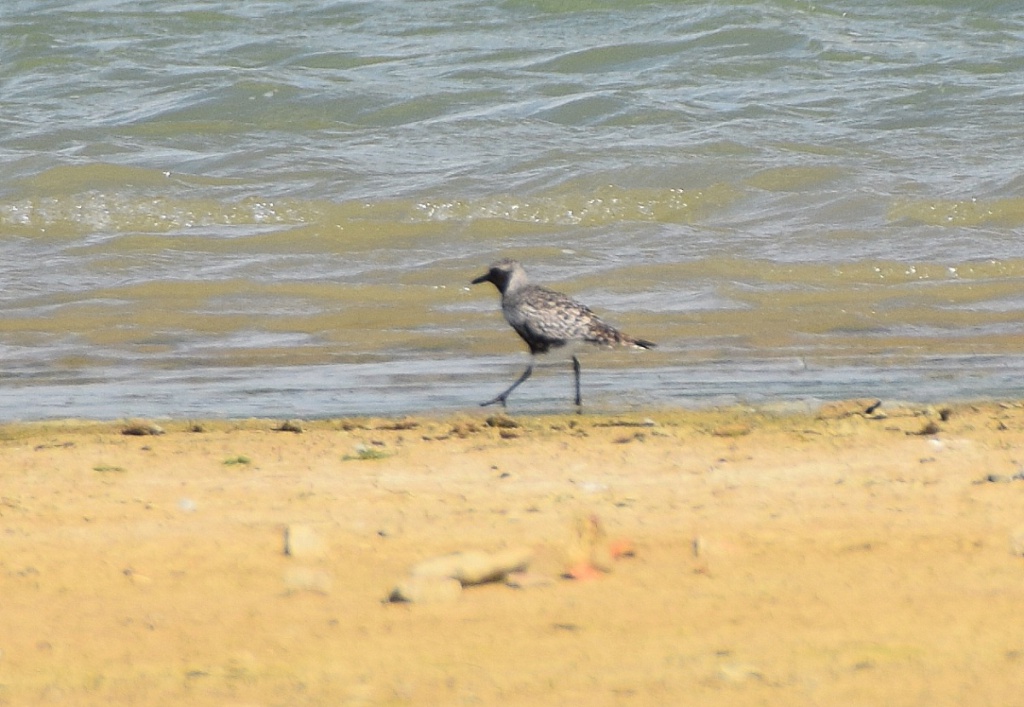
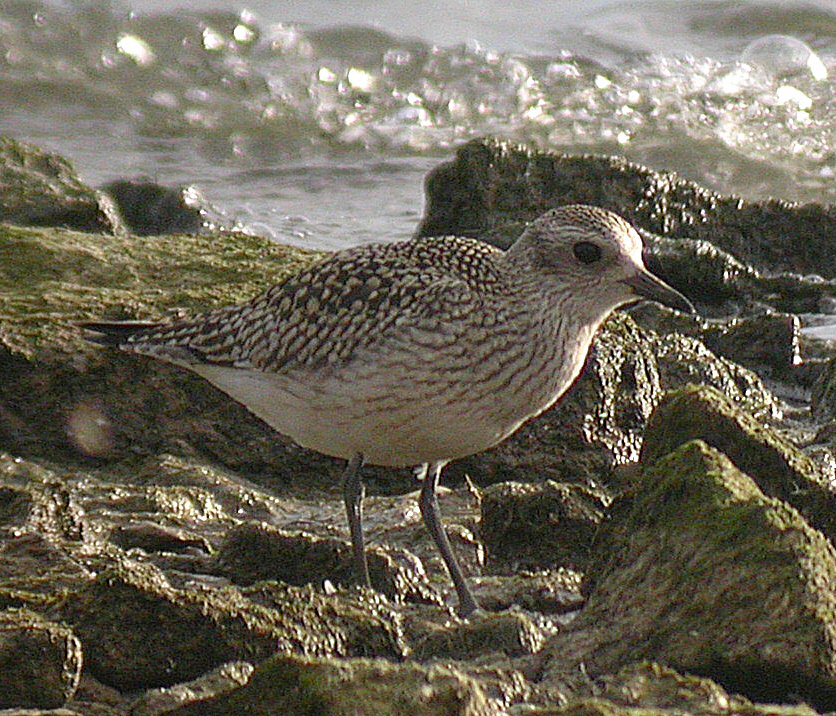
In summer it has silver and black spotted upperparts, a black face, neck and belly and in winter, it loses the black feathers and takes on a browny-grey look. In both plumages, the rump is white and in flight in winter it shows distinctive black 'armpits'. Like most plovers it stands very upright and tends to run and then suddenly stop to feed.

Usually found along coasts, preferring large muddy and sandy estuaries. Largest numbers are found on the Wash, Ribble, Thames, Blackwater, Medway, Dee and Humber estuaries, and Chichester and Langstone Harbours.
A few birds stay through the summer and the first migrant adults arrive in the UK in July and the young in August and September. Peak numbers are seen between November and March and birds leave in April and May.
Feeds on shellfish and worms.
Fairly frequent in suitable areas of the UK.
Uncommon in Leicestershire and Rutland.
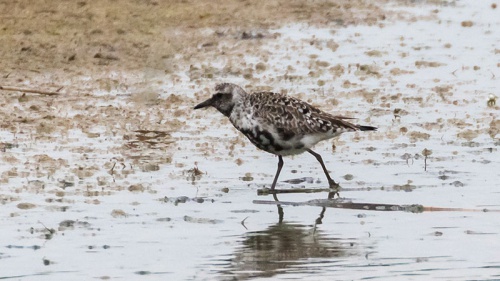 Rod Baker
Rutland Water
09 May 2017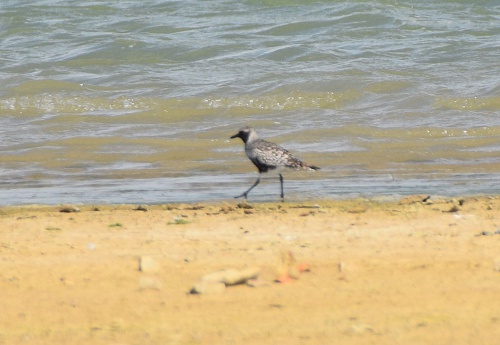 Steve Mathers
Rutland Water NR lagoon 4 and environs
05 May 2017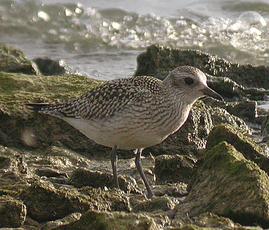 Chris Lythall
Rutland Water
26 September 2004
Leicestershire & Rutland Map
Enter a town or village to see local records
MAP KEY:
Yellow squares = NBN records (all known data)
Coloured squares = NatureSpot records: 2025+ | 2020-2024 | pre-2020
UK Map
Additional images
No additional images available for this species.