Green Hellebore
Green Hellebore - Helleborus viridis
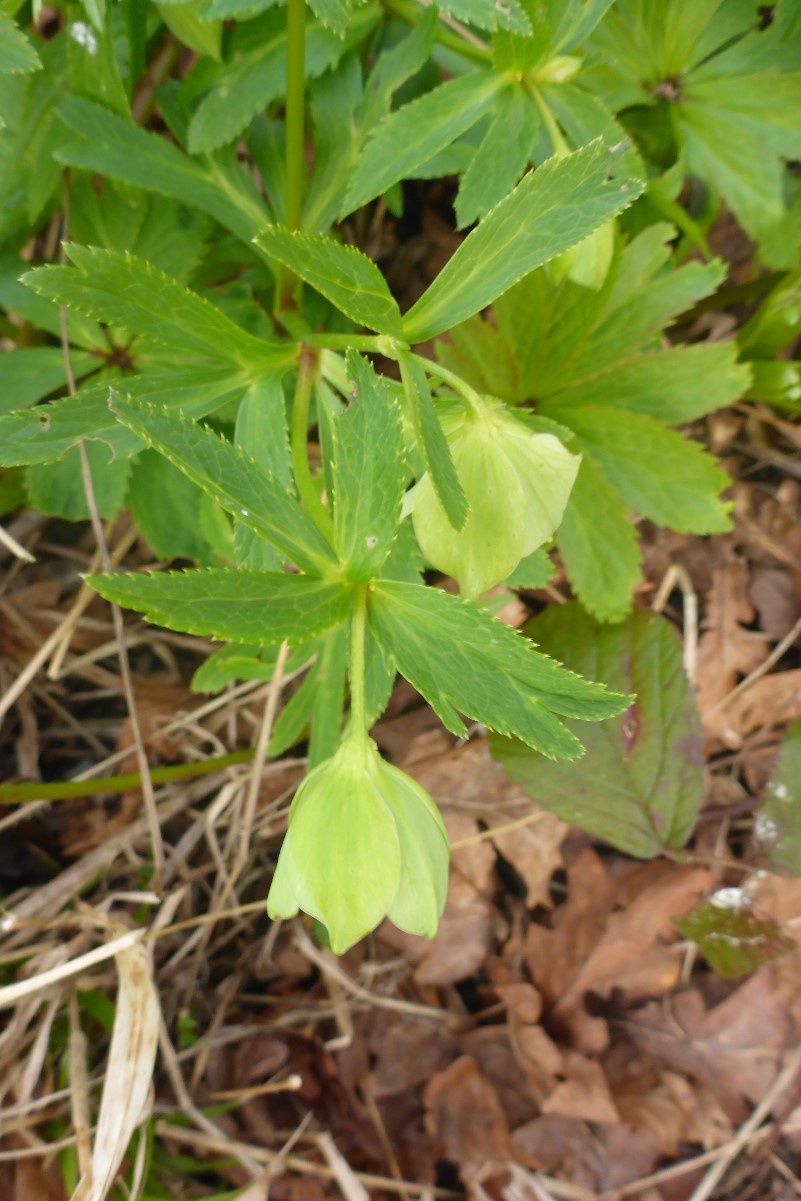
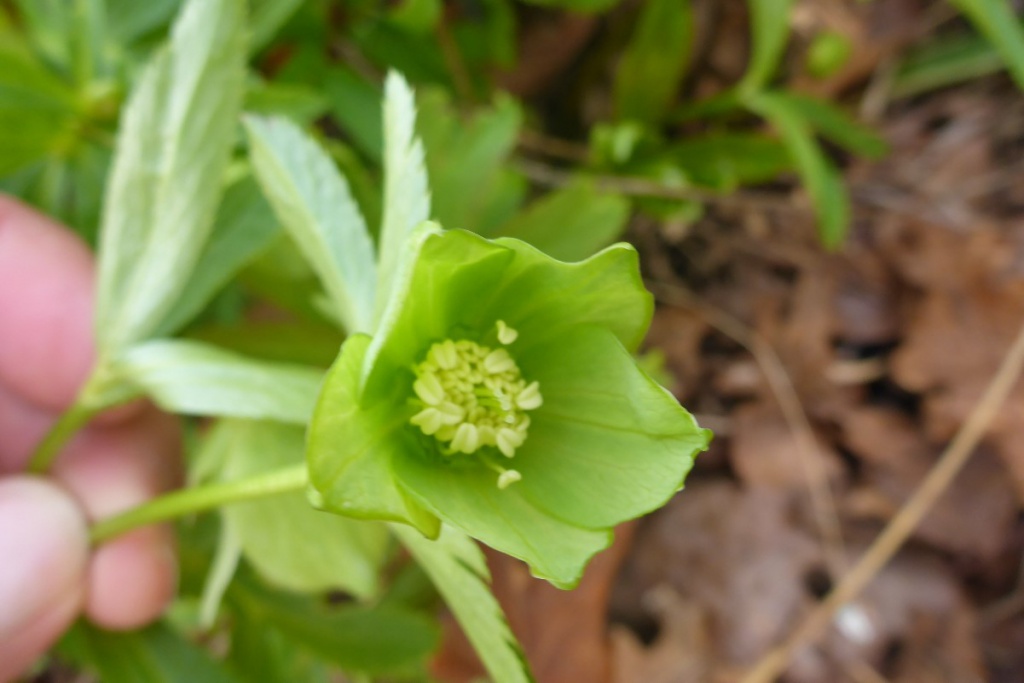
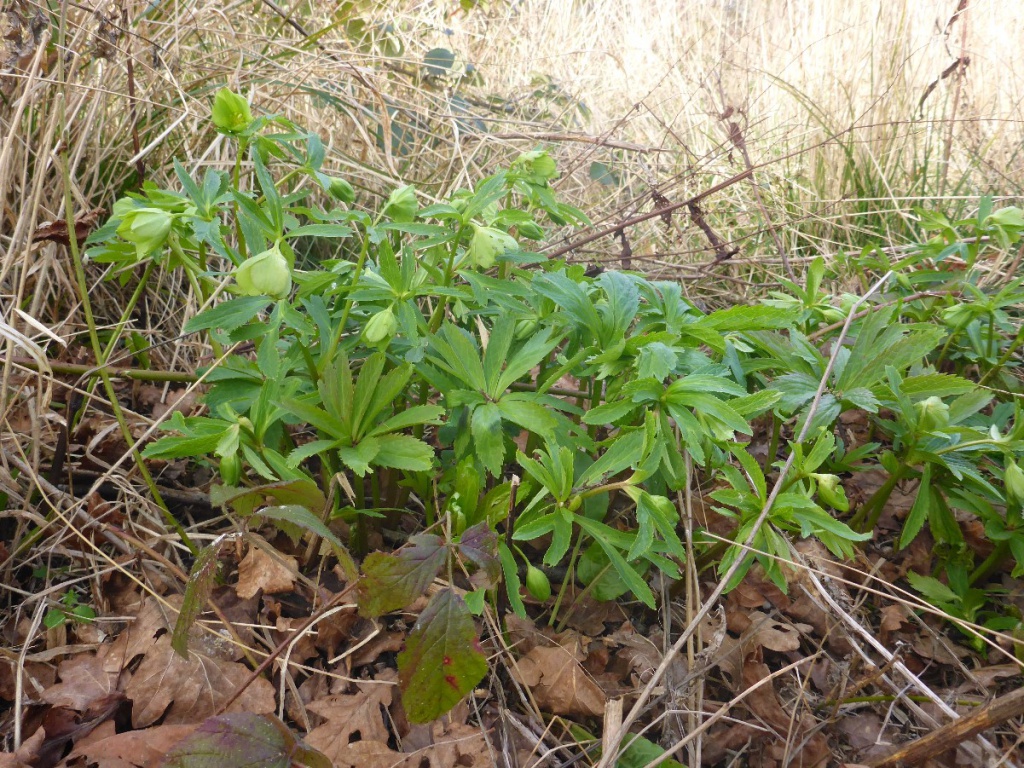
Green Hellebore grows to 40cm with clusters of yellow-green flowers of 3 to 5cm in diameter. The flowers appear just before the leaves. The palmate, toothed leaves are dark green and tough. The fruits (follicles) are fused for c. a quarter of their length and are sessile.
other Hellebores. H orientalis sensu lato is very similar but with larger flowers, in various colours, and with shortly-stalked fruits (follicles) that are free and not fused to the base.

Check the fruits (follicles) - sessile and partly fused - and flower size - 3-5cm.
Unless identified by a recognised expert, a photo is required showing the flowering plants in its habitat, with details of fruits and flower-size. If the photo doesn't show the key ID features then in the comments box describe the size and identifying characters you have observed.
Prefers rather shady habitats, usually on chalk or limestone, found in woodland glades, rocky dingles and old hedge banks. As well as our native populations, it often occurs as an escape or introduction from cultivation.
Flowering between February and May.
Perennial herb. Populations are often small, but persist over many years without obvious changes in numbers.
Believed to be native in Southern England and Wales, but introduced plants grow as far north as central Scotland.
Rarely recorded in Leicestershire and Rutland.
In the current checklist (Jeeves, 2011) it is listed as alien (neophyte); woodland; rare
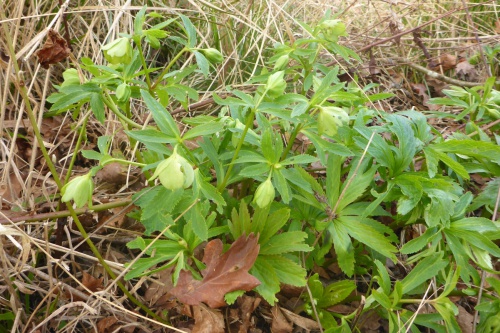 Geoffrey Hall
Clipsham Park Wood
29 February 2016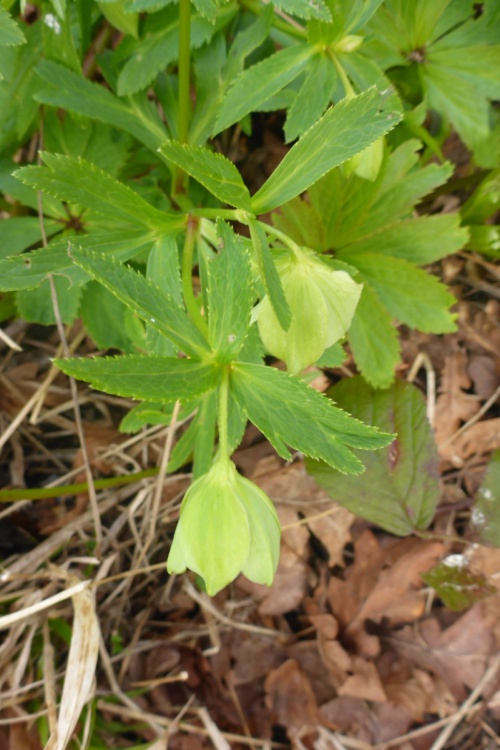 Geoffrey Hall
Clipsham Park Wood
29 February 2016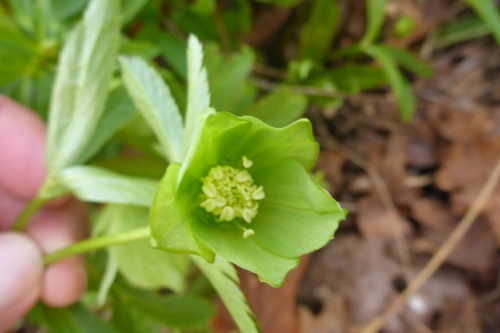 Geoffrey Hall
Clipsham Park Wood
29 February 2016
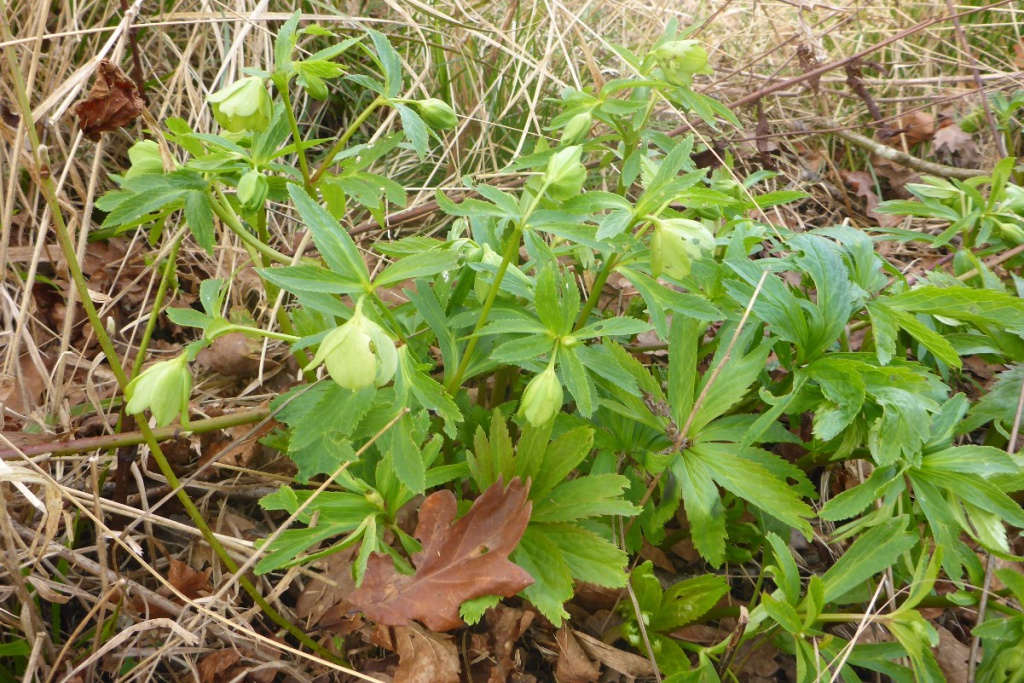
Leicestershire & Rutland Map
Enter a town or village to see local records
MAP KEY:
Yellow squares = NBN records (all known data)
Coloured squares = NatureSpot records: 2025+ | 2020-2024 | pre-2020
UK Map
Additional images
All NatureSpot records
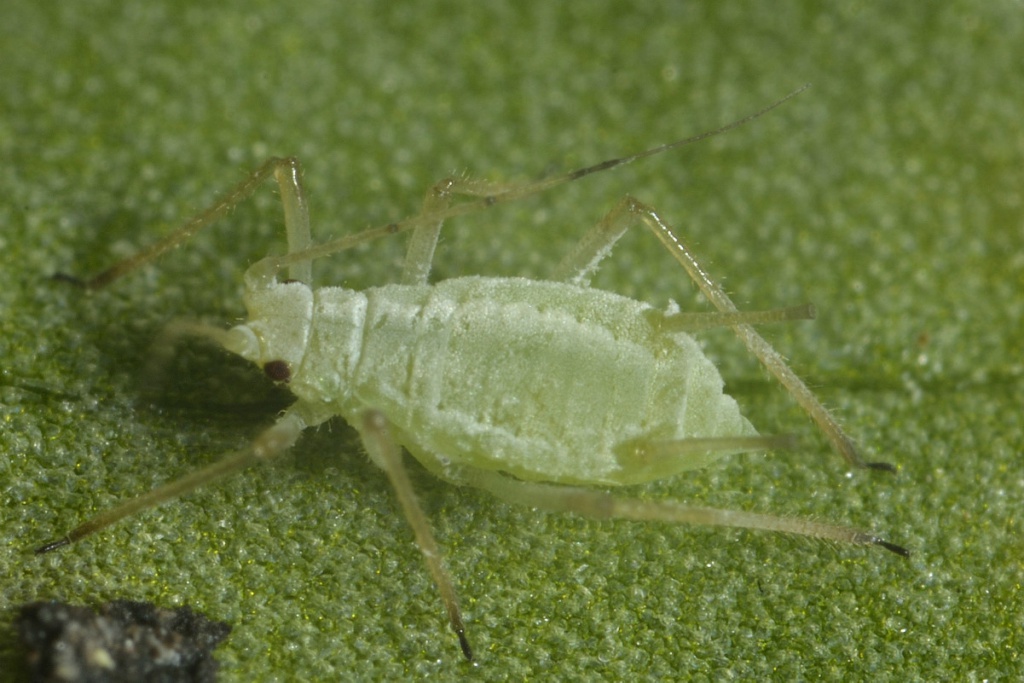
Hellebore Aphid
The Hellebore Aphid (Macrosiphum hellebori) is a sap feeding aphid which infests the flowers and foliage of hellebores. It is largely pale green and around 3 mm long with black bands above the 'knees' and dark 'feet'.
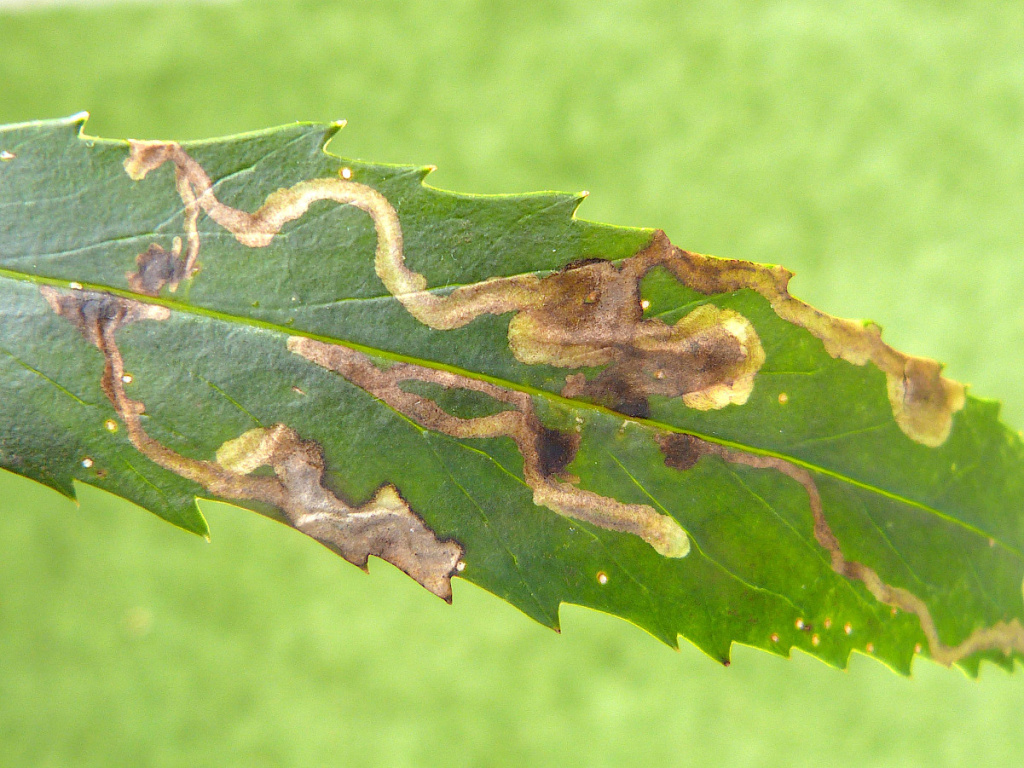
Phytomyza hellebori
The larva of the Agromyzid fly Phytomyza hellebori mines the leaves of Clematis and Helleborus species, and particularly those of Stinking Hellebore. The leafmines can be either linear, or blotch-like. Pupation may occur internally or externally.