Garden Privet
Garden Privet - Ligustrum ovalifolium
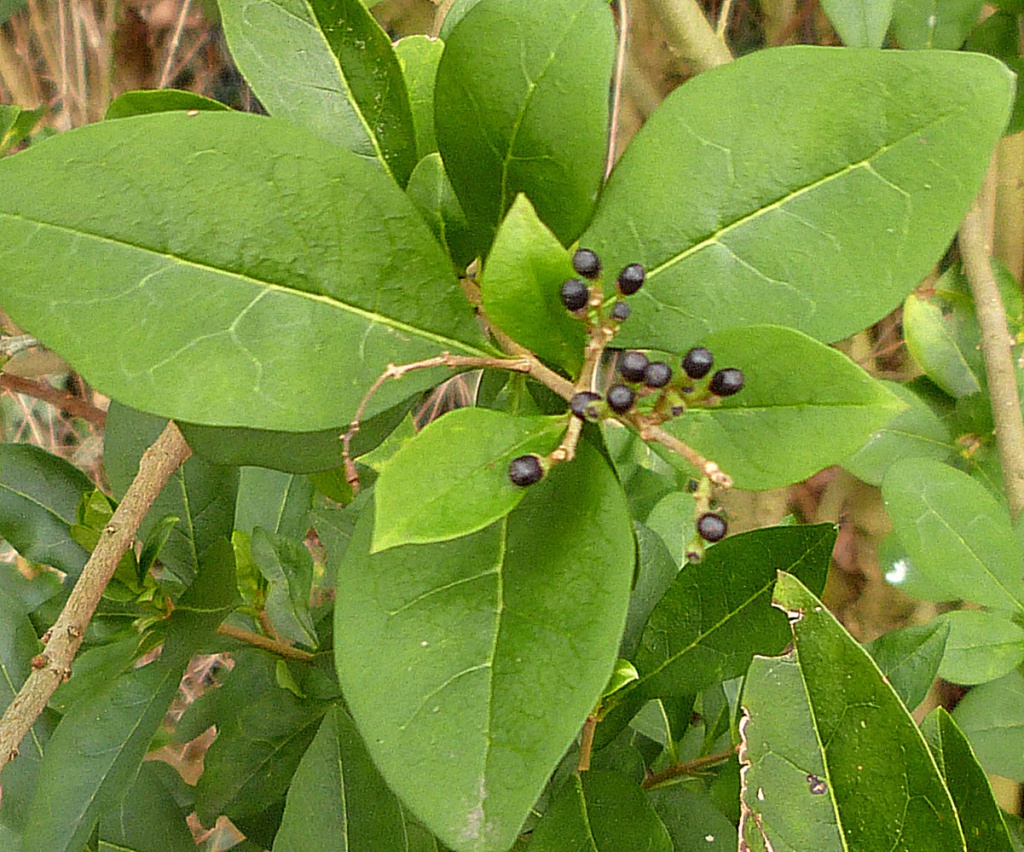
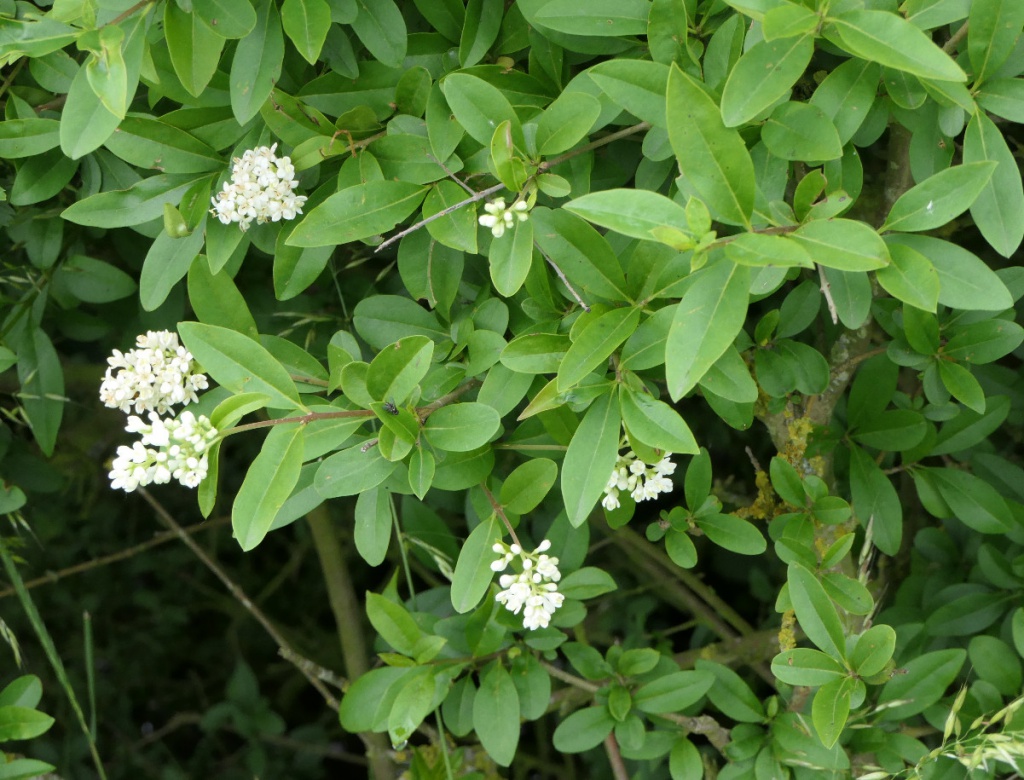
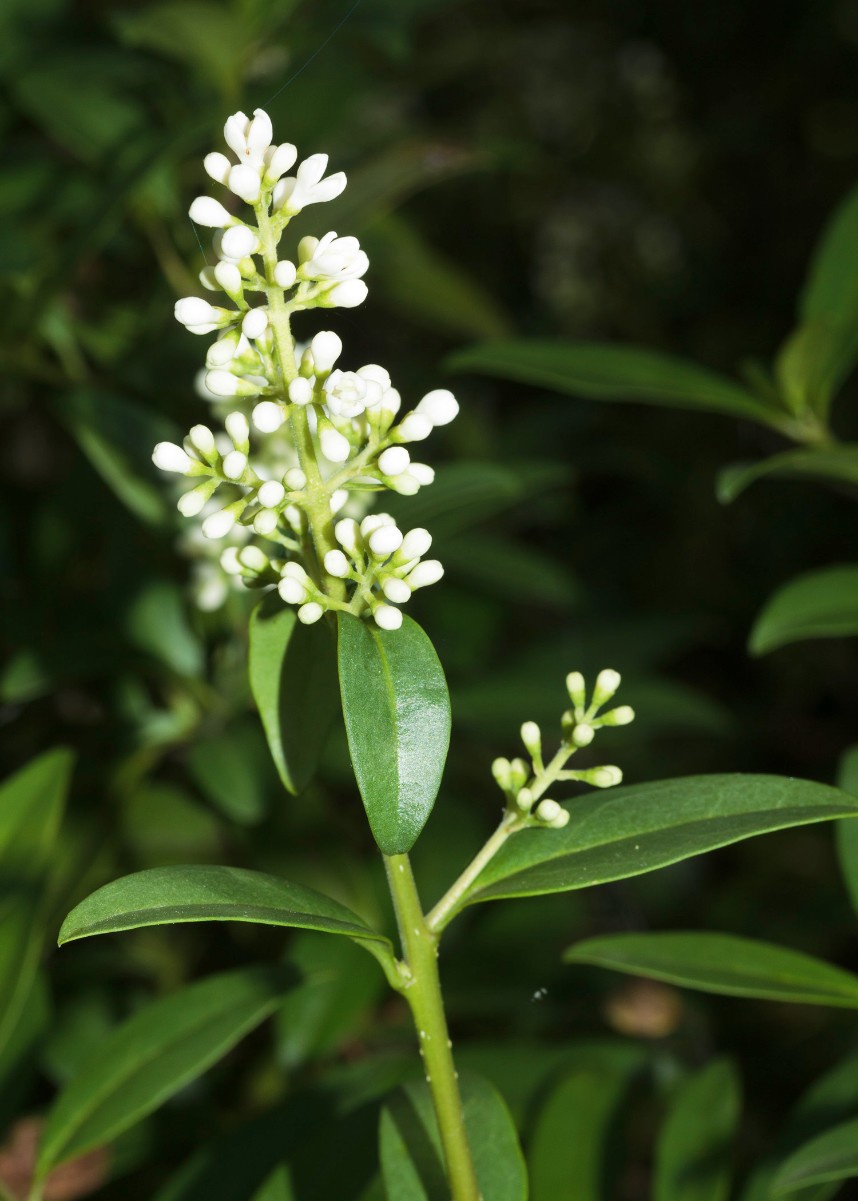
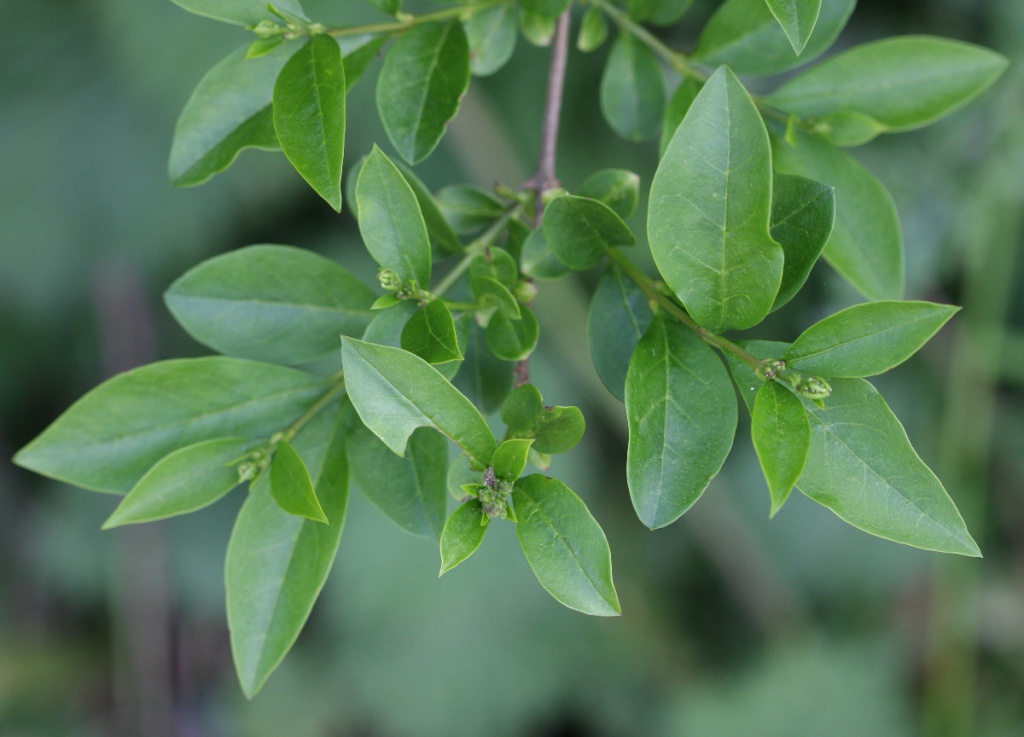
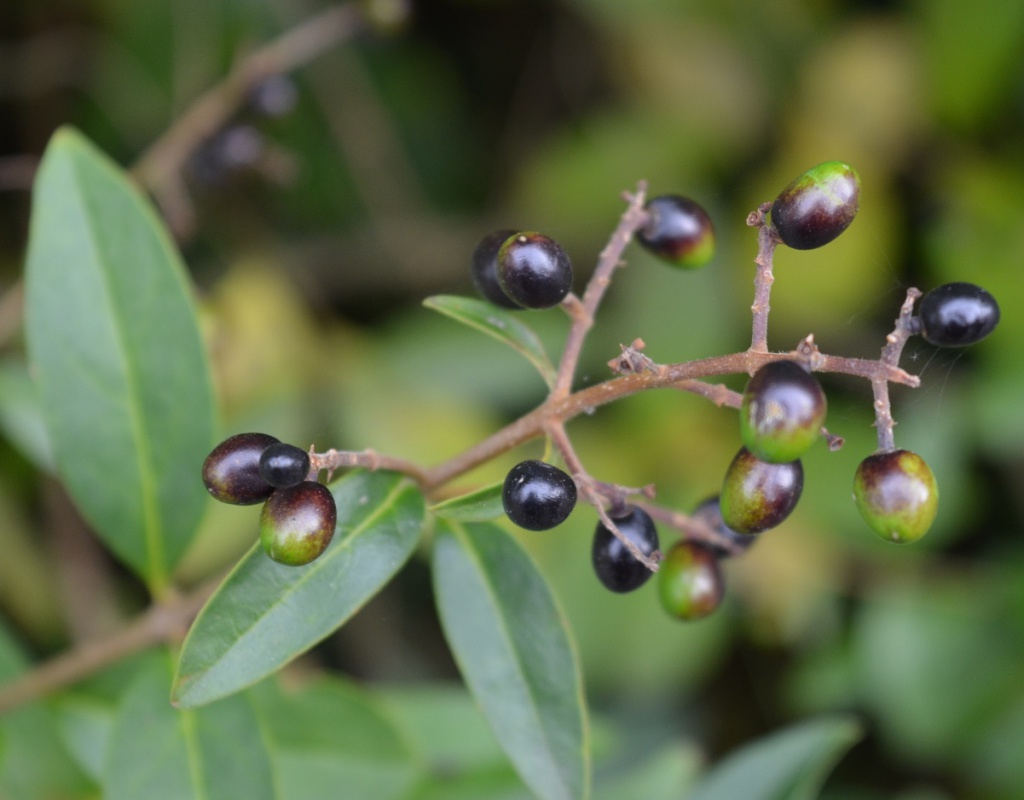
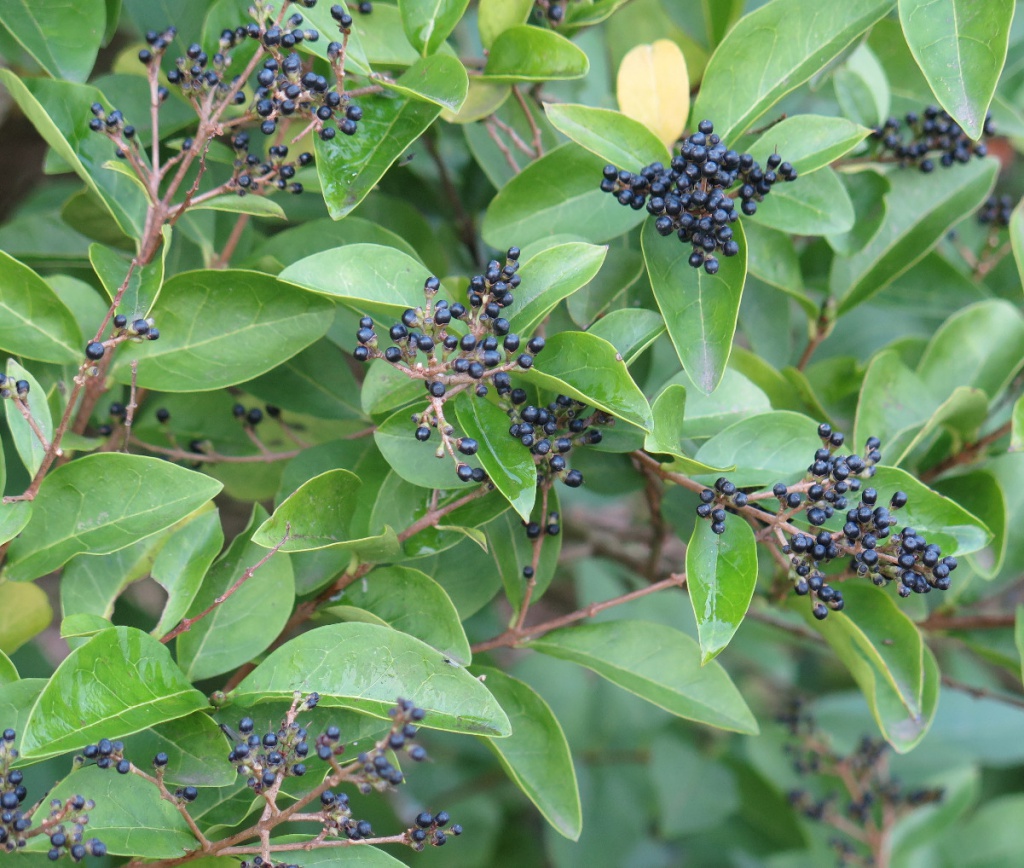
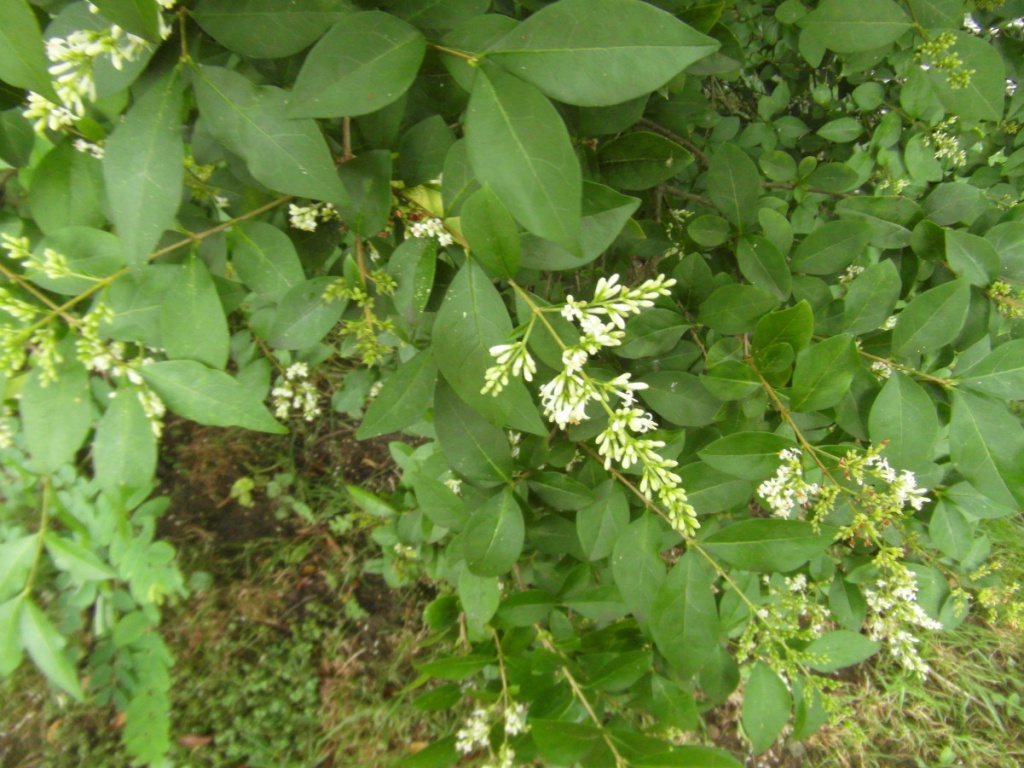
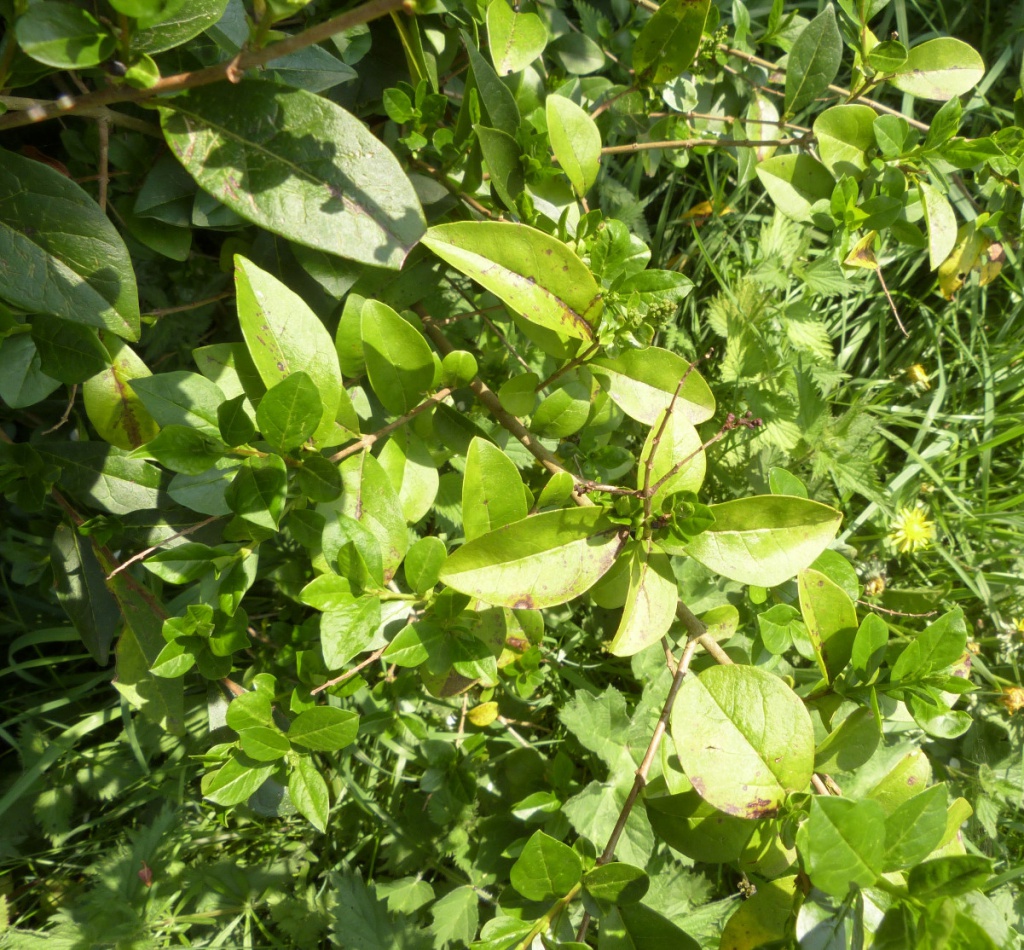
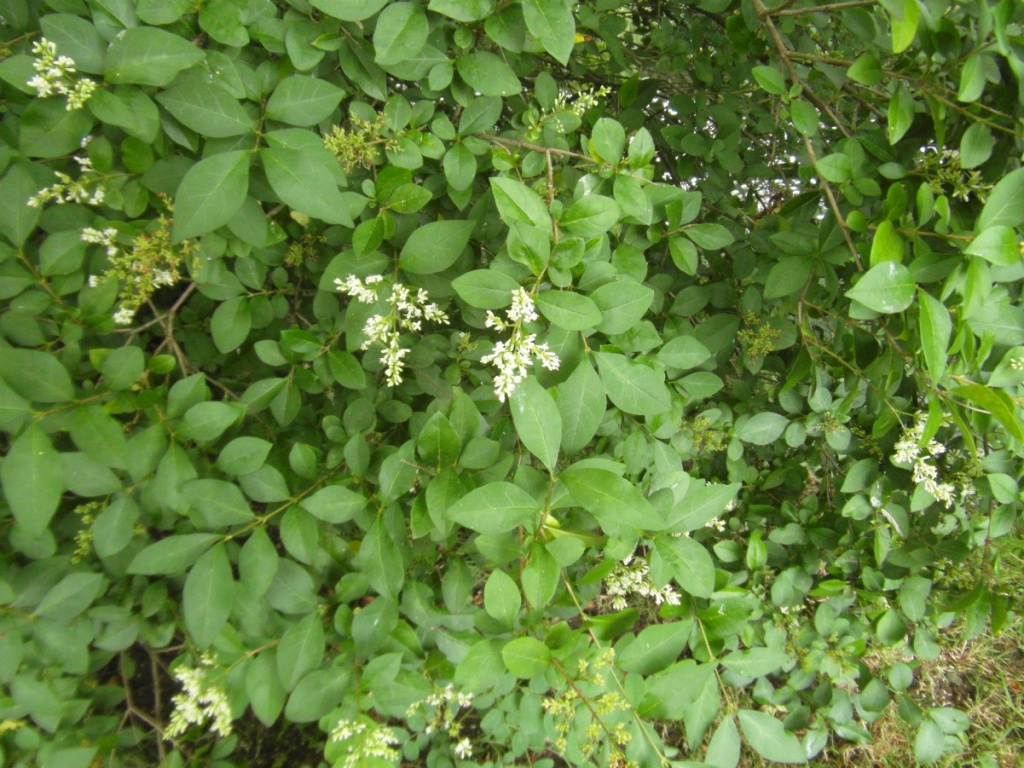
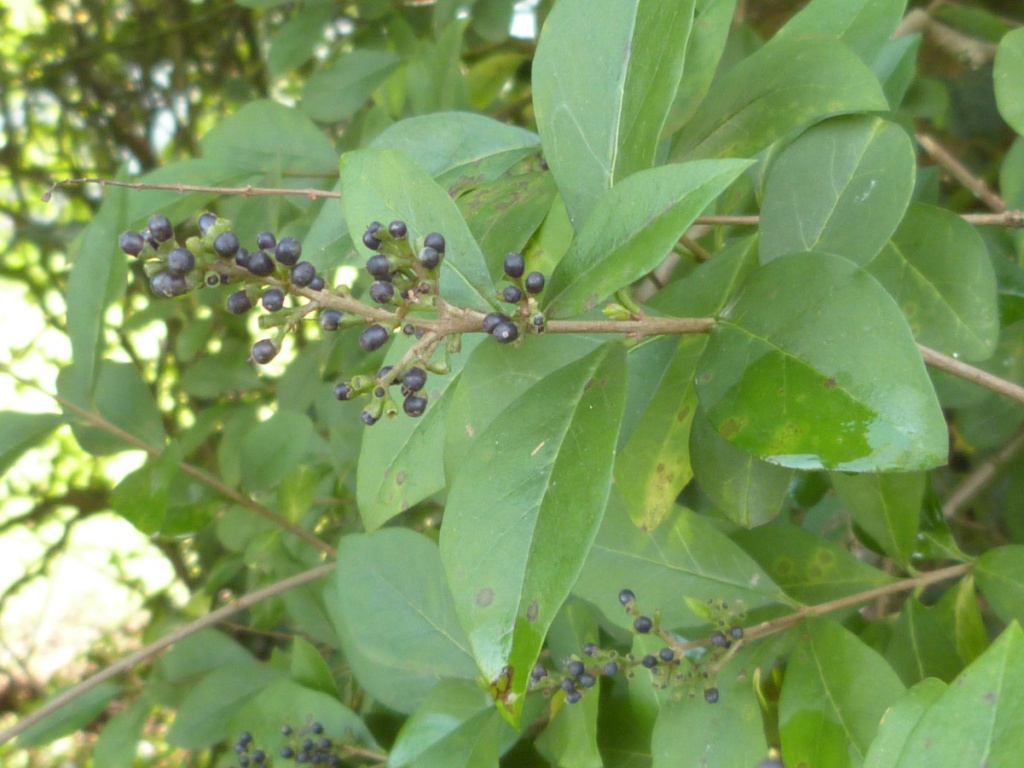
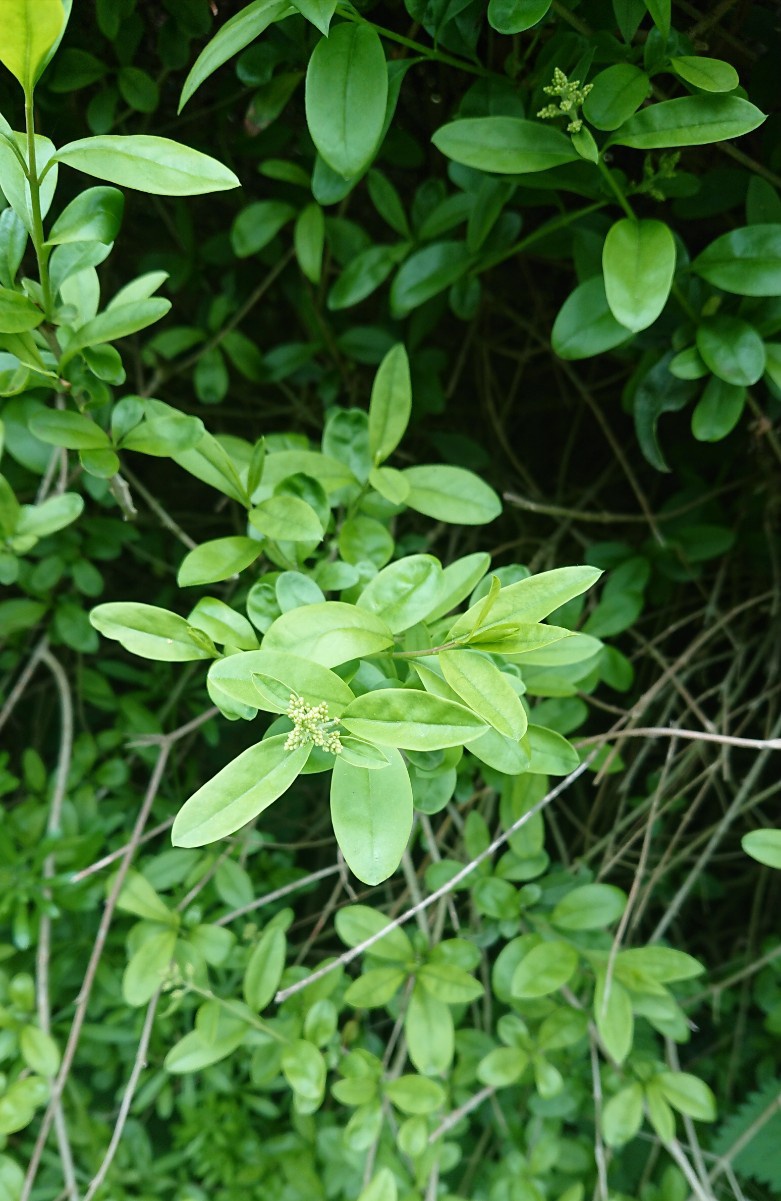
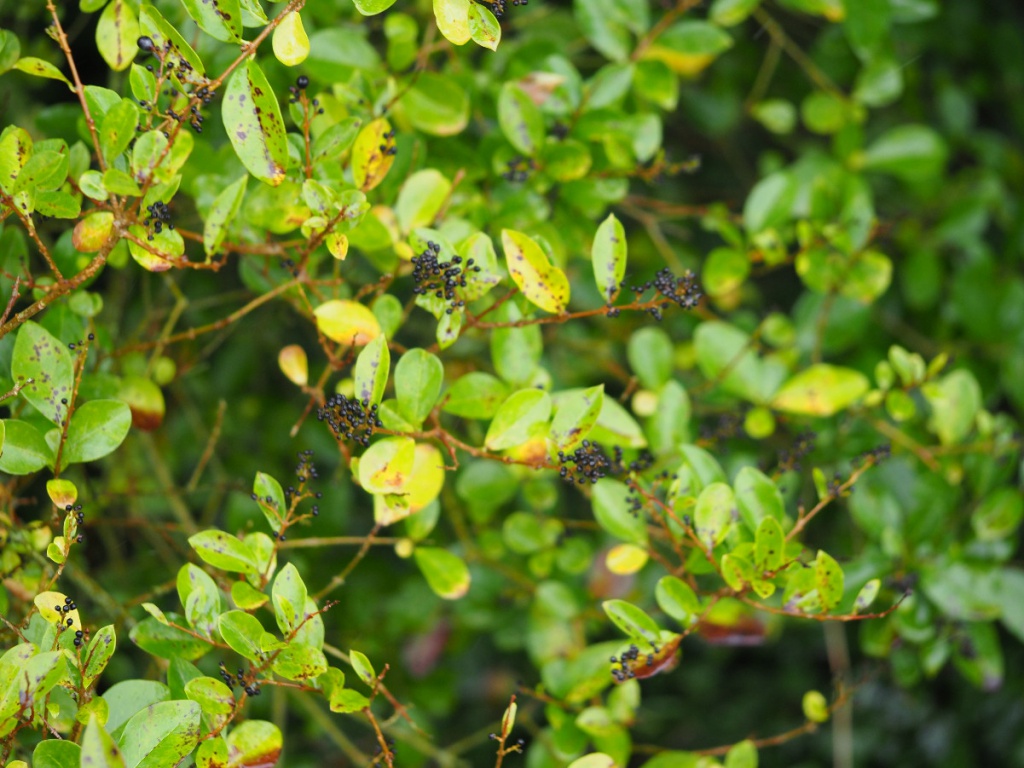
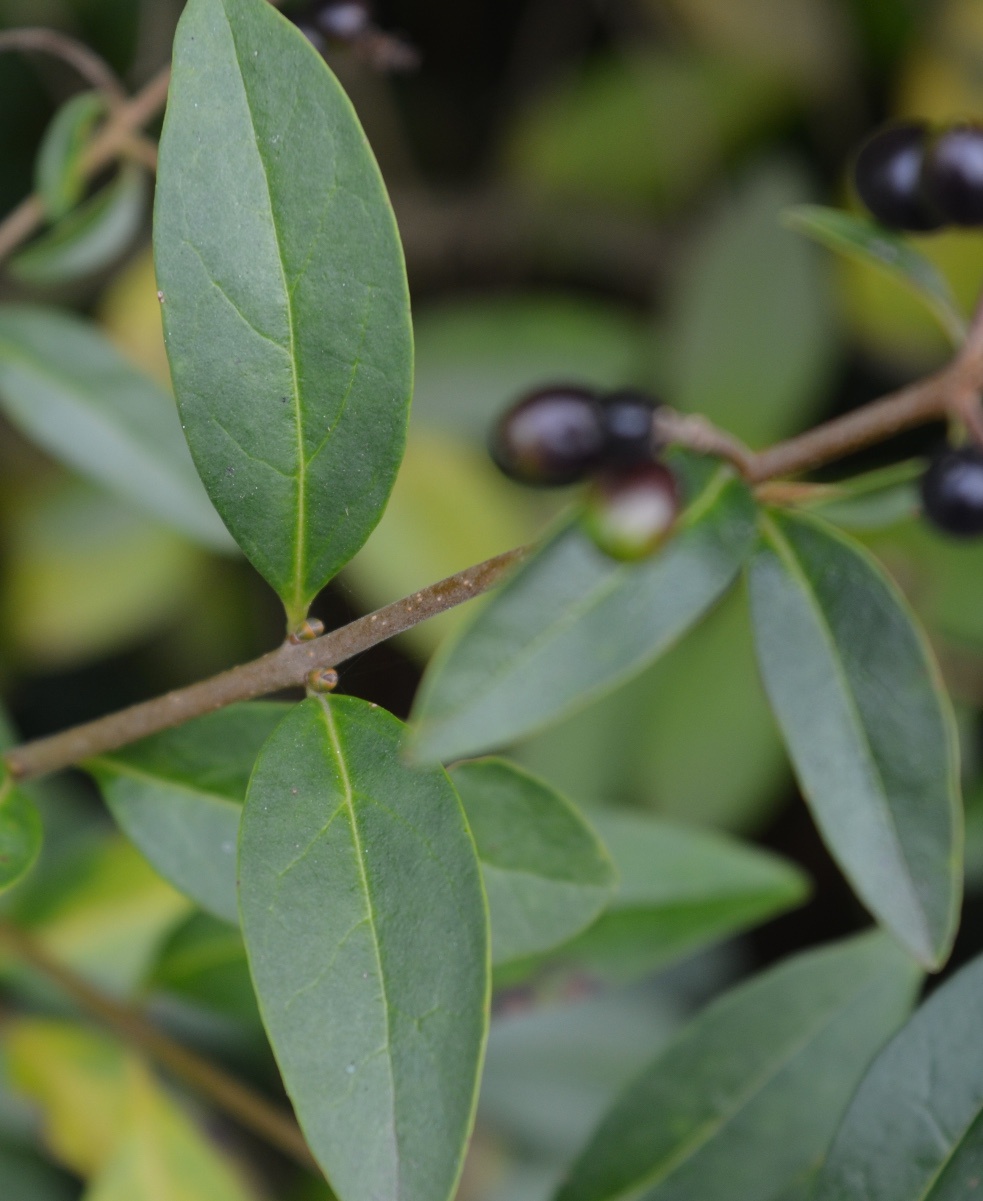
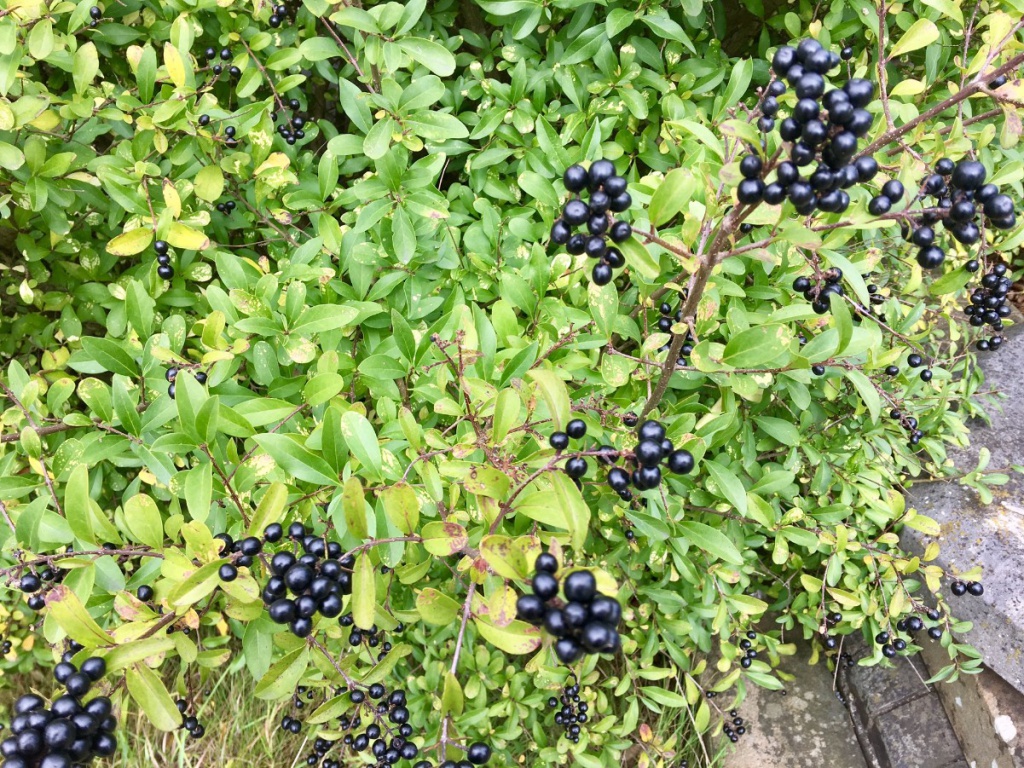
Shrub 1 to 3 metres tall and densely branched. Leaves broad, oval, smooth, untoothed and short stalked. Flowers white, 4 to 6 mm in dense pyramidal panicles, fragrant. Fruit a berry black when ripe.
Wild Privet is similar, but the leaves are narrower.

Hedgerows, waste ground, waysides and tips.
Flowers June and July.
Evergreen perennial.
Occasional in Leicestershire and Rutland as an escape from cultivation, or occasionally sown by birds, or self sown. . In the 1979 Flora survey of Leicestershire it was found in 19 of the 617 tetrads.
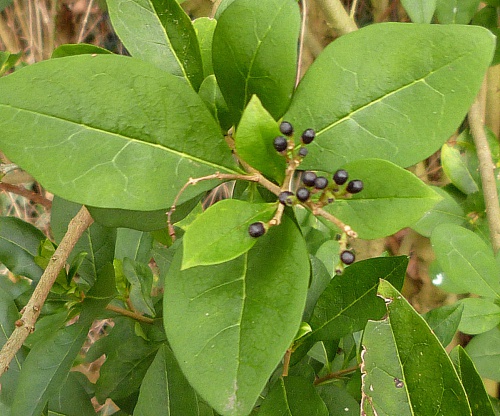 Graham Calow
Near Croft Road, Cosby
22 February 2016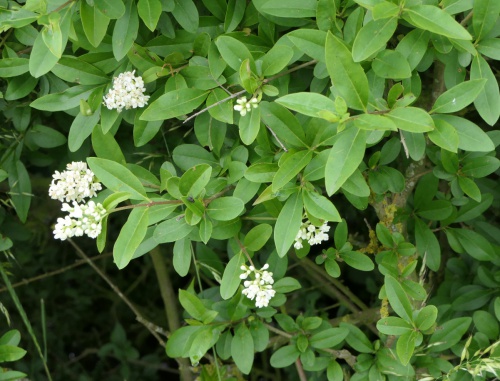 David Nicholls
Ratcliffe Culey field 217
26 June 2019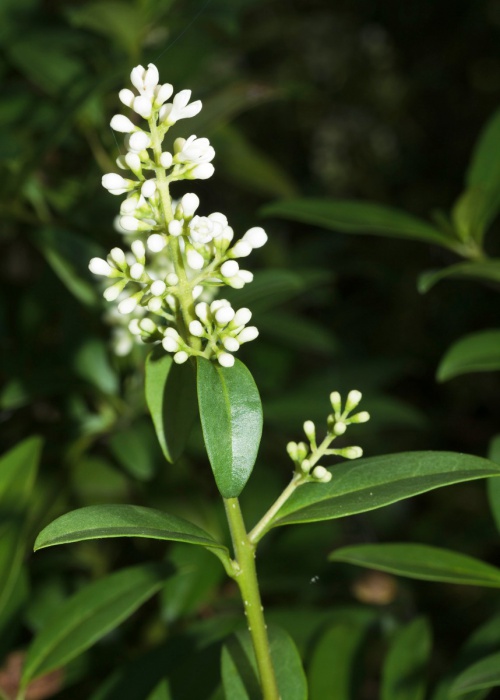 HAPeacock
Groby Road Allotments
21 June 2016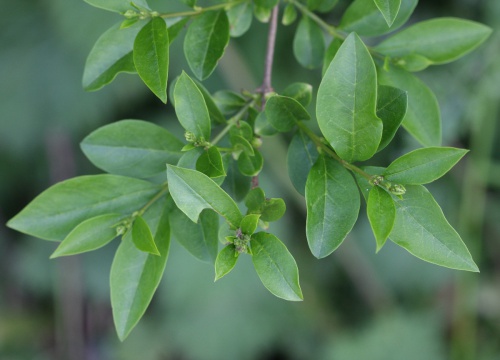 David Nicholls
Burroughs Road, Ratby
31 May 2013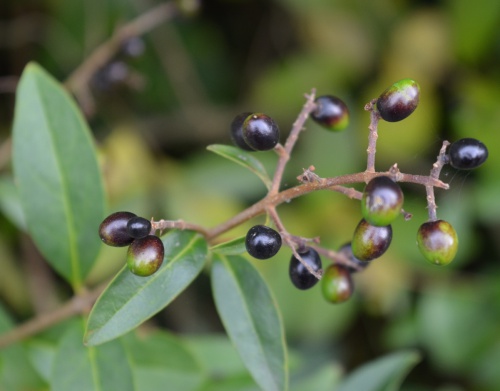 Steve Mathers
Plungar Village
26 October 2016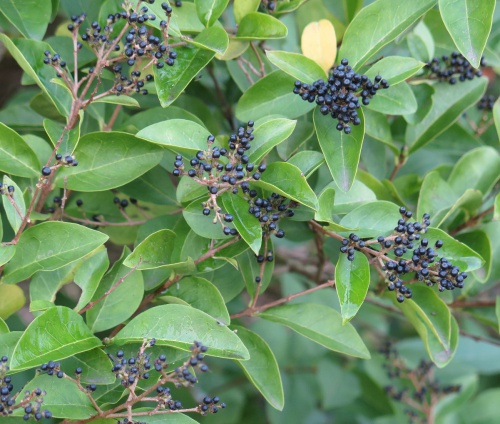 David Nicholls
Ratby
04 February 2016
Leicestershire & Rutland Map
Enter a town or village to see local records
MAP KEY:
Yellow squares = NBN records (all known data)
Coloured squares = NatureSpot records: 2025+ | 2020-2024 | pre-2020
UK Map
Additional images
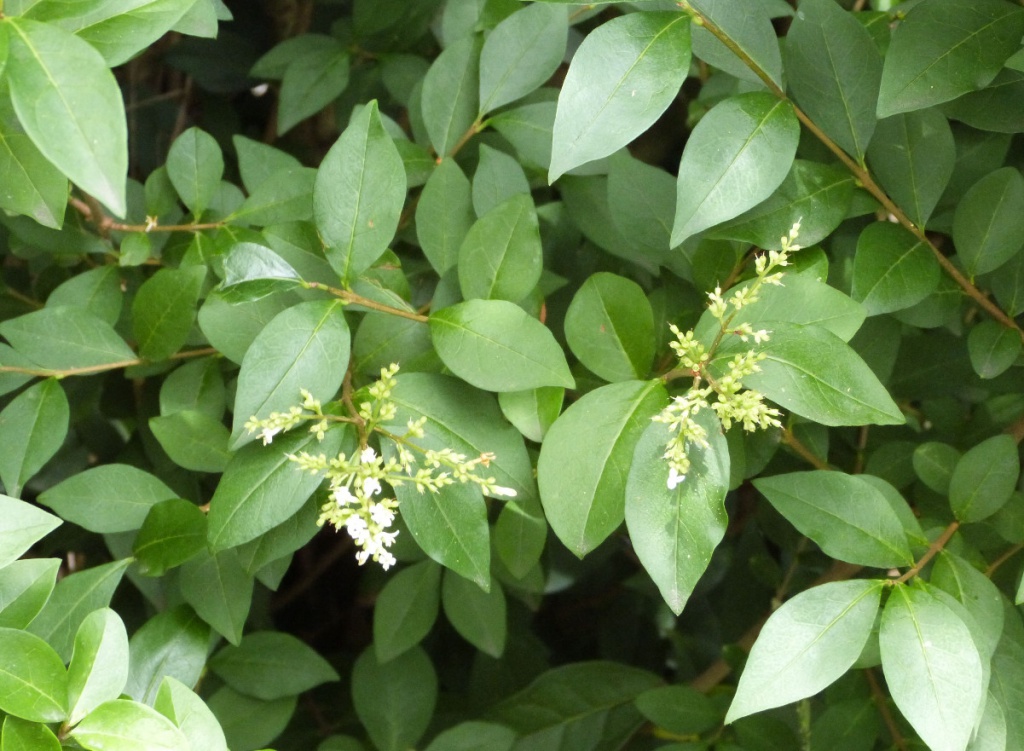
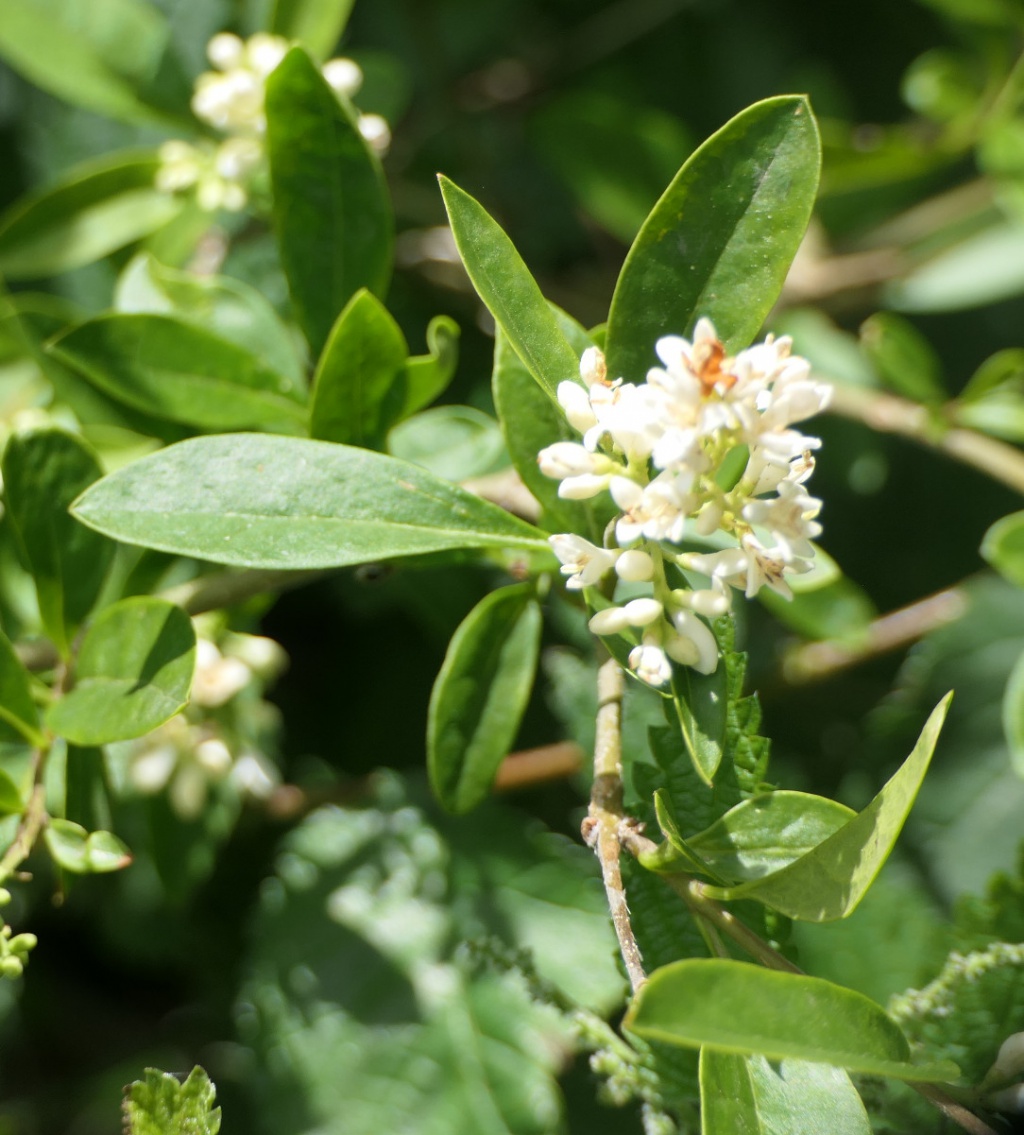
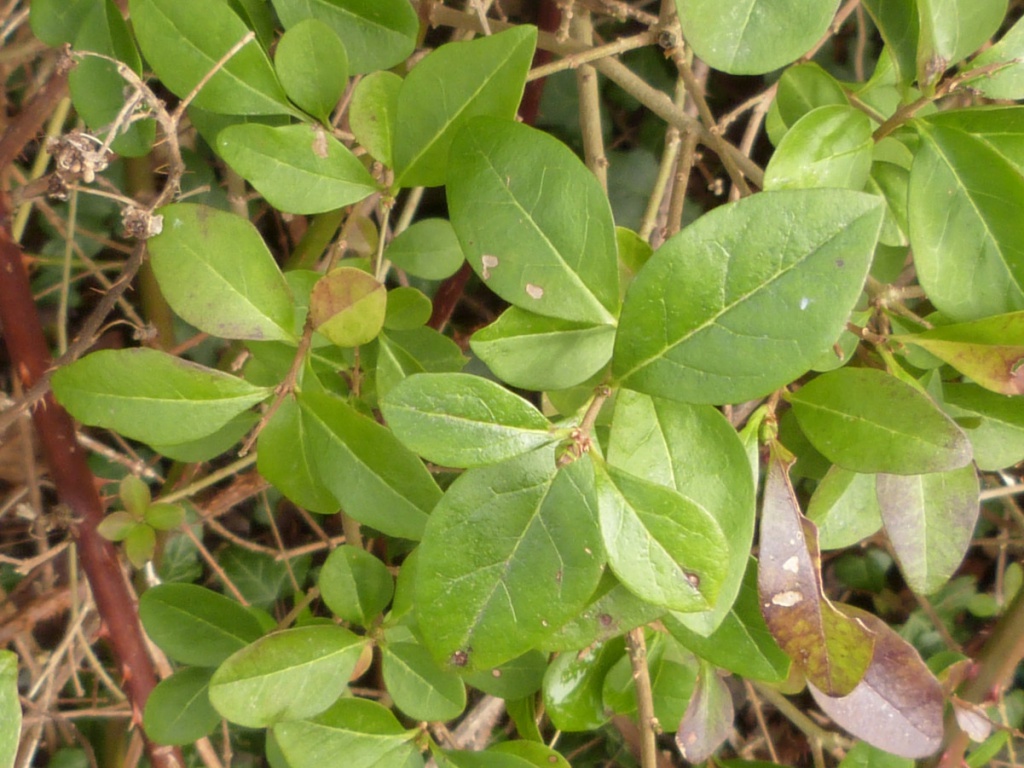
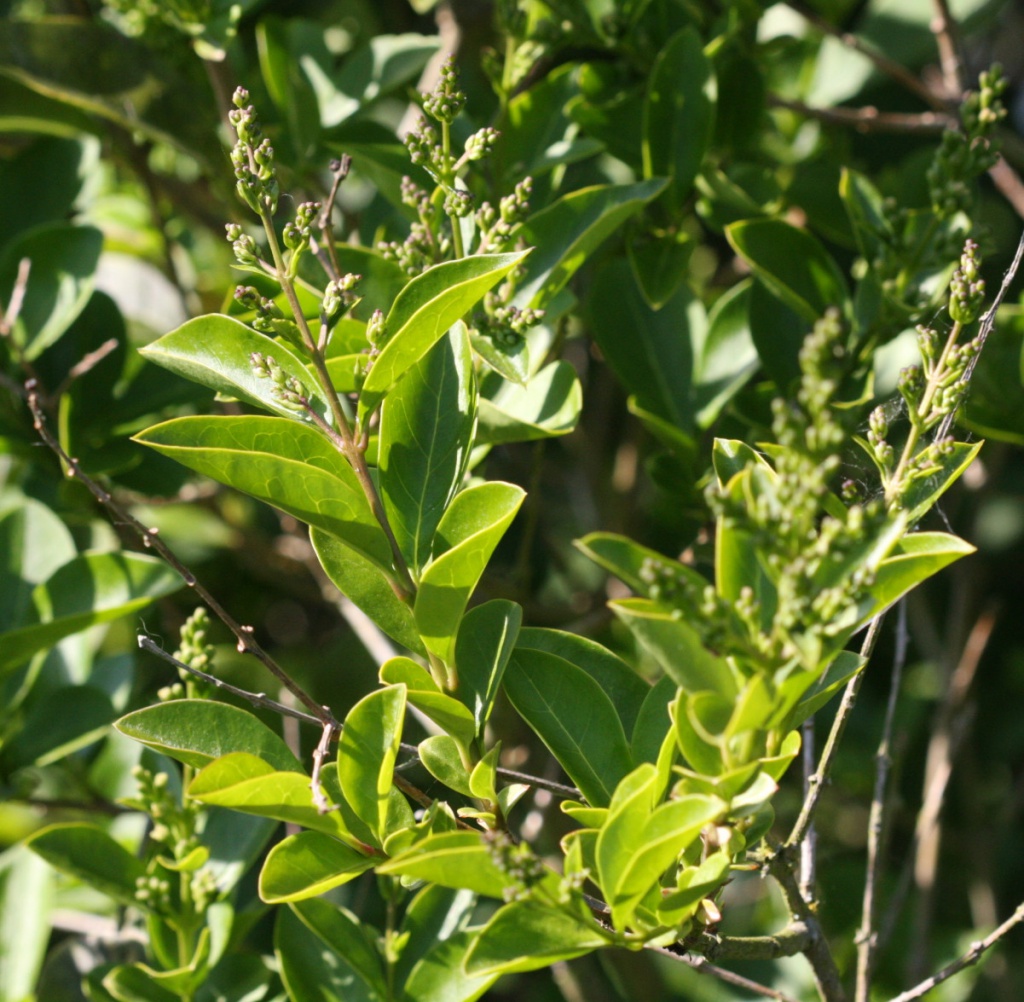
All NatureSpot records
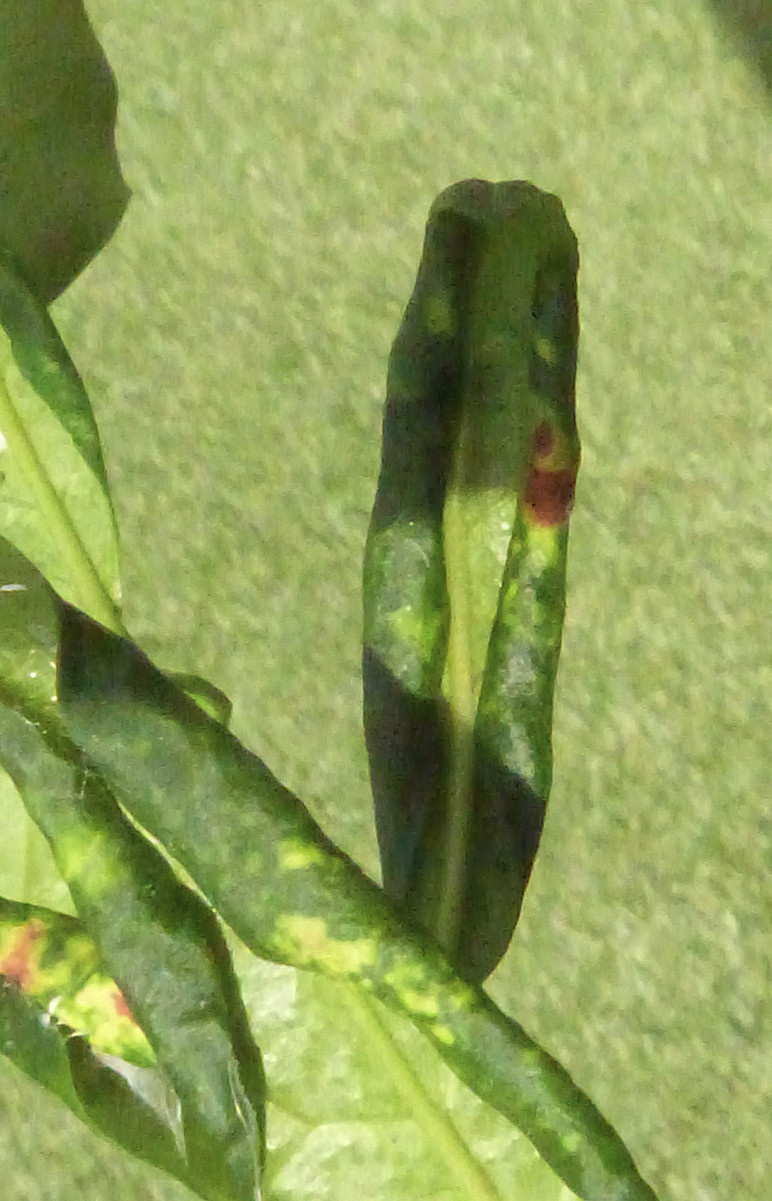
Myzus ligustri
Myzus ligustri sometimes called the Privet Aphid is pale yellow or greenish-yellow. The aphids produce a pseudo-gall by causing the leaves of Garden Privet or Wild Privet distorting the leaves, causing one or both margins to roll downwards. There is often some discolouration of the affected leaves which may have patches of yellow.
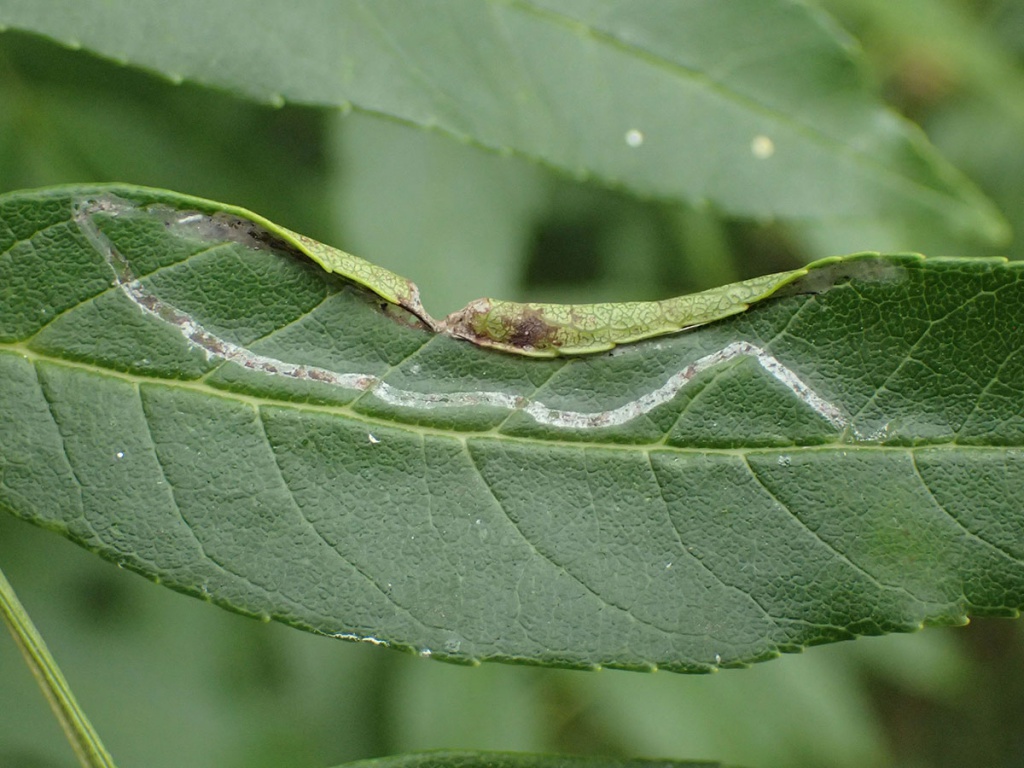
Caloptilia cuculipennella
The larva of the moth Caloptilia cuculipennella mines the leaves of Ash and Privet. On Ash, the larva makes a thin silvery gallery mine on the upper leaf surface which causes a slight upward fold of the leaf-edge. It then leaves the mine and feeds inside a cone caused by a double leaf-fold at the tip, eventually pupating inside.
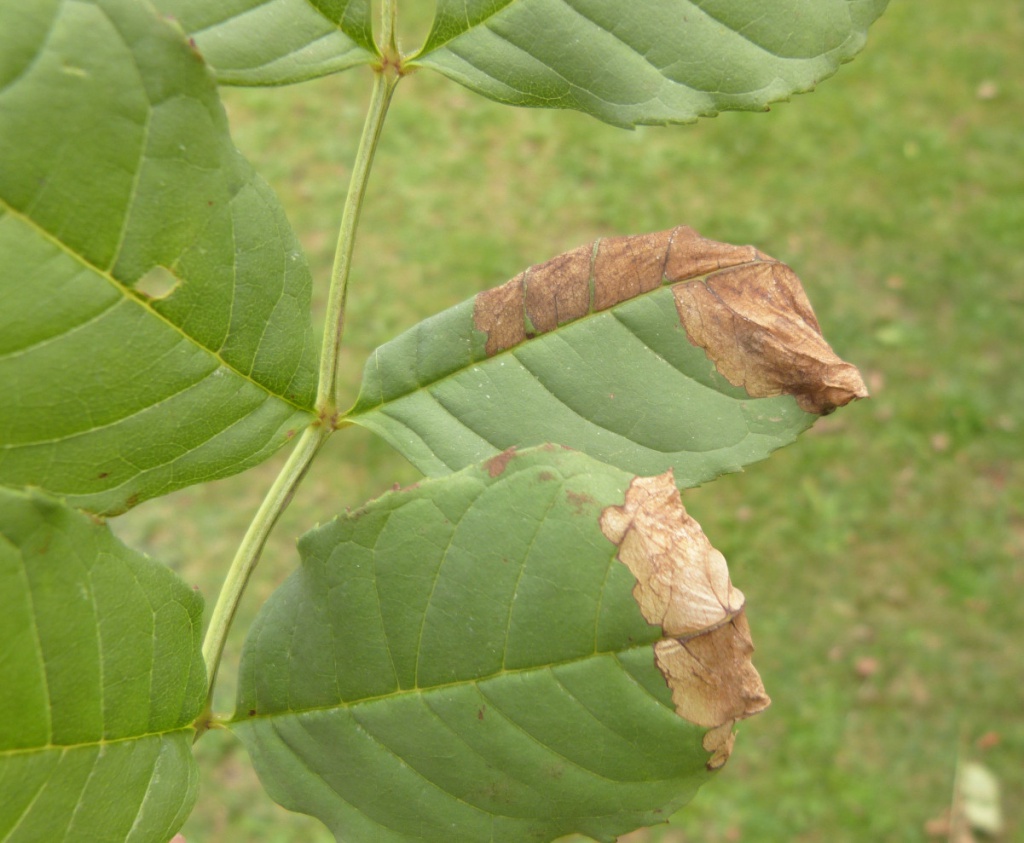
Gracillaria syringella
The larvae of the moth Gracillaria syringella mine the leaves of Lilac, Ash, Privet and Jasmine, often gregariously, in a large blotch mine.