Fox
Fox - Vulpes vulpes
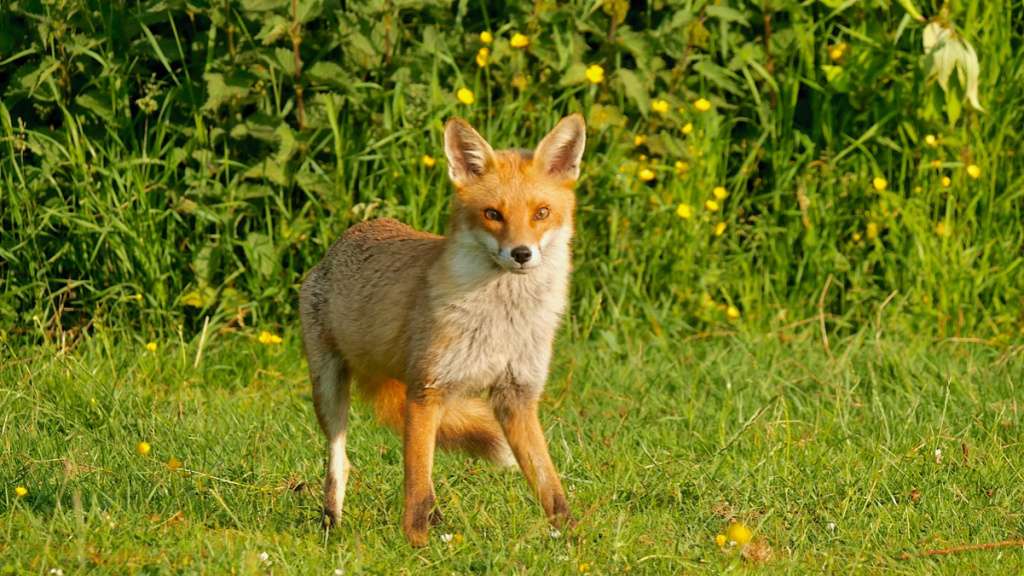
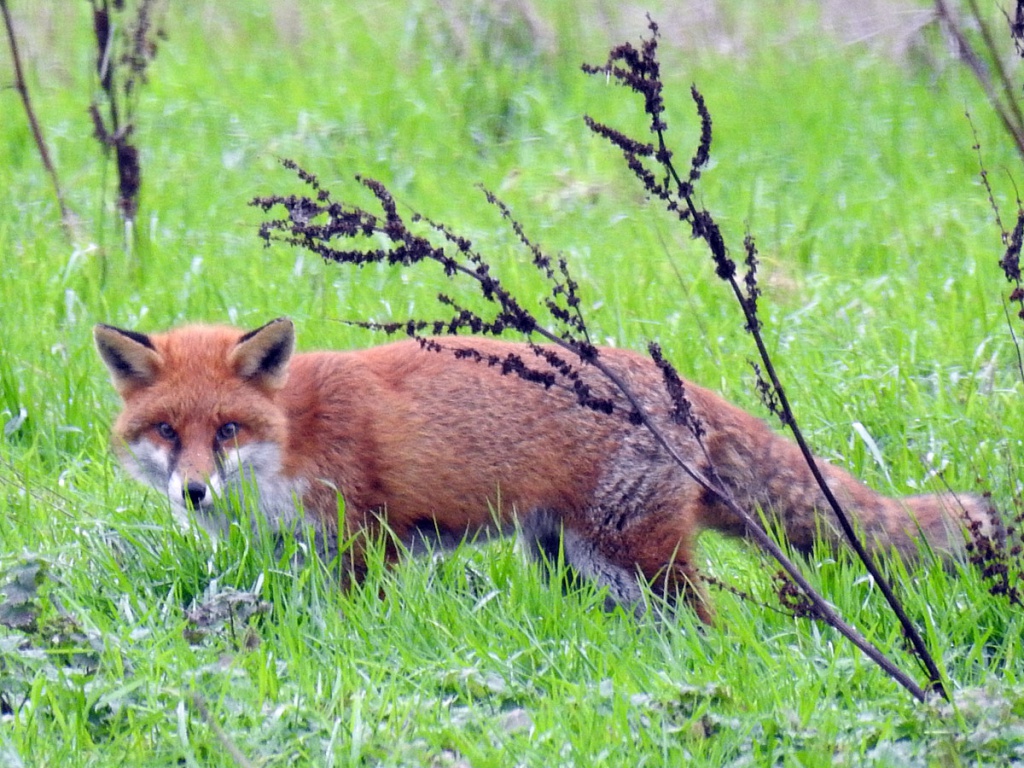
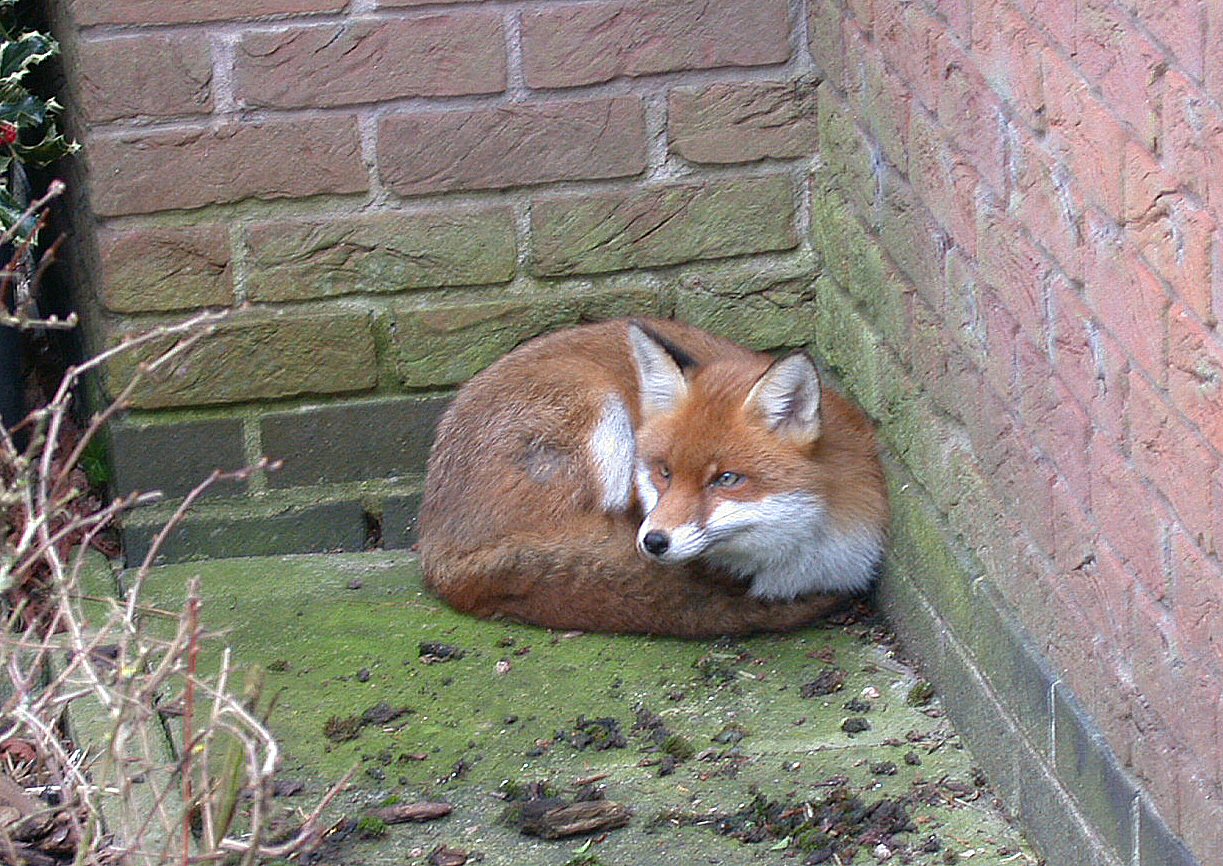
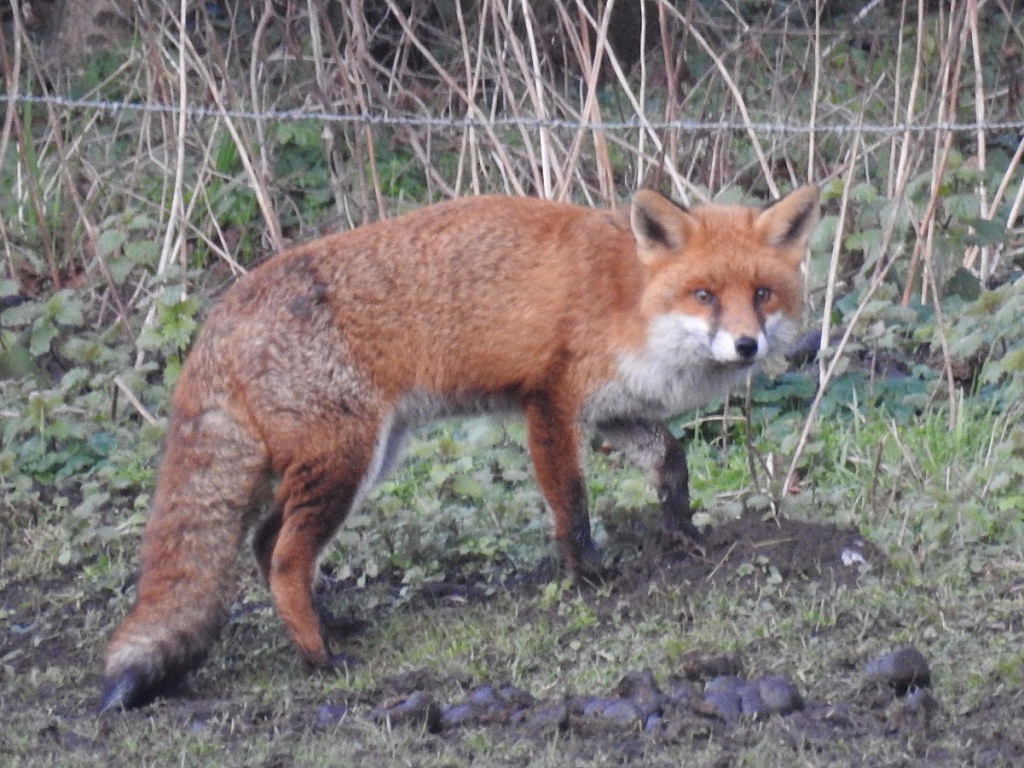
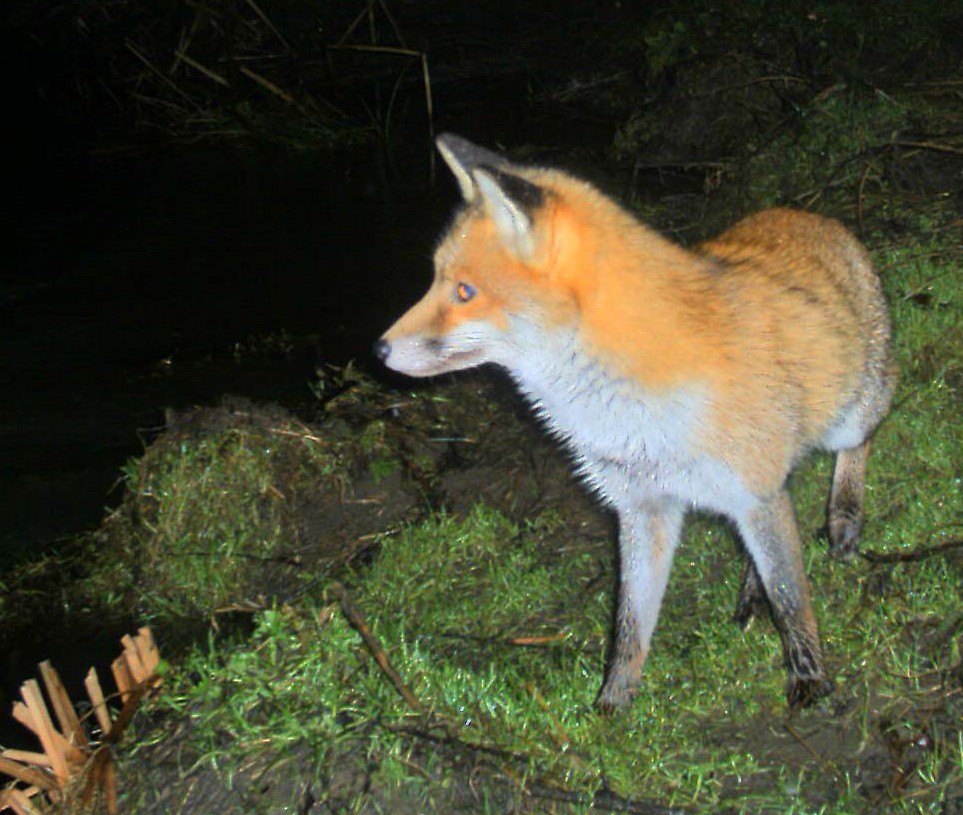
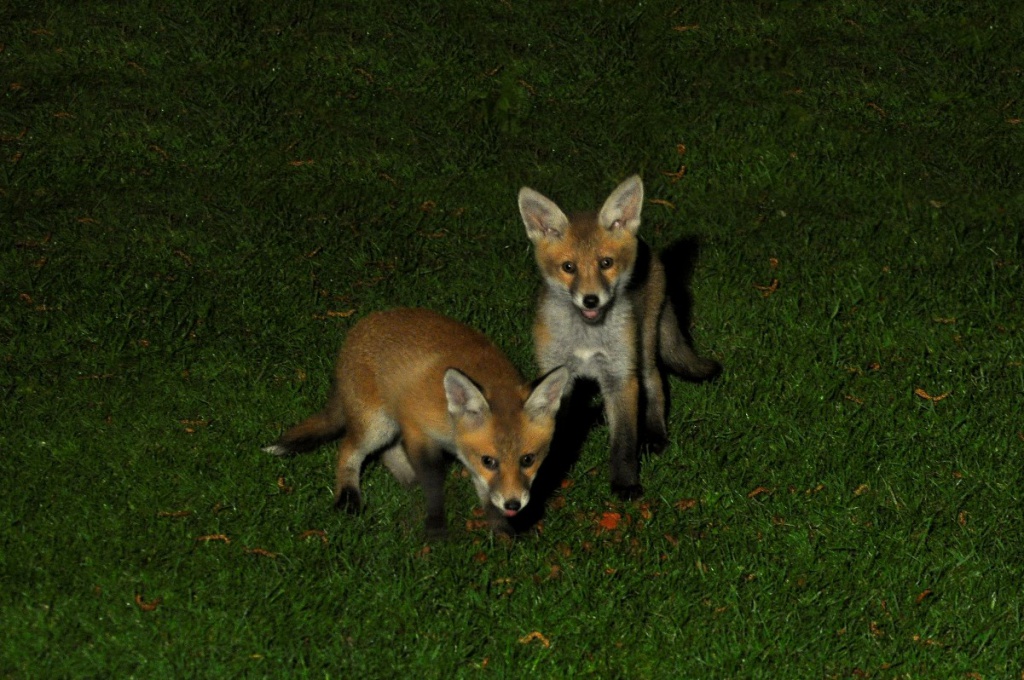
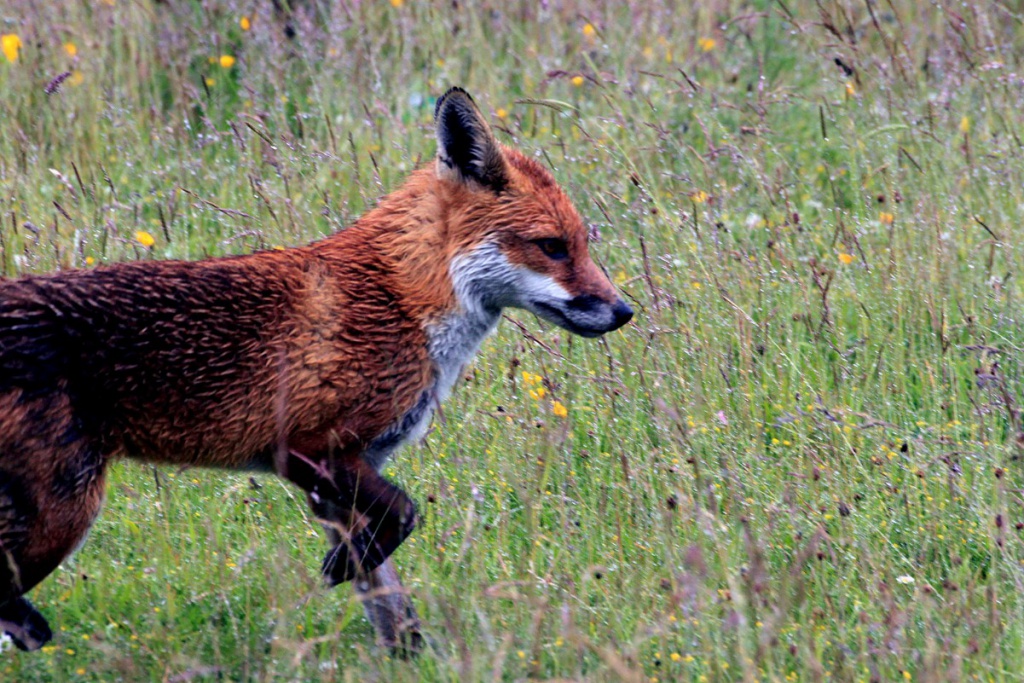
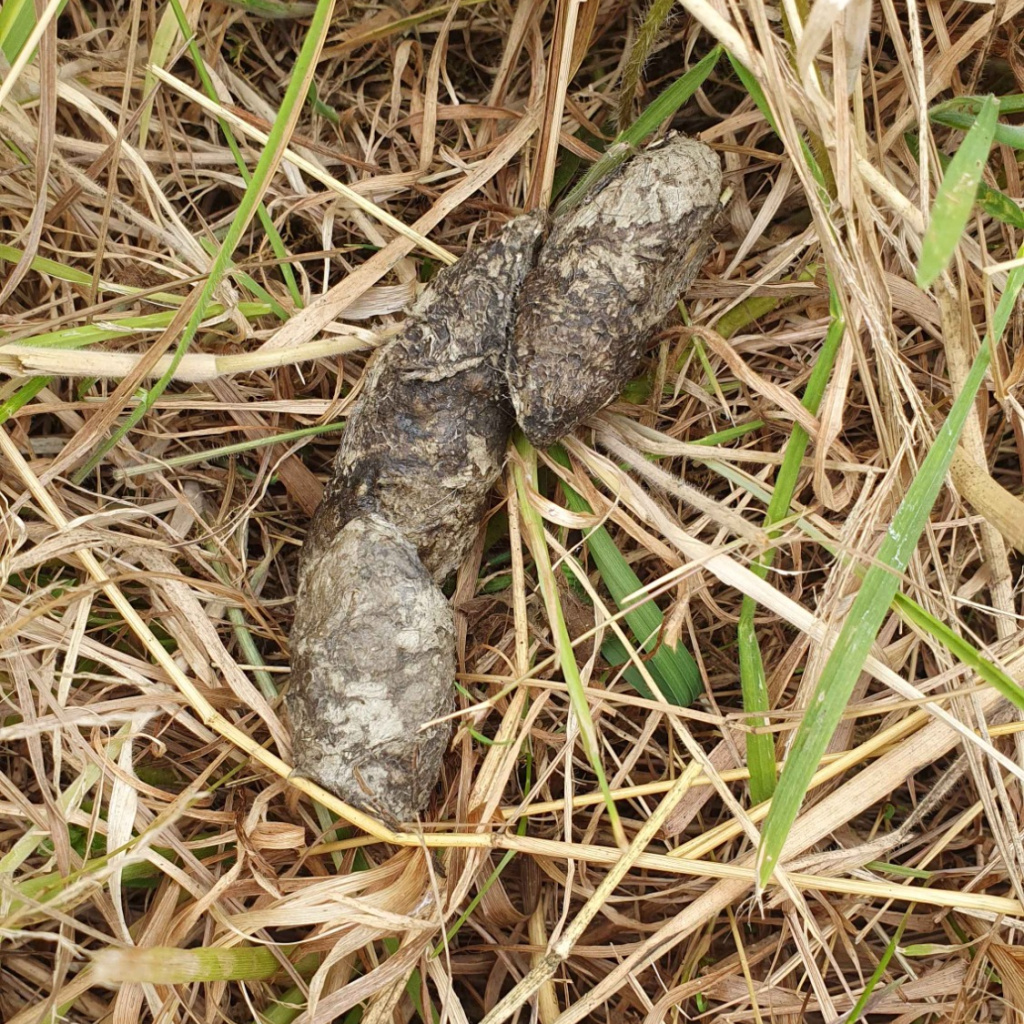
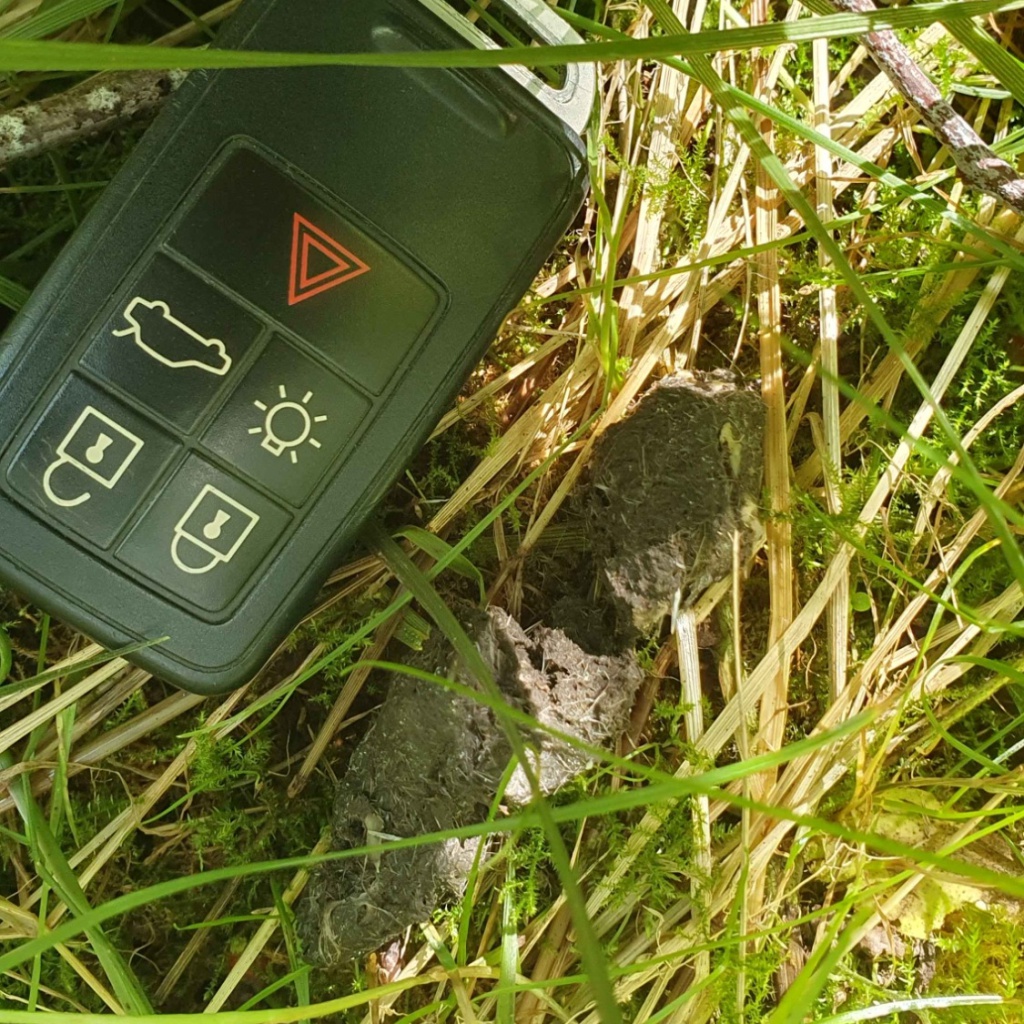
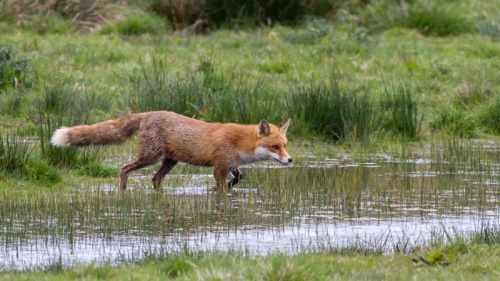
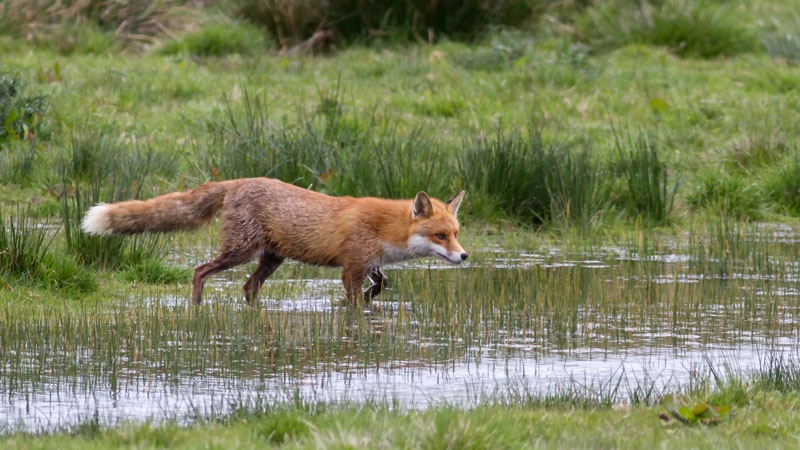
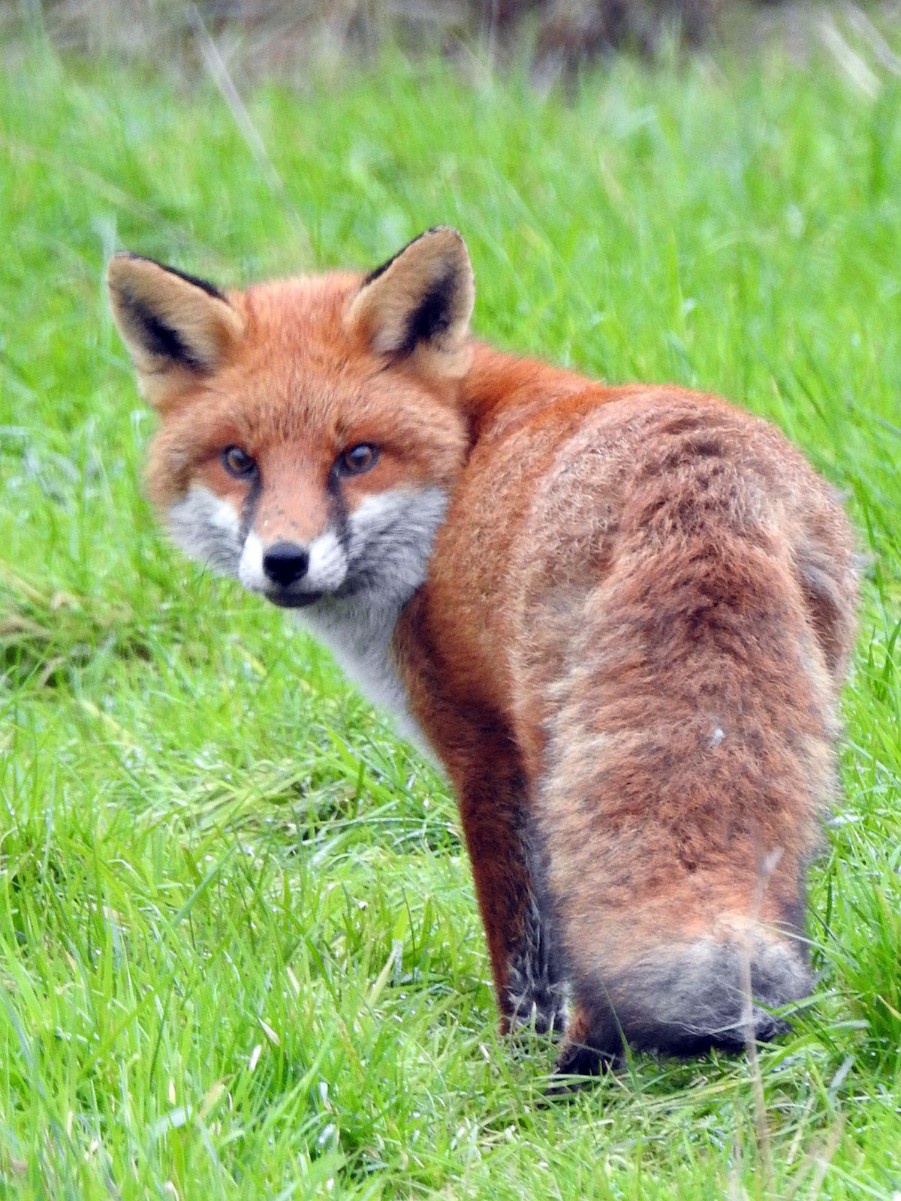
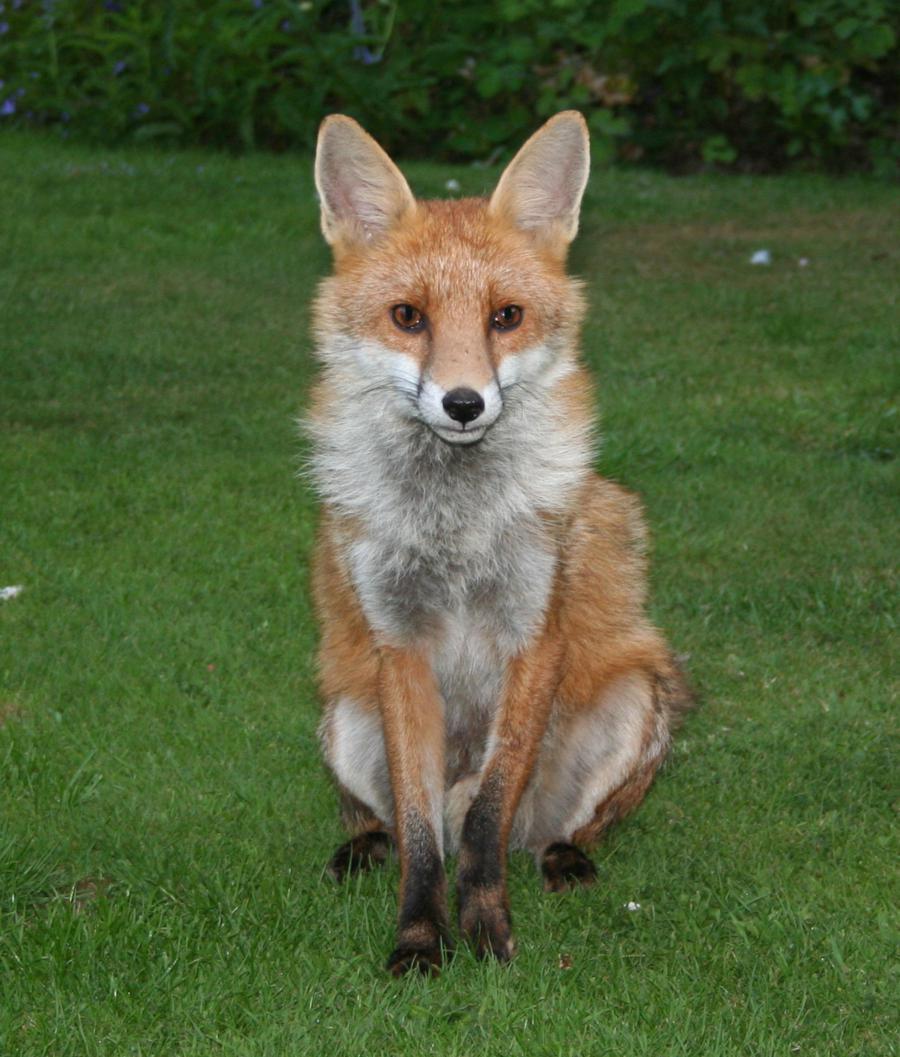
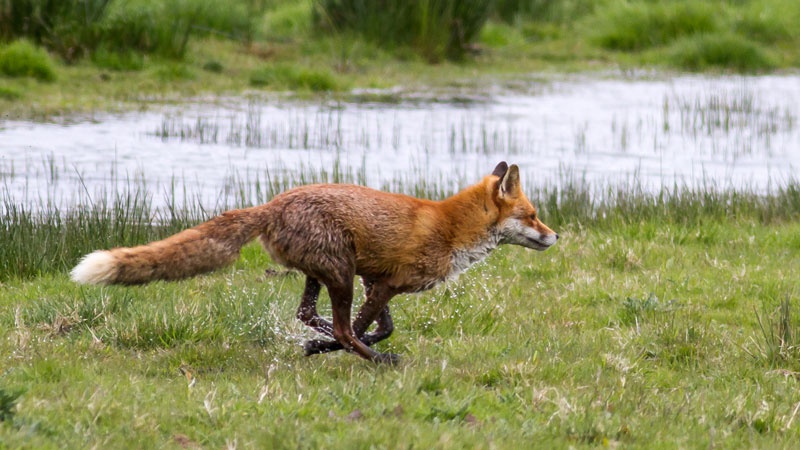
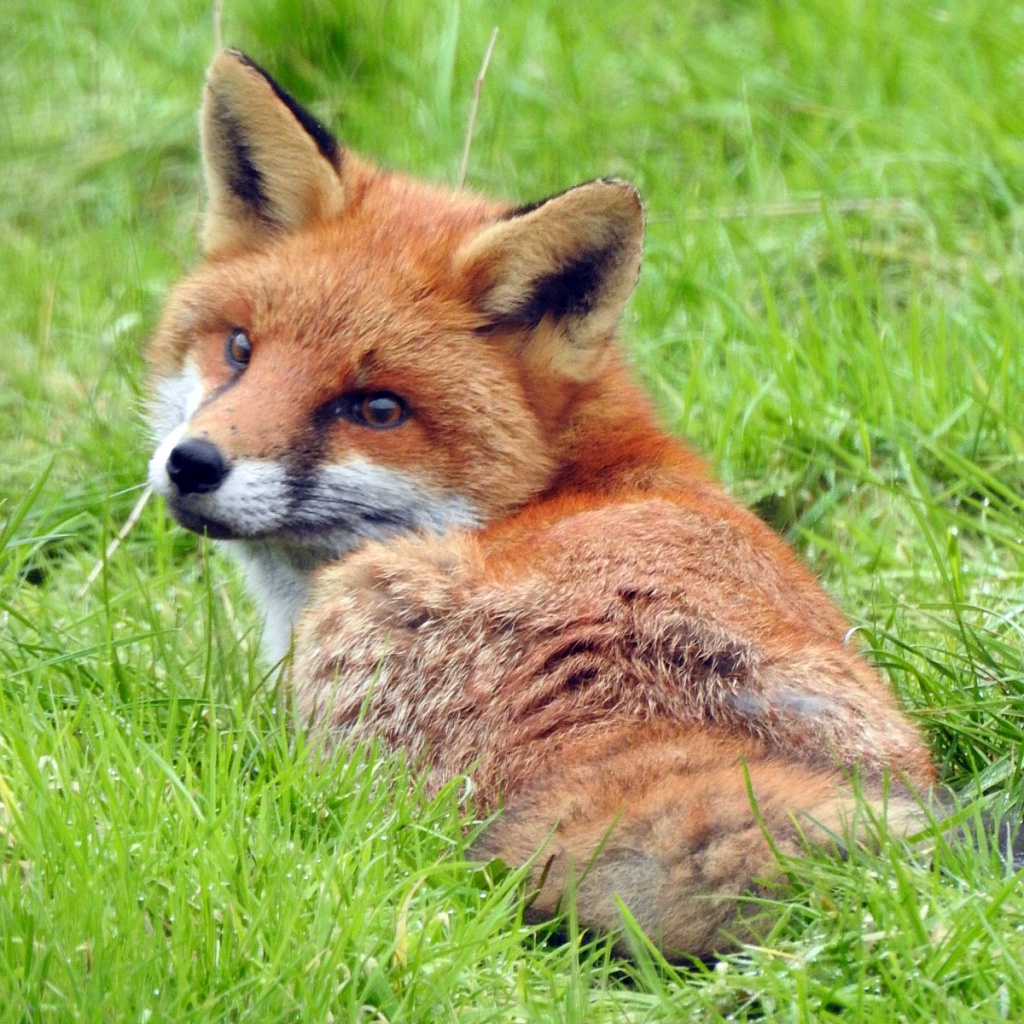
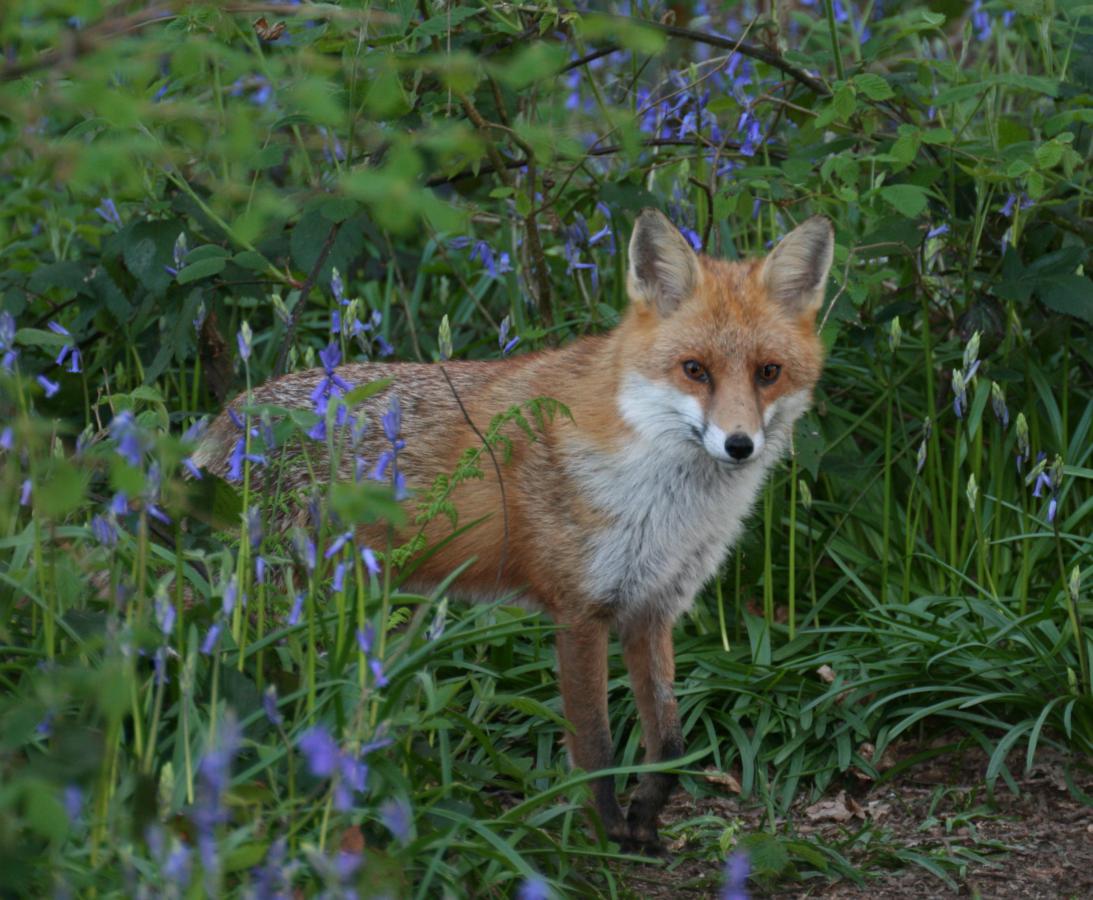
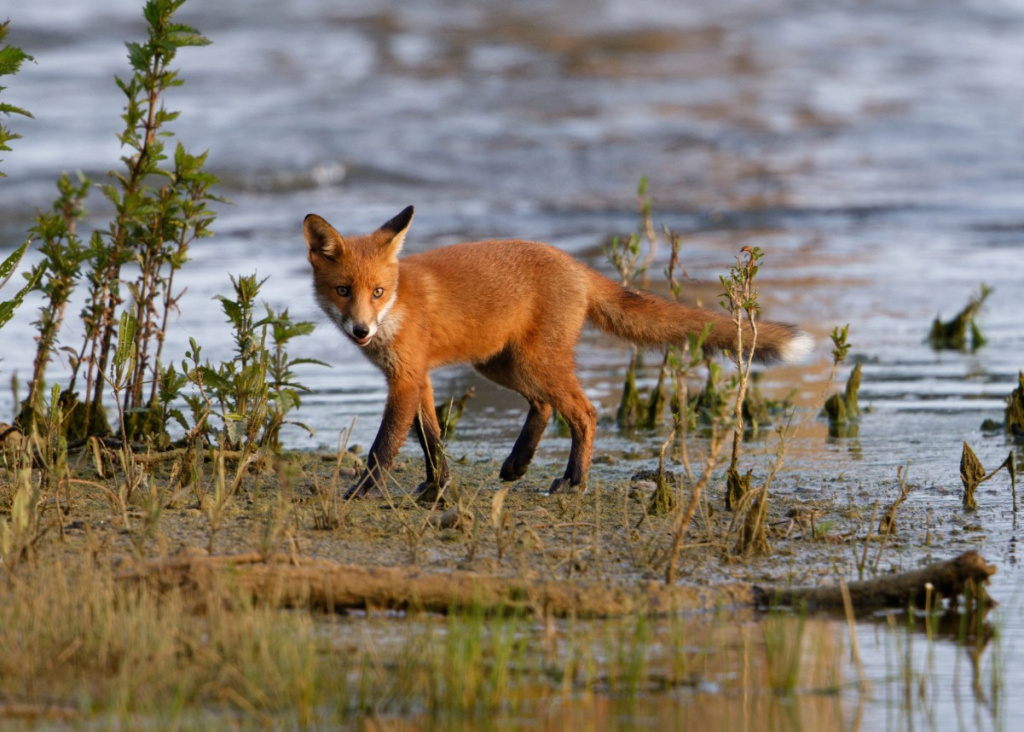
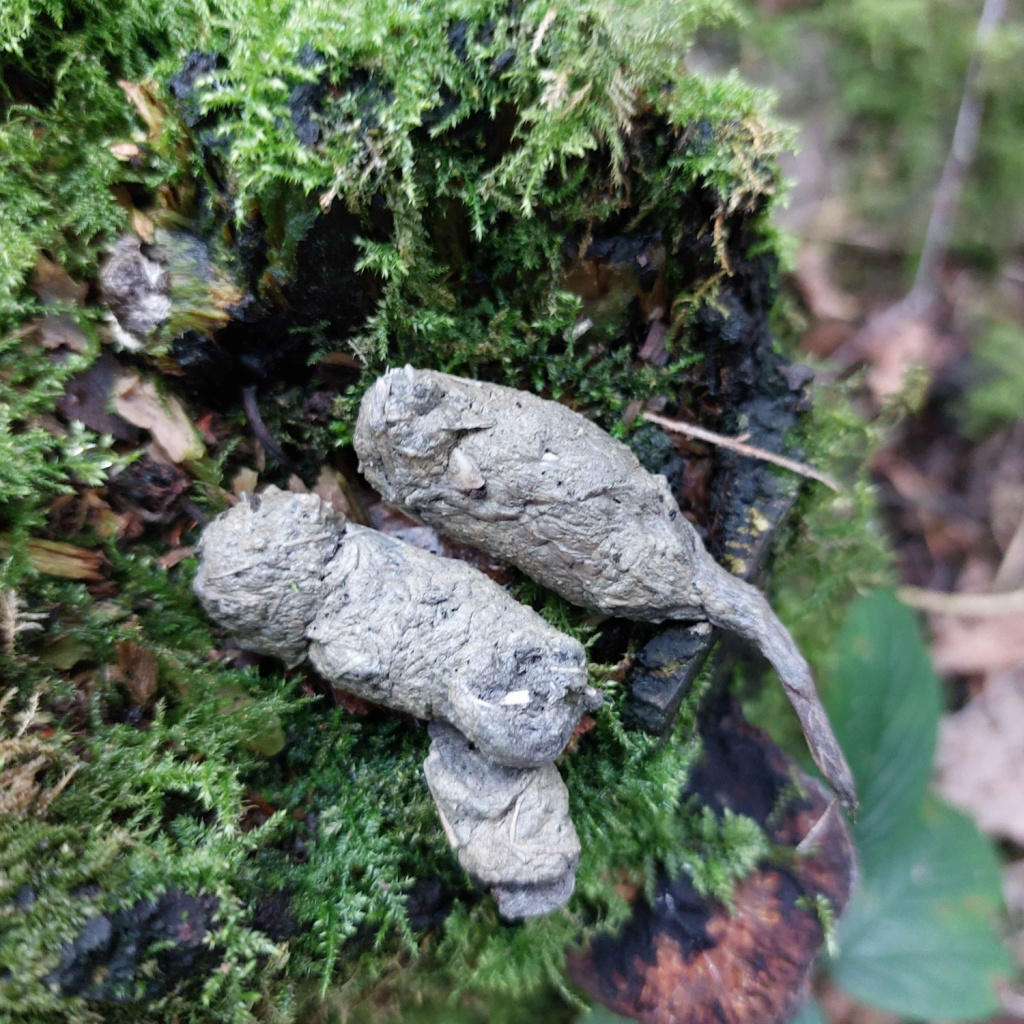
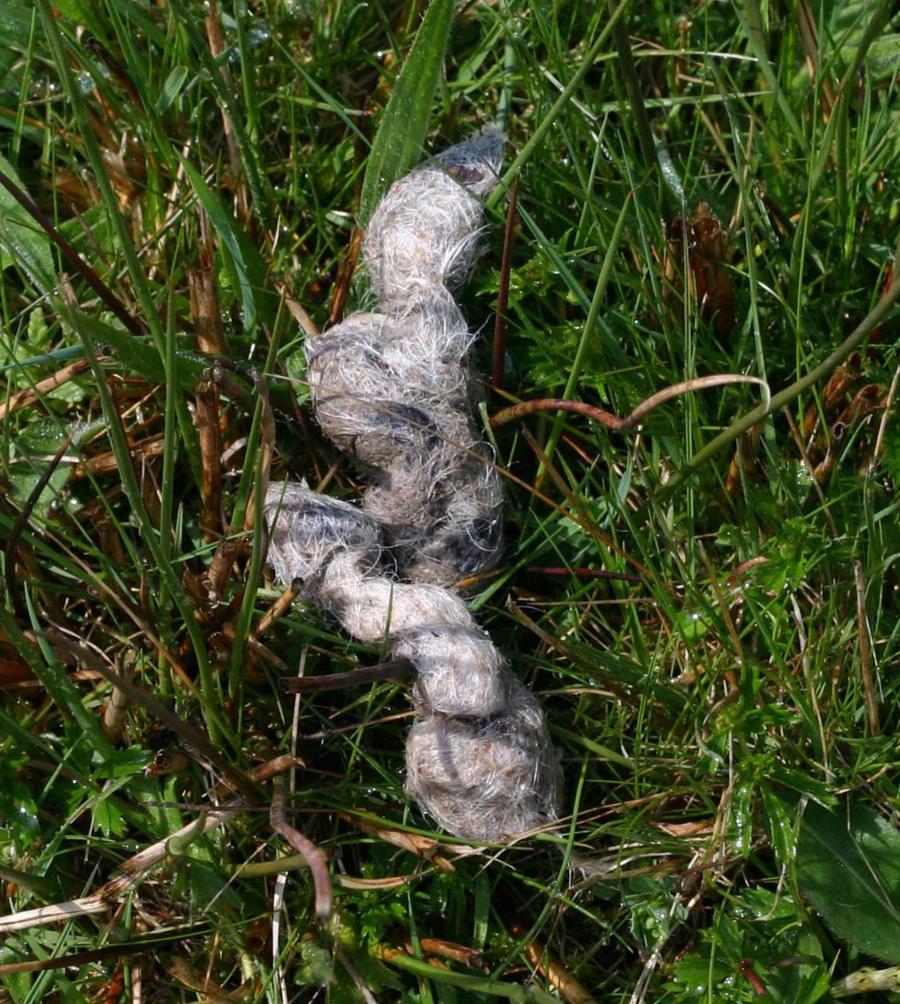
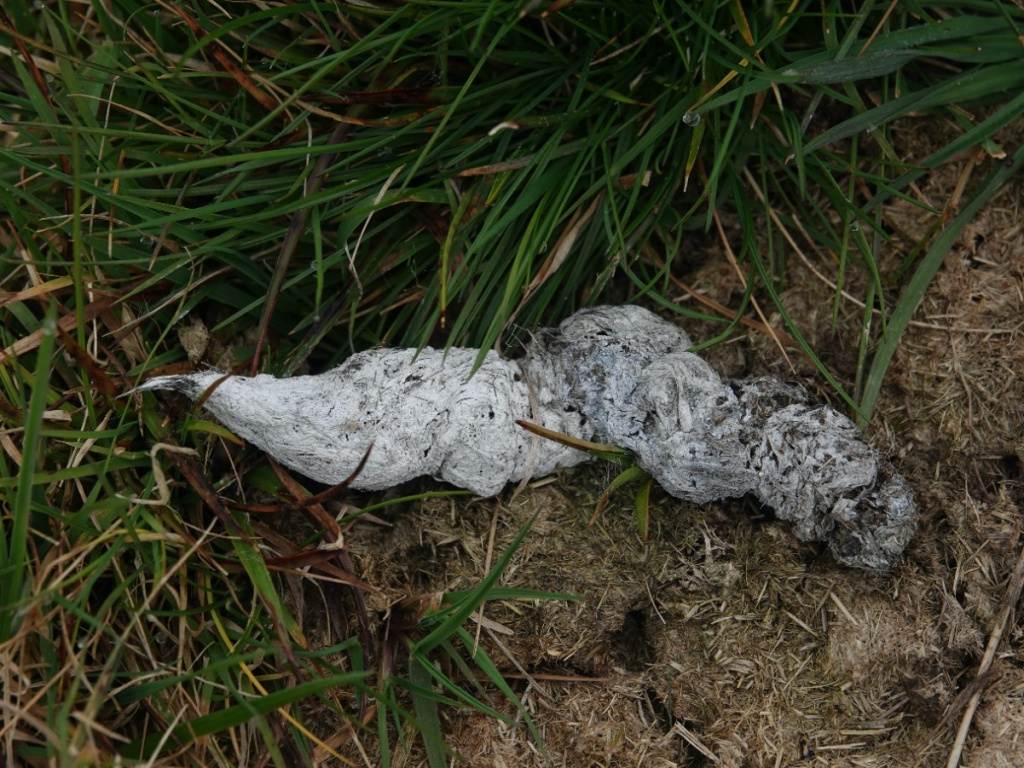
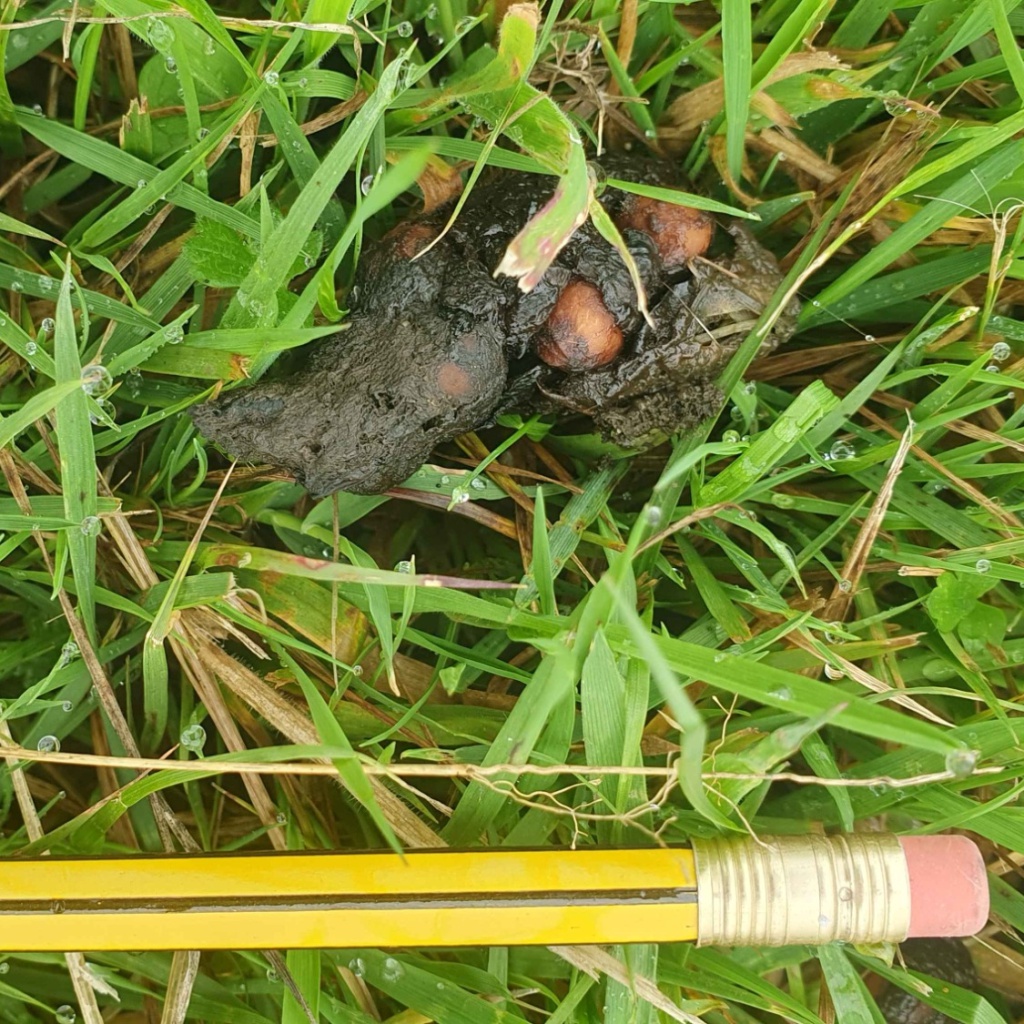
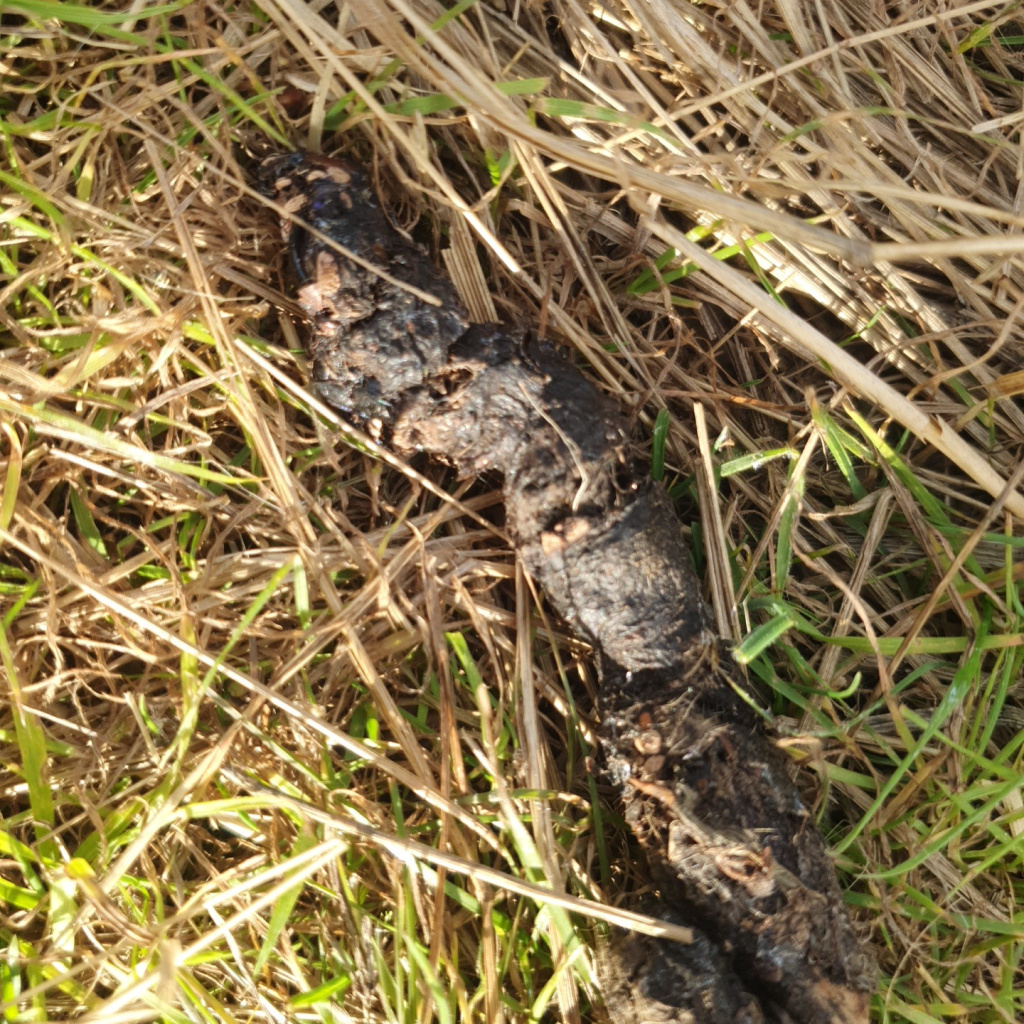
The Red Fox is most commonly a rusty red, with white underbelly, black ear tips and legs, and a bushy tail usually with a distinctive white tip. Foxes leave their droppings (called scats) in prominent places, such as on stones or tufts of grass, as territorial markers. Fox scats tend to be hairy, may contain bones and shaped in a tapering spiral.
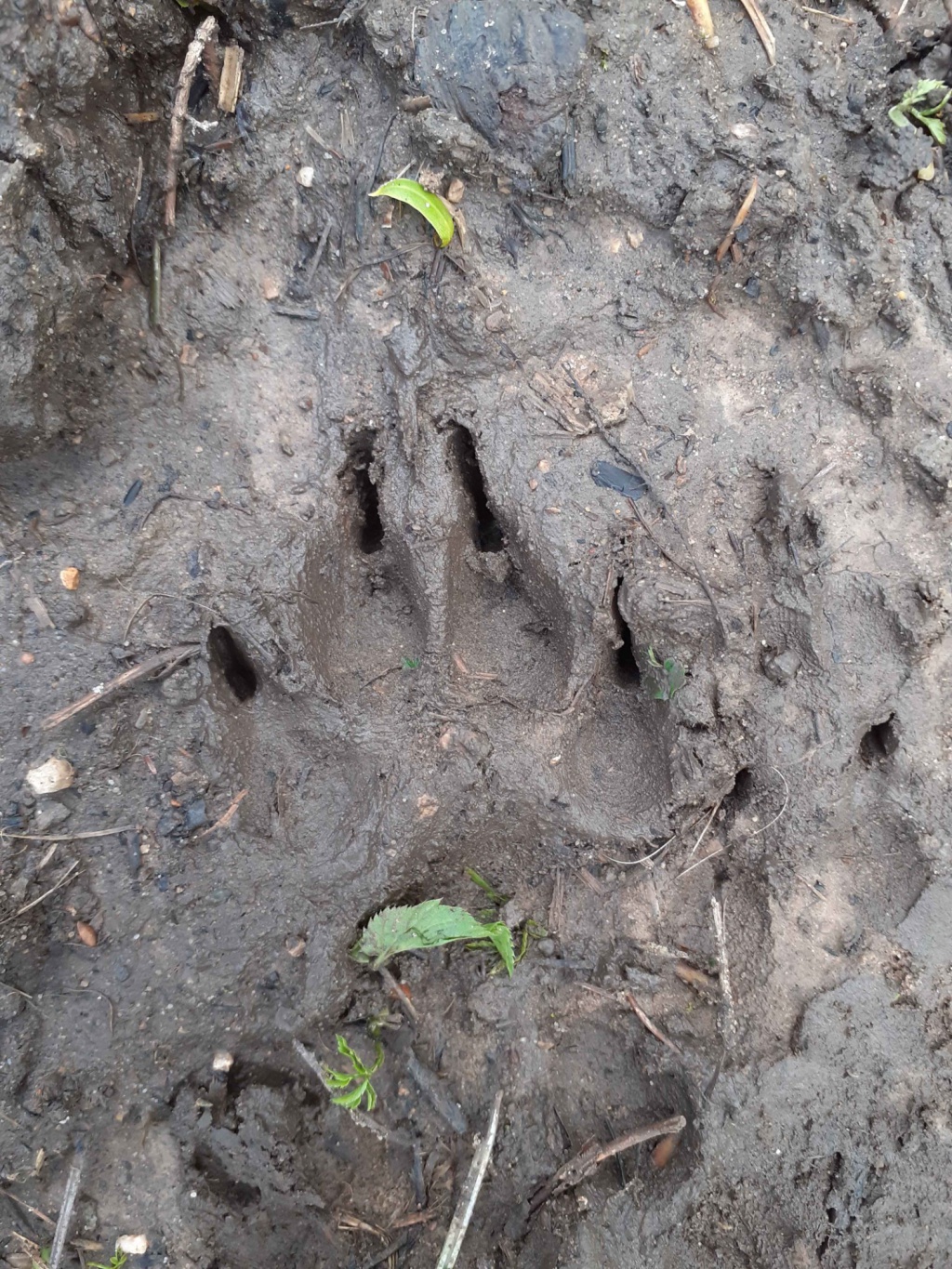
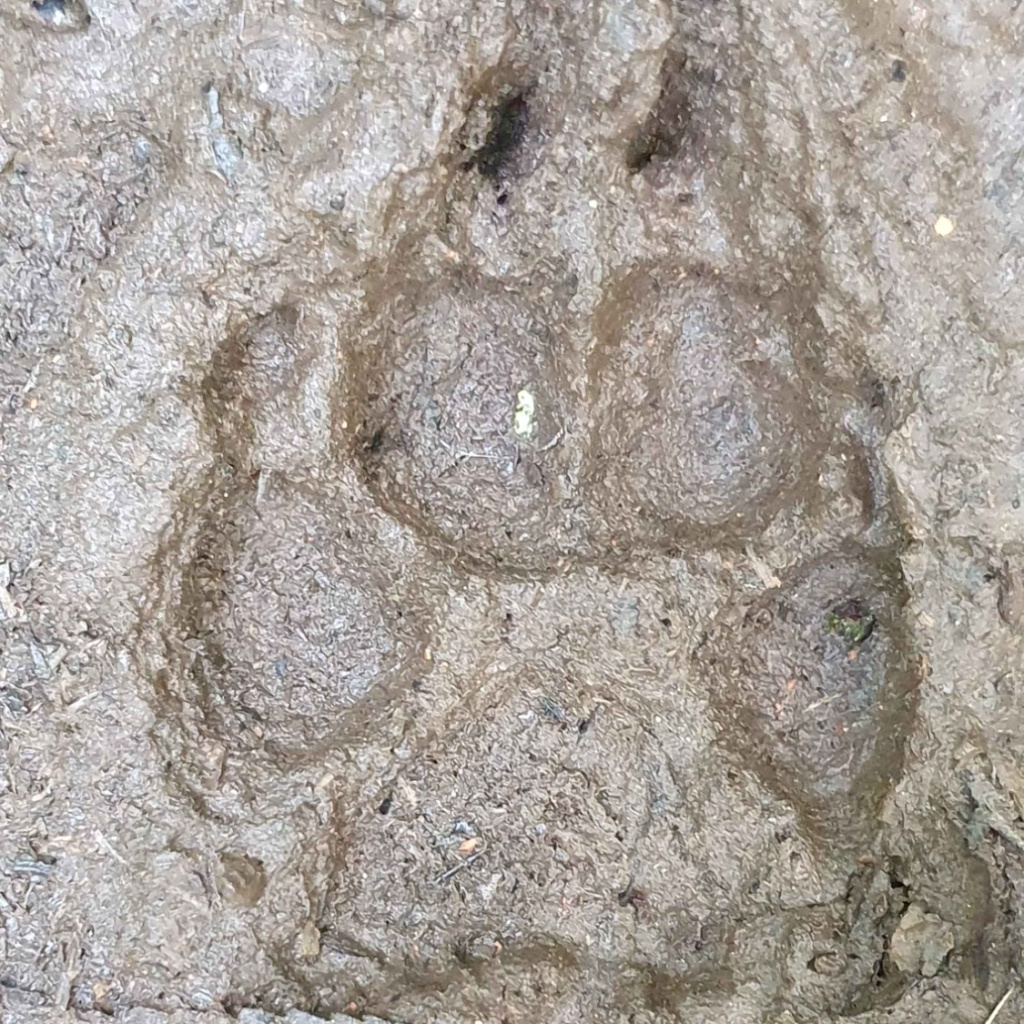
Domestic cat prints look similar
Adult  , Paw prints
  , Scats
The paw prints are symmetrical and it is possible to draw an imaginary cross between the outer toes and avoid the central pad (with dogs this is not possible)
Clear photograph of any field sign showing the size
Very wide spread in the countryside and urban environments. It will readily colonise gardens, parks, allotments as well as more rural areas such as woodlands and farmlands where there is a readily available food source.
All year round
Gives birth and spends much of the daytime in an underground 'earth'. In urban/suburban areas, these can be under garden sheds. Foxes are omnivorous and are highly opportunistic. Prey can range in size from small insects to mice and rabbits.
Widespread and common in Britain and Ireland. There is a high density of foxes in Leicester, indeed urban fox densities can be 5 times that of rural areas.
Common in Leicestershire and Rutland.
 Rod Baker
Rutland Water
02 May 2015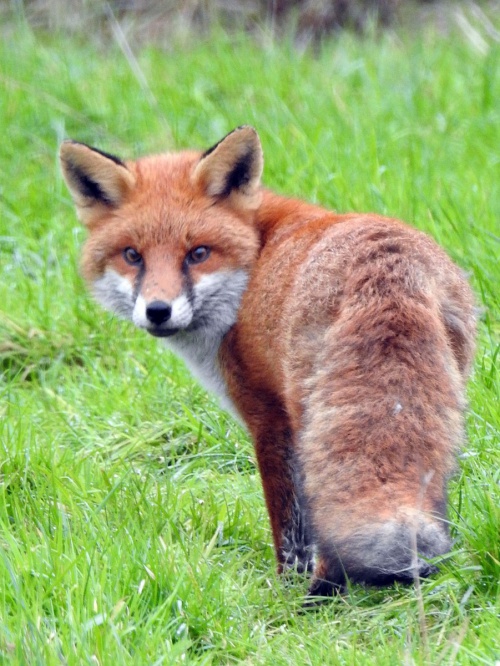 David Gould
Aylestone Meadows, Leicester.
23 January 2016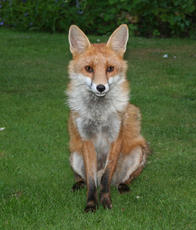 Dianne Braker
Groby garden1
09 July 2009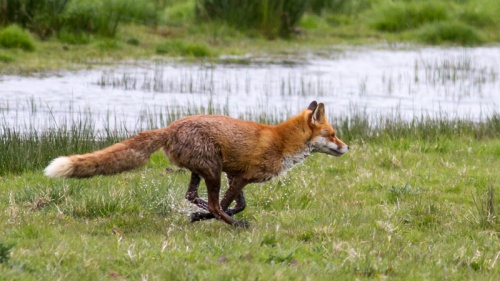 Rod Baker
Rutland Water
02 May 2015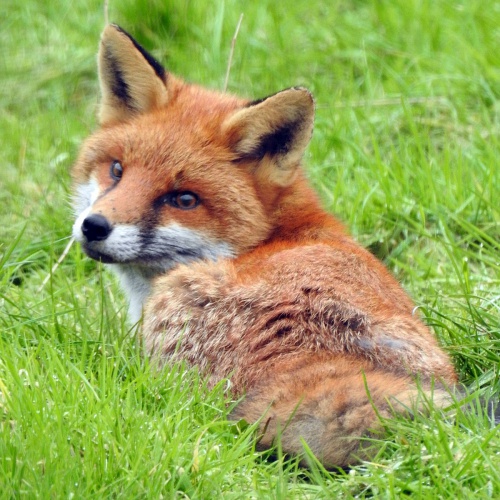 David Gould
Aylestone Meadows, Leicester.
23 January 2016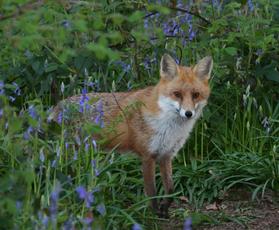 Dianne Braker
Martinshaw Wood
20 April 2009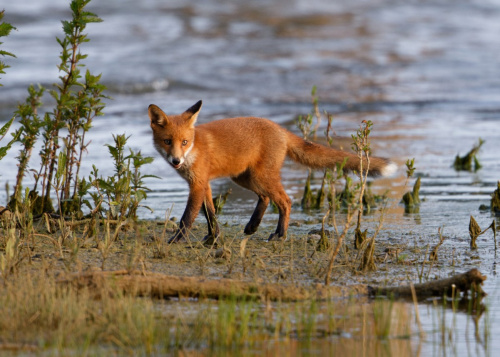 marianmarkham@btinternet.com
Lyndon Nature reserve
08 June 2025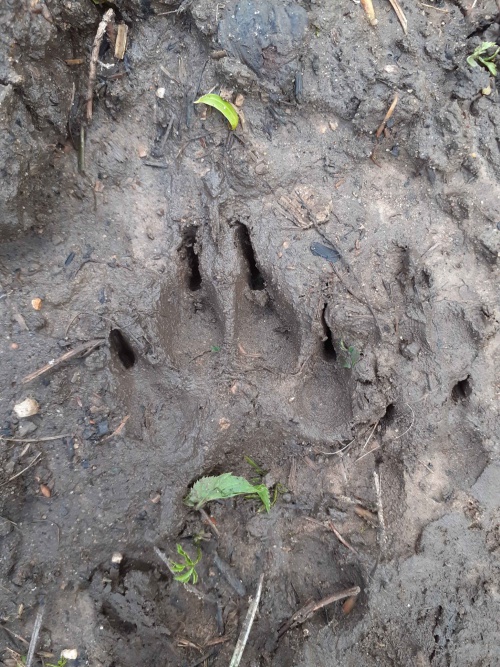 Mandy Thomas
02 April 2023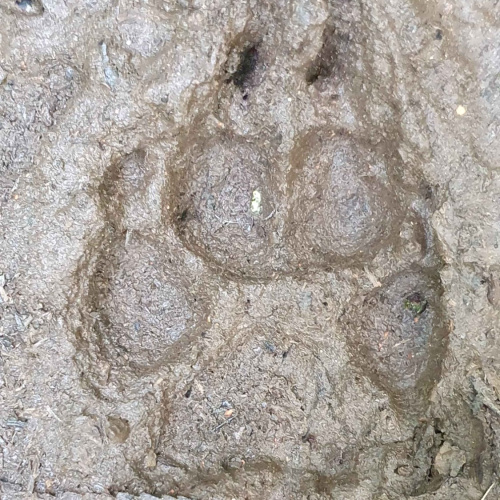 Helen O'Brien
Swannington, Leicestershire
28 September 2024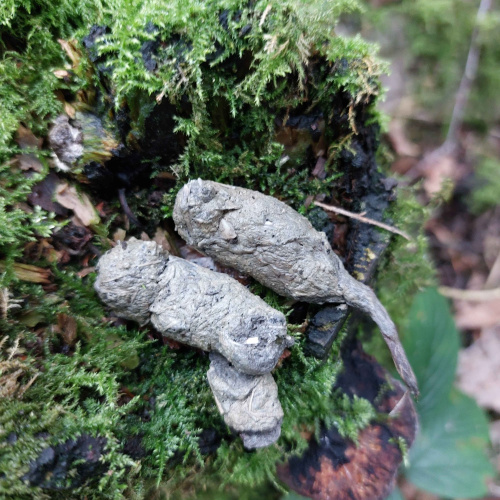 Isabel Raval
Blackbrook Reservoir Trail
14 January 2025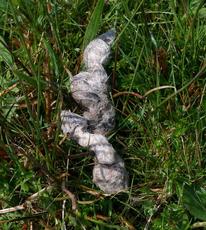 David Nicholls
Ulverscroft NR
02 May 2008
faecal 'scat'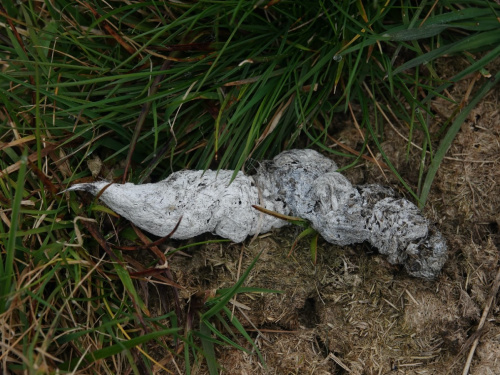 egaten
Charnwood Lodge
10 March 2025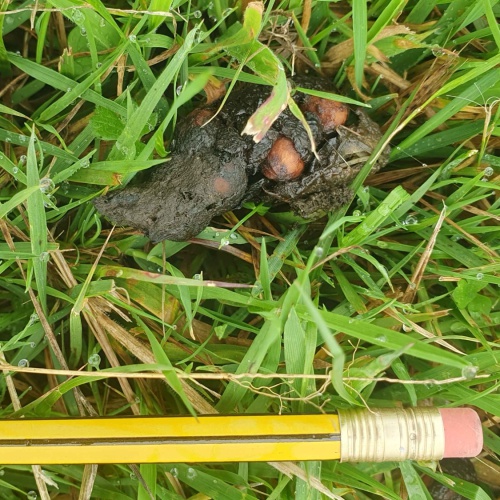 Helen O'Brien
Ashwell Farm, Bitterswell
31 July 2023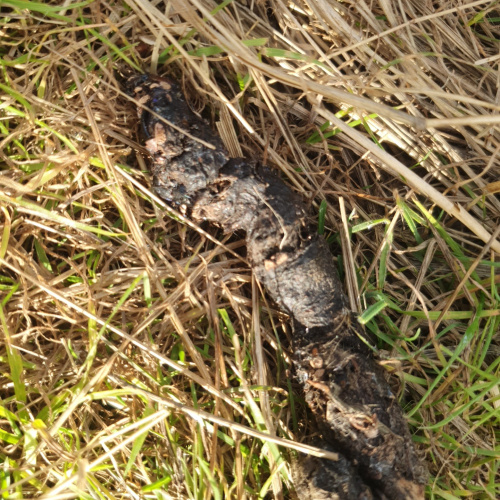 Helen O'Brien
Syston, off Meadow Lane
06 September 2023
Leicestershire & Rutland Map
Enter a town or village to see local records
MAP KEY:
Yellow squares = NBN records (all known data)
Coloured squares = NatureSpot records: 2025+ | 2020-2024 | pre-2020
UK Map
Additional images