Fabricius' Nomad Bee
Fabricius' Nomad Bee - Nomada fabriciana
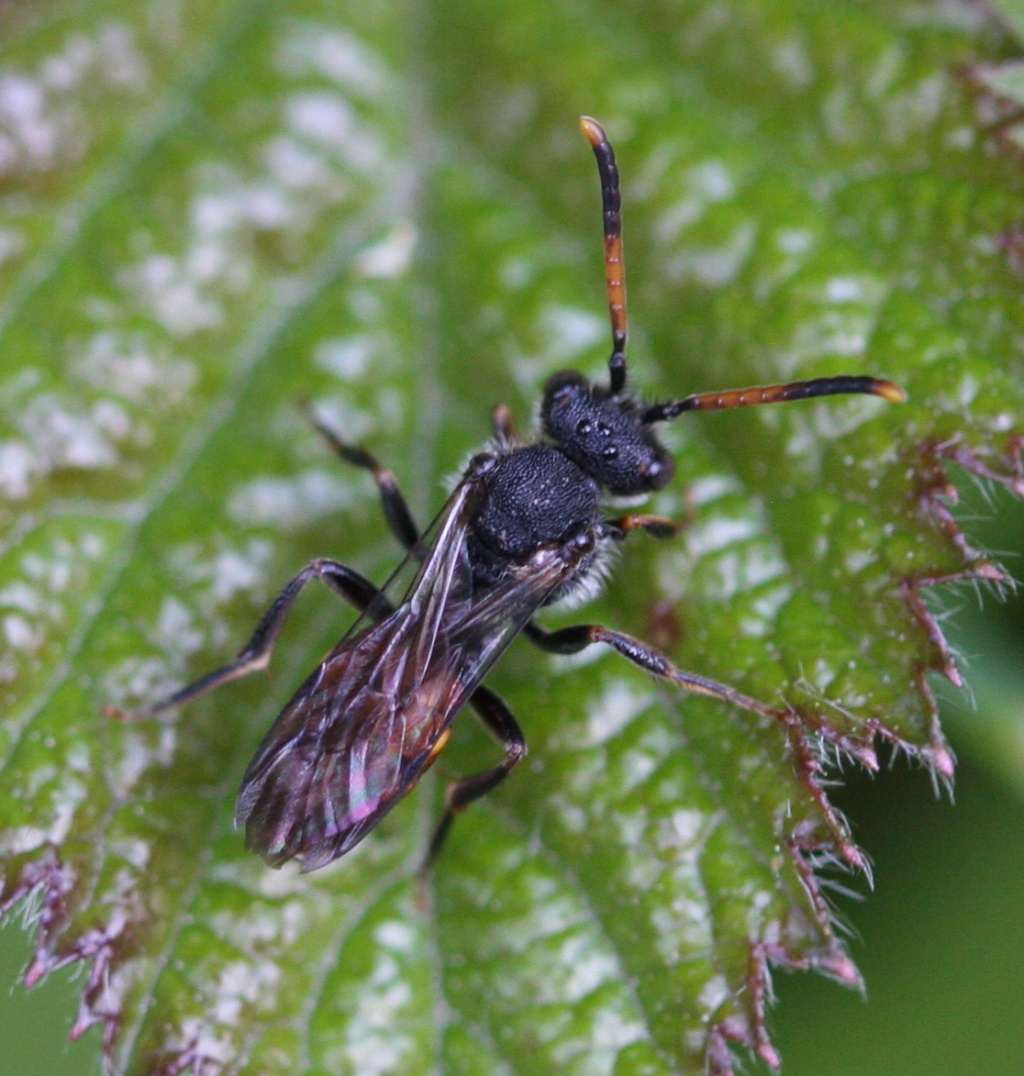
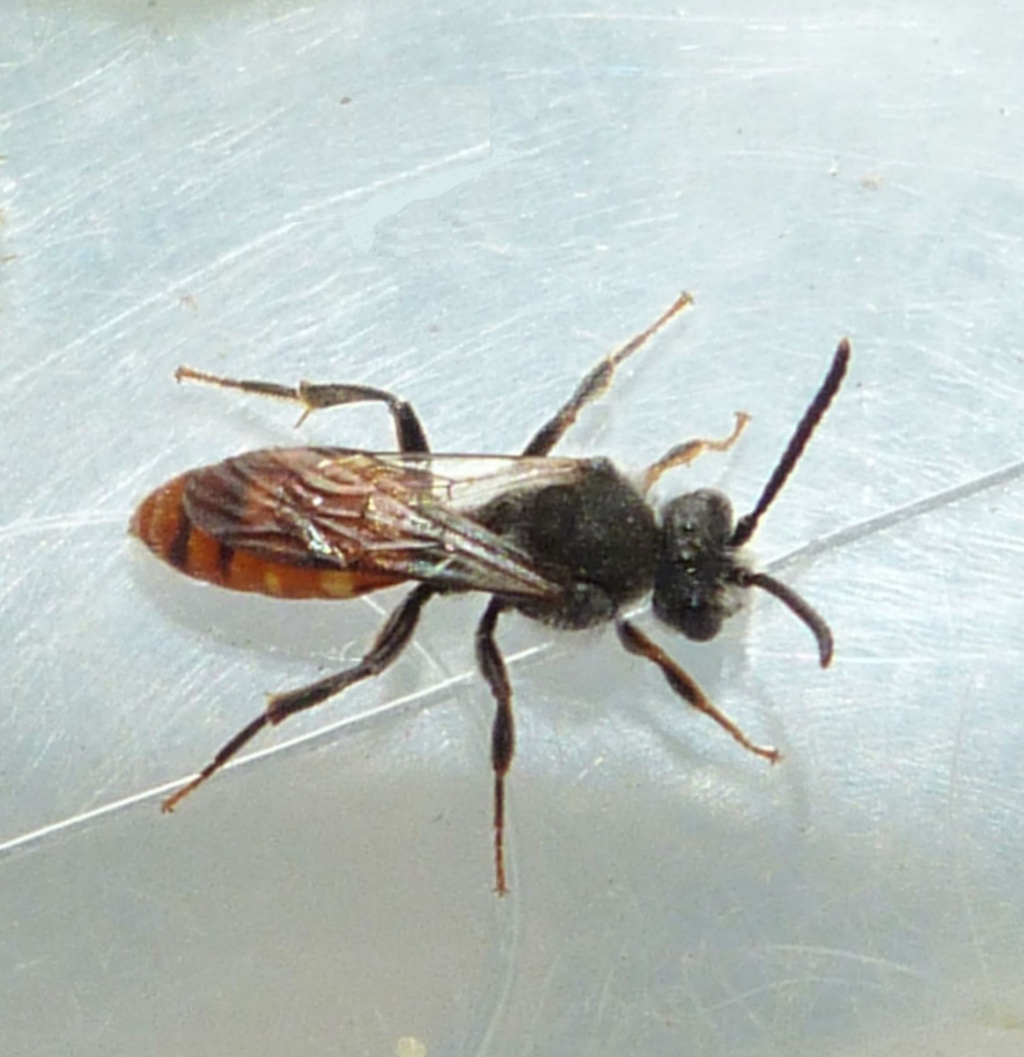
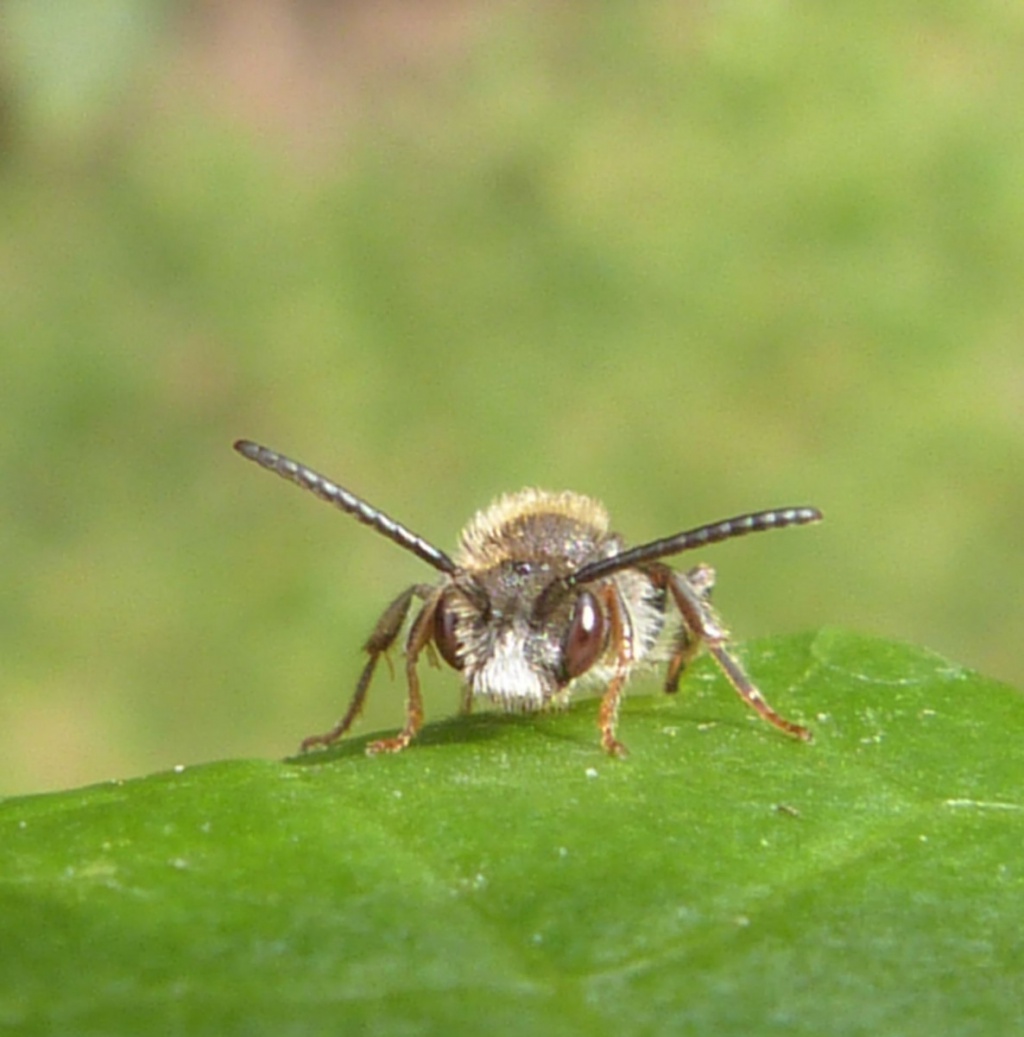
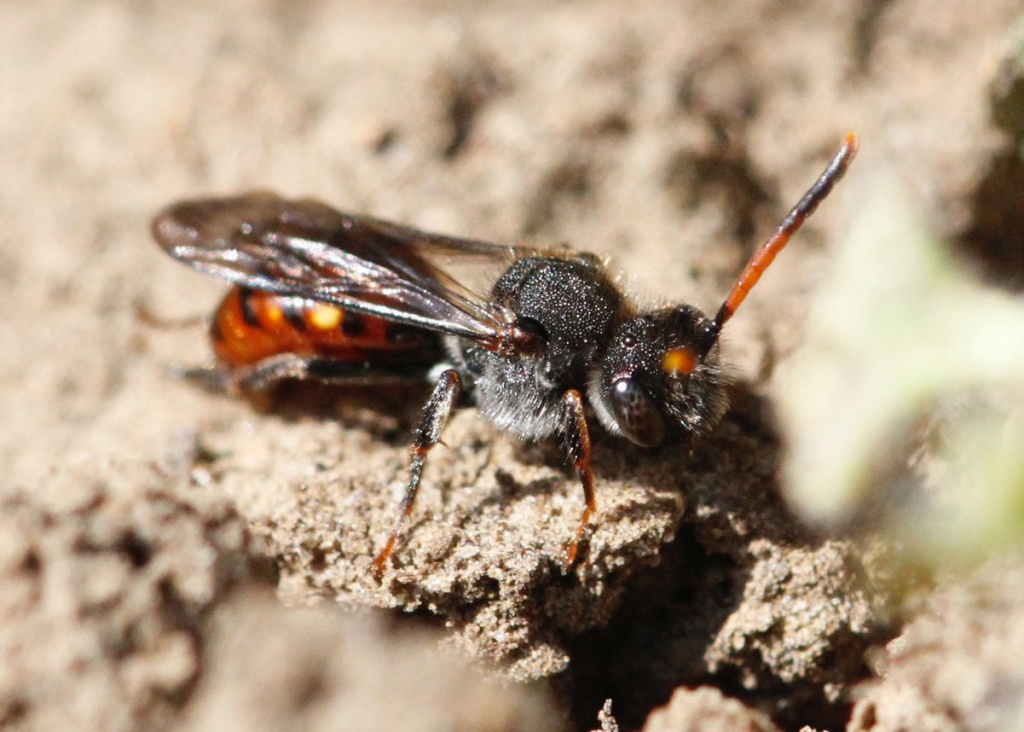
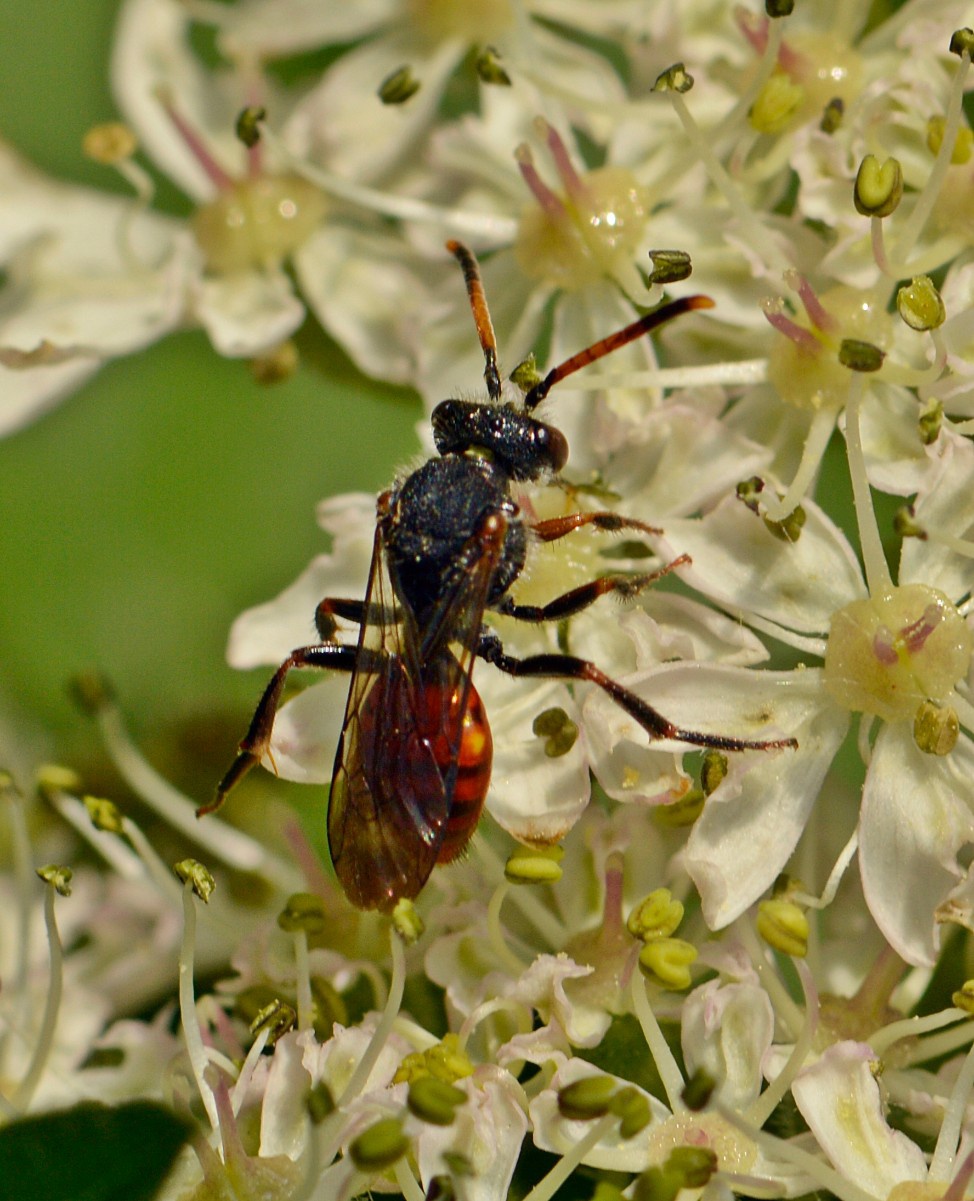
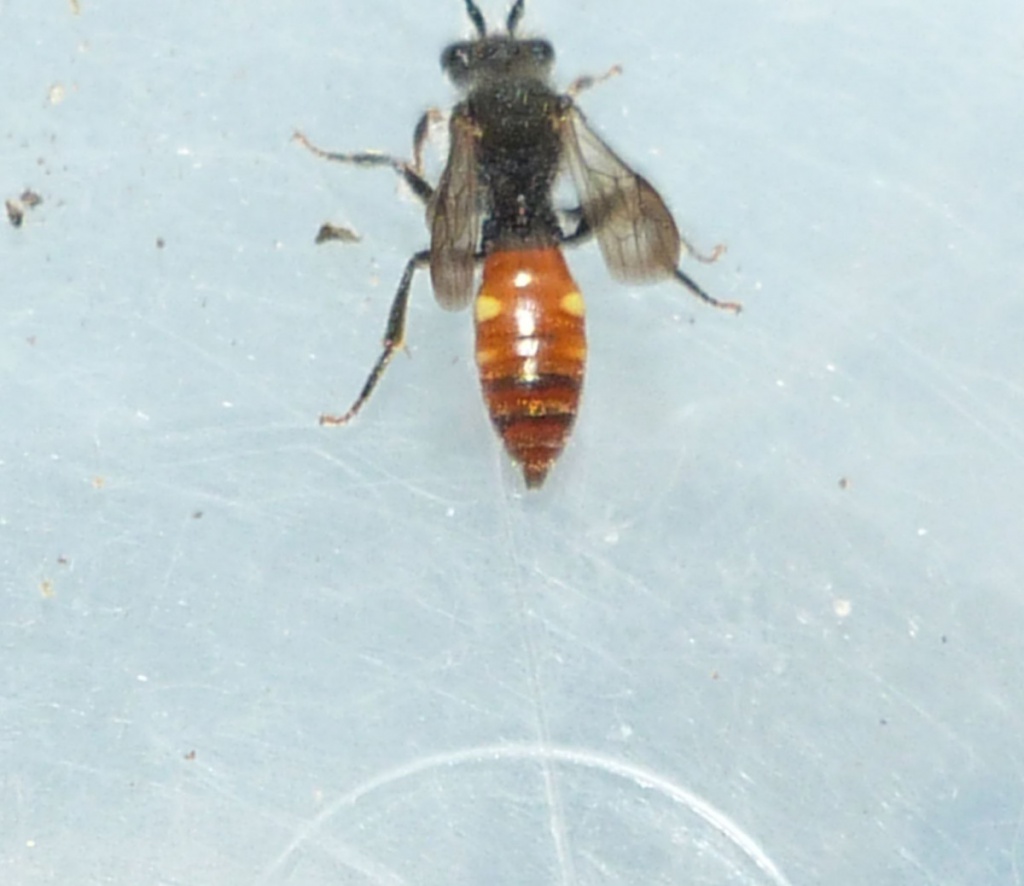
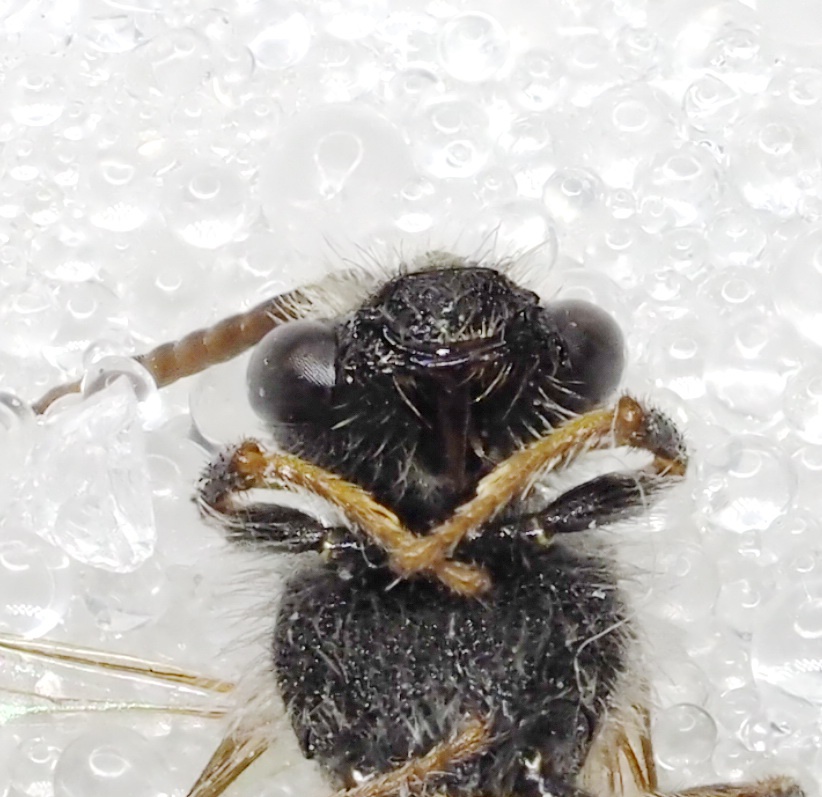
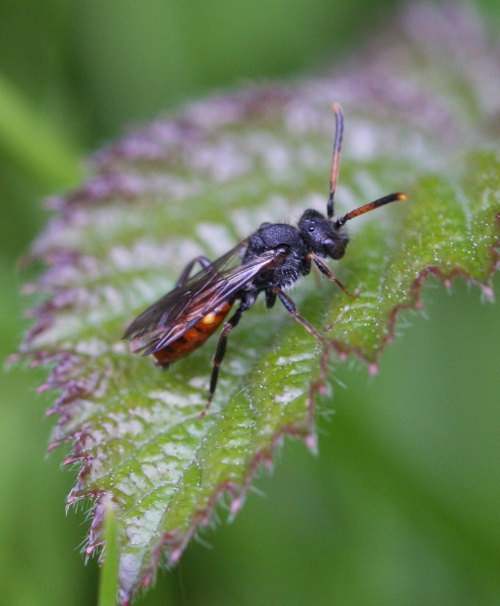
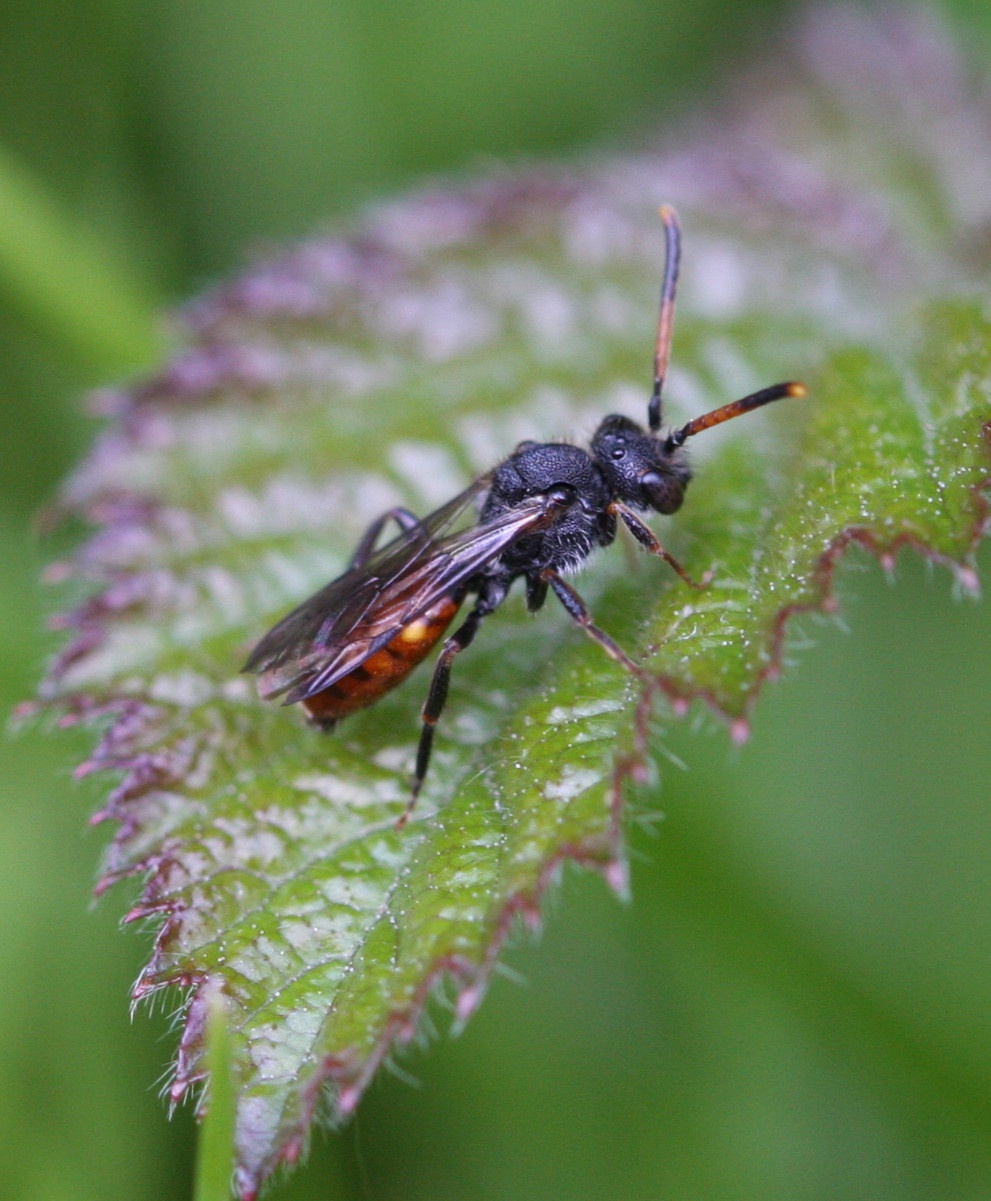
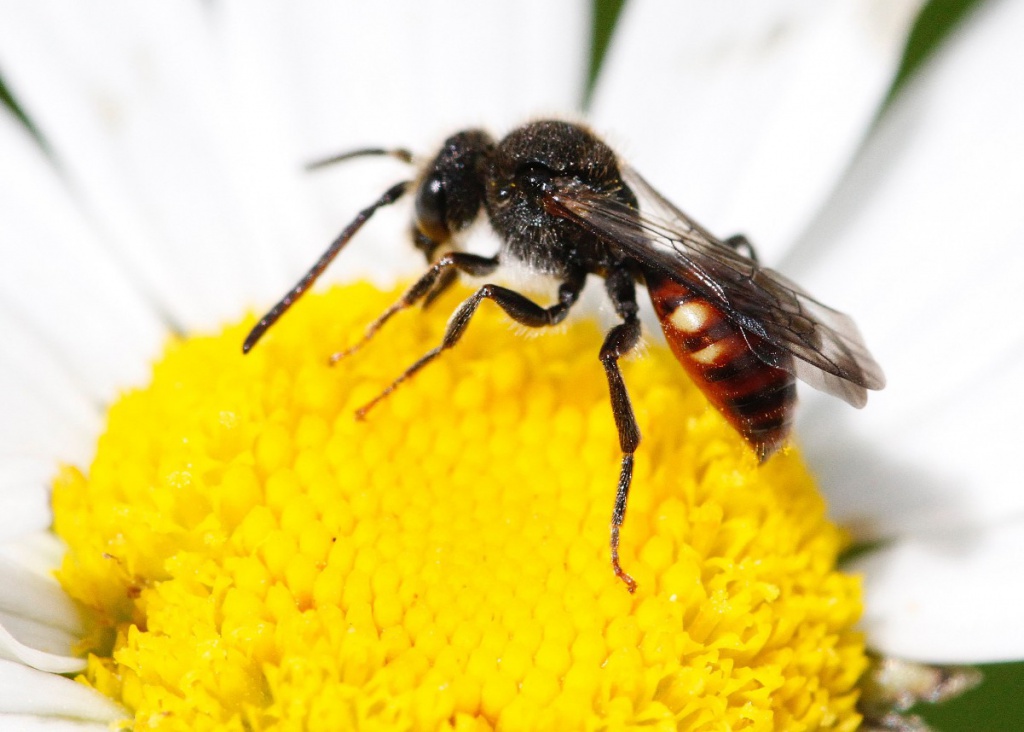
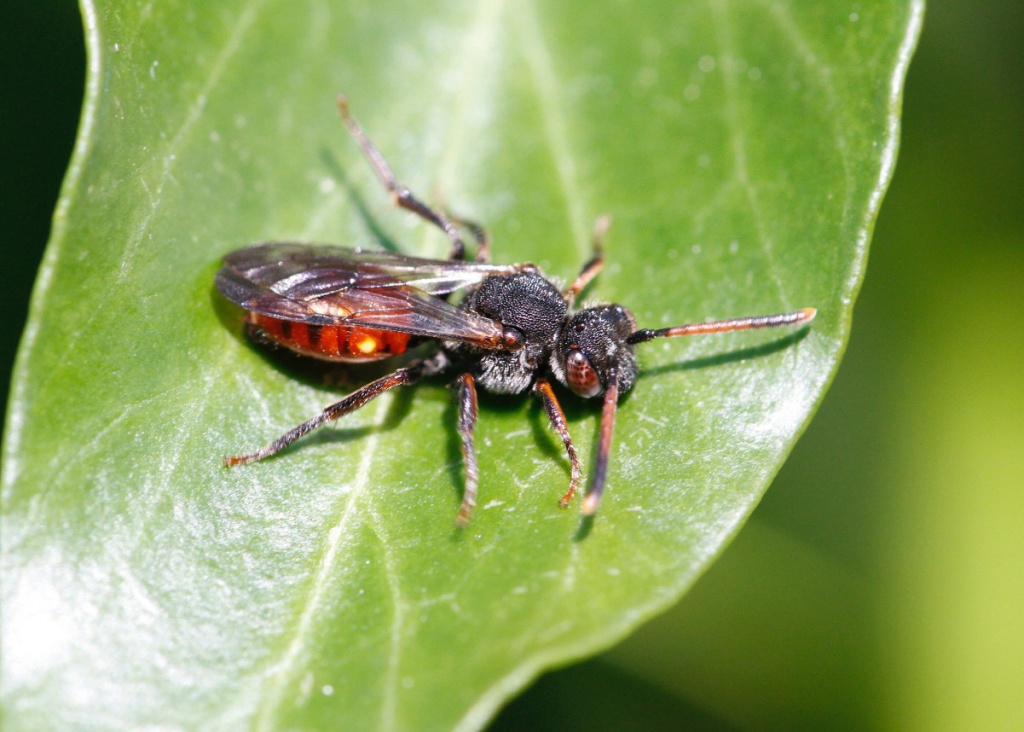
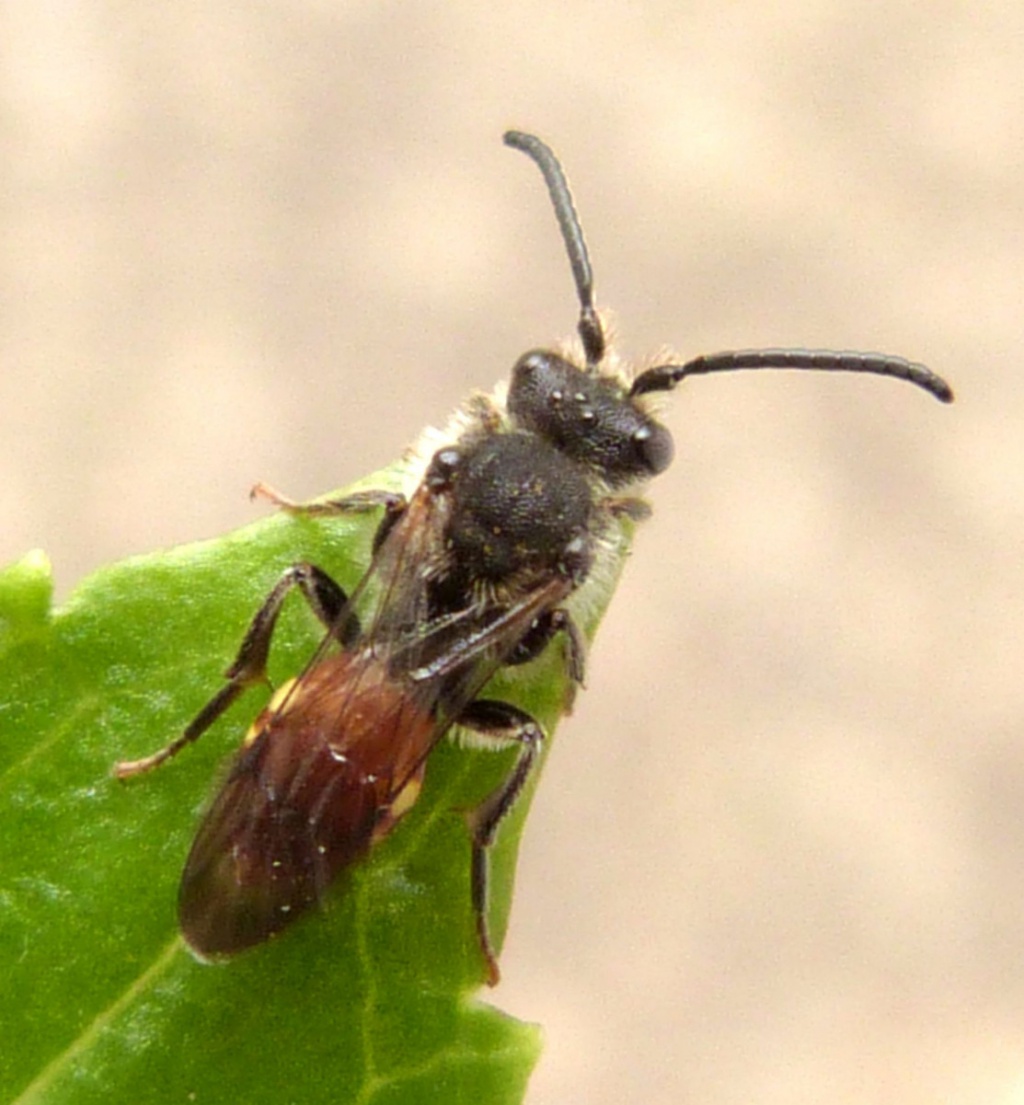
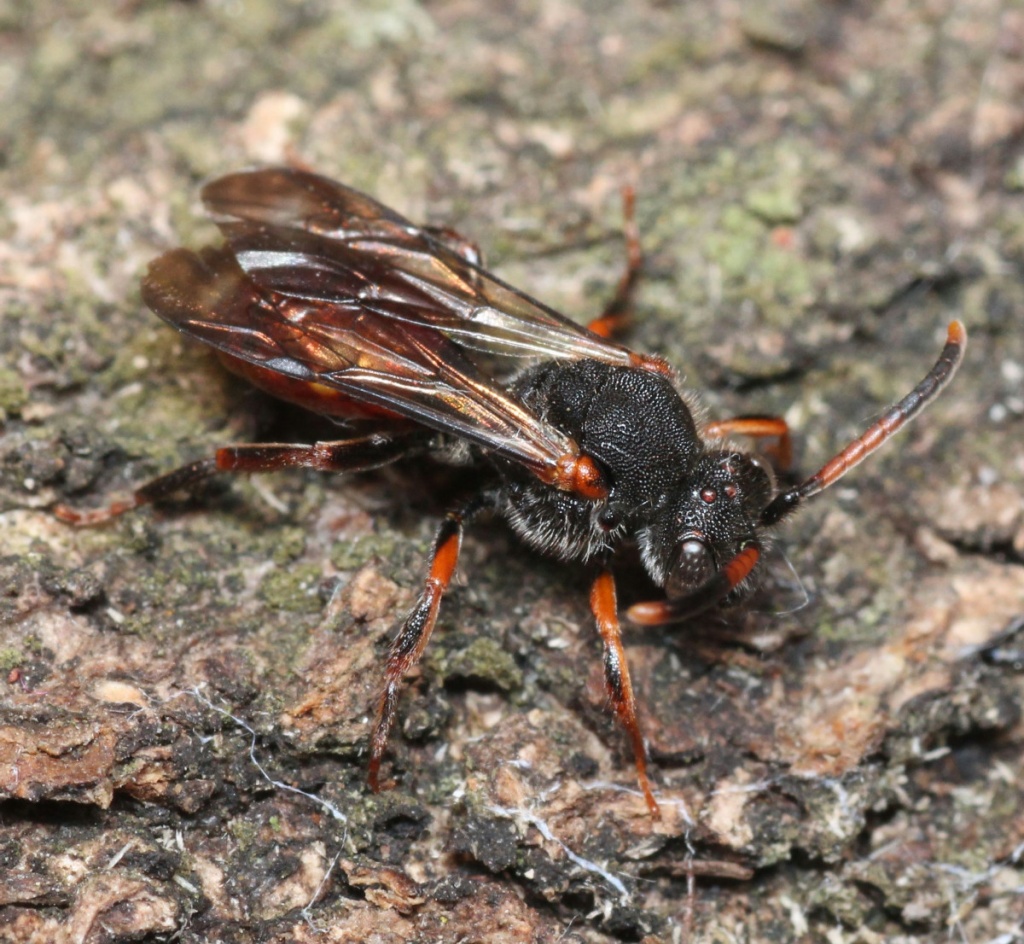
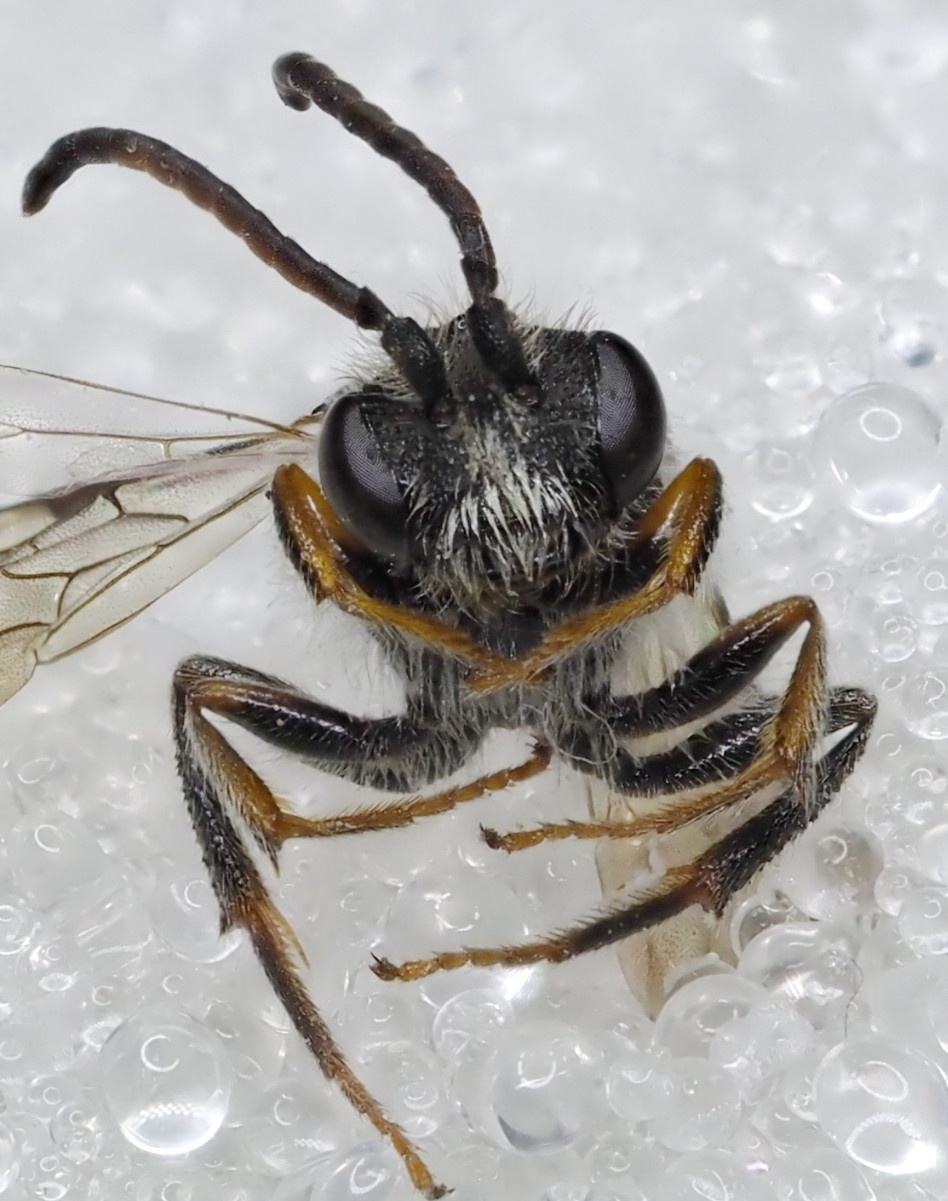
Females can be identified by their reddish antennae with several of the intermediate segments being black. This banded appearance is visible in the field. Both sexes have a reddish abdomen, often having small yellow spots. It also has bidentate mandibles. The combination of bifid mandibles and black labrum is unique in Nomada species.
Several other Nomada species have reddish abdomens

Most solitary bees and wasps are difficult to identify, and can rarely be identified from photos taken in the field. All red-rated records should include a photo, or set of photos, showing the key characters, which may require the specimen. Please include a face shot, side, top and wings. Note whether male or female, explain how the specimen met the key characters and the key used. We will accept records identified by a recognised local or national expert, or that have been identified via the BWARS’ Facebook noting the name of the person/organisation identifying the record (e.g. ‘Stuart Roberts, BWARS Facebook’).
To be expected wherever its host species Andrena bicolor are well established.
Bivoltine, from March to June, and June to August.
Nomada fabriciana is a cleptoparasite of Andrena bicolor.
Widely distributed in England and Wales (especially so in the south), sporadic in Scotland and Ireland.
Thought to be fairly frequent in Leicestershire and Rutland.
 David Nicholls
Stonesby Quarry
16 May 2014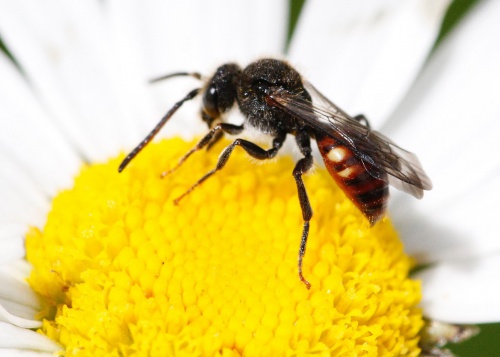 Matthew Berriman
Ketton Quarry NR
21 June 2019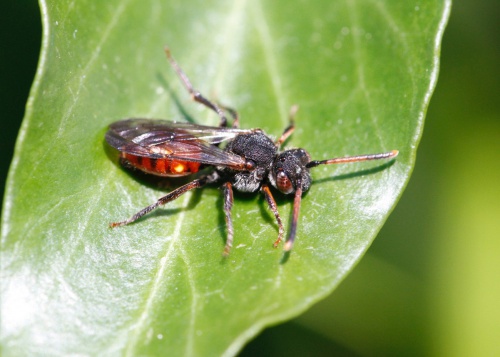 Matthew Berriman
George Henry Wood
15 May 2019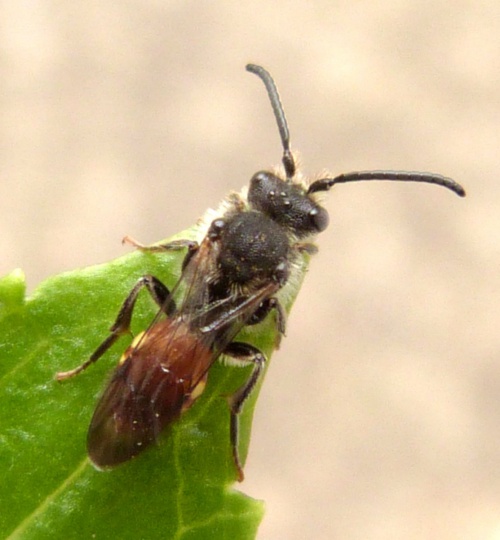 Graham Calow
The Grange Fields, Broughton Astley
27 April 2015
male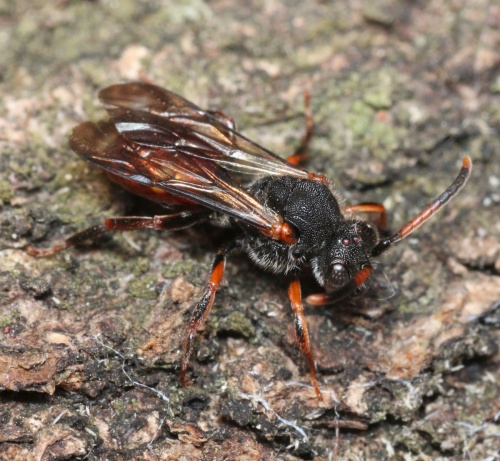 Steve Woodward
Ulverscroft
27 May 2012
specimen examined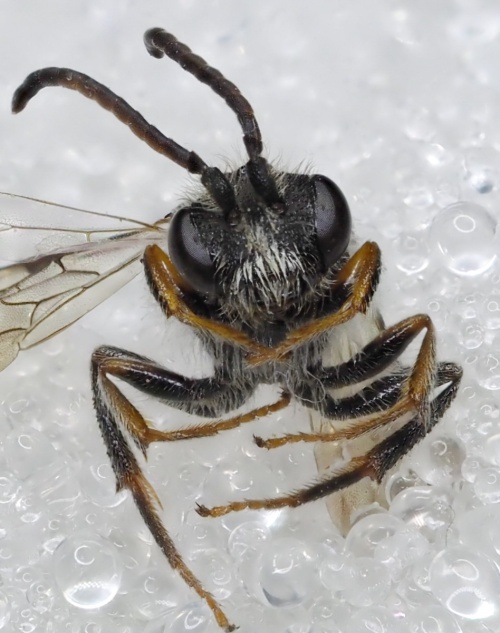 David Nicholls
Bardon Hill
14 April 2022
black labrum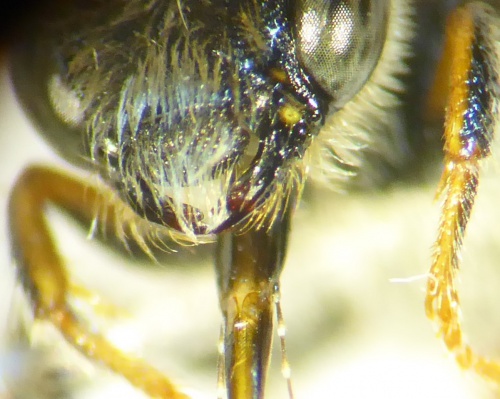 sue
sue
Bagworth
21 March 2021
bifid mandibles

Leicestershire & Rutland Map
Enter a town or village to see local records
MAP KEY:
Yellow squares = NBN records (all known data)
Coloured squares = NatureSpot records: 2025+ | 2020-2024 | pre-2020
UK Map
Additional images