Eriocrania unimaculella
Eriocrania unimaculella
White-spot Purple
Heringocrania unimaculella
Wingspan 10mm. This species has a silvery, rather than golden, tornal spot which can help distinguish it from similar species; however the adults can be very difficult to tell apart and it is best to rear from larvae or to refer to genitalia for identification.
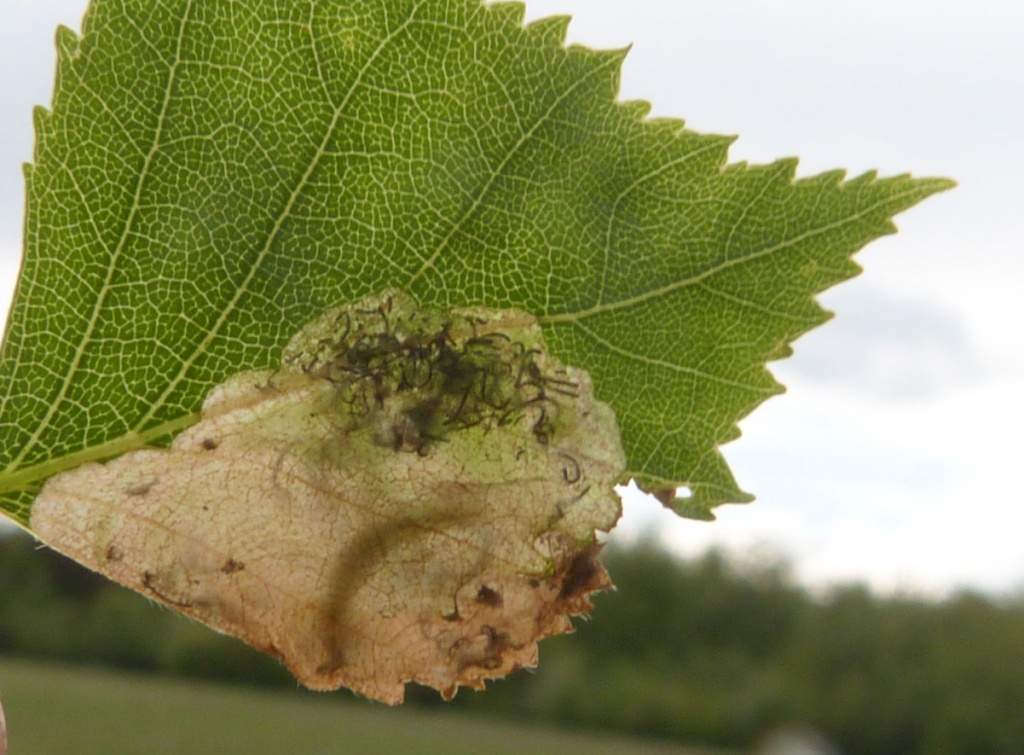
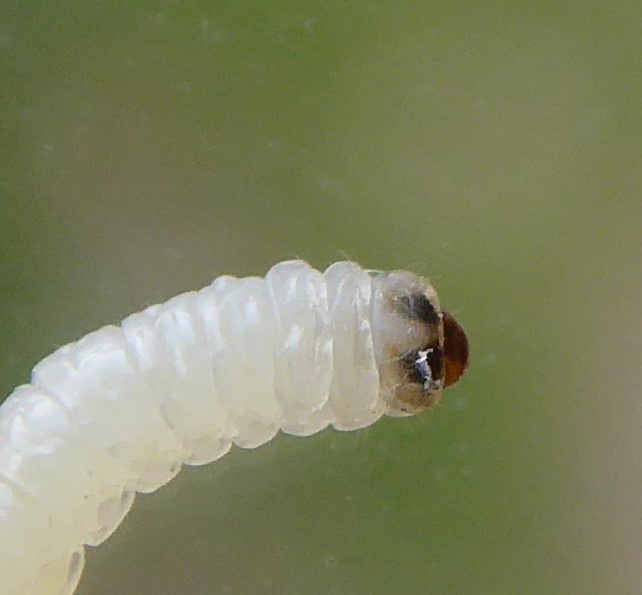
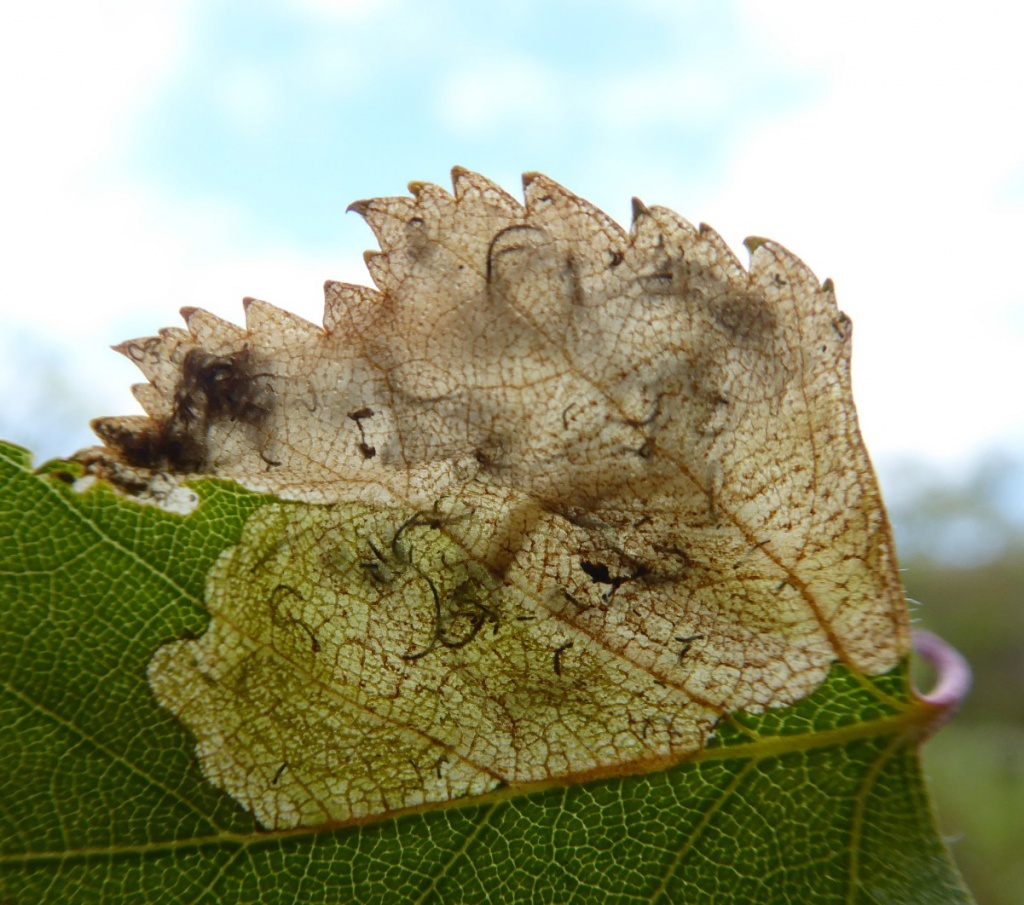
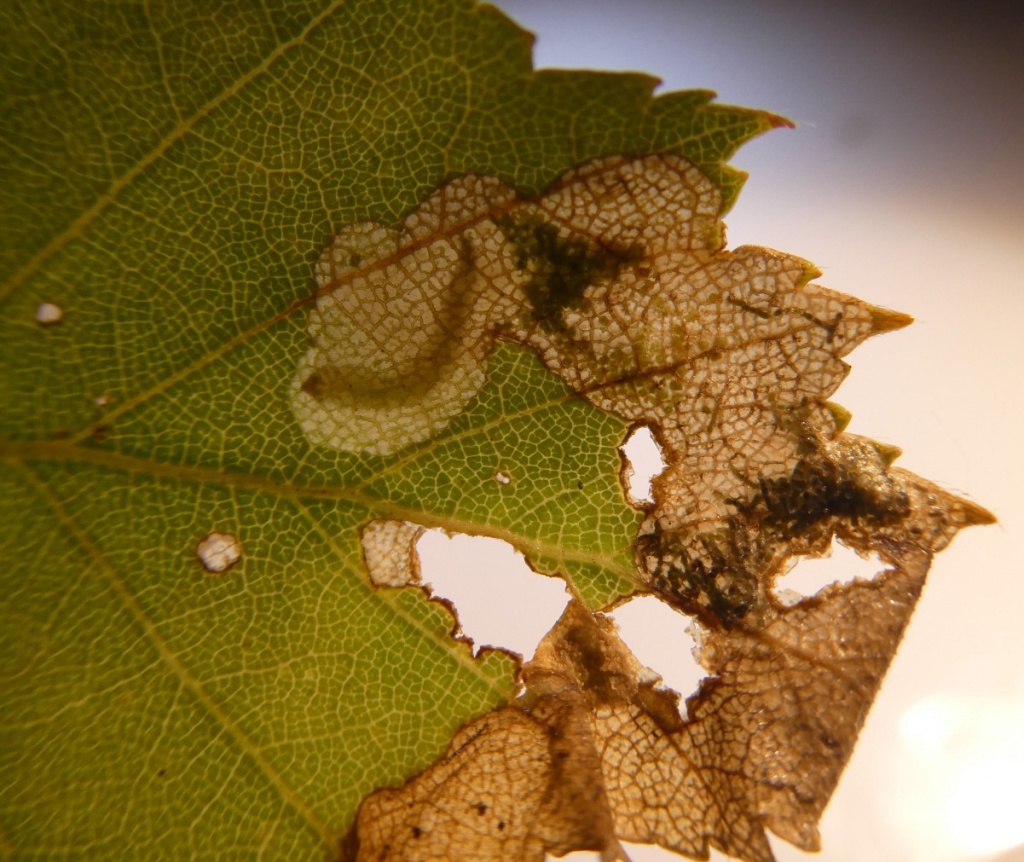
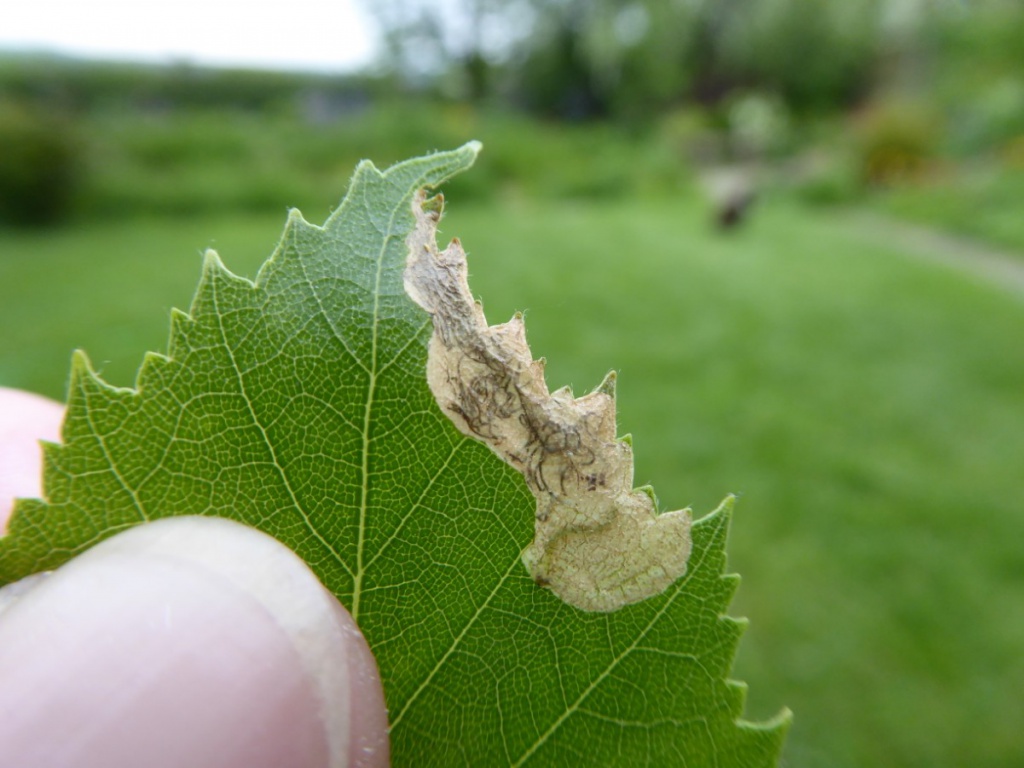
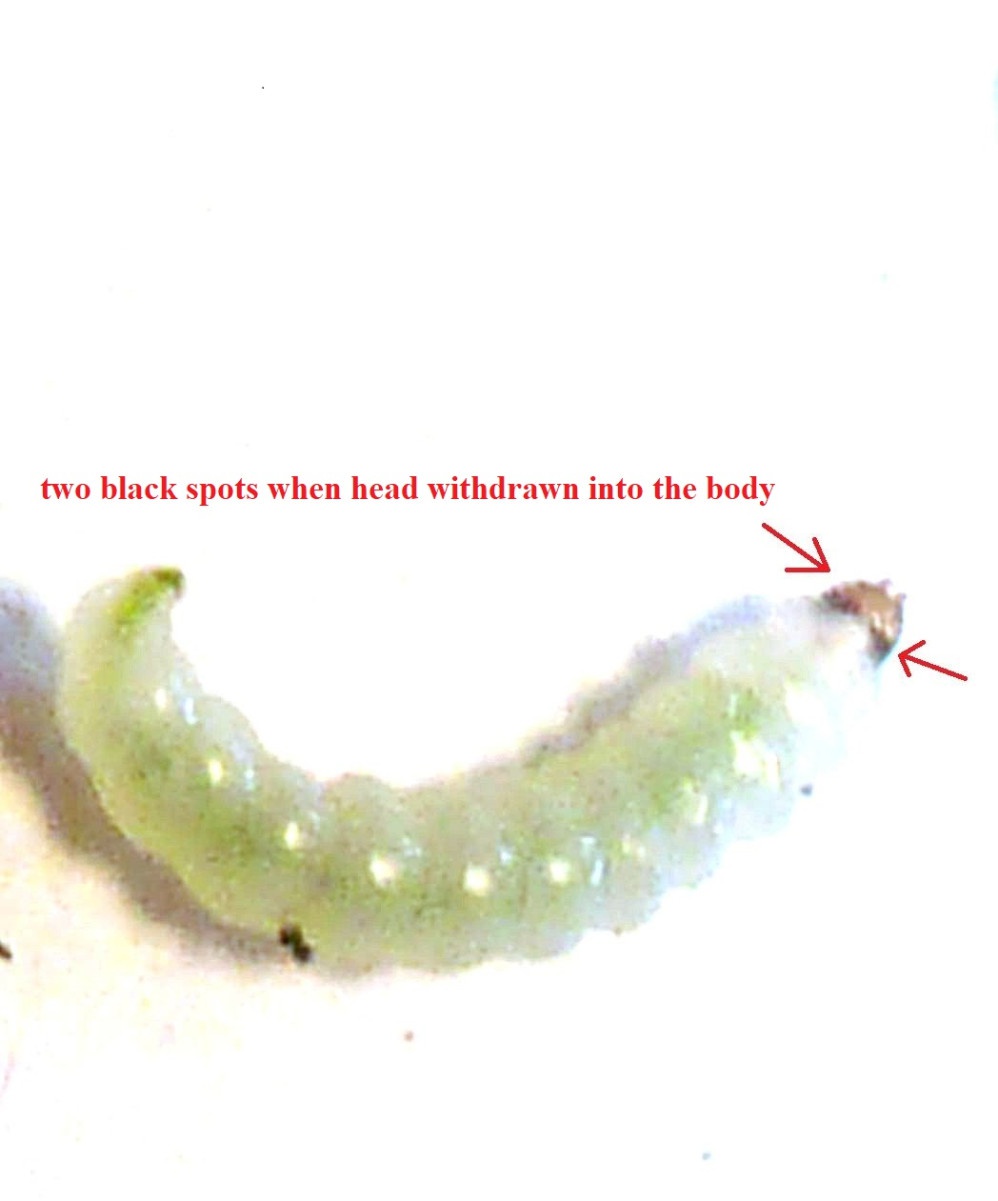
All Eriocraniidae leafmines have spaghetti-like frass, in long threads. The larva when fully developed has a dark brown head capsule. This is retracted into the transparent prothorax but the dark head shows through as two dark spots on the pronotum. Two short lateral projections on the 1st adbominal segment are sometimes visible. Immature larvae have dark ventral spots on thorax and 1st abdominal segment. (ref: Bladmineerders.nl, accessed March 4th 2025)
Adult  leafmine+larva
The mine can only be recorded if mature larvae are present. Provide photos of larva outside the mine as well as a blacklit photo of the mine in the leaf; note the host.
Around Birch.
The adults fly in sunshine during March and April.
The larvae feed on Birch, causing a blotch at the edge of the leaf. . Mines can be found during late April to late May.
Well distributed over much of Britain but not particularly common. In the Butterfly Conservation’s Microlepidoptera Report 2011 this species was classified as local.
It appears to be uncommon in Leicestershire and Rutland, where there are few records. L&R Moth Group status = D (rare or rarely recorded).
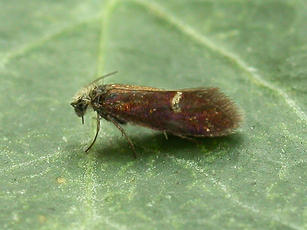 Mark Skevington
Swithland Reservoir
25 March 2005
first record for VC55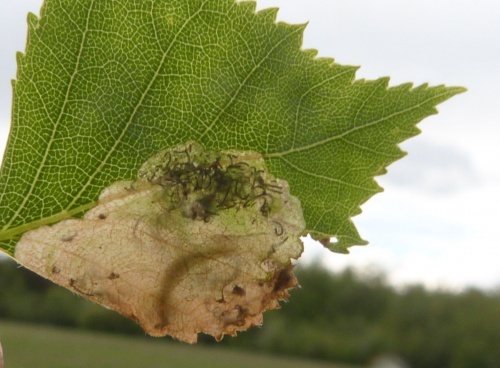 Graham Calow
Sharnford, Fosse Meadows
17 May 2021
tenanted leafmine on Birch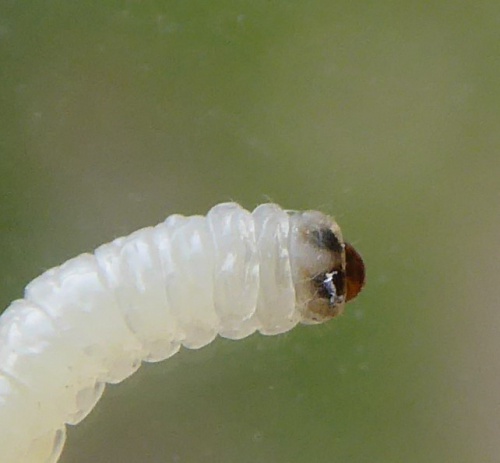 sue
sue
Ashby de la Zouch
06 May 2020
ex. leaf mine on birch
dark 'spots' on pronotum
short lateral projections 1st abd. seg.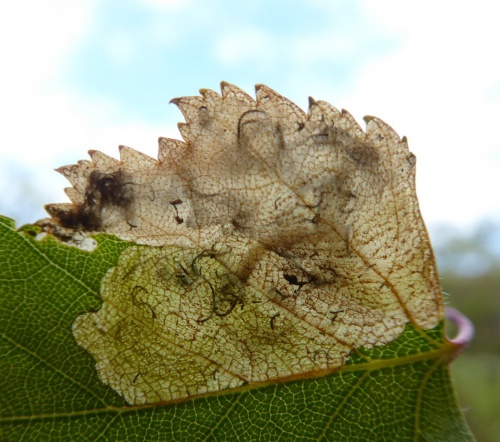 sue
sue
Ashby de la Zouch
06 May 2020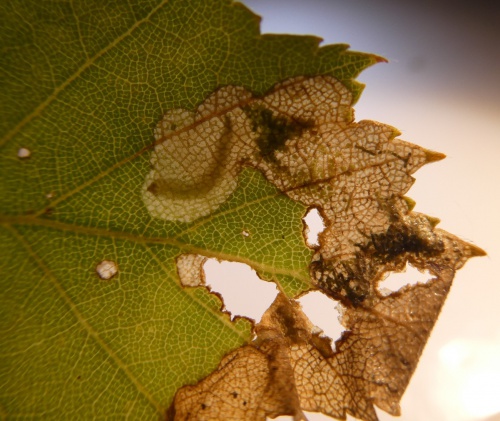 sue
sue
Albert Village lake
21 May 2021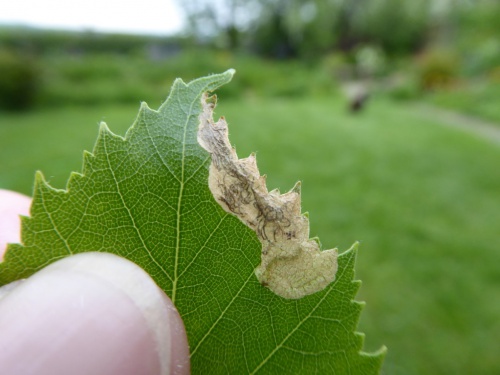 sue
sue
Bagworth Beacon
09 May 2020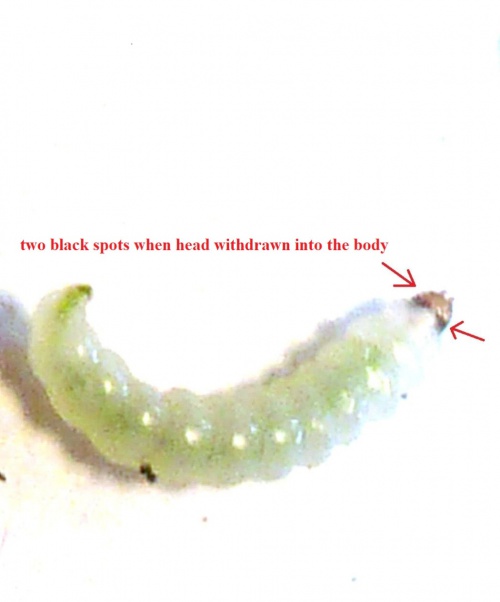 Graham Calow
Sharnford, Fosse Meadows
17 May 2021
larva with two black spots when head withdrawn into the body
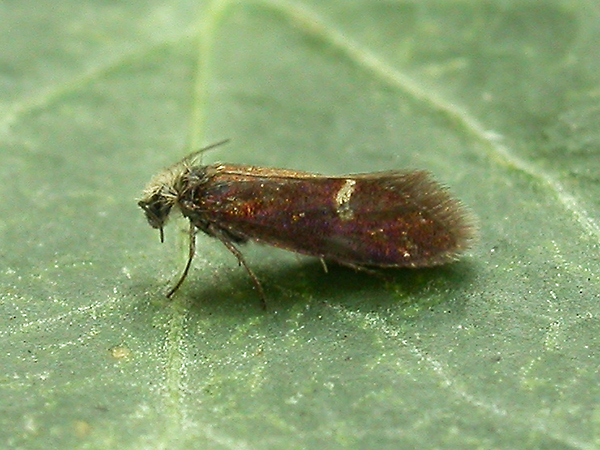
Leicestershire & Rutland Map
Enter a town or village to see local records
MAP KEY:
Yellow squares = NBN records (all known data)
Coloured squares = NatureSpot records: 2025+ | 2020-2024 | pre-2020
UK Map
Additional images
No additional images available for this species.