Elder
Elder - Sambucus nigra
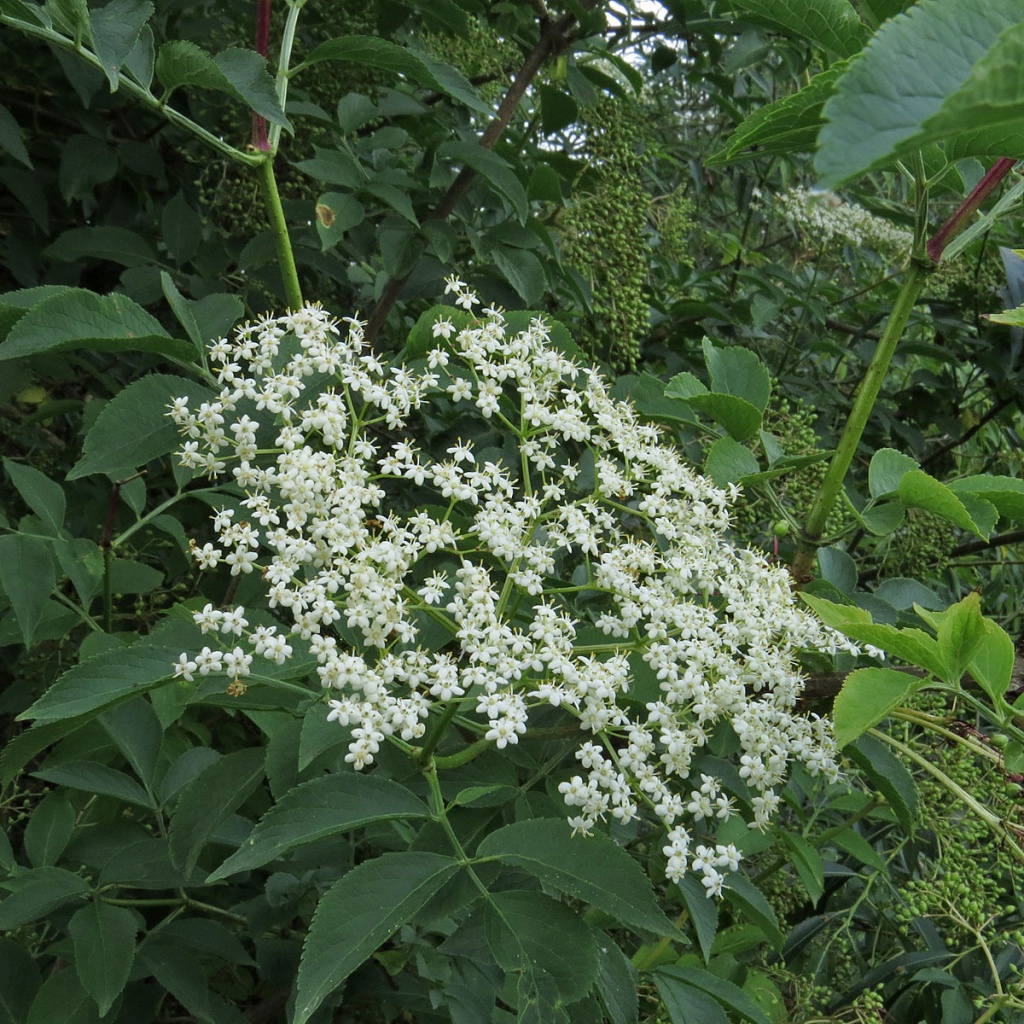
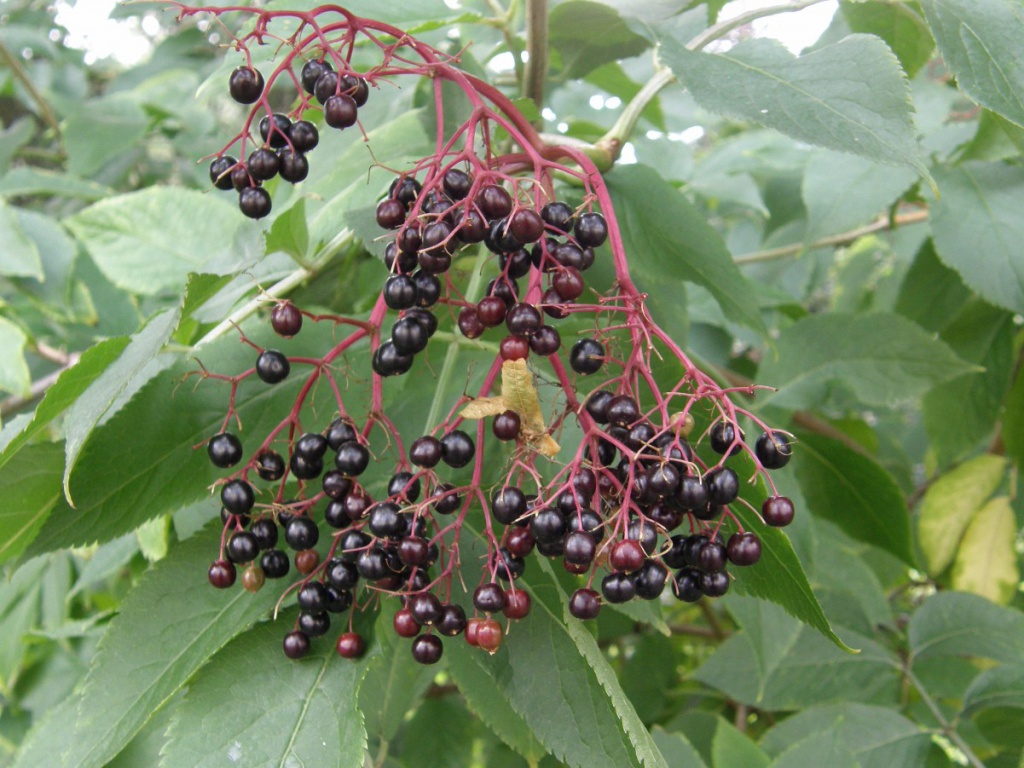
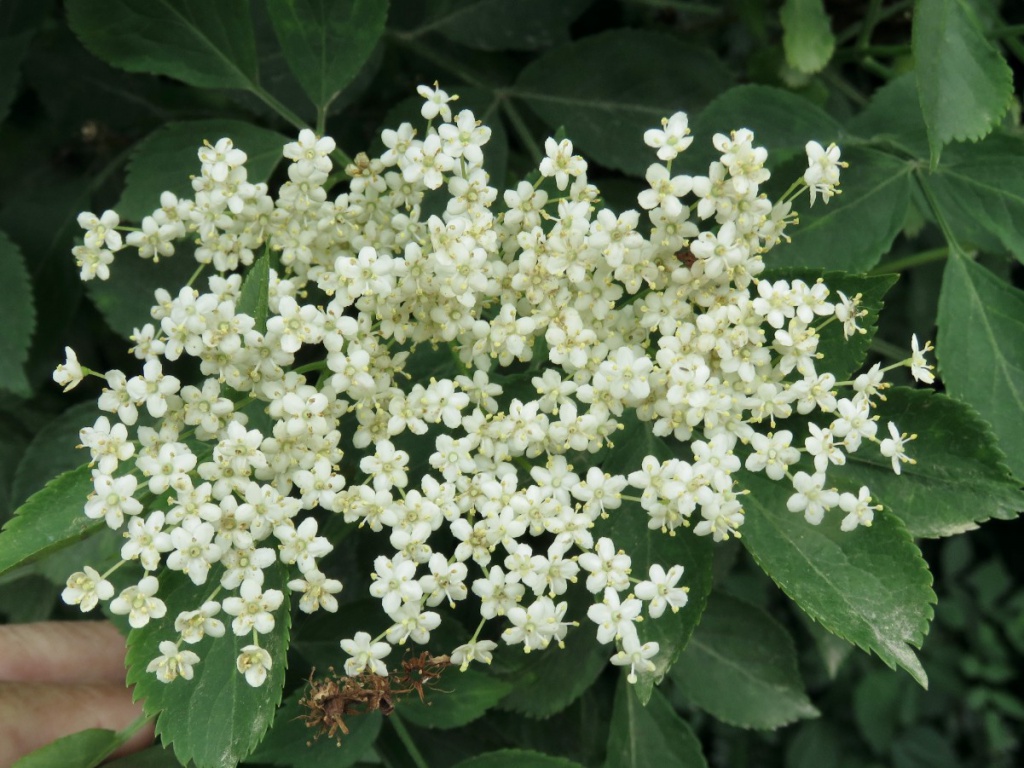
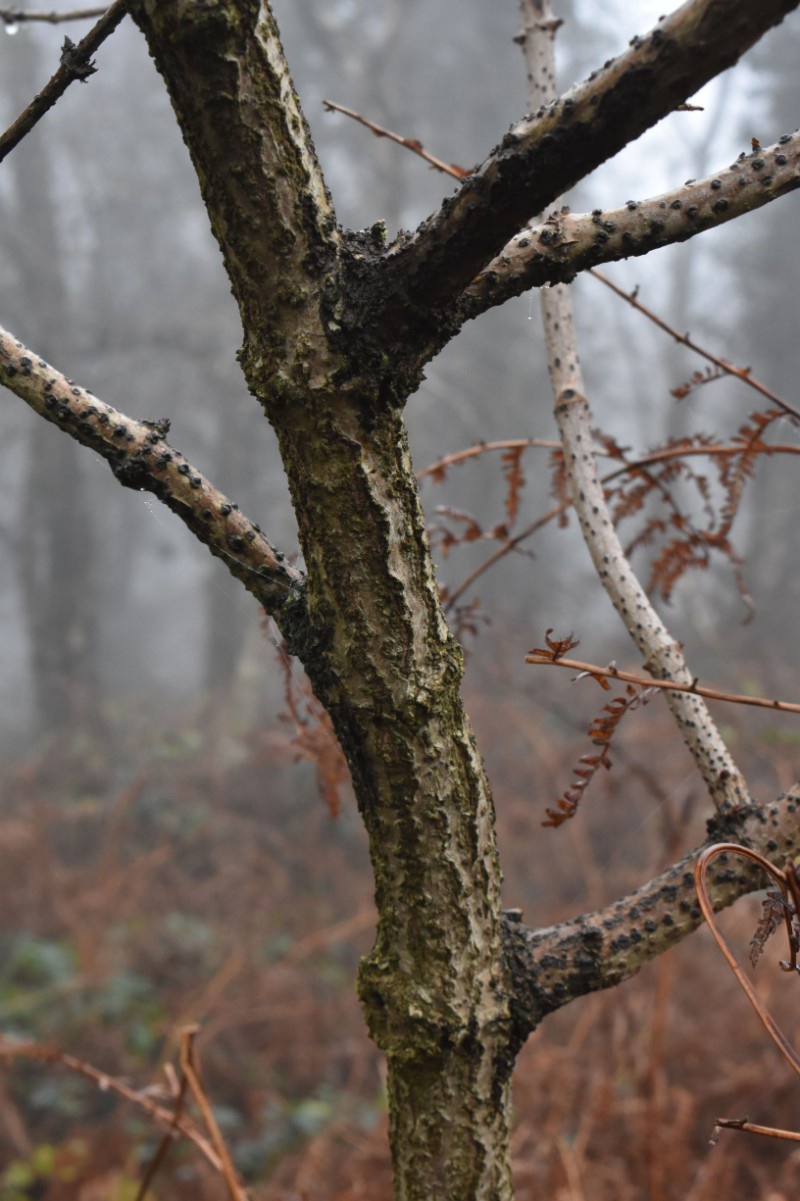
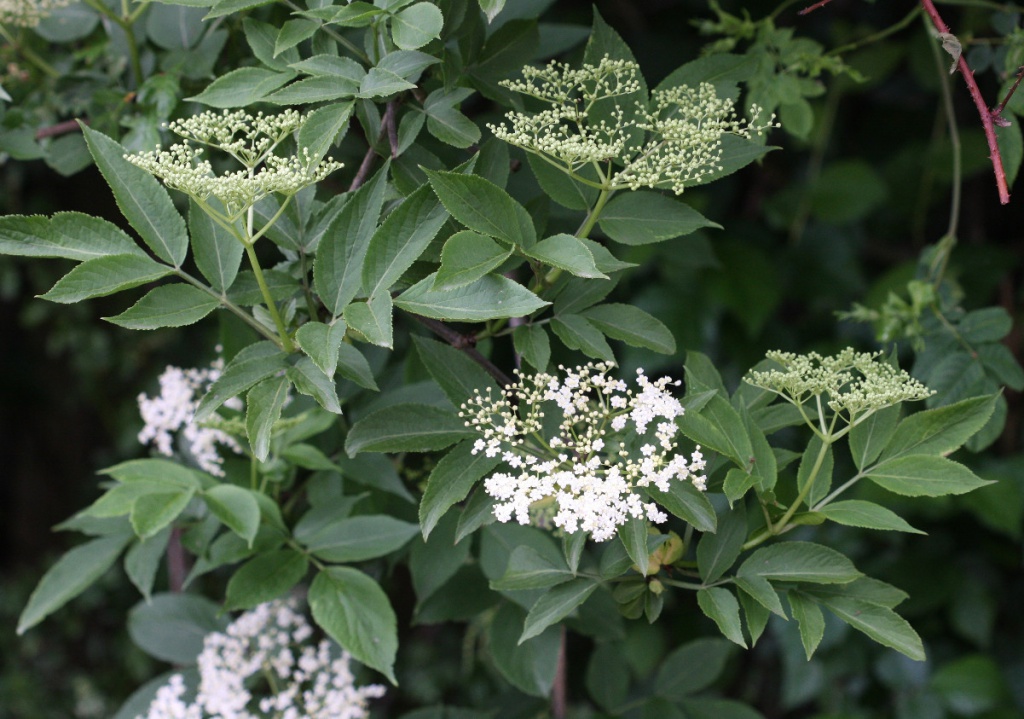
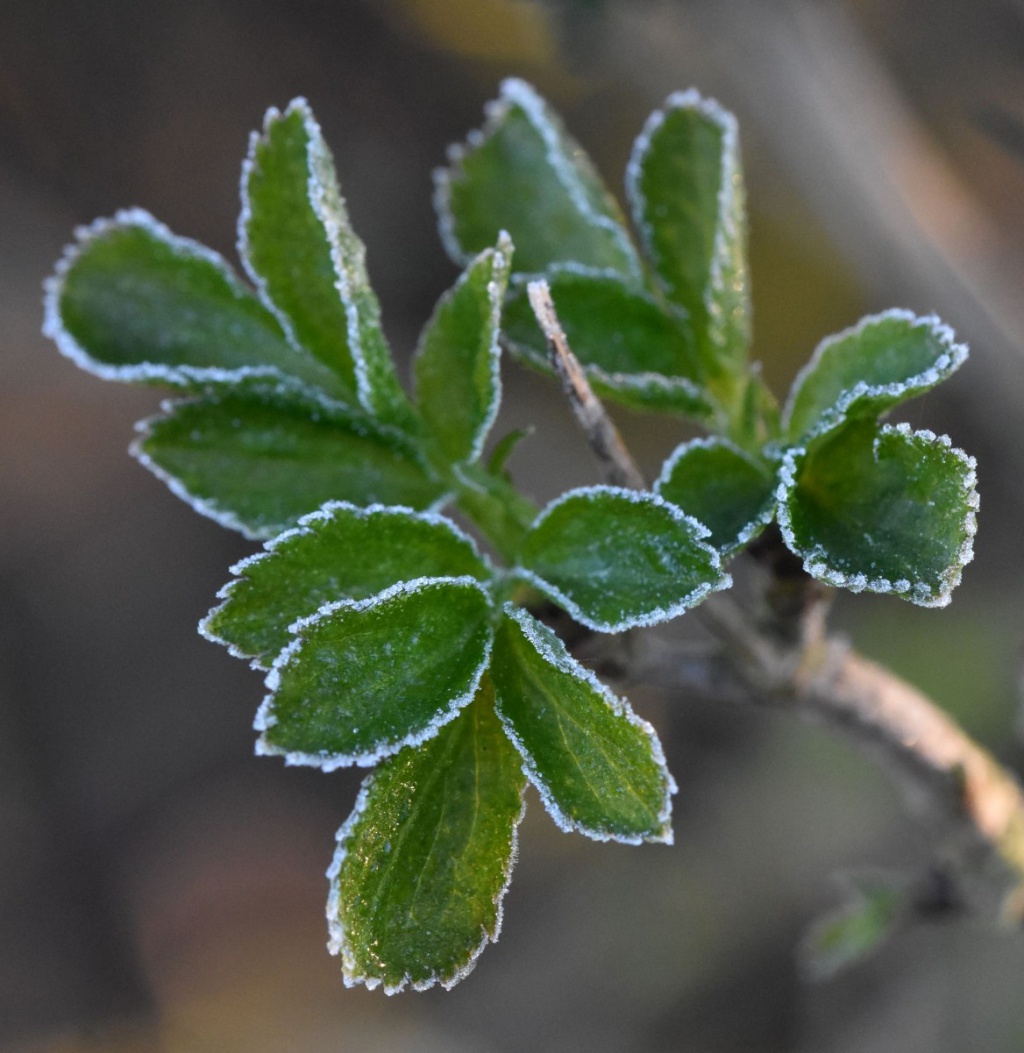
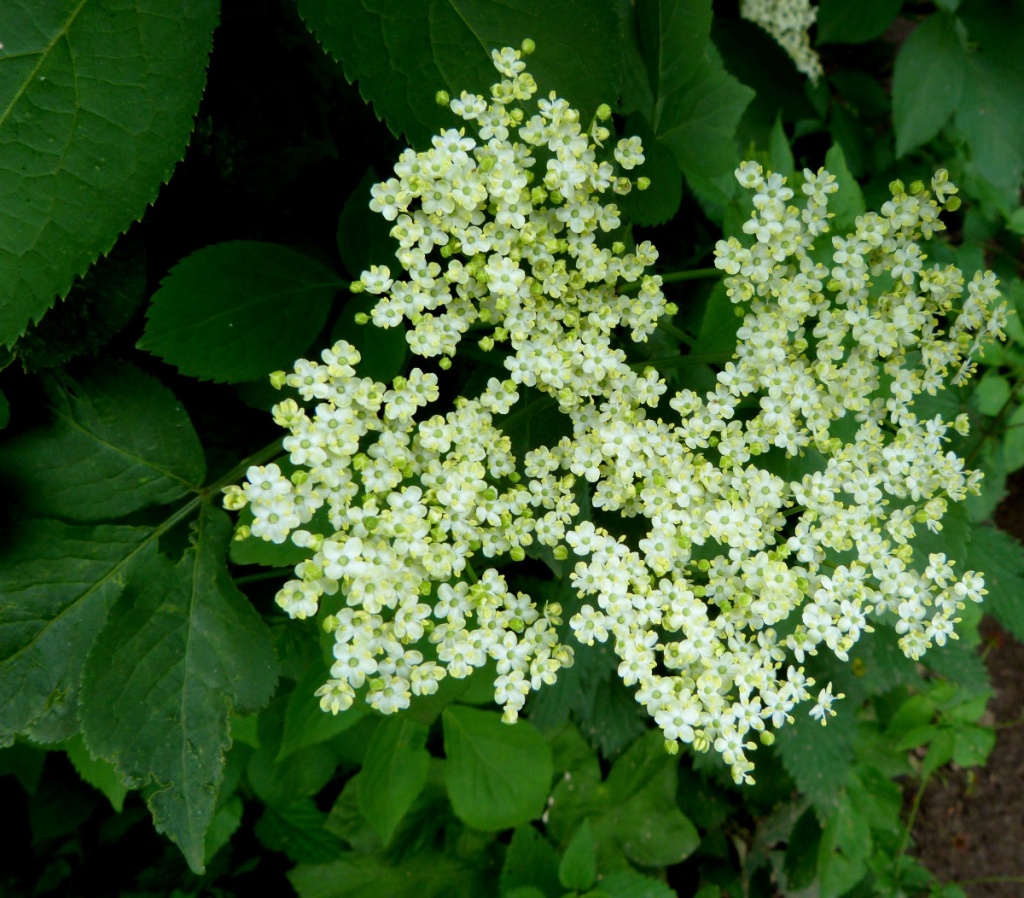
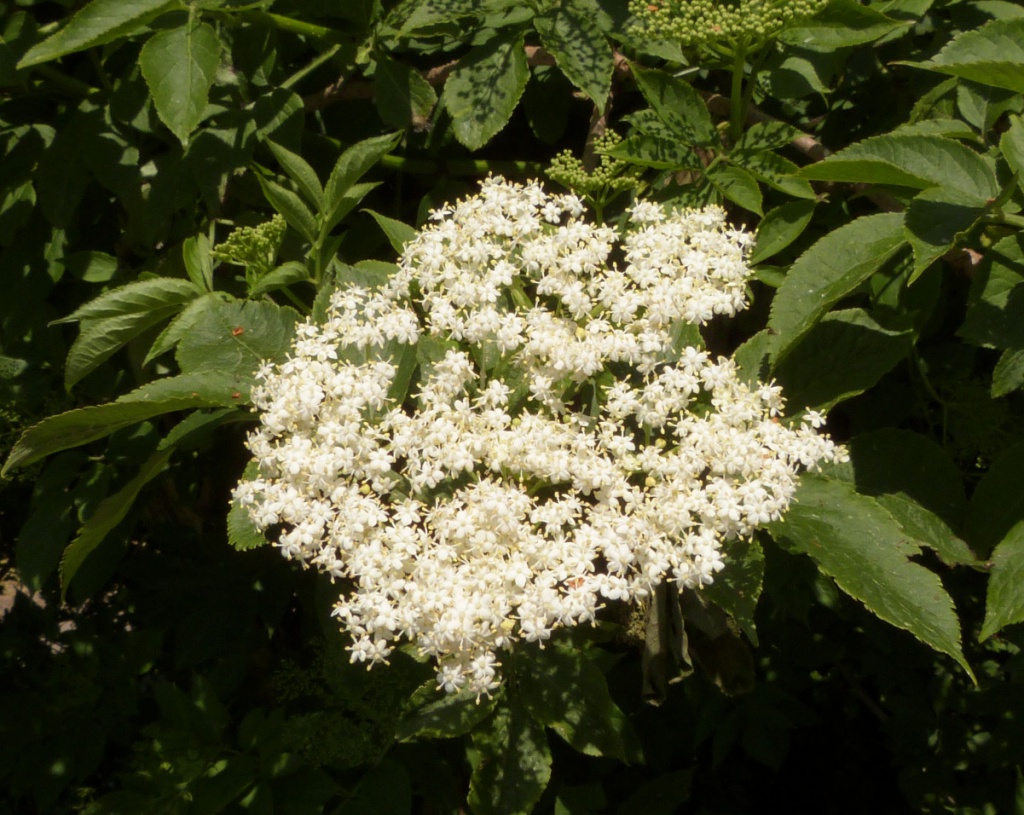
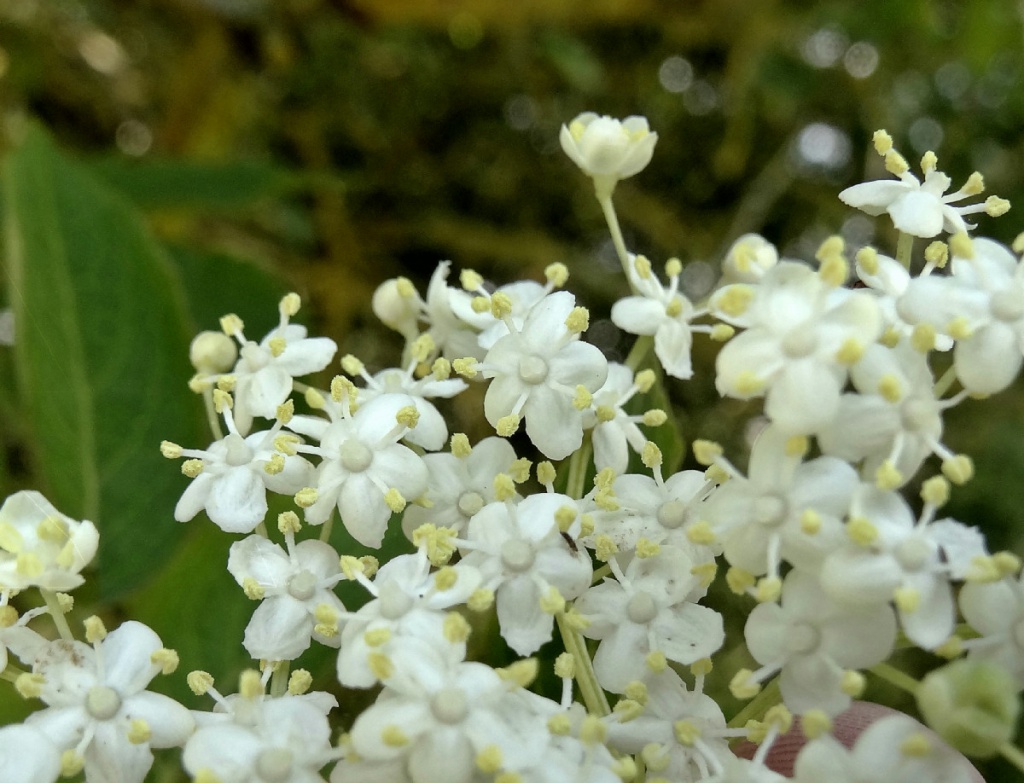
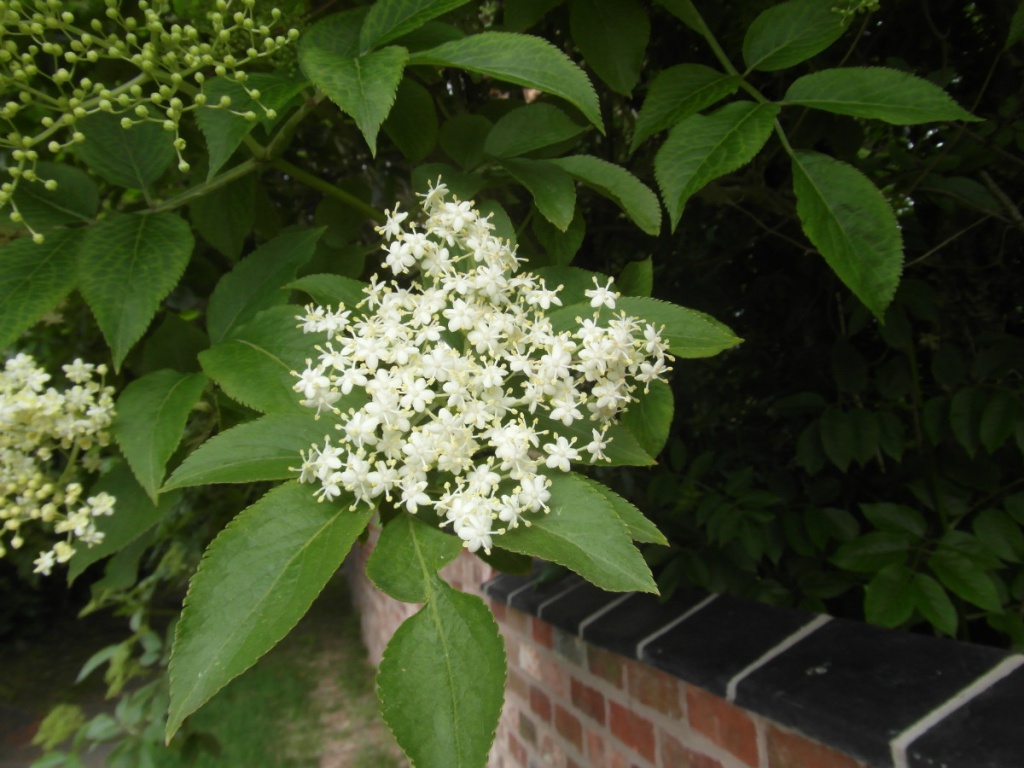
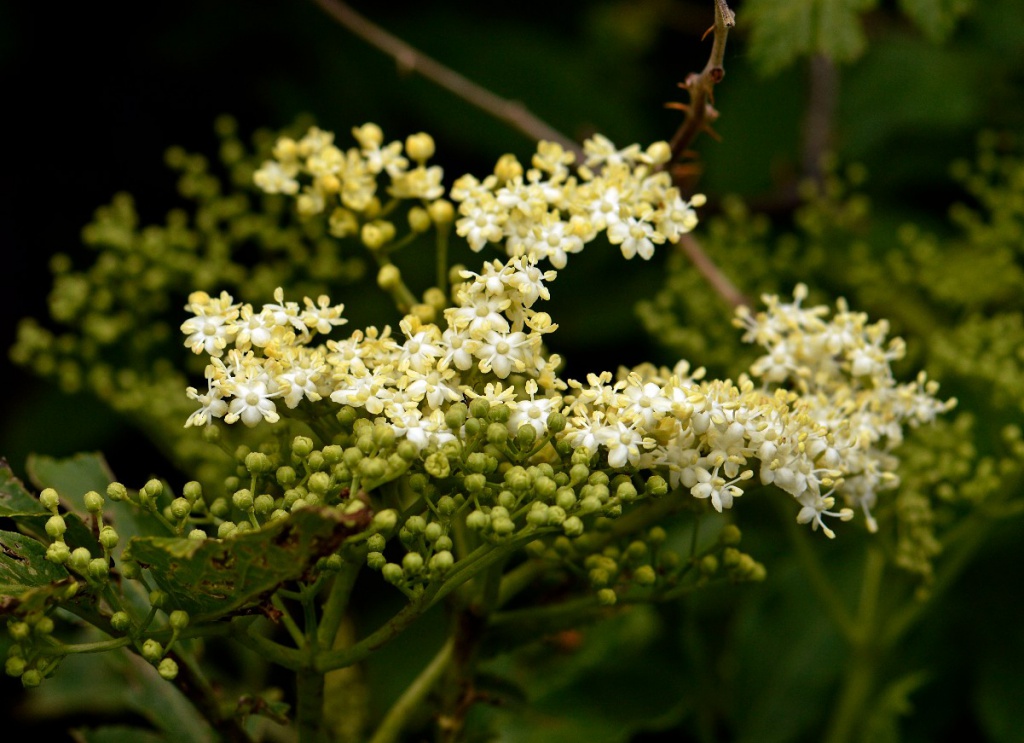
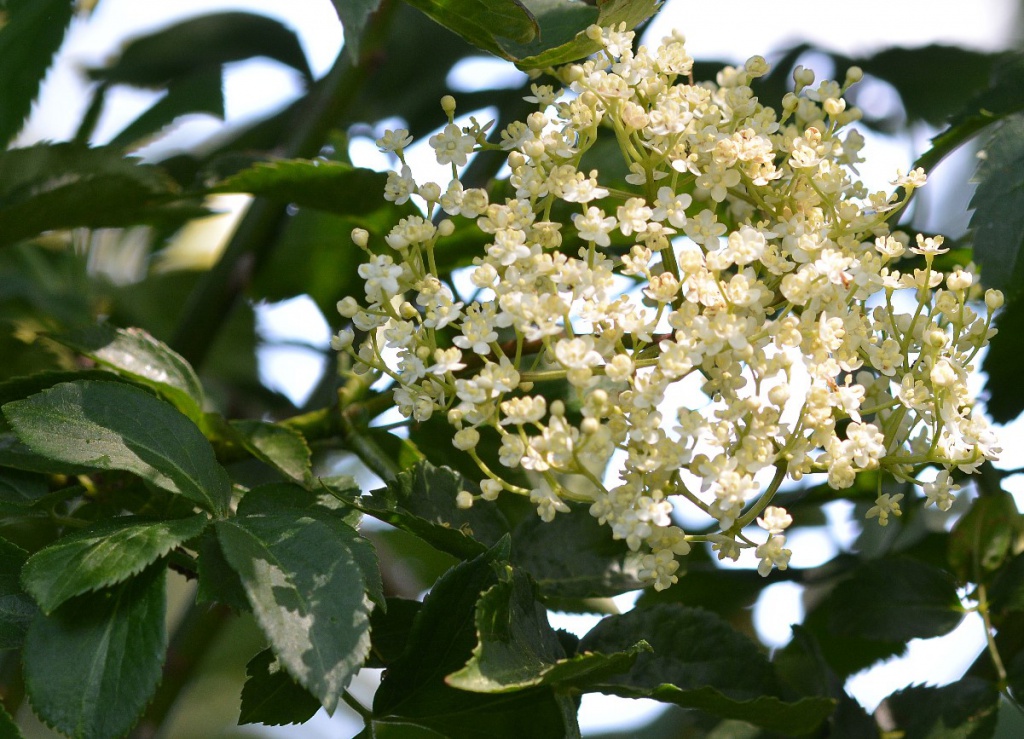
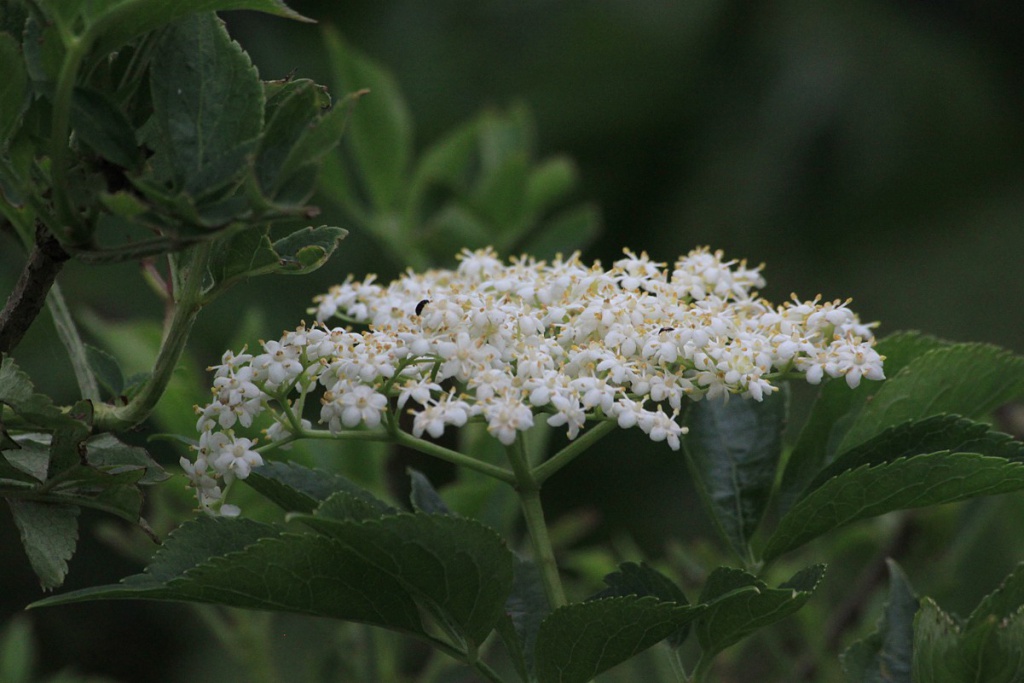
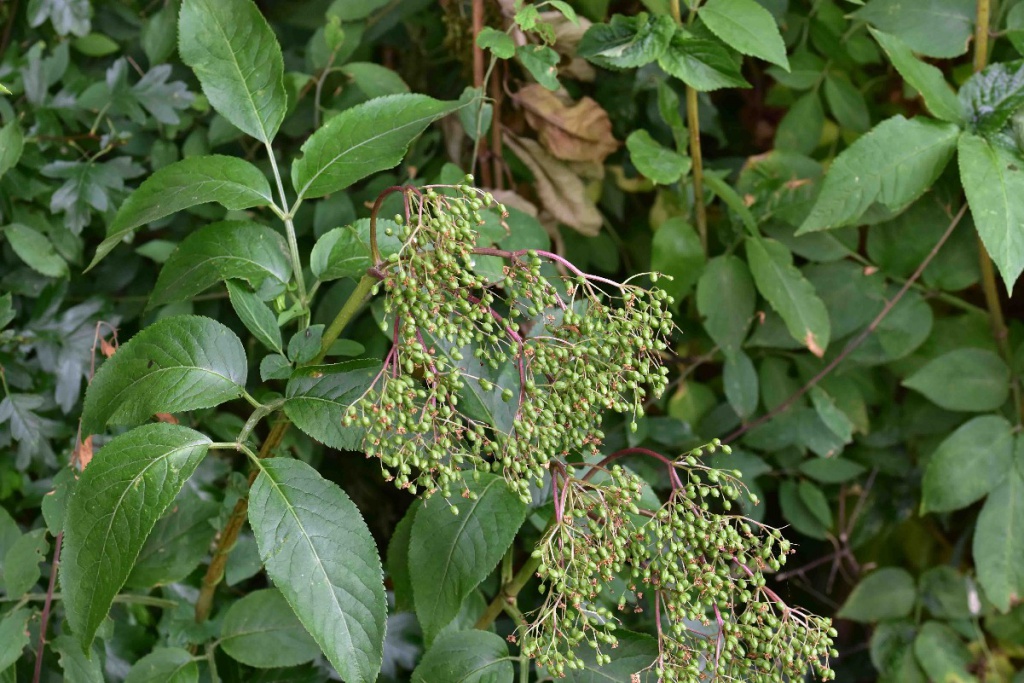
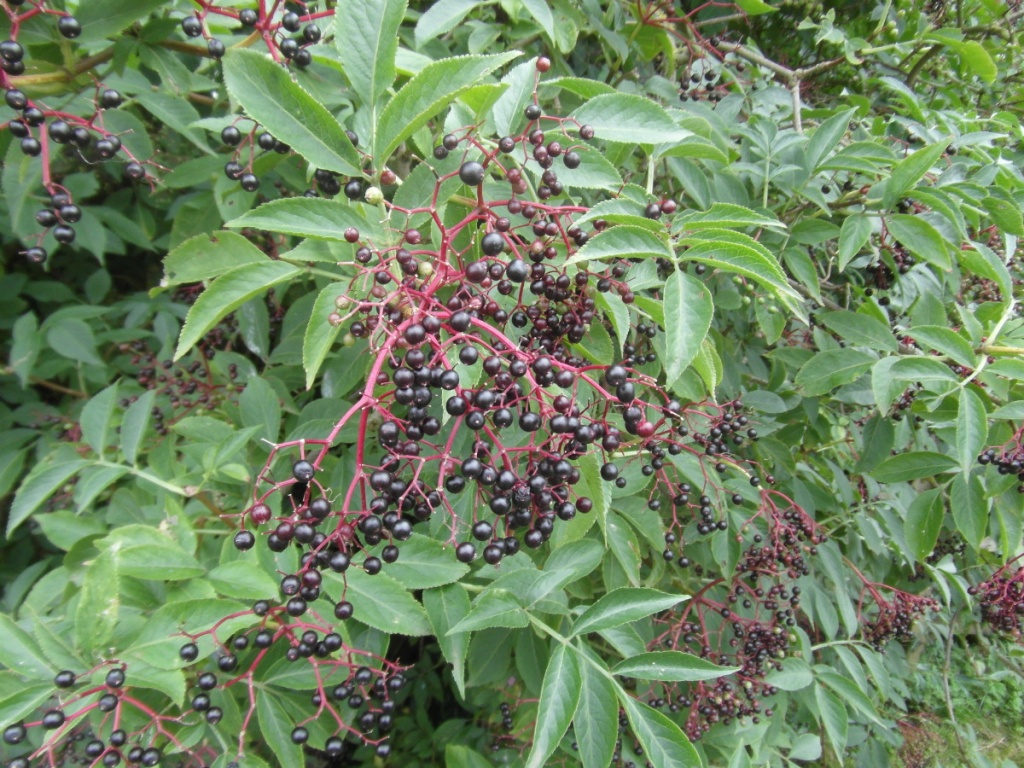
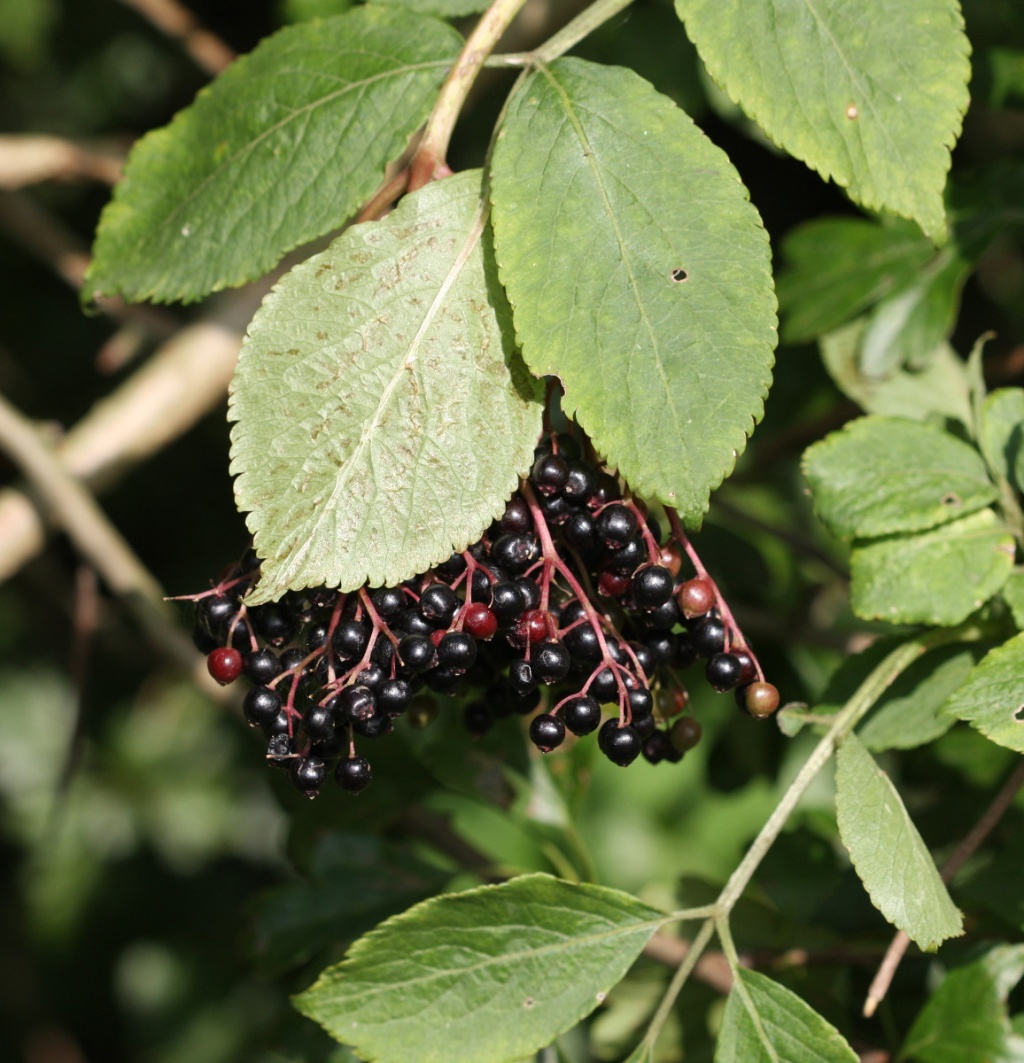
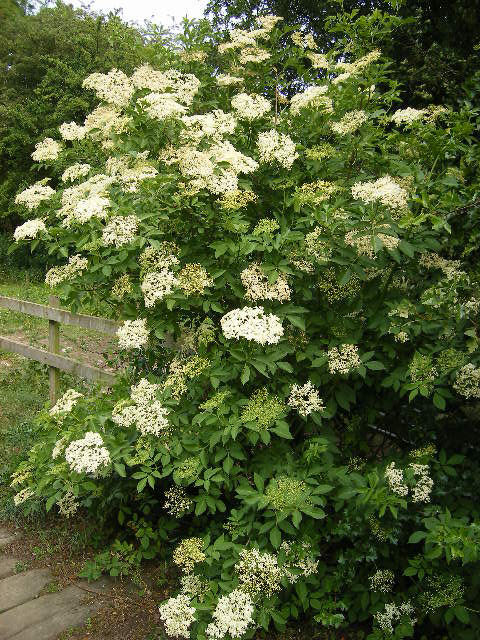
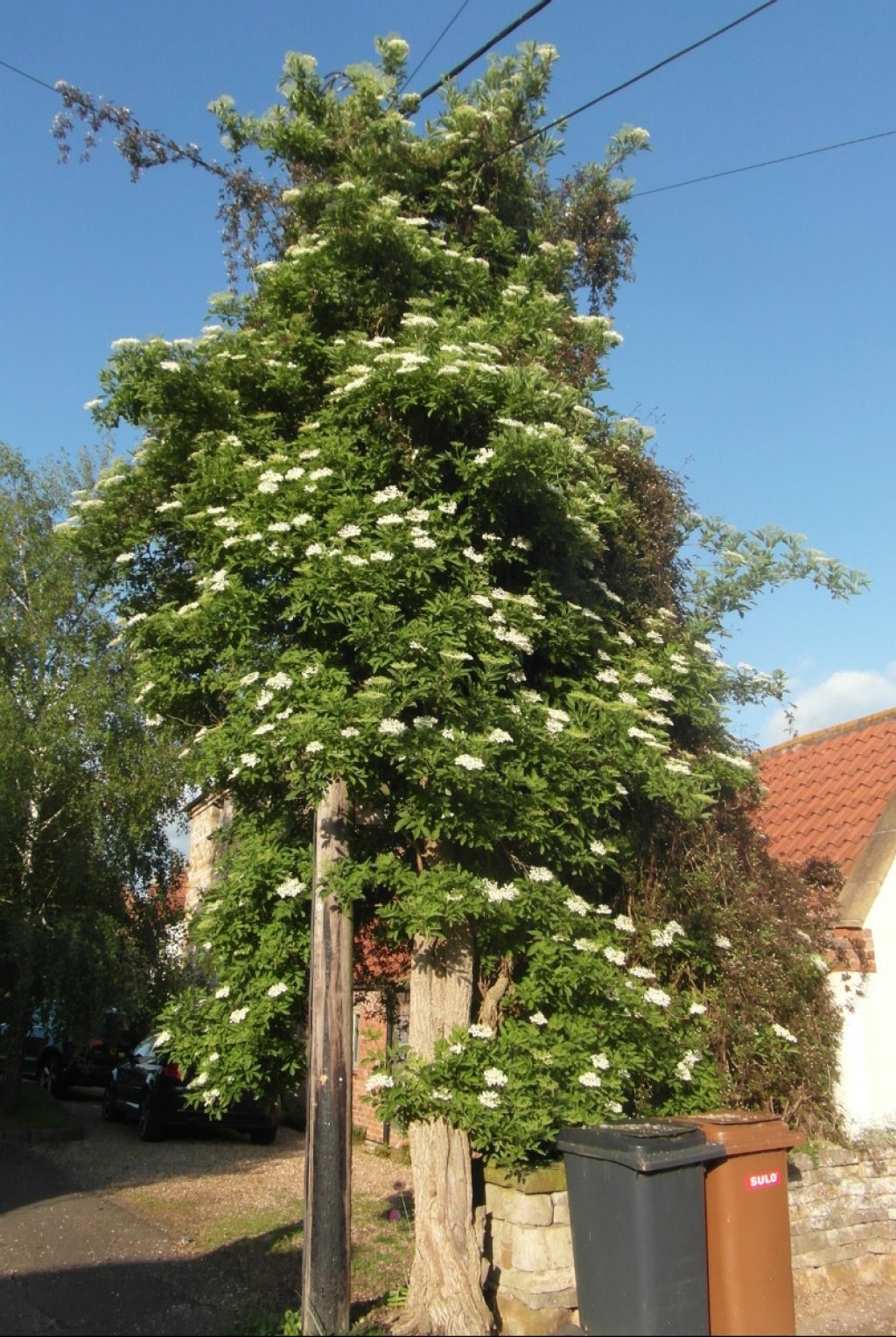
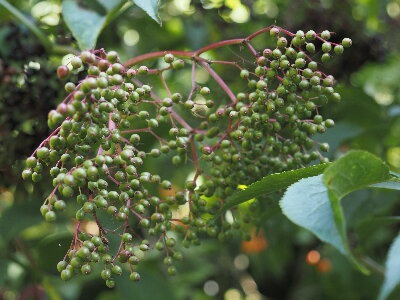
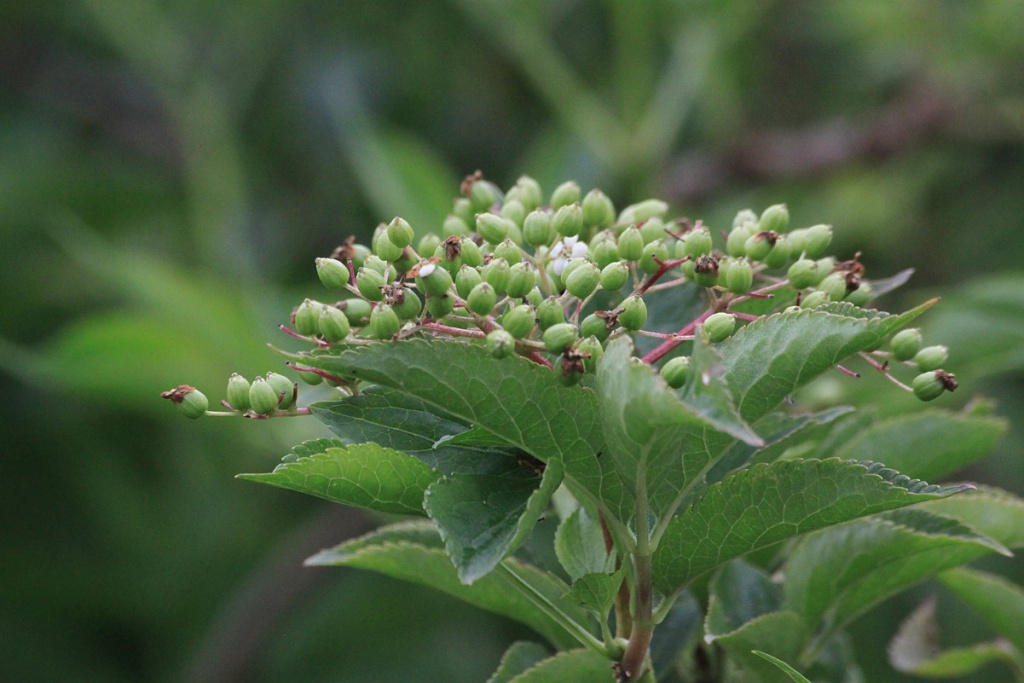
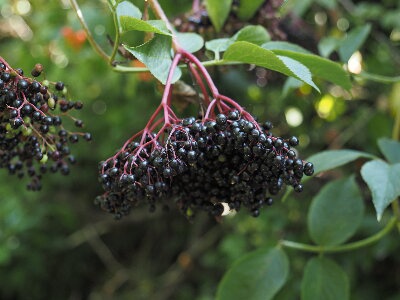
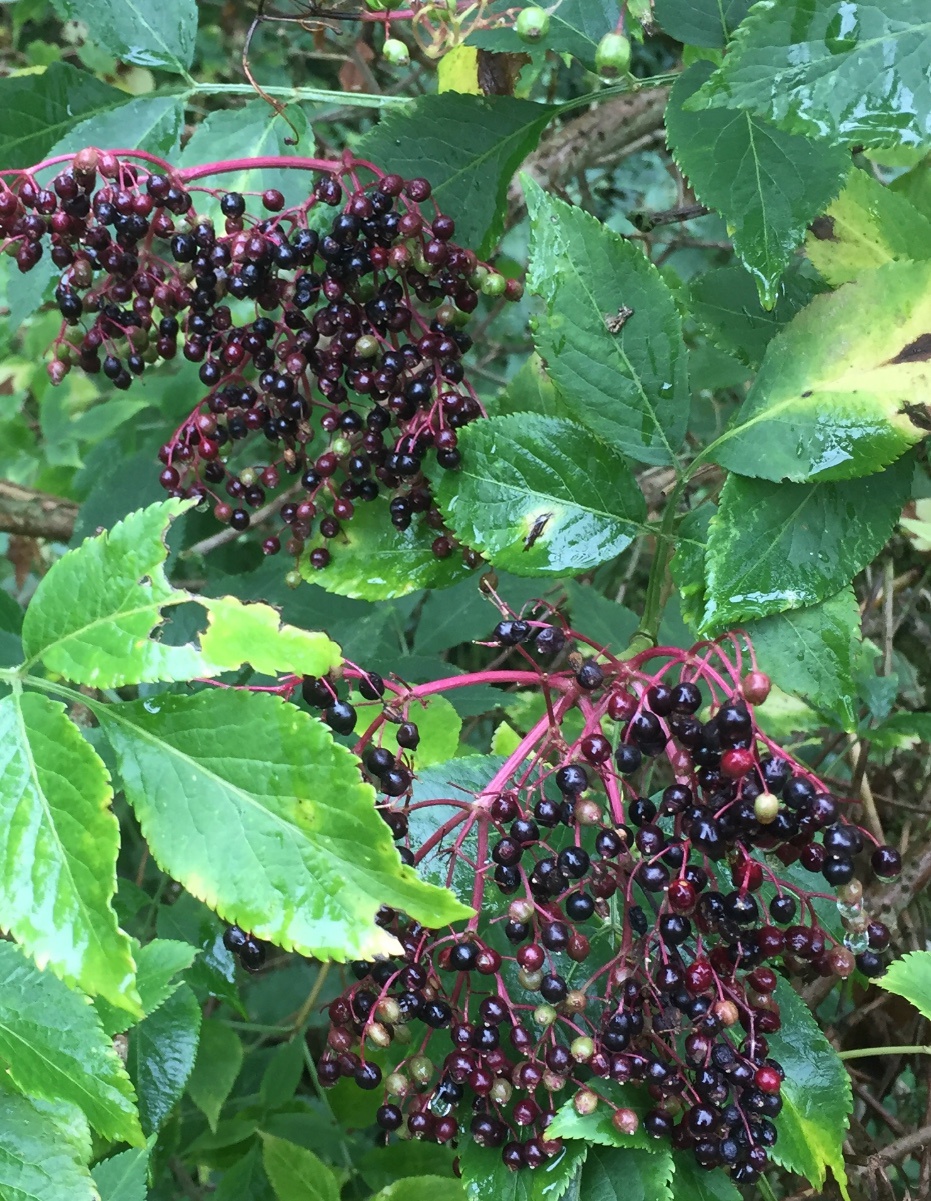
Shrub or tree to 10 metres, with grey-brown corky bark and white pith. Branches arching, rather brittle. Flowers creamy white, with yellowish white anthers in flat topped cluster 14 to 24 mm across, scented. Berry turning red and eventually black when ripe.

Various. Woods, hedgerows, old walls and around farms.
June and July.
Deciduous.
Very common throughout Britain
Very common in Leicestershire and Rutland. In the 1979 Flora survey of Leicestershire it was found in 602 of the 617 tetrads.
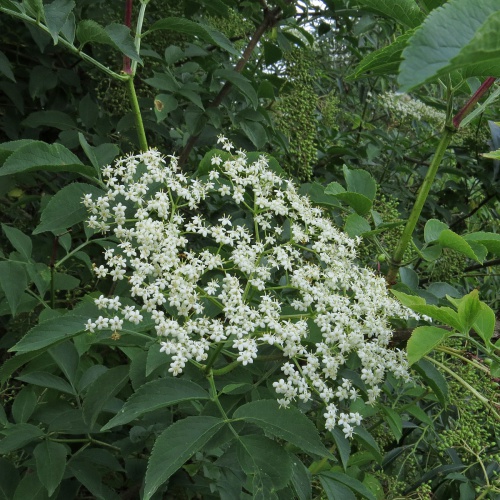 David Gould
Aylestone Meadows, Leicester.
18 July 2015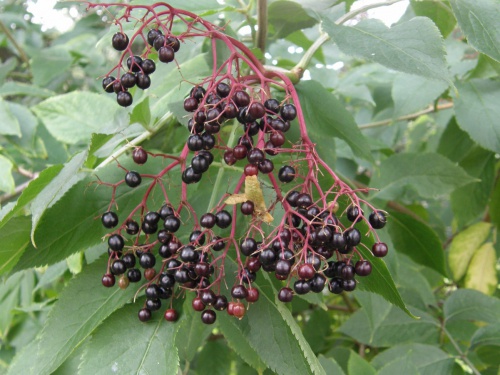 Saharima Roenisch
Spinney Hill Park
20 August 2017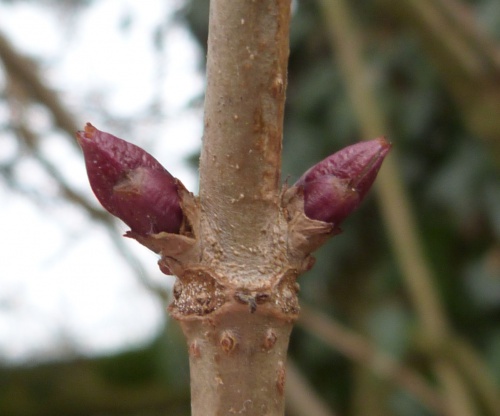 Graham Calow
Wigston Parva
22 January 2016
buds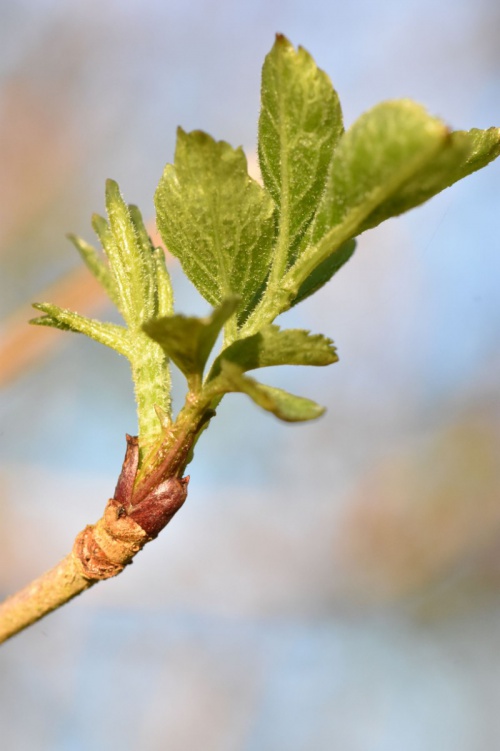 stepgray4
Wymeswold Woodland
26 February 2021
Emerging leaves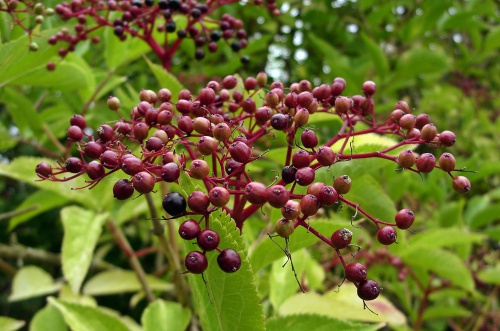 Lostash
Whetstone GCR Footpath
21 August 2015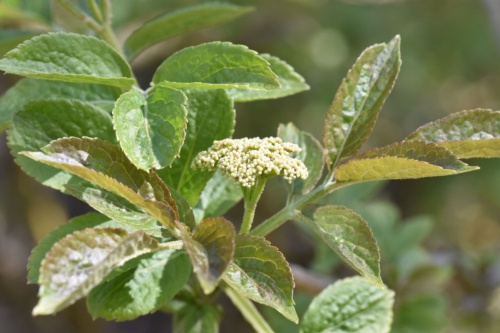 stepgray4
Launde Big Wood
19 April 2021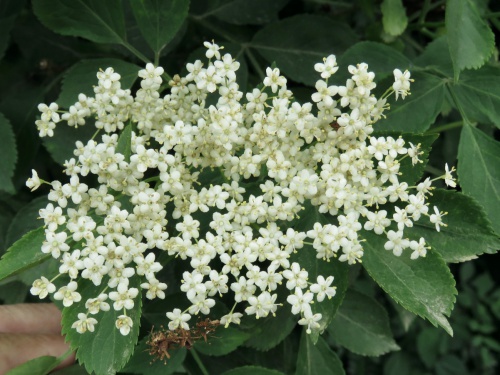 egaten
Shenton
21 June 2021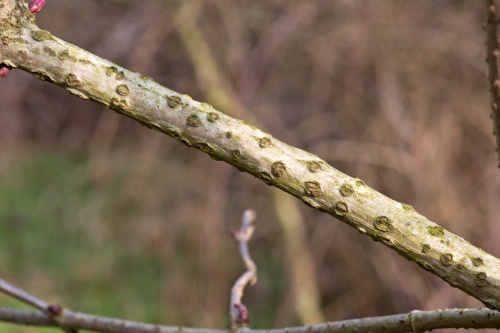 AJ Cann
Croft Glebe
13 January 2018
Lenticels on bark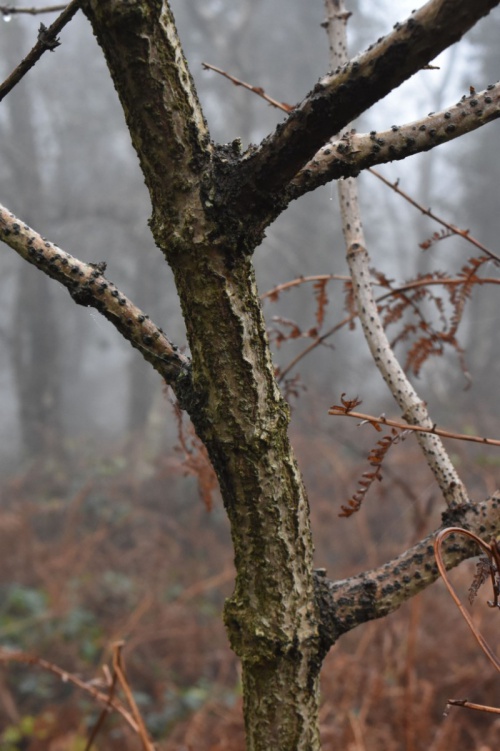 stepgray4
Ulverscroft NR
29 November 2020
Corky growth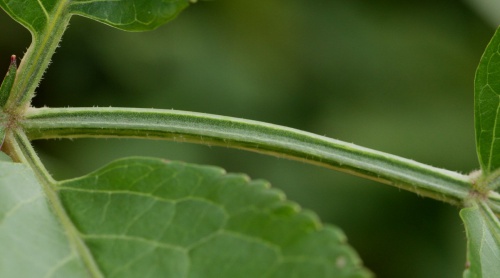 Craig Mabbett
Leire Footpath From Broughton Astley To Leire
14 August 2021
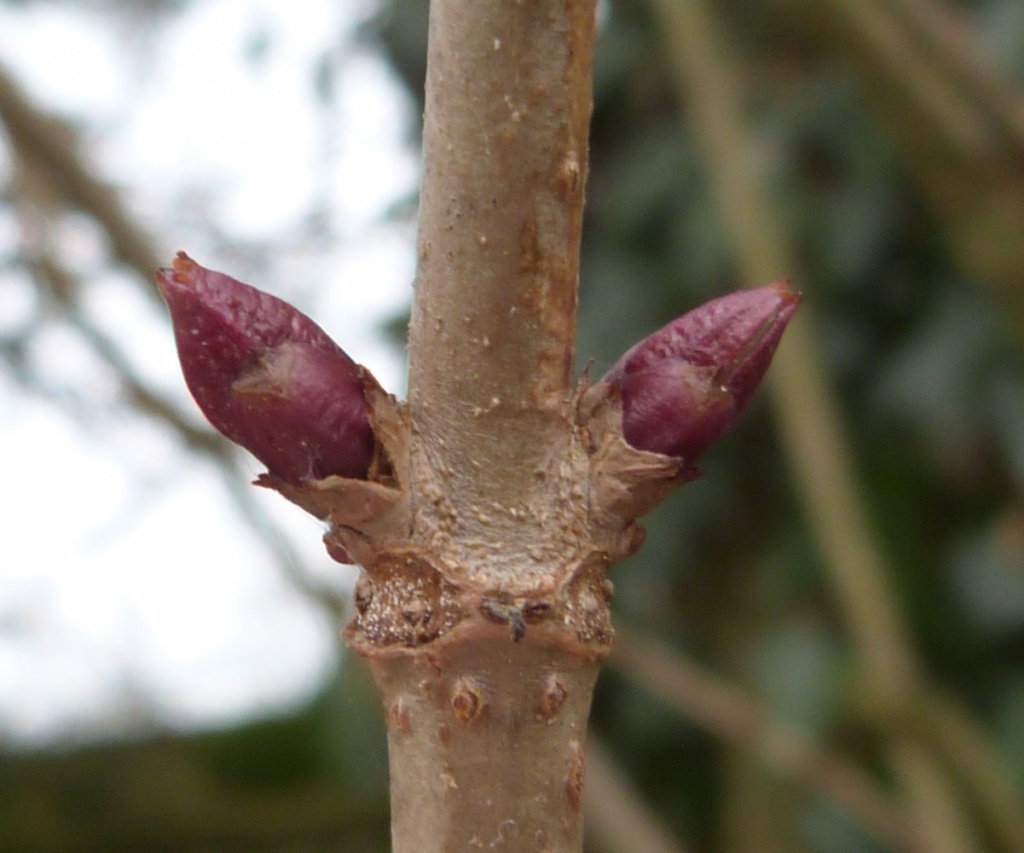
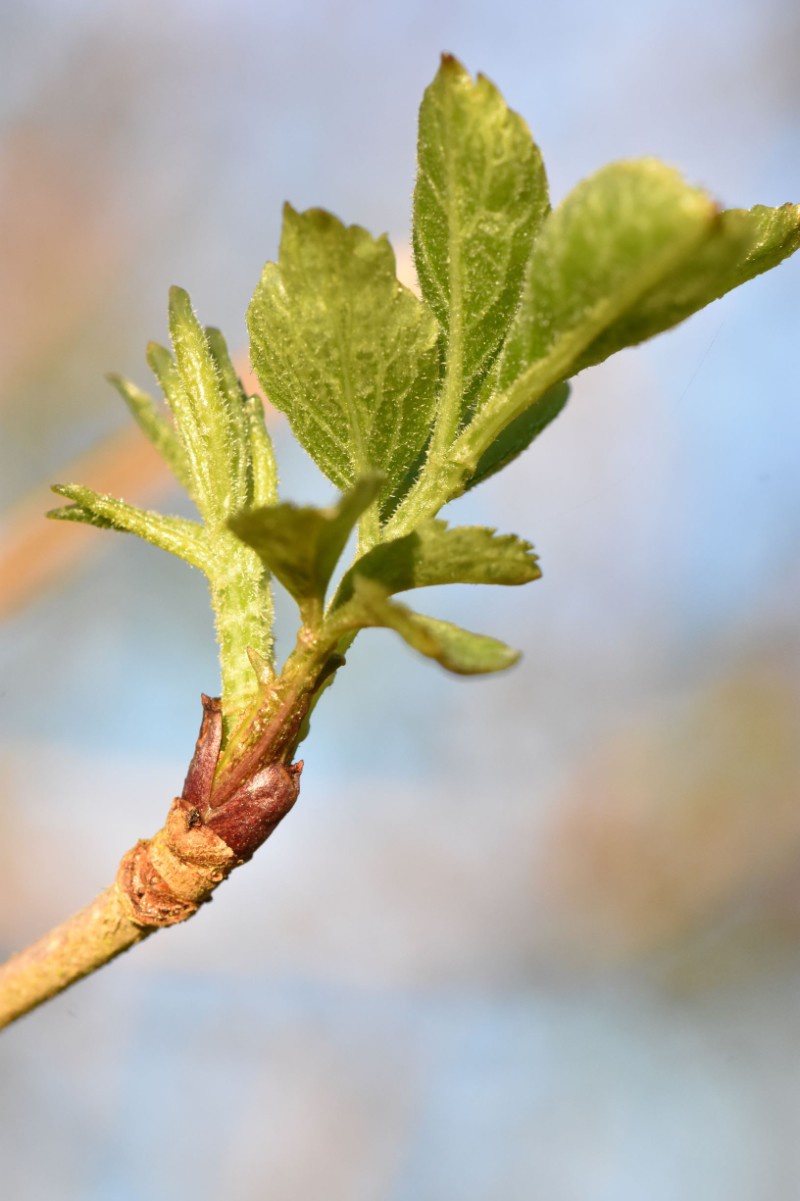
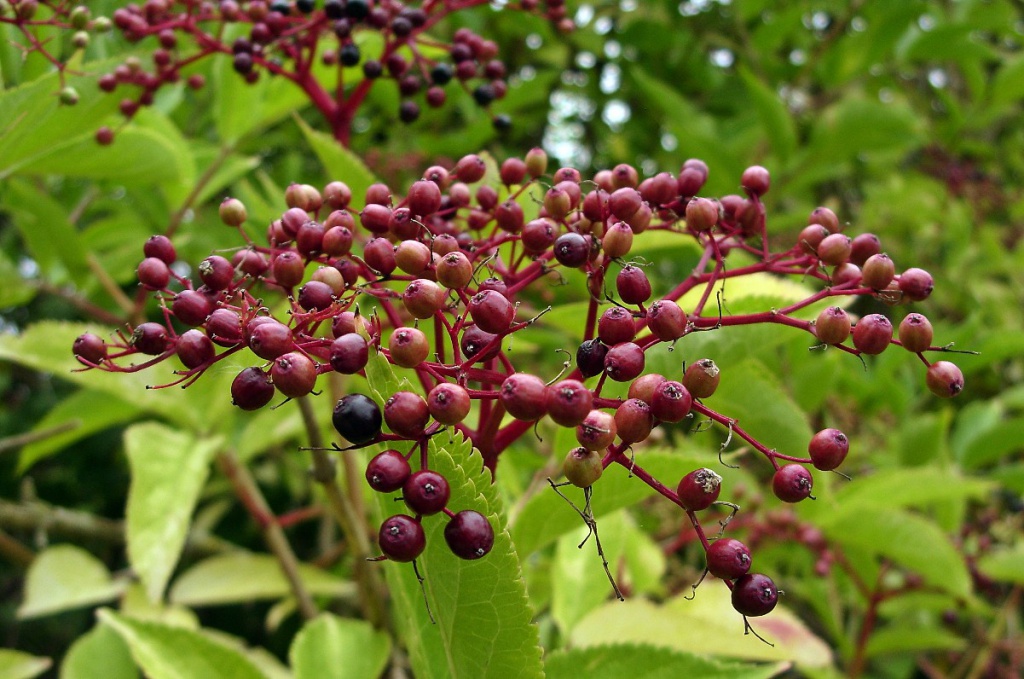
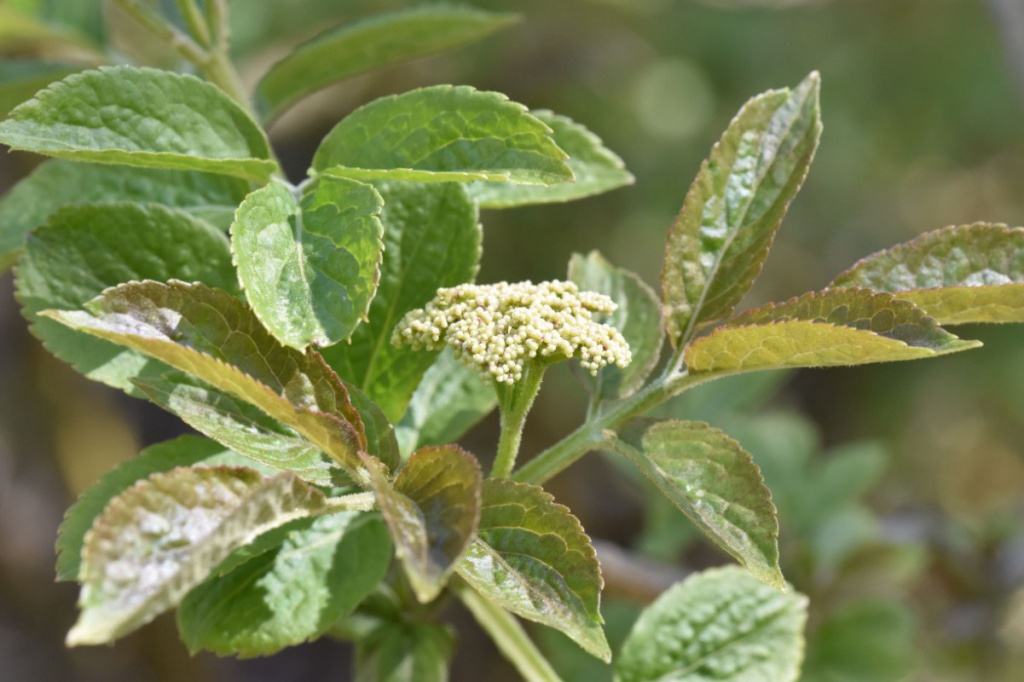

Leicestershire & Rutland Map
Enter a town or village to see local records
MAP KEY:
Yellow squares = NBN records (all known data)
Coloured squares = NatureSpot records: 2025+ | 2020-2024 | pre-2020
UK Map
Additional images

 autumn colours Leicester Road Sapcote SP 4956 9333 (taken 4.11.2007)..JPG)
All NatureSpot records
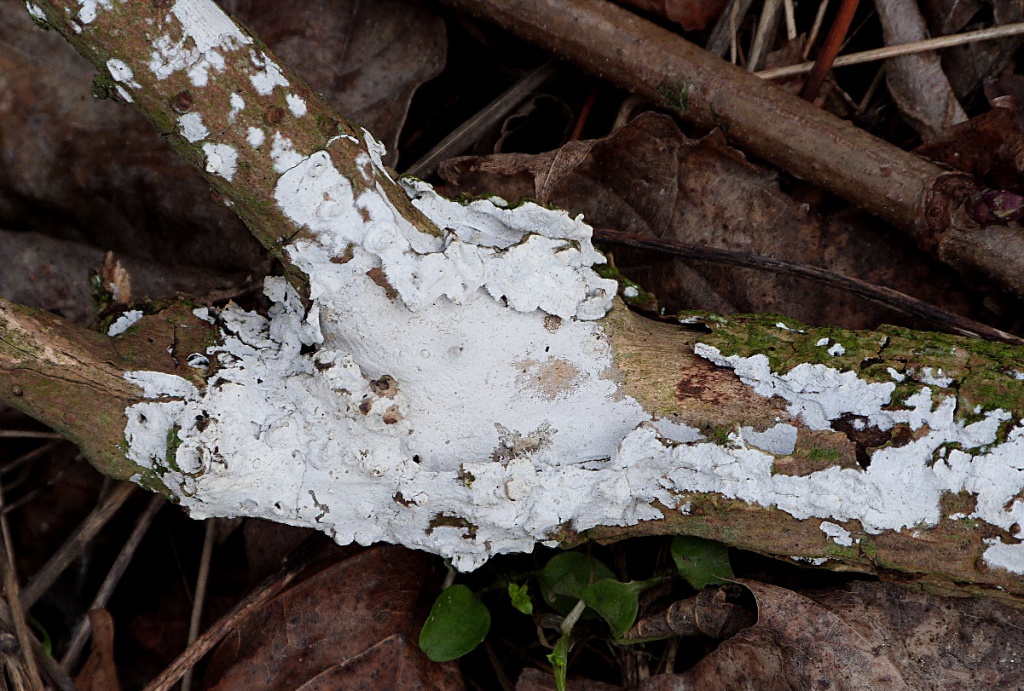
Elder Whitewash
Elder Whitewash (Hyphodontia sambuci) is a chalky white or greyish fungal pathogen found on the dead wood of branches of Elder that are still attached to the tree.
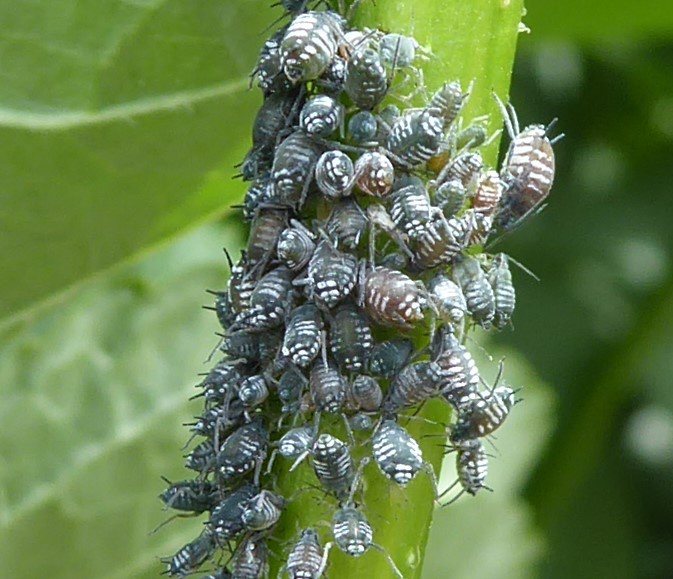
Elder Aphid
Elder Aphid (Aphis sambuci) is a variable aphid species, but the usual form is dark grey marked with white. It is usually associated with Elder, although it may use other plants.
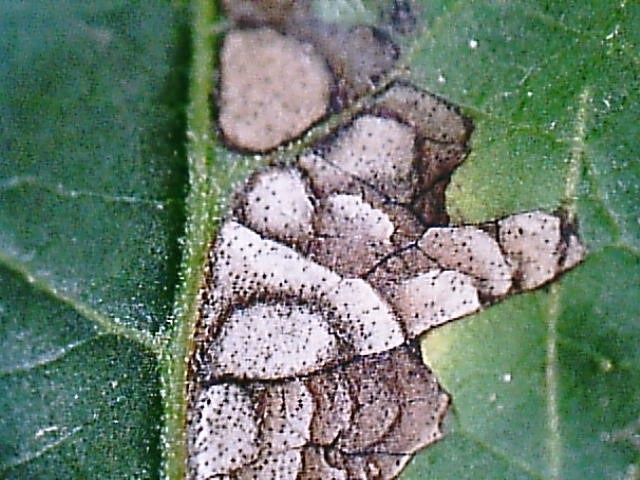
Pseudocercospora depazeoides
Cercospora depazeoides is a fungus which attacks the leaves of Elder, creating a strange, pale, scale like appearance on the upper surface of the leaves, and tiny black spots beneath.
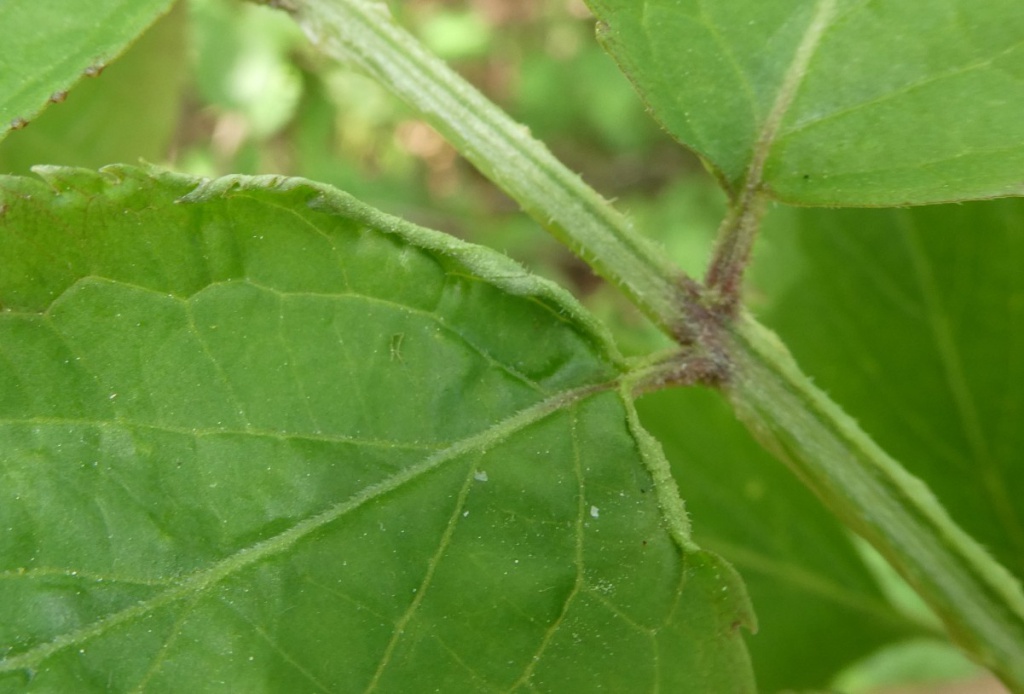
Epitrimerus trilobus
Epitrimerus trilobus is a mite that causes galls to form on the leaves of Elder. The leaf margin rolls upwards and becomes slightly thickened. The roll is 1 - 5mm wide, tight, short or extending around most of the leaf; the leaf may be creased or buckled and reduced in size; the gall contains mites.
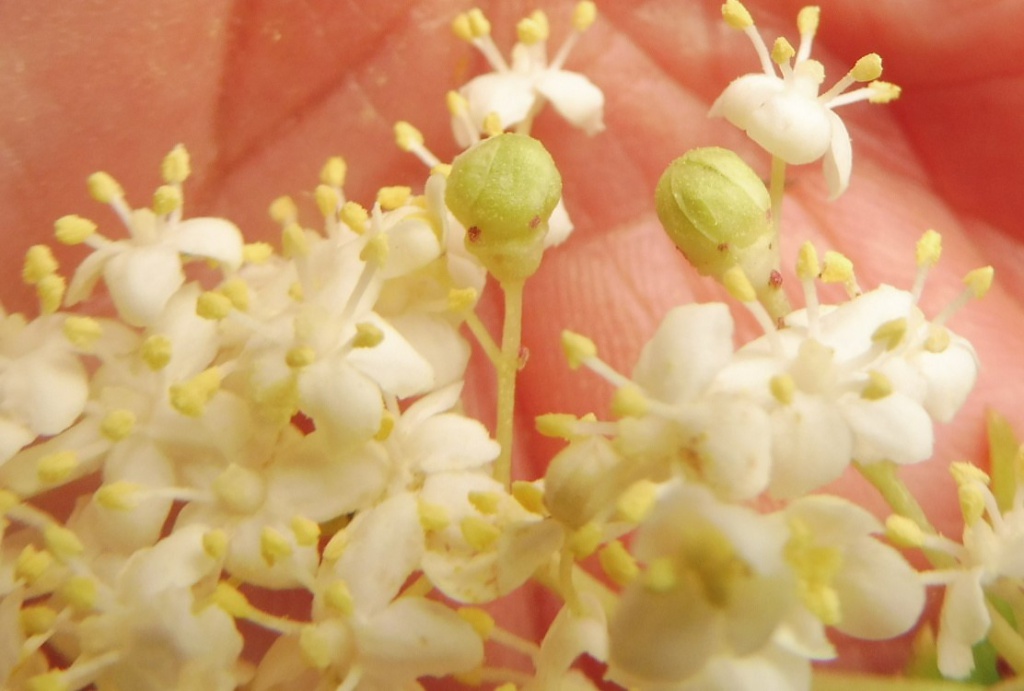
Placochela nigripes
The larvae of Placochela nigripes produce galls on the flower buds of Elder, Wild Privet and occasionally on Garden Privet causing the buds to remain closed and swollen. The galls contain an orange larva.
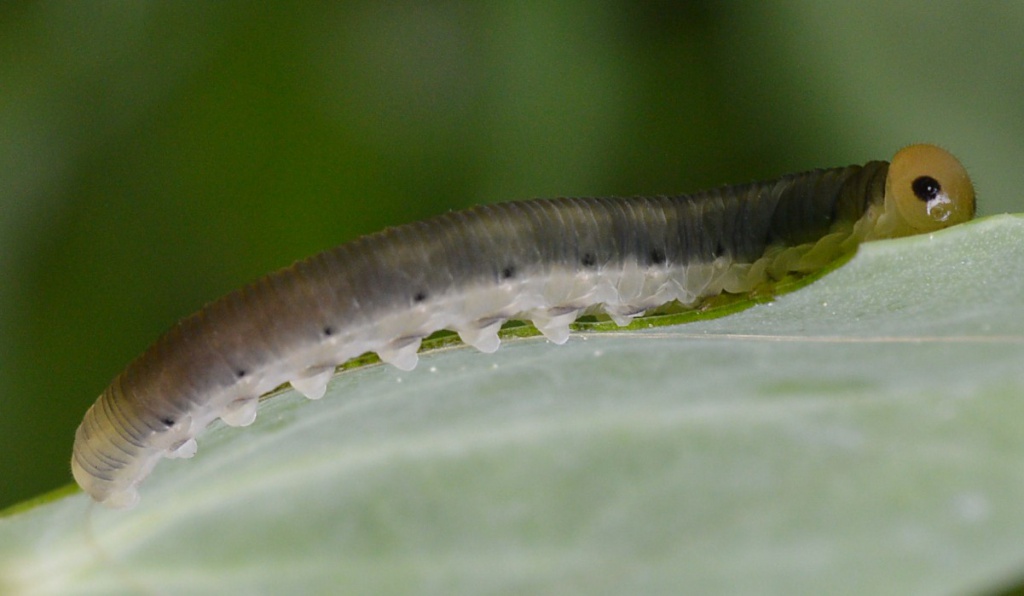
Macrophya albicincta
The larvae of the sawfly Macrophya albicincta feed on Elder as do those of Macrophya ribis and Macrophya alboannulata. If found on Elder this species should be recorded as Macrophya albicincta sensu lato.
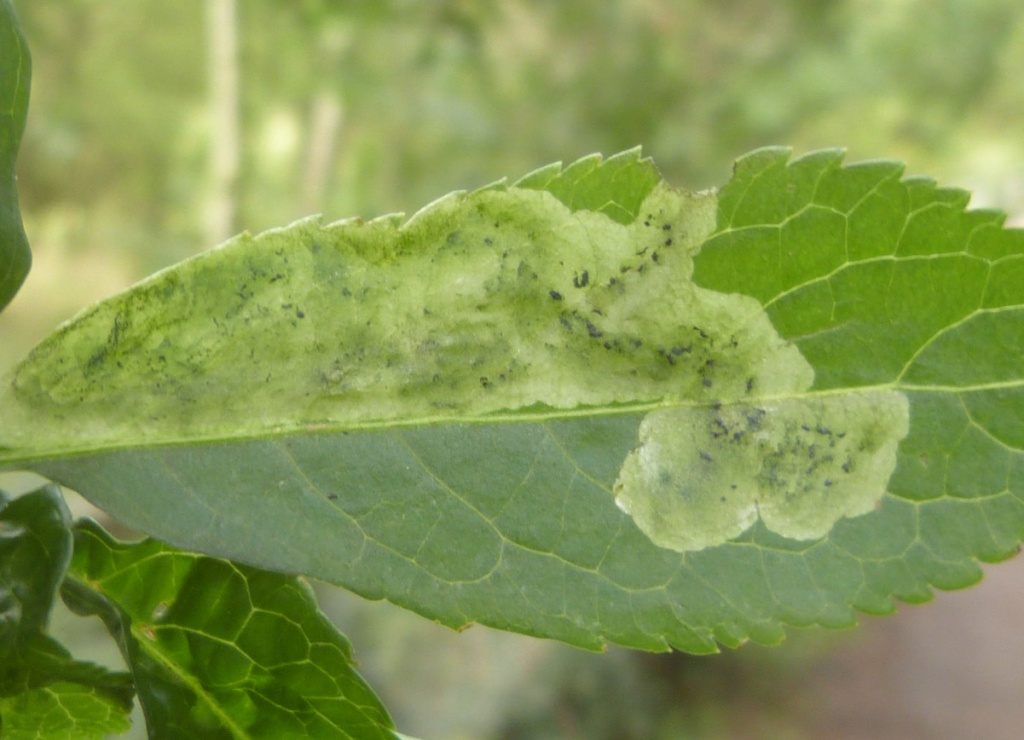
Liriomyza amoena
The larva of the Agromyzid fly Liriomyza amoena mines the leaves of Elder, creating a large blotch mine with conspicuous frass.