Early Marsh-orchid
Early Marsh-orchid - Dactylorhiza incarnata
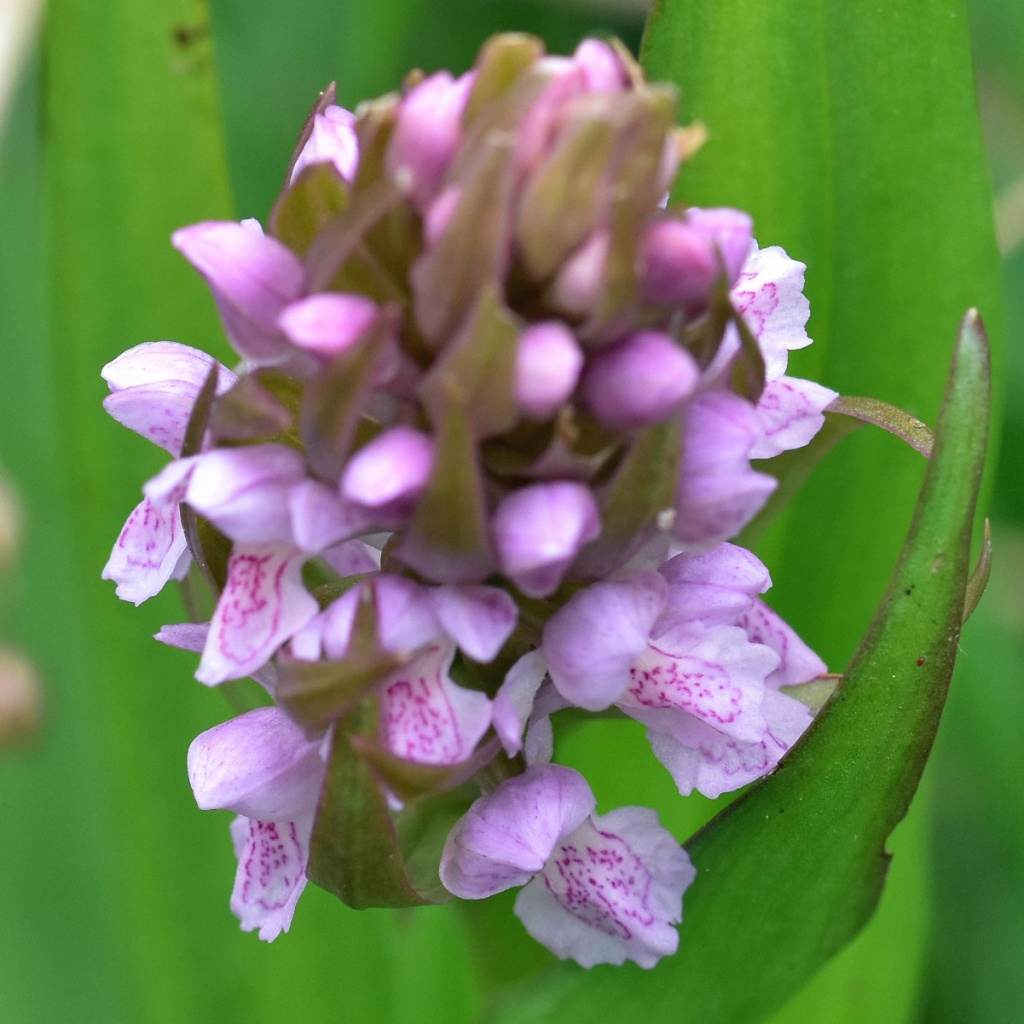
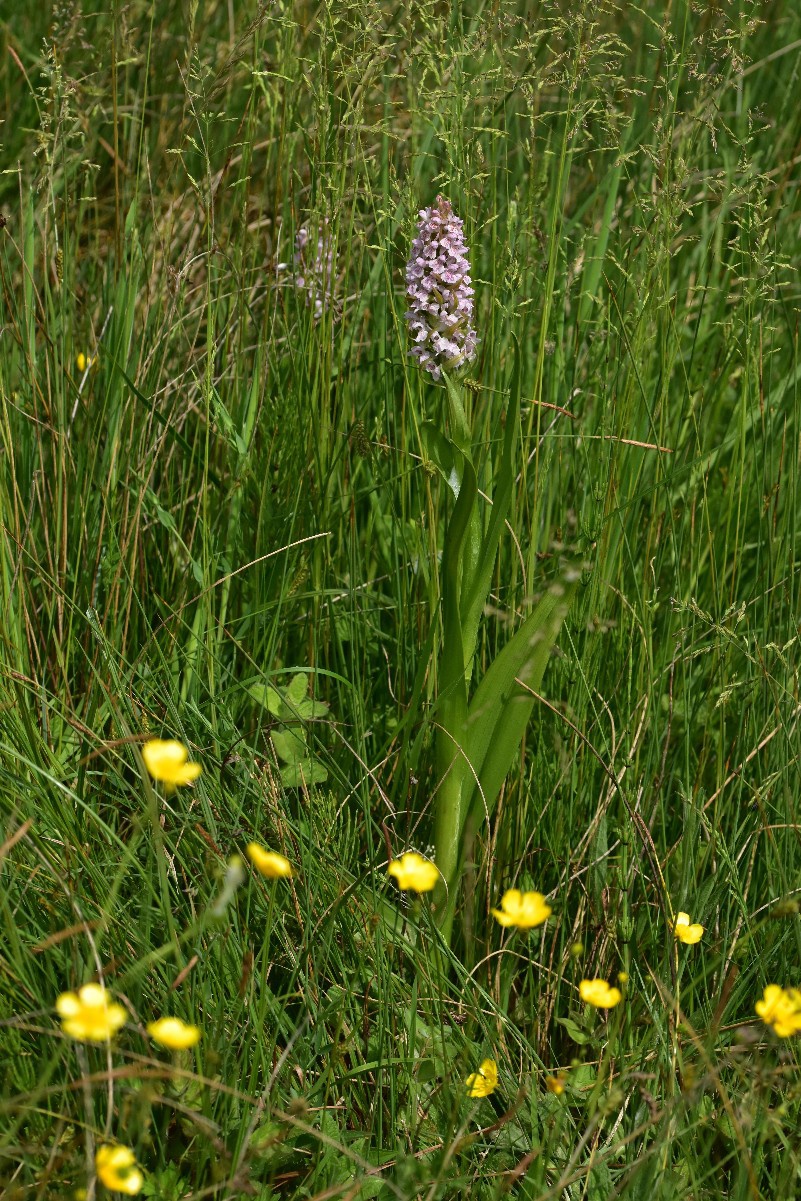
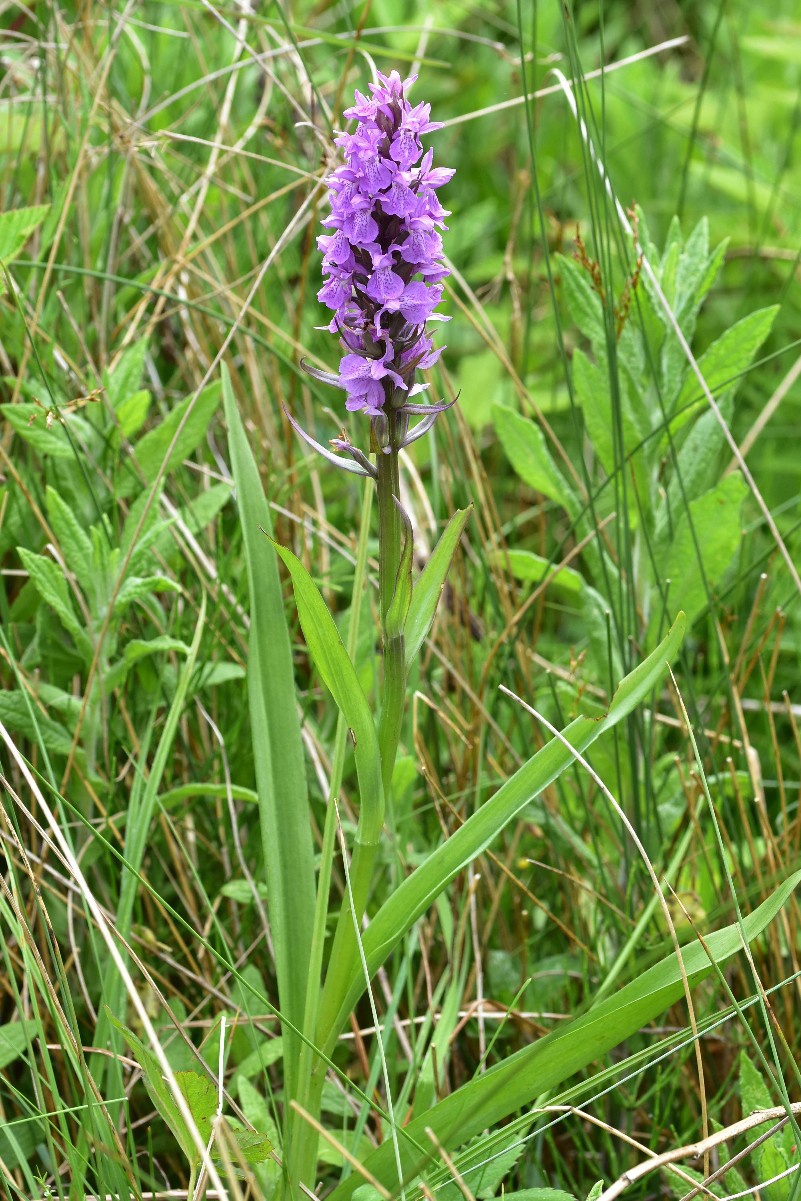
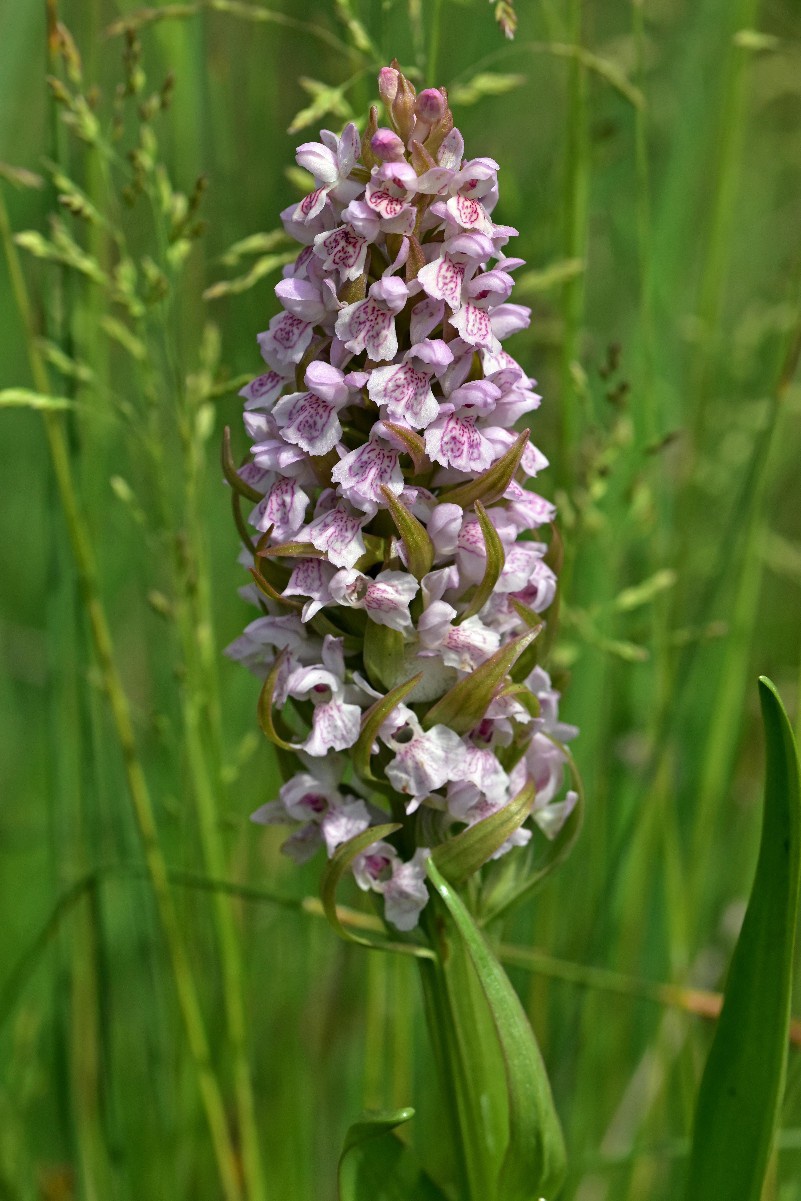
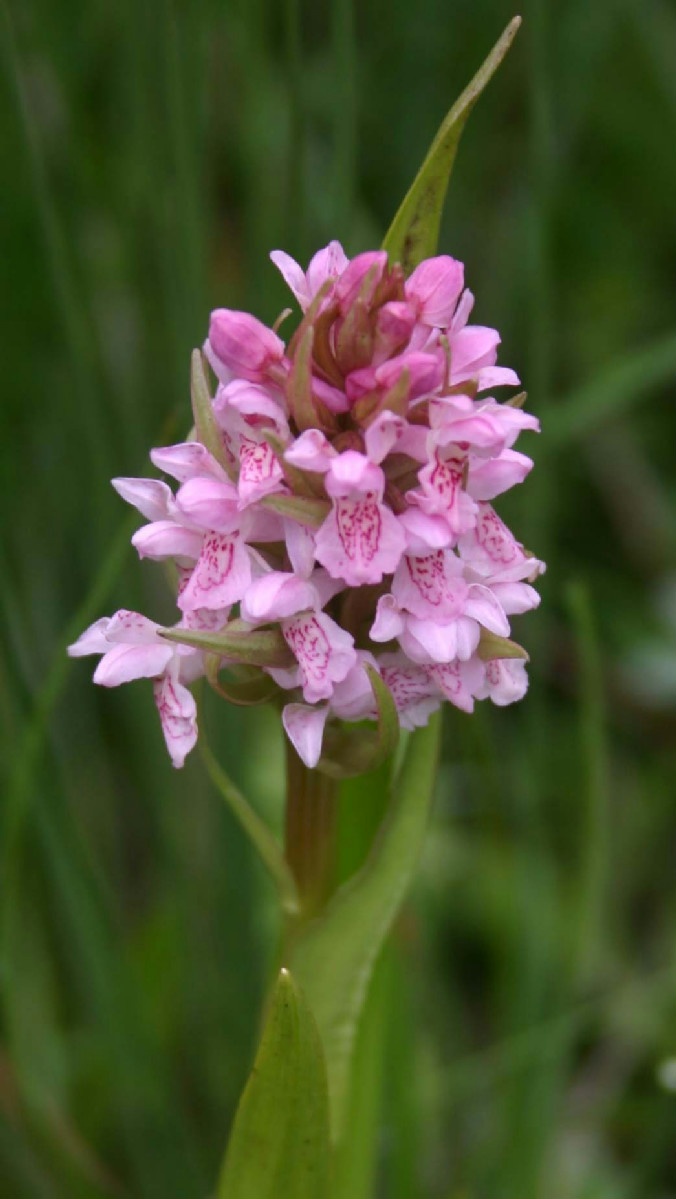
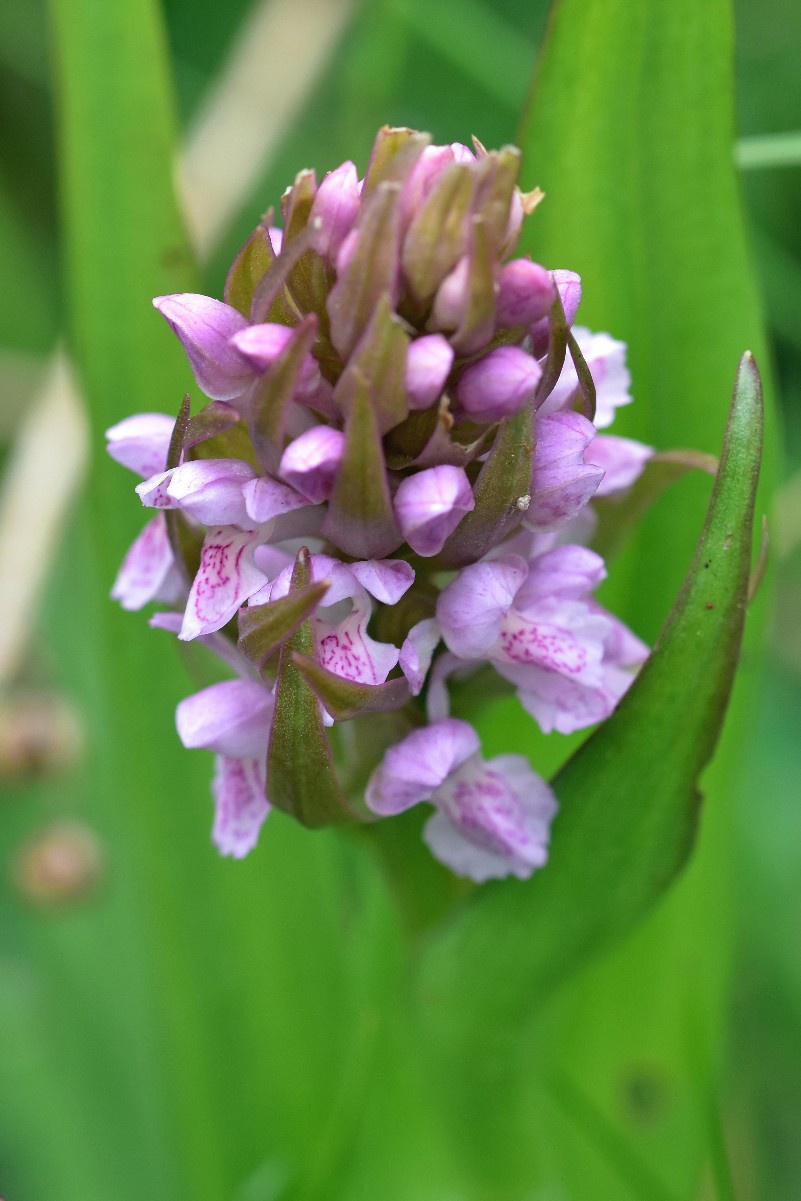
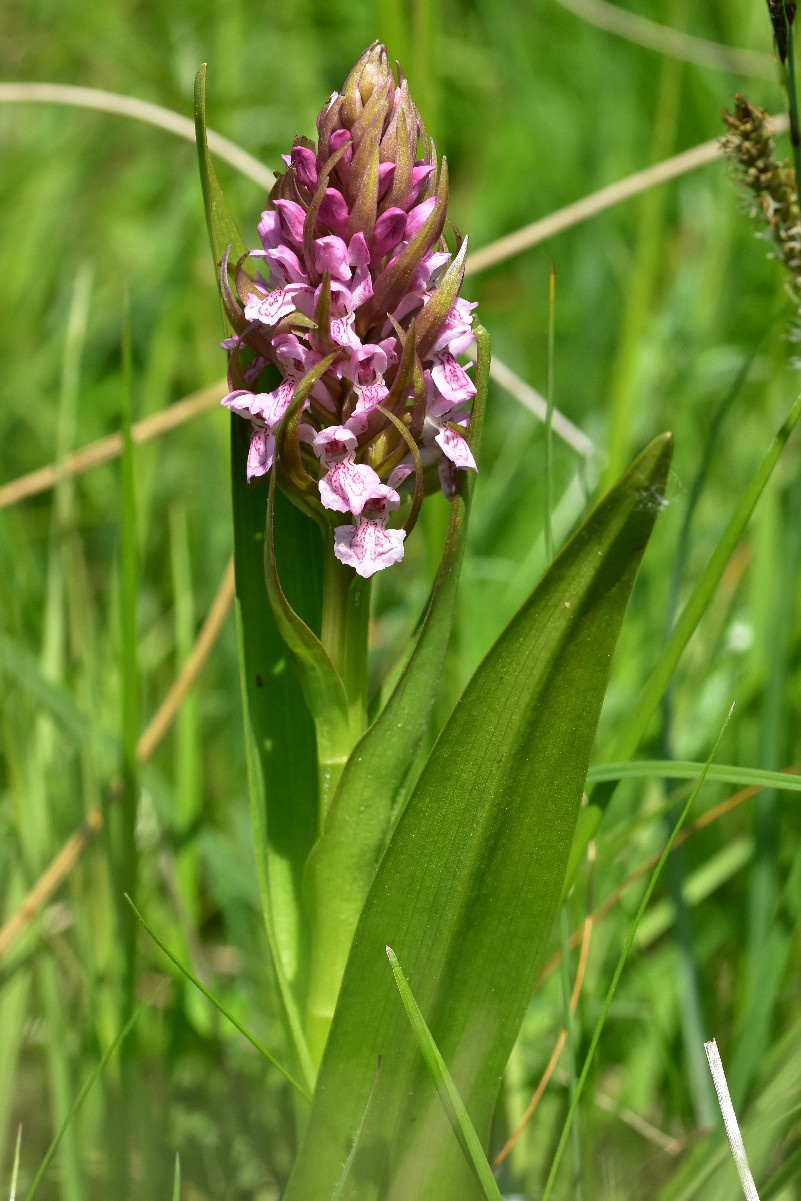
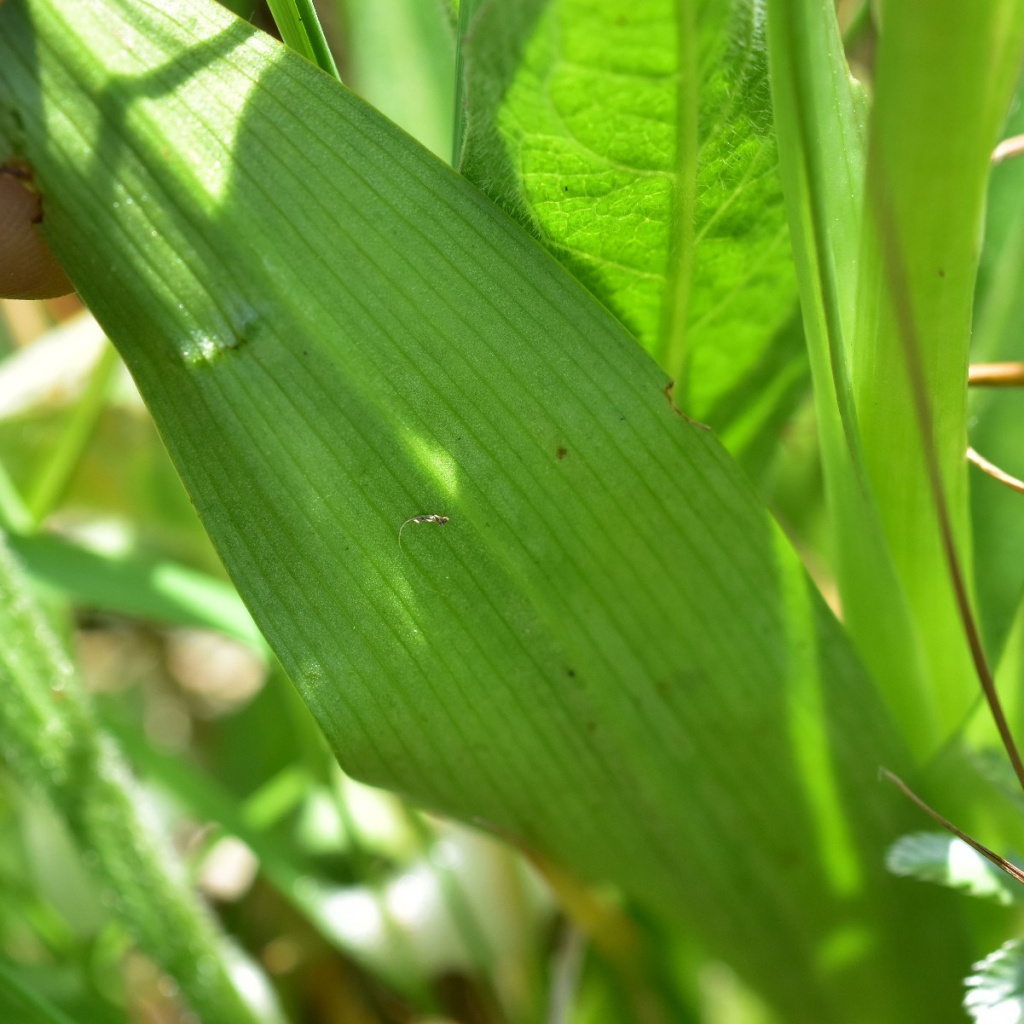
A tuberous erect plant. The 4 or 5 lanceolate, yellowish green leaves sheath the stem which is usually hollow. The flowers are in a dense, terminal spike. The bracts are long, sometimes protruding beyond the flower.
This is a difficult genus that readily hybridises, leading to many intermediate forms; the species also exhibit a wide range of variation. Other Dactylorhiza in VC55 are Heath-spotted Orchid, Southern Marsh Orchid, Common Spotted Orchid and the hybrid between Common Spotted and Southern Marsh Orchids (D x grandis); other hybrids within Dactylorhiza are possible where both parents grow together.
Several subspecies of D incarnata have been named.

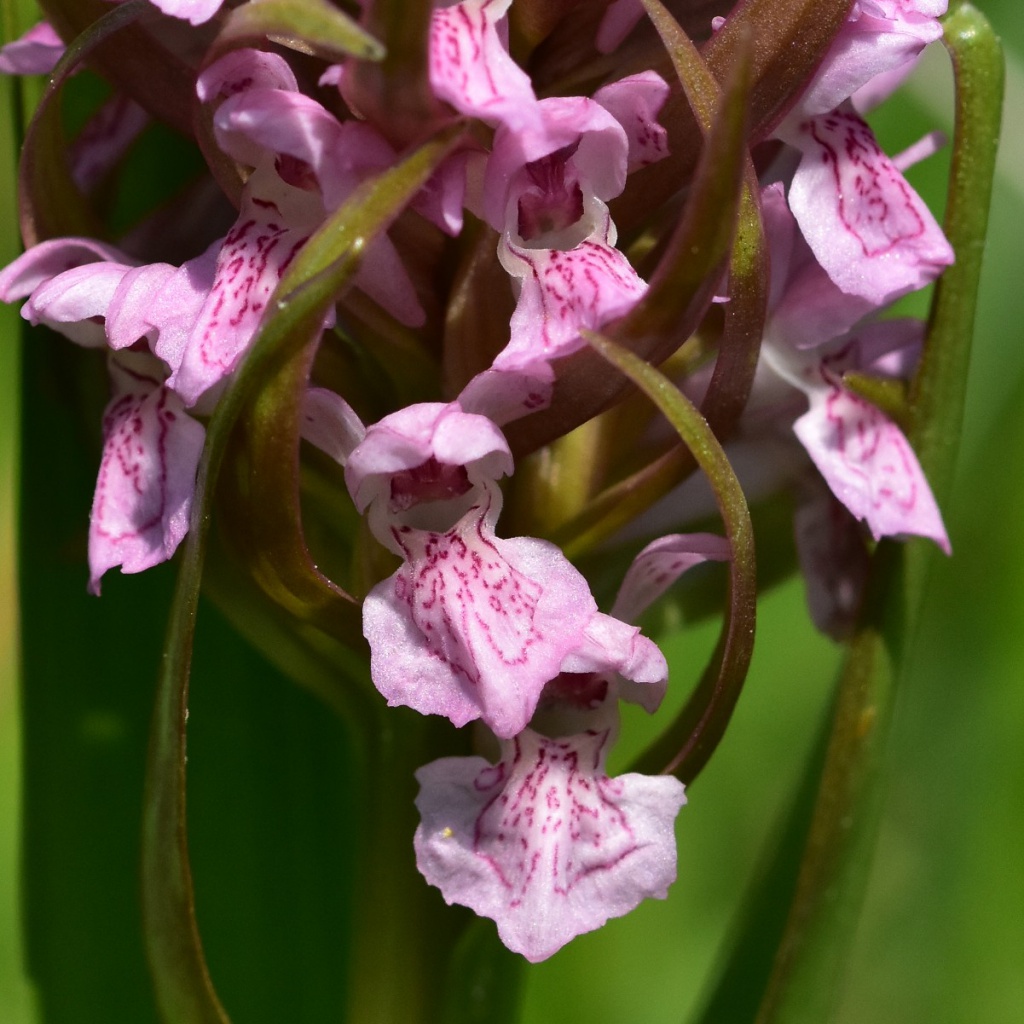
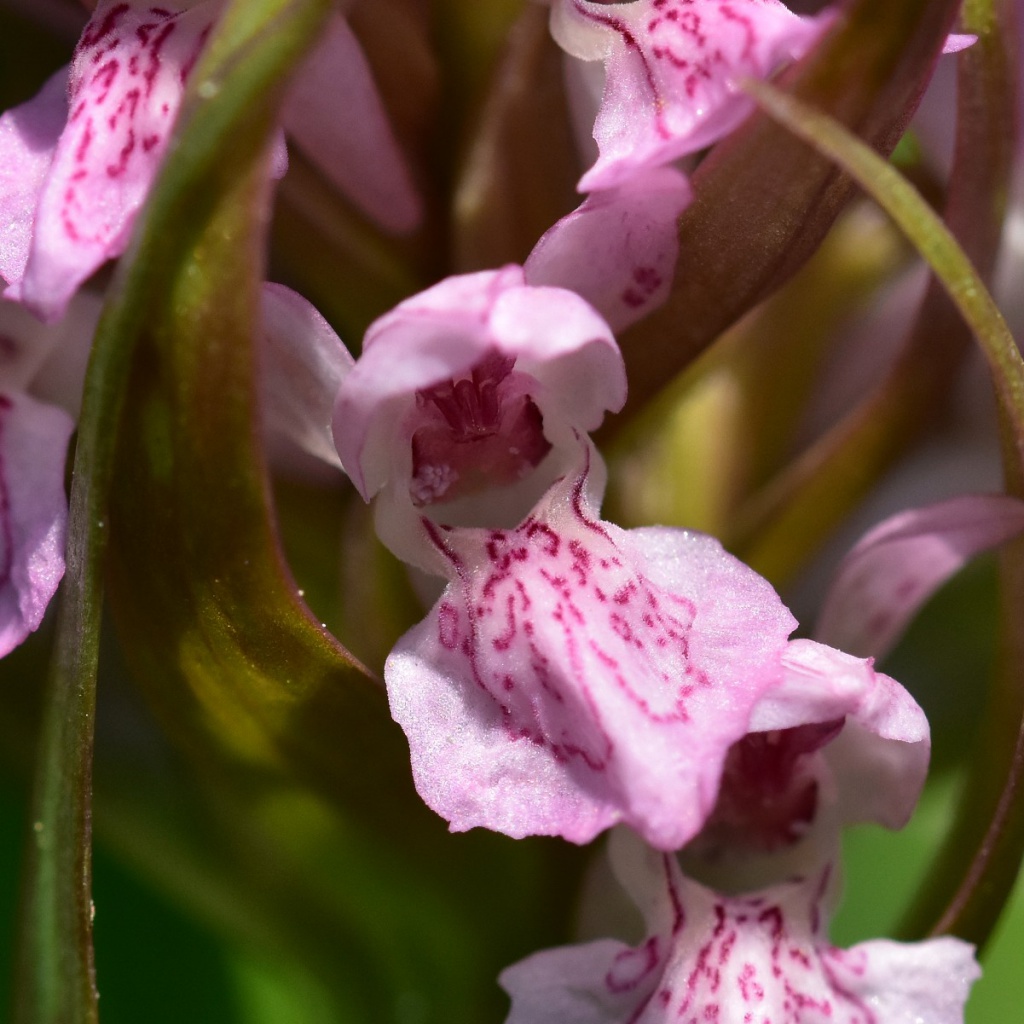
Stem usually hollow (feel this by gently compressing the lower stem between finger and thumb; no need to pick the flower!). Leaves usually unspotted; labellum (lower lip) with sides turned back and so appearing very narrow from front; usually 2 distinct dark loop-marks side by side. Flowers usually paler pink than Southern Marsh Orchid, and often appear slightly salmon in colour
Photographs of the whole plant and details of flowers. This is a very rare plant in VC55 and therefore a specimen should not be taken. Take detailed field photos and submit to NatureSpot as soon as possible; and if you think you have found it in a new location, inform the County Recorder as soon you can. (RPR)
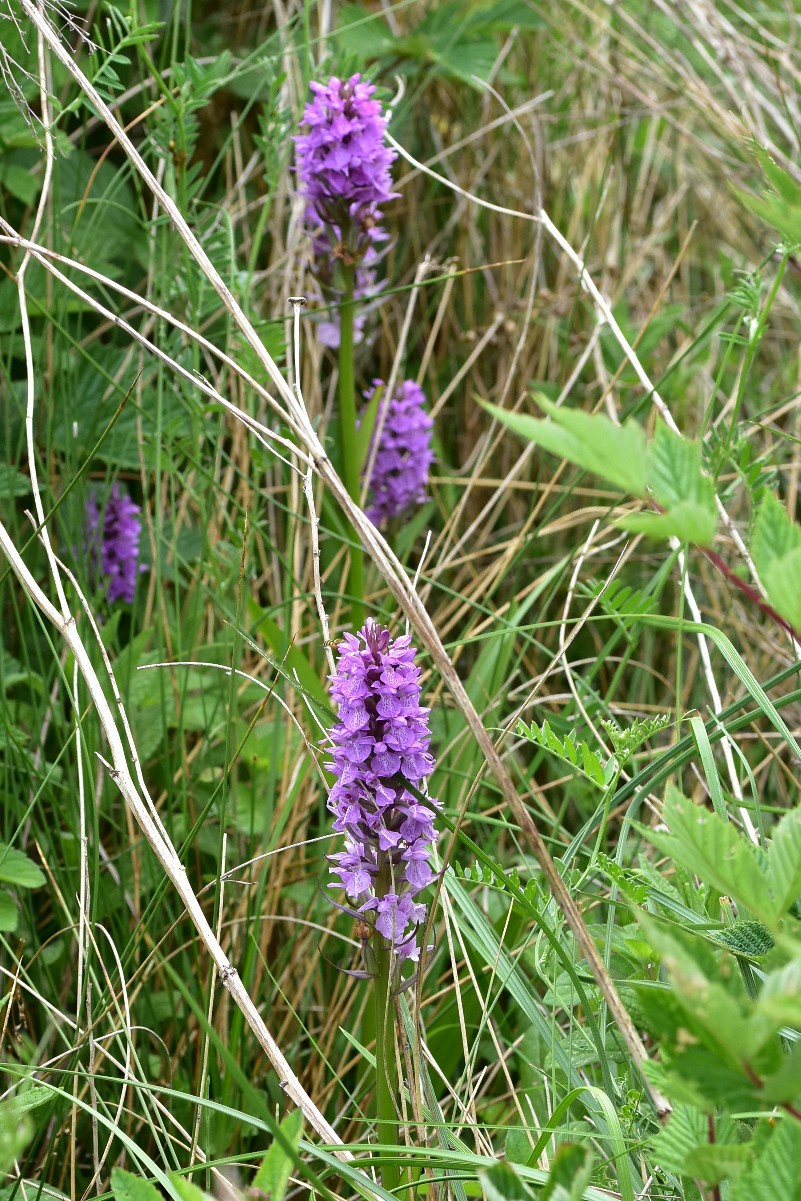
Wet meadows.
Flowers May to July.
Perennial.
Widespread but not particularly frequent, scarce in the far north
Rare in Leicestershire and Rutland. It was not recorded in the Flora of Leicestershire (Primavesi and Evans 1988), but was recorded in the Flora of Rutland (Messenger 1971) in 9 tetrads.
In the current checklist (Jeeves 2011) it is listed as Native; rare; few recent records.
It is listed on the current VC55 Rare Plant Register (Hall and Woodward 2022) as Locally Rare (i.e. present in less than 3 sites) and decreasing.
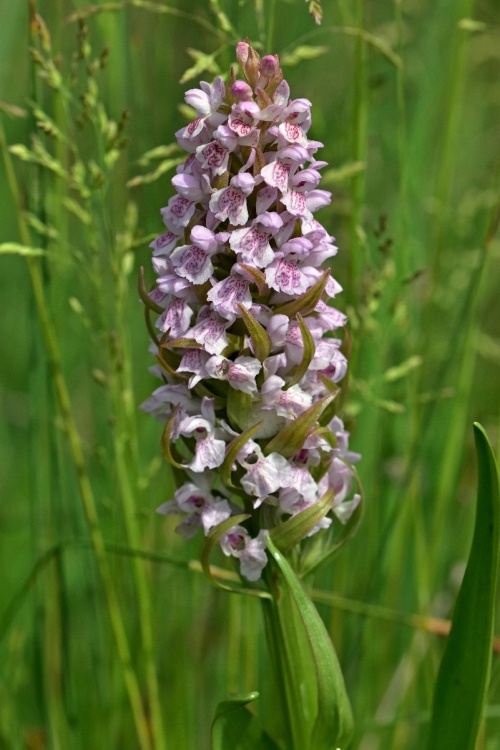 Andy's Rutland
Gunnel Lane Meadow
01 June 2018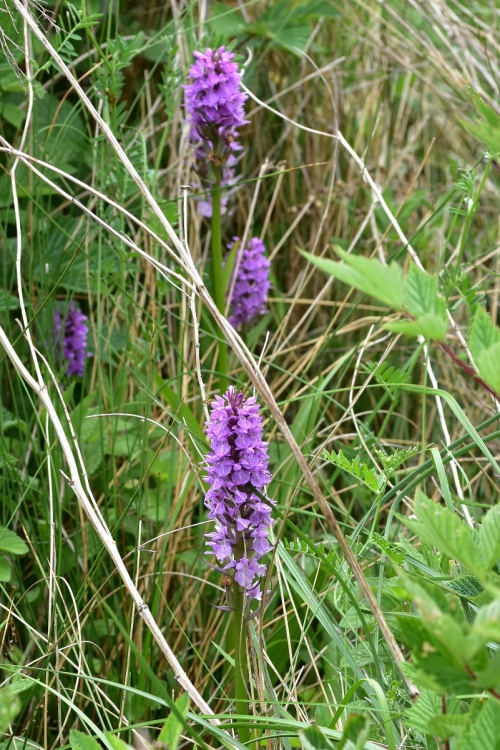 Andy's Rutland
Gunnel Lane Meadow-Empingham
02 July 2019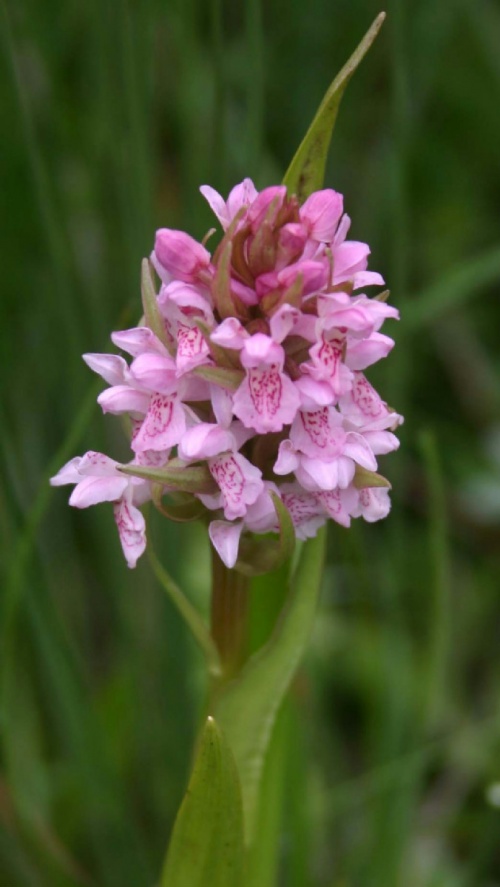 David Gray
Empingham north meadows
05 June 2012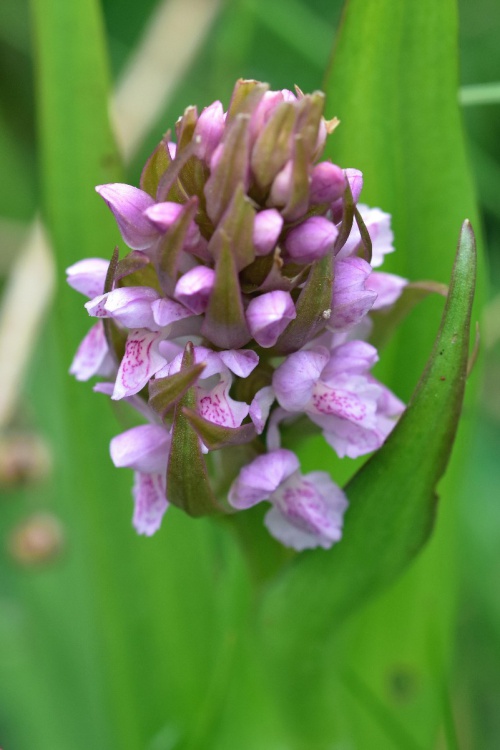 Andy's Rutland
Gunnel Lane Meadow
24 May 2018 Andy's Rutland
Gunnel Lane Meadow-Empingham
22 May 2018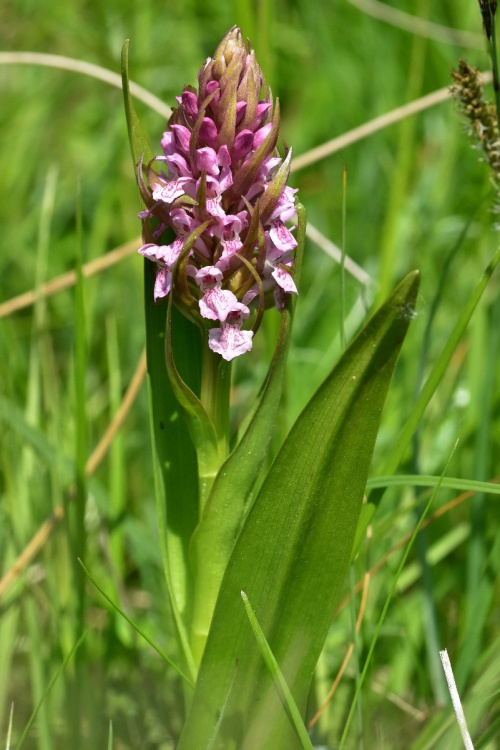 Andy's Rutland
Gunnel Lane Meadow-Empingham
22 May 2018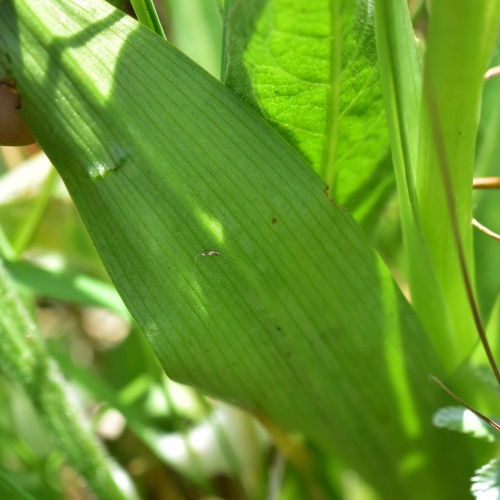 Andy's Rutland
Gunnel Lane Meadow-Empingham
22 May 2018
Leicestershire & Rutland Map
Enter a town or village to see local records
MAP KEY:
Yellow squares = NBN records (all known data)
Coloured squares = NatureSpot records: 2025+ | 2020-2024 | pre-2020
UK Map
Additional images