Dark Dagger
Dark Dagger - Acronicta tridens
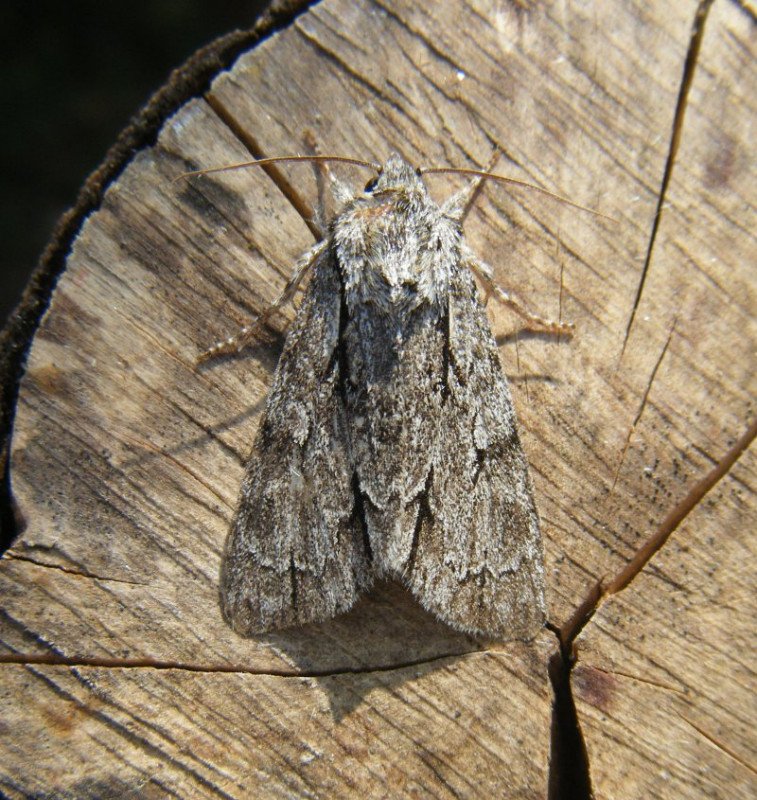
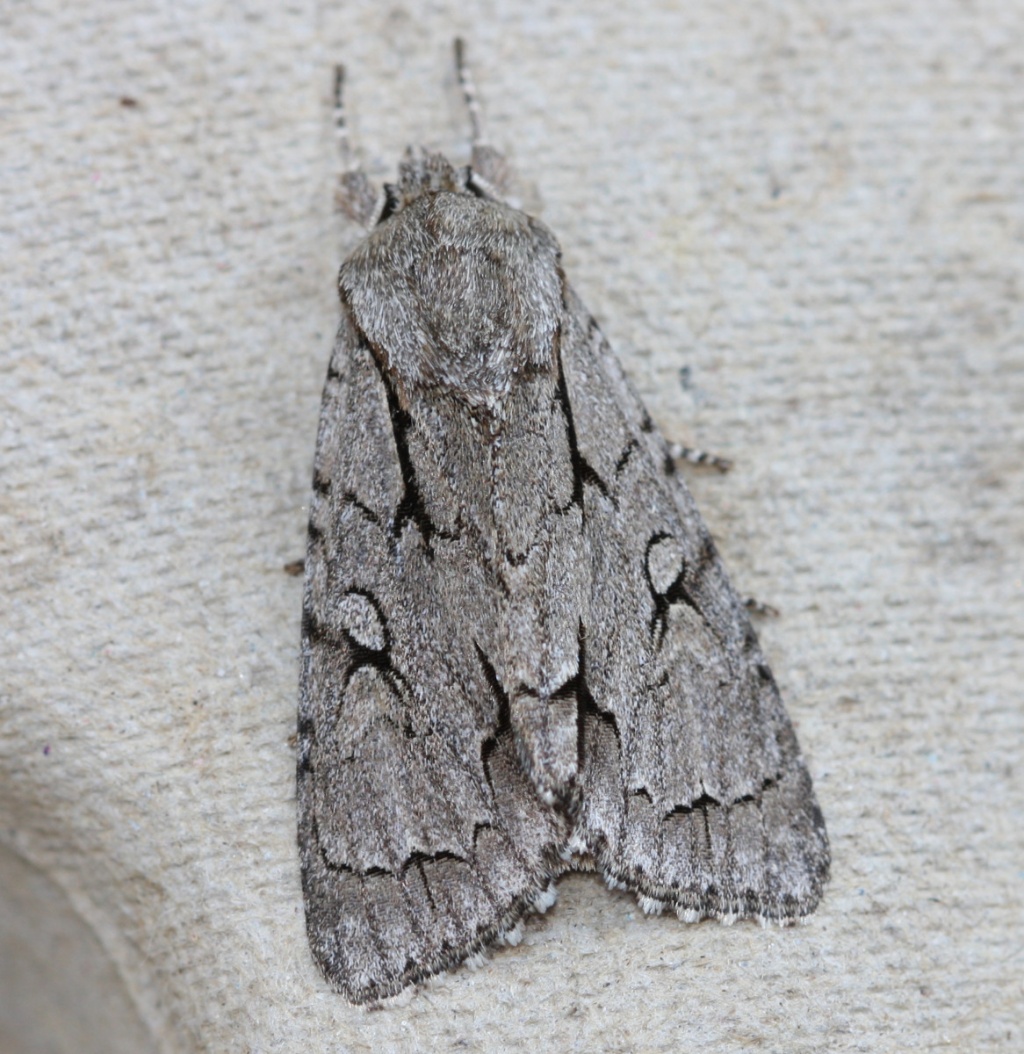
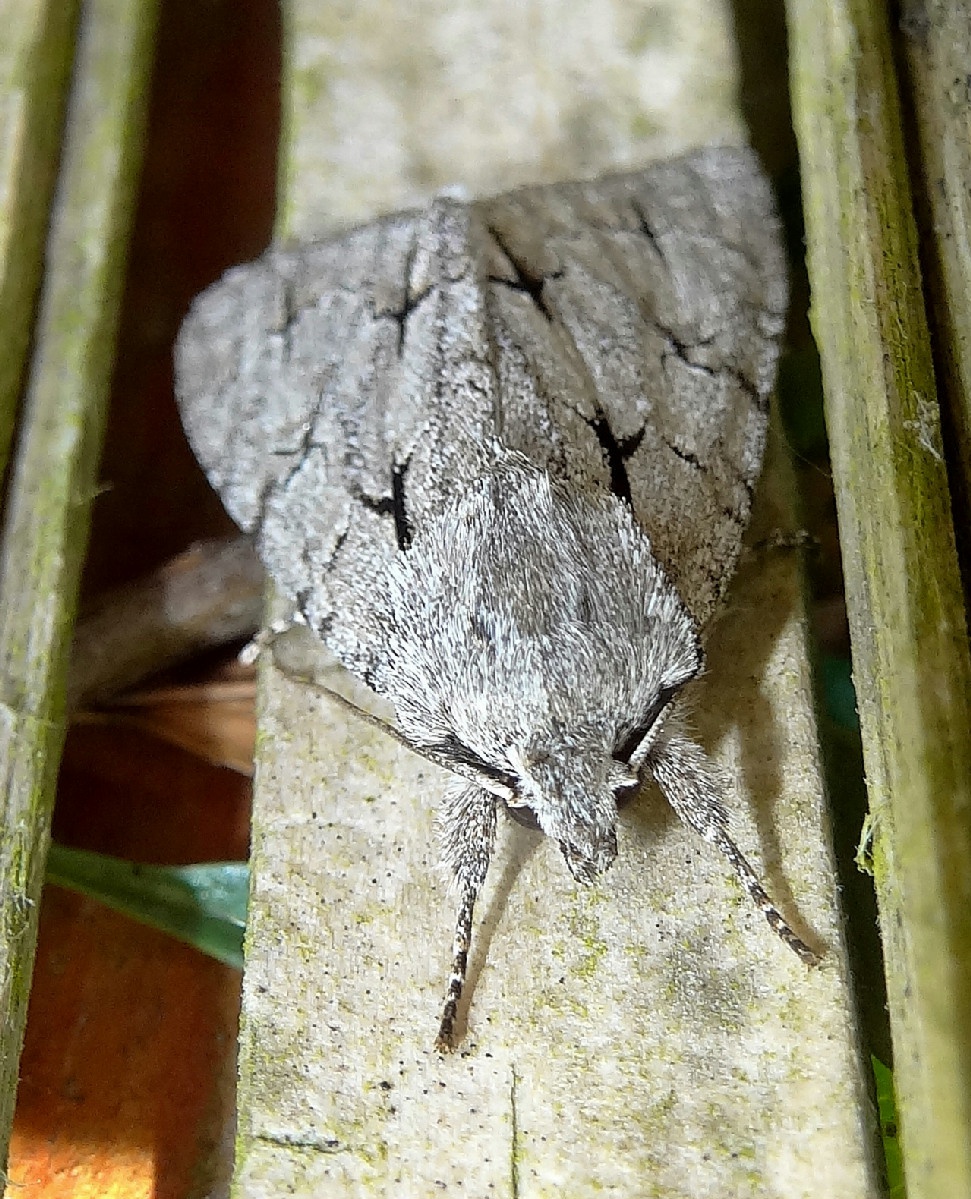
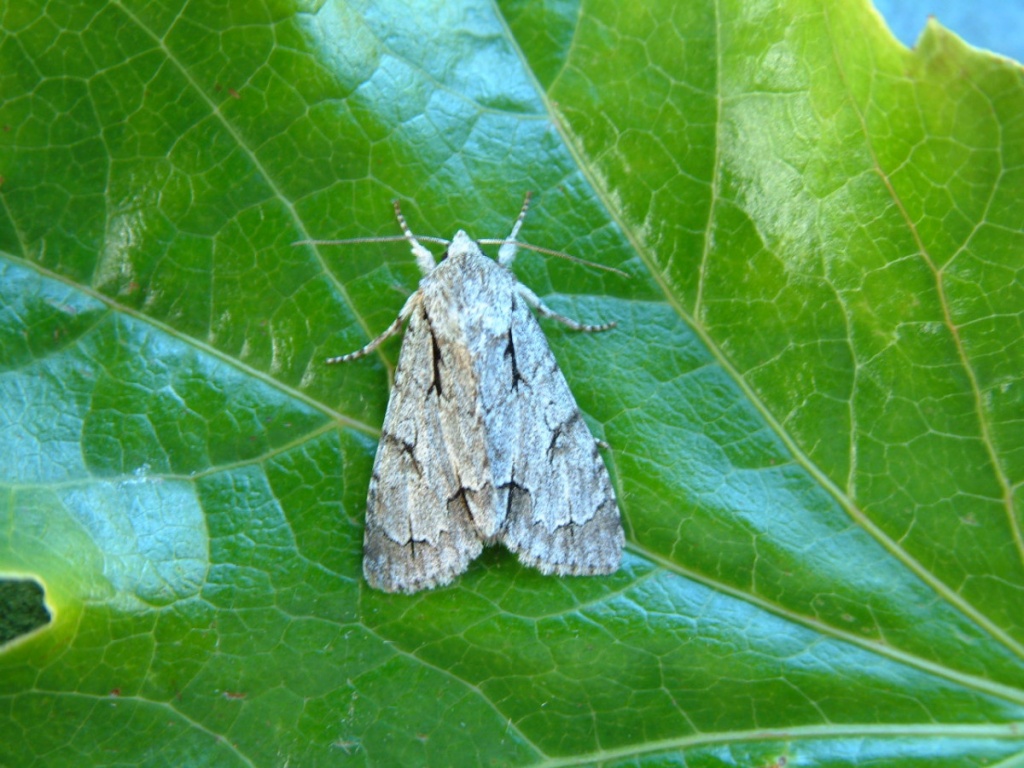
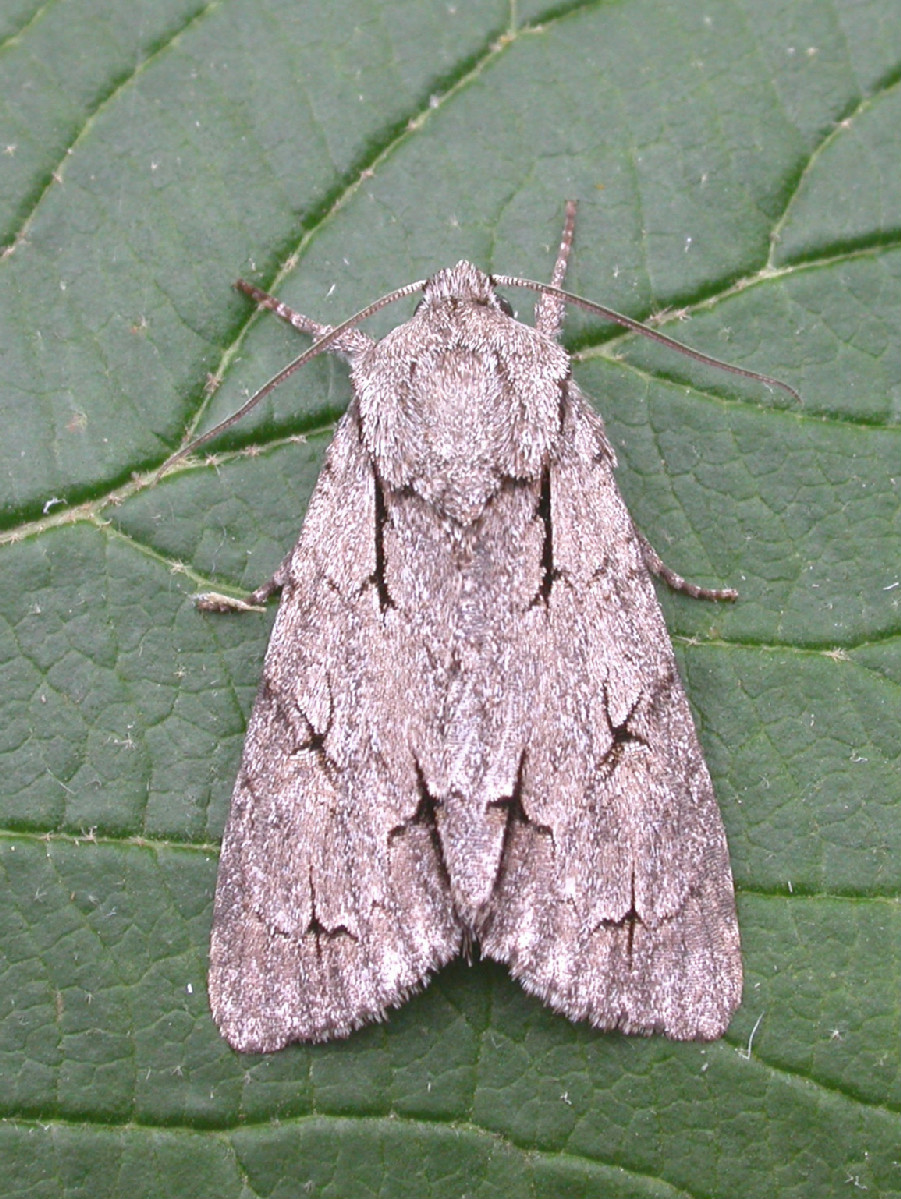
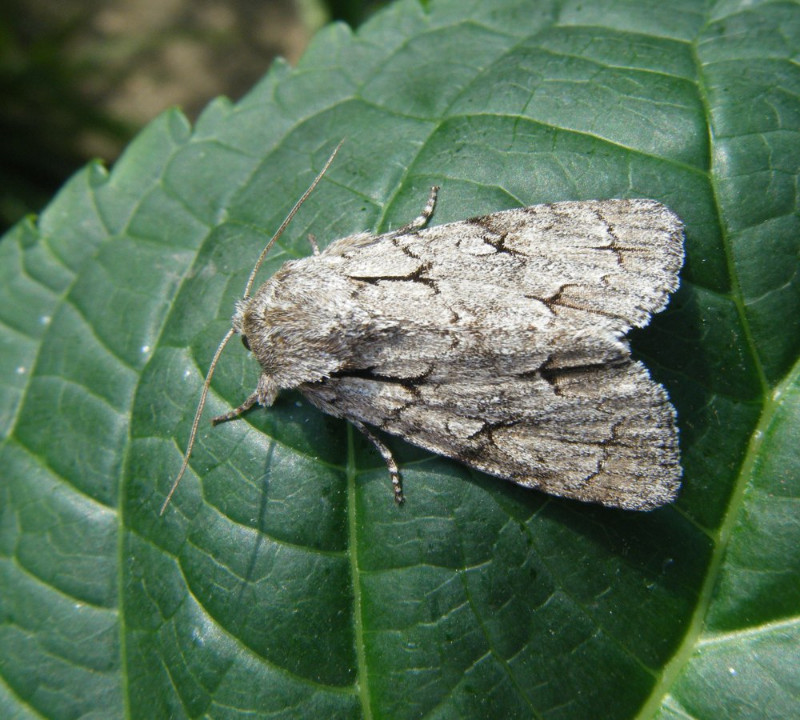
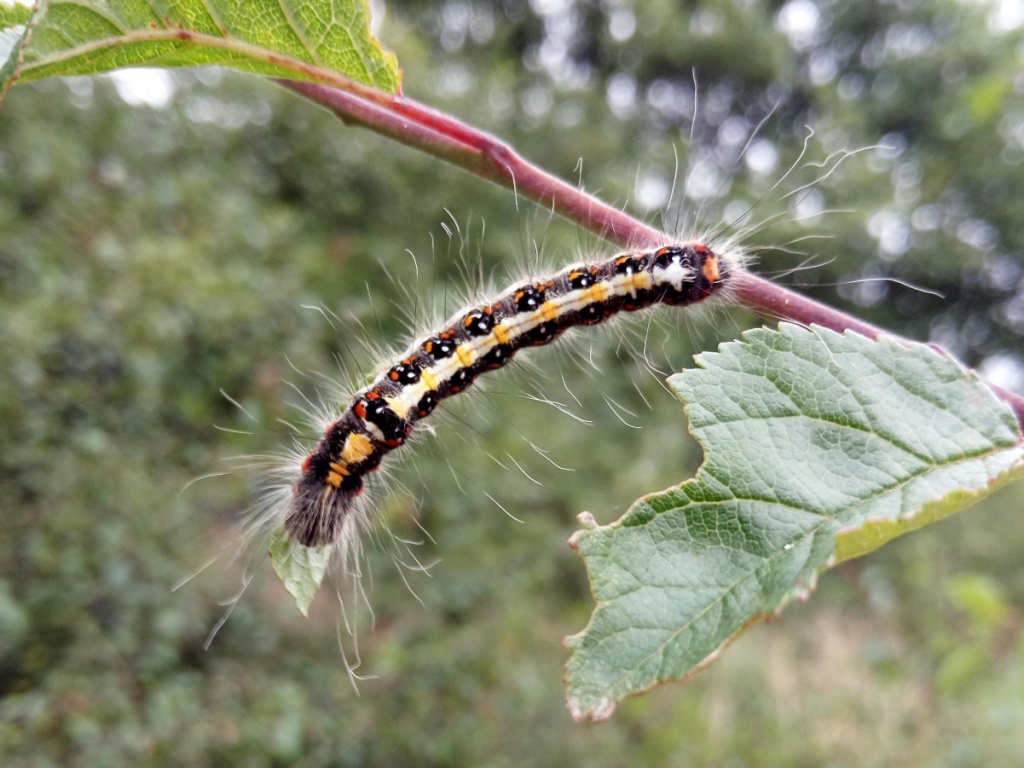
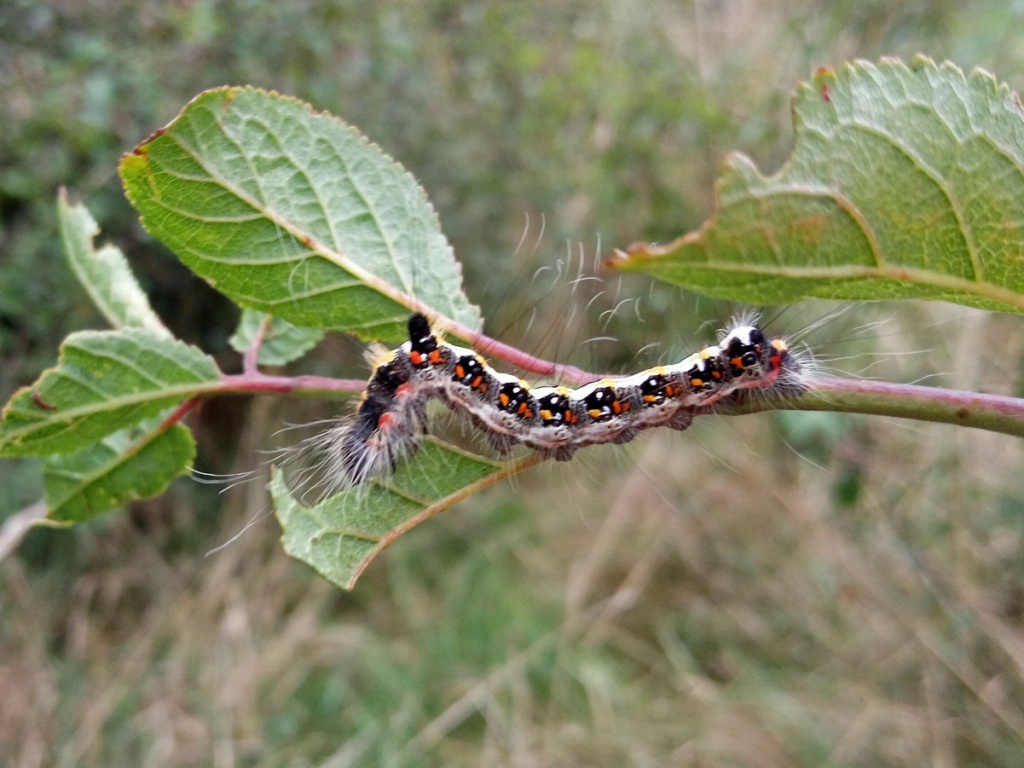
Wingspan 35 to 45 mm. The adult moth cannot be readily distinguished from Grey Dagger except by examination of the genitalia, although in the caterpillar stage this is not a problem as the species look quite different.

Various habitats, especially where the larval foodplants are present.
The moths fly in June and July.
The larvae feed in the autumn on a range of trees and shrubs such as Hawthorn and Blackthorn.
It is widespread in England and Wales, though less common than Grey Dagger, although its true status is perhaps clouded by the identification issue. In a recent survey to determine the status of all macro moths in Britain this species was classified as common.
Occasional in Leicestershire and Rutland. L&R Moth Group status = C (very scarce resident or rare migrant) although lack of records may be due to the need for genitalia examination to determine the species.
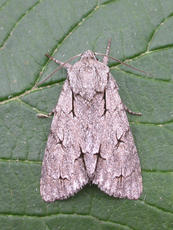 Adrian Russell
Evington garden
13 August 2005
confirmed by gen det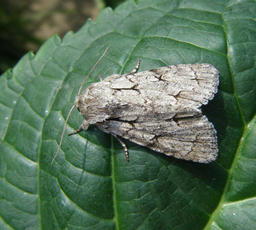 Graham Calow
Sapcote garden1
03 July 2011
confirmed by gen det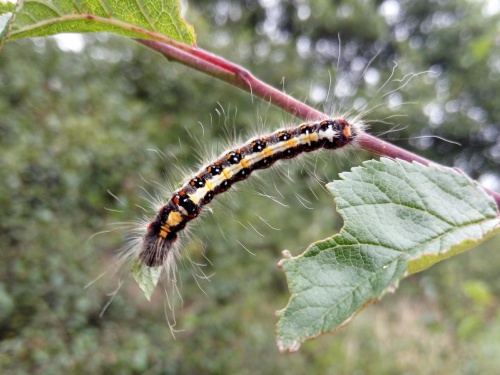 Peter Smith
Empingham, River Gwash
01 September 2021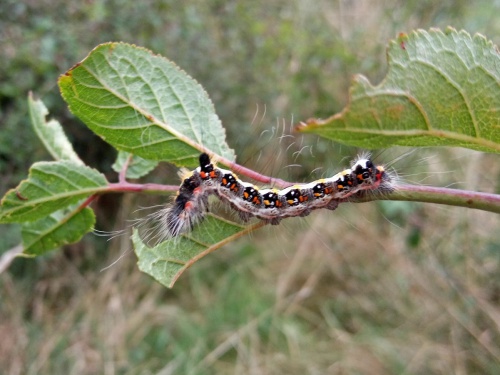 Peter Smith
Empingham, River Gwash
01 September 2021
Leicestershire & Rutland Map
Enter a town or village to see local records
MAP KEY:
Yellow squares = NBN records (all known data)
Coloured squares = NatureSpot records: 2025+ | 2020-2024 | pre-2020
UK Map
Additional images