Creeping Soft-grass
Creeping Soft-grass - Holcus mollis
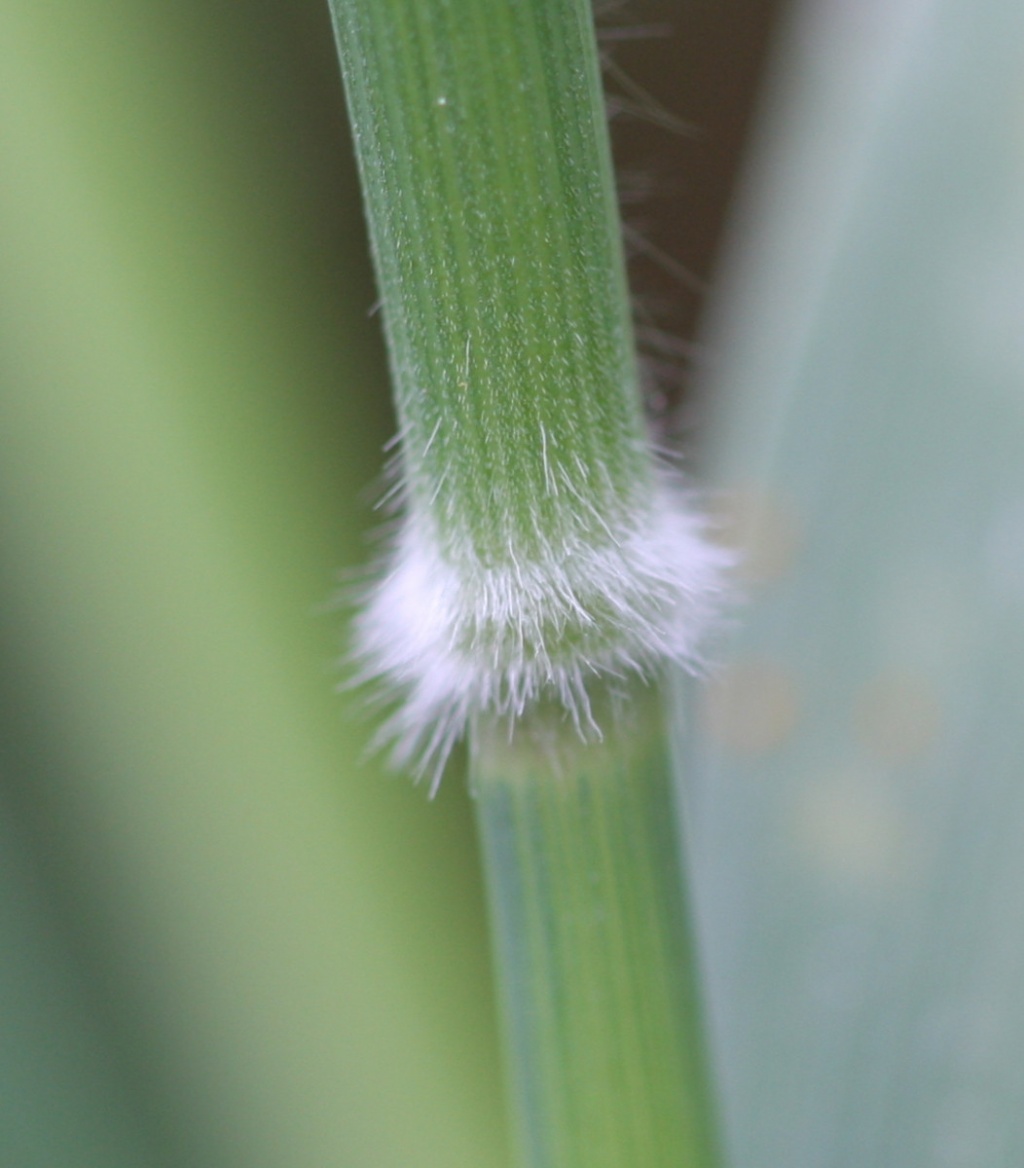
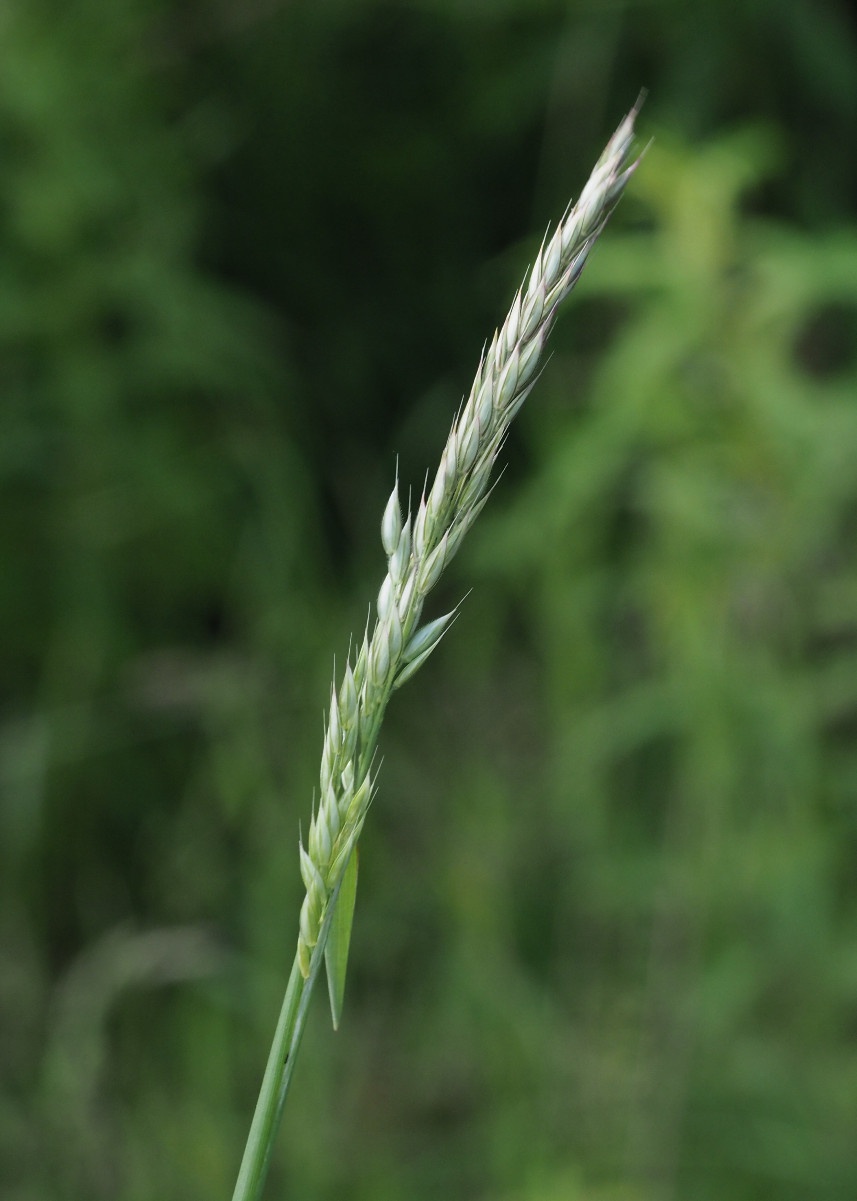
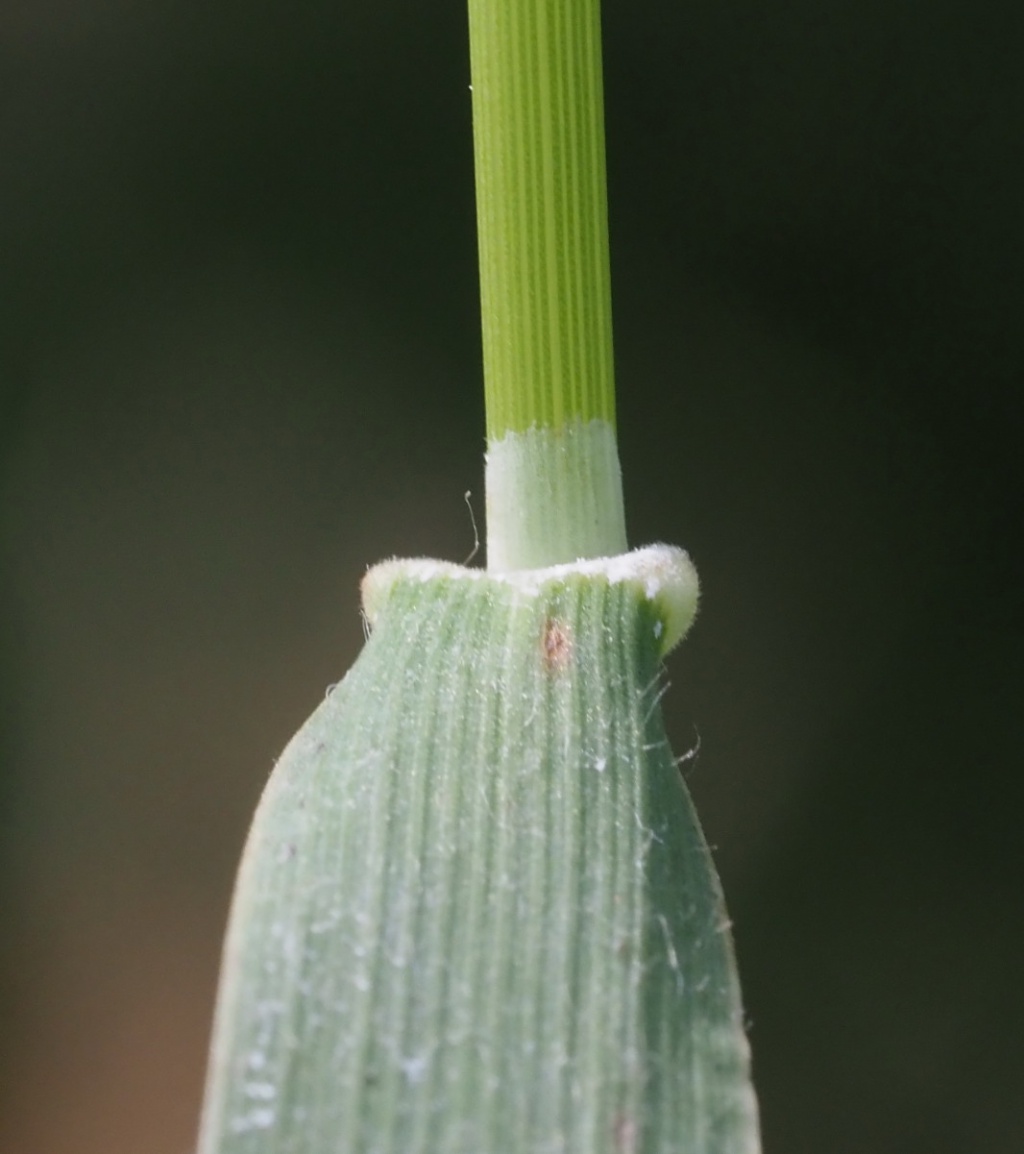
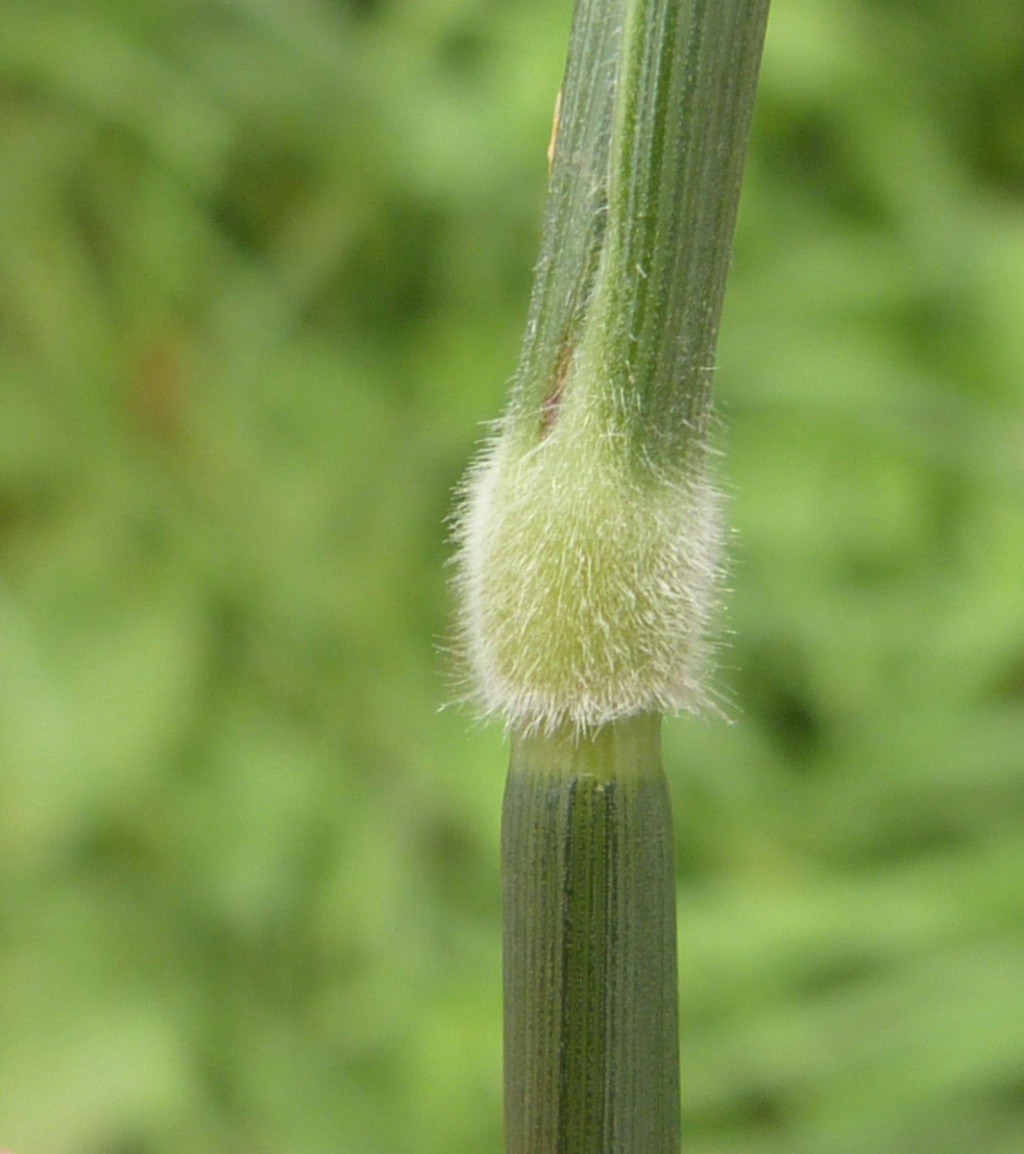
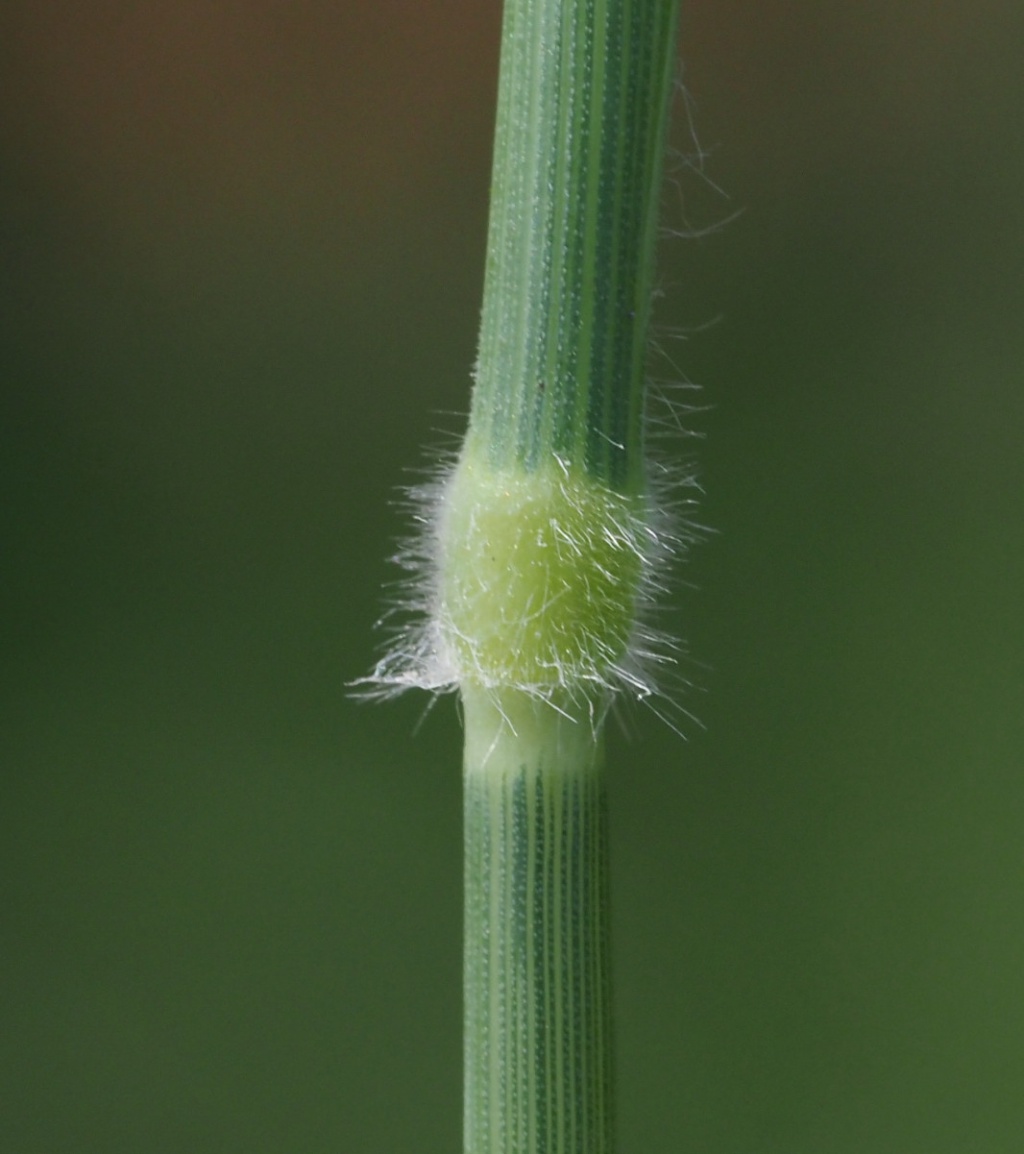
This grass has a very soft appearance similar to Yorkshire-fog, but has spikelets with an awn visibly protruding, and stem nodes with a tuft of downward-pointing hairs. The rest of the stem below the node being more or less hairless.
Similar to Holcus lanatus (Yorkshire-fog) but Holcus lanatus has hairy or downy stems whilst the node hairs of Holcus lanatus are not as long as those of Holcus mollis. The two species do hybridise to give Holcus x hybridus.

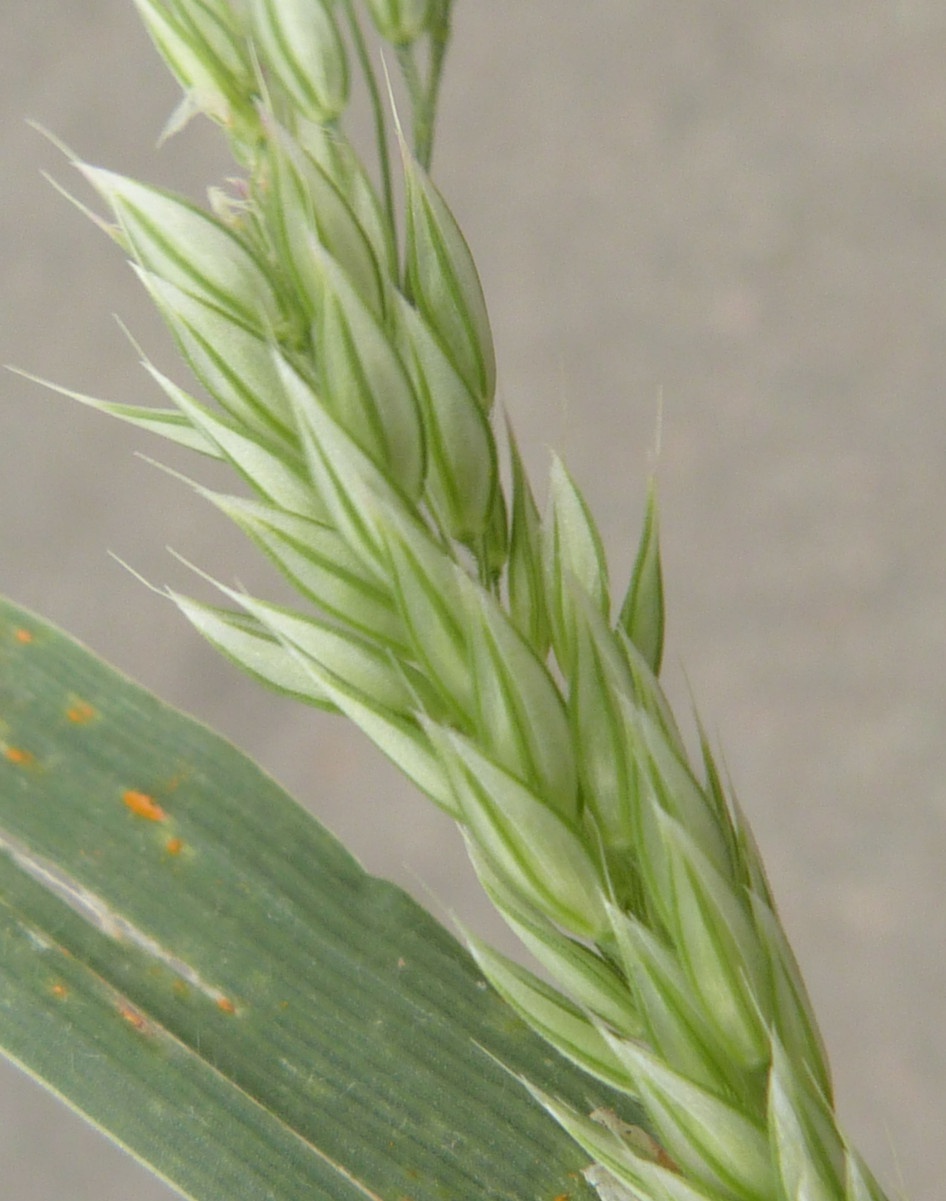
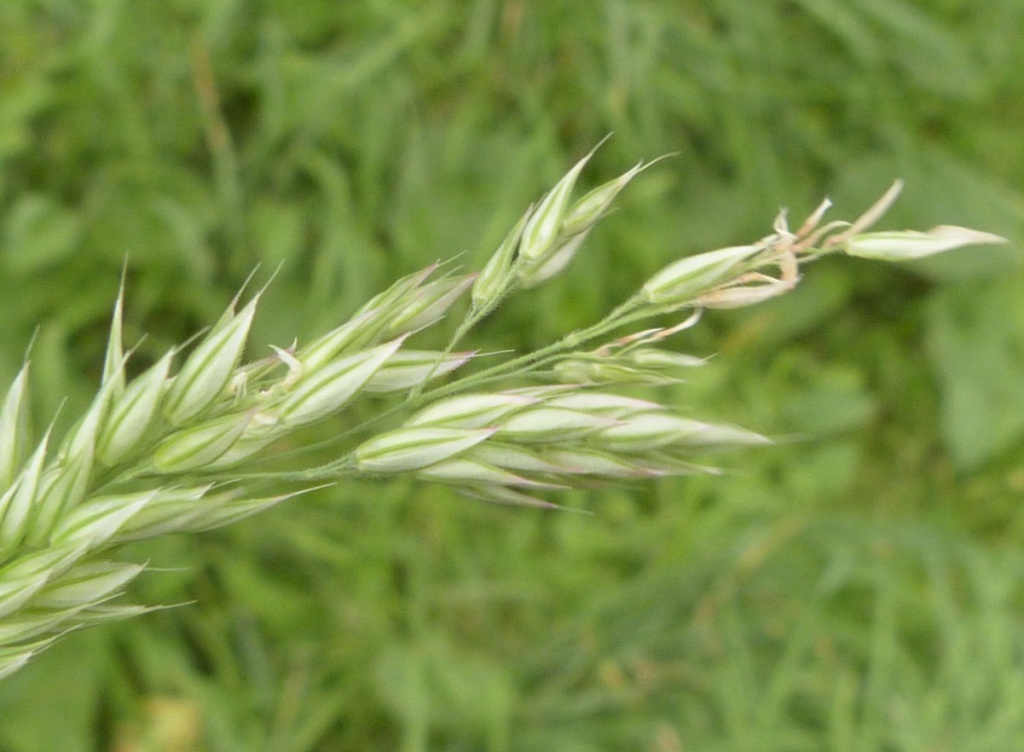
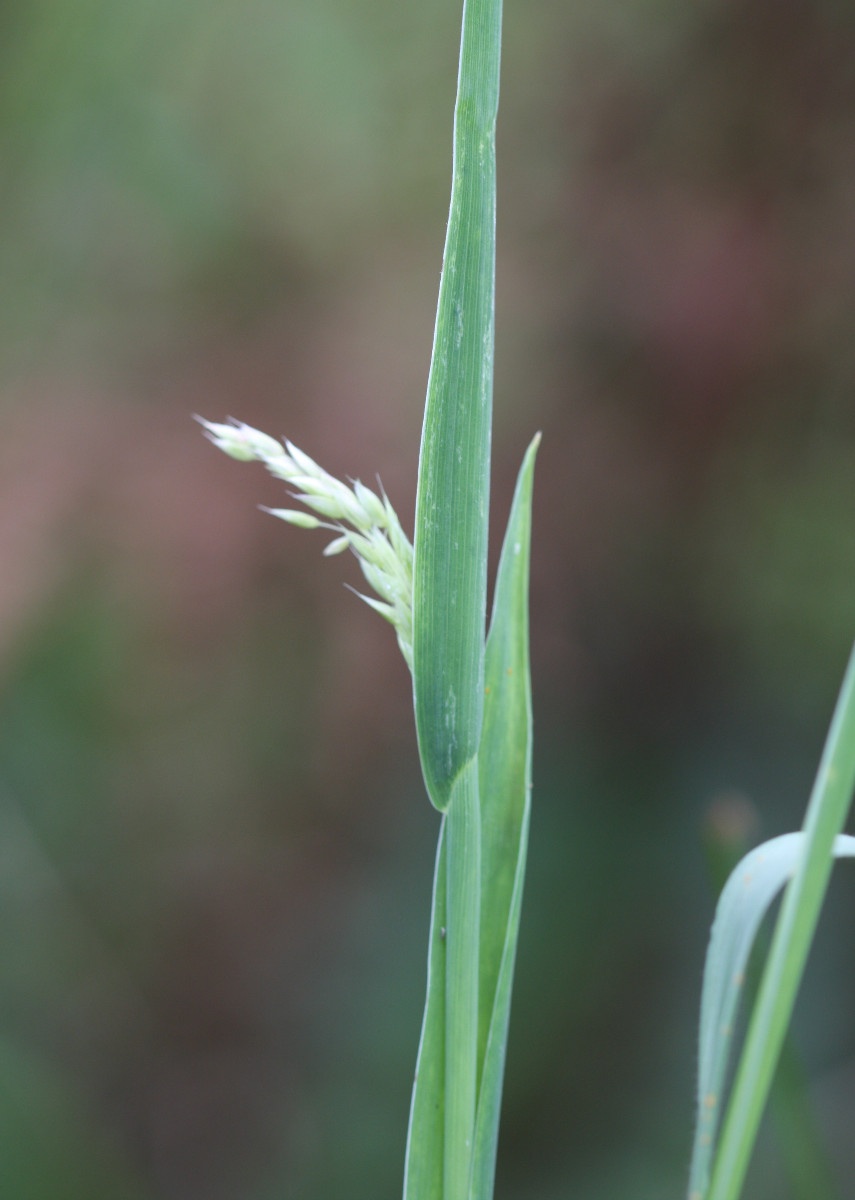
The panicle is branched. Each spikelet contains two florets one of which is shortly awned. When the spikelet is closed these are completely enclosed by the glumes. Stem nodes are markedly more hairy than the adjoining stem.
Various habitats from deciduous woodland to hedgerows and cultivated land.
Flowers June to September.
Perennial.
Widespread and quite common in Britain.
Fairly frequent in Leicestershire and Rutland. In the 1979 Flora survey of Leicestershire it was found in 181 of the 617 tetrads.
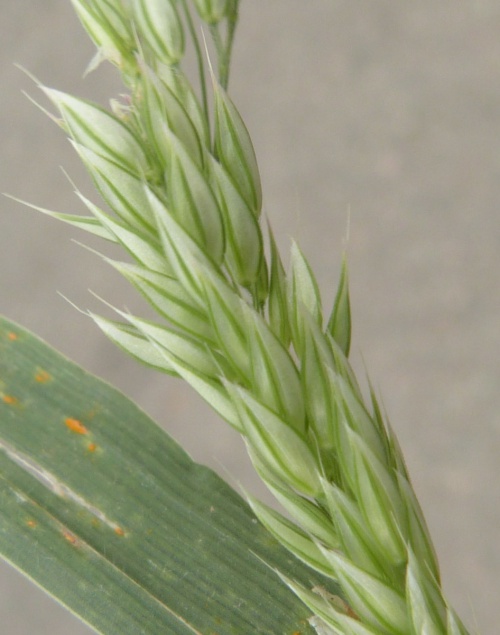 Graham Calow
Shuttleworth Lane, near Cosby
20 September 2017
awn visibly protuding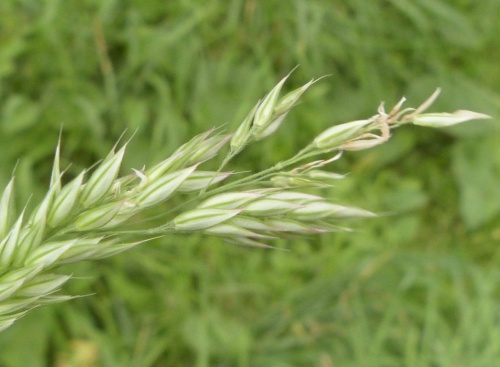 Graham Calow
Shuttleworth Lane, near Cosby
20 September 2017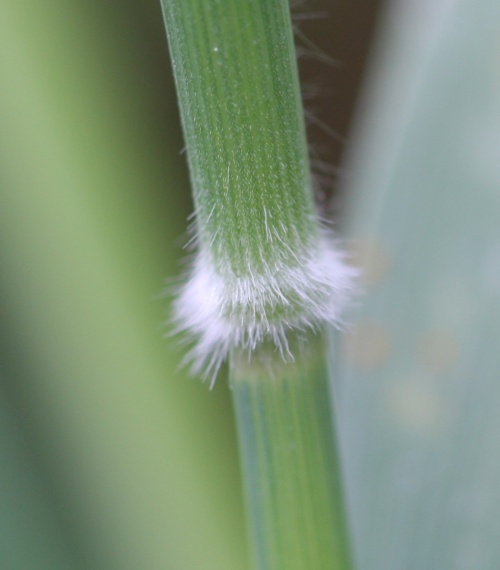 David Nicholls
Charnwood Lodge
01 September 2012
node with downward pointing hairs 'hairy knees'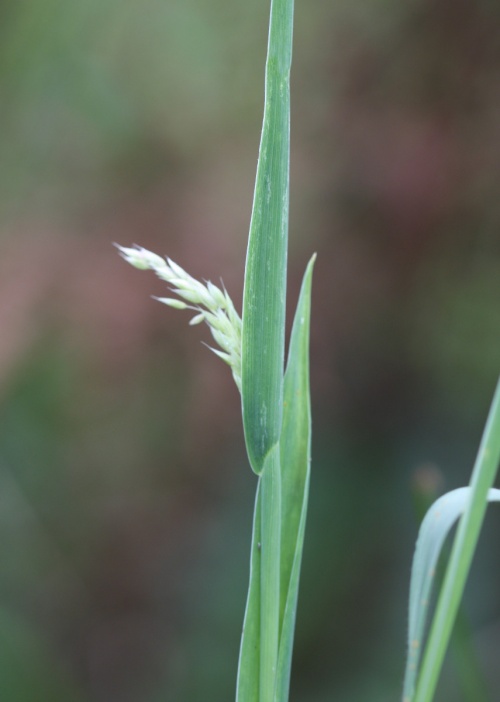 David Nicholls
Charnwood Lodge
01 September 2012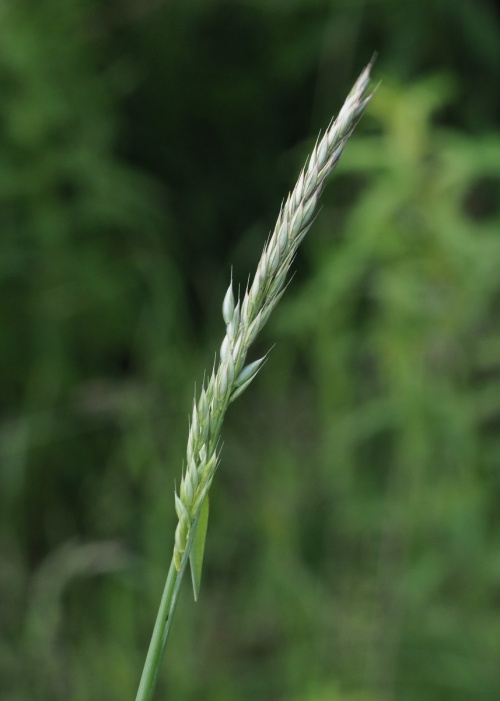 David Nicholls
Coalville Meadows
14 July 2021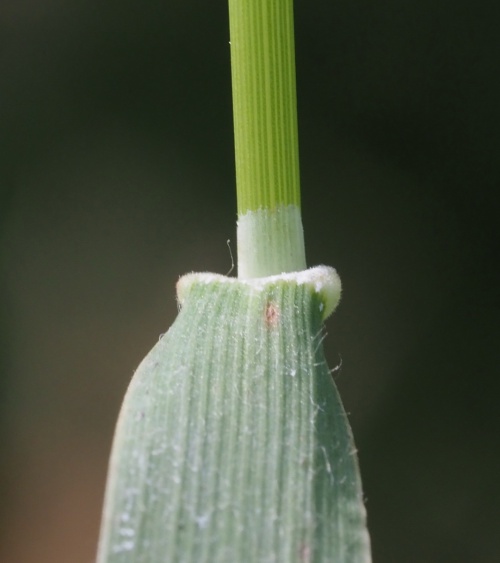 David Nicholls
Coalville Meadows
14 July 2021
Leicestershire & Rutland Map
Enter a town or village to see local records
MAP KEY:
Yellow squares = NBN records (all known data)
Coloured squares = NatureSpot records: 2025+ | 2020-2024 | pre-2020
UK Map
Additional images
All NatureSpot records
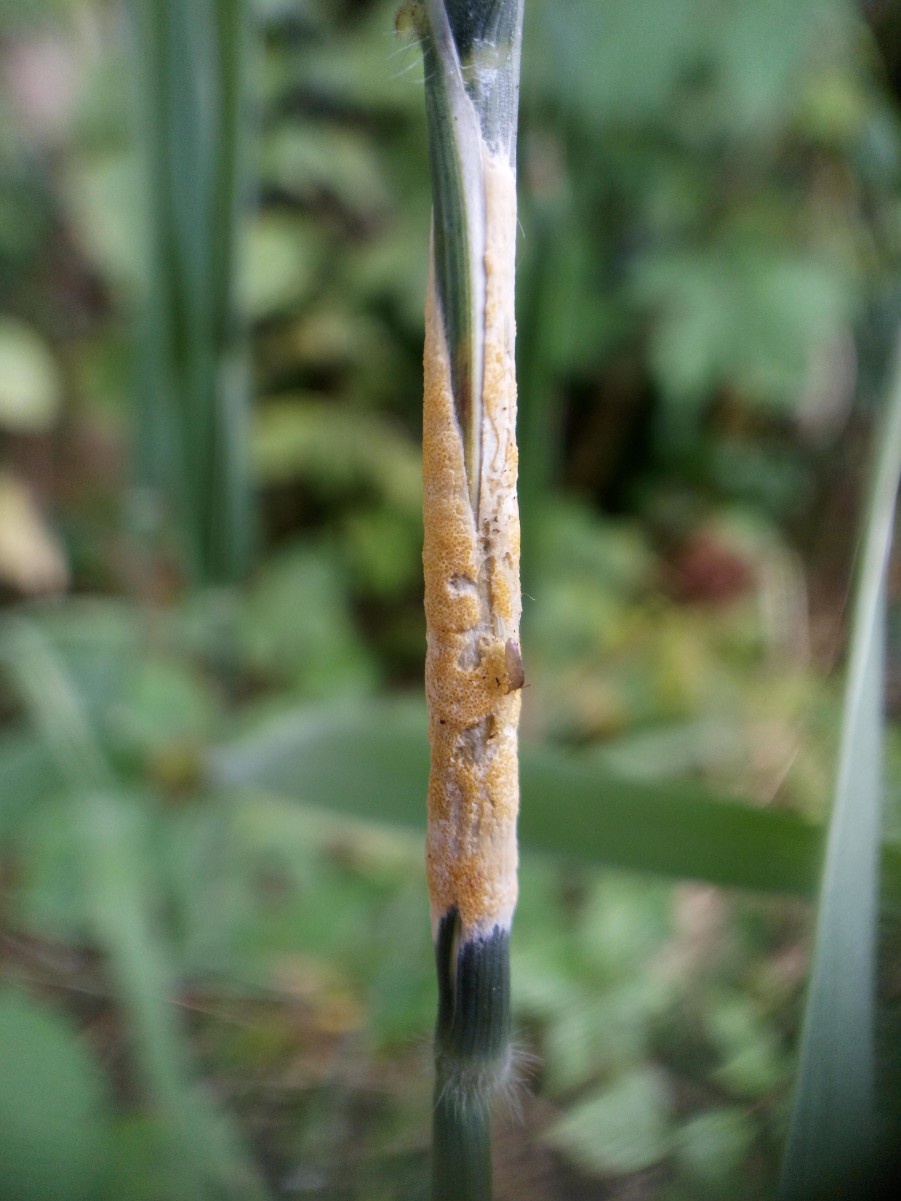
Epichloe clarkii
Epichloe clarkii is a fungal growth that affects Creeping Soft-brome (Holcus mollis) and Yorkshire-fog (H. lanatus) grasses. One or more internodes all round and mostly over their total length, wrapped in a white, later yellowish fungal mass (stroma). The internodes are hardly or not at all swollen.