Common Cottongrass
Common Cottongrass - Eriophorum angustifolium
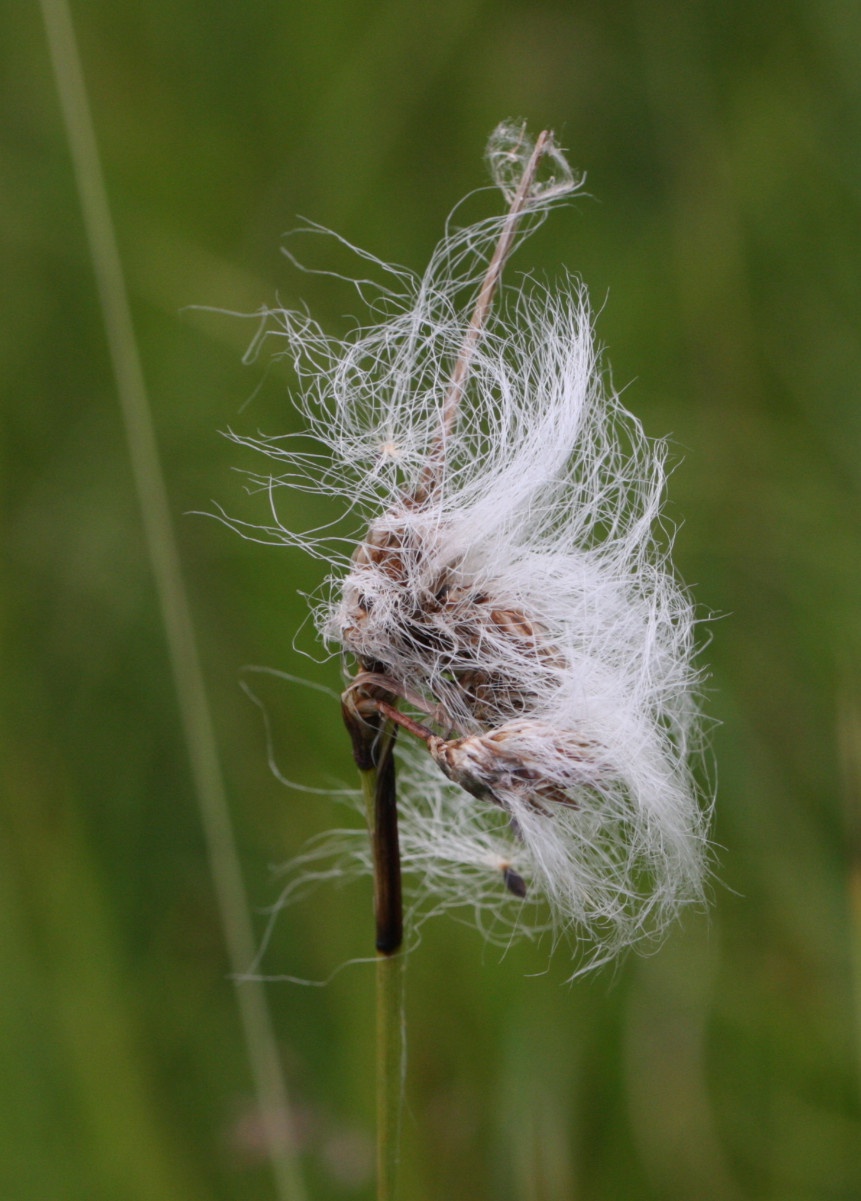
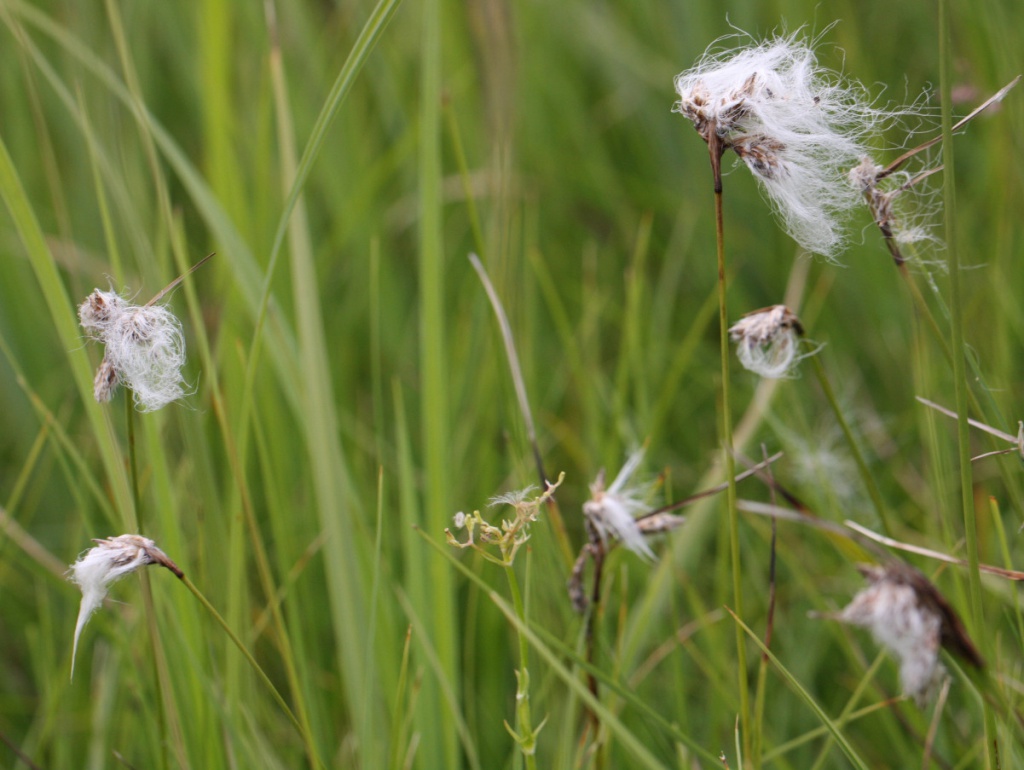
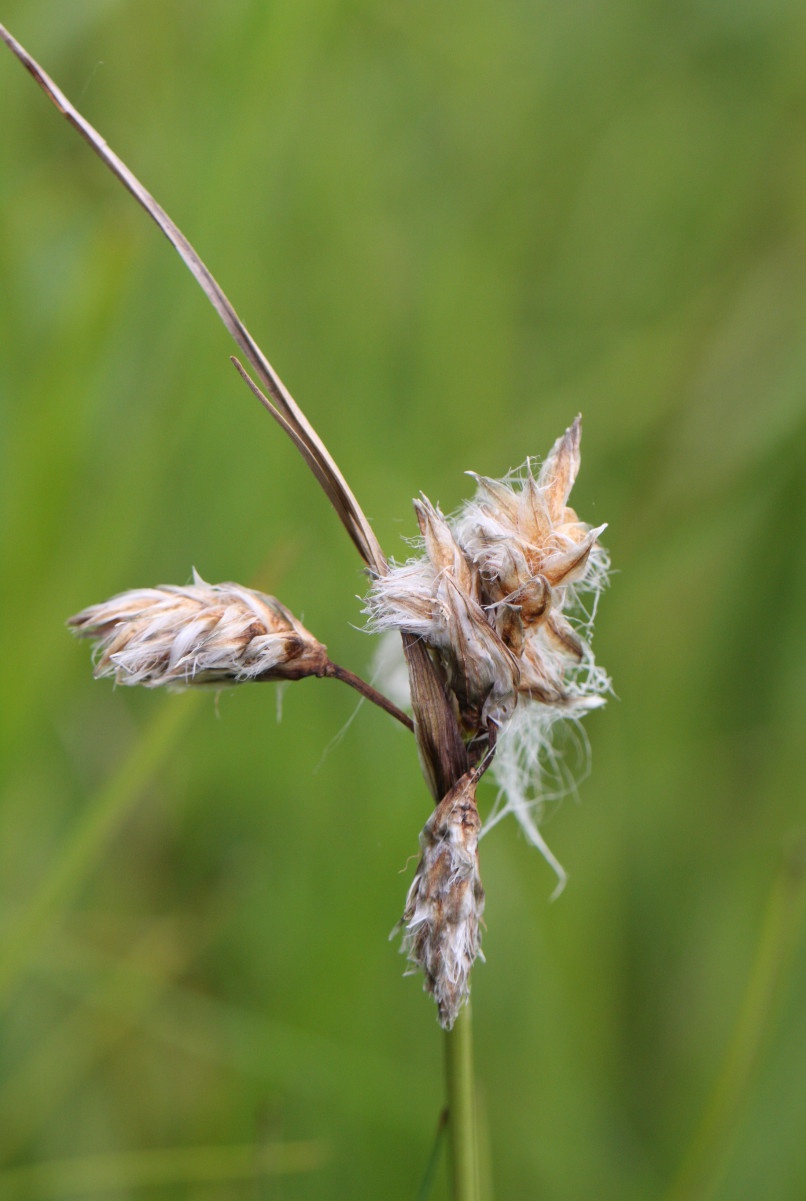
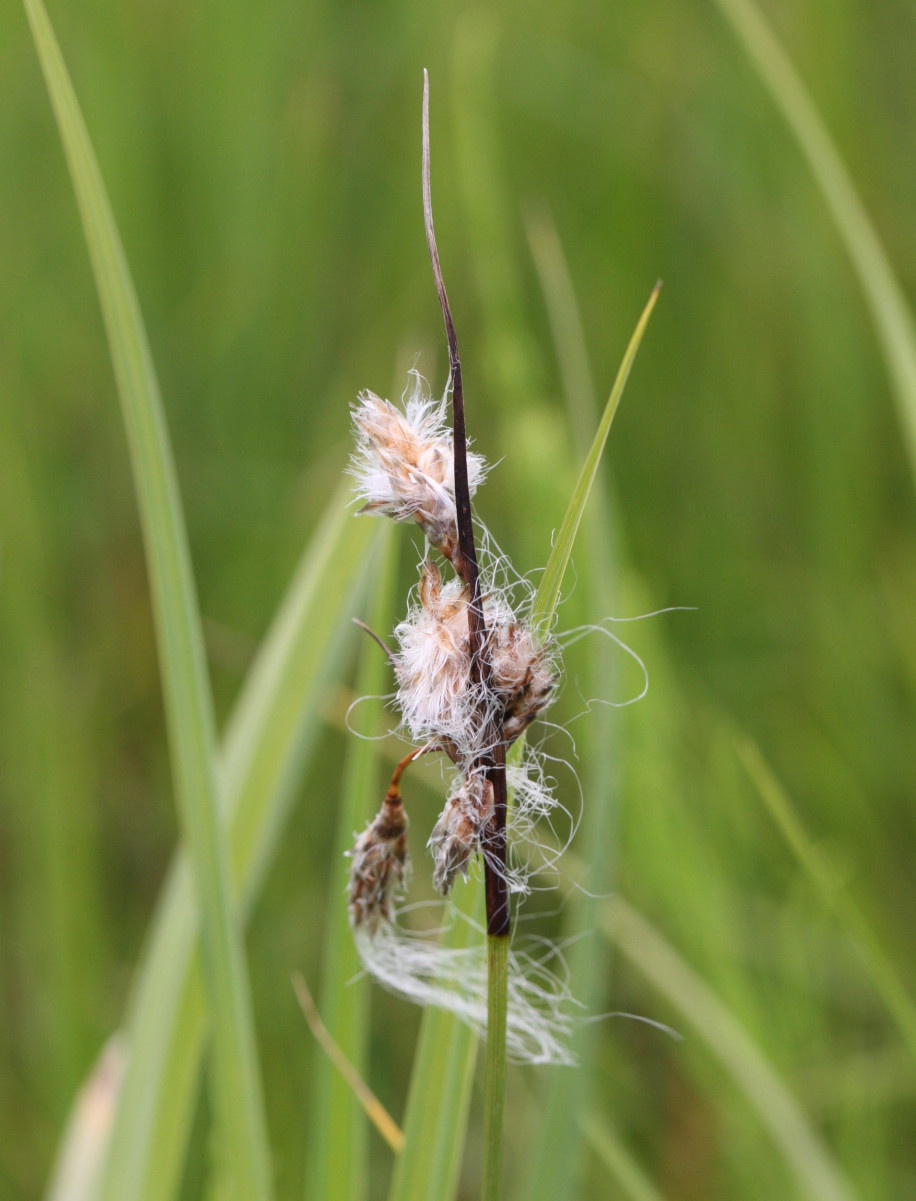
20 to 60 cm tall, the stem is round above but bluntly three angled below and bearing channelled dark shiny green leaves, 3 to 6 mm wide that taper to a long, three angled point. It is the fruits that make Common Cottongrass so visible, they are dark brown and have white cotton-like hairs resembling cotton wool.

Provide photographs of the whole plant. It is very rare in VC55, and therefore a specimen should not be taken. Take detailed field photos and submit to NatureSpot as soon as possible; and if you think you have found it in a new location, inform the County Recorder as soon you can. (RPR)
Open, wet, peaty ground, both calcareous and acidic, sometimes colonising peat-cuttings and often growing in standing water. Its habitats range from upland blanket bogs and hillside flushes to wet heaths and marshy meadows in the lowlands.
The flowers appear from late April to June and are followed by the fruits in June and July.
A rhizomatous perennial.
Widespread in Scotland, Wales and East Anglia. More local elsewhere in Britain.
Very rare and decreasing Leicestershire and Rutland due to habitat degradation; it is threatened by drying out and drainage of sites.
In the Flora of Leicestershire (Primavesi and Evans 1988) it was found in 8 of the 617 tetrads, and and in the Flora of Rutland (Messenger 1971) in 2 tetrads.
It is listed on the current VC55 Rare Plant Register (Hall and Woodward 2022) as Locally Rare (i.e. present in less than 3 sites)
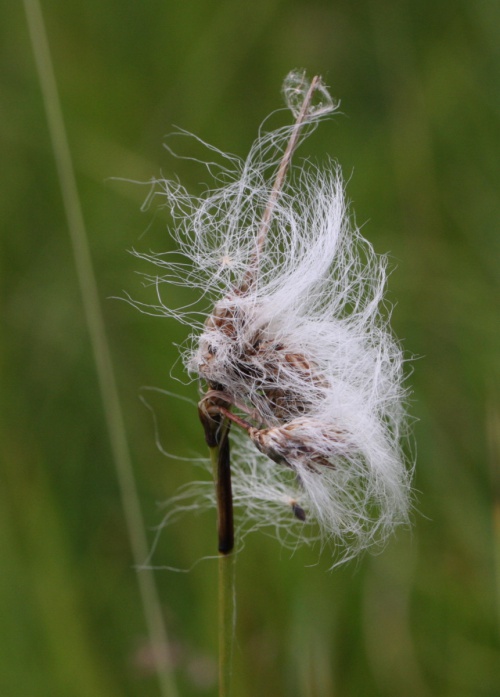 David Nicholls
Botcheston Bog
16 June 2017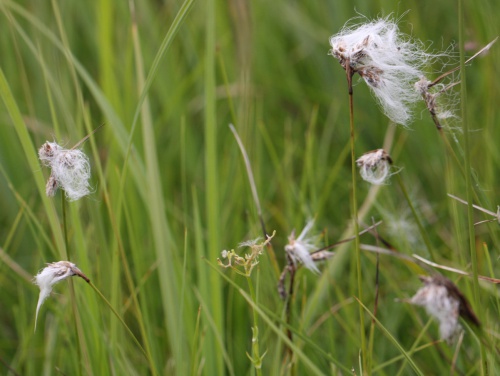 David Nicholls
Botcheston Bog
16 June 2017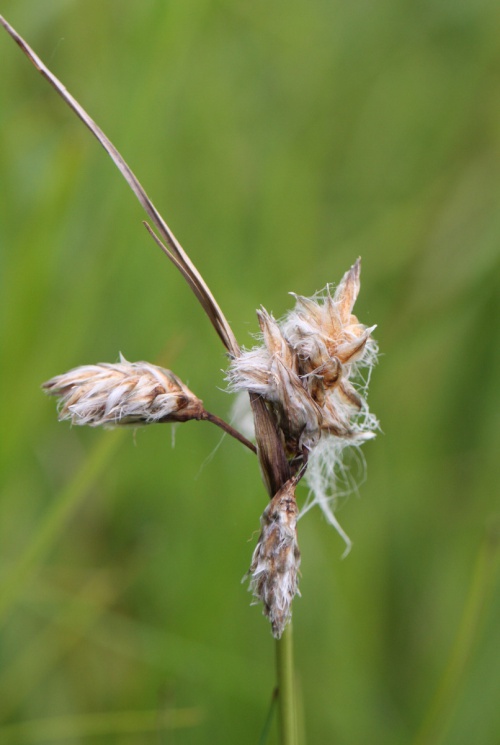 David Nicholls
Botcheston Bog
16 June 2017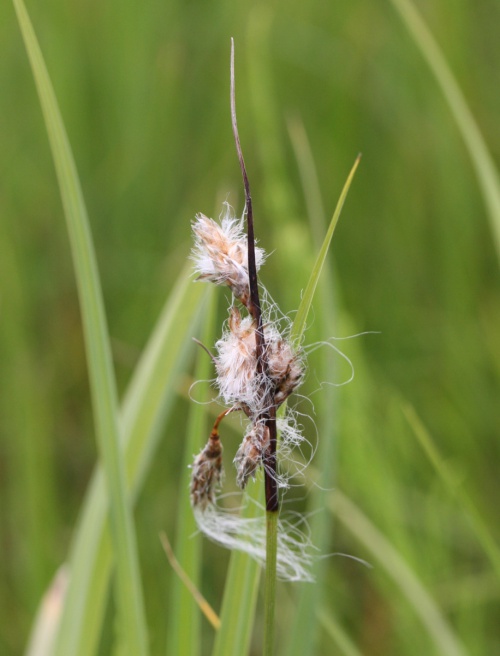 David Nicholls
Botcheston Bog
16 June 2017
Leicestershire & Rutland Map
Enter a town or village to see local records
MAP KEY:
Yellow squares = NBN records (all known data)
Coloured squares = NatureSpot records: 2025+ | 2020-2024 | pre-2020
UK Map
Additional images
No additional images available for this species.