Common Bent
Common Bent - Agrostis capillaris
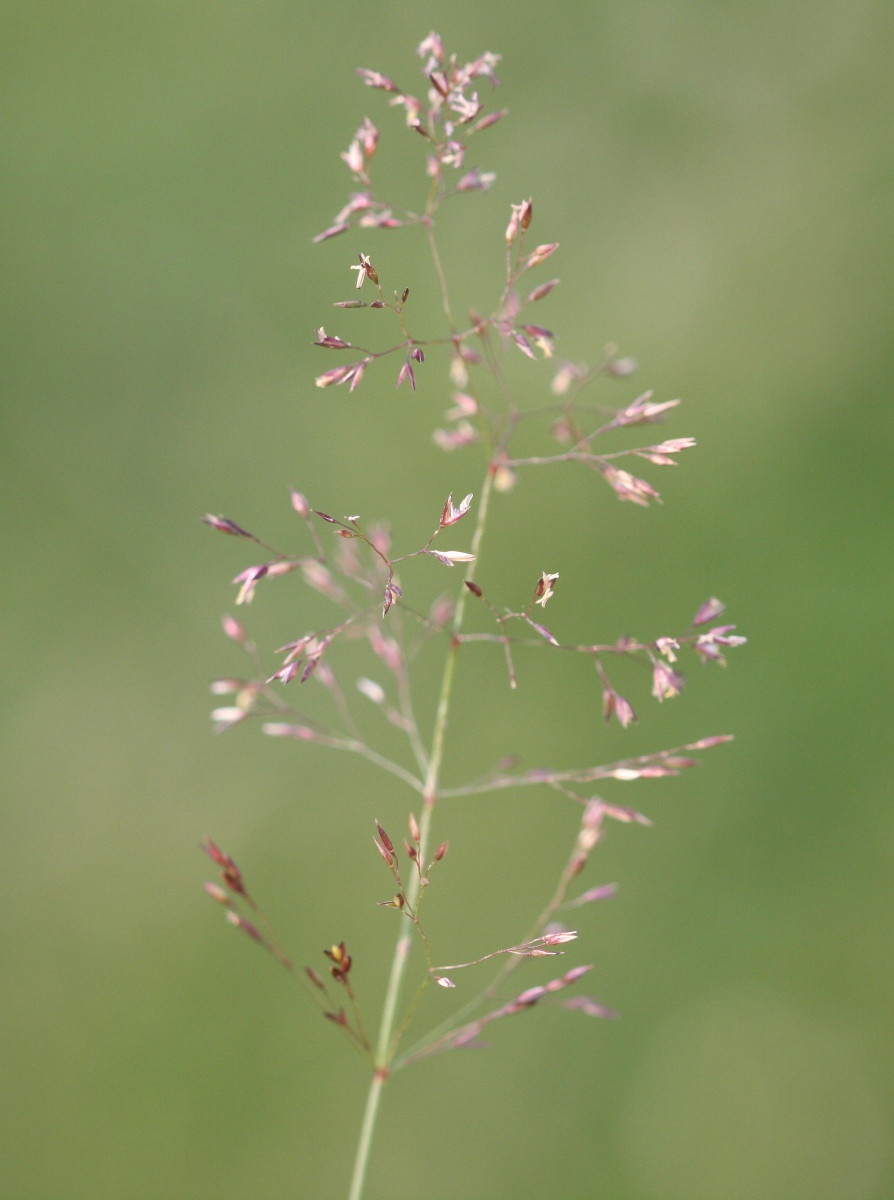
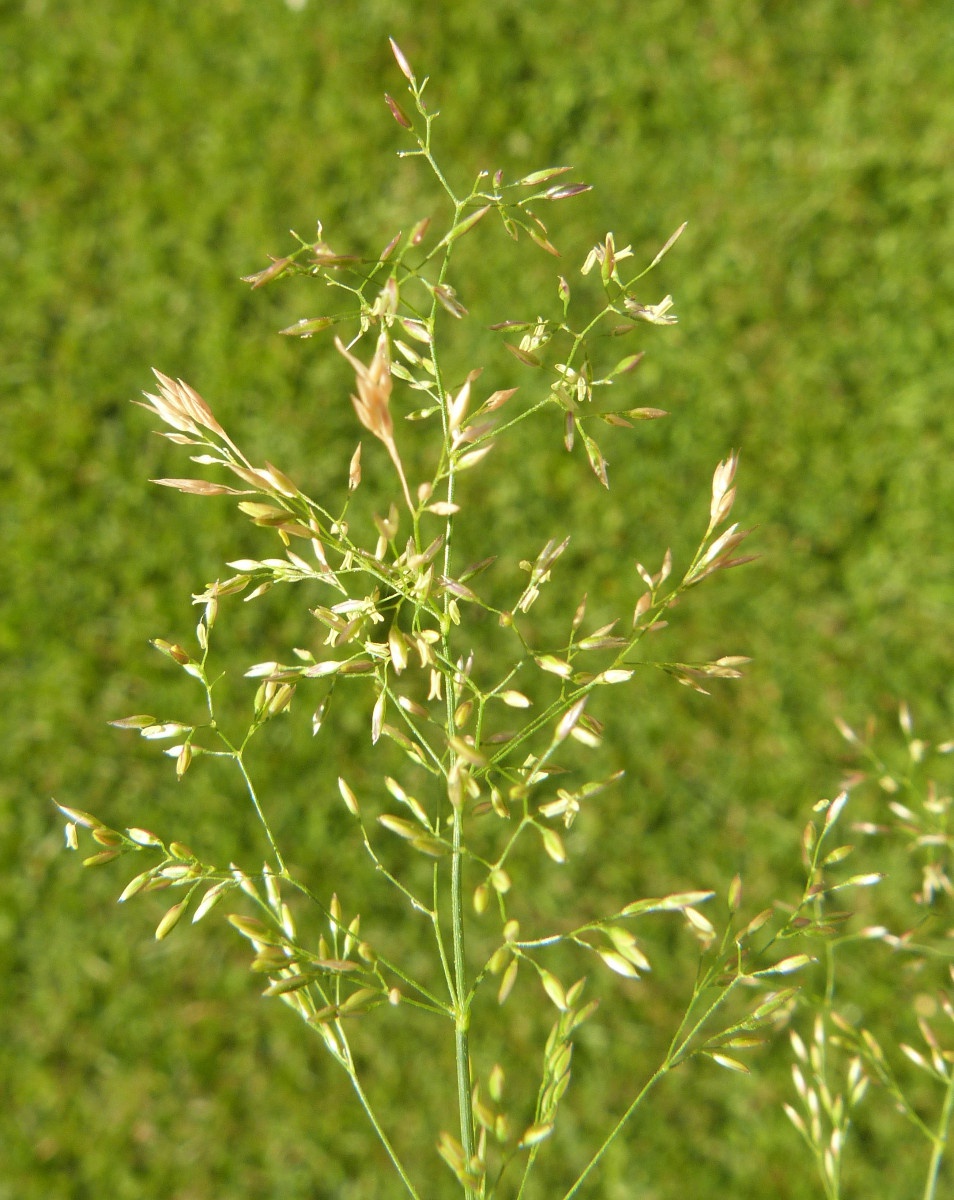
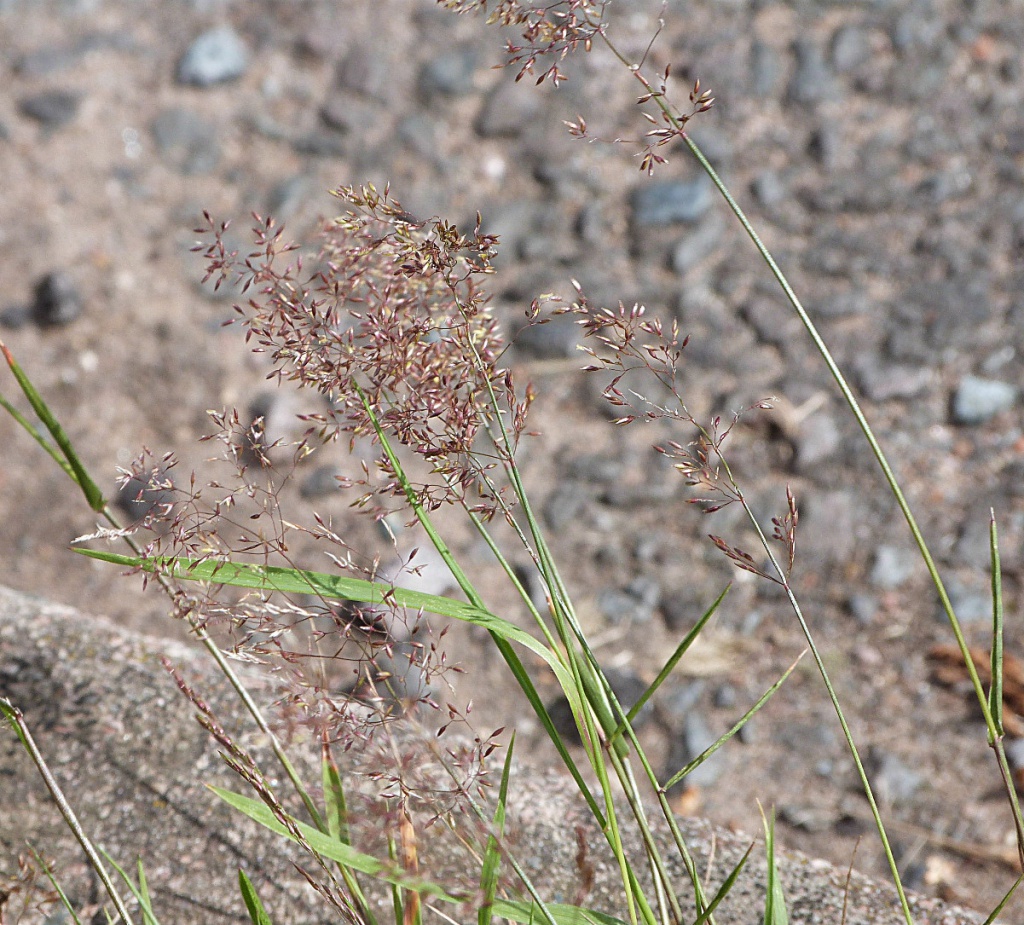
20 to 50 cm tall, tufted with creeping rhizomes but no leafy stolons. Panicle is purplish brown and always spreading, with whorled branches.
Creeping Bent (Agrostis stolonifera) and Black Bent (Agrostis gigantea)

The panicle is branched. Each spikelet contains only one floret usually completely enclosed by its glumes. The inflorescence is very open with widely spaced spikelets which are not awned. The tiller ligule is shorter than wide - i.e. on the non-flowering shoot.
Look at the tiller ligules, not those on a flowering stem. Photograph whole plant in flower and detail of tiller ligules if possible
Drier and more acid grassland.
June to August.
Perennial.
Quite a common grass throughout Britain.
Quite common in Leicestershire and Rutland. In the 1979 Flora survey of Leicestershire it was found in 388 of the 617 tetrads.
 Near Granitethorpe Quarry Sapcote SP 4941 9370 (taken 3.7.2008).JPG) Graham Calow
Graham Calow
Granitethorpe Quarry, Sapcote
03 July 2008 Graham Calow
Sapcote, Land behind William Spencer Avenue
12 July 2021 Graham Calow
Sapcote, Land behind William Spencer Avenue
12 July 2021
ligule Graham Calow
Sapcote, Land behind William Spencer Avenue
12 July 2021
tiller (blade)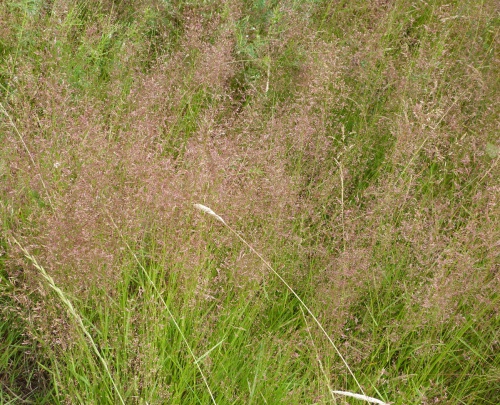 Graham Calow
Sapcote, Land behind William Spencer Avenue
12 July 2021 David Nicholls
Bradgate Park
05 July 2013 David Nicholls
Altar Stones
27 July 2012
 Near Granitethorpe Quarry Sapcote SP 4941 9370 (taken 3.7.2008).JPG)



Leicestershire & Rutland Map
Enter a town or village to see local records
MAP KEY:
Yellow squares = NBN records (all known data)
Coloured squares = NatureSpot records: 2025+ | 2020-2024 | pre-2020
UK Map
Additional images




All NatureSpot records

Subanguina graminophila
The nematode Subanguina graminophila causes galls to form on grasses in the Agrostis (Bent) family. The galls take the form of a purplish or reddish swelling, usually near the base of the leaf blade.
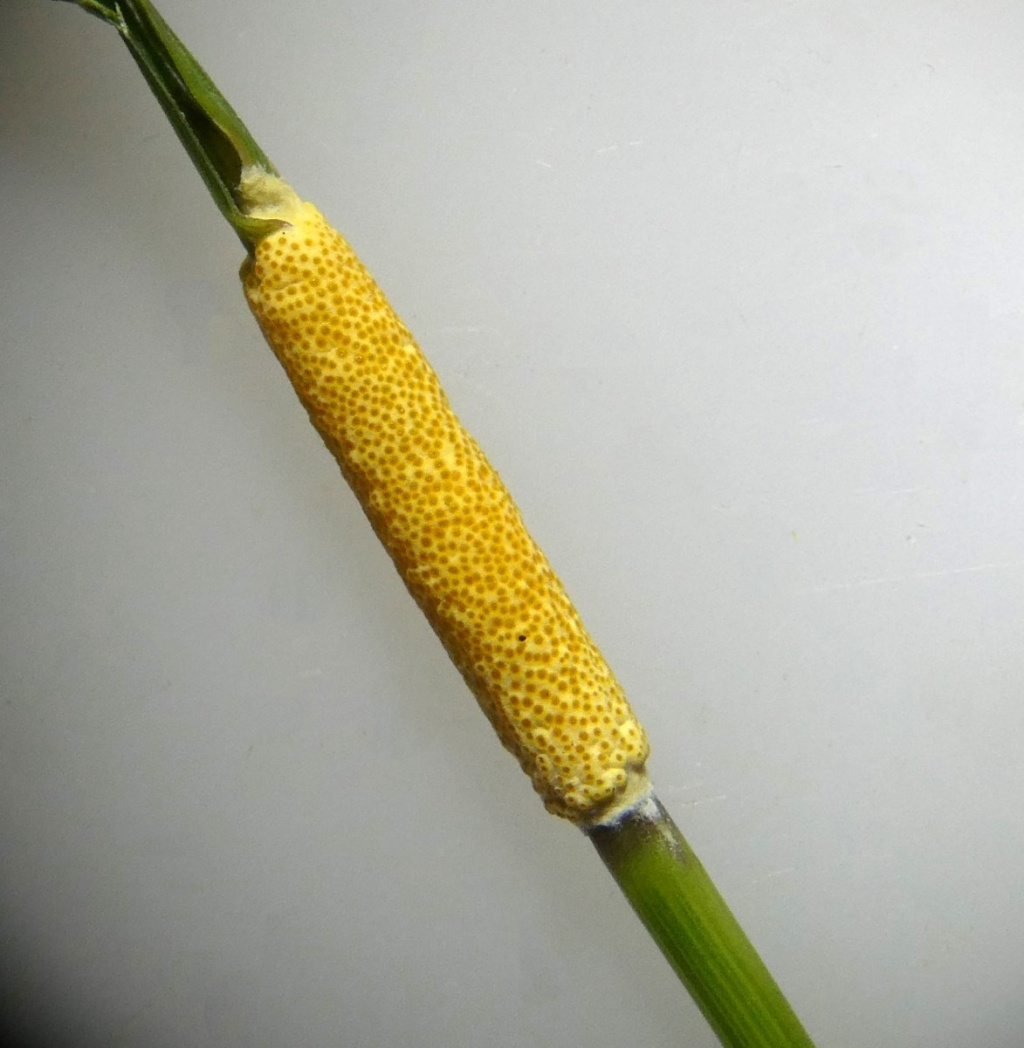
Epichloe baconii
Epichloe baconii is a 'choke' fungus gall on Bents (Agrostis species of grass) where the node of the stem becomes encircled by a fungal stroma which is whitish to begin with then bright yellow when mature.