Colt's-foot
Colt's-foot - Tussilago farfara
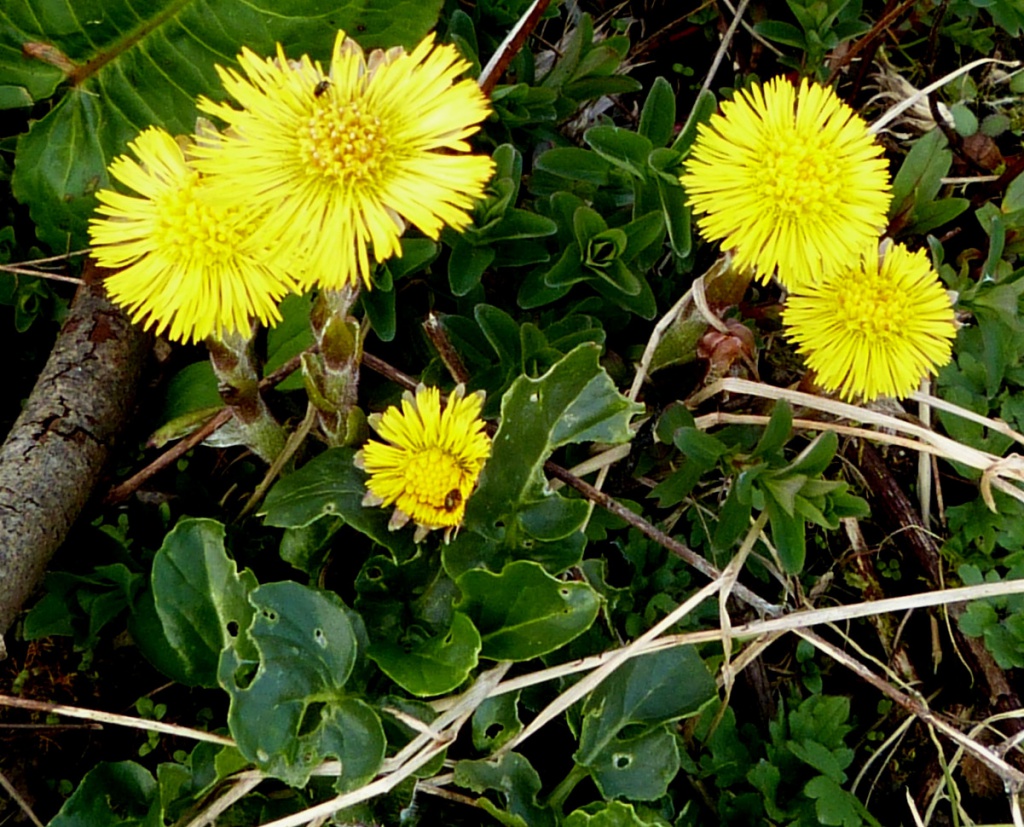
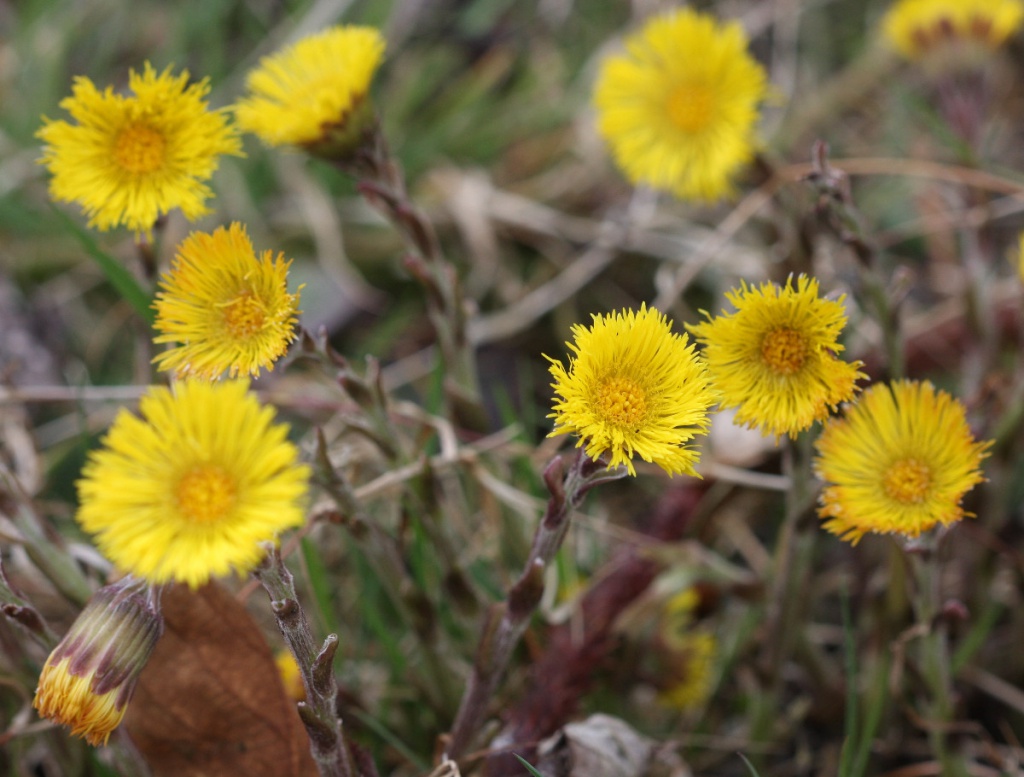
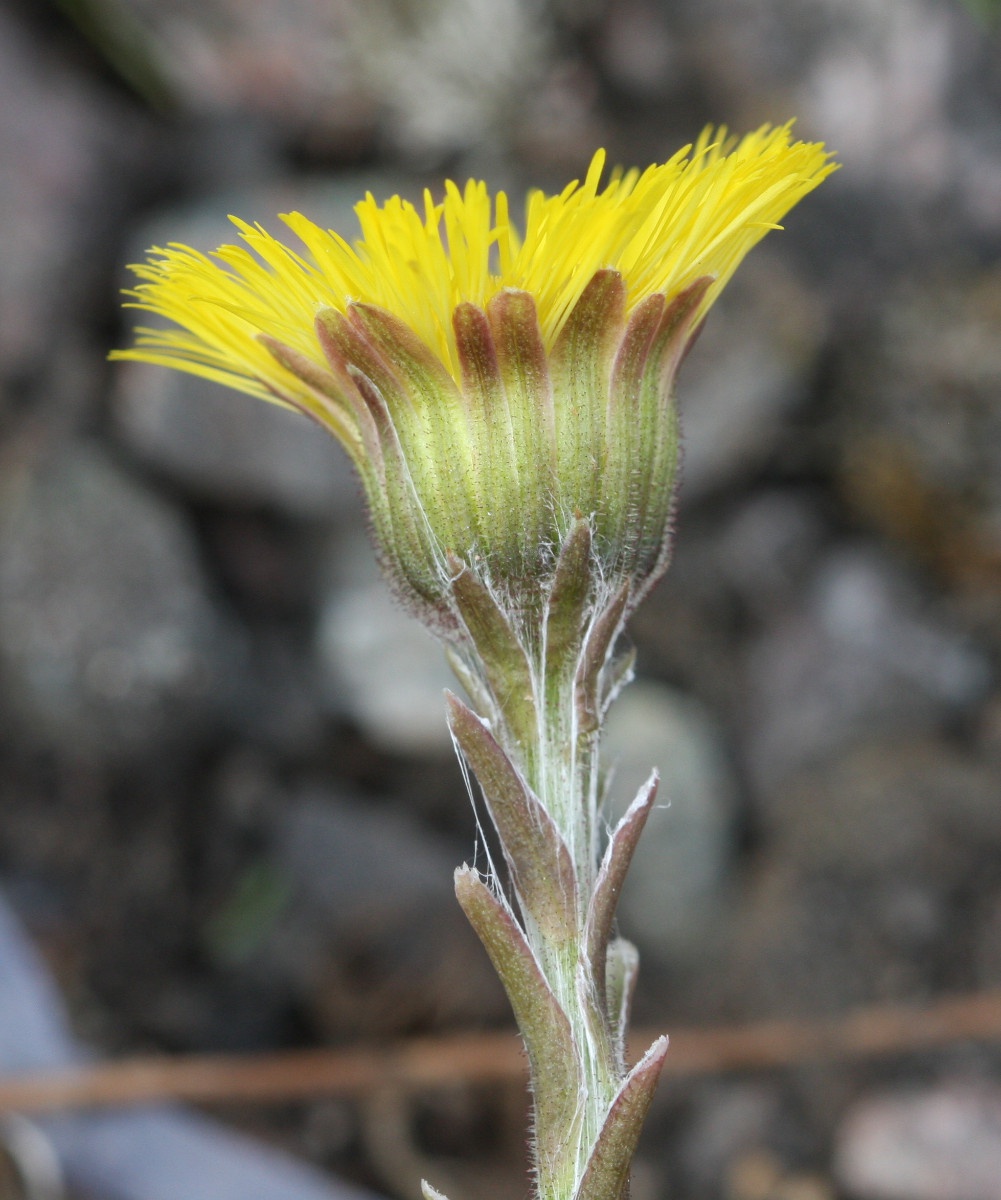
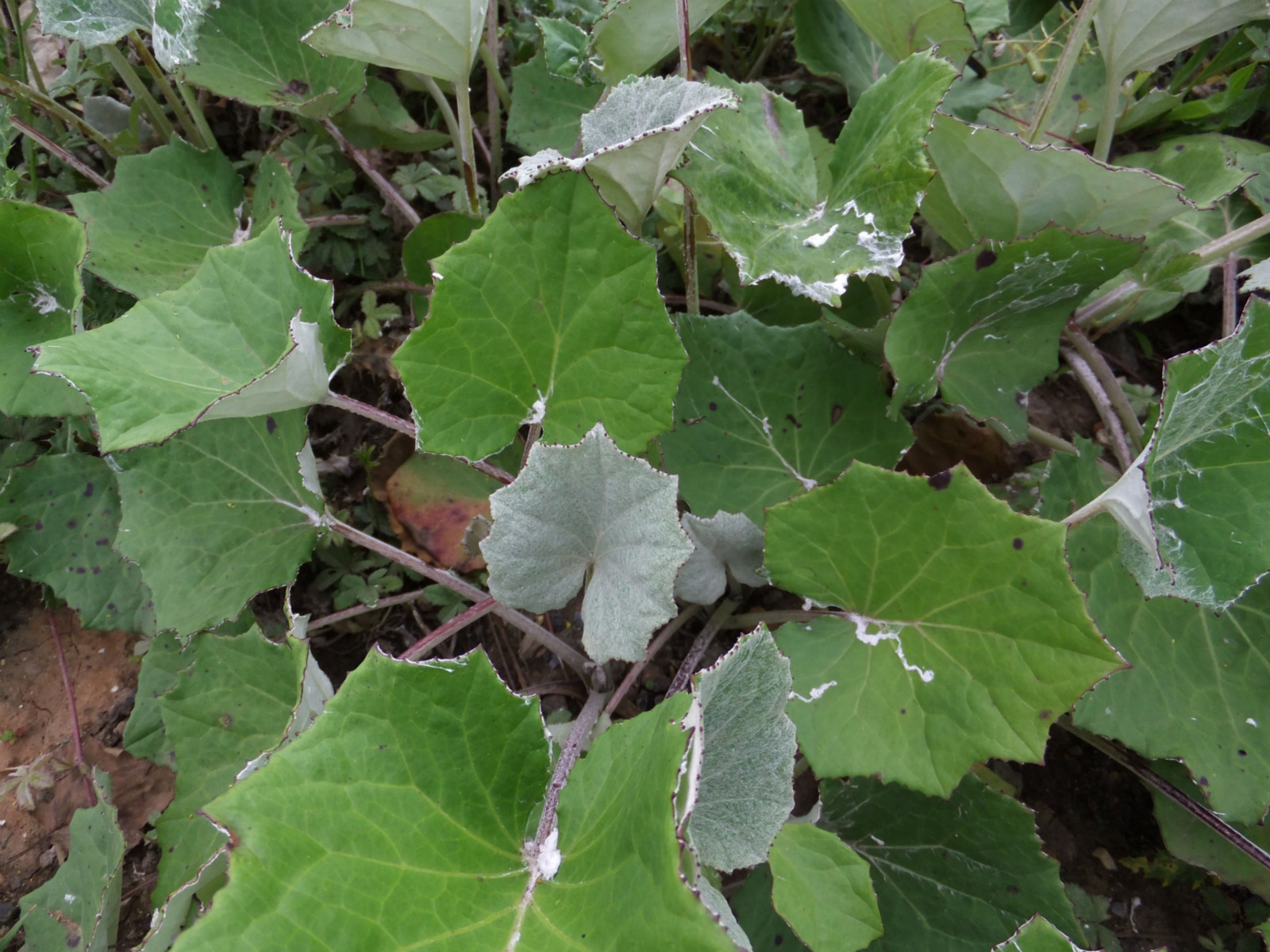
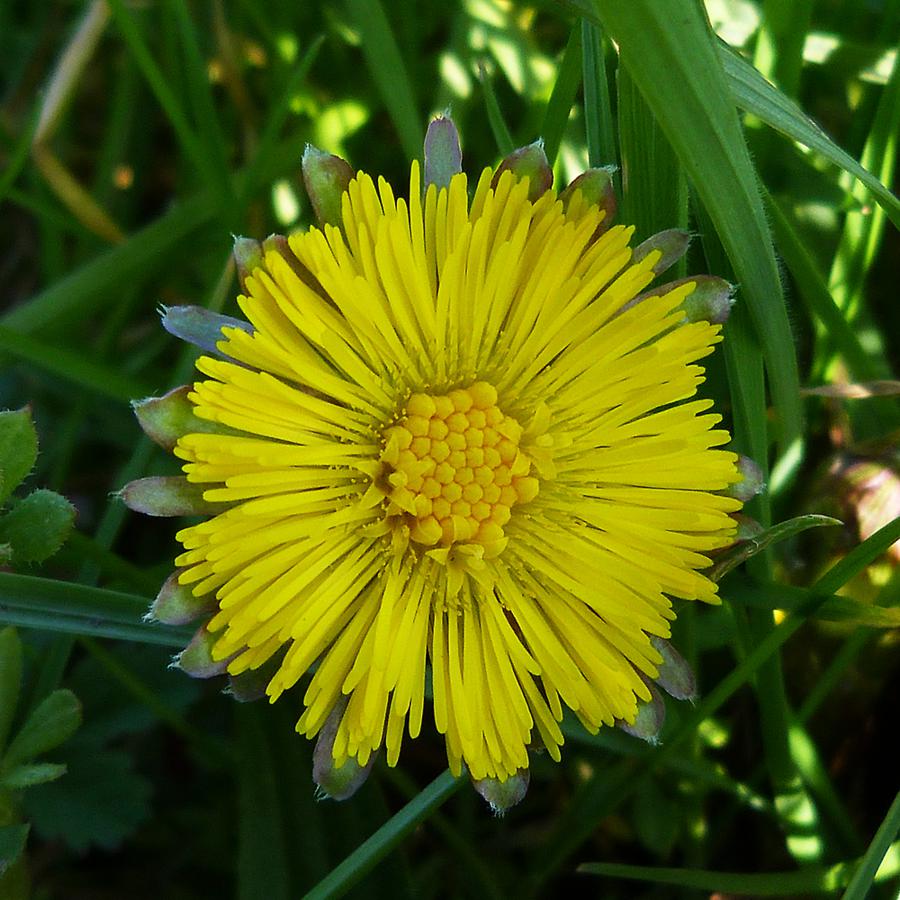
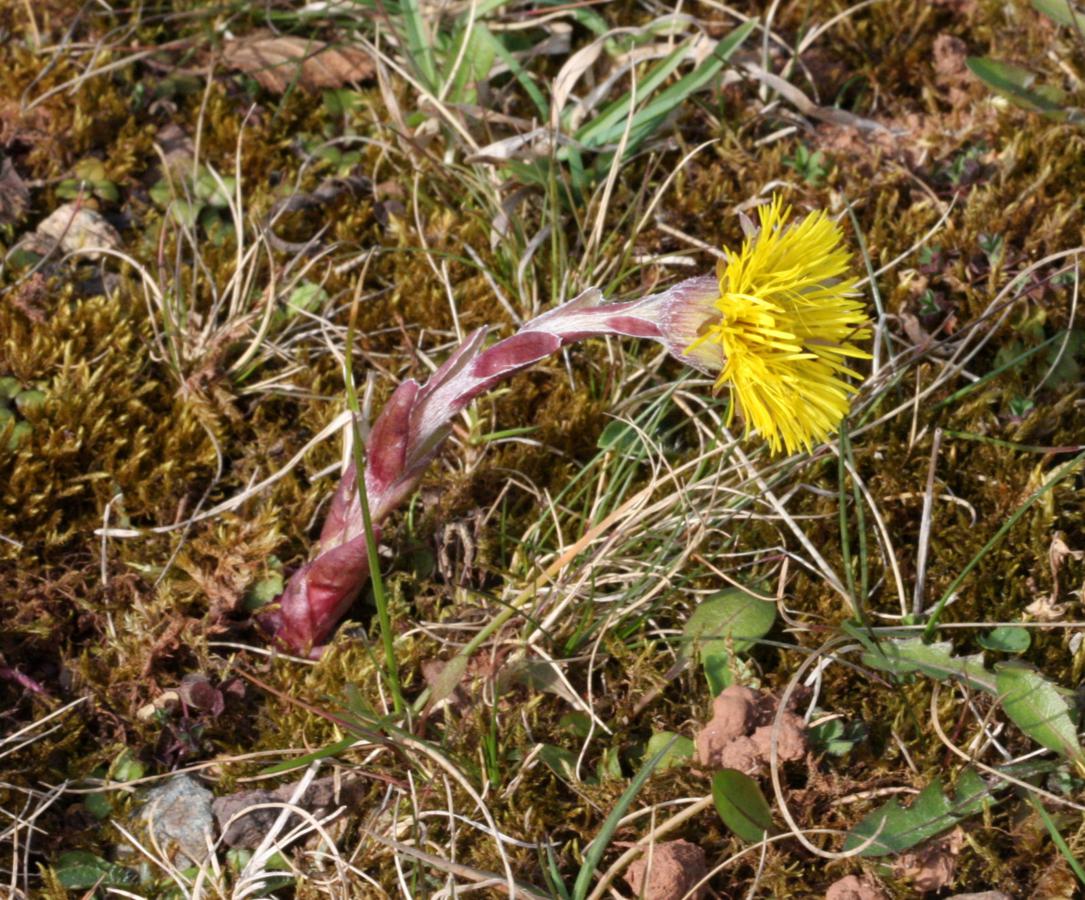
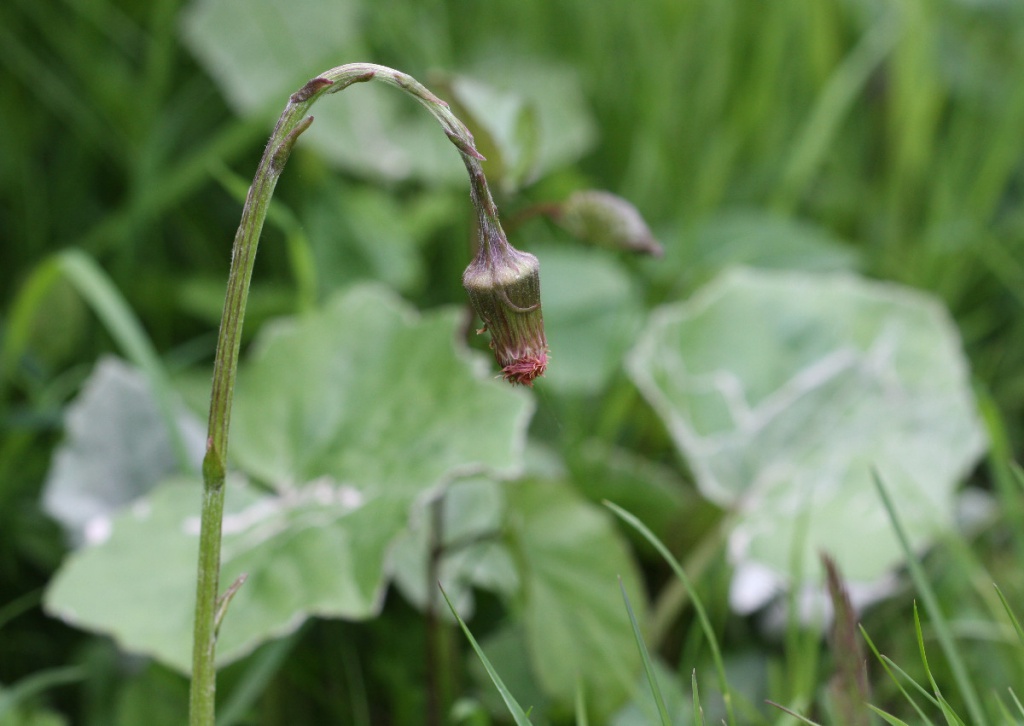
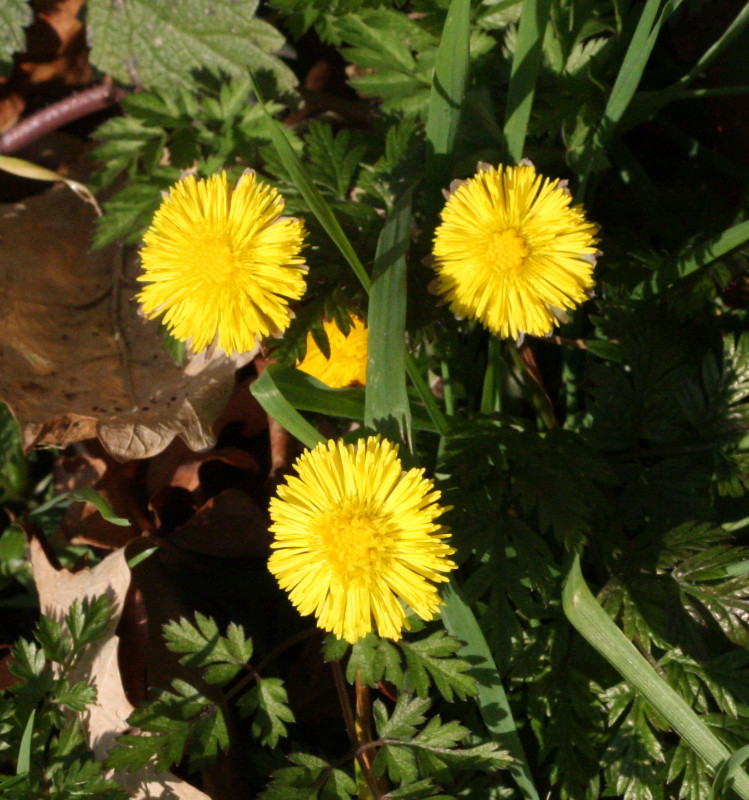
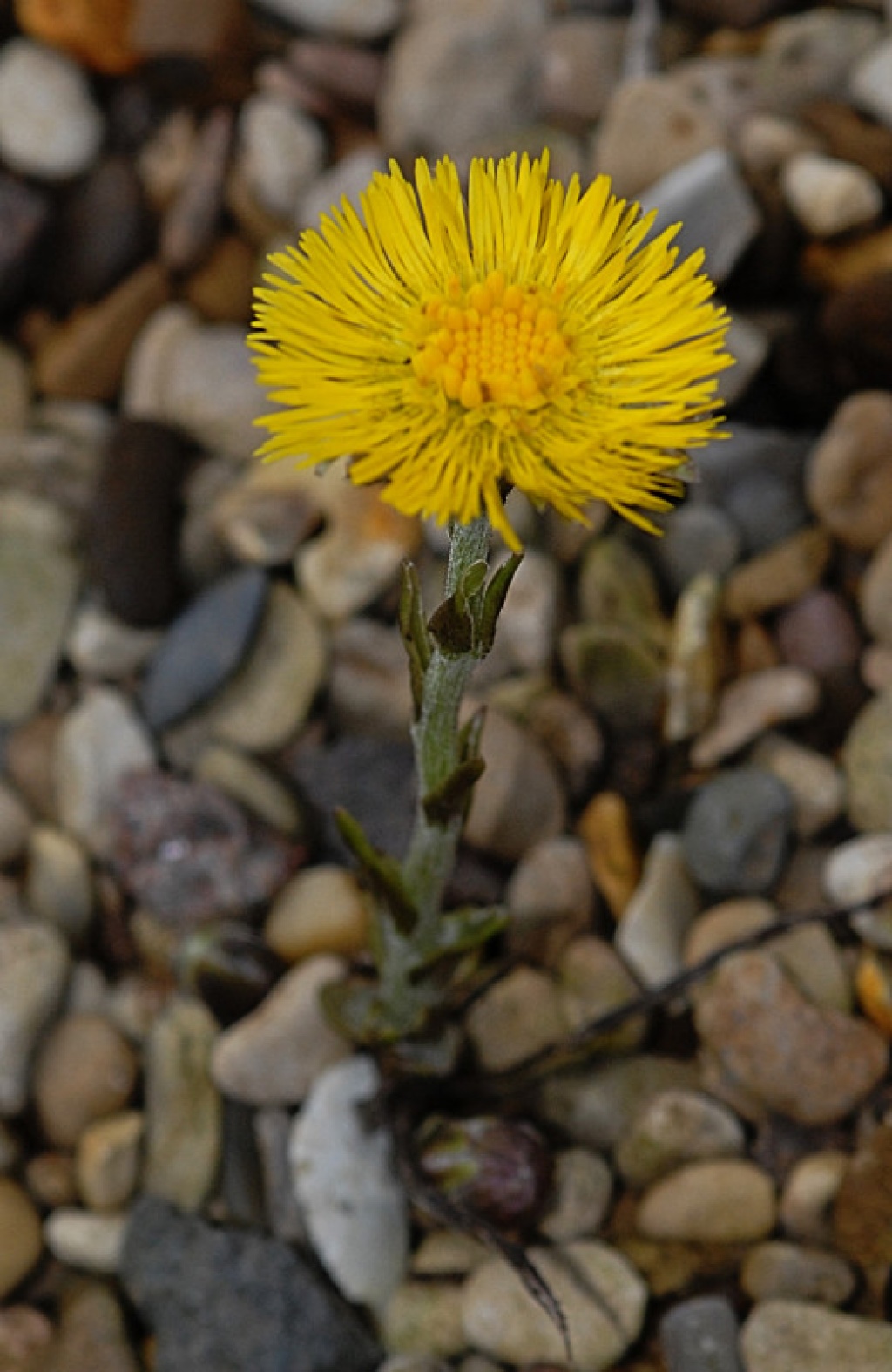
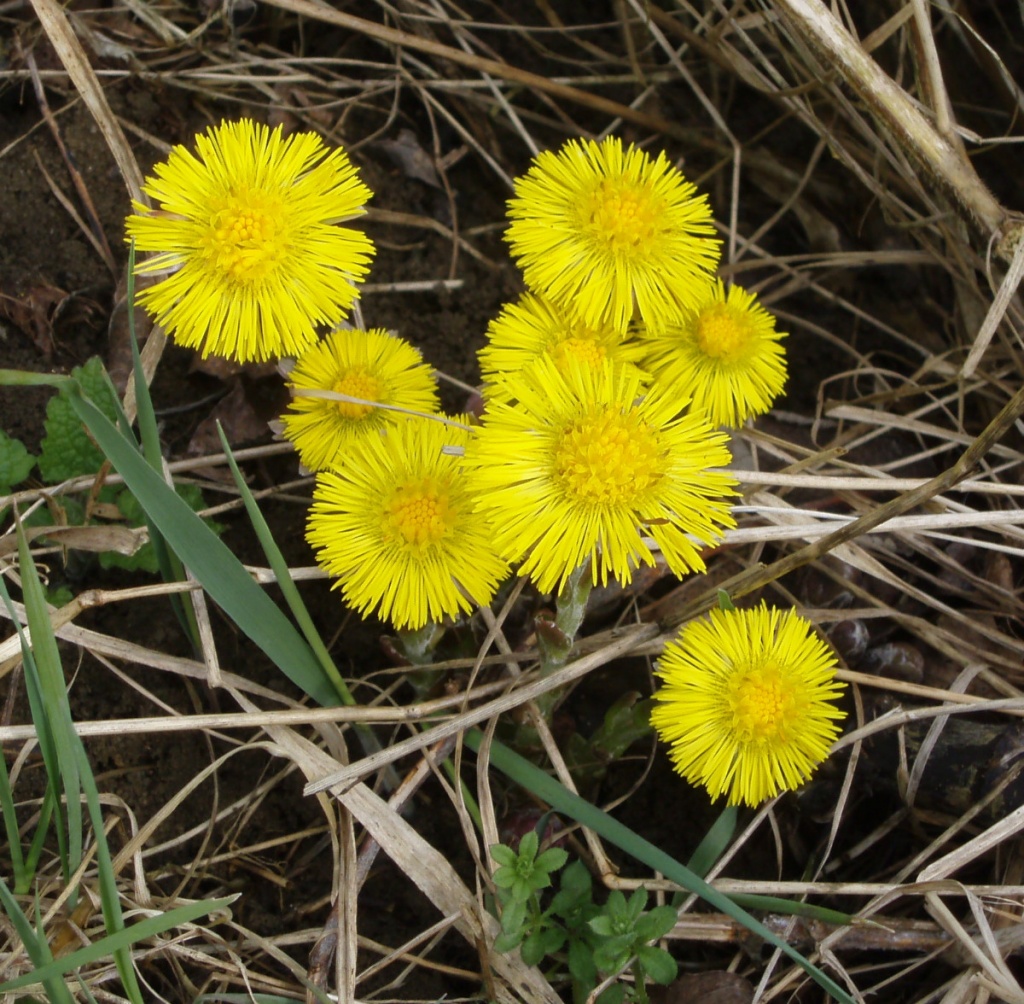
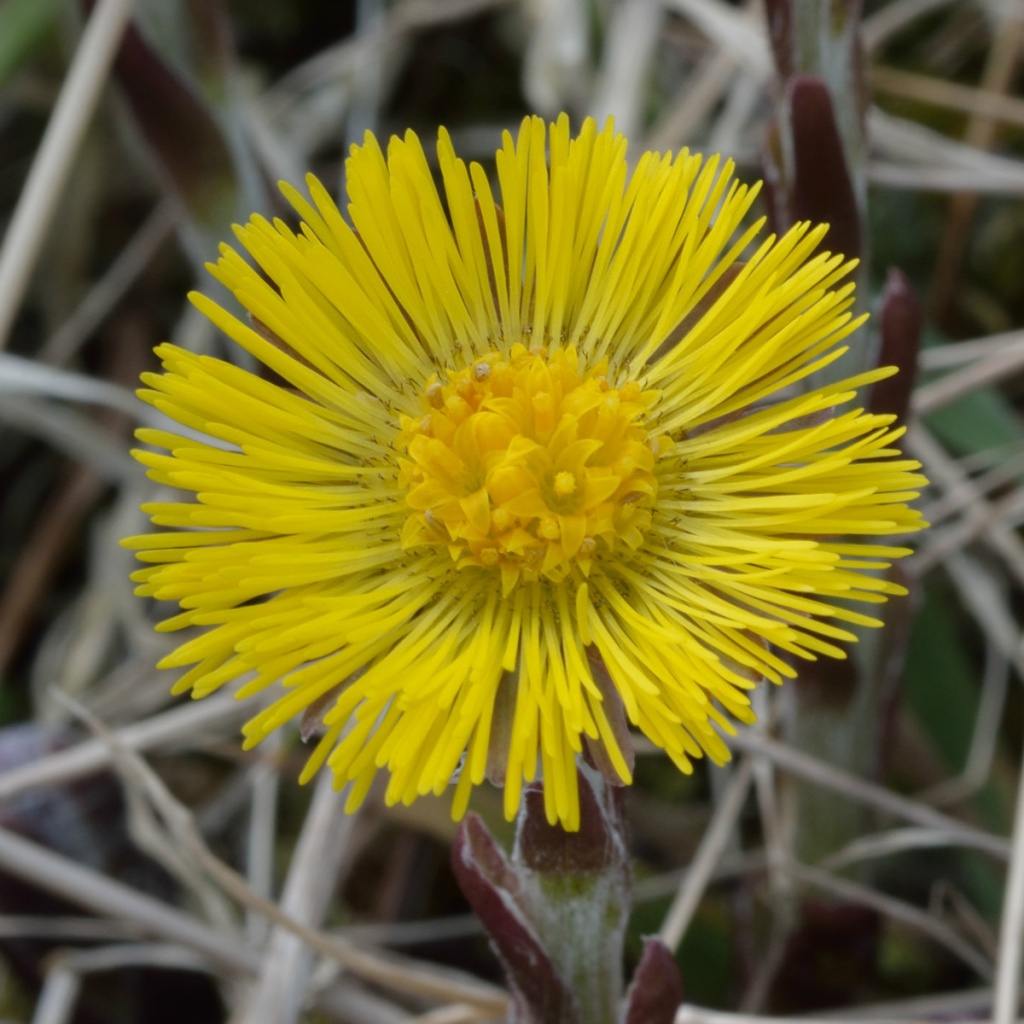
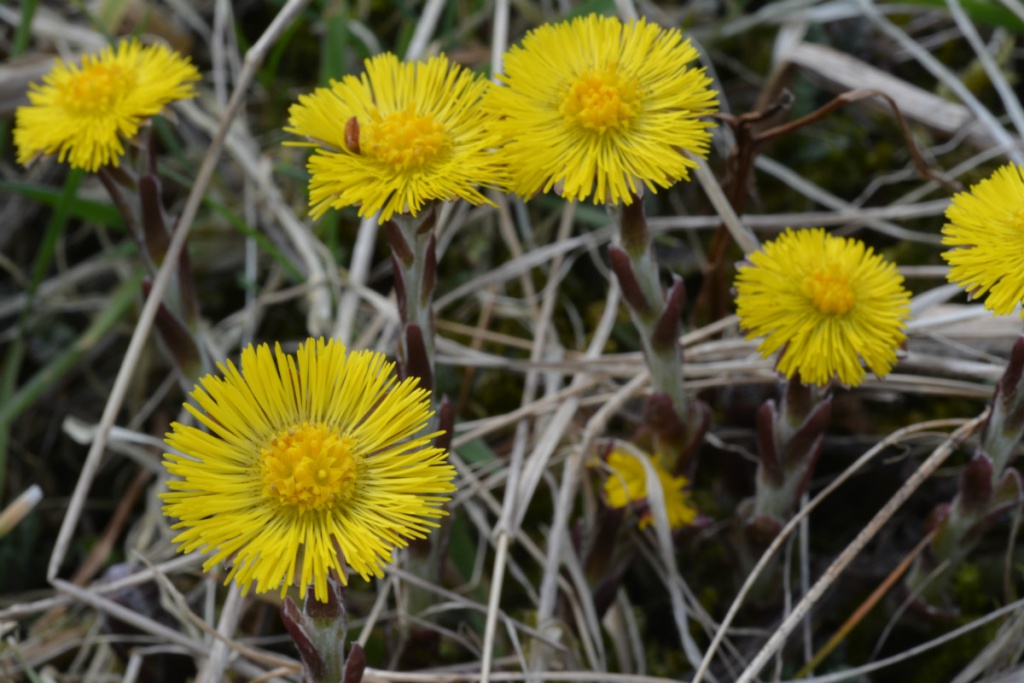
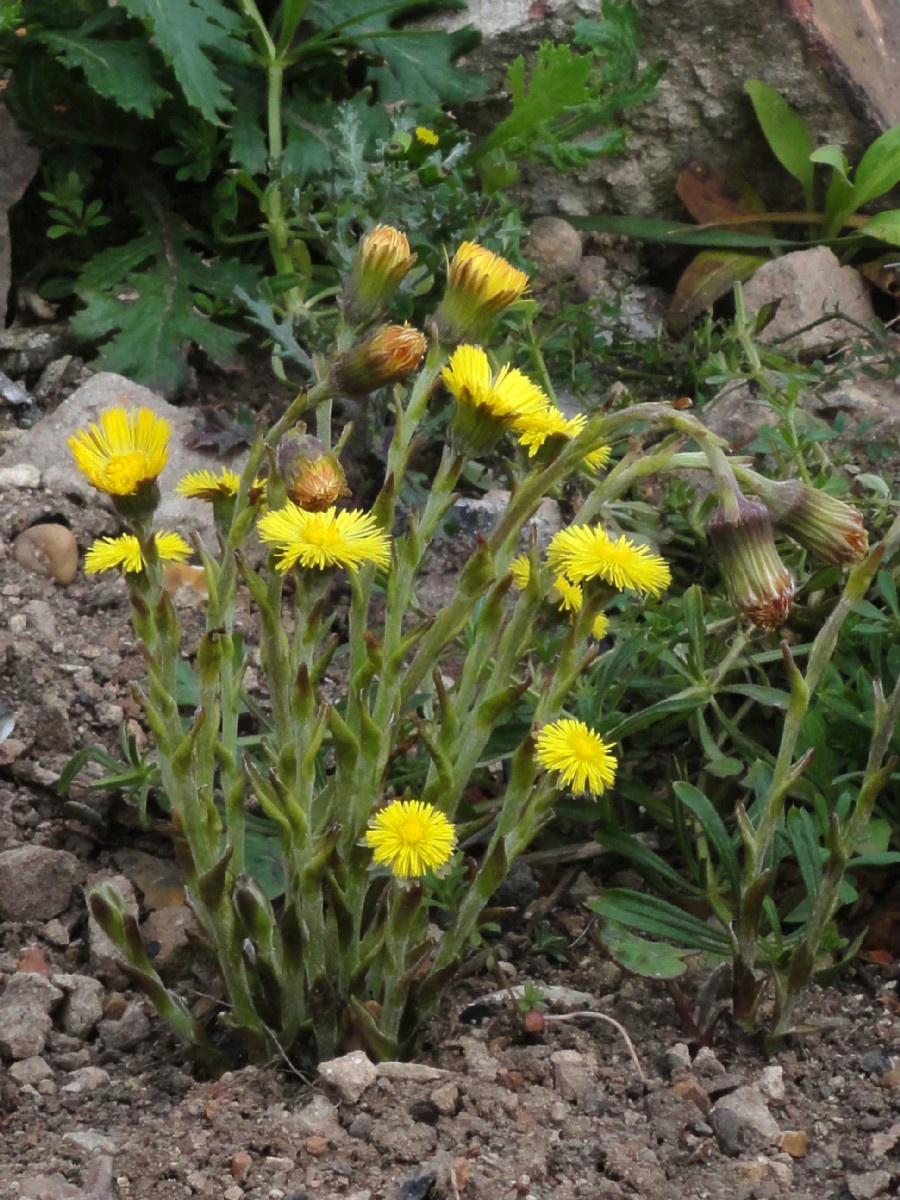
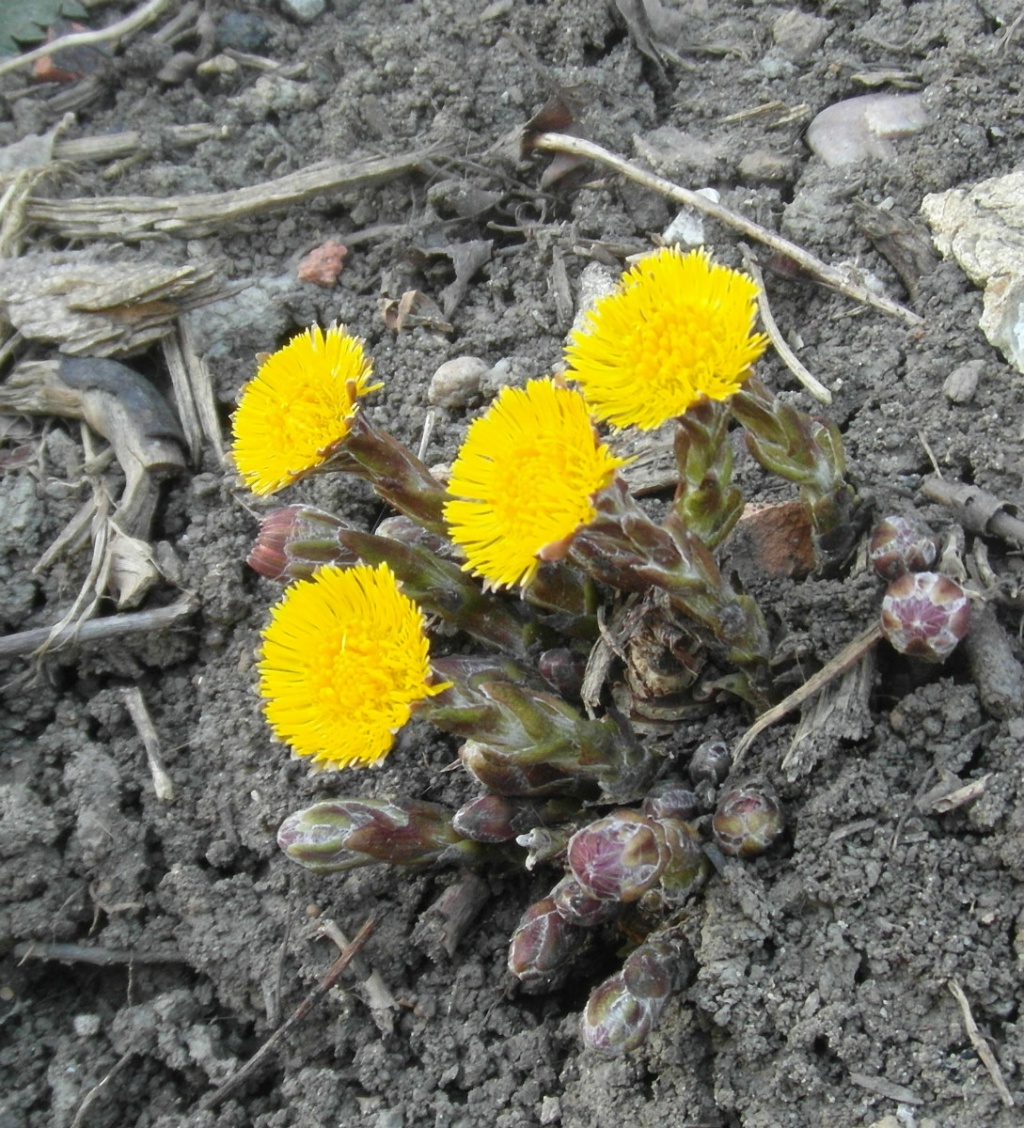
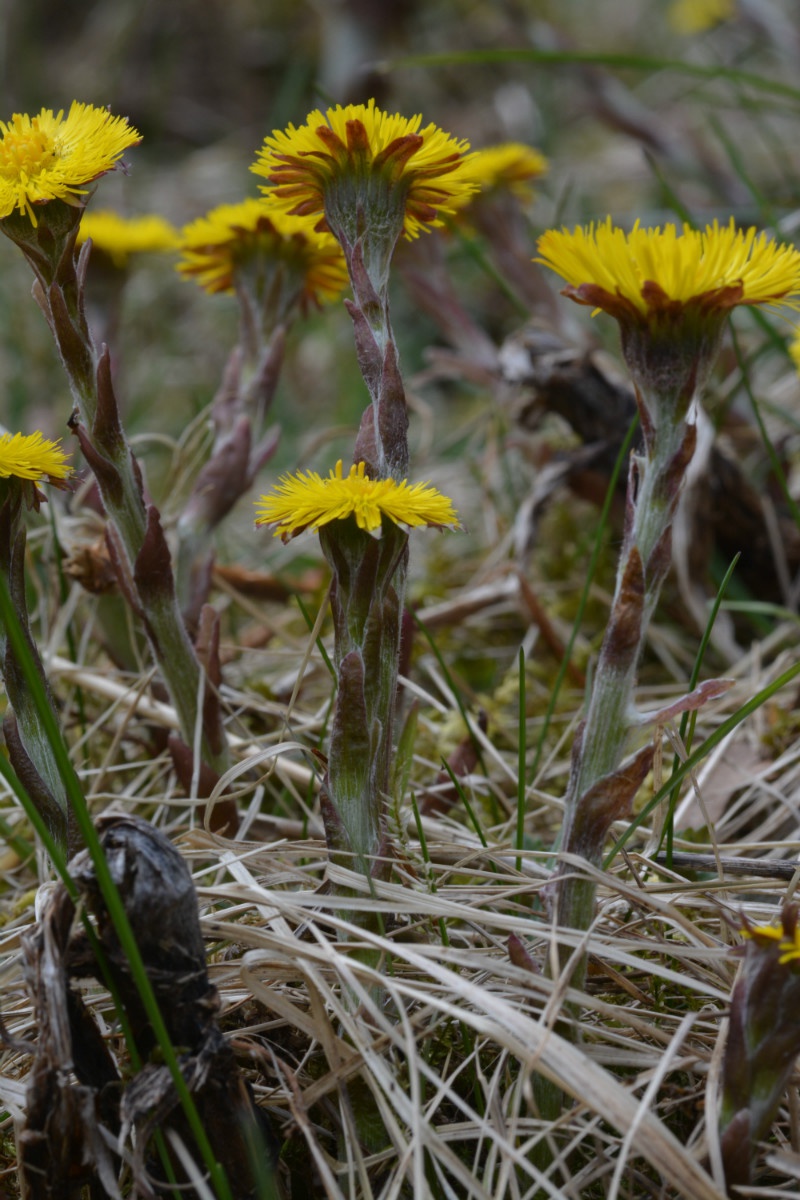
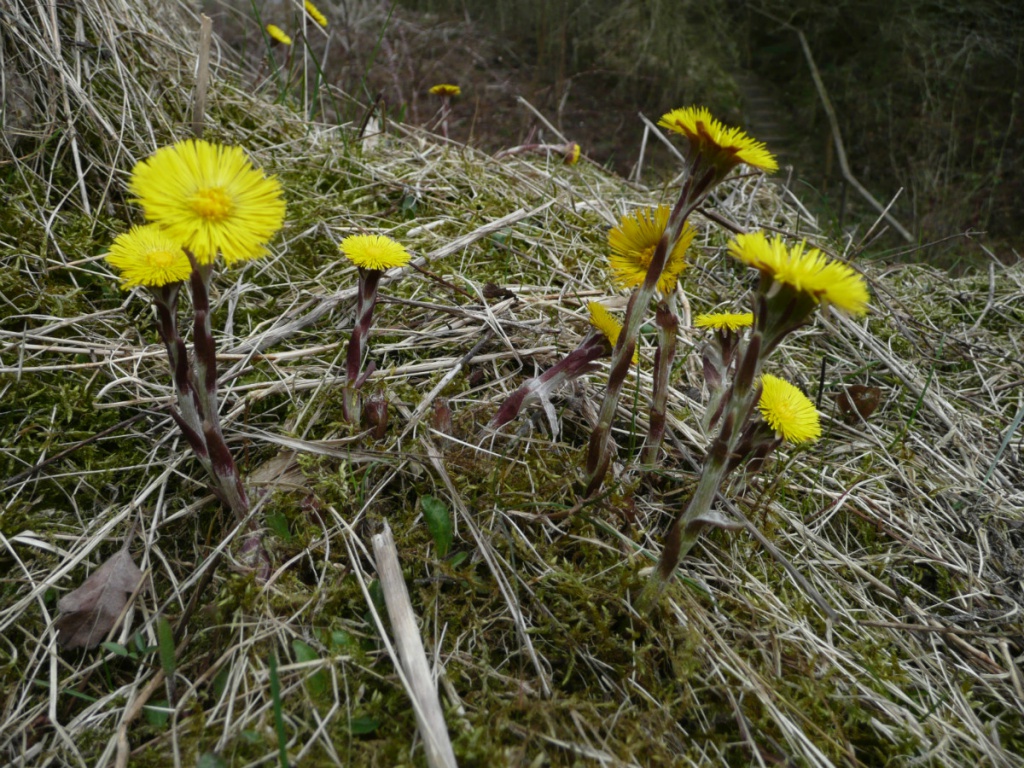
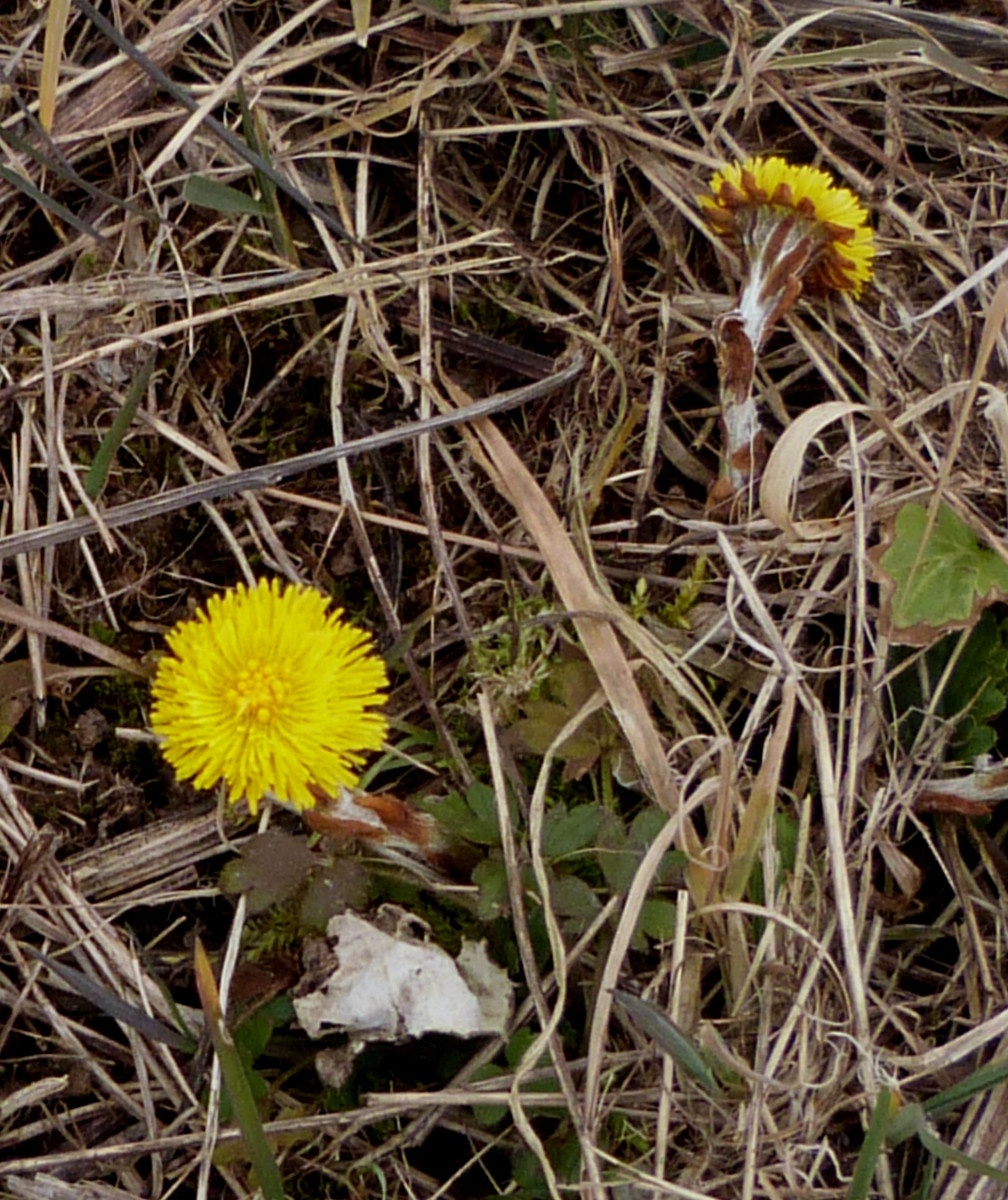
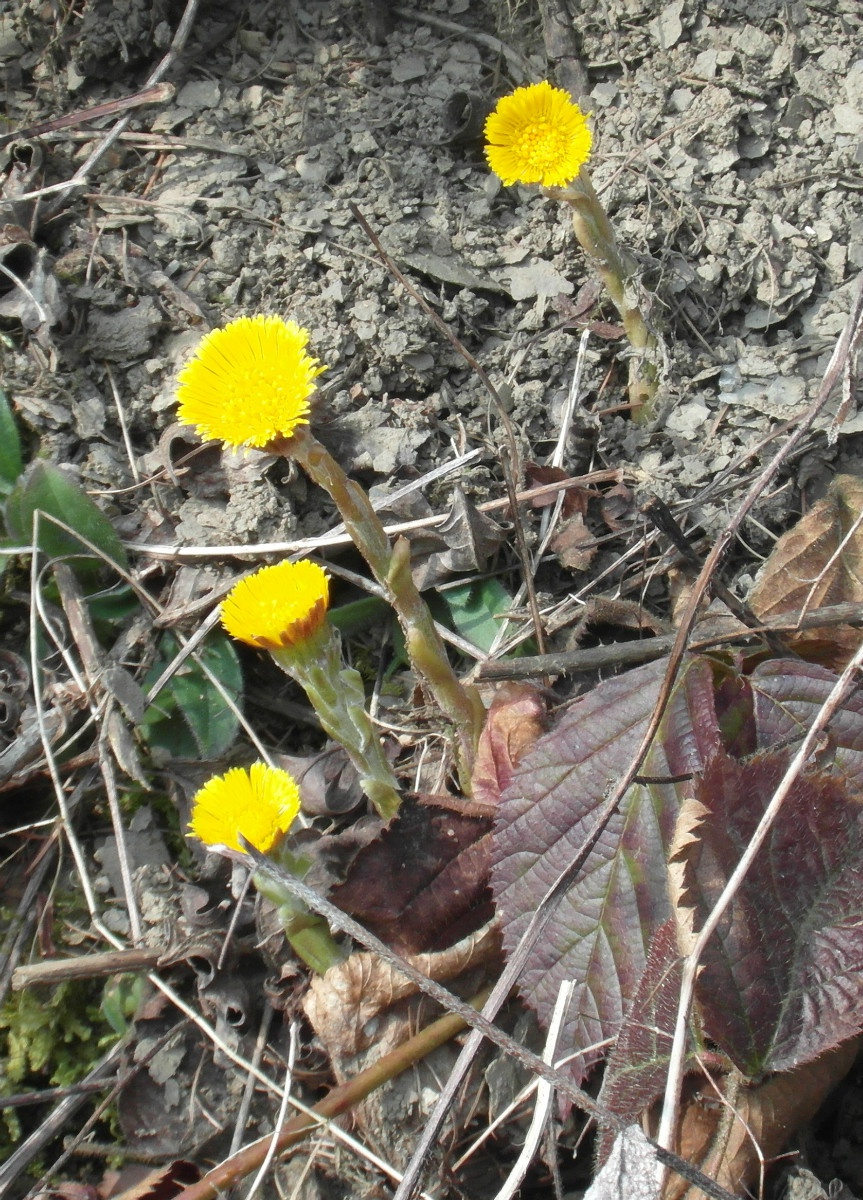
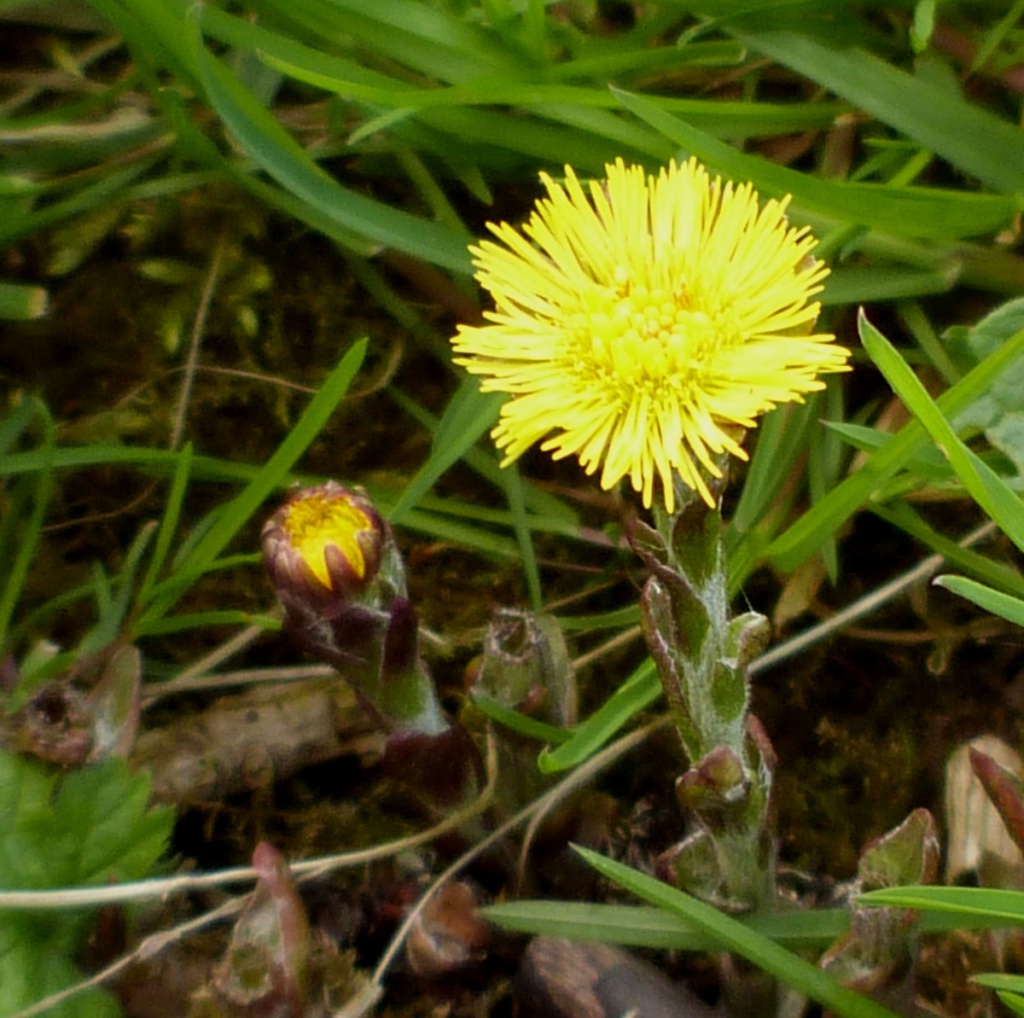
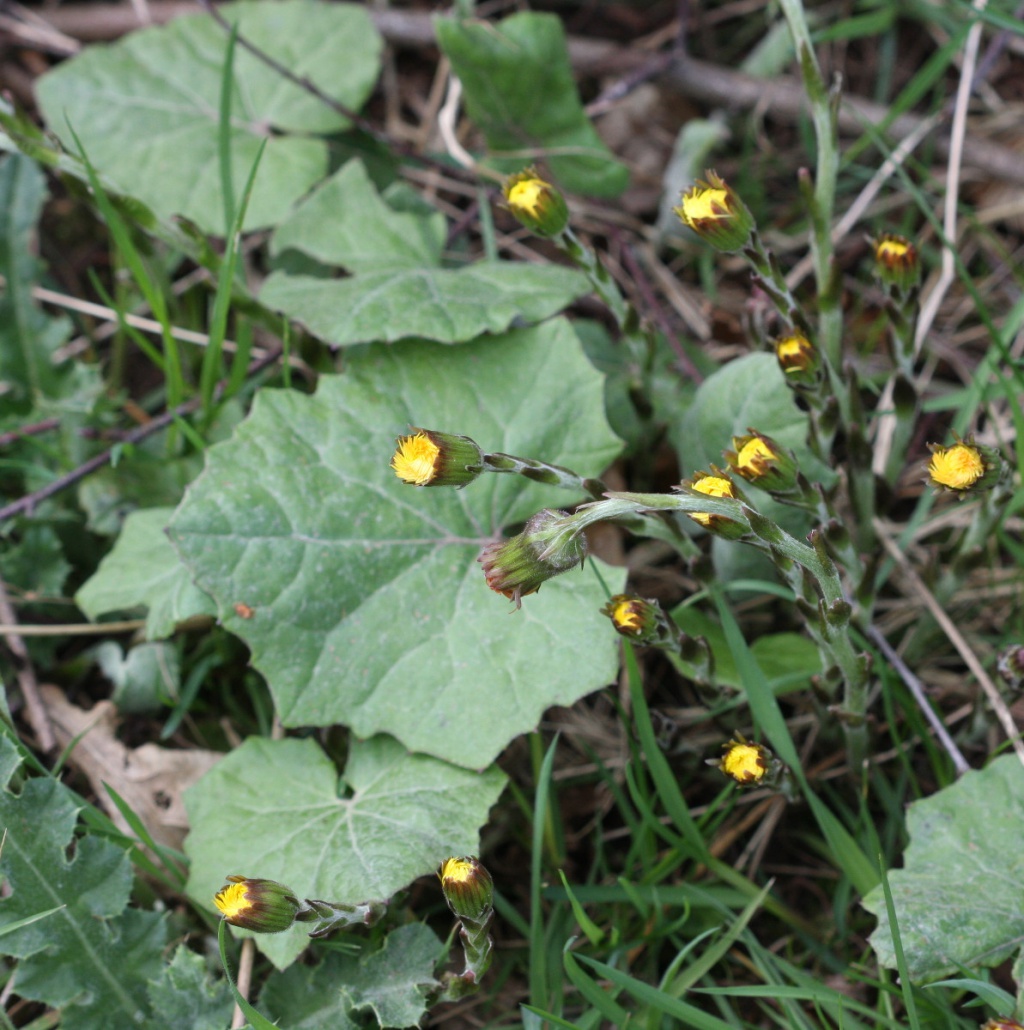
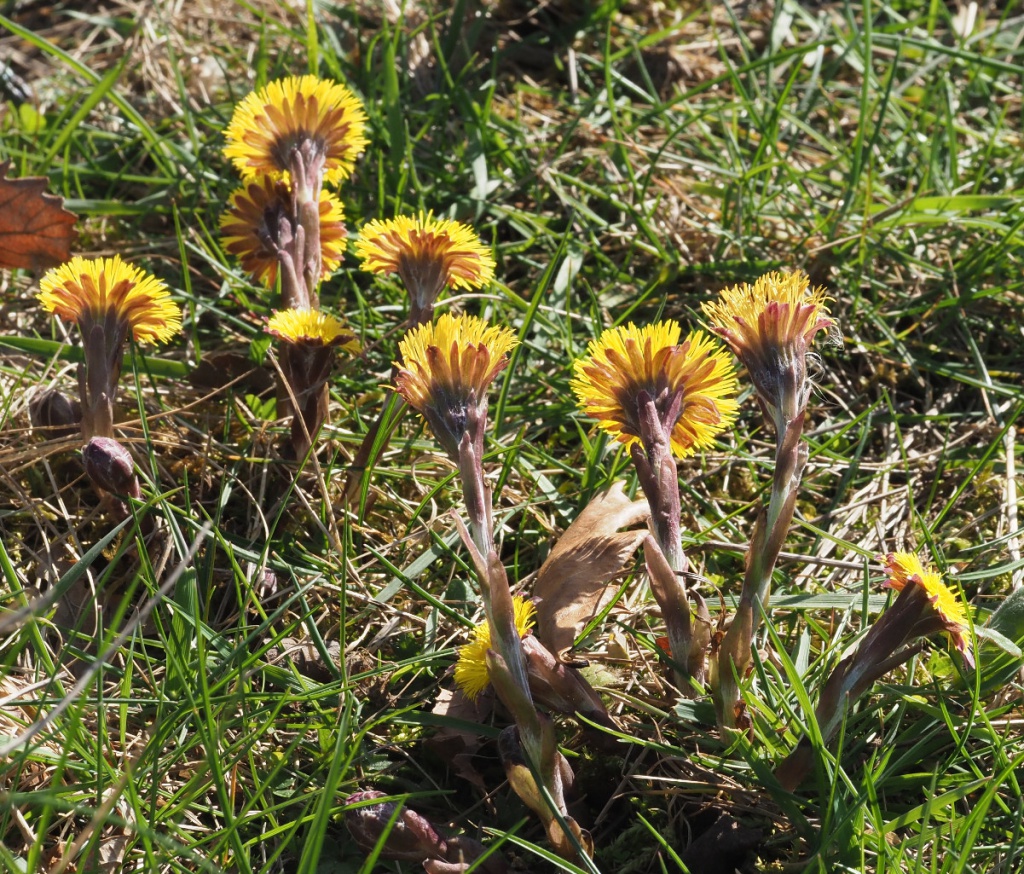
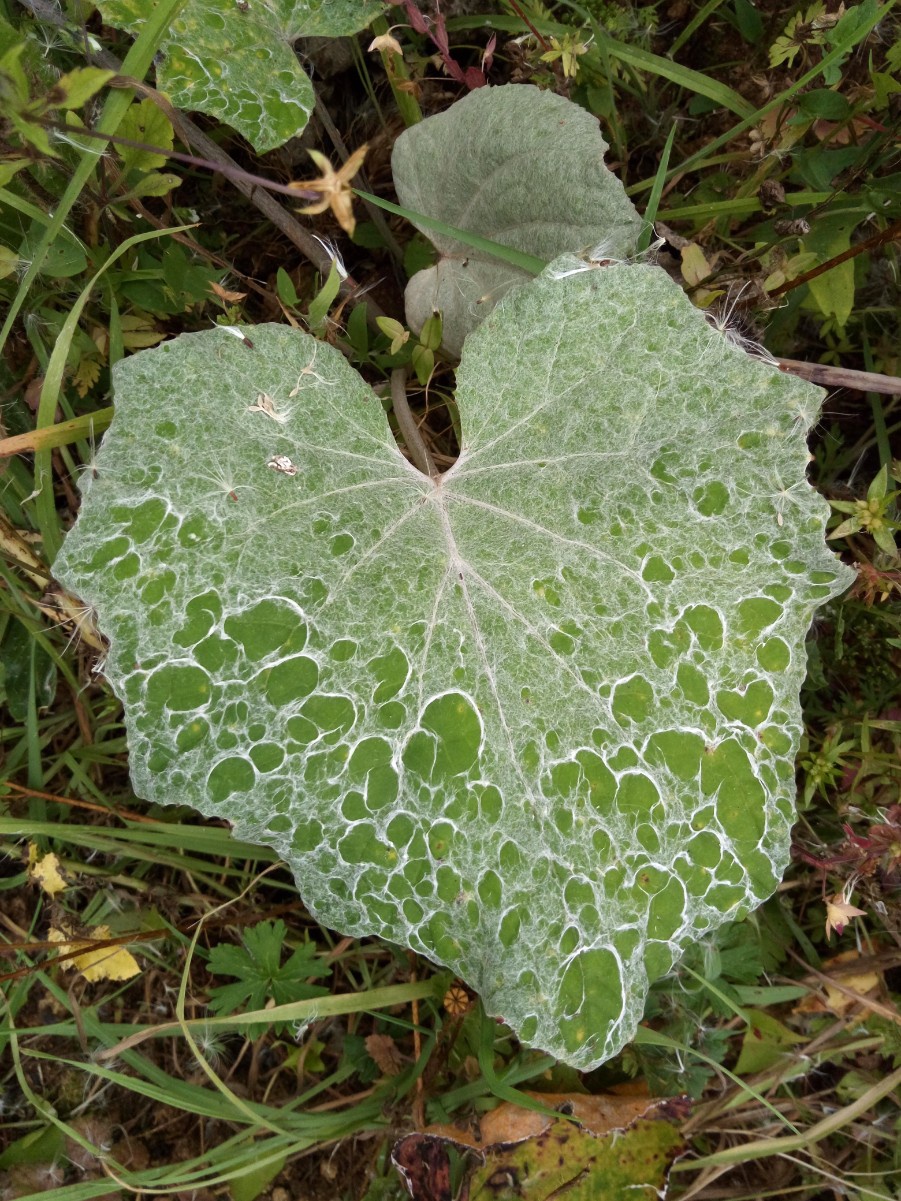
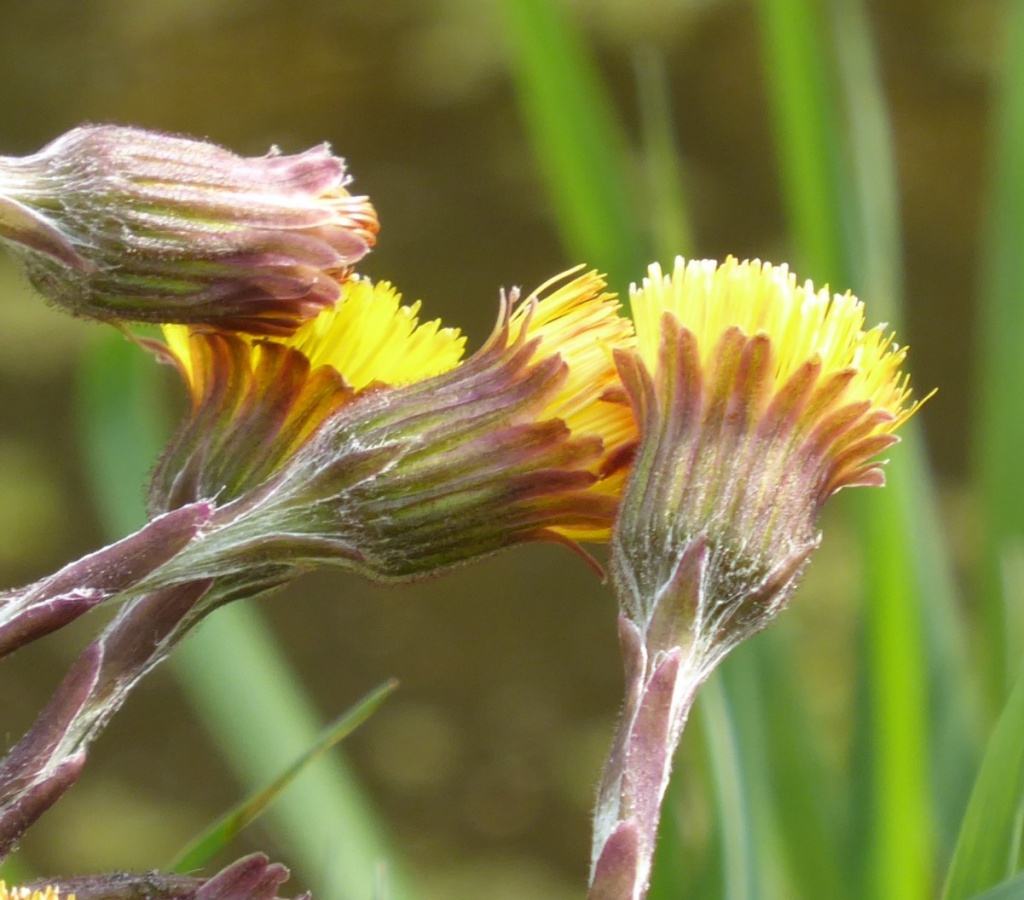
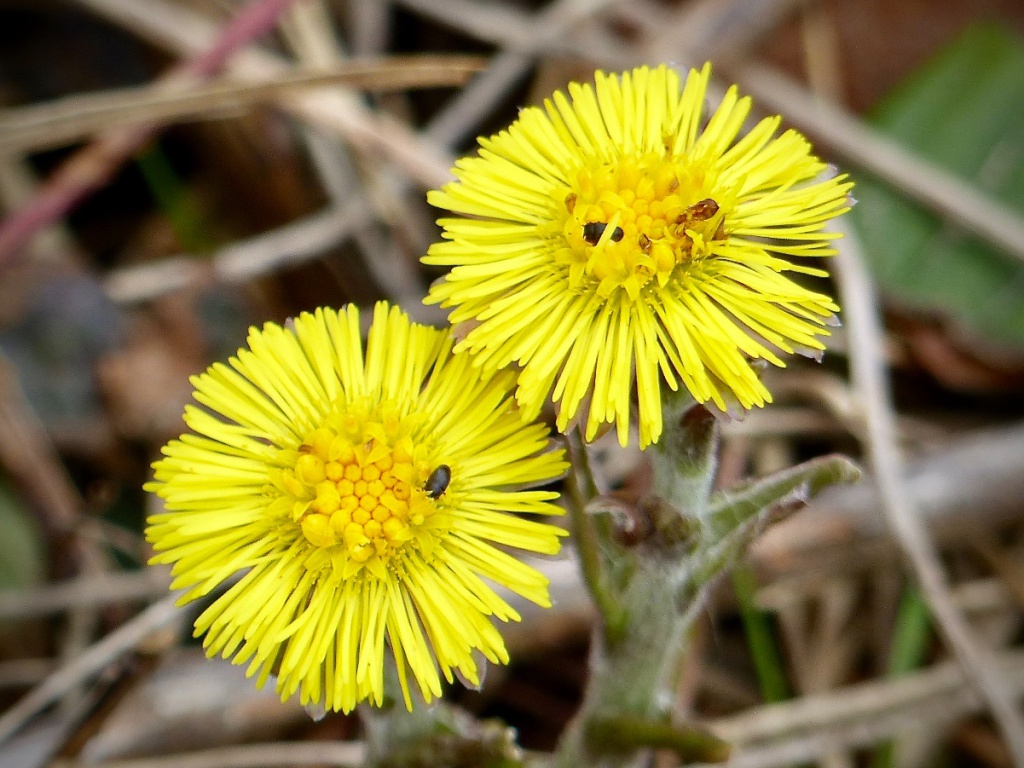
Low to short, downy, creeping plant stems erect, purplish-scaly, unbranched. Leaves all basal, rounded-heart-shaped, shallowly lobed or toothed, mealy white above when young, white felted beneath. Flowers yellow 13 to 15 mm with narrow rays, solitary. Erect in bud, nodding as the flowers fade. Fruit a white 'clock'.

Damp habitats, roadsides, arable land, hedge banks.
February to April. The flowers appear before the leaves and are one of the earliest flowers to show.
Perennial.
Common throughout Britain.
Very common in Leicestershire and Rutland. In the 1979 Flora survey of Leicestershire it was found in 586 of the 617 tetrads.
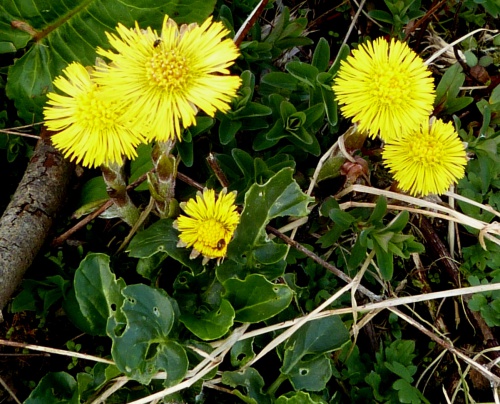 Graham Calow
Sapcote
29 March 2014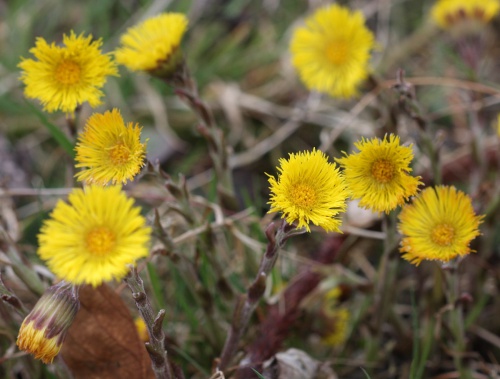 David Nicholls
Ratby
21 April 2013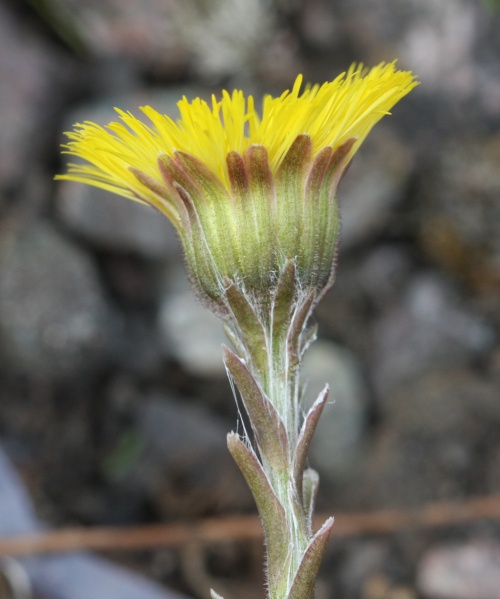 David Nicholls
Ratby
21 April 2013 Leicester Road Sapcote SP 4953 9331 (taken 30.4.2006).JPG) Graham Calow
Graham Calow
Sapcote
30 April 2006 Newton Harcourt, Leics. (taken 21.4.2008).JPG) Graham Calow
Graham Calow
Newton Harcourt Canal, Wistow
21 April 2008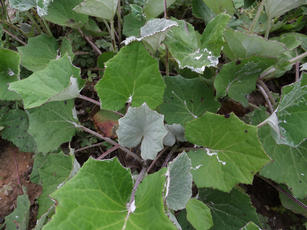 Ron.stevens
Broughton Astley
15 June 2011
 Leicester Road Sapcote SP 4953 9331 (taken 30.4.2006).JPG)
 Newton Harcourt, Leics. (taken 21.4.2008).JPG)
Leicestershire & Rutland Map
Enter a town or village to see local records
MAP KEY:
Yellow squares = NBN records (all known data)
Coloured squares = NatureSpot records: 2025+ | 2020-2024 | pre-2020
UK Map
Additional images
 Leicester Road Sapcote SP 4953 9331 (taken 28.3.2006),.JPG)
 Bank of main lake Fosse Meadows (taken 11.3.2009).JPG)

All NatureSpot records

Puccinia poarum
The rust fungus Puccinia poarum galls the leaves of the alternate host, Colt's-foot. The underside of the leaves have thickened areas bearing orange-red aecia and spermogonia.
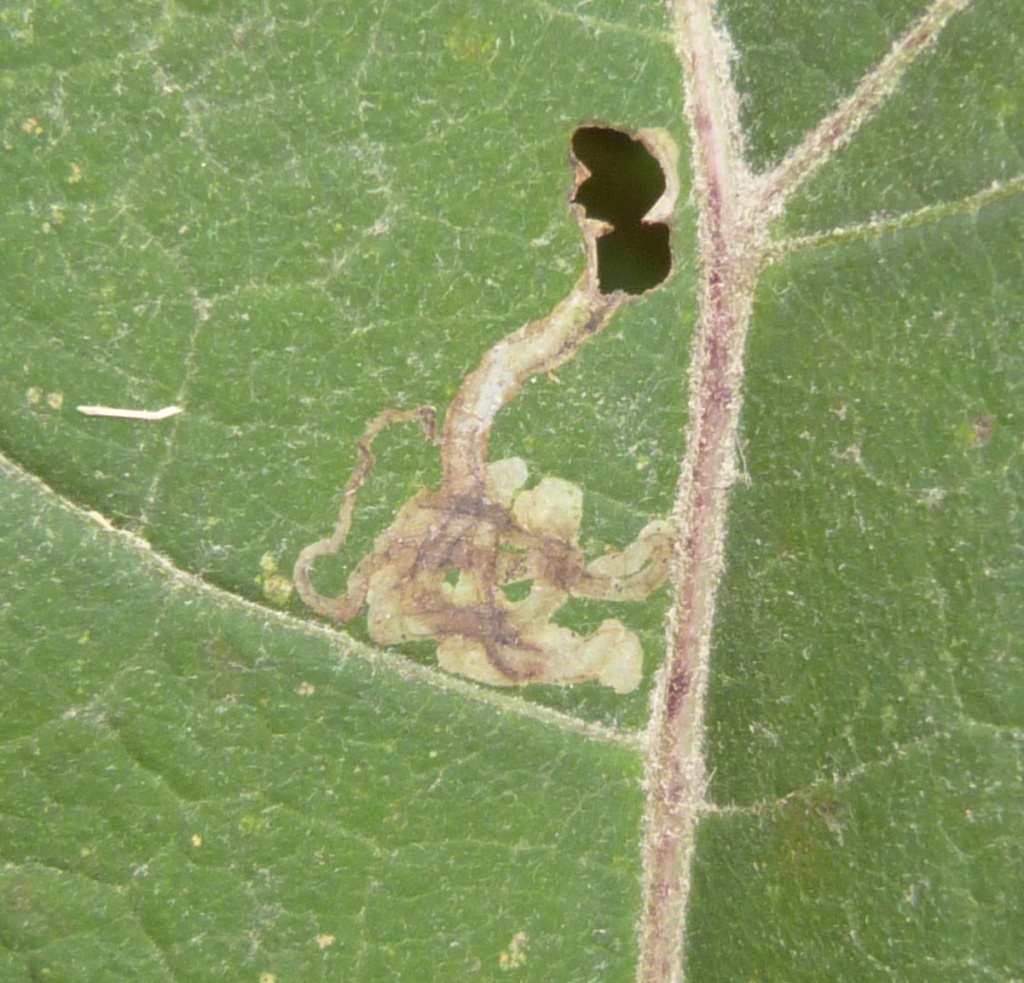
Phytomyza tussilaginis
The larva of the Agromyzid fly Phytomyza tussilaginis mines the leaves of Butterbur, Colt’s-foot and Winter Heliotrope, producing a long narrow mine, widening at the end and often forming a secondary blotch.