Chironomus plumosus
Chironomus plumosus
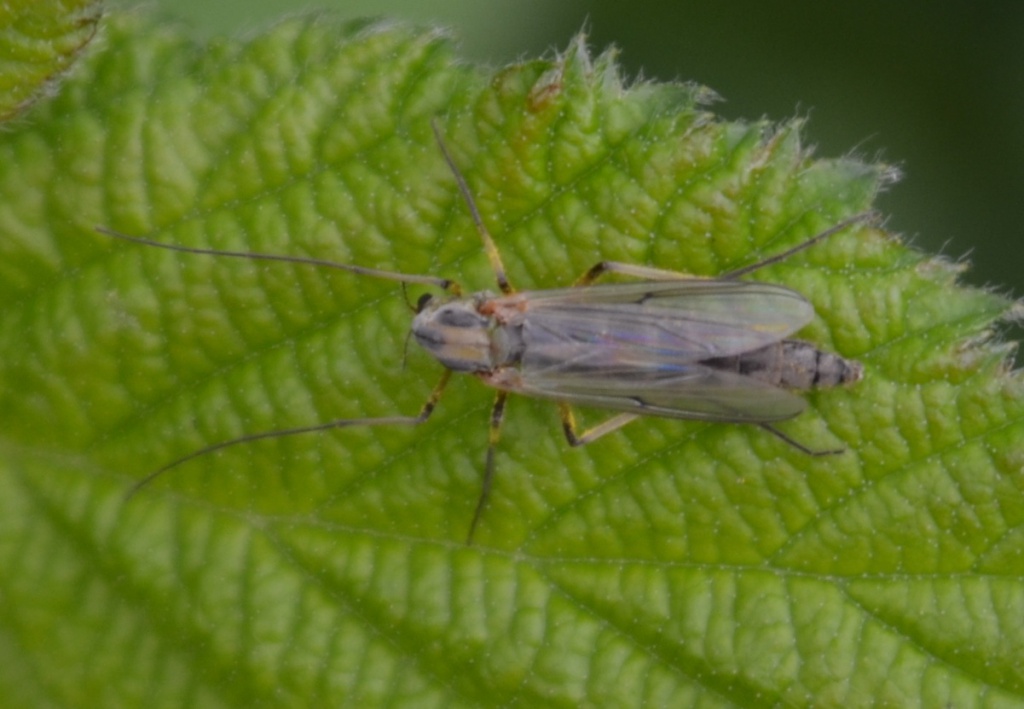
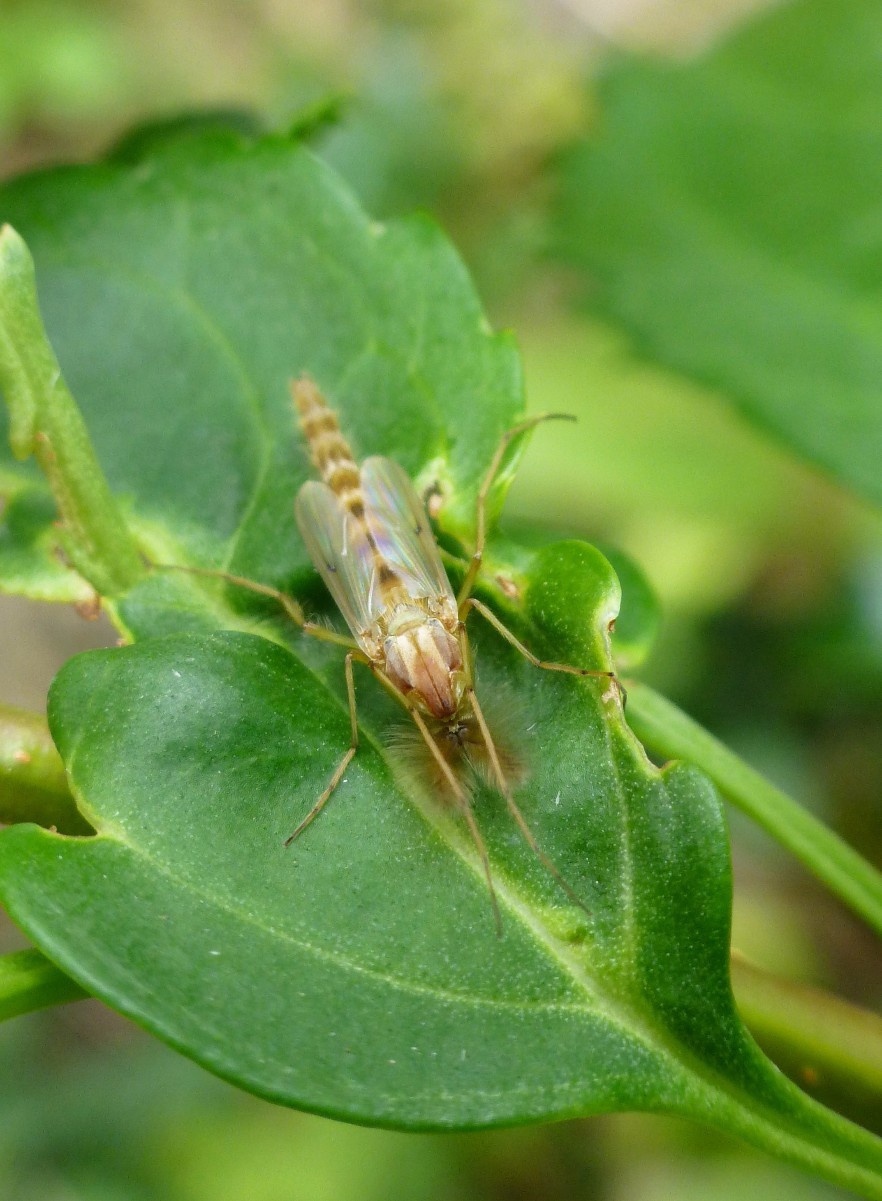
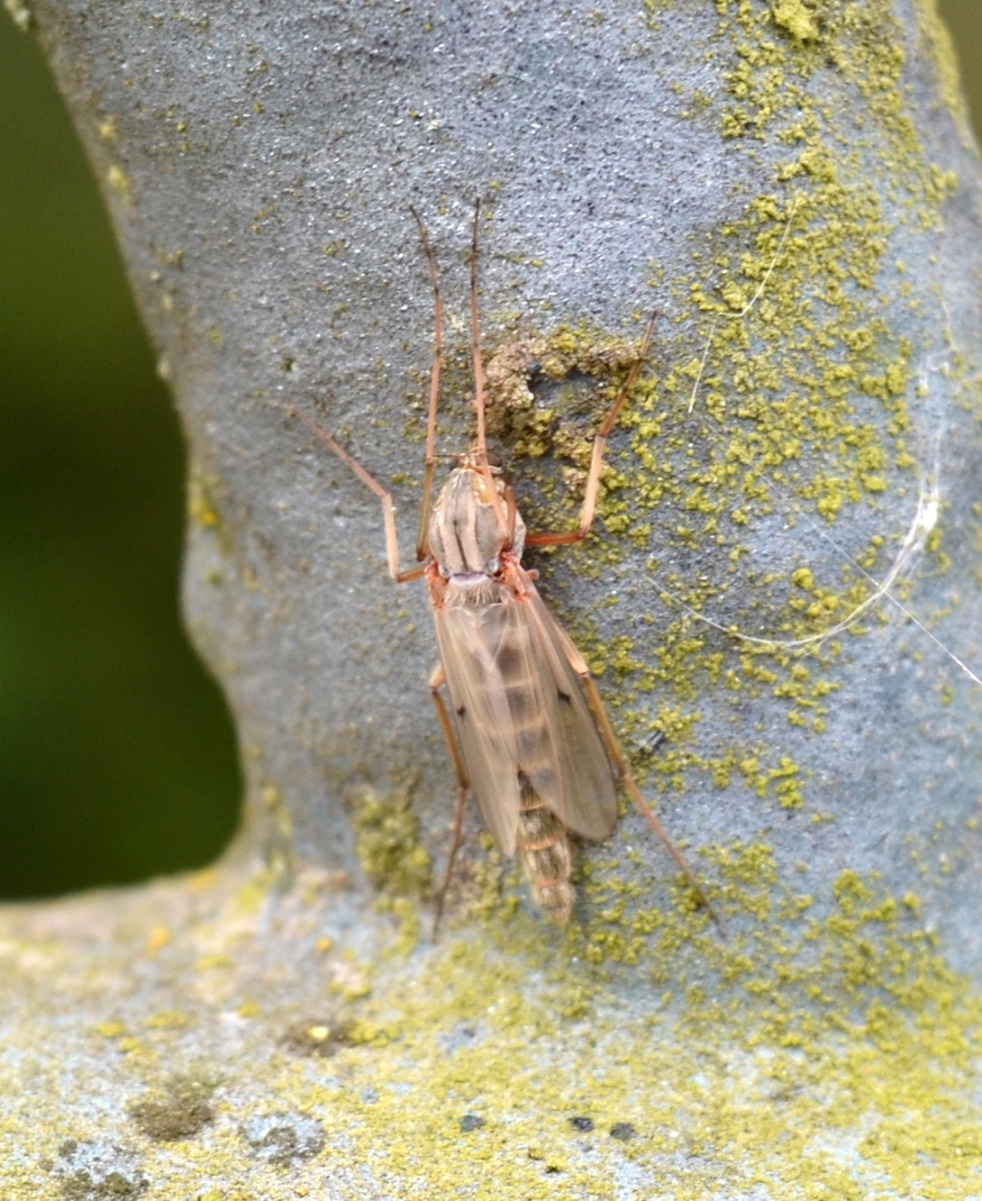
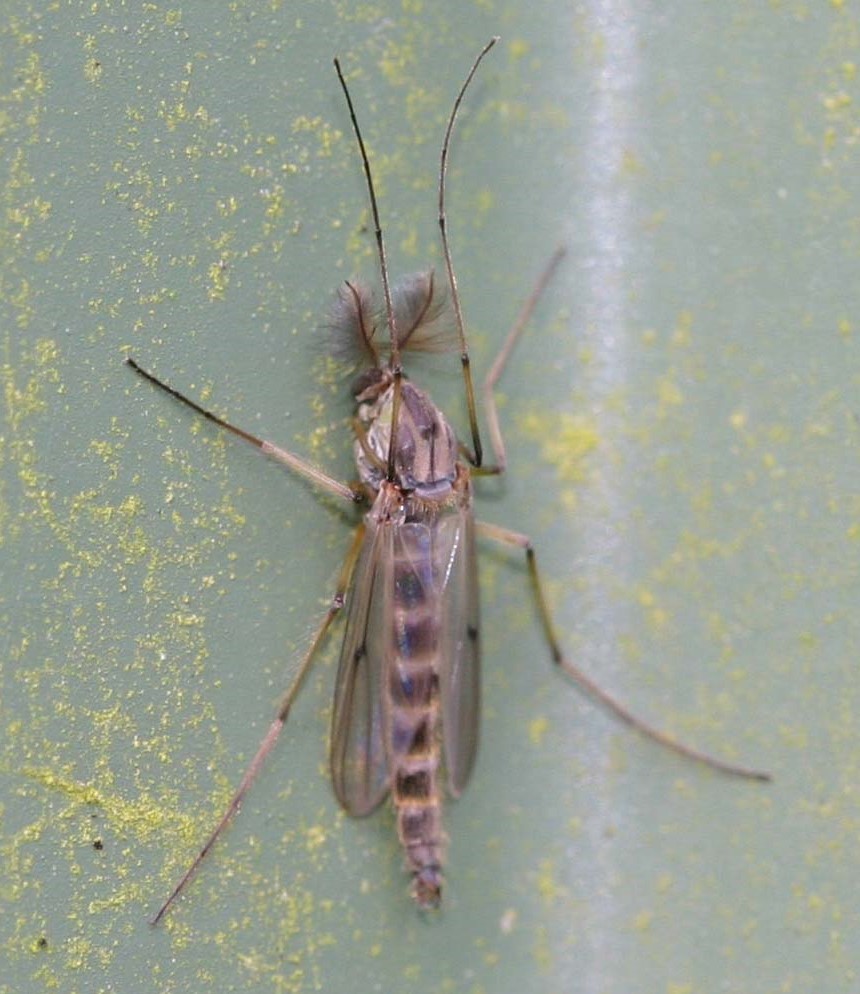
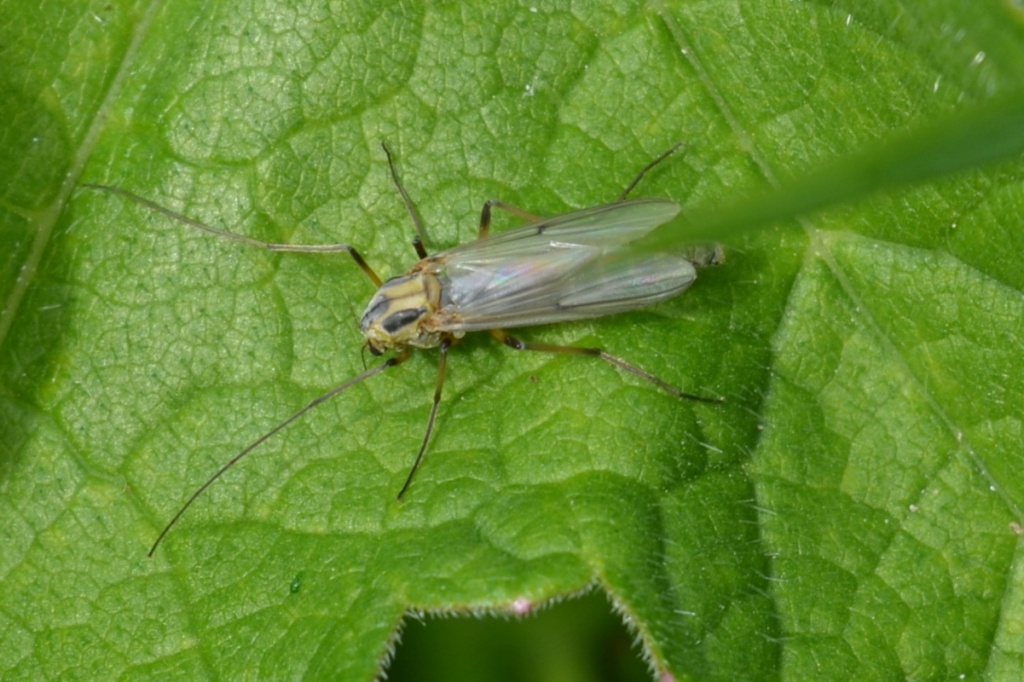
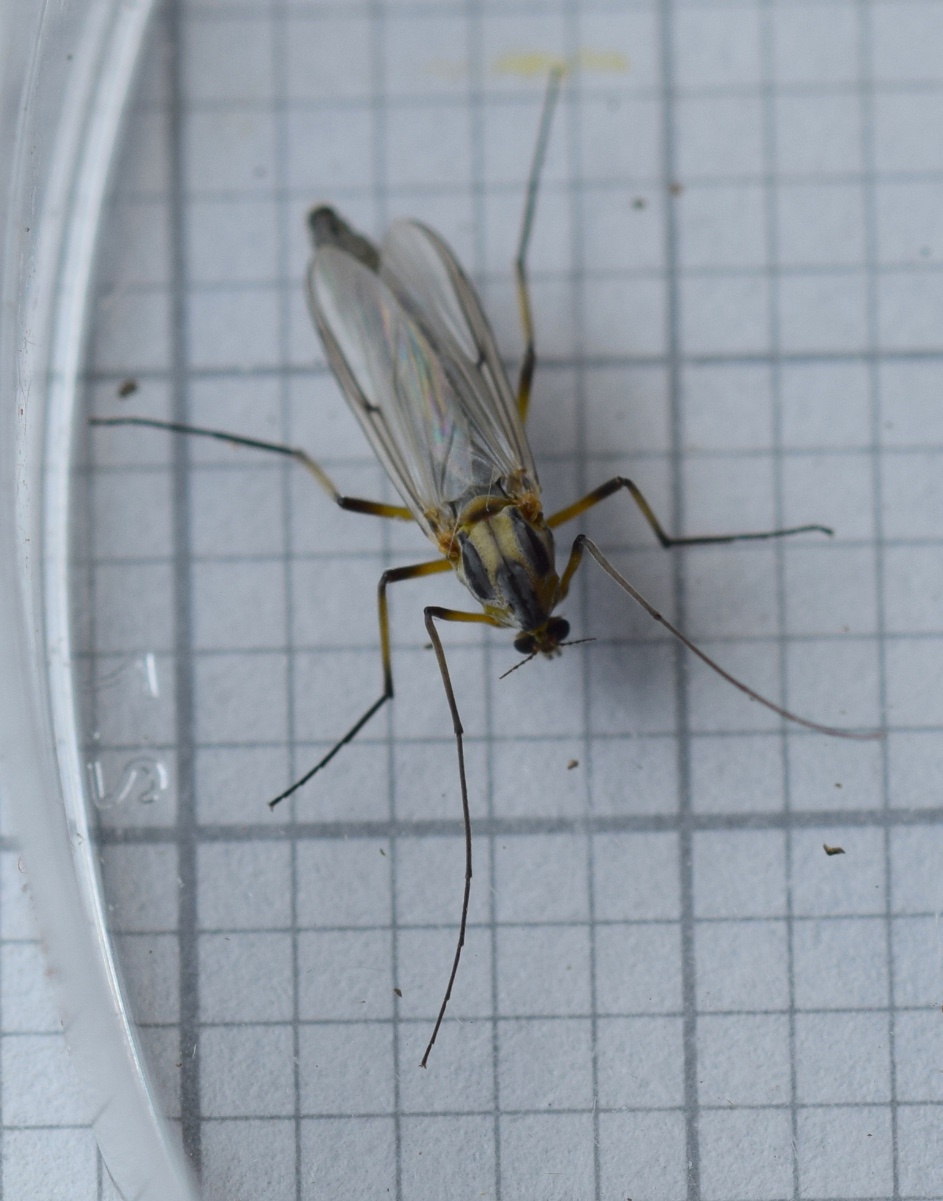
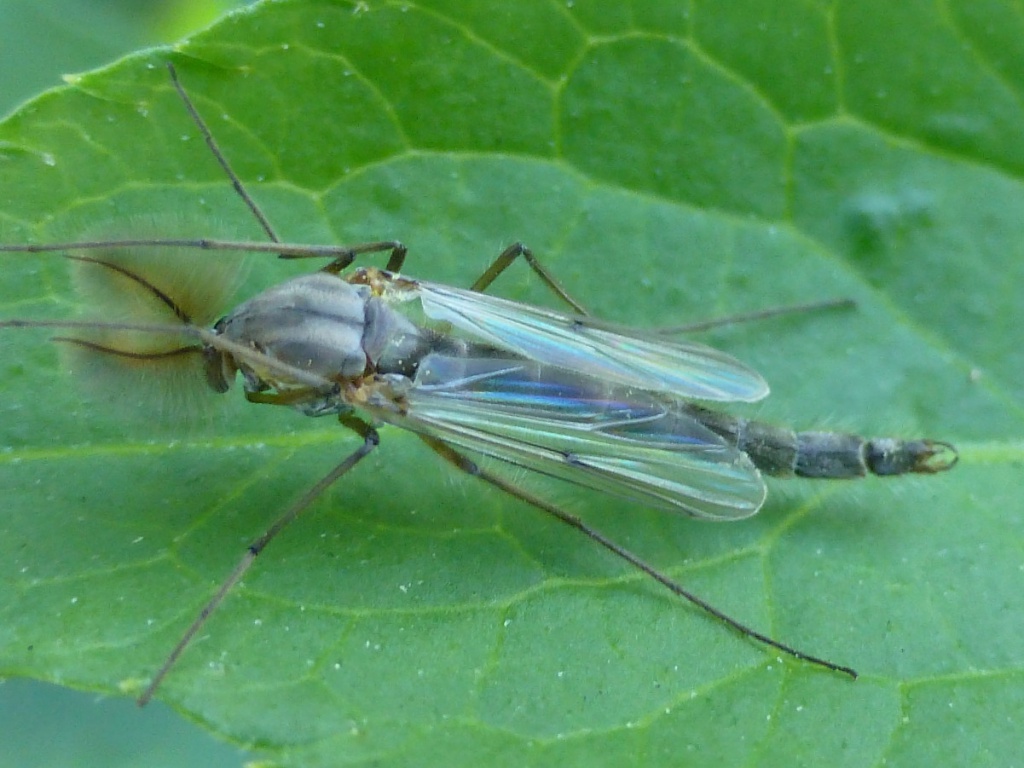
Length 12mm. This is the largest non-biting midge. It has a range of colour forms from green, ginger, brown and black. The male has a pair of prominent plumes. There is a dark band at the end of each abdominal segment.

It is necessary to key out this species by examining the specimen under a microscope. Please add a comment to explain how you identified it.
Often around water during periods of egg laying by the females and at the hatching of adults.
Usually seen during spring and summer when males create mating swarms which people can find quite a nuisance even though adults do not bite or feed.
The larvae of chironomid midges are called 'bloodworms' and they live at the bottom of lakes and rivers. The pupa floats to the surface where the adult then hatches out. They are very vulnerable to predation at this stage and rising trout and other fish are often feeding on this species.
Very common species in Britain.
Common in Leicestershire and Rutland
 David Nicholls
Ulverscroft NR
02 May 2008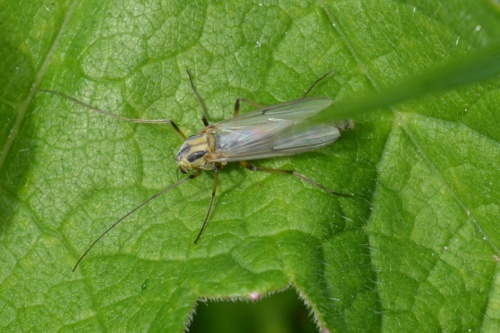 Steve Mathers
Grantham Canal (Muston Gorse east to county boundary)
23 April 2017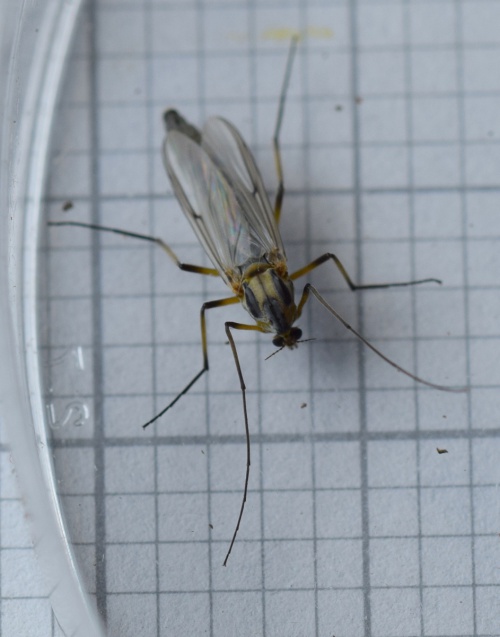 Steve Mathers
Grantham Canal (Muston Gorse east to county boundary)
23 April 2017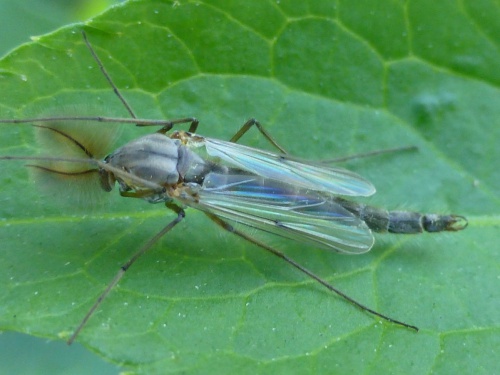 Annie Smith
Boatyard, Meadow Lane
09 April 2017
Leicestershire & Rutland Map
Enter a town or village to see local records
MAP KEY:
Yellow squares = NBN records (all known data)
Coloured squares = NatureSpot records: 2025+ | 2020-2024 | pre-2020
UK Map
Additional images