Bullhead
Bullhead - Cottus perifretum
Cottus gobio
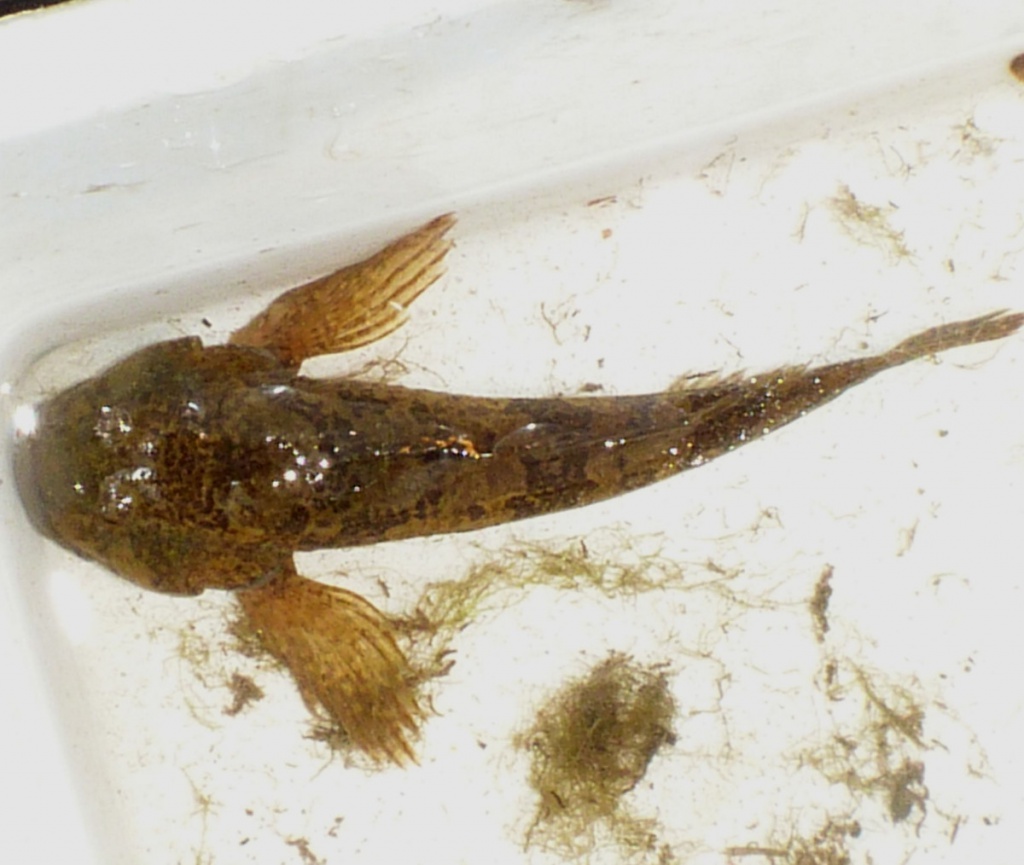
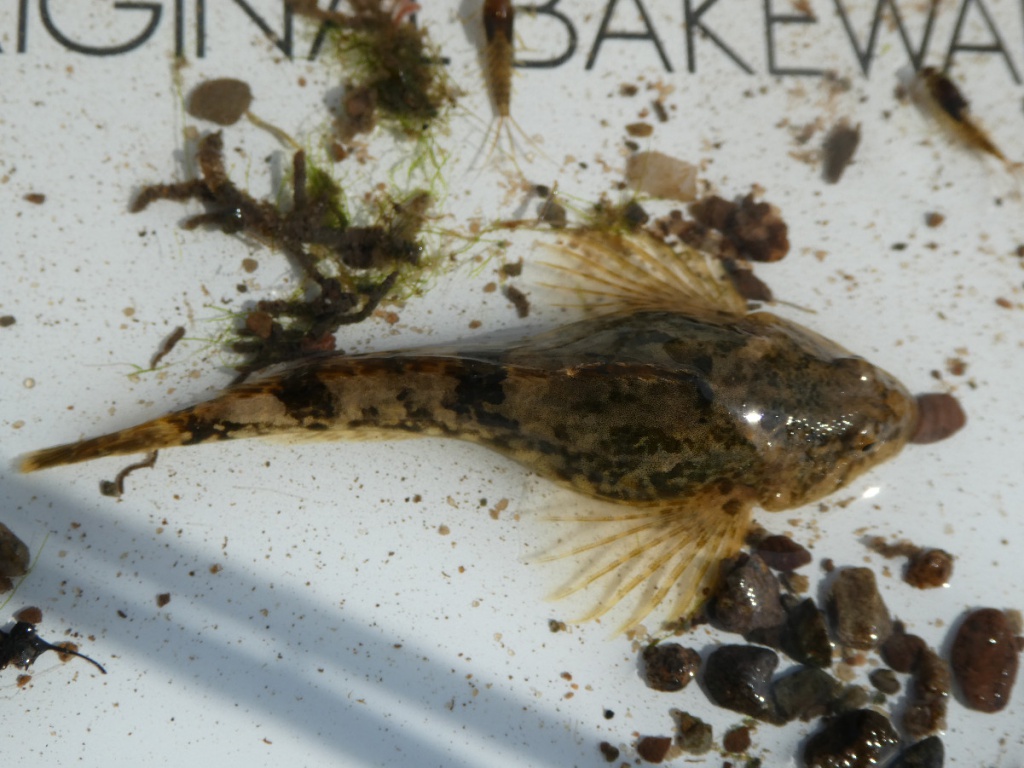
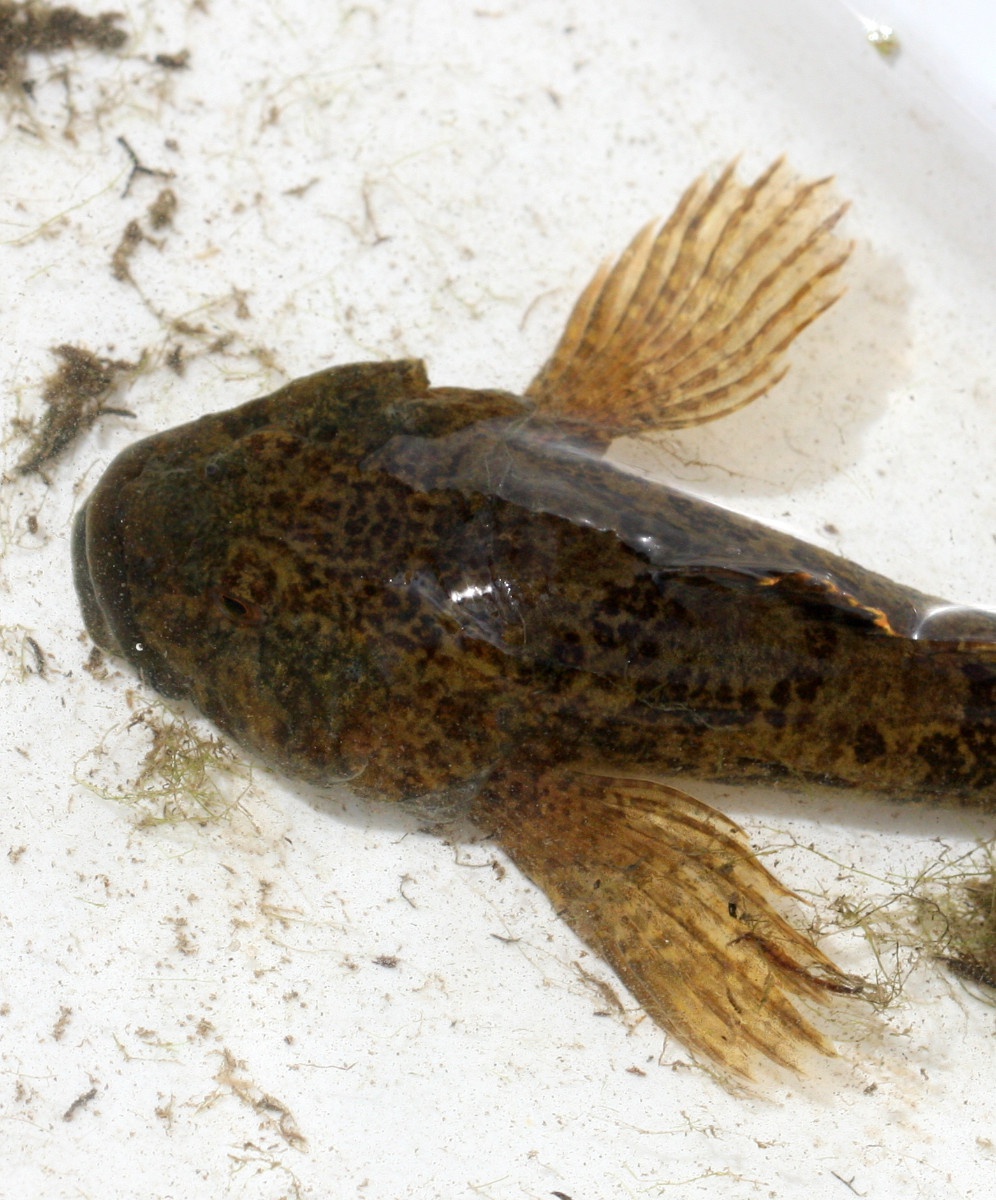
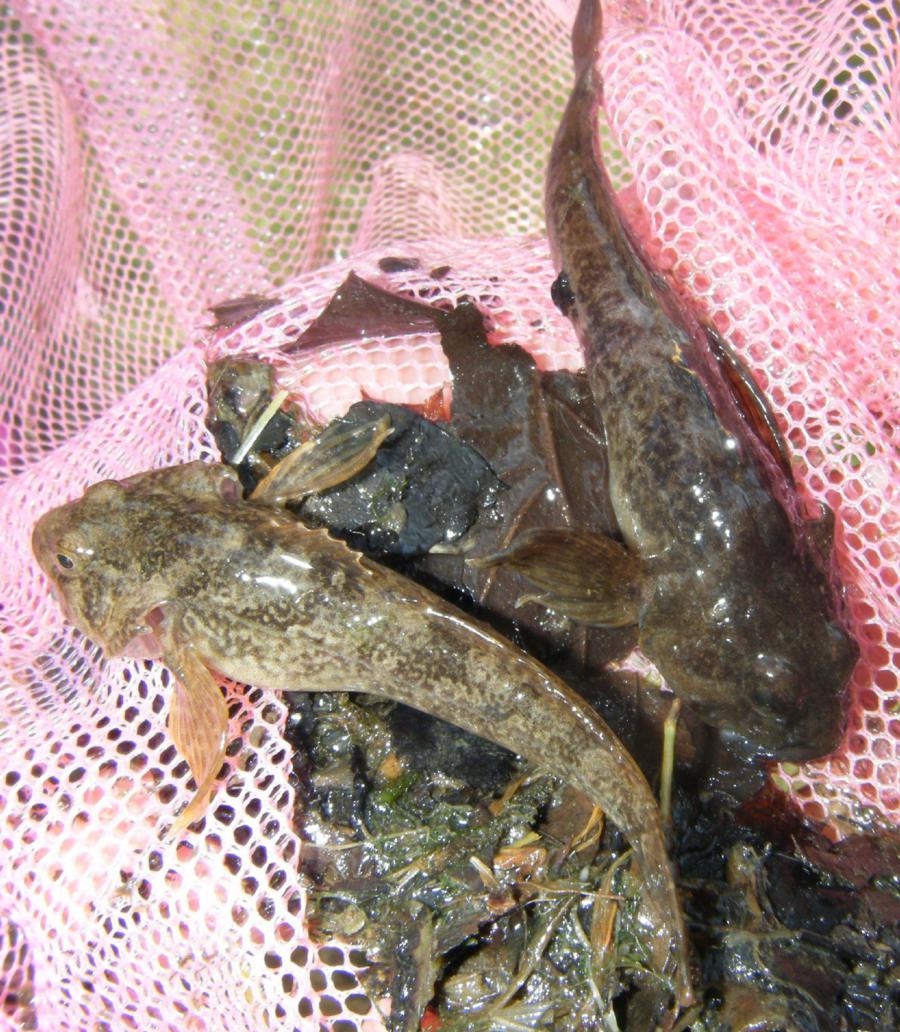
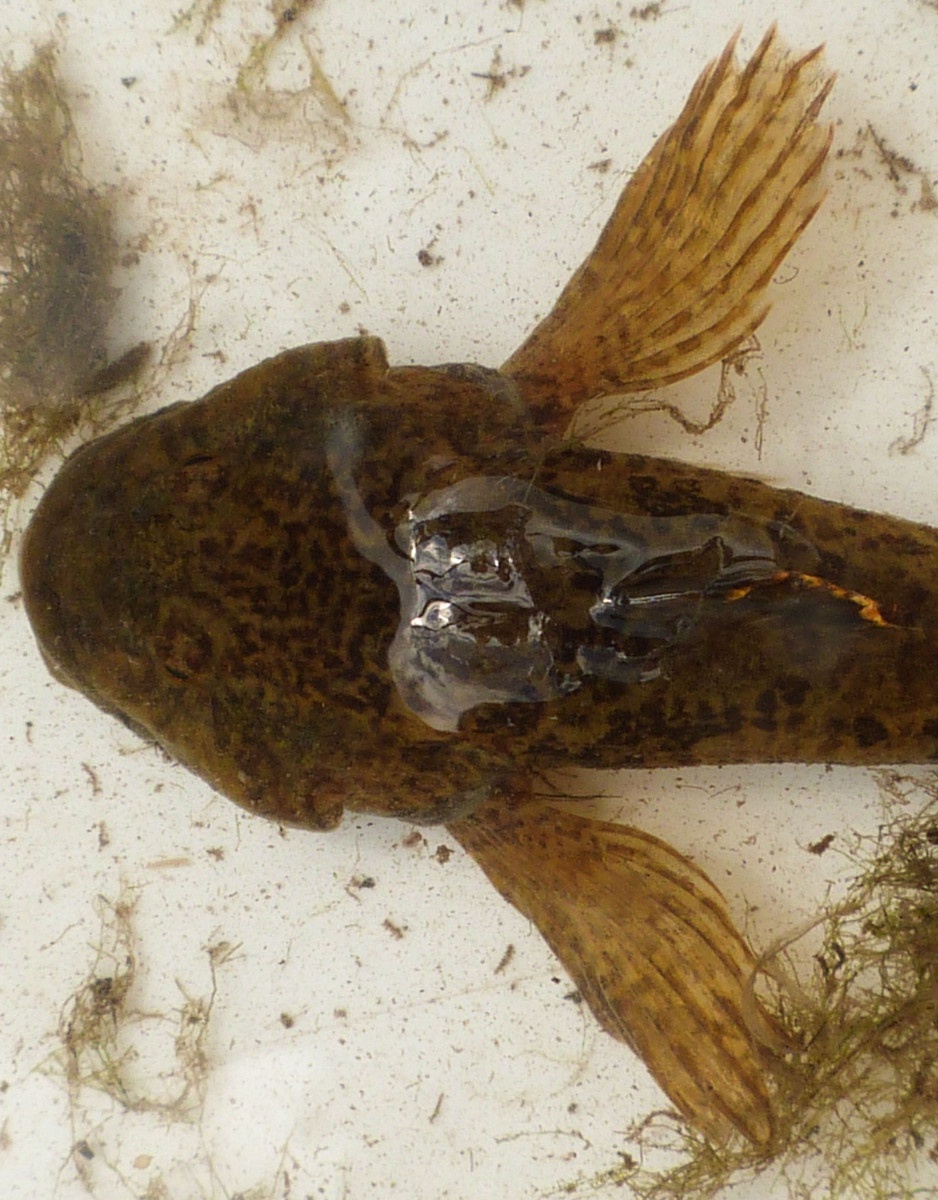
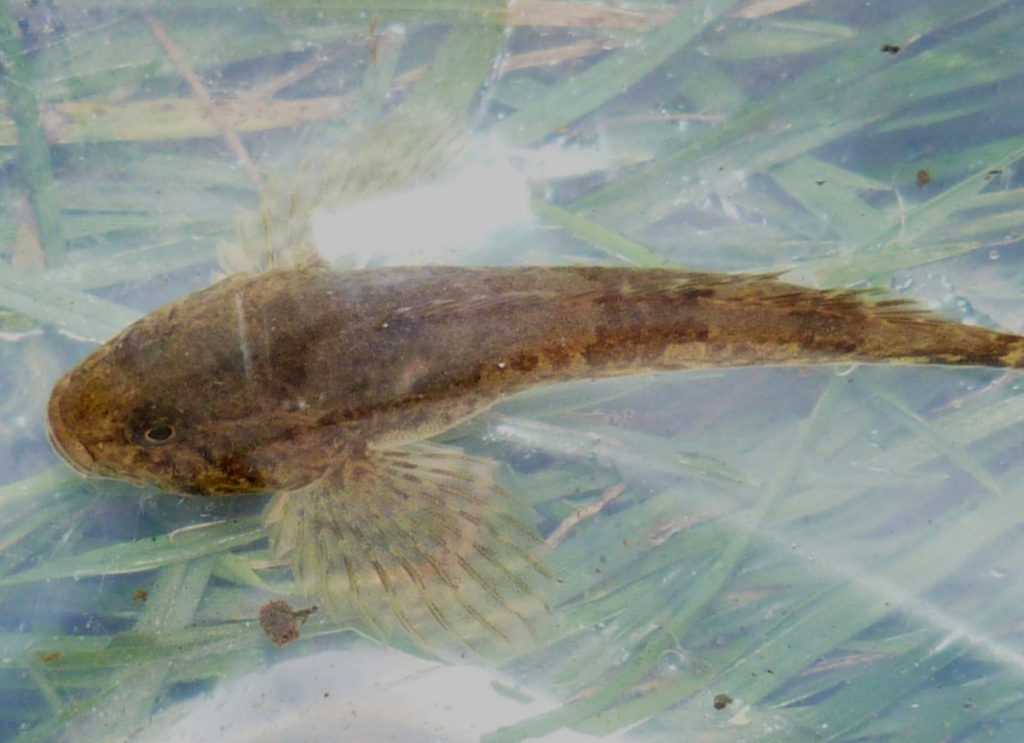
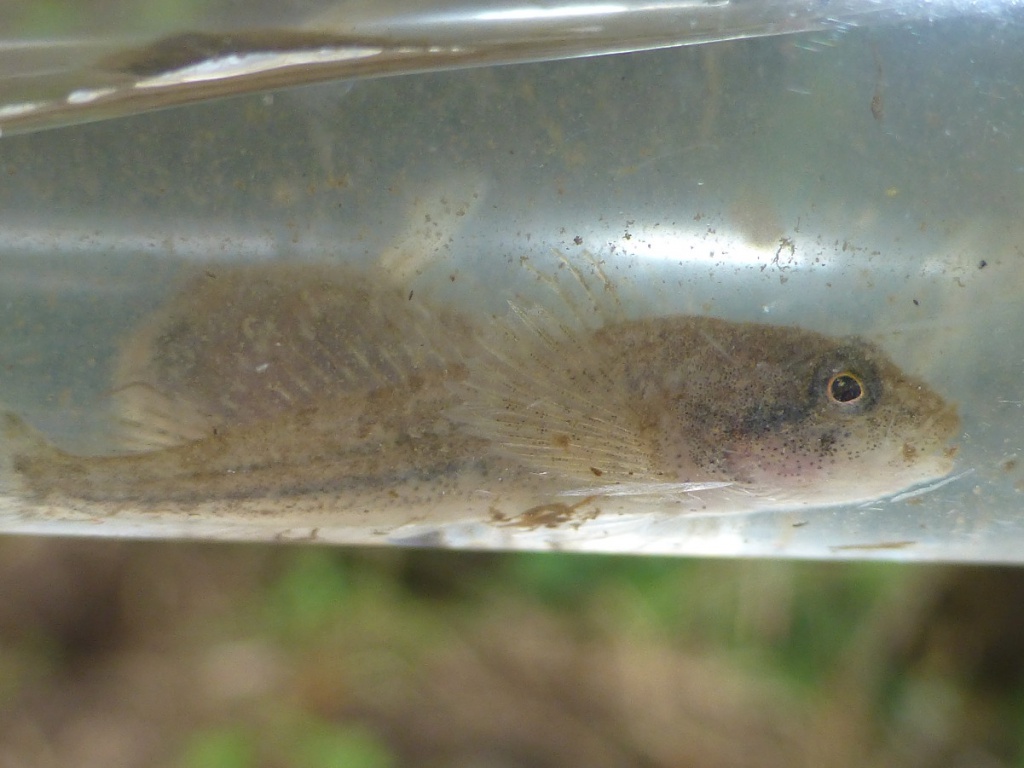
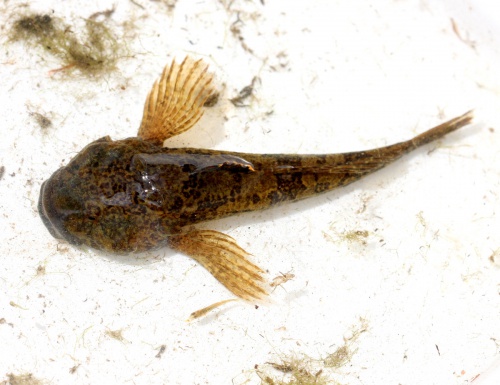
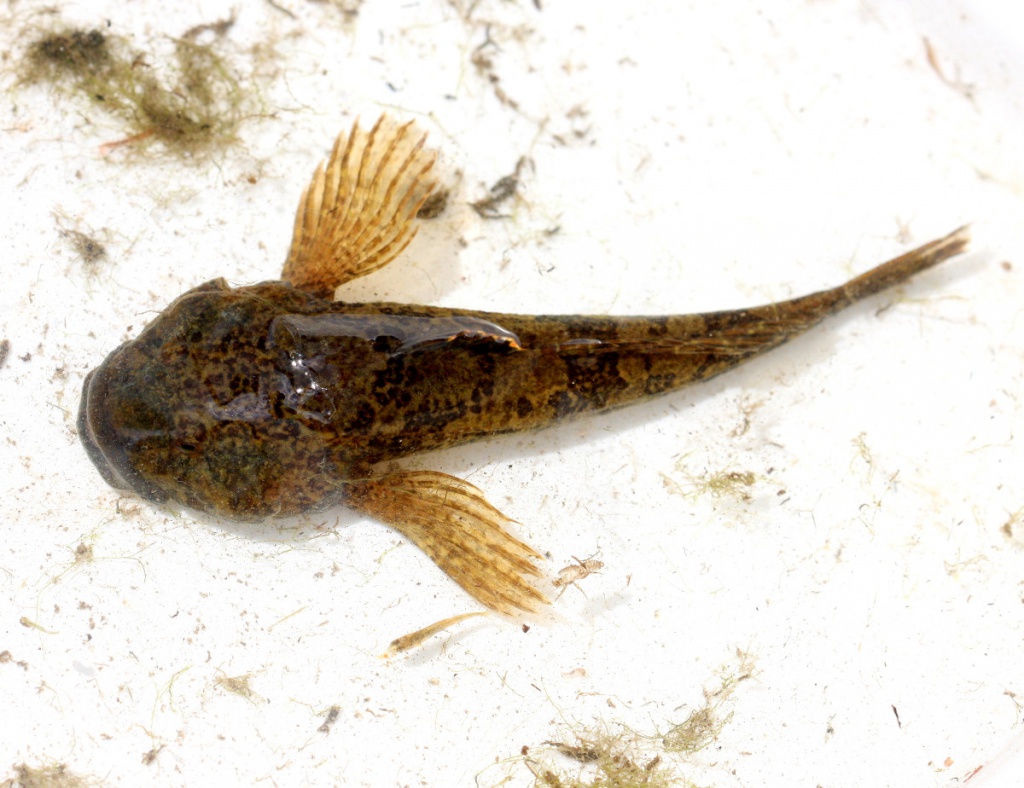
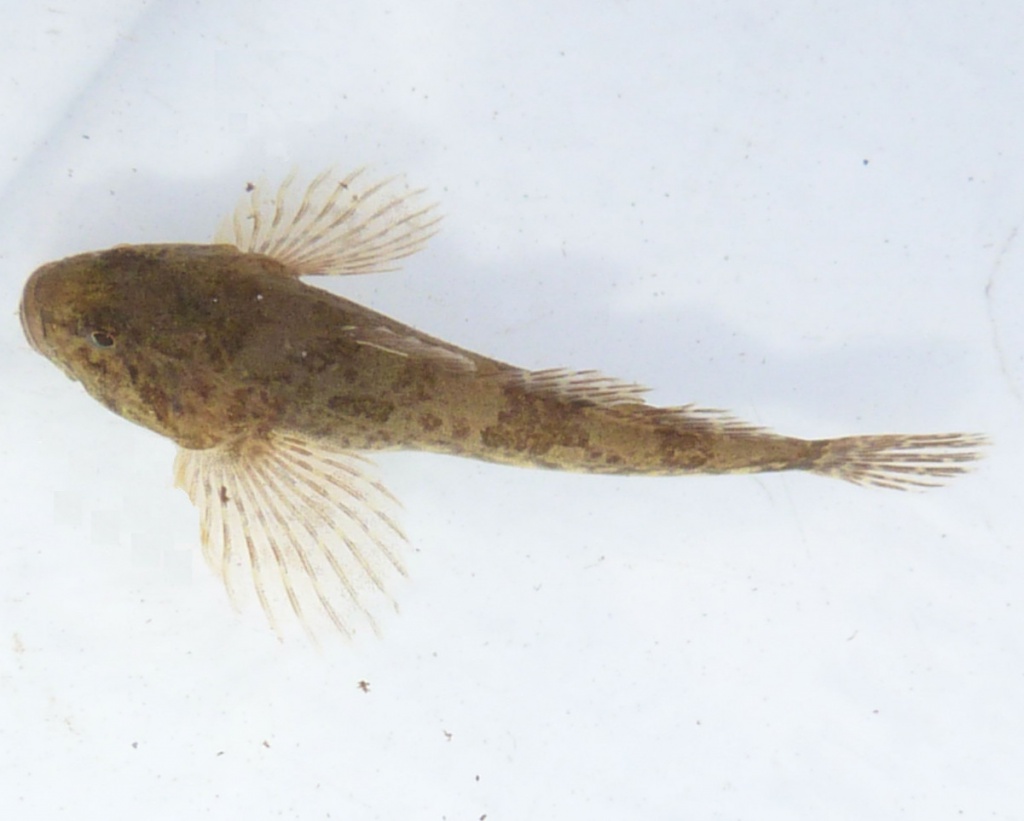
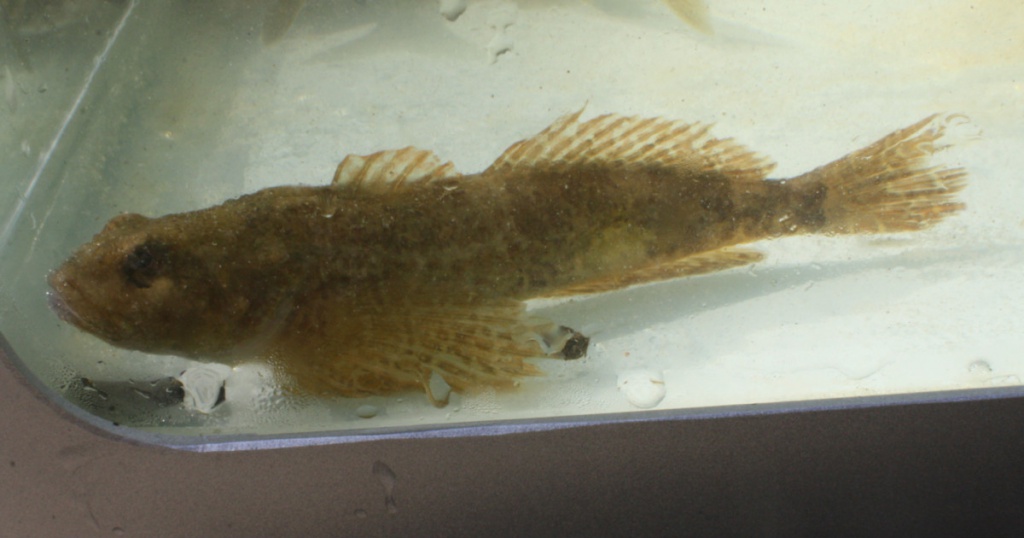
The European Bullhead is a small fish, with a large mouth, large pectoral fins, prominent eyes and a wide flattened head; hence the common names 'Bullhead' and 'Miller's Thumb'. They are brownish in colour with mottling or barring, and pale undersides. During the spawning period males become black in colour with a white-tipped dorsal fin, and females become plump. They rarely grow to more than 10 cm long.
Indicator Species - Leicestershire, Leicester & Rutland Local Nature Recovery Strategy.

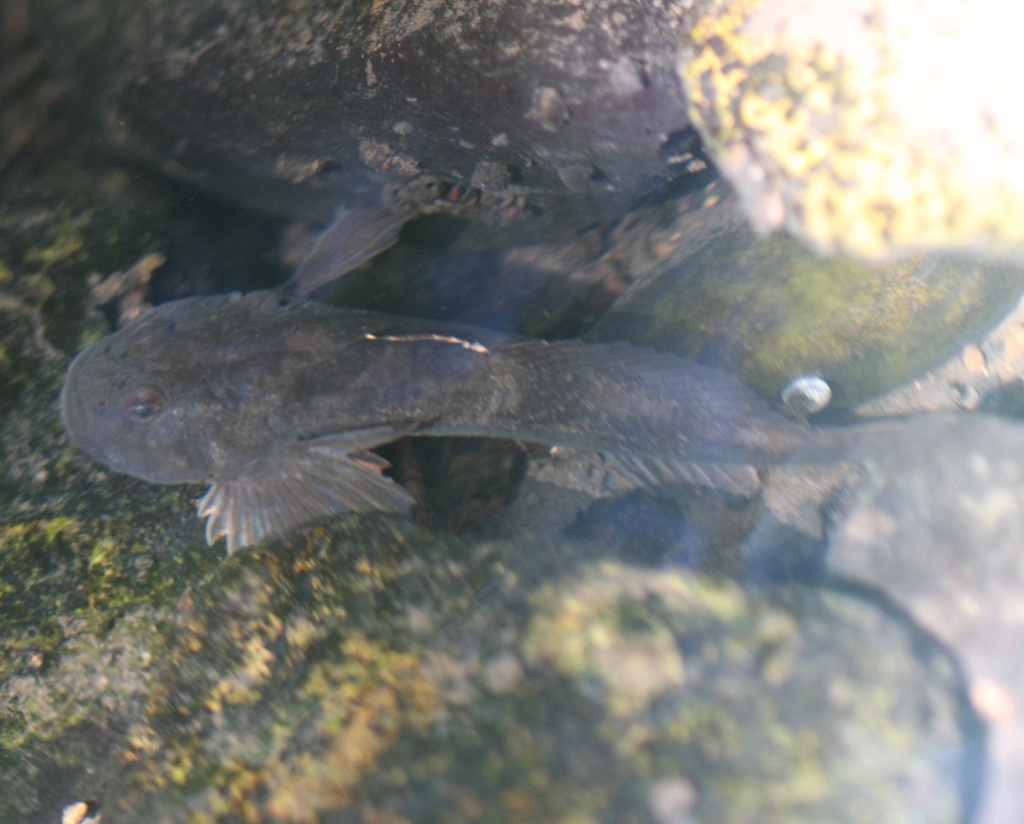
Occurs in freshwater streams, rivers and lakes with hard stony substrates and shows a preference for fast flowing, shallow water bodies. The large pectoral fins enable Bullheads to hold their position in fast flowing water.
All year round but most readily seen around dusk.
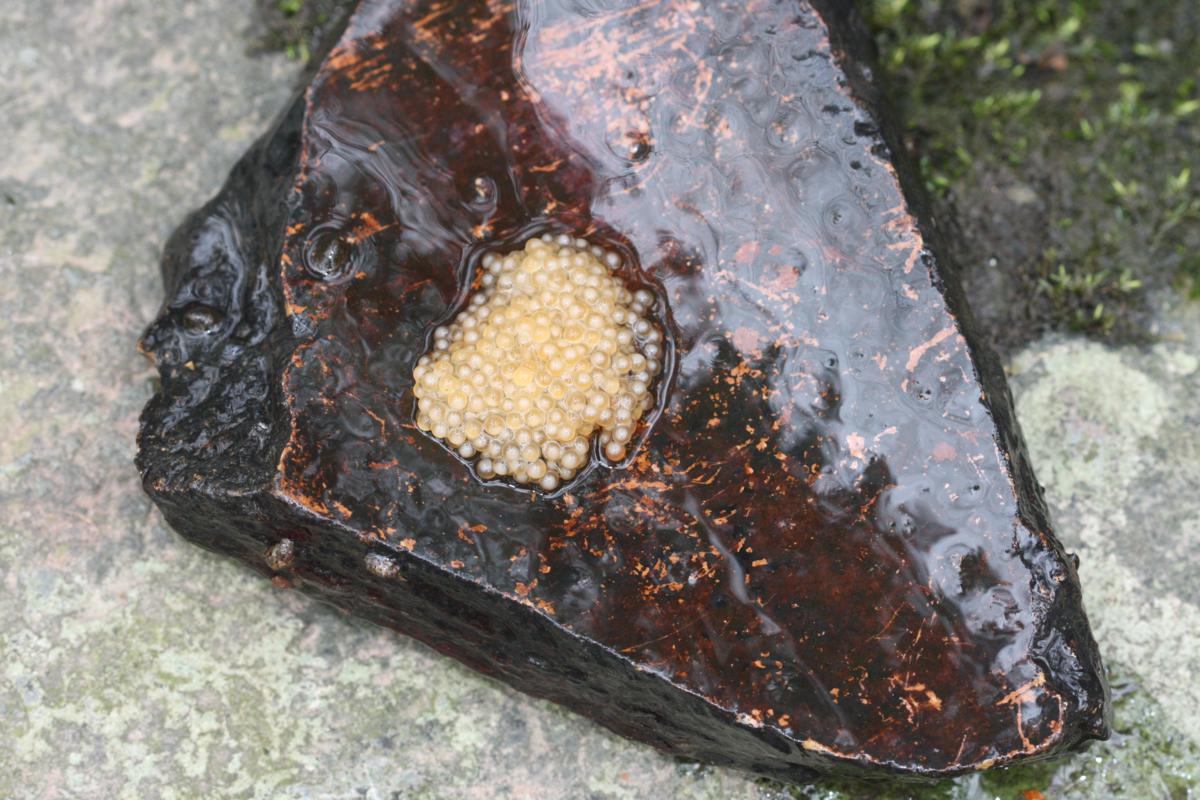
They lay their eggs in March and April, and the male guards the eggs until they hatch (although once they hatch he may eat a few of the youngsters if they come close enough).
The Bullhead is widely distributed in England and Wales but in Scotland is only known from the Forth and Clyde catchments. It is less common in the rest of Europe. Red Data Book species.
Fairly common in Leicestershire and Rutland where it is widely distributed in both smaller and larger rivers; found especially in the Soar, Gwash, Chater, Swift, Charnwood streams including Black Brook, Rothley Brook, Wreake, Eye, Langham Brook, eastern and western Sence, Mease/Gilwiskaw, Hooborough Brook, Gaddesby Brook and Sibson Brook.
 David Nicholls
Broughton Astley
04 July 2013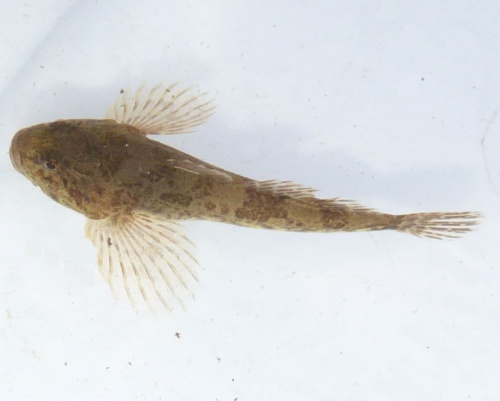 Graham Calow
Brook near Broughton Astley Church
03 October 2014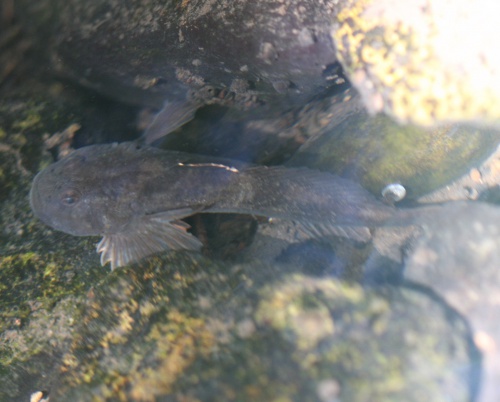 David Nicholls
Ulverscroft
21 June 2014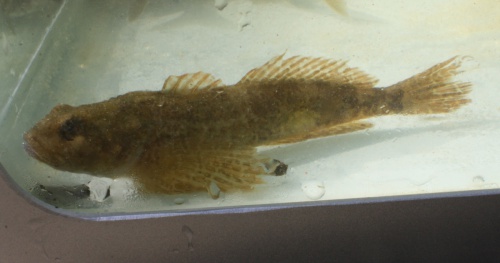 Craig Mabbett
church field
02 June 2014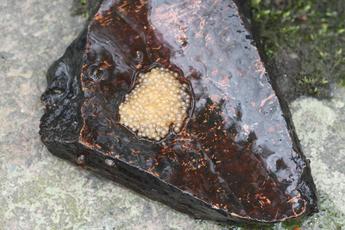 David Nicholls
Grace Dieu
15 April 2010
eggs - laid under debris
Leicestershire & Rutland Map
Enter a town or village to see local records
MAP KEY:
Yellow squares = NBN records (all known data)
Coloured squares = NatureSpot records: 2025+ | 2020-2024 | pre-2020
UK Map
Additional images