Blunt Tailed Digger Wasp
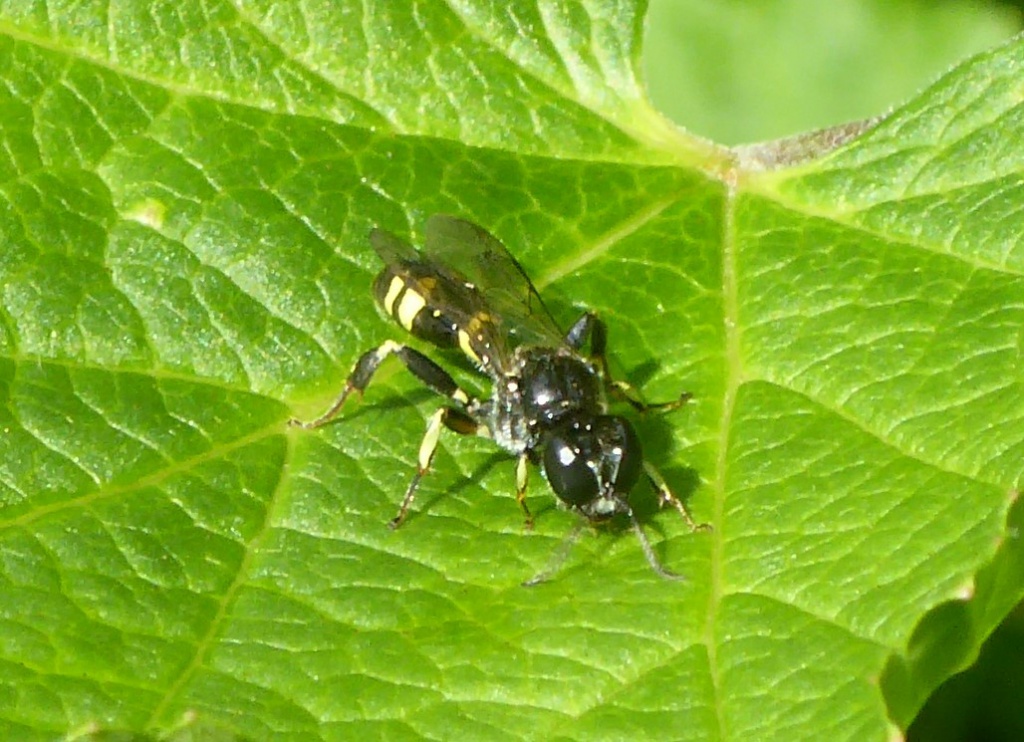
Blunt Tailed Digger Wasp - Crossocerus dimidiatus
One of the larger British Crossocerus with yellow-spotted gasters, resembling Crabro and Ectemnius, rather than the smaller, darker Crossocerus more typical of the British fauna.

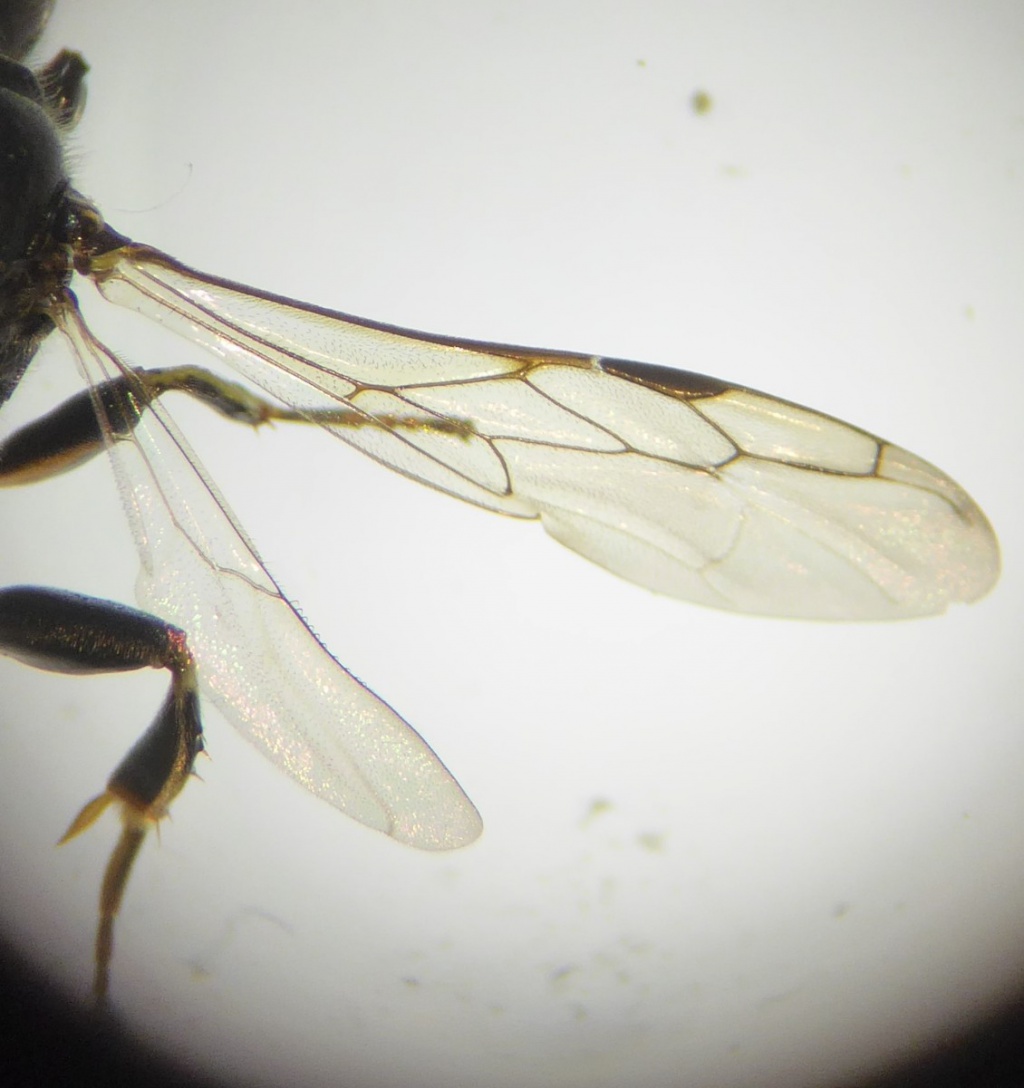
“Most solitary bees and wasps are difficult to identify, and can rarely be identified from photos taken in the field. All red-rated records should include a photo or set of photos of the specimen, illustrating the key characters taken from a standard key, which should also be referenced (e.g. ‘Falk, 2015’). The full set of key characters are generally not visible in field photos and photos are rarely sharp enough. To aid in the verification of your records, please include face shot, side, top and wings. The notes should state whether male or female, and explain how the specimen met the key characters. Although NS may not be able to identify the species even if these reference photos are provided, the photos will be stored with the record and may allow it be identified in future. Alternatively, NS will accept records identified by a recognised local or national expert, or that have been identified via BWARS Facebook Group. If you have obtained this advice, please note the name of the person/organisation identifying the record in the ‘determiner’ field (e.g. ‘Stuart Roberts, BWARS Facebook’) rather than just a comment of ‘BWARS Facebook’.”
Likely to be encountered where its prey species Snipe Flies occur, i.e. in moist vegetation, hedgerows and woodland edges.
Univoltine; May to August.
Preys on Snipe Flies (Rhagio sp.) and possibly other fly species. The species nests in existing cavities such as burrows in rotten wood or soft mortar between stones or bricks.
Crossocerus dimidiatus is found over much of the British Isles, possibly being more common in the north.
Status in Leicestershire and Rutland not known.
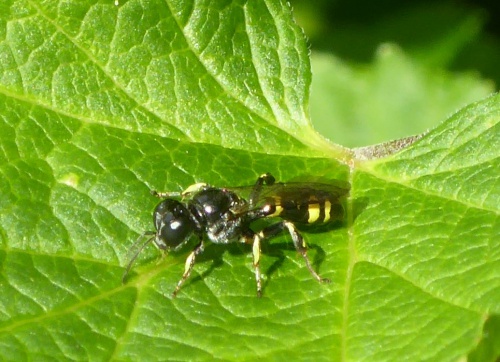 sue
sue
Bagworth
14 June 2020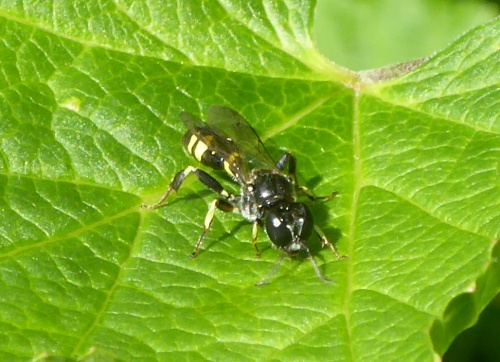 sue
sue
Bagworth
14 June 2020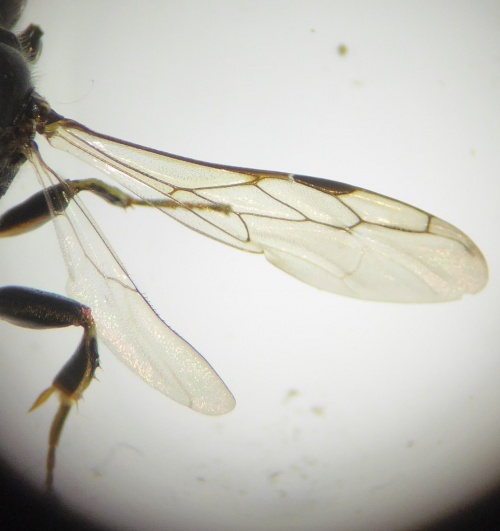 sue
sue
Bagworth
14 June 2020
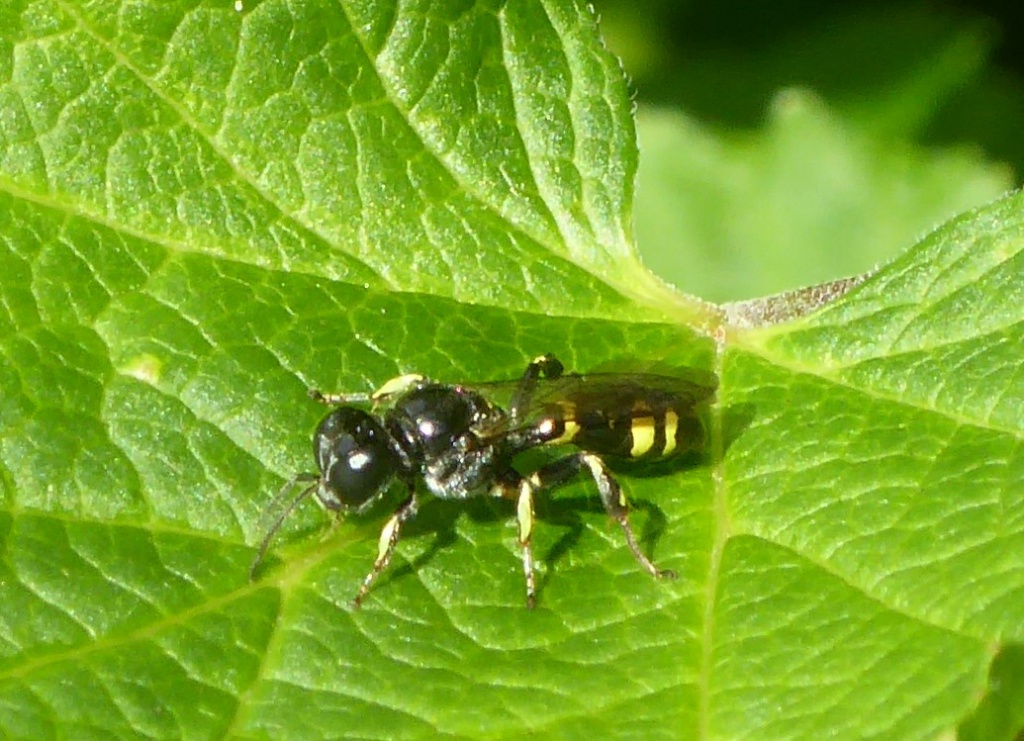
Leicestershire & Rutland Map
Enter a town or village to see local records
MAP KEY:
Yellow squares = NBN records (all known data)
Coloured squares = NatureSpot records: 2025+ | 2020-2024 | pre-2020
UK Map
Additional images
No additional images available for this species.