Bee Moth
Bee Moth - Aphomia sociella
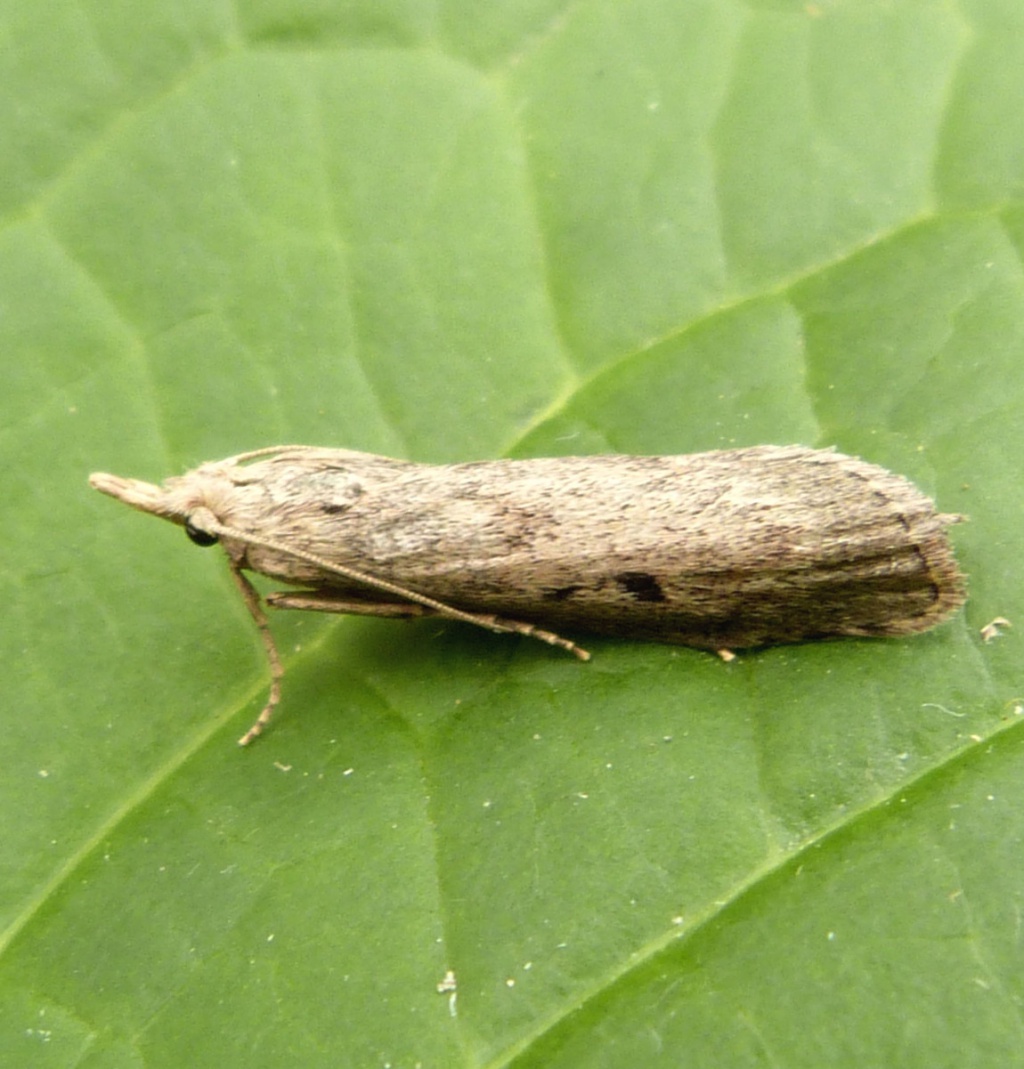
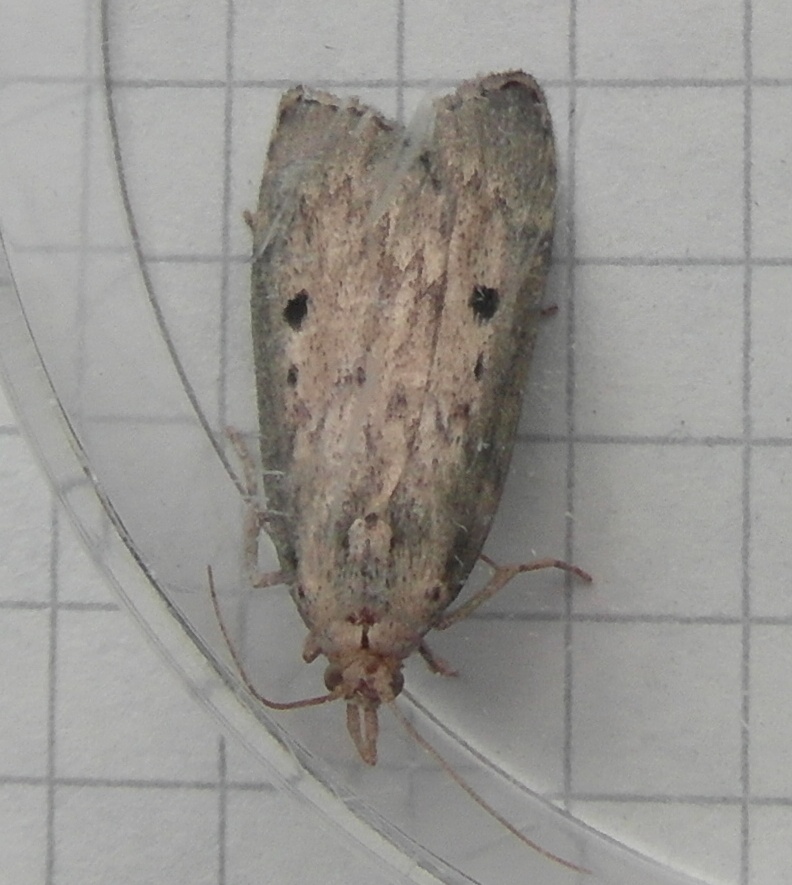
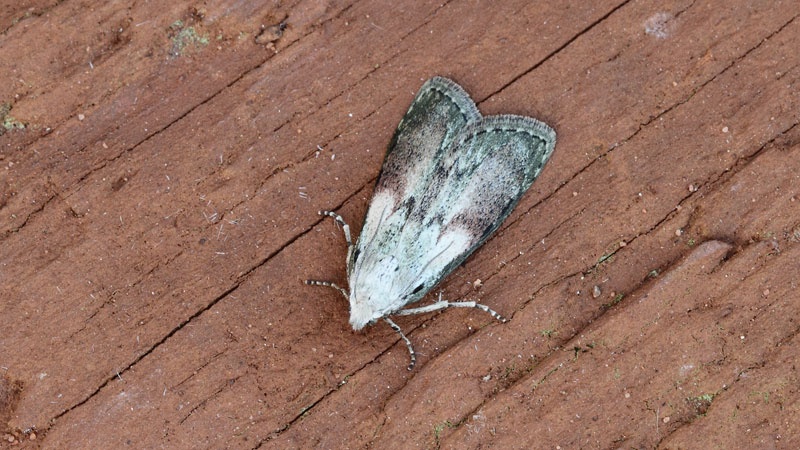
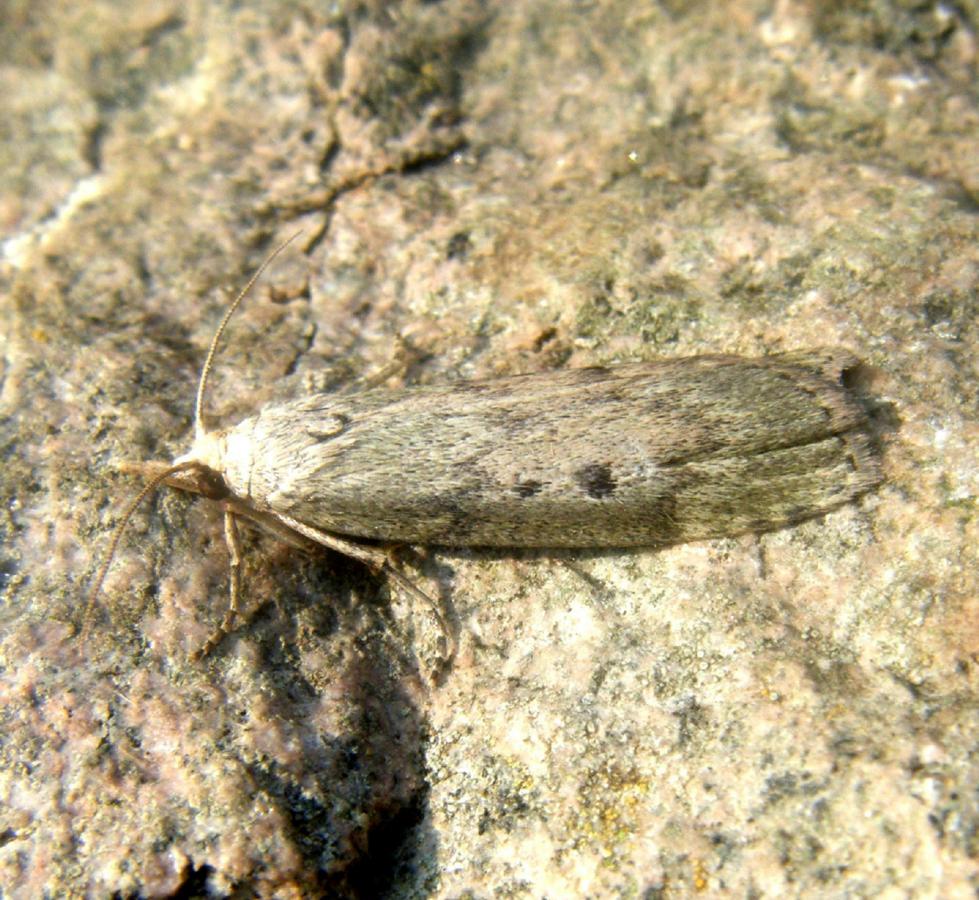
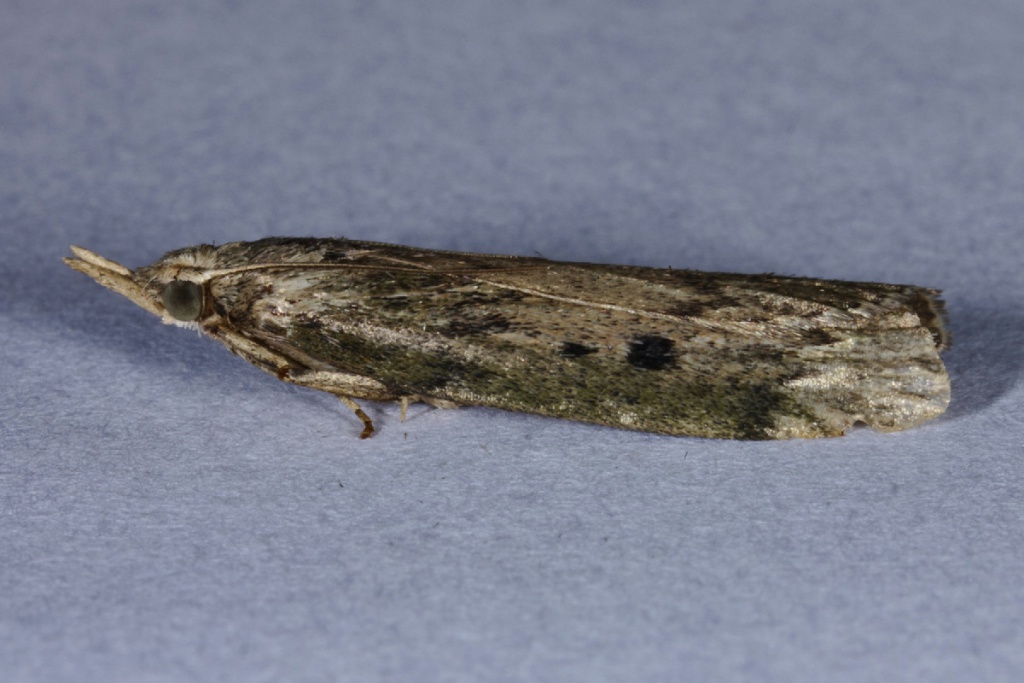
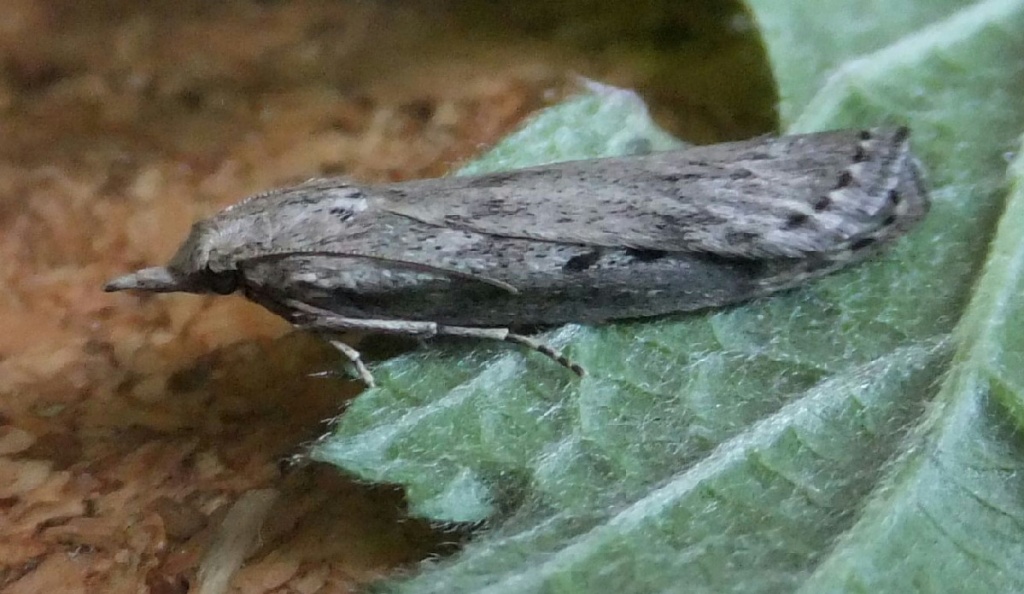
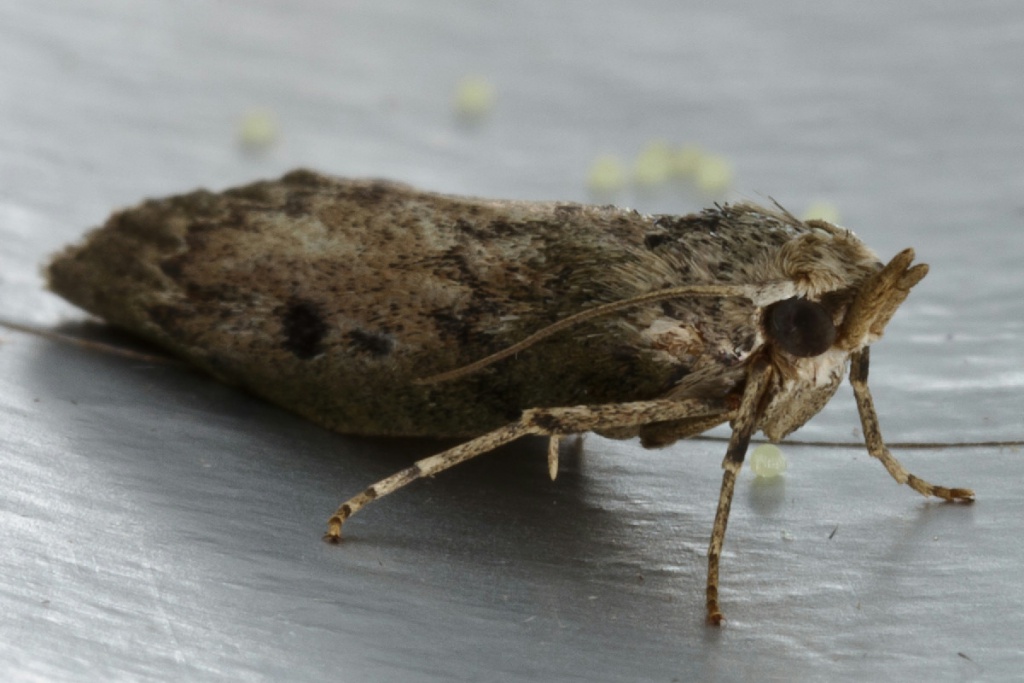
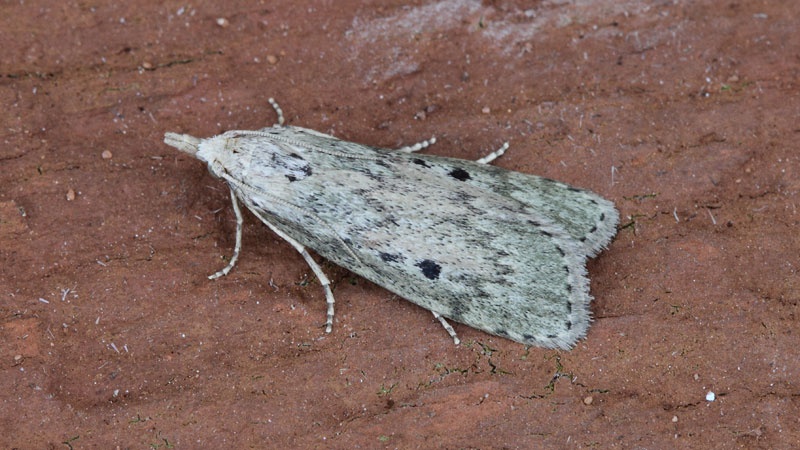
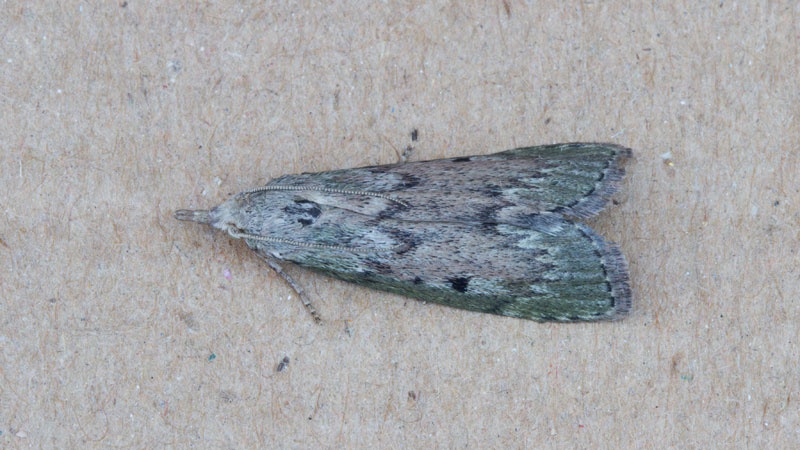
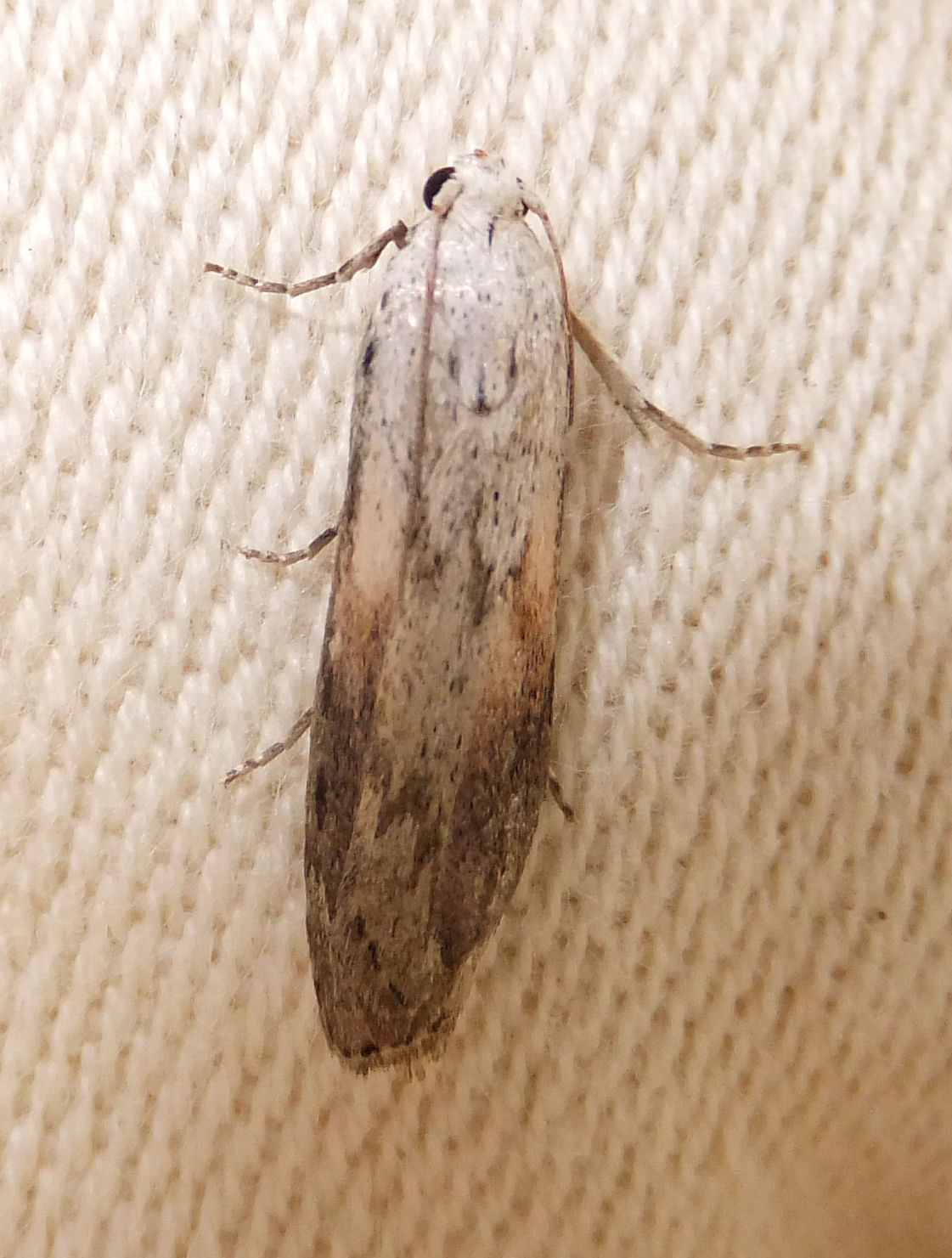
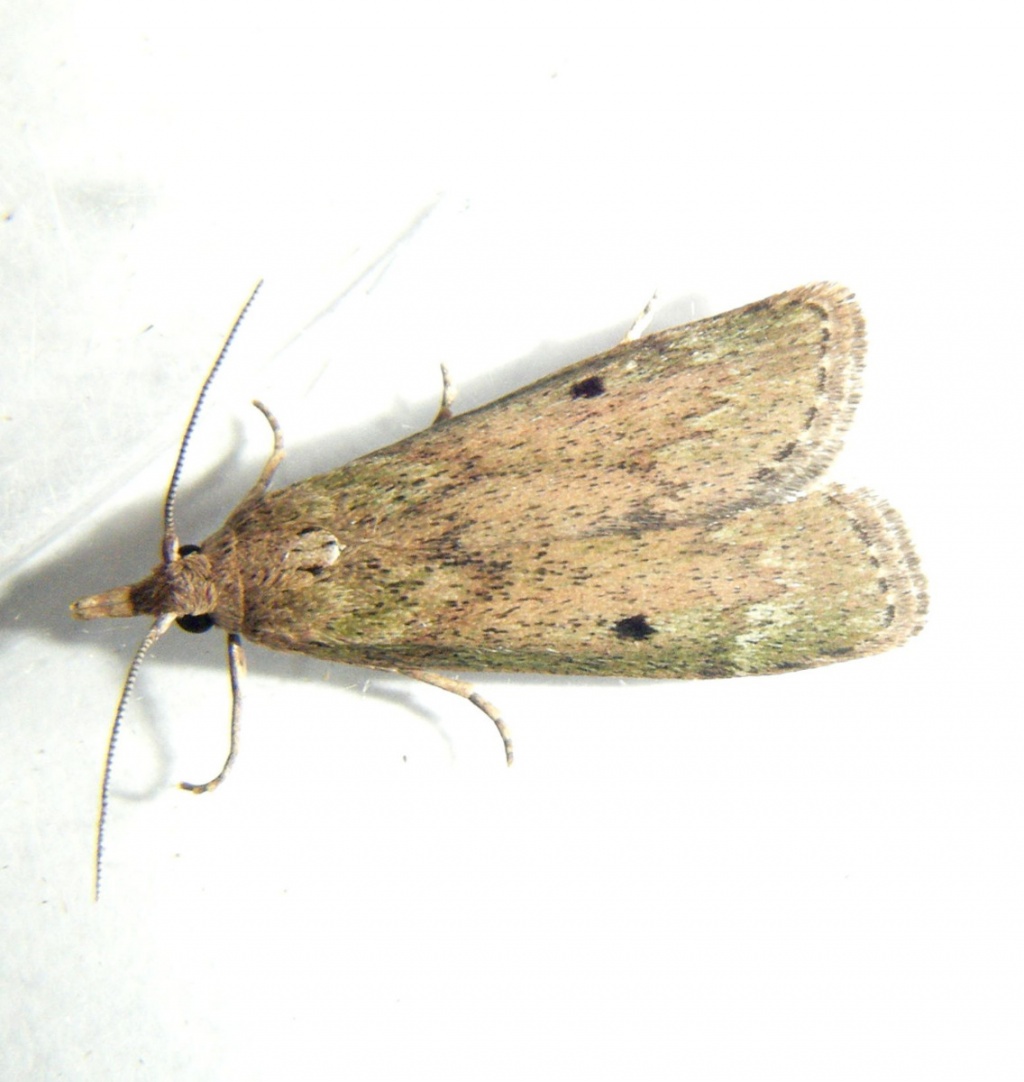
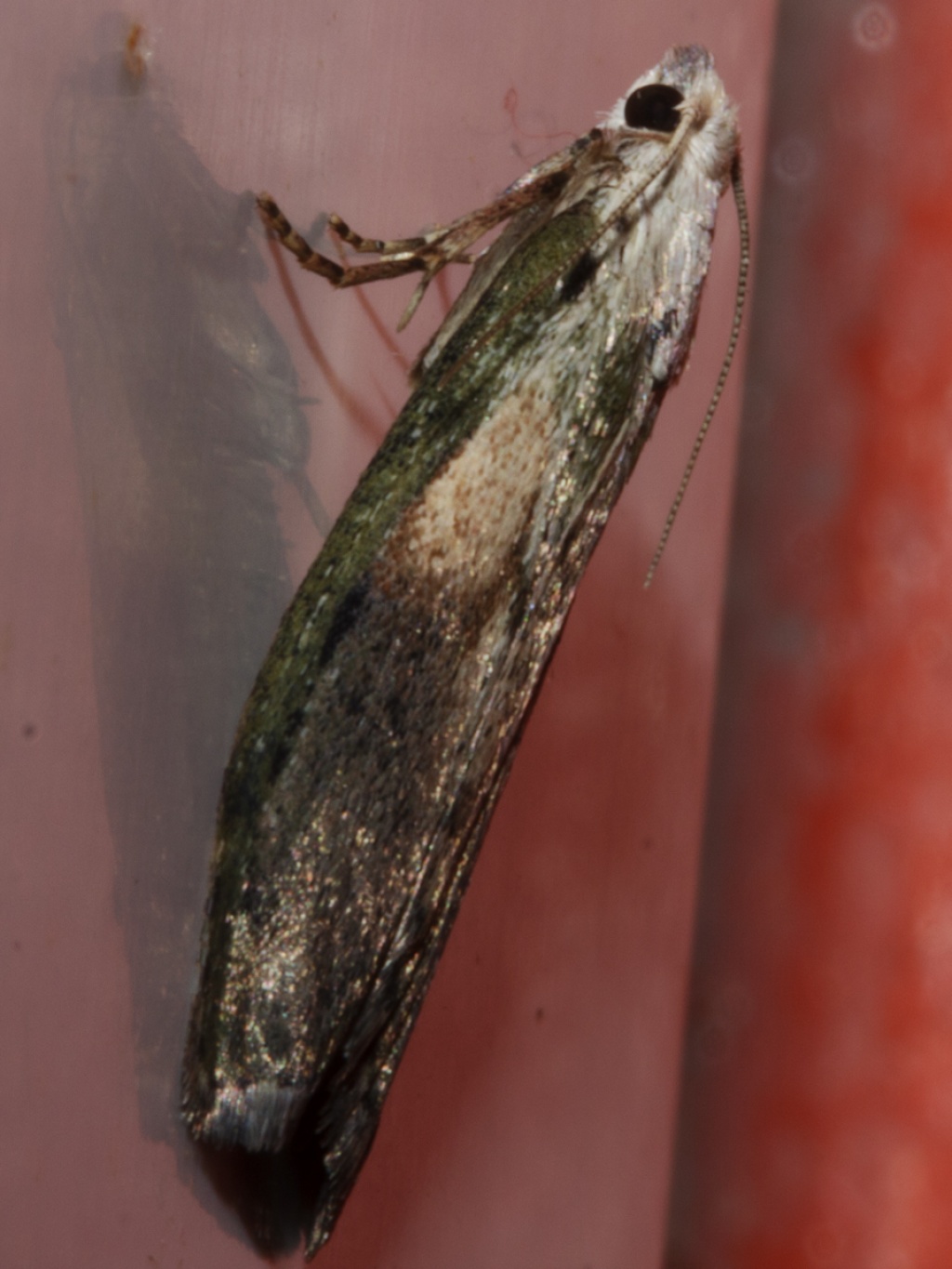
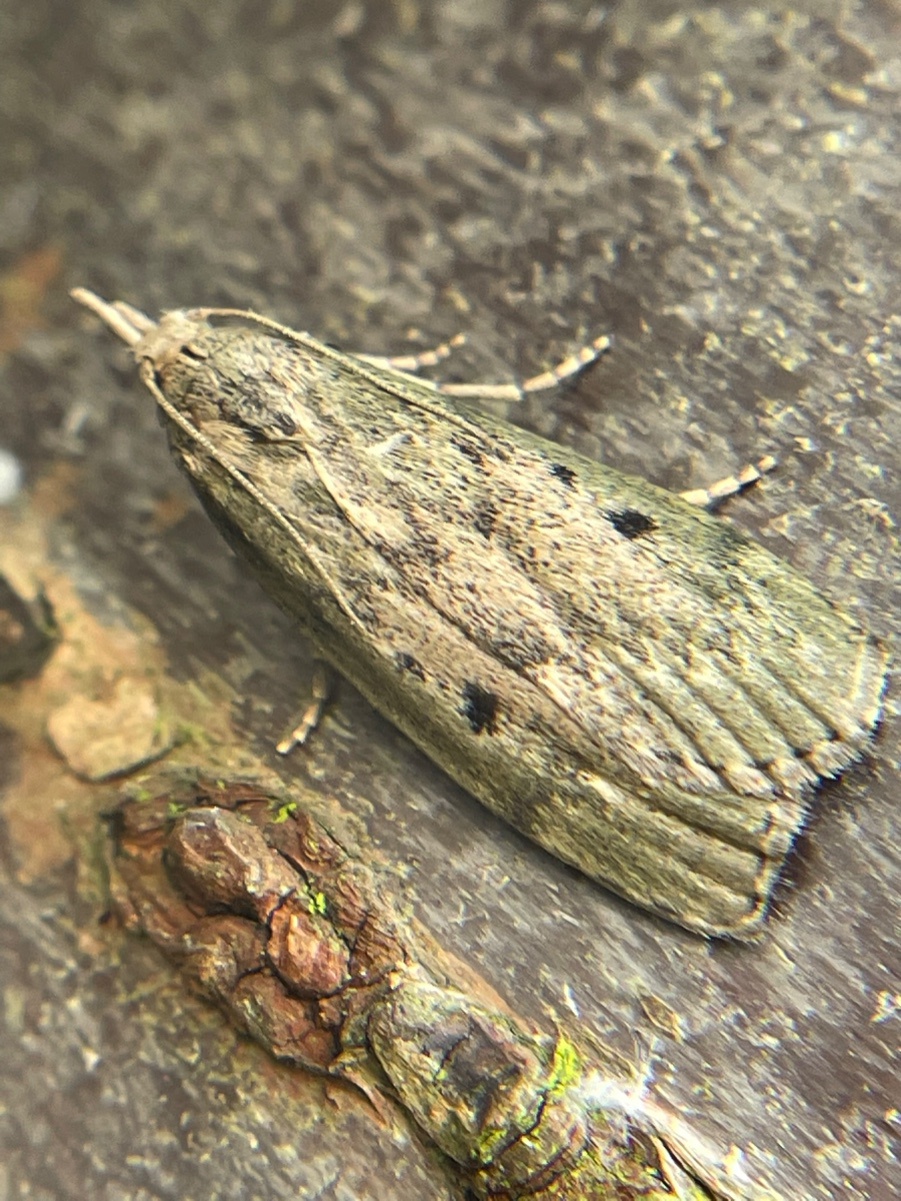
Wingspan 18 to 44 mm. This species is sexually dimorphic but both sexes are somewhat variable. Males have a creamy white head, thorax and forewing proximal to the antemedian line. Females have two black discal spots between the antemedian (first) and postmedian (second) lines, the more distal being the larger.

Common around bee and wasp nests and beehives throughout Britain.
June to August.
Larva feeds on the debris in and the contents of wasp and bee nests.
Fairly common over much of Britain. In the Butterfly Conservation’s Microlepidoptera Report 2011 this species was classified as common.
Quite common in Leicestershire and Rutland. L&R Moth Group status = A (common and resident)
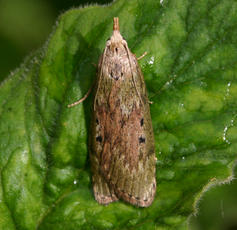 David Nicholls
Ratby garden1
25 May 2007
female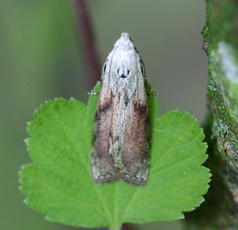 David Nicholls
Ratby garden1
17 June 2006
male male (a sexually dimorphic species) Harecroft Crescent, Sapcote SP49019371 (taken 28.5.2010.JPG) Graham Calow
Graham Calow
Sapcote garden1
28 May 2010
male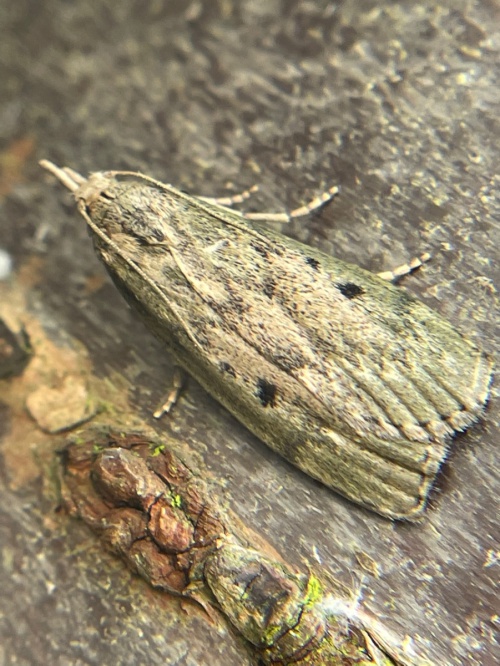 CAPochin
Stoneygate garden
22 June 2022
female

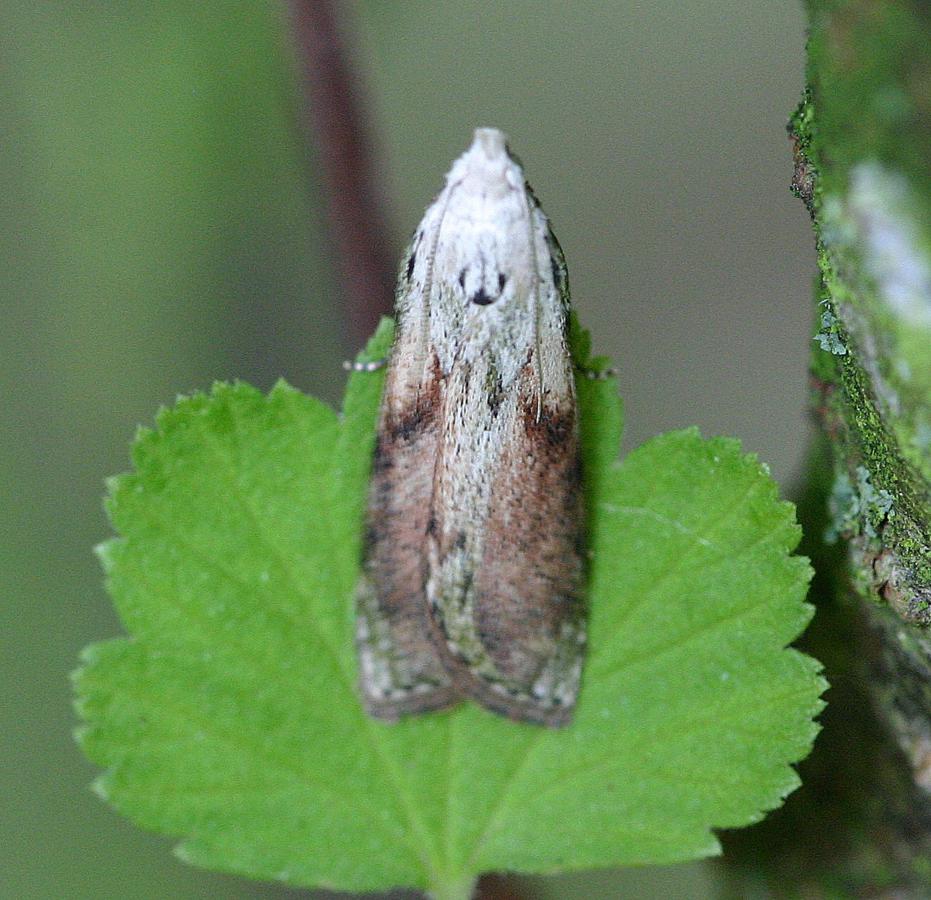
 male (a sexually dimorphic species) Harecroft Crescent, Sapcote SP49019371 (taken 28.5.2010.JPG)
Leicestershire & Rutland Map
Enter a town or village to see local records
MAP KEY:
Yellow squares = NBN records (all known data)
Coloured squares = NatureSpot records: 2025+ | 2020-2024 | pre-2020
UK Map
Additional images