Barberry
Barberry - Berberis vulgaris
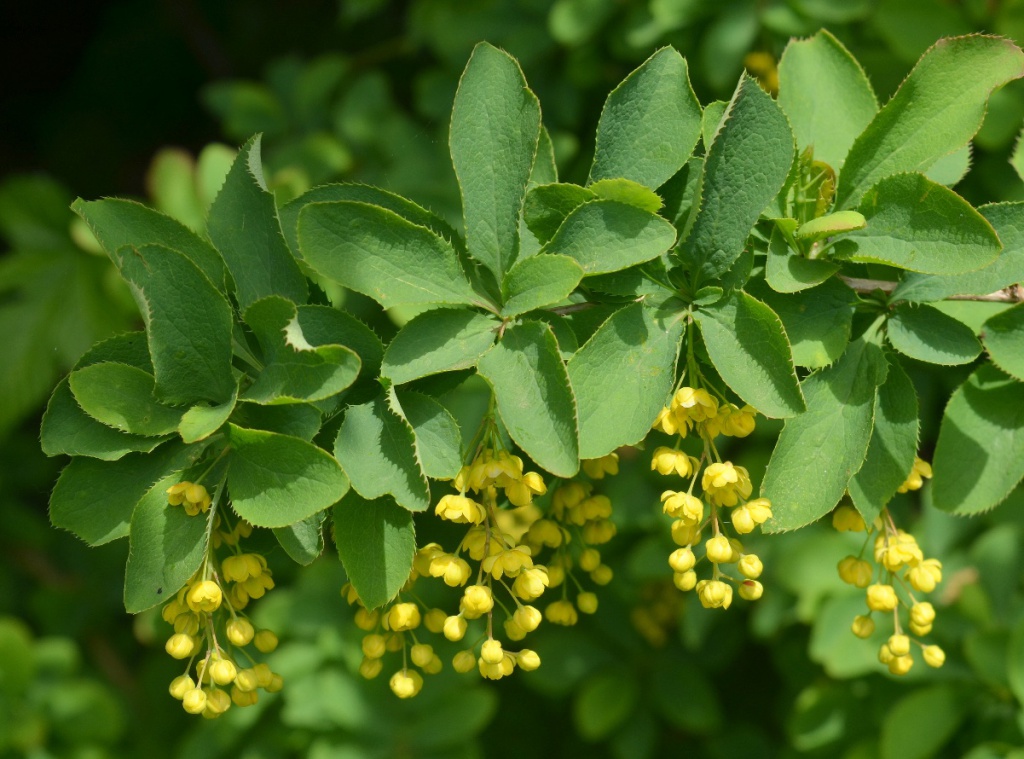
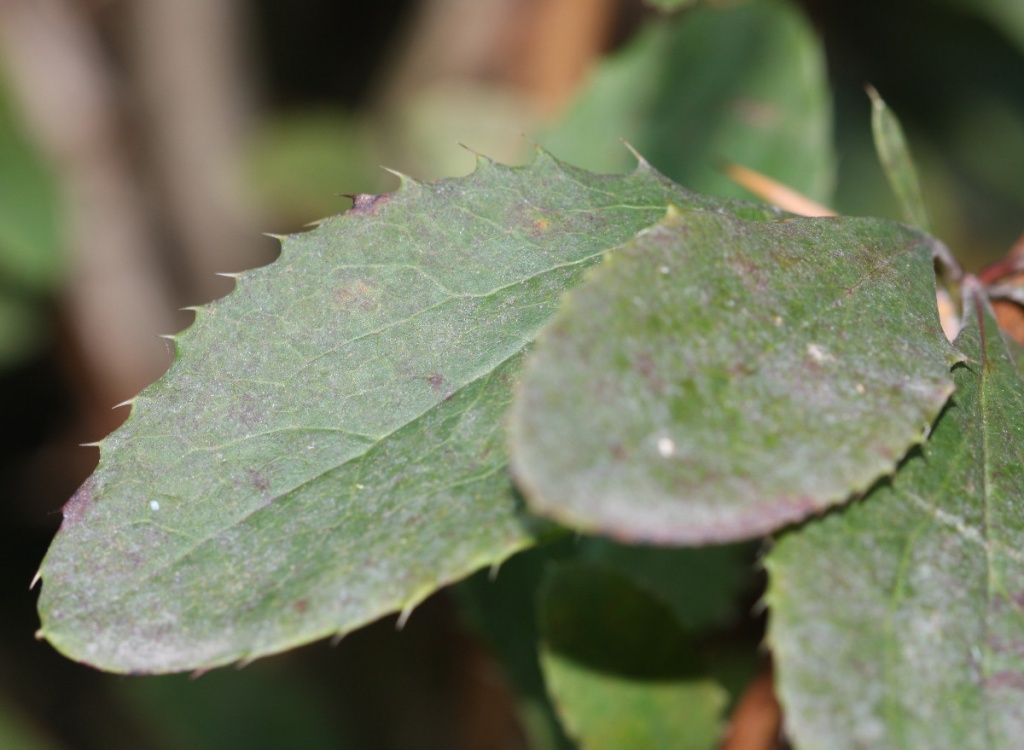
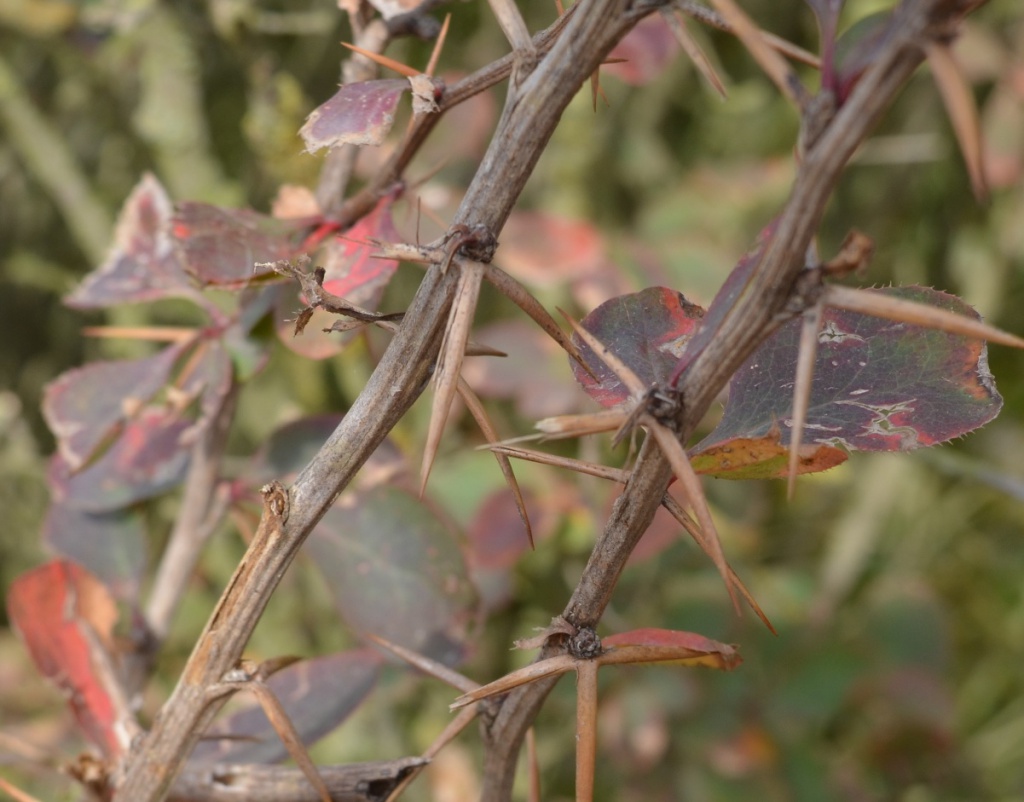
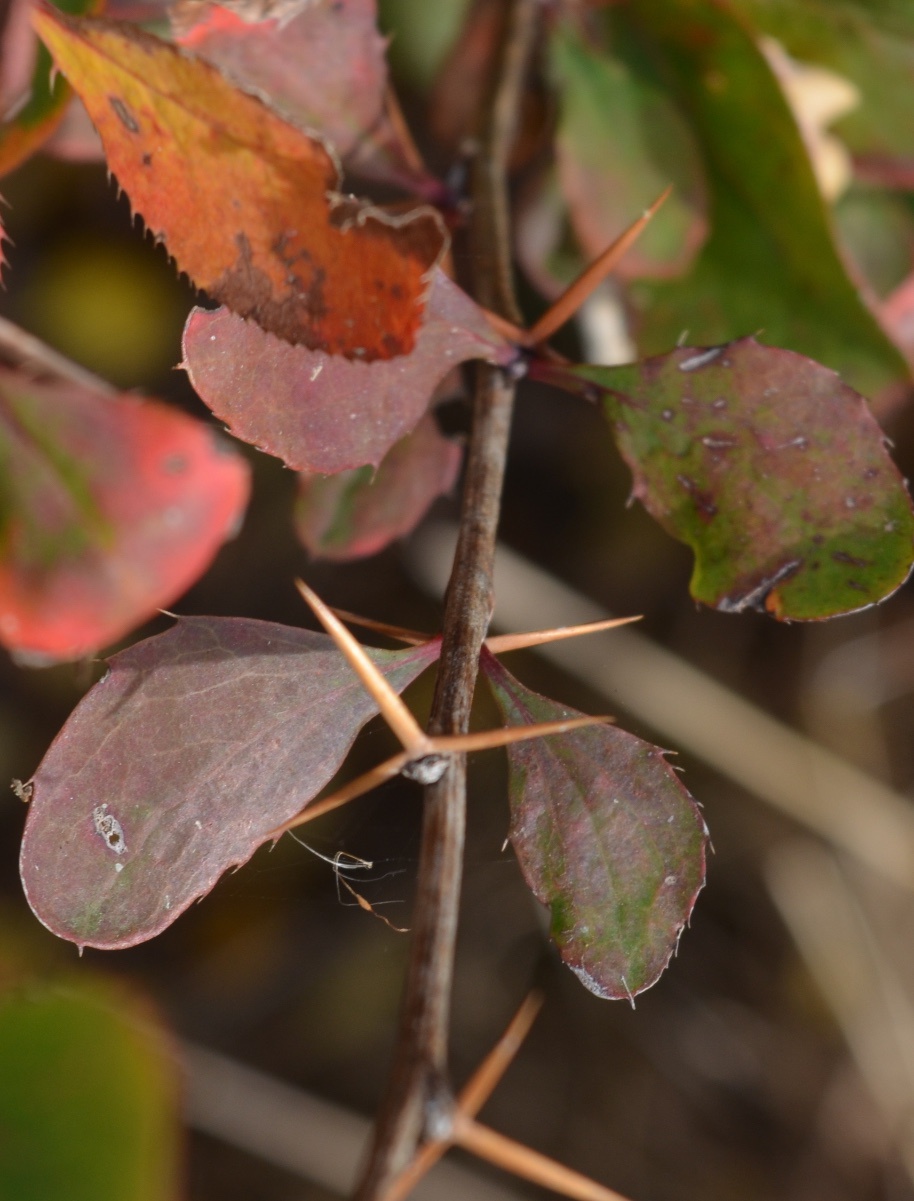
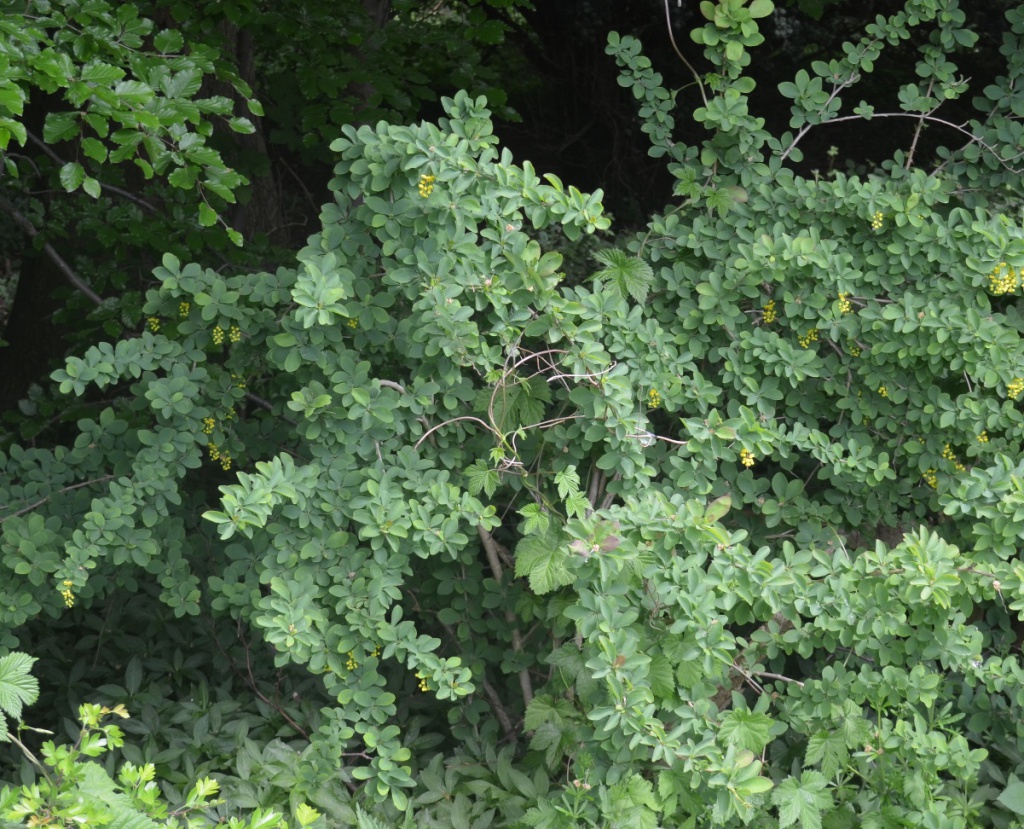
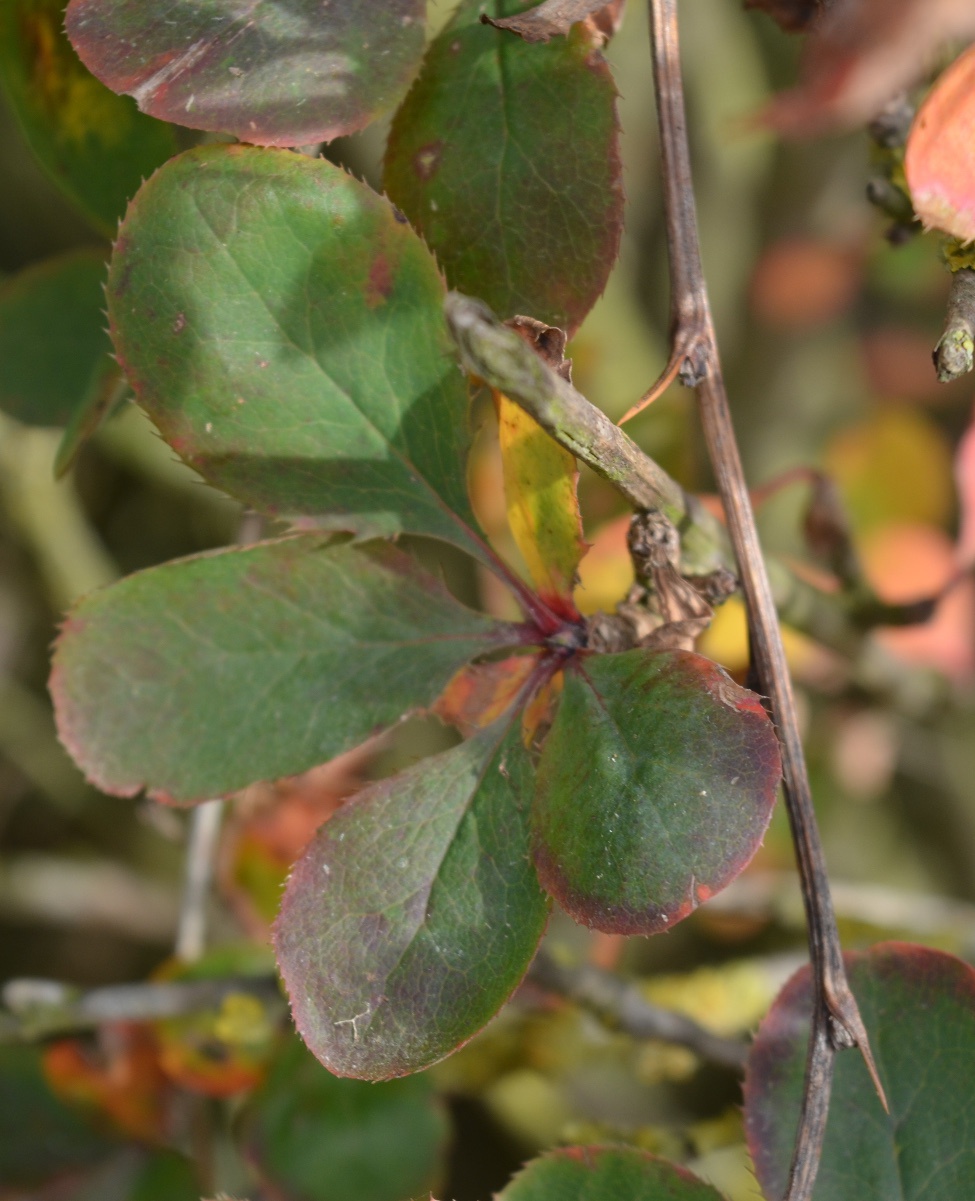
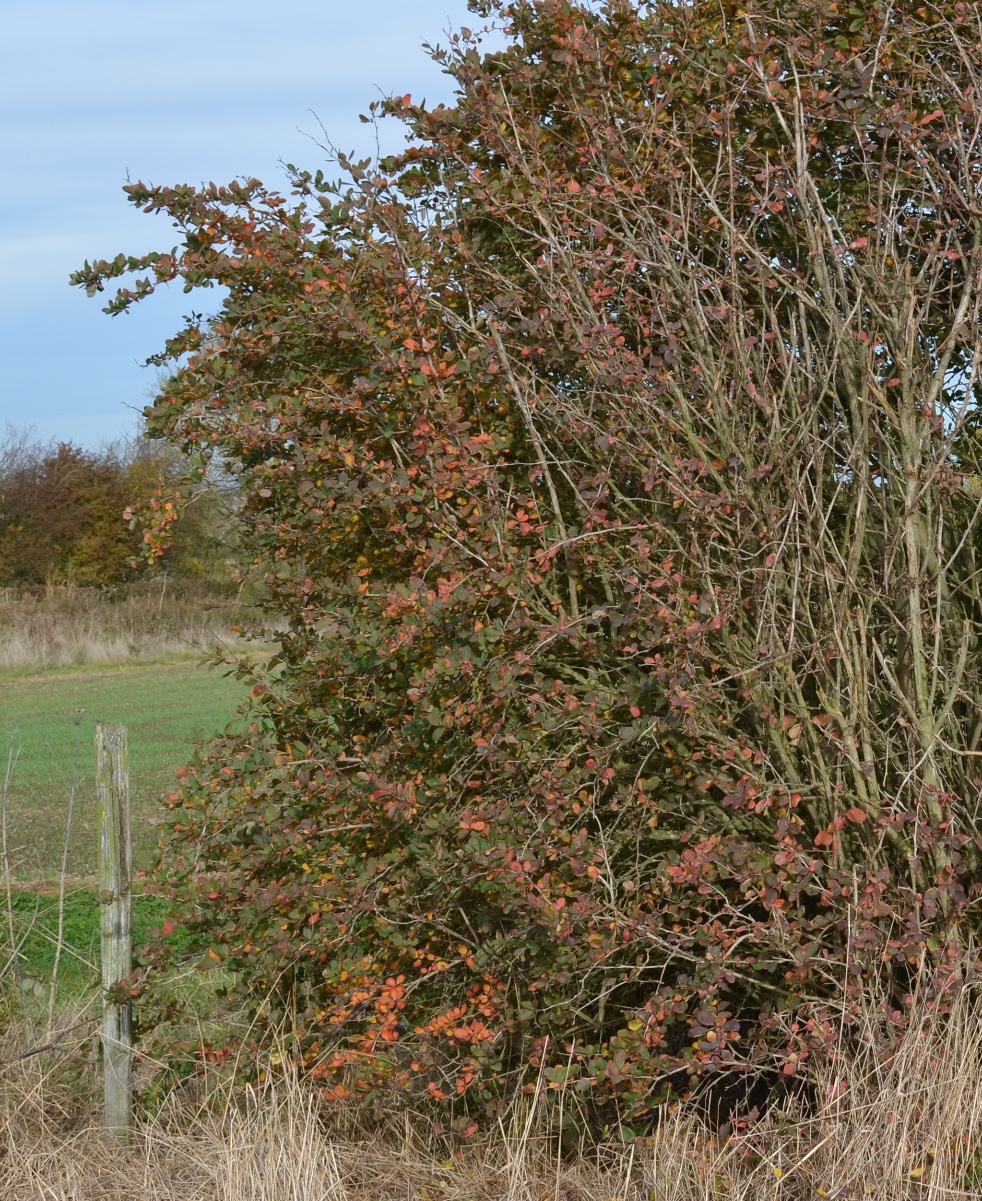
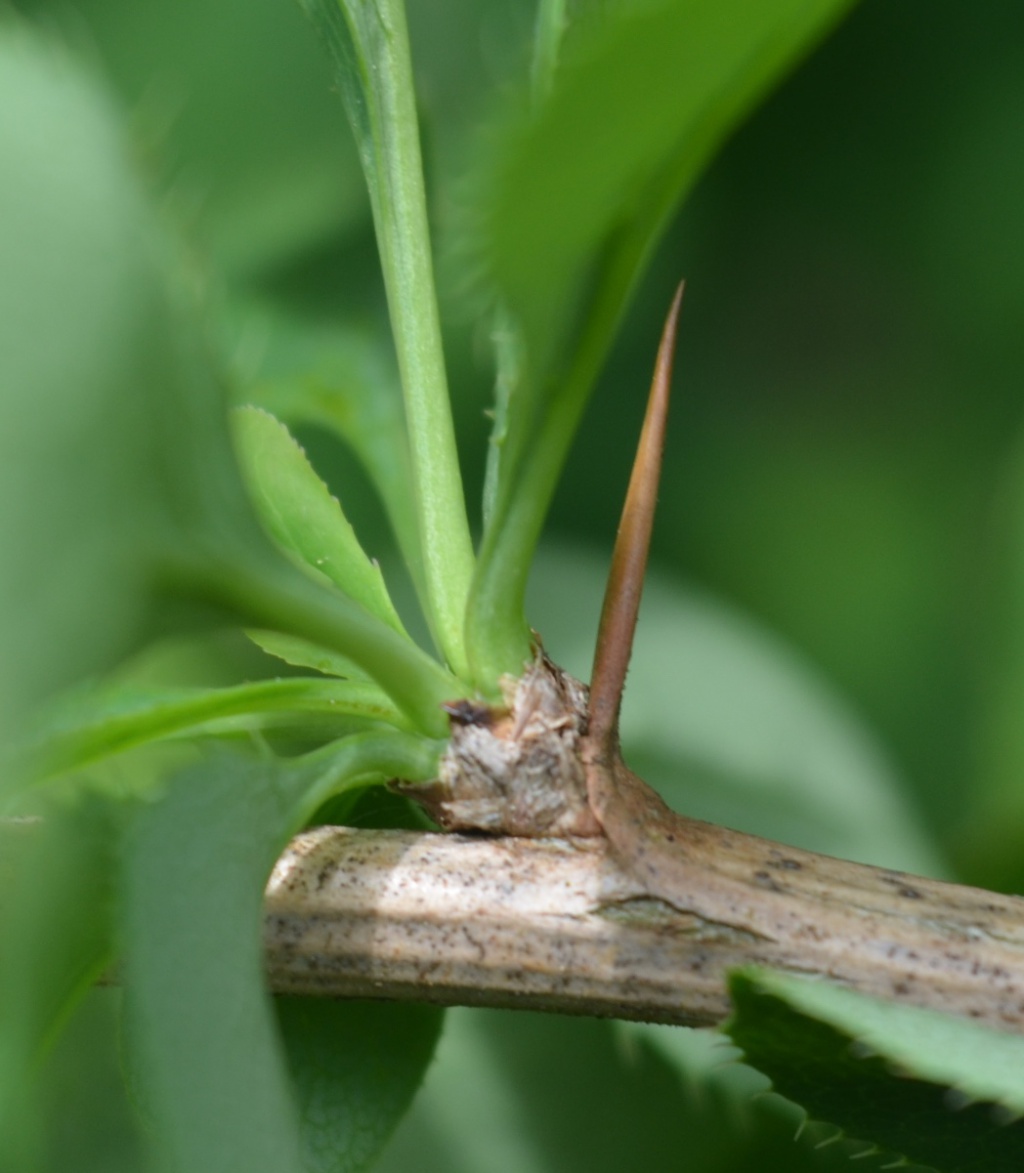
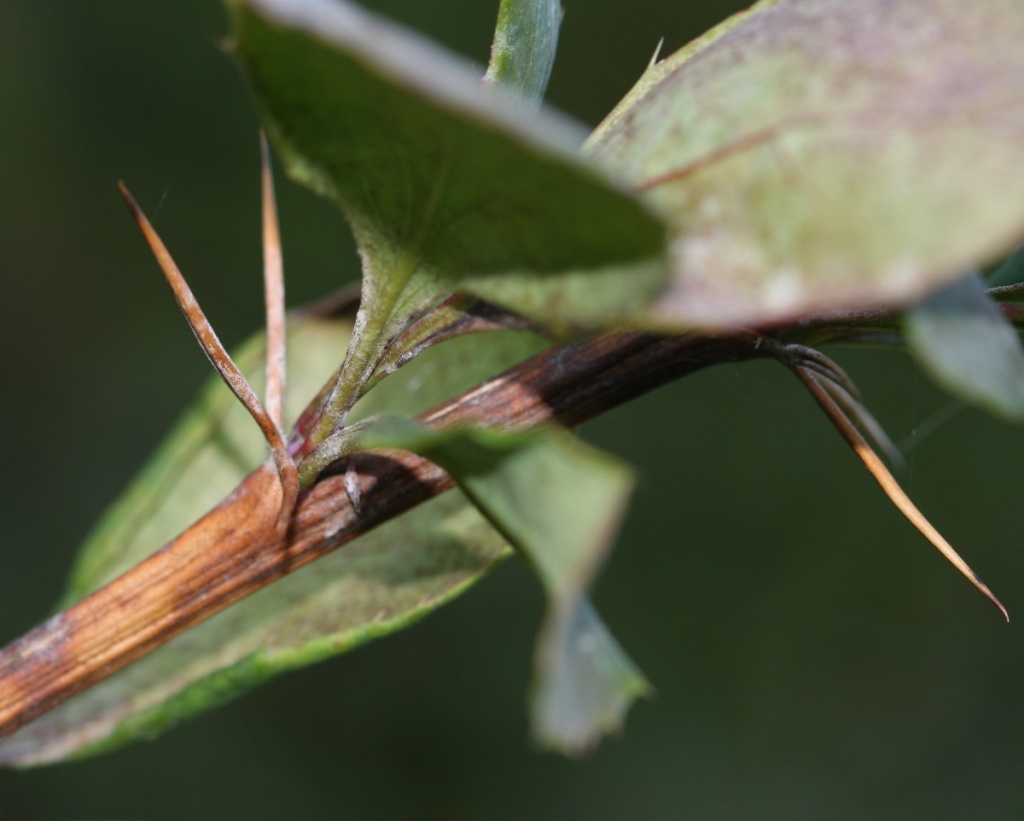
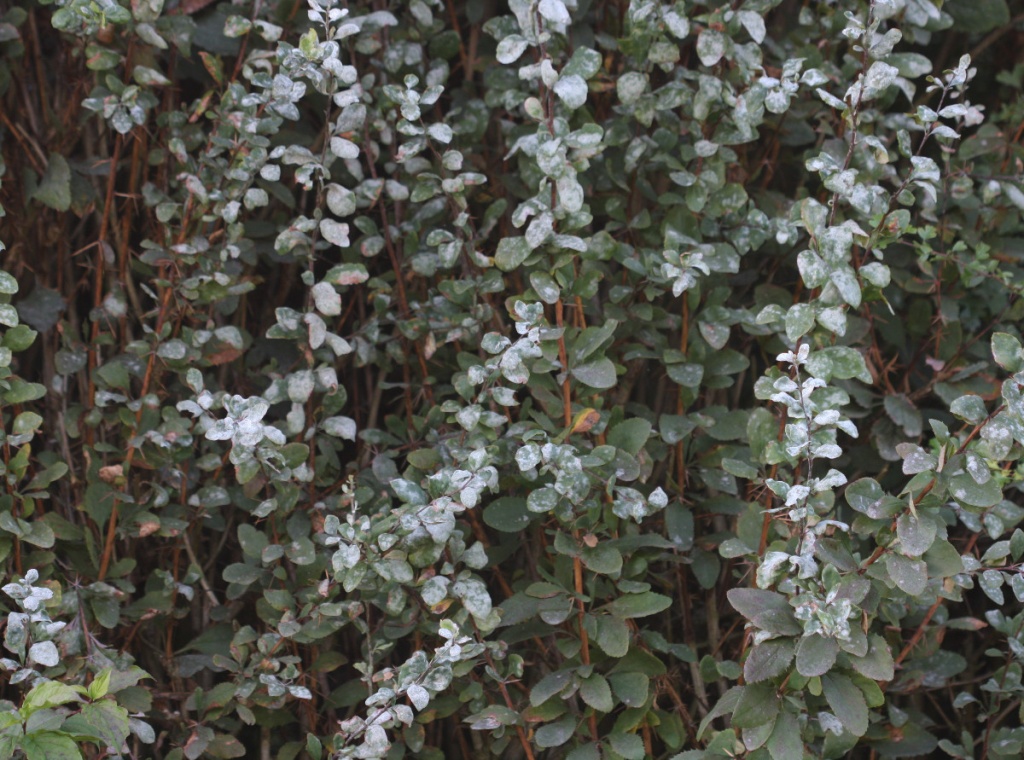
Densely branched, spiny, deciduous shrub 1.5 to 3 metres tall with yellowish ridged twigs. Spines three forked. Leaves oval, finely spine edged. Flowers bright yellow, 6 to 8 mm in pendant racemes.

Hedgerows, waste ground, scrub.
Flowering May and June.
Perennial. Was widely grubbed out in the 19th century as it was believed to harbour a rust fungus that infected crops.
Widespread throughout Britain, though native it is also found as an escape from planted stock.
Occasional in Leicestershire and Rutland. In the 1979 Flora survey of Leicestershire it was found in 20 of the 617 tetrads.
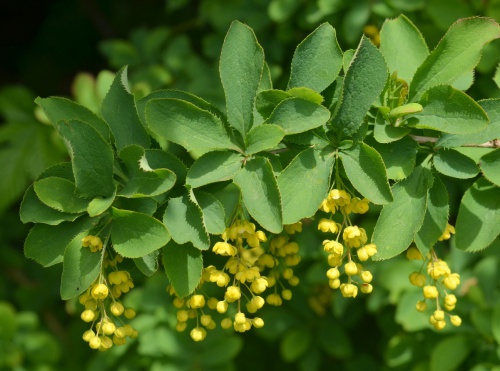 Steve Mathers
Terrace Hills
17 May 2018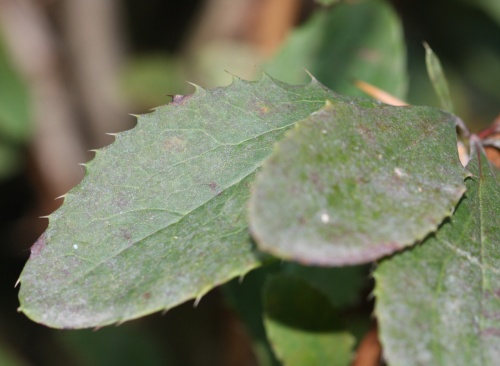 David Nicholls
Launde Fish Ponds
22 September 2012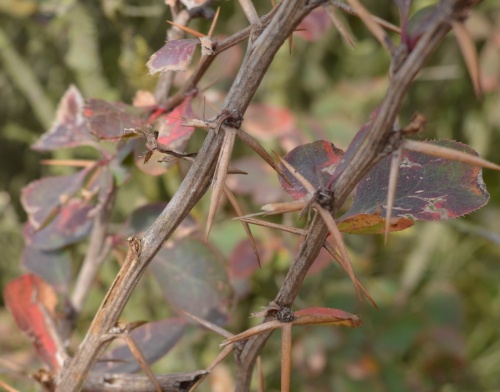 Steve Mathers
Grantham Canal (Redmile to Easthorpe Bridge)
02 November 2016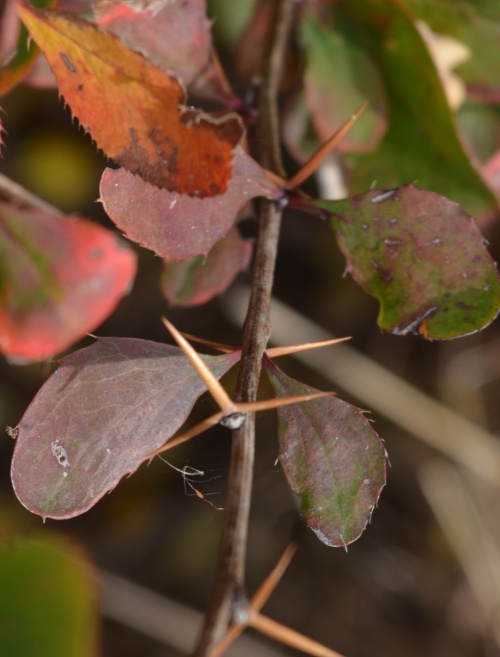 Steve Mathers
Grantham Canal (Redmile to Easthorpe Bridge)
02 November 2016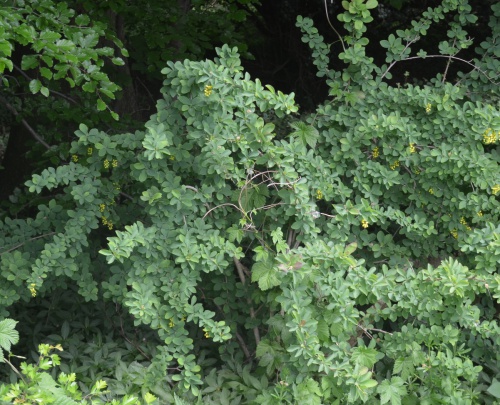 Steve Mathers
Terrace Hills
17 May 2018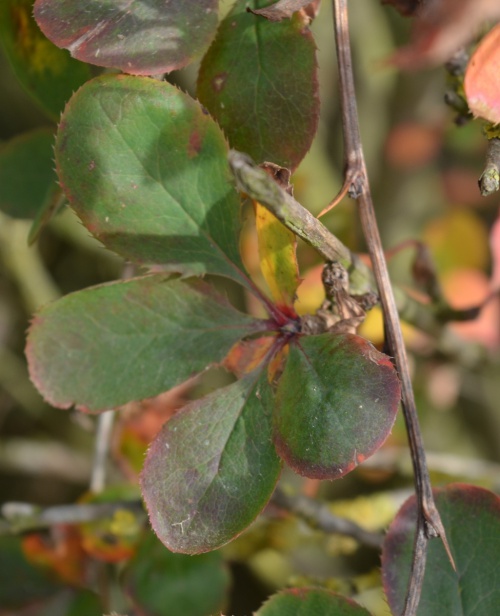 Steve Mathers
Grantham Canal (Redmile to Easthorpe Bridge)
02 November 2016
Leicestershire & Rutland Map
Enter a town or village to see local records
MAP KEY:
Yellow squares = NBN records (all known data)
Coloured squares = NatureSpot records: 2025+ | 2020-2024 | pre-2020
UK Map
Additional images
All NatureSpot records
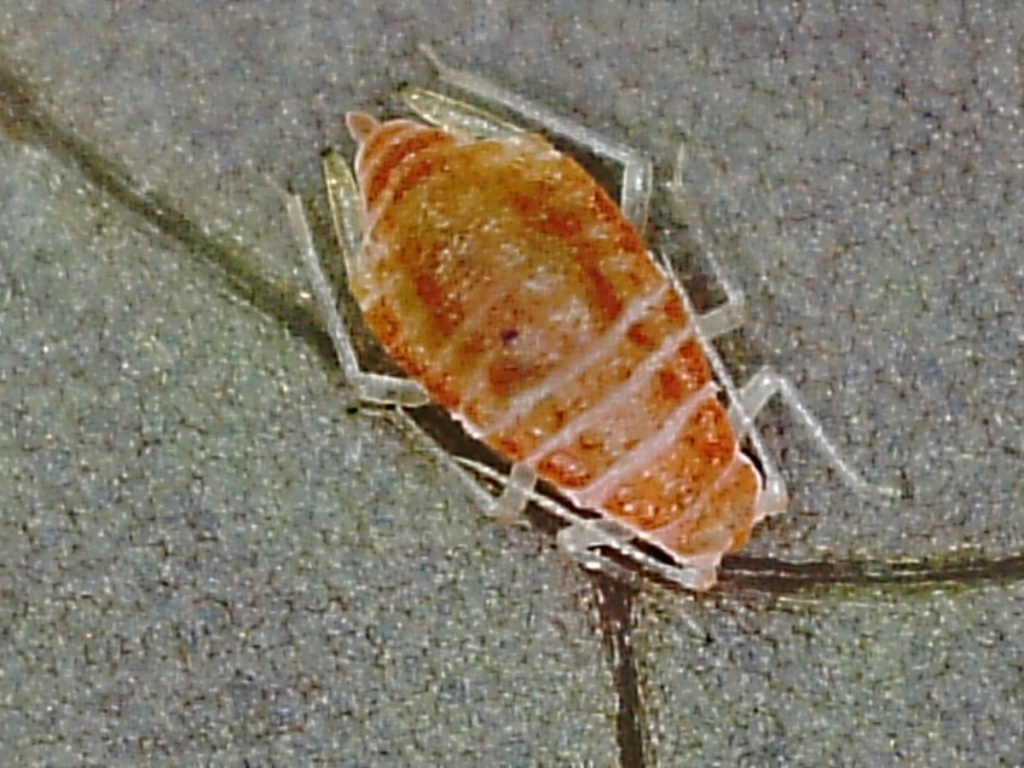
Liosomaphis berberidis
The aphid Liosomaphis berberidis does not host alternate and lives on the underside of leaves of Barberry and Oregon-grape. The alate Liosomaphis berberidis has the head, thorax, antennae and tips of legs darker than in the apterous viviparous female. Some tergites may have pale marginal and dorsal sclerites, sometimes fused into cross bands. Liosomaphis berberidis apterae are greenish yellow or reddish orange with a slight wax powdering.