Stinking Chamomile
Stinking Chamomile - Anthemis cotula
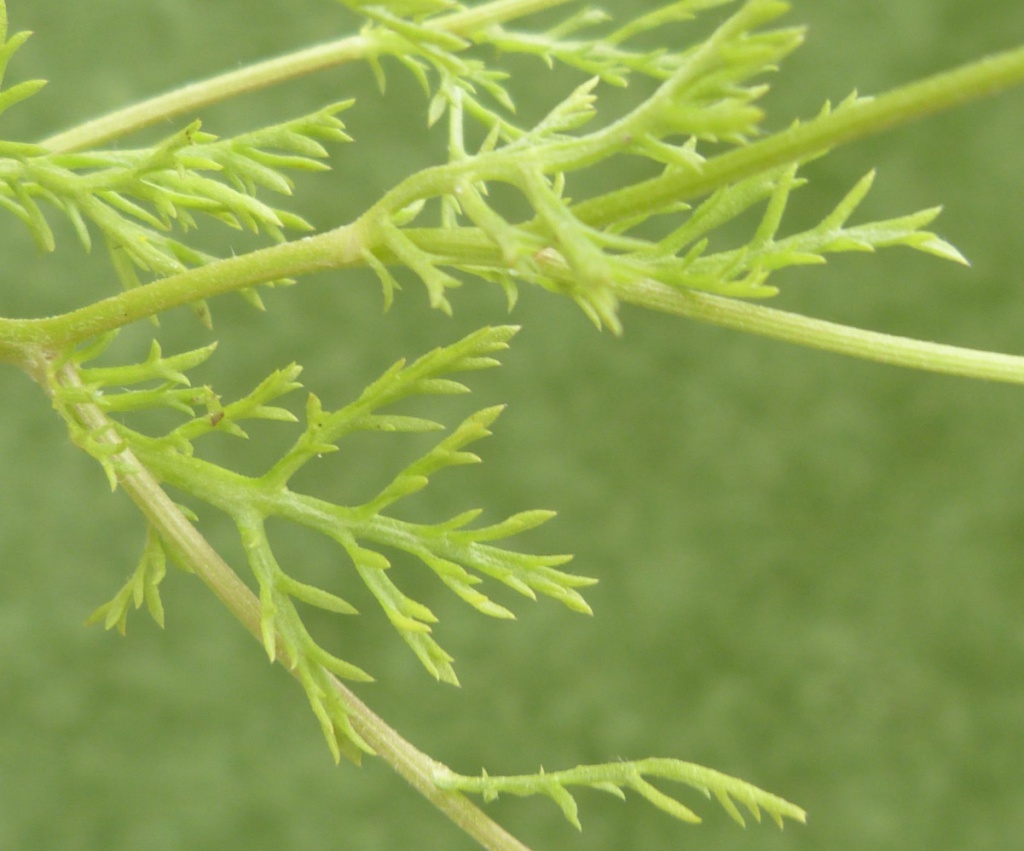
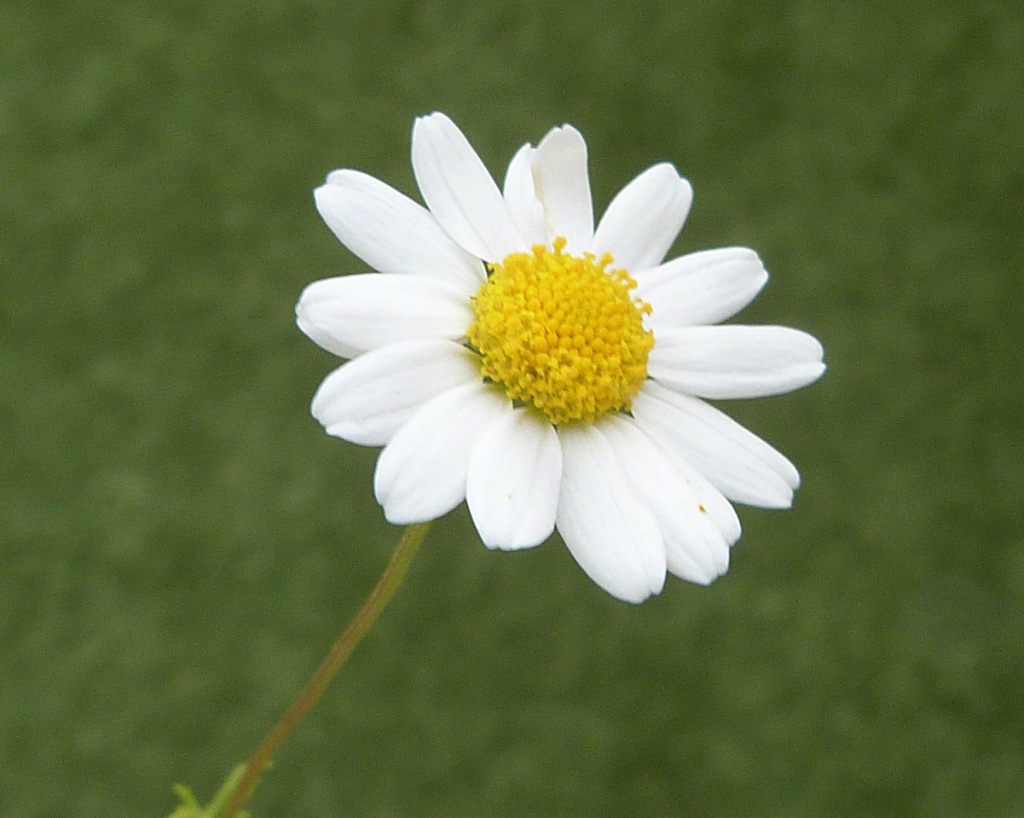
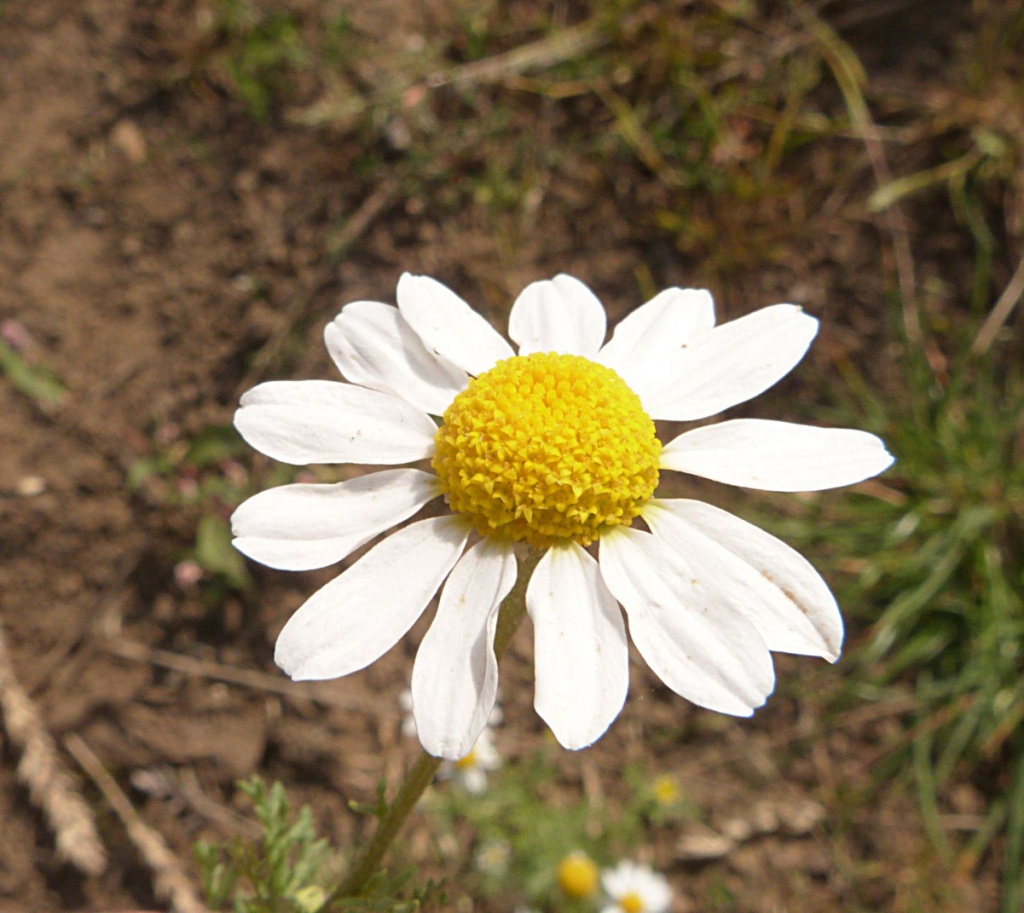
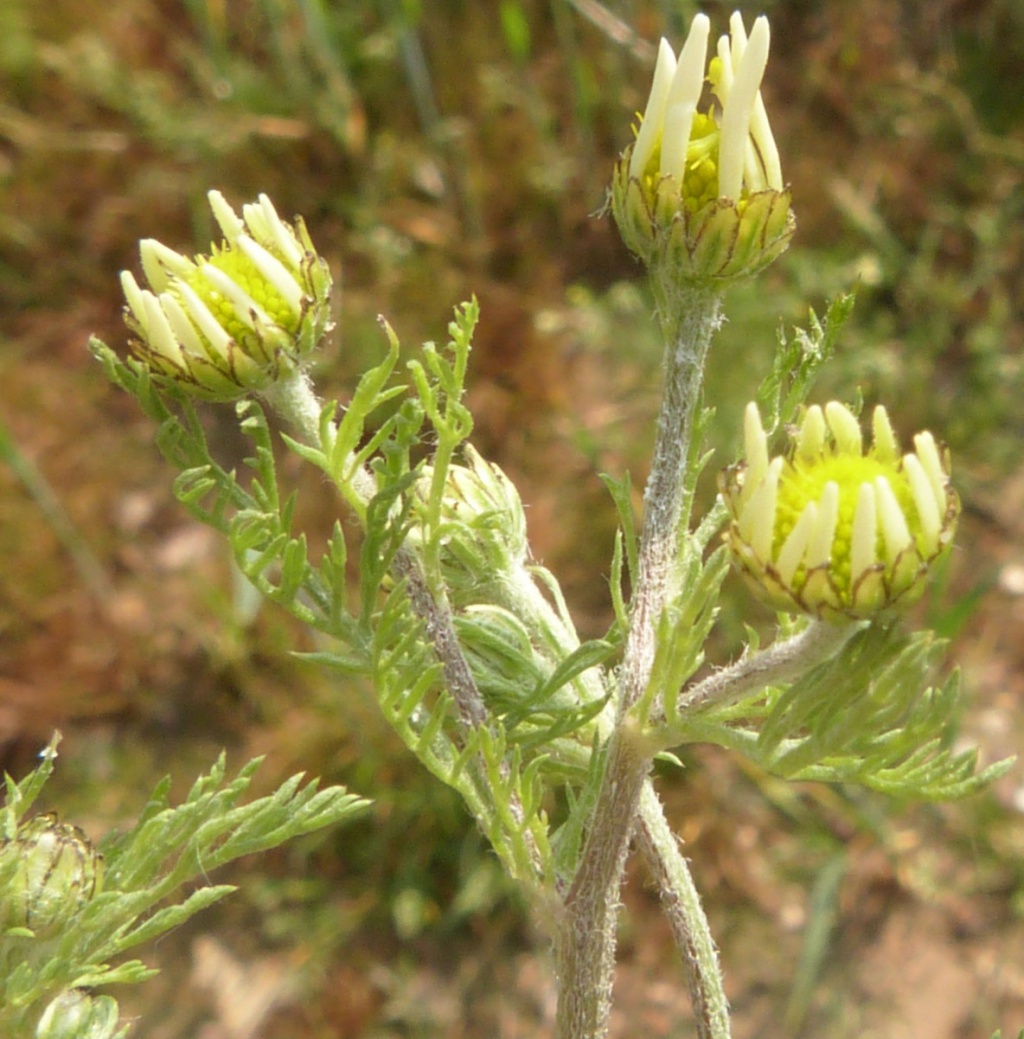
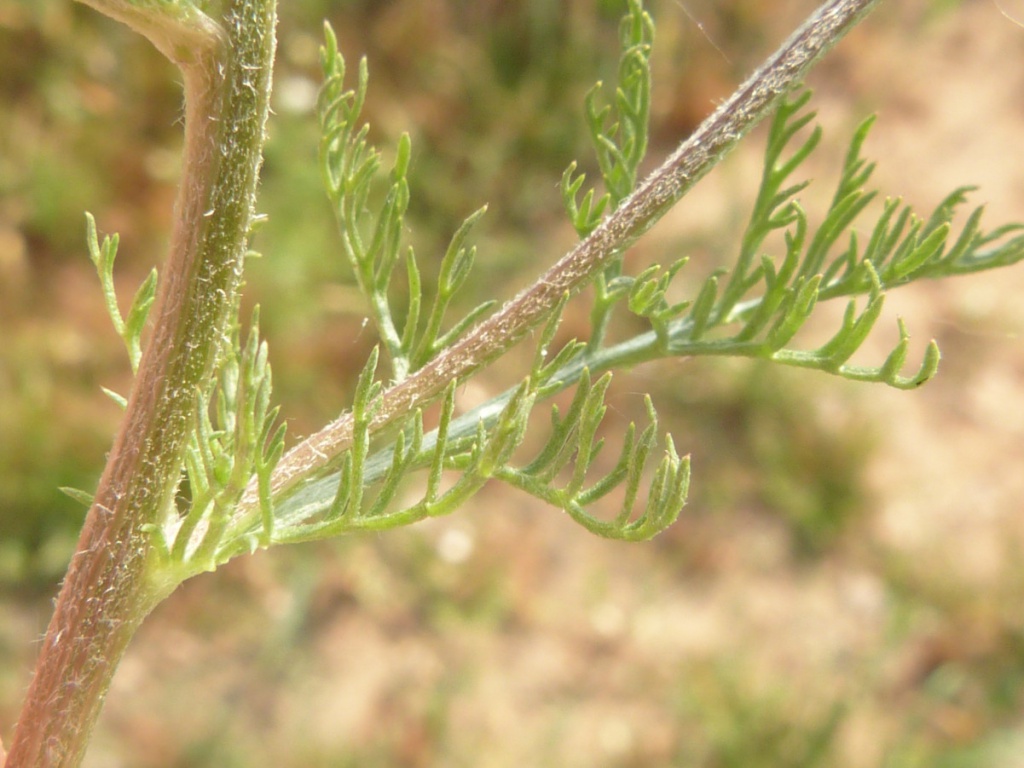
Short to medium height plant which may be hairy or hairless. It is strongly scented and some say that the smell is unpleasant, hence the Common name. Leaves 2 to 3 pinnately lobed with somewhat fleshy linear segments. Flowerheads 13 to 30 mm, white with a yellow disk, the rays spreading at first but becoming reflexed.
Scentless Mayweed (Tripleurospermum inodorum), Scented Mayweed (Matricaria chamomilla) and other Chamomiles (Anthemis, Cota and Chamaemelum nobile)

There are two very common and similar white daisy of waste ground and arable margins - Scentless Mayweed (Tripleurospermum inodorum) and Scented Mayweed (Matricaria chamomilla). They don't have scales on the receptacle, unlike Stinking Chamomile and other chamomiles, which have scales among the yellow florets on the receptacle.
Chamomile (Chamaemelum nobile), Corn Chamomile (Anthemis arvensis) and Austrian Chamomile (Cota austriaca (synonym = Anthemis)) have all been recorded in VC55, but are scarce or very rare.
Either obtain confirmation from a County Recorder before submitting a record, or submit detailed images showing key features. We recommend that you take and retain a specimen; the County Recorder may wish to see this for confirmation. (RPR)
Arable land, waste places, farmyards and disturbed ground.
Flowers May to October.
Annual.
Widespread but local in England and Wales, rare elsewhere.
England Red List: Vulnerable.
GB Red List: Vulnerable.
It is uncommon in Leicestershire and Rutland. Nearly all recent records are from the limestone areas near the border with Lincolnshire.
In the Flora of Leicestershire (Primavesi & Evans, 1988) it was found in 82 of the 617 tetrads, and in the Flora of Rutland (Messenger 1971) in 51 tetrads.
In the current checklist (Jeeves 2011) is a listed as Alien (archaeophyte); now scarce.
It is listed on the current VC55 Rare Plant Register (Hall and Woodward 2022) because of the the national threat-level.
 Graham Calow
Near High Cross
18 August 2016 Graham Calow
Dunton Gorse
08 July 2021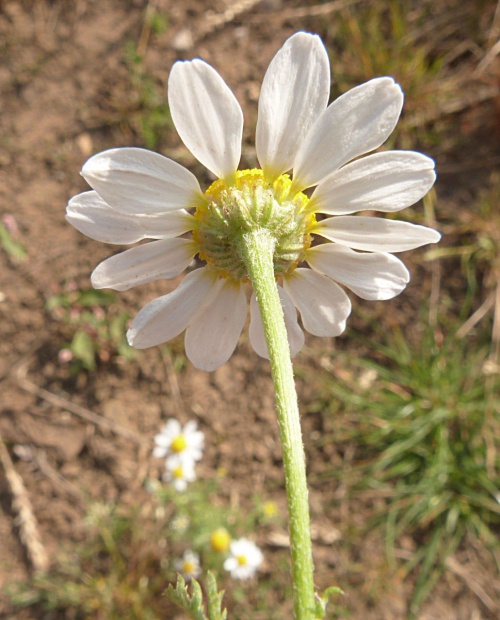 Graham Calow
Near High Cross
18 August 2016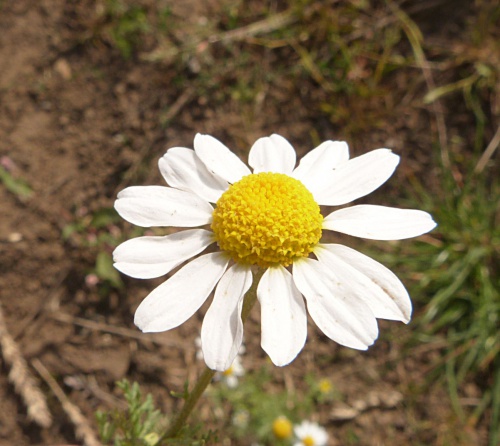 Graham Calow
Near High Cross
18 August 2016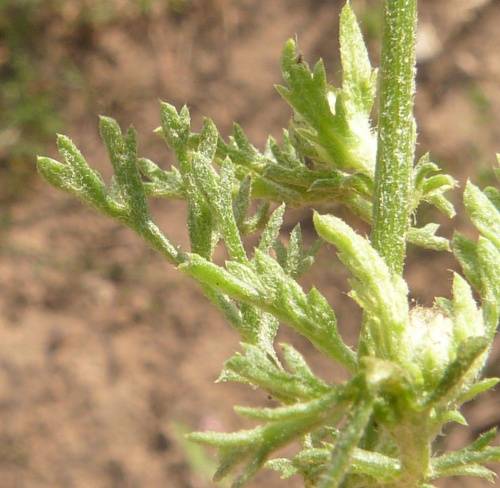 Graham Calow
Near High Cross
18 August 2016
hairs on leaves Graham Calow
Near High Cross
09 June 2016 Graham Calow
Near High Cross
09 June 2016



Leicestershire & Rutland Map
Enter a town or village to see local records
MAP KEY:
Yellow squares = NBN records (all known data)
Coloured squares = NatureSpot records: 2025+ | 2020-2024 | pre-2020
UK Map
Additional images