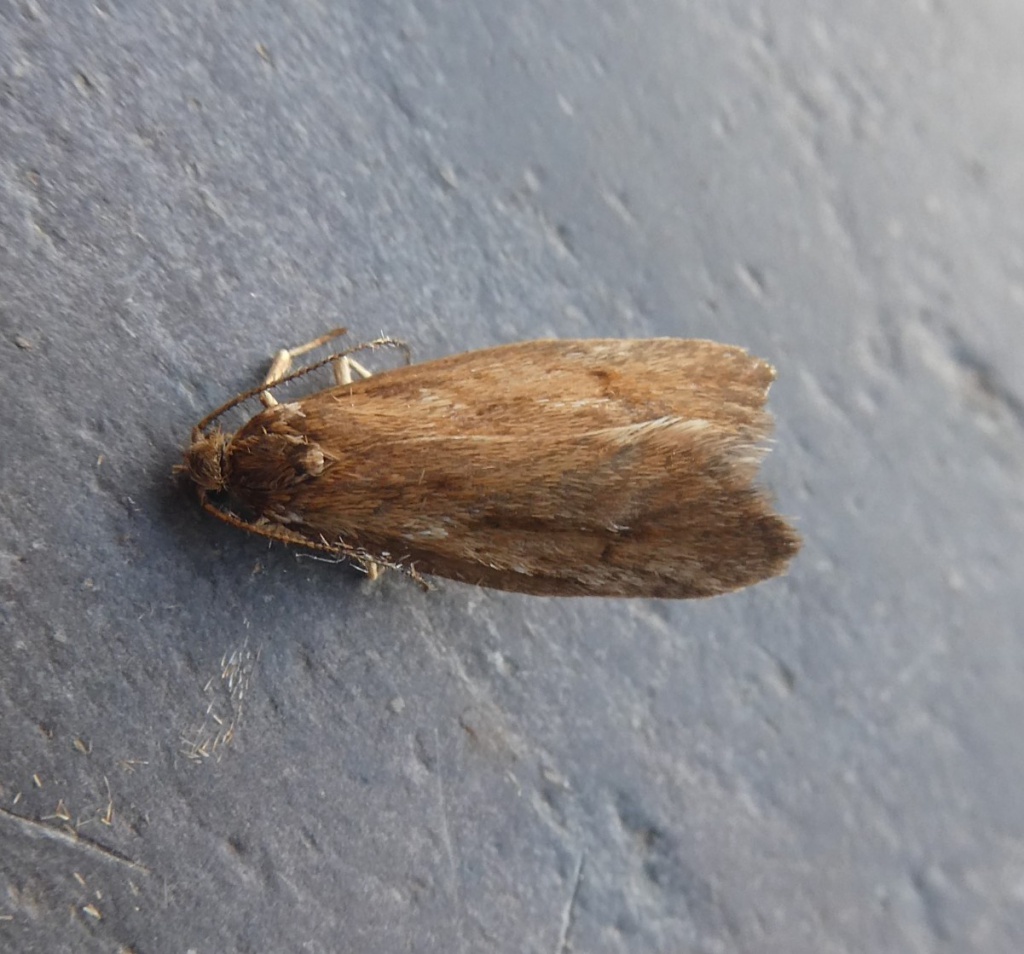
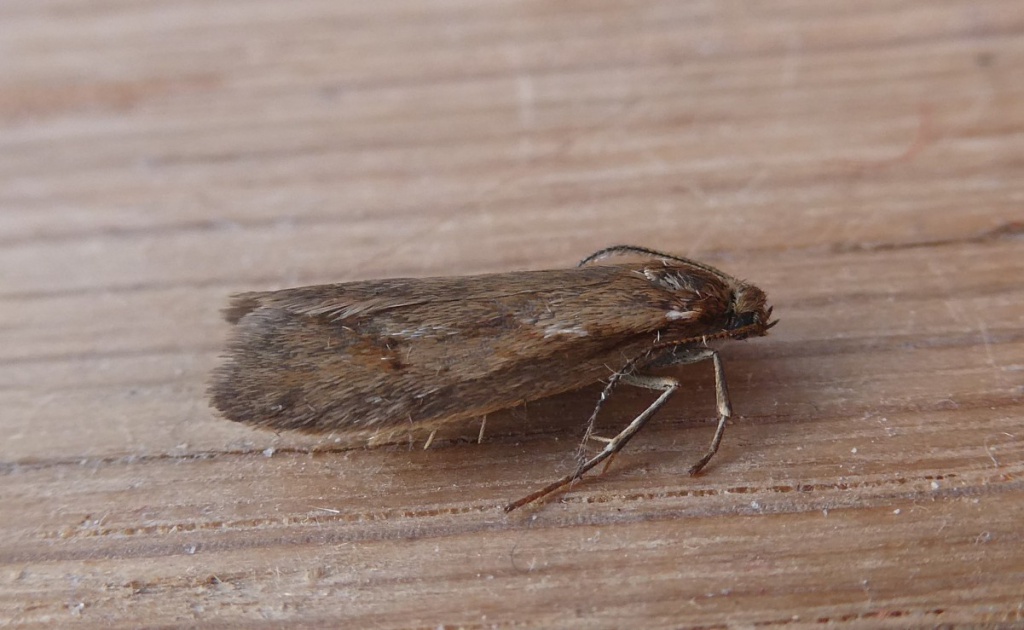
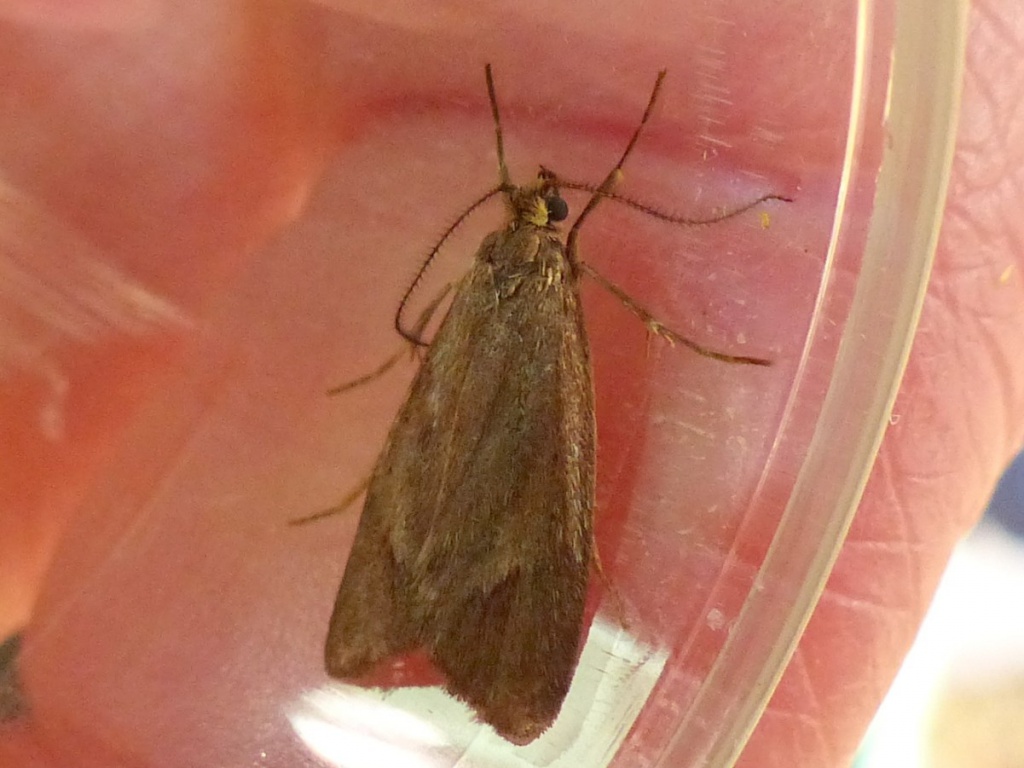
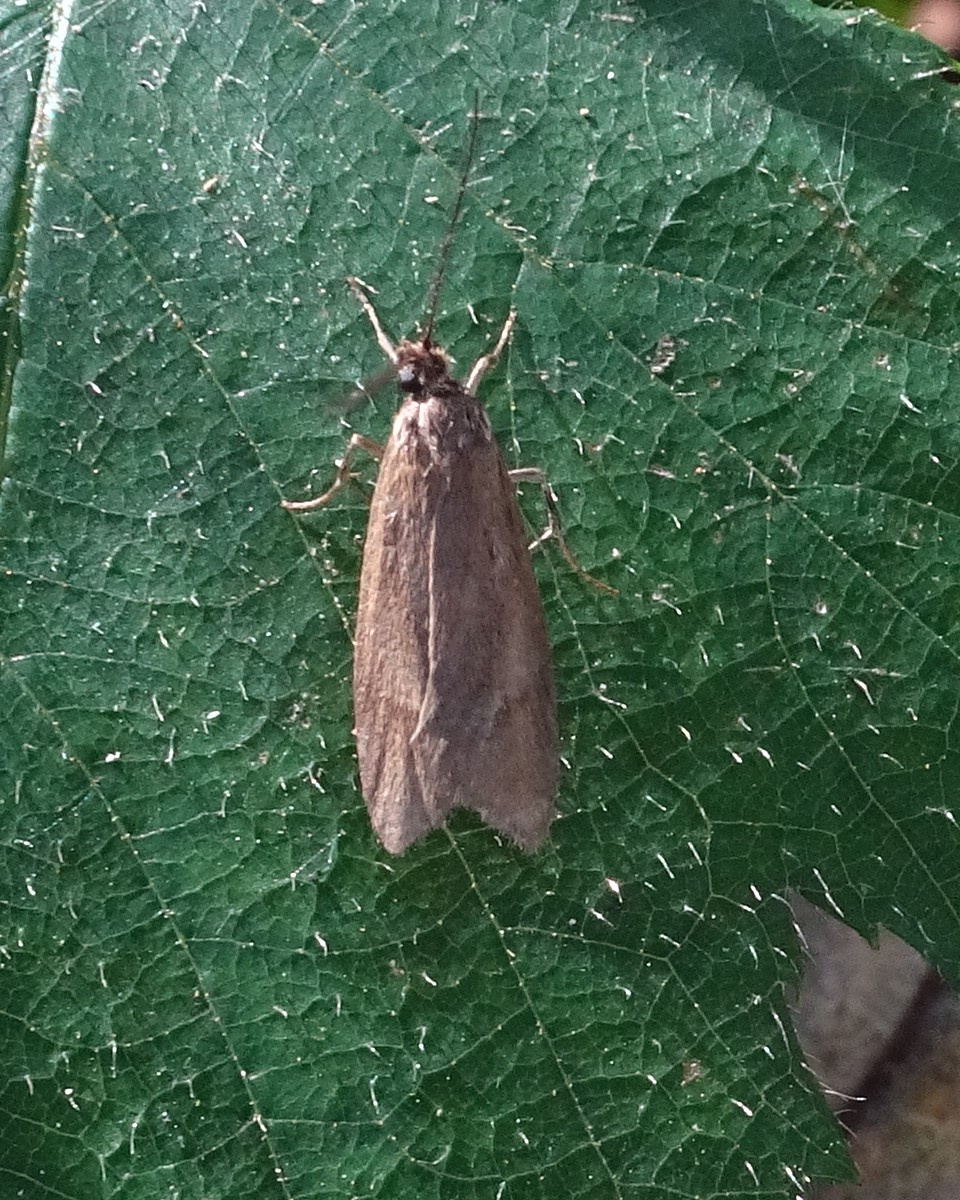
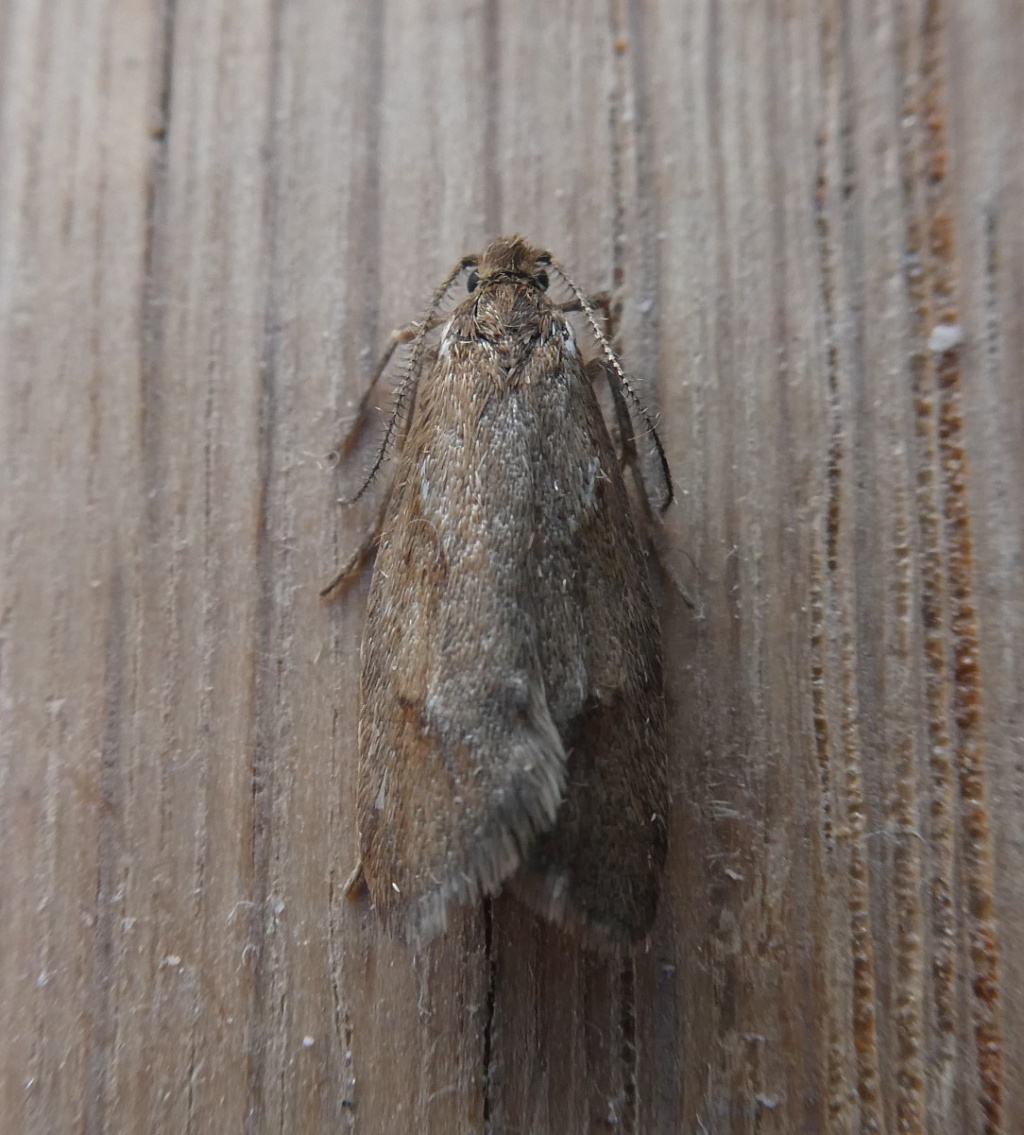
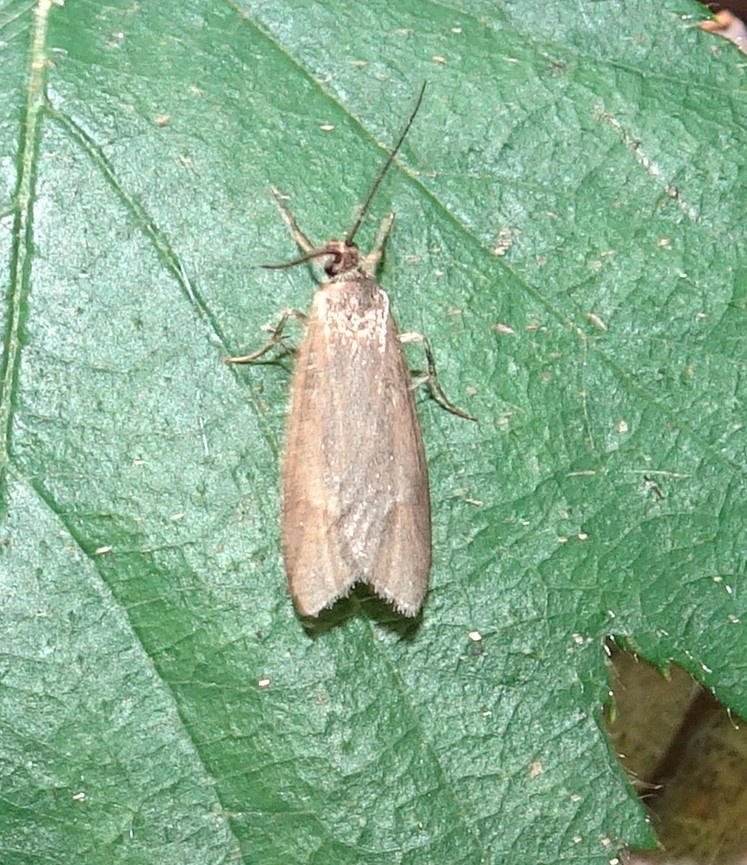
Diurnea lipsiella
Diurnea lipsiella
November Tubic
Diurnea phryganella
Wingspan about 23 mm (male) and 17 mm (female). In common with D. fagella, the females have under-developed wings (brachypterous).

Areas where the larval foodplants are present.
The adult moths are at large in October and November, when the males can be attracted to light.
Oak (Quercus) and bilberry (Vaccinium myrtillus) are the preferred larval foodplants in this country.
Locally but widely distributed over much of the British Isles. In the Butterfly Conservation's Microlepidoptera Report 2011 this species was classified as local.
It appears to be uncommon in Leicestershire and Rutland, where there are few records. L&R Moth Group status = D (rare or rarely recorded).
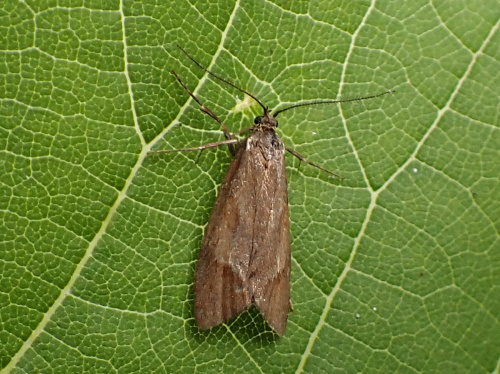 David Robinson
Charley Woods NR
16 October 2025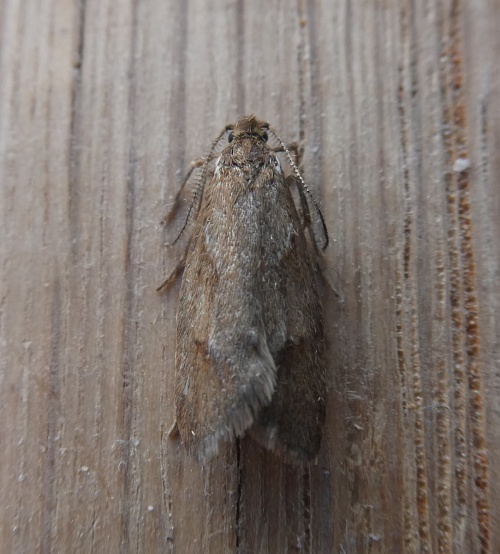 sue
sue
Bradgate Park, ditch near Elder plantation
24 October 2022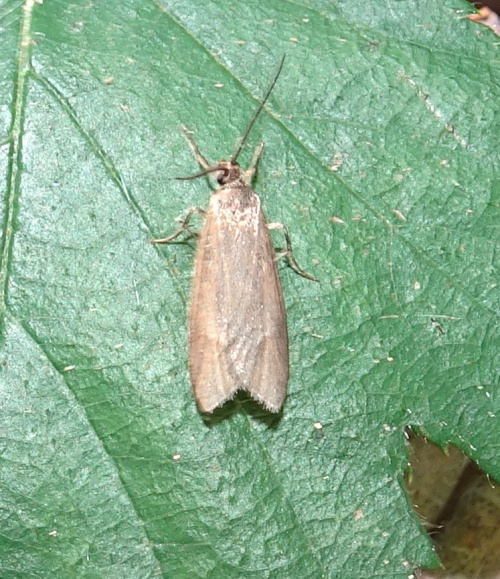 Hazel Graves
Barn Hill Woods
27 October 2024
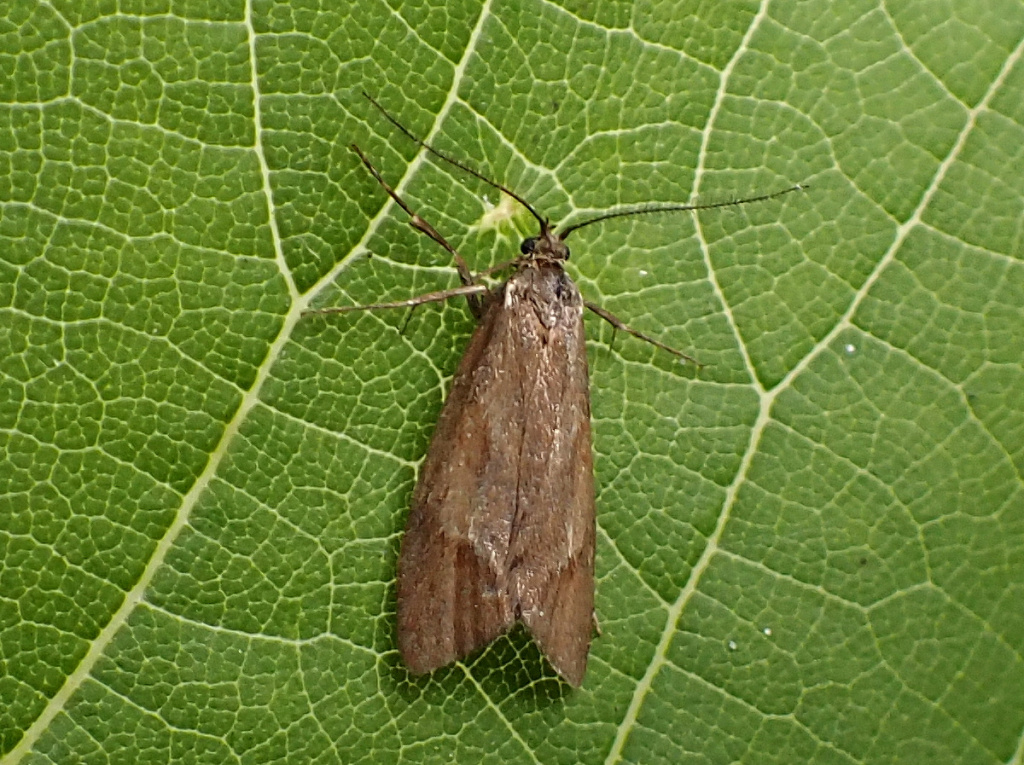
Leicestershire & Rutland Map
Enter a town or village to see local records
MAP KEY:
Yellow squares = NBN records (all known data)
Coloured squares = NatureSpot records: 2025+ | 2020-2024 | pre-2020
UK Map
Additional images