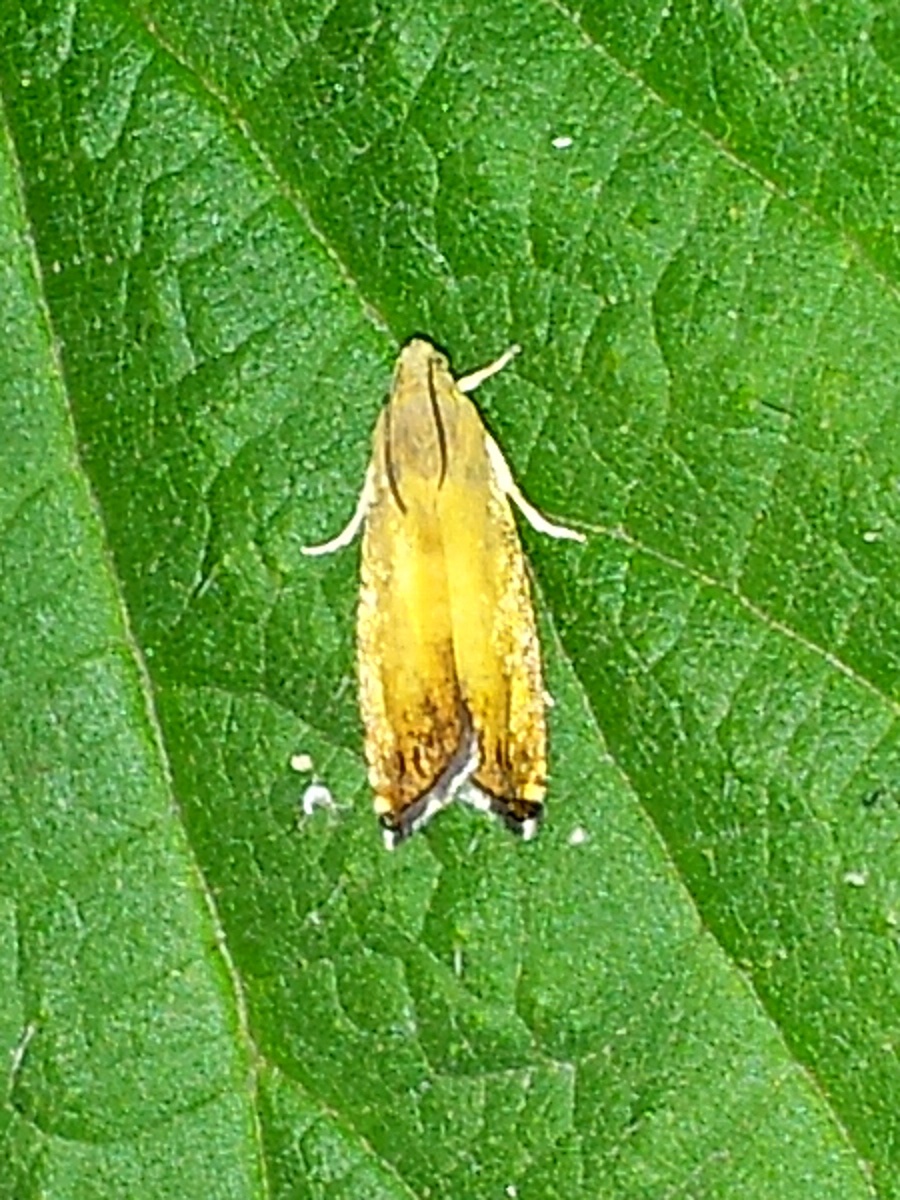
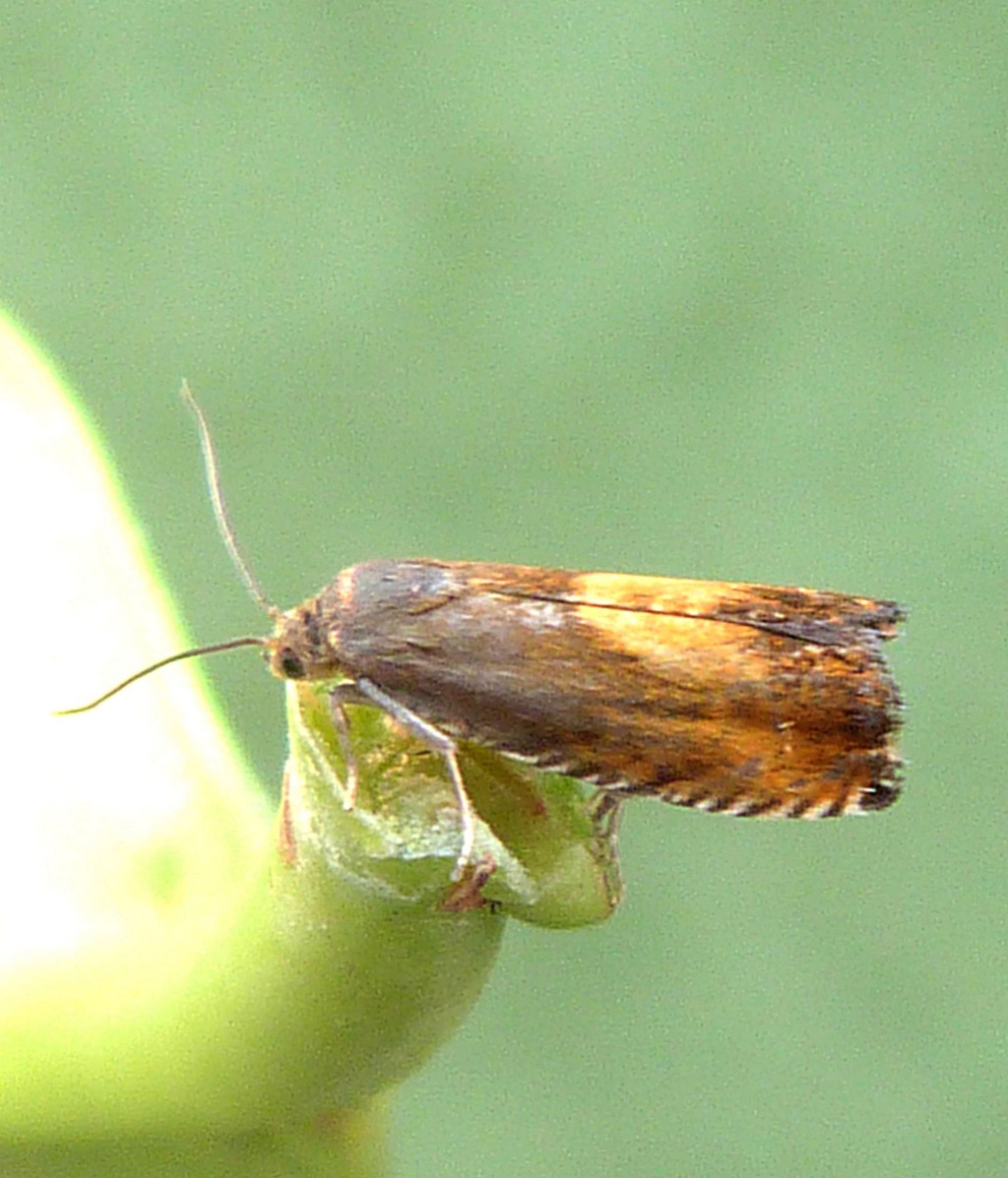
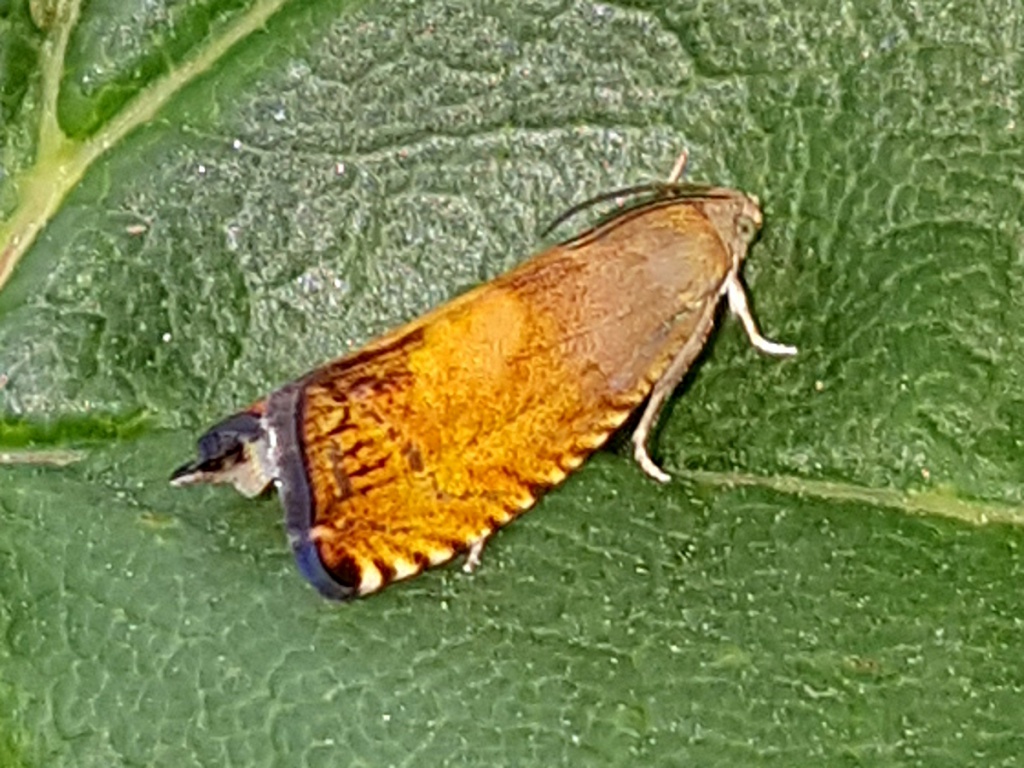
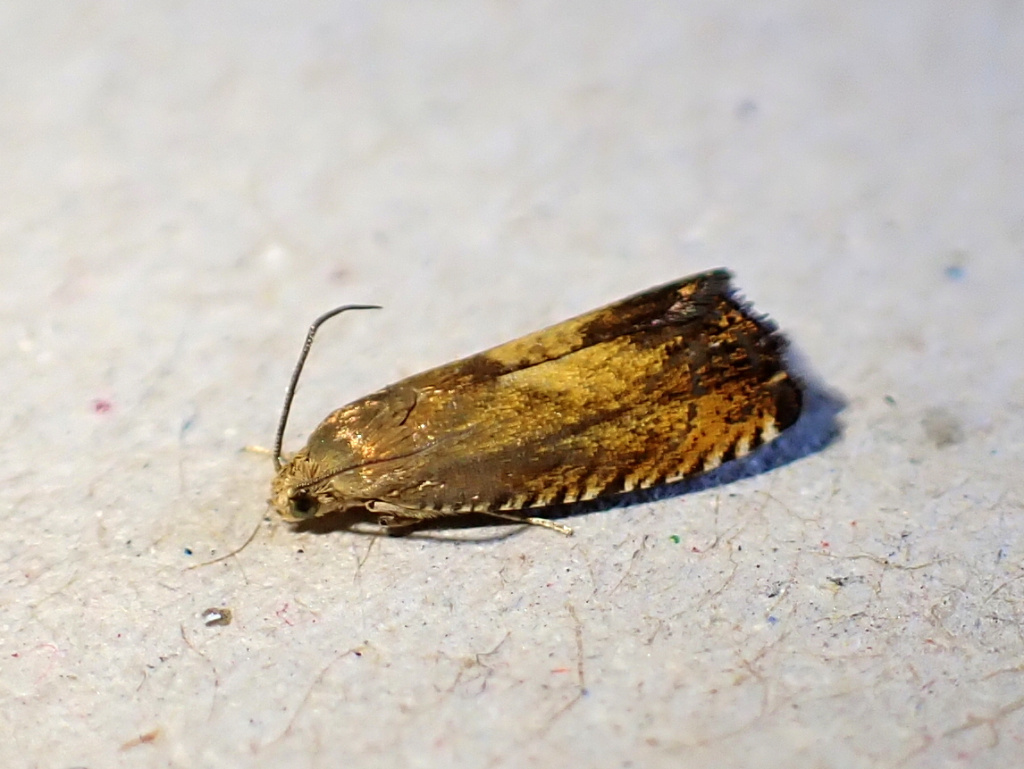
Pammene aurita
Pammene aurita
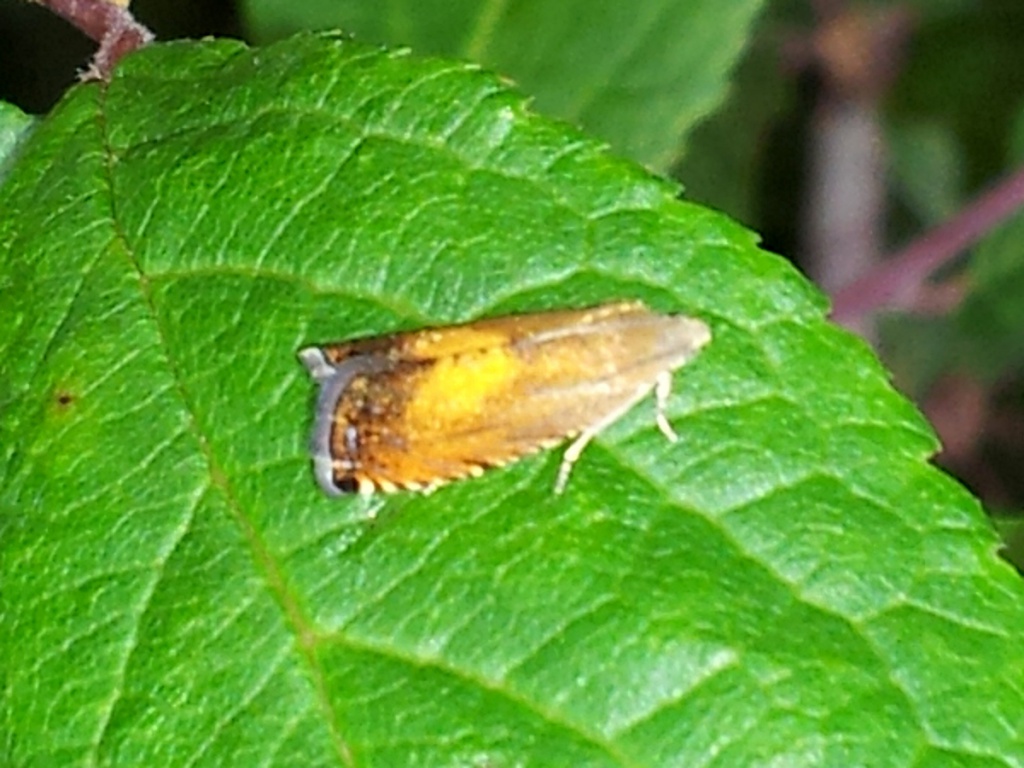
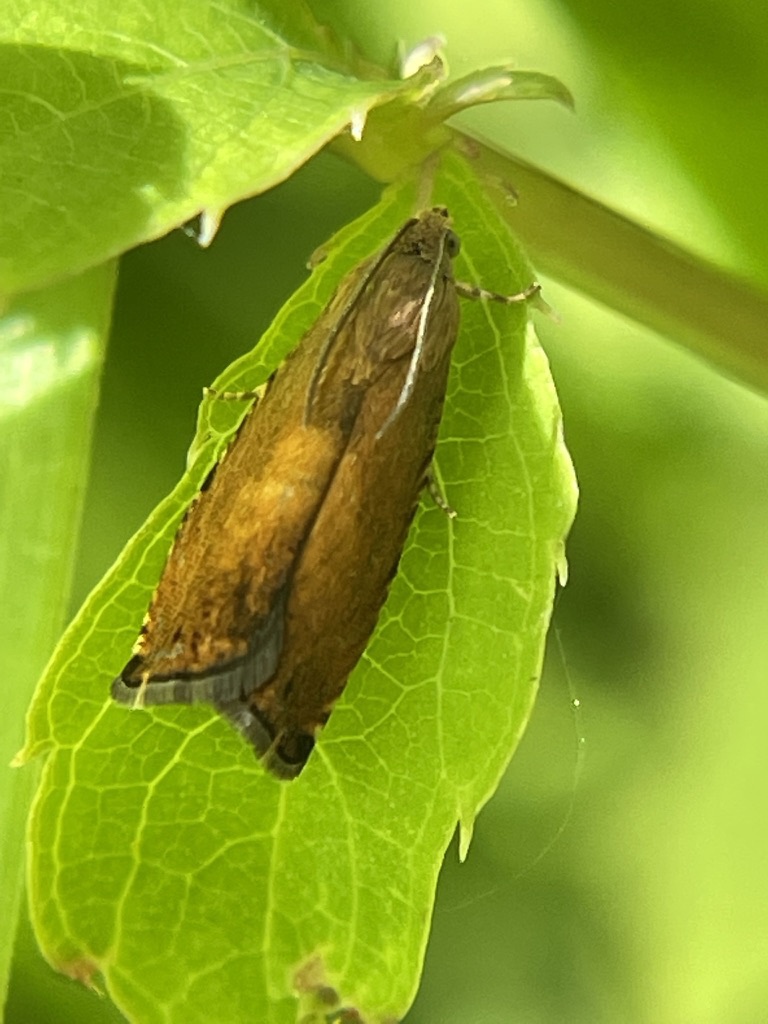
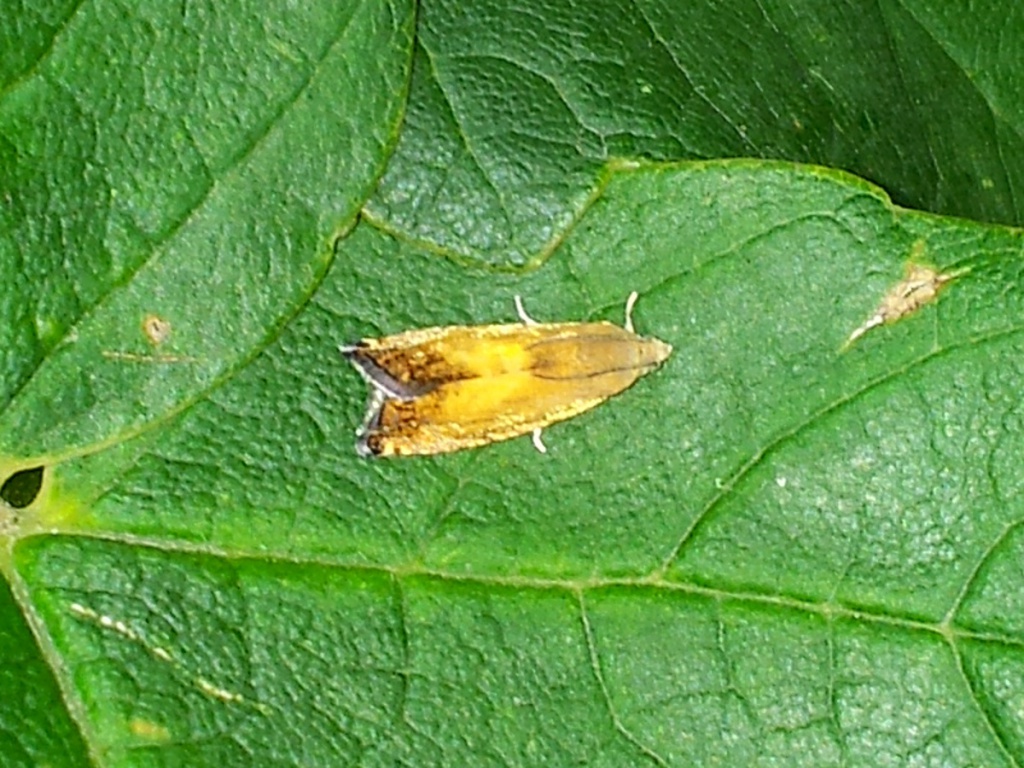
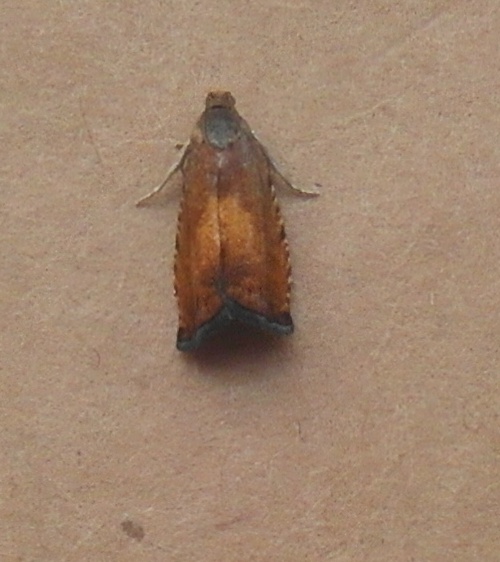
Sycamore Piercer
Wingspan 14 to 15 mm.

Around Sycamore.
The adult moths are on the wing in July and August, from late afternoon onwards, and are most often encountered at light.
The larvae feed inside the seeds of sycamore (Acer pseudoplatanus), and their presence is sometimes betrayed by small exit holes in the seeds themselves.
An adventive colonist, first discovered in Britain in 1943 in south-east Kent. Since then it has become widely but thinly established over much of England and Wales. In the Butterfly Conservation's Microlepidoptera Report 2011 this species was classified as local.
Occasional in Leicestershire and Rutland. L&R Moth Group status = C (very scarce resident or rare migrant).
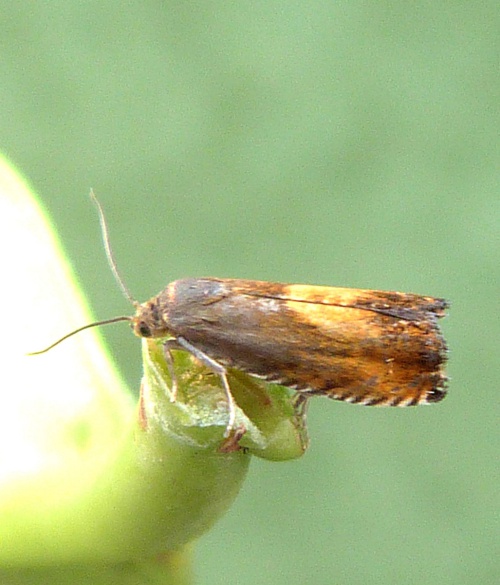 Graham Calow
Sapcote, Granitethorpe allotments
13 August 2022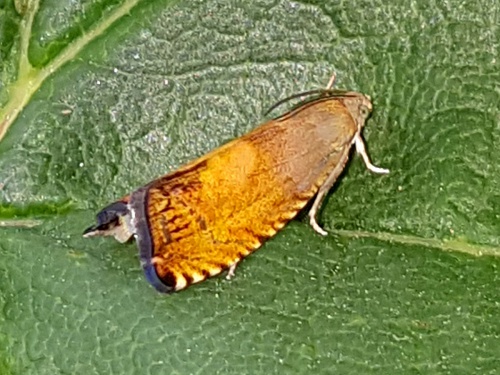 Mike Higgott
County Hall
19 July 2017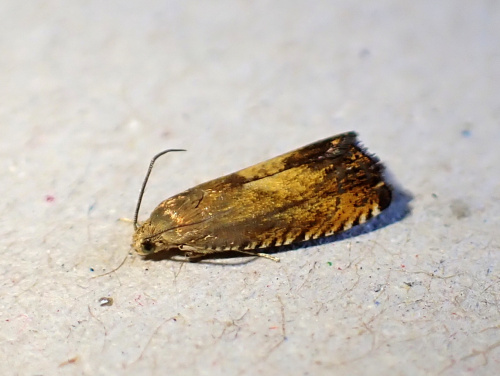 David Robinson
Garendon Country Park
28 July 2026
Leicestershire & Rutland Map
Enter a town or village to see local records
MAP KEY:
Yellow squares = NBN records (all known data)
Coloured squares = NatureSpot records: 2025+ | 2020-2024 | pre-2020
UK Map
Additional images